In the world of modern display technology, terms like LCD and LED are often used interchangeably, yet they refer to distinct concepts that impact the quality, efficiency, and application of screens we use daily. From smartphones and televisions to billboards and computer monitors, understanding what LCD and LED displays are, how they work, and their differences can help consumers and professionals make informed choices. This article delves into the fundamentals of LCD and LED displays, clarifying the technology behind them and exploring their advantages and limitations.
Understanding LCD: Liquid Crystal Display Technology
Liquid Crystal Display, or LCD, is a flat-panel display technology that has been a staple in electronic devices for decades. It operates by manipulating liquid crystals to control light passage, creating images that are visible to the human eye. The technology is widely used because of its relatively low power consumption, thin profile, and ability to produce sharp images.
How LCD Works
At its core, an LCD panel consists of several layers. The most crucial component is the liquid crystal layer, sandwiched between two polarized glass panels. When an electric current passes through the liquid crystals, they align in a way that either blocks or allows light to pass through. This modulation of light creates the images on the screen.
However, liquid crystals do not emit light themselves. Instead, LCDs require a backlight to illuminate the screen. Early LCDs used cold cathode fluorescent lamps (CCFLs) for backlighting, which were relatively bulky and less energy-efficient. This is where LED technology comes into play, enhancing LCD displays significantly.
Applications of LCD Technology
LCDs have been widely adopted across various devices due to their versatility. They are found in computer monitors, televisions, smartphones, digital watches, and even instrument panels in vehicles. The ability to produce high-resolution images with low power consumption makes LCDs ideal for portable devices.
Moreover, advancements in LCD technology have led to improvements such as higher refresh rates, better color reproduction, and wider viewing angles, addressing some of the early limitations of this display type.
What Is LED in Display Technology?
LED stands for Light Emitting Diode, a semiconductor device that emits light when an electric current passes through it. In the context of displays, LED refers to the use of these diodes as a light source. However, the term “LED display” can sometimes cause confusion because it is used in different ways.
LED as Backlighting for LCDs
Most commonly, when people refer to LED displays, they mean LCD screens that use LED backlighting instead of the older CCFL backlights. This combination is often called LED-LCD. The LEDs serve as a more efficient, brighter, and thinner backlight source, improving the overall performance of the LCD panel.
LED backlighting can be arranged in two main ways: edge-lit and direct-lit. Edge-lit LED displays place LEDs along the edges of the screen, using light guides to distribute illumination evenly. Direct-lit LED displays position LEDs directly behind the screen, allowing for better control of brightness and contrast, especially when combined with local dimming technology.
True LED Displays
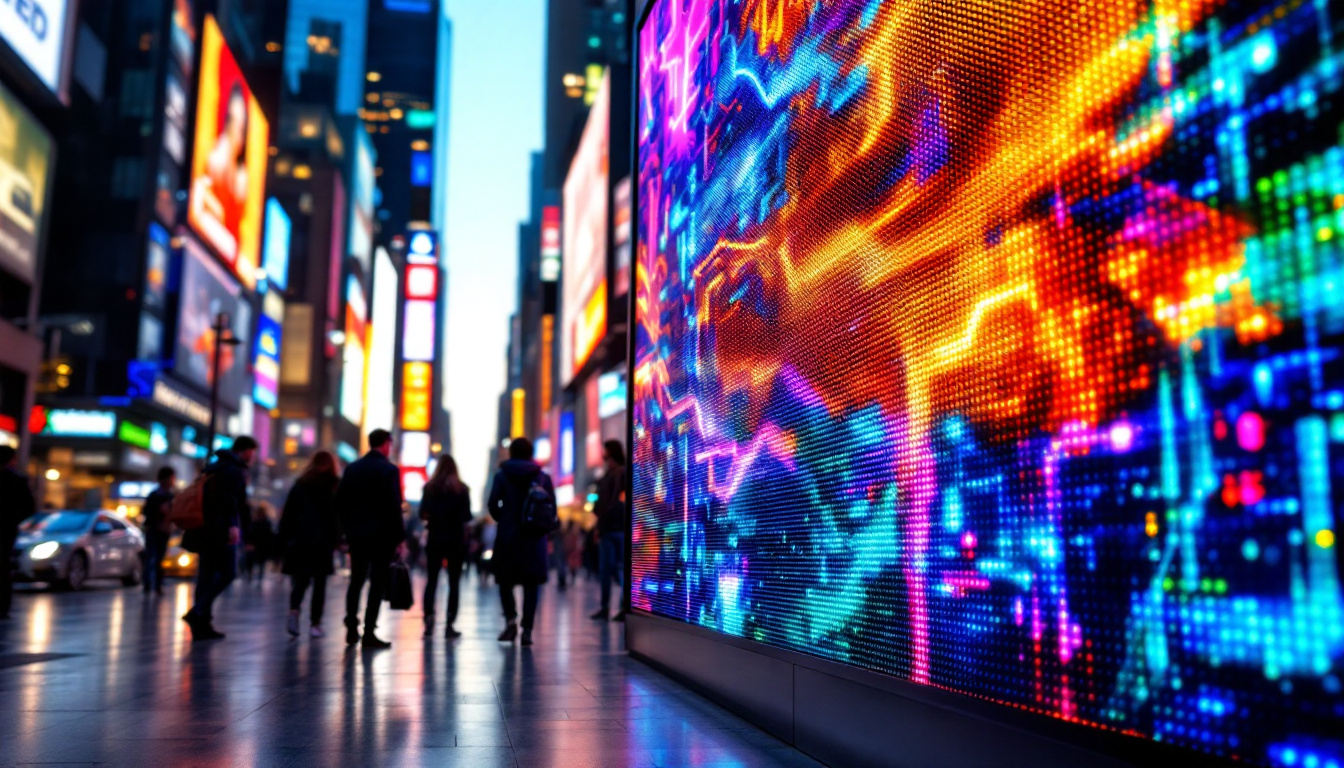
In contrast, true LED displays, often used for large outdoor screens and digital billboards, consist of arrays of tiny LEDs that form each pixel. These displays do not rely on LCD panels; instead, the LEDs themselves emit the colors and images directly. True LED displays are known for their high brightness, durability, and visibility in direct sunlight, making them ideal for advertising and large-scale public information screens.
Comparing LCD and LED Displays: Key Differences
Understanding the differences between LCD and LED displays is essential for making informed decisions, whether purchasing a television, monitor, or any other screen-based device. Here are the primary distinctions:
Backlighting Technology
LCD displays require a backlight to produce images. Traditional LCDs used CCFL backlights, while modern LCDs use LED backlights. LED displays, in the true sense, use LEDs as the pixels themselves, eliminating the need for a separate backlight.
Brightness and Contrast
LED backlit LCDs generally offer better brightness and contrast compared to CCFL-backlit LCDs. True LED displays, especially those using RGB LEDs, can achieve even higher brightness levels, making them suitable for outdoor use. Additionally, LED backlighting with local dimming can enhance contrast ratios by selectively dimming parts of the screen.
Energy Efficiency
LED backlighting consumes less power than CCFL backlighting, contributing to the energy efficiency of modern LCD displays. True LED displays can also be energy-efficient, but their power consumption varies depending on size and brightness requirements.
Color Accuracy and Viewing Angles
Advancements in LCD technology, such as In-Plane Switching (IPS) panels, have improved color accuracy and viewing angles. True LED displays can offer vibrant colors but may have limitations in color consistency depending on the design.
Thickness and Design
LED backlighting allows LCD panels to be thinner and lighter compared to CCFL-backlit screens. True LED displays, especially large outdoor ones, tend to be bulkier but are designed for durability rather than slimness.
Advantages and Limitations of LCD and LED Displays
Advantages of LCD Displays
- Energy Efficiency: LCDs consume relatively low power, especially when paired with LED backlighting.
- Sharp Image Quality: High pixel density enables crisp images and text.
- Wide Application Range: Suitable for everything from small handheld devices to large monitors.
- Cost-Effective: Mass production has lowered prices, making LCDs affordable for consumers.
Limitations of LCD Displays
- Dependence on Backlighting: Without backlighting, LCDs cannot produce visible images.
- Limited Contrast Ratio: Blacks may appear grayish due to light leakage.
- Viewing Angle Restrictions: Some LCDs suffer from color and brightness shifts when viewed off-axis.
Advantages of LED Displays
- Superior Brightness: True LED displays can achieve extremely high brightness levels.
- Durability: LEDs are robust and have long lifespans, ideal for outdoor environments.
- Energy Savings: LED backlighting reduces power consumption significantly.
- Thin and Lightweight: LED backlit LCDs allow for sleek device designs.
Limitations of LED Displays
- Cost: True LED displays, especially large-scale ones, can be expensive to produce and install.
- Color Uniformity: Some LED backlit LCDs may exhibit uneven lighting if not properly calibrated.
- Potential for Burn-In: Although less common than OLED, certain LED displays can suffer from image retention.
Current Trends and Innovations in LCD and LED Displays
The display industry continues to evolve rapidly, driven by consumer demand for better image quality, energy efficiency, and versatile applications. Several trends highlight the ongoing innovation in LCD and LED technologies.
Mini-LED and Micro-LED Technologies
Mini-LED is an advanced form of LED backlighting that uses thousands of tiny LEDs to provide more precise local dimming zones. This results in improved contrast ratios and better HDR (High Dynamic Range) performance. Mini-LED displays are becoming popular in high-end televisions and monitors, offering a middle ground between traditional LED-LCDs and OLED displays.
Micro-LED technology takes this a step further by using microscopic LEDs as individual pixels, similar to OLED but with potentially higher brightness and longer lifespan. Although still emerging, Micro-LED displays promise exceptional image quality and durability, suitable for both consumer electronics and large-scale displays.
Quantum Dot Enhancement
Quantum Dot technology is often integrated with LED backlit LCDs to enhance color accuracy and brightness. Quantum dots are semiconductor nanocrystals that emit precise colors when illuminated by LEDs, resulting in richer and more vibrant images. This technology is widely used in premium LCD TVs marketed as QLED (Quantum Dot LED) displays.
Energy Efficiency and Environmental Impact
With increasing awareness of environmental sustainability, manufacturers are focusing on reducing the energy consumption and ecological footprint of display technologies. LED backlit LCDs already offer significant energy savings over older technologies, and innovations like Mini-LED and Micro-LED further enhance efficiency. Additionally, efforts to use recyclable materials and reduce hazardous substances in manufacturing are gaining traction.
Choosing the Right Display: Practical Considerations
When selecting a display for personal or professional use, understanding the distinctions between LCD and LED technologies can guide better decisions. Here are some factors to consider:
Application Environment
For indoor use such as computer monitors, televisions, and mobile devices, LED backlit LCDs provide excellent image quality and energy efficiency. For outdoor advertising or environments with high ambient light, true LED displays offer superior visibility and durability.
Image Quality Requirements
If color accuracy, contrast, and brightness are critical—such as for graphic design, video editing, or high-end home theater setups—consider displays with advanced LED backlighting technologies like Mini-LED or Quantum Dot enhancements.
Budget Constraints
LCD displays with LED backlighting are generally more affordable and widely available. True LED displays and cutting-edge technologies like Micro-LED tend to be more costly but offer specialized benefits.
Energy Consumption and Longevity
Devices with LED backlighting consume less power and often have longer lifespans, reducing operating costs and environmental impact over time.
Conclusion
In summary, LCD and LED displays represent foundational technologies in the modern visual landscape. LCDs rely on liquid crystals to modulate light, requiring a backlight to produce images, while LEDs serve as both backlighting sources and, in some cases, the primary light-emitting elements themselves. The integration of LED backlighting has revolutionized LCD displays, improving brightness, energy efficiency, and design flexibility.
Understanding these technologies, their differences, and their respective advantages empowers consumers and professionals to choose the right display solutions tailored to their needs. As innovations like Mini-LED, Micro-LED, and Quantum Dot technologies continue to develop, the future of display technology promises even more vibrant, efficient, and immersive visual experiences.
Discover Cutting-Edge LED Displays with LumenMatrix
Ready to elevate your visual experience with the latest in display technology? LumenMatrix is at the forefront of LED innovation, offering a wide array of LED display solutions tailored to your unique needs. From Indoor and Outdoor LED Wall Displays to specialized options like Vehicle, Sports, and Floor LED Displays, LumenMatrix ensures your message shines brightly. Embrace the future of vibrant, efficient, and immersive displays. Check out LumenMatrix LED Display Solutions today and see how we can transform your visual communication.