In the ever-evolving world of television technology, terms like LED, LCD, OLED, and QLED are frequently discussed, sometimes causing confusion among consumers. One of the most common questions is: what exactly is an LED LCD TV? This article aims to clarify this term by exploring the technology behind LED LCD TVs, how they work, their advantages and disadvantages, and how they compare to other display technologies available today.
Understanding the Basics: What Is an LED LCD TV?
At its core, an LED LCD TV is a television that uses Liquid Crystal Display (LCD) technology combined with Light Emitting Diode (LED) backlighting. Despite the name, an LED TV is not an LED display in the purest sense. Instead, it is an LCD panel illuminated by LEDs.
LCD technology has been around since the 1970s and became popular in TVs in the early 2000s. Traditional LCD TVs used Cold Cathode Fluorescent Lamps (CCFLs) as their backlighting source. However, LED LCD TVs replaced these CCFLs with LEDs, which offer better energy efficiency, thinner panels, and improved picture quality.
How Does an LED LCD TV Work?
An LED LCD TV consists of two main components: the LCD panel and the LED backlight. The LCD panel contains millions of liquid crystal pixels that manipulate light to create images. However, liquid crystals do not emit light themselves—they only control the passage of light.
This is where the LED backlight comes into play. The LEDs provide the necessary light that passes through the LCD panel. By adjusting the alignment of liquid crystals, the TV controls how much light passes through each pixel, producing the images seen on the screen.
Types of LED Backlighting
There are two primary types of LED backlighting used in LED LCD TVs:
- Edge-lit LED: LEDs are placed along the edges of the screen, and light is distributed across the panel using light guides. This design allows for thinner TVs but can sometimes result in uneven brightness.
- Full-array LED: LEDs are placed directly behind the LCD panel in a grid pattern. This setup enables local dimming, where specific zones of LEDs can be dimmed or brightened independently, improving contrast and black levels.
In addition to these two types, there are also variations such as “mini-LED” technology, which utilizes smaller LEDs to provide more precise control over backlighting. This advancement allows for even finer local dimming capabilities, enhancing the overall picture quality by delivering deeper blacks and brighter highlights. As a result, viewers can enjoy a more dynamic and immersive viewing experience, especially in scenes with high contrast.
Furthermore, the integration of HDR (High Dynamic Range) technology with LED LCD TVs has revolutionized the way content is displayed. HDR enhances the color range and contrast of images, making them appear more lifelike. When combined with the capabilities of full-array backlighting, HDR can significantly elevate the viewing experience, providing richer colors and more detail in both bright and dark areas of the screen. This makes LED LCD TVs an appealing choice for movie enthusiasts and gamers alike, who seek vibrant visuals and stunning clarity in their entertainment.
Advantages of LED LCD TVs
LED LCD TVs have become the dominant type of television on the market due to several compelling advantages. Understanding these benefits can help consumers make informed decisions when purchasing a TV.
Energy Efficiency and Environmental Impact
Compared to older CCFL-backlit LCD TVs, LED LCD TVs consume significantly less power. According to the U.S. Department of Energy, LED-backlit TVs can use up to 30-50% less energy than CCFL models. This not only reduces electricity bills but also lowers the environmental footprint of the device. Additionally, many manufacturers are now focusing on sustainable practices, further enhancing the eco-friendliness of LED LCD TVs. By choosing an energy-efficient model, consumers can contribute to a reduction in greenhouse gas emissions and support the growing trend towards environmentally responsible technology.
Improved Picture Quality
LED backlighting allows for better brightness and contrast control. Full-array LED TVs with local dimming can achieve deeper blacks and more vibrant colors compared to CCFL-backlit models. This results in a more immersive viewing experience, especially in dark scenes. Furthermore, advancements in LED technology have led to the development of HDR (High Dynamic Range) capabilities, which enhance the range of colors and brightness levels. This means that viewers can enjoy a more lifelike representation of images, making everything from movies to sports events visually stunning and engaging.
Slimmer and Lighter Designs
LEDs are smaller and more compact than CCFL tubes, enabling manufacturers to design thinner and lighter TVs. This has contributed to the sleek, modern aesthetics of contemporary LED LCD TVs, making them easier to mount on walls or fit into tight spaces. The reduced weight and size also allow for innovative designs, such as ultra-slim bezels that maximize screen space and enhance the overall viewing experience. Additionally, many models now feature customizable stands and wall mounts, giving consumers more flexibility in how they display their televisions in their living spaces.
Longer Lifespan and Durability
LEDs generally have a longer lifespan than CCFLs, often exceeding 50,000 hours of usage. They are also more robust, less prone to damage from shock or vibration, and contain no mercury, making them safer for disposal and recycling. This durability translates into lower maintenance costs over time, as consumers are less likely to encounter issues that require repairs or replacements. Moreover, the advancements in LED technology have led to improved thermal management, further extending the lifespan of these TVs. With proper care, an LED LCD TV can serve as a reliable entertainment hub for years, making it a sound investment for families and individuals alike.
Limitations and Challenges of LED LCD TVs
Despite their many advantages, LED LCD TVs are not without drawbacks. Understanding these limitations helps set realistic expectations.
Black Levels and Contrast Ratio
While full-array local dimming improves black levels, LED LCD TVs still struggle to achieve the perfect black that OLED TVs offer. Because the backlight is always on behind the LCD panel, some light leakage can occur, leading to grayer blacks in dark scenes.
Viewing Angles
LCD panels tend to have narrower viewing angles compared to OLED or plasma displays. When viewed from the side, colors and contrast may degrade, which can be a concern for large rooms or group viewing situations.
Motion Blur and Response Time
Some LED LCD TVs may exhibit motion blur during fast-moving scenes, such as sports or action movies. While modern TVs have improved response times and motion interpolation technologies, this can still be noticeable in certain models.
LED LCD TVs vs. Other Display Technologies
To fully appreciate what an LED LCD TV offers, it is helpful to compare it with other popular display technologies.
LED LCD vs. OLED
OLED (Organic Light Emitting Diode) TVs differ fundamentally from LED LCD TVs. OLED panels emit light on a per-pixel basis, allowing for true blacks and infinite contrast ratios. This results in superior picture quality, especially in dark environments.
However, OLED TVs tend to be more expensive and can be susceptible to burn-in with static images. LED LCD TVs, particularly with full-array local dimming, offer a more affordable option with excellent brightness and longevity.
LED LCD vs. QLED
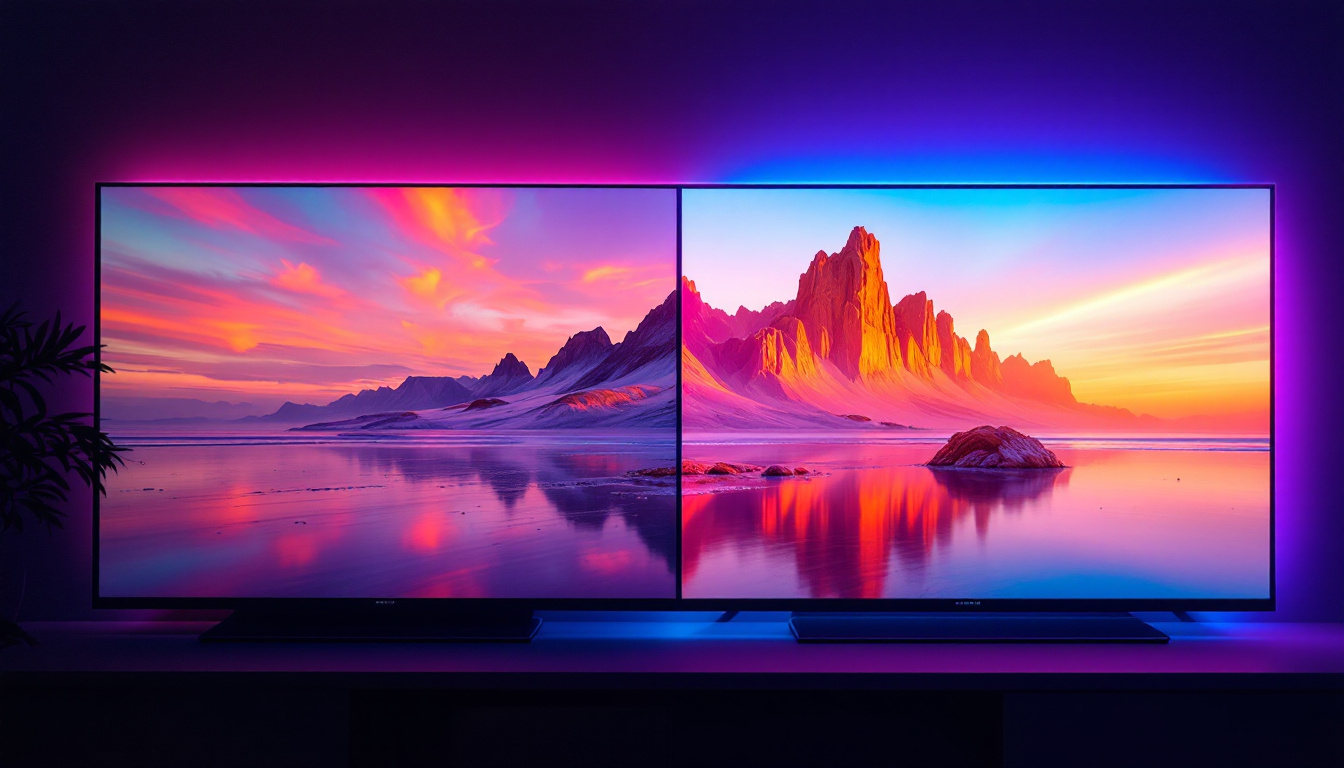
QLED (Quantum Dot LED) TVs are essentially LED LCD TVs enhanced with a quantum dot layer that improves color accuracy and brightness. QLEDs typically offer better color volume and higher peak brightness than standard LED LCDs, making them ideal for bright rooms.
Both technologies use LED backlighting, but QLEDs represent a premium tier within the LED LCD category.
LED LCD vs. Plasma
Plasma TVs, once popular for their excellent black levels and color reproduction, have largely been phased out. They used self-emissive plasma cells to create images but consumed more power and were heavier.
LED LCD TVs provide better energy efficiency, thinner designs, and longer lifespans, making them the preferred choice in the current market.
Choosing the Right LED LCD TV for Your Needs
When shopping for an LED LCD TV, several factors should be considered to ensure the best fit for your viewing preferences and environment.
Screen Size and Resolution
Screen size depends on the room size and viewing distance. For most living rooms, TVs between 55 and 75 inches offer an immersive experience without overwhelming the space. Resolution is also critical—4K UHD has become the standard, providing sharp images and future-proofing your purchase.
Backlight Type and Local Dimming
If image quality is a priority, look for full-array LED TVs with local dimming. This feature enhances contrast and black levels, especially in dark scenes. Edge-lit models are generally more affordable but may compromise on uniformity and contrast.
Refresh Rate and Motion Handling
A higher refresh rate (120Hz or above) can improve motion clarity, especially for sports and gaming. Some TVs also include motion interpolation features that smooth out fast-moving images.
Smart Features and Connectivity
Modern LED LCD TVs often come with built-in smart platforms, allowing access to streaming services, apps, and voice control. Ensure the TV supports your preferred ecosystem and has sufficient HDMI and USB ports for your devices.
Budget Considerations
LED LCD TVs cover a wide price range, from budget models under $300 to premium sets costing several thousand dollars. Balancing features with budget is key to finding the best value.
The Future of LED LCD TVs
While OLED and emerging technologies like MicroLED are gaining attention, LED LCD TVs continue to dominate the market due to their versatility and cost-effectiveness. Manufacturers are constantly innovating with improved backlighting techniques, quantum dot enhancements, and AI-driven picture processing to push the boundaries of LED LCD performance.
Advancements in mini-LED backlighting, which uses thousands of tiny LEDs for more precise local dimming, are already making their way into high-end models, offering better contrast and brightness than traditional LED LCD TVs.
Conclusion
Understanding what an LED LCD TV is and how it works can empower consumers to make informed decisions in a crowded marketplace. LED LCD TVs combine the proven technology of liquid crystal displays with efficient and bright LED backlighting, offering a balance of picture quality, energy efficiency, and affordability.
While they have some limitations compared to OLED and other emerging technologies, LED LCD TVs remain a reliable and popular choice for most users. By considering factors such as backlight type, screen size, and smart features, buyers can find an LED LCD TV that perfectly suits their viewing needs and budget.
Discover the Future of Visual Experience with LumenMatrix
As you consider upgrading to an LED LCD TV for its balance of quality and efficiency, imagine the possibilities with LumenMatrix’s innovative LED display solutions. LumenMatrix is at the forefront of LED display technology, offering an array of products from Indoor LED Walls to Custom LED Displays, designed to transform any space into a dynamic visual experience. Whether for home entertainment or enhancing your business’s brand visibility, LumenMatrix provides cutting-edge solutions that promise to captivate and engage. Check out LumenMatrix LED Display Solutions today and step into a world where every image is more than just a picture—it’s a story told with brilliance and clarity.