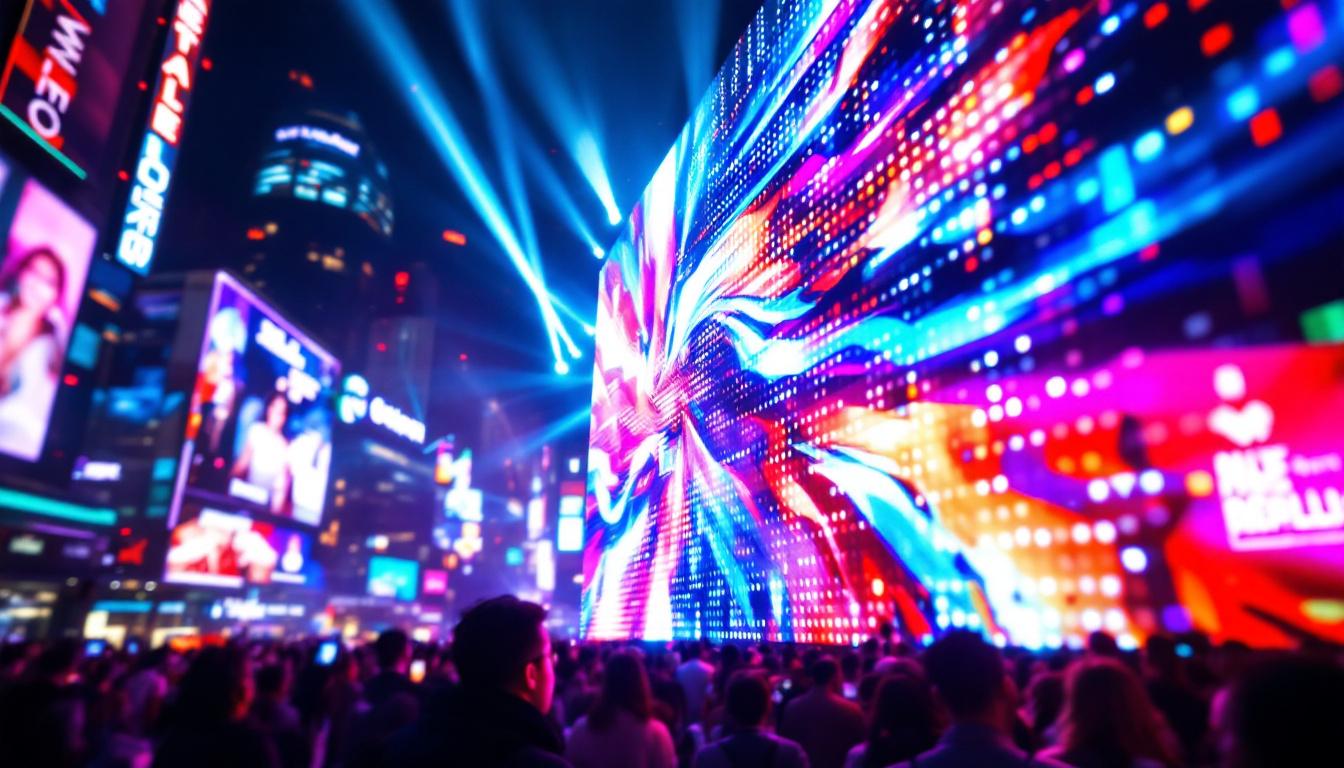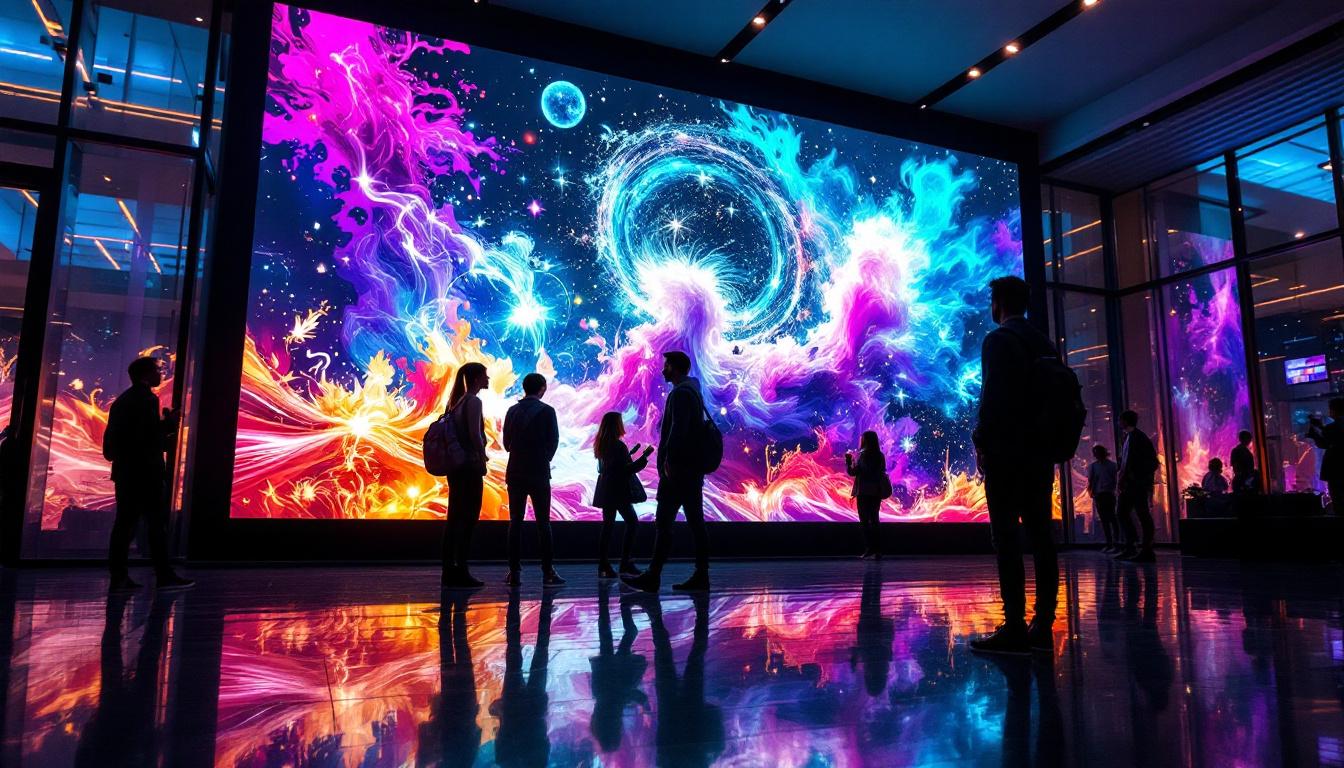
In today’s digital age, LED displays have become an integral part of how information is shared, advertisements are showcased, and entertainment is delivered. Whether it’s the giant screens in Times Square or the digital billboards along highways, LED technology is everywhere. But what exactly is a pith in the context of LED displays, and why does it matter? This article delves into the concept of “pith” in LED displays, explaining its significance, technical aspects, and practical implications for businesses and consumers alike.
Understanding LED Displays: The Basics
Before exploring the concept of pith, it’s important to grasp the fundamentals of LED displays. LED stands for Light Emitting Diode, a semiconductor device that emits light when an electric current passes through it. LED displays are composed of thousands or even millions of these tiny diodes arranged in a grid to form images, videos, or text.
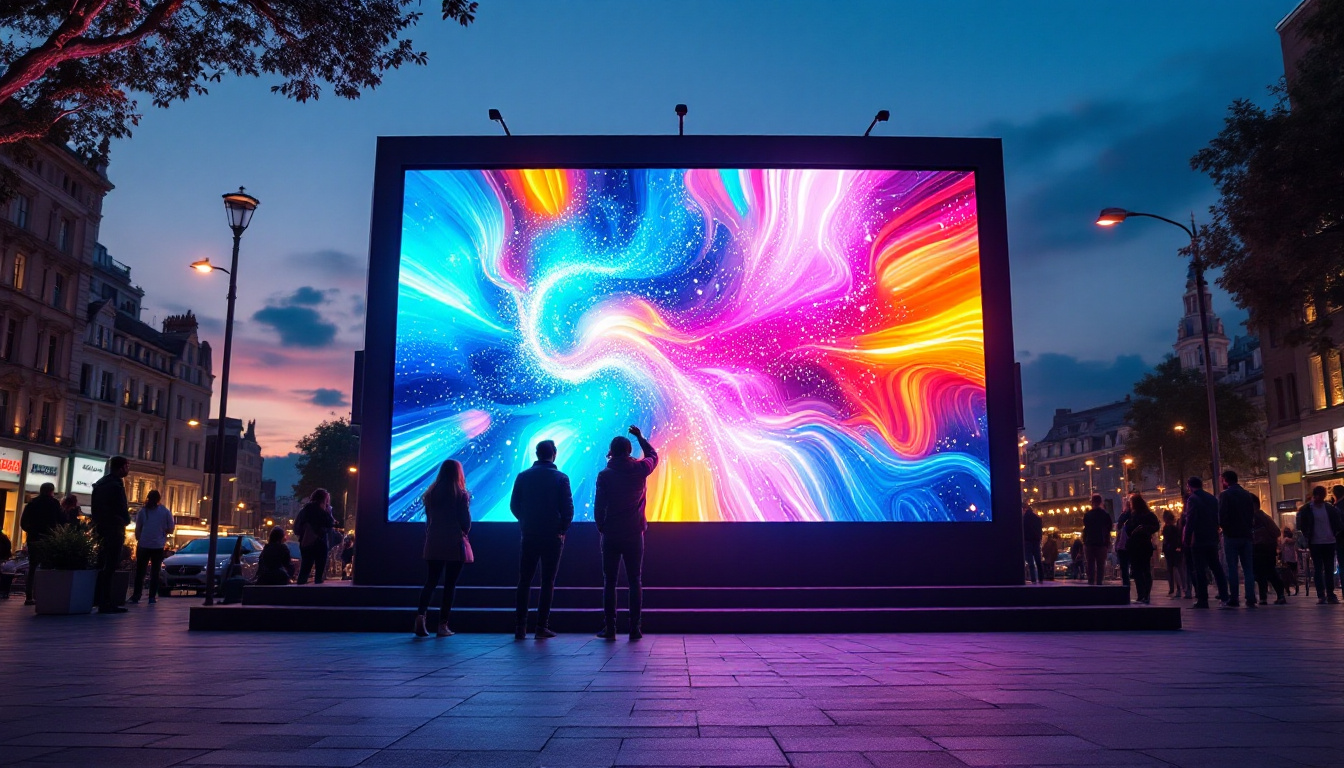
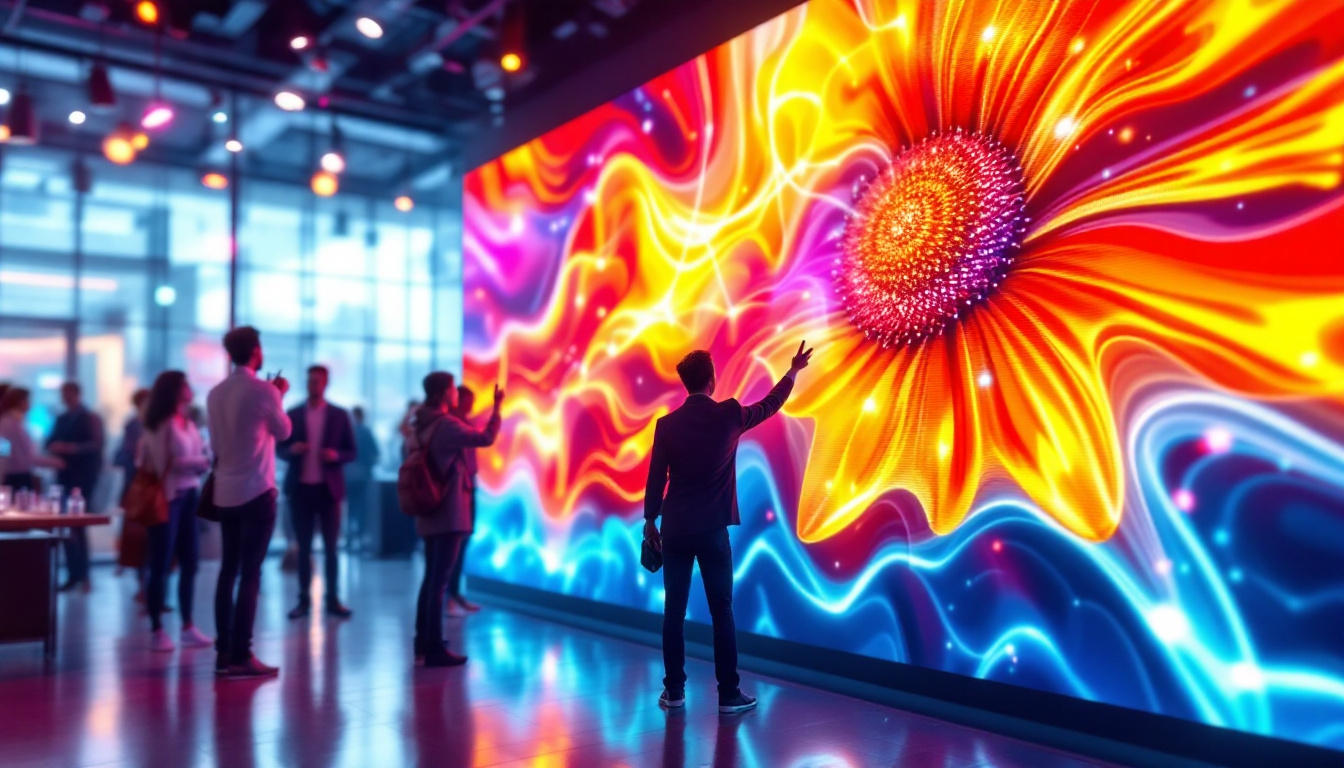
LED technology is favored for its brightness, energy efficiency, and longevity. Unlike traditional LCD screens, LEDs can produce vivid colors and high contrast even in direct sunlight, making them ideal for outdoor advertising and public information displays. The modular nature of LED panels allows for scalable screen sizes, from small indoor displays to massive outdoor billboards.
Types of LED Displays
LED displays generally fall into two categories: indoor and outdoor. Indoor LED displays are designed for close viewing distances and typically have smaller pixel pitches, resulting in higher resolution. Outdoor LED displays, on the other hand, are built to withstand weather conditions and offer higher brightness levels to remain visible in daylight.
Another classification is based on the LED packaging and arrangement, such as surface-mounted device (SMD) LEDs and through-hole LEDs. SMD LEDs are more compact and provide better color uniformity, making them the preferred choice for modern displays. Additionally, advancements in technology have led to the development of flexible LED displays, which can be bent and shaped to fit various surfaces, allowing for innovative designs in advertising and architectural applications. These flexible displays open up new avenues for creativity, enabling designers to craft immersive environments that captivate audiences in ways traditional screens cannot.
Moreover, the integration of smart technology into LED displays has revolutionized their functionality. With features like remote monitoring, real-time content updates, and interactive capabilities, modern LED displays can engage viewers more effectively. For instance, some outdoor displays are now equipped with sensors that adjust brightness based on ambient light conditions, ensuring optimal visibility while conserving energy. This adaptability not only enhances user experience but also contributes to sustainability efforts, making LED displays a forward-thinking choice in the realm of digital signage.
What Is Pixel Pitch (Pith) in LED Displays?
In the context of LED displays, the term “pith” is often a misspelling or mispronunciation of “pitch,” specifically “pixel pitch.” Pixel pitch is a critical technical specification that determines the resolution and image quality of an LED screen.
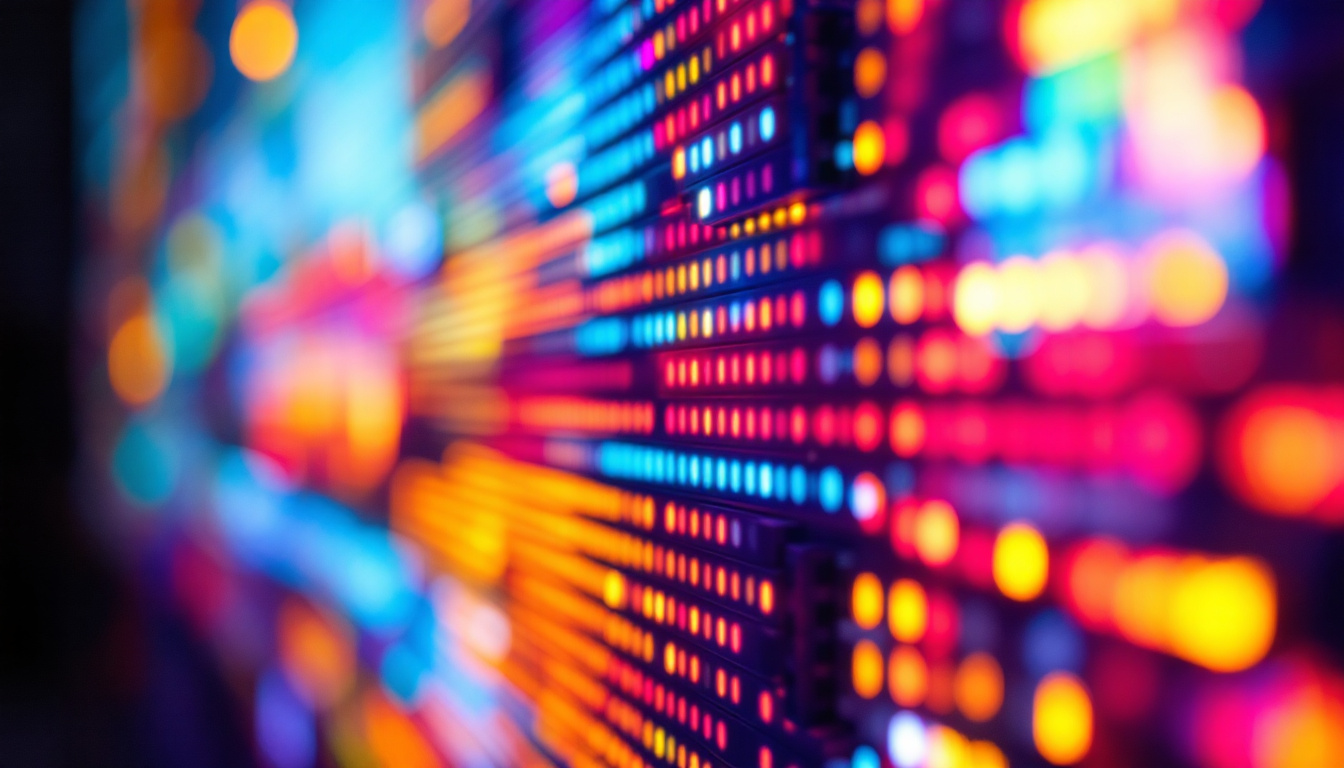
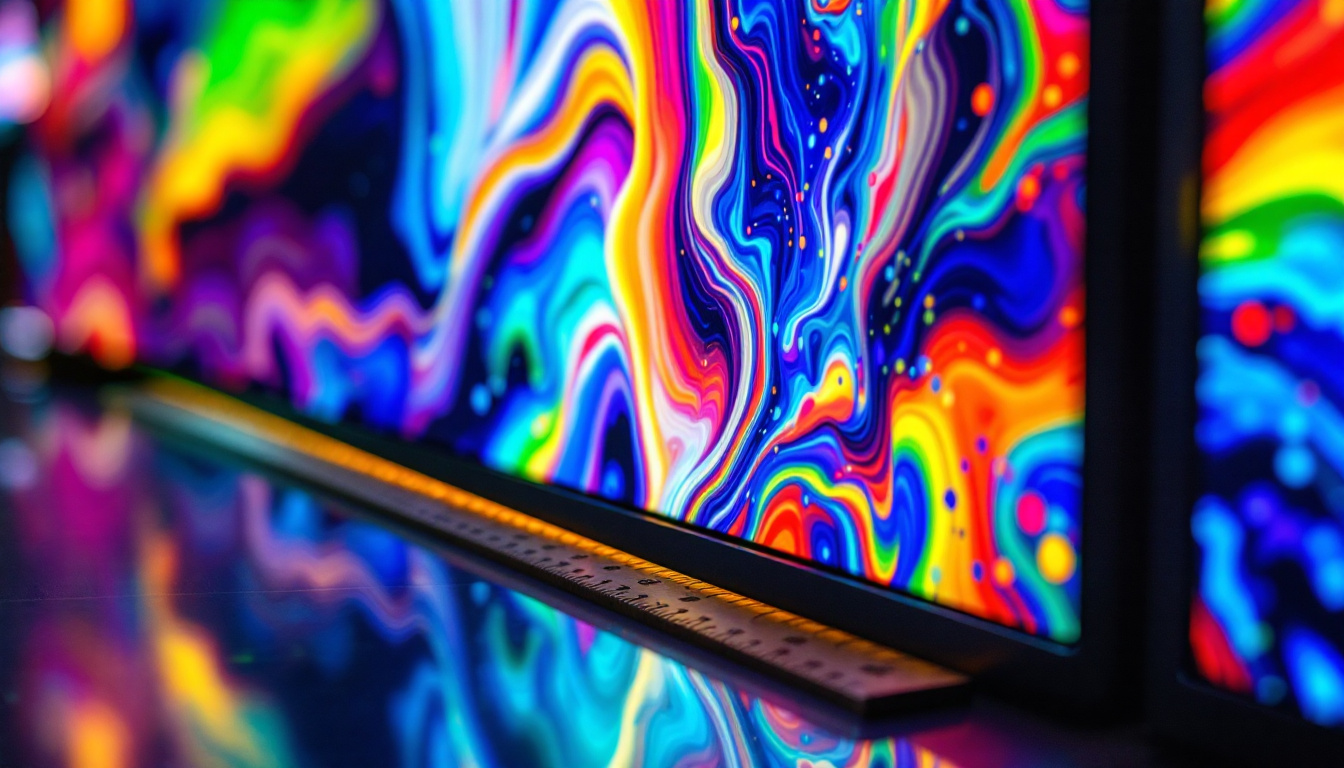
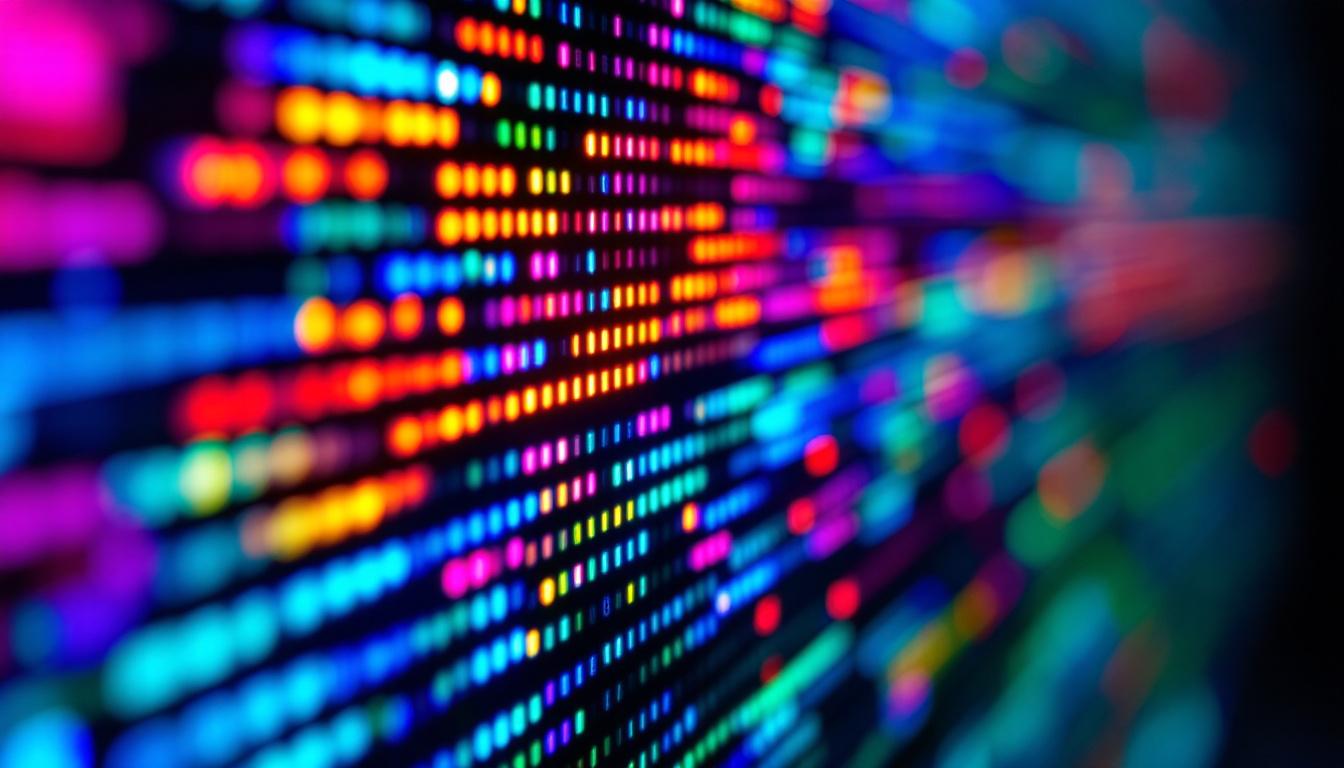
Pixel pitch refers to the distance from the center of one LED cluster (or pixel) to the center of the adjacent LED cluster, measured in millimeters. Essentially, it is the spacing between pixels on the display. This measurement directly impacts how sharp or detailed the image appears.
Why Pixel Pitch Matters
The smaller the pixel pitch, the closer the LEDs are to each other, resulting in higher pixel density and sharper images. Conversely, a larger pixel pitch means the LEDs are spaced further apart, which can cause images to appear less detailed or pixelated, especially when viewed up close.
For example, a display with a pixel pitch of 1.5 mm is suitable for indoor environments where viewers are close to the screen, such as conference rooms or retail stores. In contrast, a display with a 10 mm pixel pitch is designed for outdoor use, where viewers are typically at a greater distance, such as on a highway billboard.
Pixel Pitch and Viewing Distance
One of the most important considerations when selecting an LED display is the optimal viewing distance, which is directly related to pixel pitch. The general rule of thumb is that the minimum viewing distance (in meters) should be roughly equal to the pixel pitch (in millimeters) divided by 1,000 and then multiplied by a factor of 1.5 to 2.
For instance, a 4 mm pixel pitch display would have an ideal viewing distance of approximately 6 to 8 meters. At this distance, the human eye perceives the image as smooth and continuous without noticing individual pixels.
Understanding pixel pitch helps businesses and event organizers choose the right LED display for their needs, ensuring that the audience experiences clear and engaging visuals without unnecessary costs associated with overly high resolution for distant viewing.
Factors Influencing Pixel Pitch Selection
Choosing the correct pixel pitch is not just about resolution; it involves balancing several factors to achieve the best visual performance and cost-effectiveness.
1. Viewing Distance and Environment
The primary factor is the distance between the display and the audience. Indoor environments with close viewing distances require smaller pixel pitches for fine detail, while outdoor displays can have larger pixel pitches since viewers are farther away.
Additionally, ambient lighting conditions influence the choice. Outdoor displays need higher brightness and sometimes larger pixel pitches to maintain visibility under direct sunlight.
2. Content Type and Detail
The nature of the content displayed also impacts pixel pitch selection. High-definition videos, detailed graphics, or text require finer pixel pitches to maintain clarity. Conversely, simpler content like basic text or large images may not require as fine a resolution.
3. Budget and Installation Constraints
Smaller pixel pitches generally mean higher manufacturing and installation costs due to the increased number of LEDs and more complex control systems. Budget constraints may lead to compromises in pixel pitch, especially for large-scale installations.
Physical space and structural support also play roles. Smaller pixel pitch displays are often heavier and require more robust mounting systems.
Technical Insights: How Pixel Pitch Affects LED Display Performance
Beyond resolution and viewing distance, pixel pitch influences several other technical aspects of LED display performance.
Brightness and Power Consumption
Displays with smaller pixel pitches have more LEDs packed into the same area, which can increase power consumption and heat generation. However, advances in LED efficiency have mitigated these issues significantly in recent years.
Brightness levels are crucial for outdoor displays to combat sunlight glare. Larger pixel pitches typically allow for higher brightness LEDs, enhancing visibility in bright conditions.
Color Uniformity and Viewing Angles
Pixel pitch affects color uniformity and viewing angles. Smaller pixel pitches tend to provide better color blending and smoother gradients, which is essential for high-quality video playback.
Viewing angles are generally wide for LED displays, but extremely fine pixel pitches can improve the consistency of color and brightness when viewed from different angles.
Maintenance and Durability
Displays with smaller pixel pitches have more components, which can increase the complexity of maintenance and the likelihood of pixel failures. However, modular designs and improved manufacturing standards have enhanced the reliability of modern LED displays.
Real-World Applications of LED Displays and Pixel Pitch
Understanding pixel pitch is vital for various industries that rely on LED displays for communication, advertising, and entertainment.
Advertising and Digital Billboards
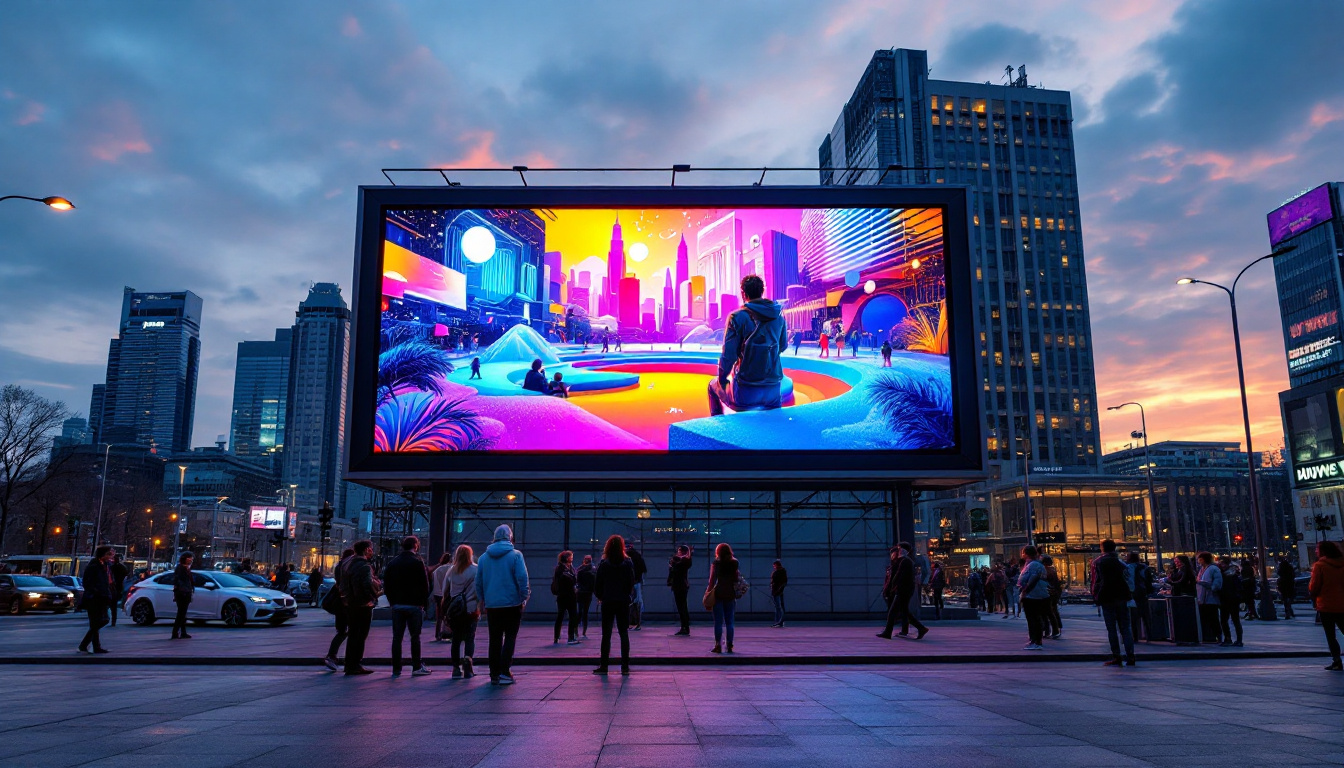
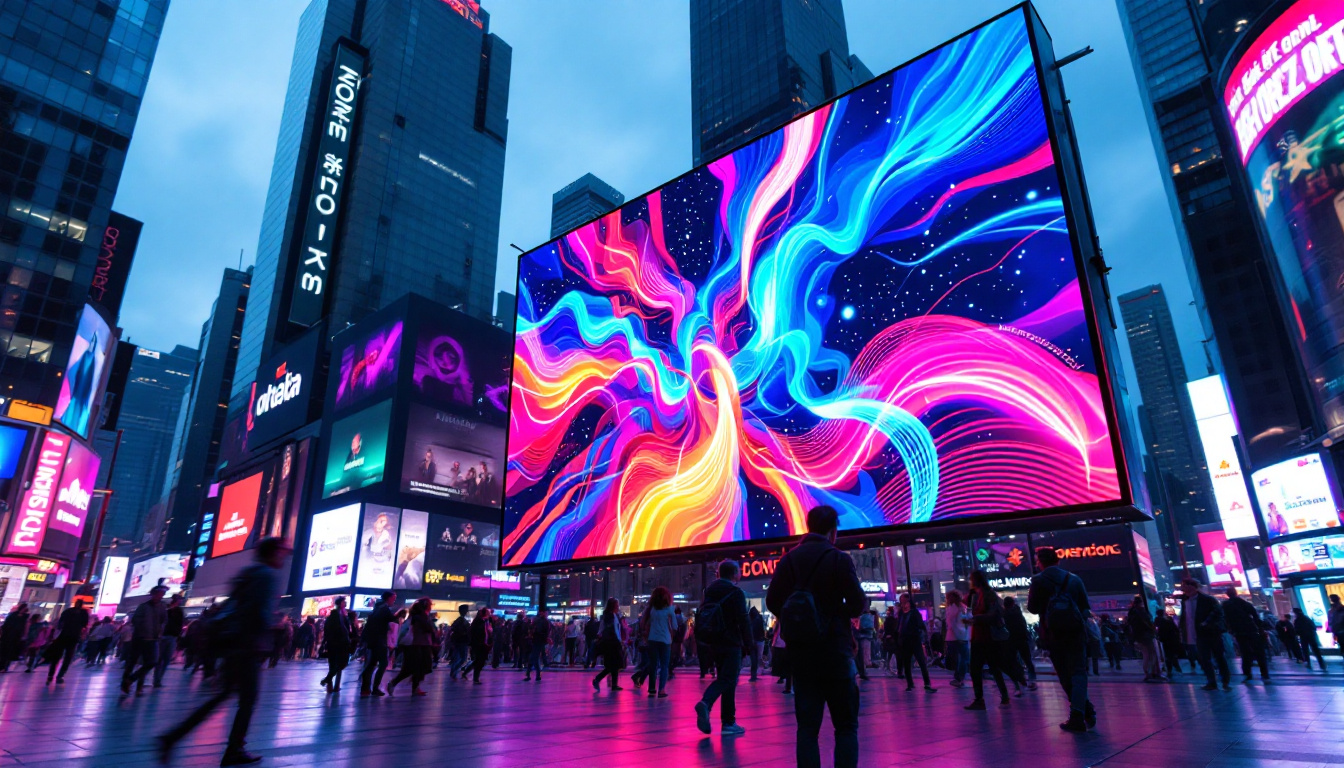
Outdoor digital billboards often use pixel pitches ranging from 6 mm to 20 mm, depending on their size and location. For example, a billboard along a highway might use a 16 mm pixel pitch, ensuring the message is clear to drivers several hundred meters away.
In contrast, retail storefronts or shopping malls may use smaller pixel pitches (2-4 mm) for indoor displays that attract customers with sharp, vibrant visuals.
Sports Arenas and Event Venues
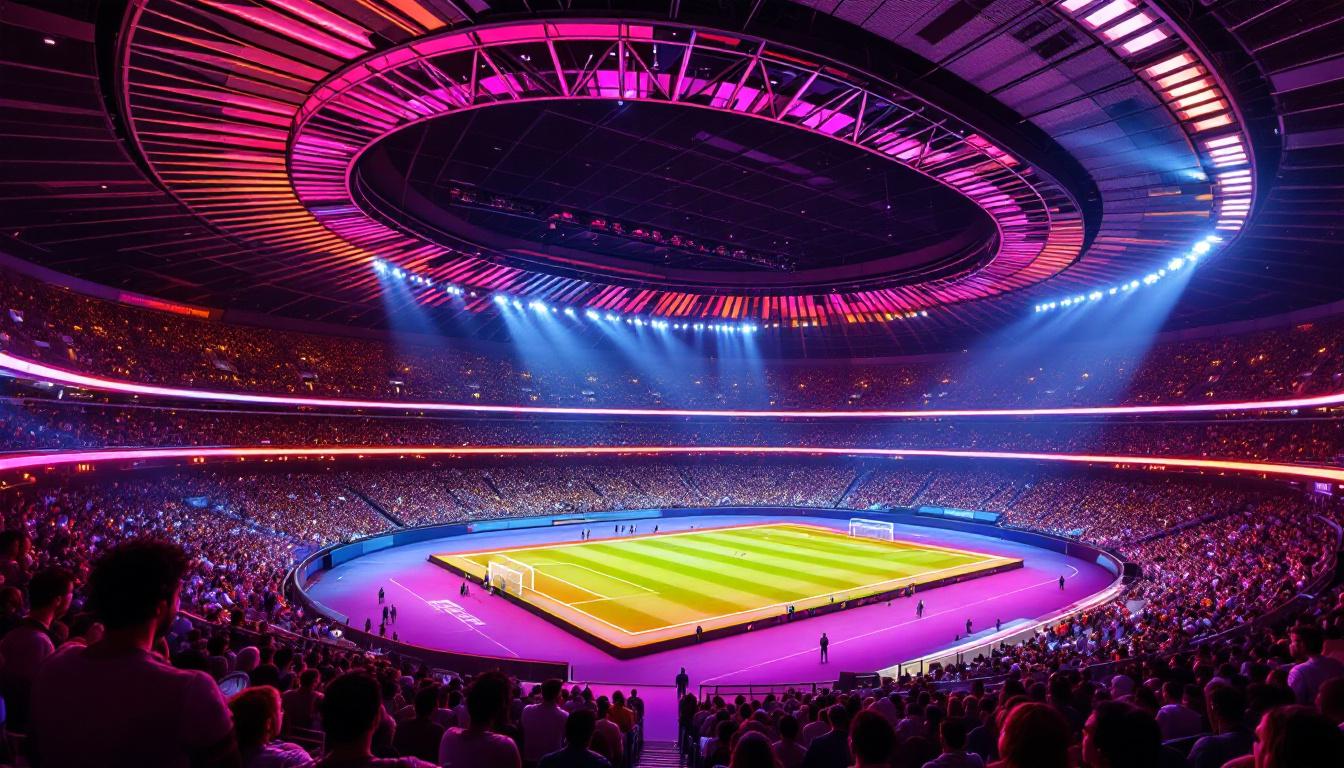
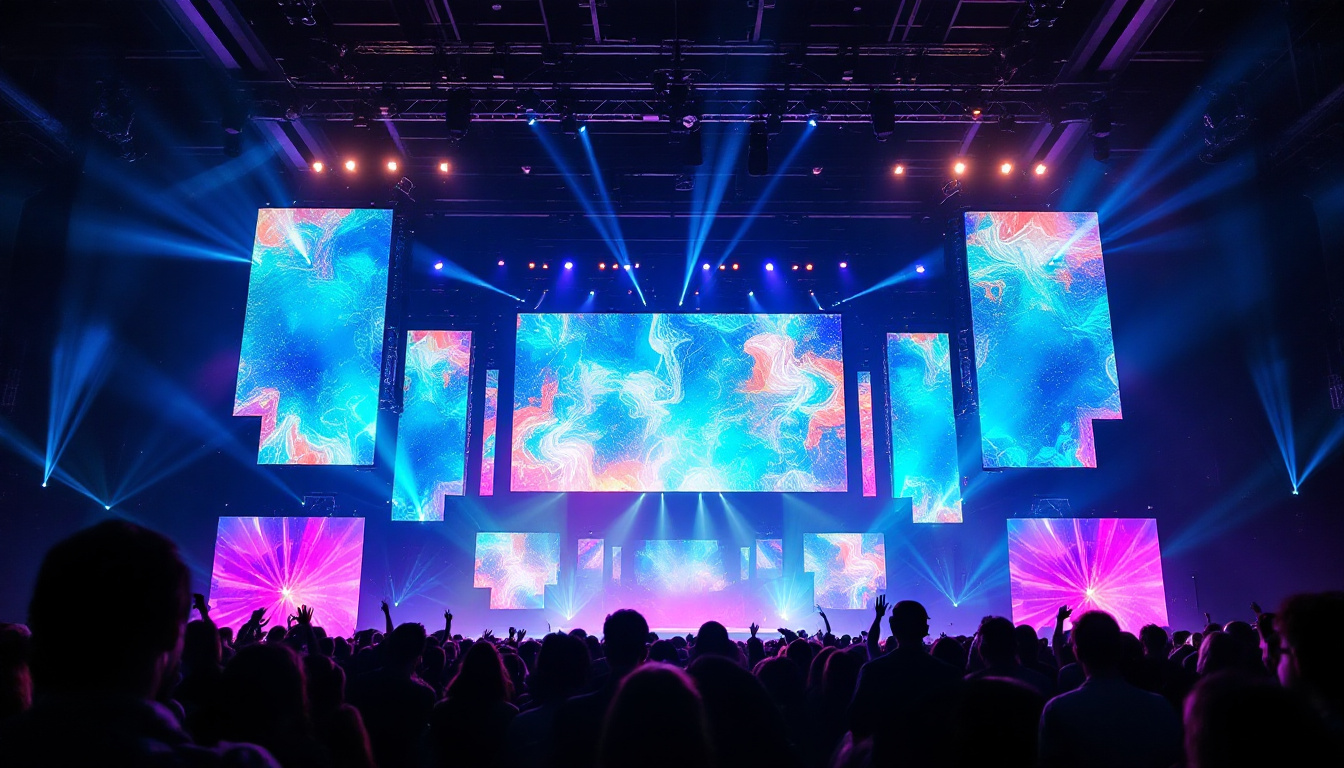
Sports stadiums utilize large LED screens with pixel pitches tailored to the seating arrangement. Courtside or field-level displays might have pixel pitches around 4 mm to provide clear replays and statistics to nearby spectators, while jumbotron screens may have larger pixel pitches since they are viewed from greater distances.
Corporate and Conference Settings
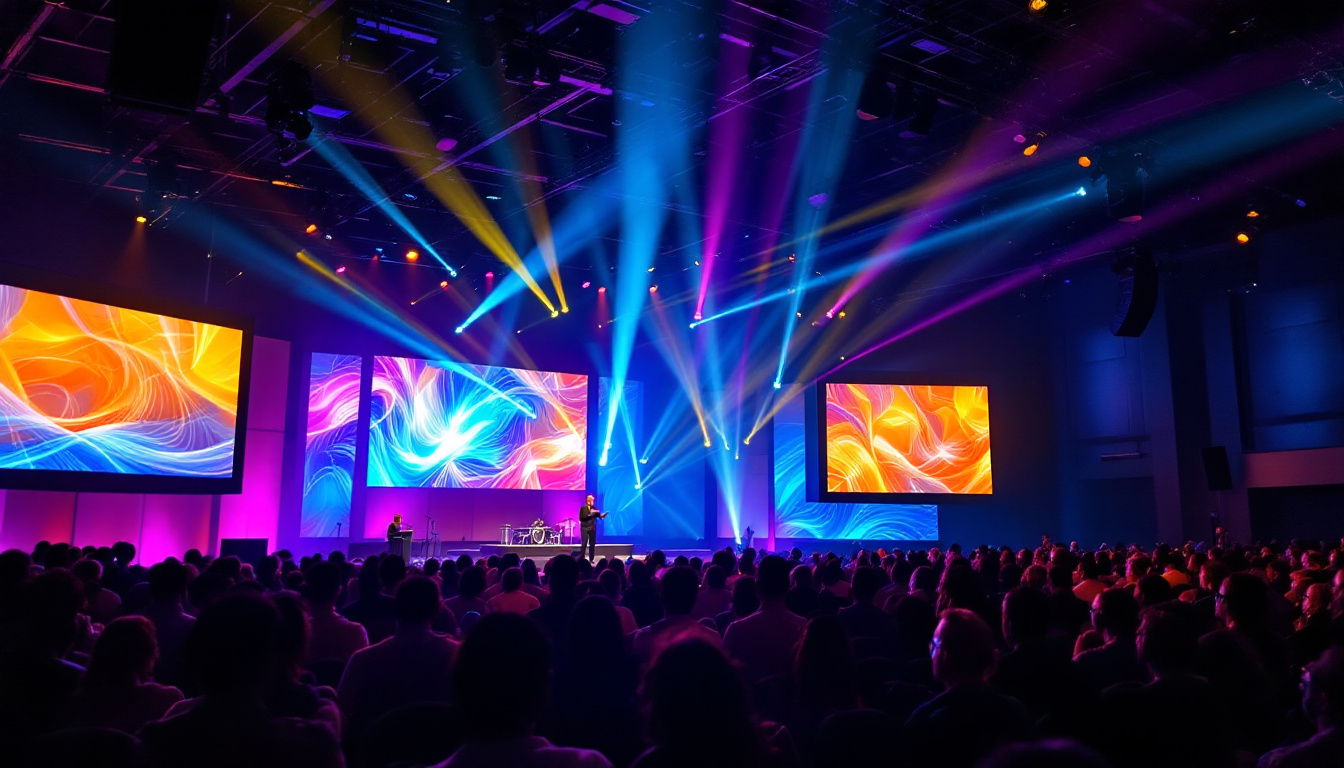
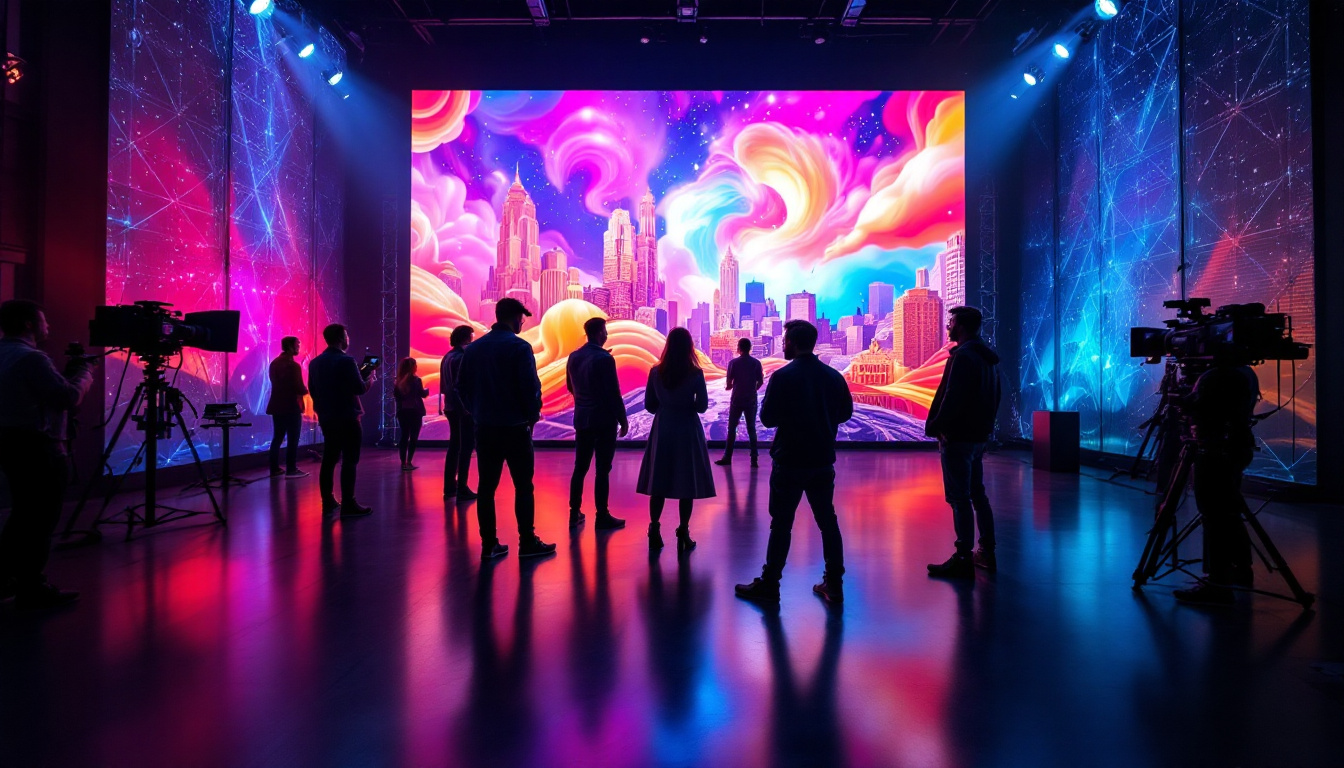
Indoor LED walls used in corporate events, conferences, and broadcast studios typically feature pixel pitches between 1.2 mm and 2.5 mm. This range allows for high-resolution presentations and video content that maintains clarity even at close viewing distances.
Future Trends in LED Display Technology
The LED display industry continues to evolve rapidly, with innovations that affect pixel pitch and overall display quality.
MicroLED and MiniLED Technologies
MicroLED technology pushes pixel pitch to even smaller dimensions, sometimes below 1 mm, delivering unprecedented image quality and brightness. These displays promise longer lifespans and better energy efficiency compared to traditional LEDs.
MiniLED technology, which uses smaller LEDs but not quite at the micro scale, is becoming popular for high-end TVs and monitors, offering improved contrast and color accuracy.
Flexible and Transparent LED Displays
Emerging flexible LED panels allow for curved and irregularly shaped displays, expanding creative possibilities for advertising and interior design. Transparent LED displays enable screens to be placed on glass surfaces without obstructing views, ideal for retail windows and architectural applications.
AI and Smart Display Integration
Artificial intelligence is being integrated with LED displays to optimize content delivery based on audience demographics, environmental conditions, and real-time analytics. This enhances engagement and ensures that displays operate efficiently.
Conclusion: Why Knowing Pixel Pitch Is Essential
Pixel pitch is a fundamental concept that defines the quality and suitability of LED displays for different applications. Understanding this measurement helps businesses, event planners, and consumers make informed decisions when selecting LED screens, balancing resolution, viewing distance, cost, and environmental factors.
As LED technology advances, pixel pitches will continue to shrink, enabling more immersive and vibrant visual experiences. Staying informed about these developments ensures that users can leverage LED displays effectively to communicate messages, captivate audiences, and enhance environments.
In summary, the “pith” or pixel pitch of an LED display is much more than a technical term; it is the key to unlocking the full potential of LED technology in today’s visual communication landscape.
Discover the Future of Visual Communication with LumenMatrix
Ready to take your visual messaging to the next level? LumenMatrix is at the forefront of LED display innovation, offering a wide array of solutions that cater to every need—from Indoor and Outdoor LED Wall Displays to specialized options like Vehicle, Sports, and Floor LED Displays. Our mission is to transform your visual communication with displays that not only captivate and engage but also deliver your message with unparalleled clarity. Don’t miss out on the opportunity to elevate your brand’s presence. Check out LumenMatrix LED Display Solutions today and see how our cutting-edge technology can revolutionize your space.