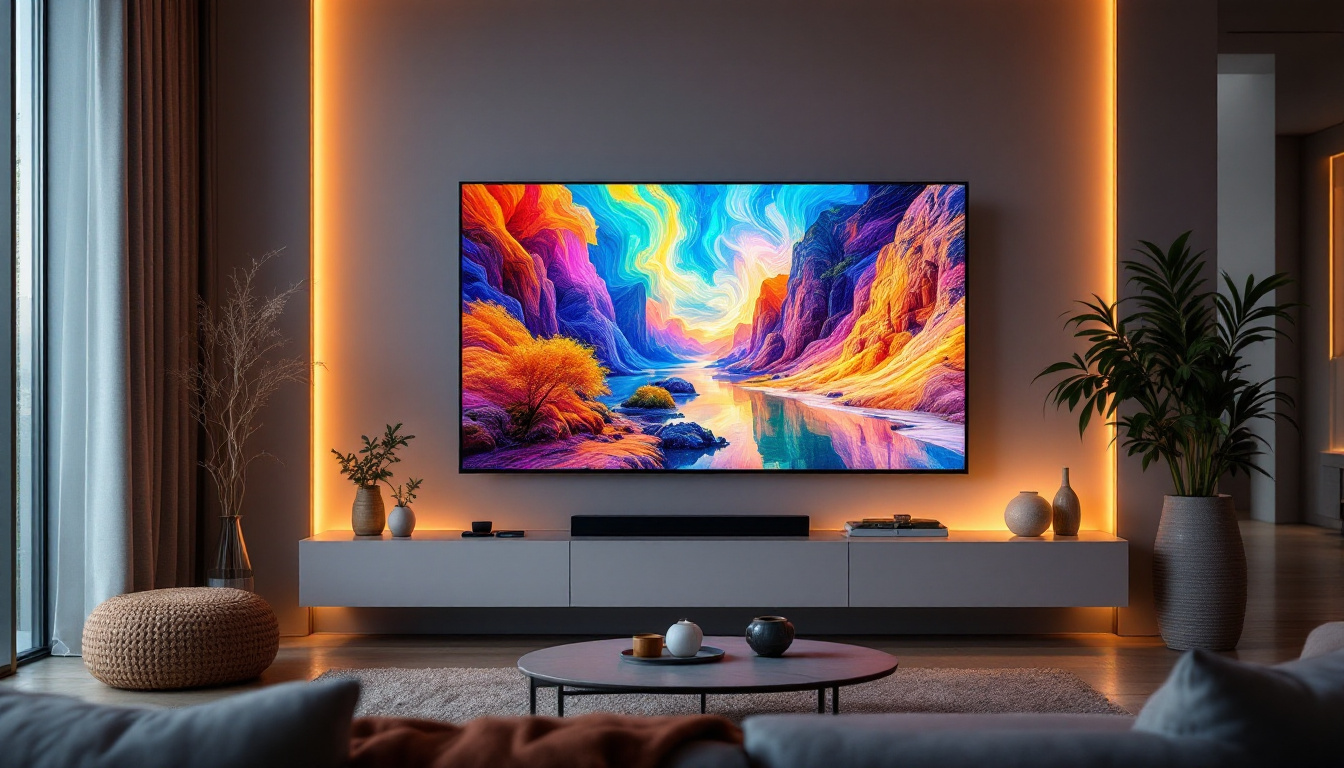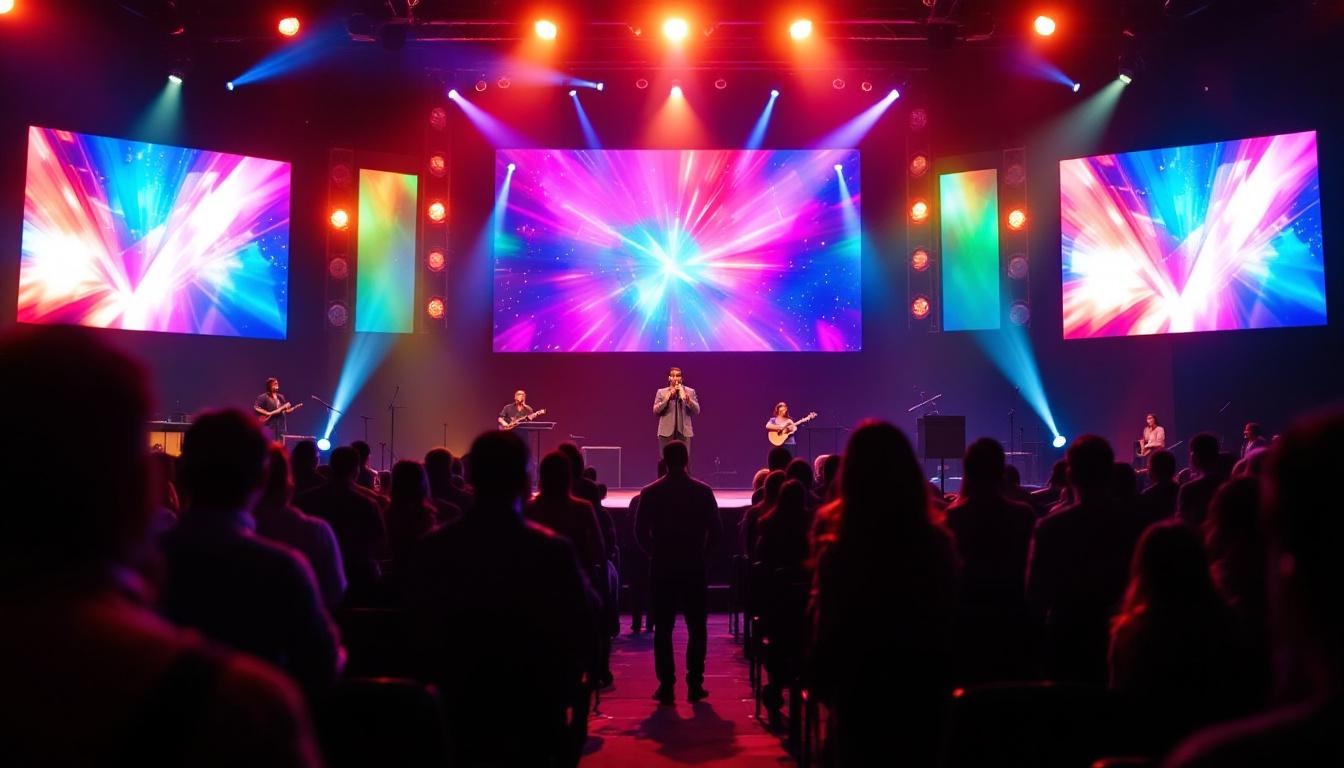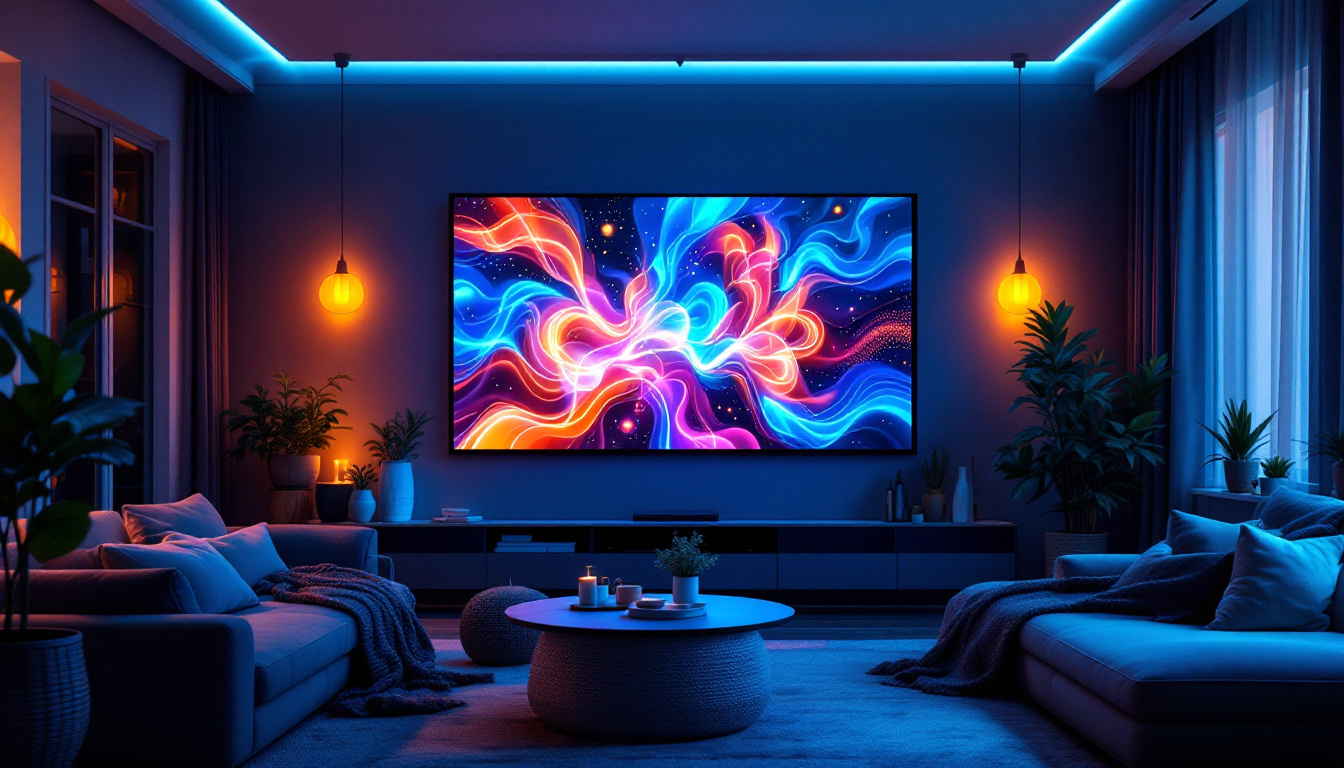
In the evolving landscape of visual technology, the choice between traditional projection screens and modern LED displays has become a pivotal decision for businesses, educators, event organizers, and home theater enthusiasts alike. The term “white canvas for projector” often conjures images of classic projector screens, yet the rise of LED display technology offers a compelling alternative that challenges conventional wisdom. This article delves into the nuances of white projection canvases and LED displays, exploring their functionalities, advantages, and ideal use cases to help readers make informed decisions for their visual presentation needs.
The Traditional White Canvas for Projectors: Foundations and Limitations
Understanding the White Projection Screen
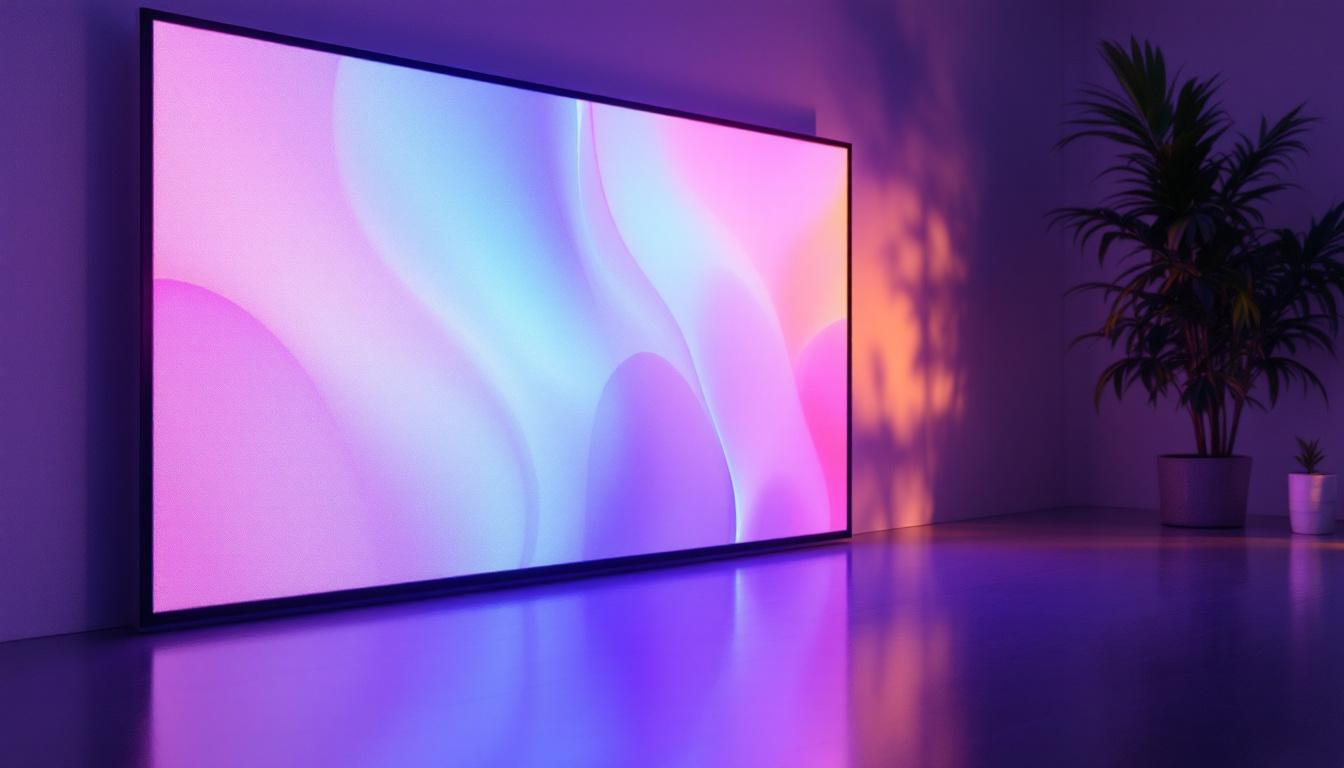
The white canvas for projectors typically refers to a matte white screen designed to reflect projected light uniformly to the audience. This surface is engineered to maximize brightness and color accuracy by diffusing light evenly, minimizing hotspots and glare. The most common materials include matte white vinyl, woven fabrics, and specialized coatings that enhance reflectivity. These materials are meticulously chosen not only for their reflective properties but also for their durability and ease of maintenance, ensuring that they can withstand the rigors of frequent use in various settings, from classrooms to large auditoriums.
Projection screens have been the cornerstone of visual displays for decades, favored for their simplicity and cost-effectiveness. They work by bouncing the light from a projector lens onto a flat surface, creating an image that can be scaled to various sizes depending on the projector’s capabilities and the distance from the screen. The ease of setup associated with these screens makes them a popular choice for both professional and personal use, allowing users to quickly transform any space into a viewing area. Furthermore, advancements in projector technology have led to higher resolutions and brighter outputs, which can significantly enhance the viewing experience when paired with a quality white screen.
Limitations of White Projection Screens
Despite their widespread use, white canvases for projectors come with inherent limitations. Ambient light interference is a significant challenge; in brightly lit environments, the projected image can appear washed out, reducing contrast and vibrancy. Additionally, the need for a darkened room or controlled lighting conditions can restrict the versatility of projector setups. This limitation is particularly evident in outdoor settings or during daytime presentations, where natural light can overpower the projection, making it difficult for the audience to see the content clearly. As a result, users often find themselves investing in blackout curtains or other light-blocking solutions to achieve optimal viewing conditions.
Another limitation is the physical constraints of the screen size and placement. Large screens require ample wall space and can be cumbersome to install or transport. Furthermore, the image quality is heavily dependent on the projector’s resolution and brightness, which can vary widely across different models. This dependency means that even the best white screens can only perform as well as the projector allows. Additionally, the fixed nature of many traditional screens can limit flexibility in dynamic environments, where quick adjustments or repositioning might be necessary. As a response to these challenges, some users are turning to alternative solutions, such as portable screens or specialized materials designed to enhance performance in challenging lighting conditions, thus expanding the possibilities for effective projection in diverse settings.
LED Displays: A Modern Alternative to Projection Screens
What Is an LED Display?
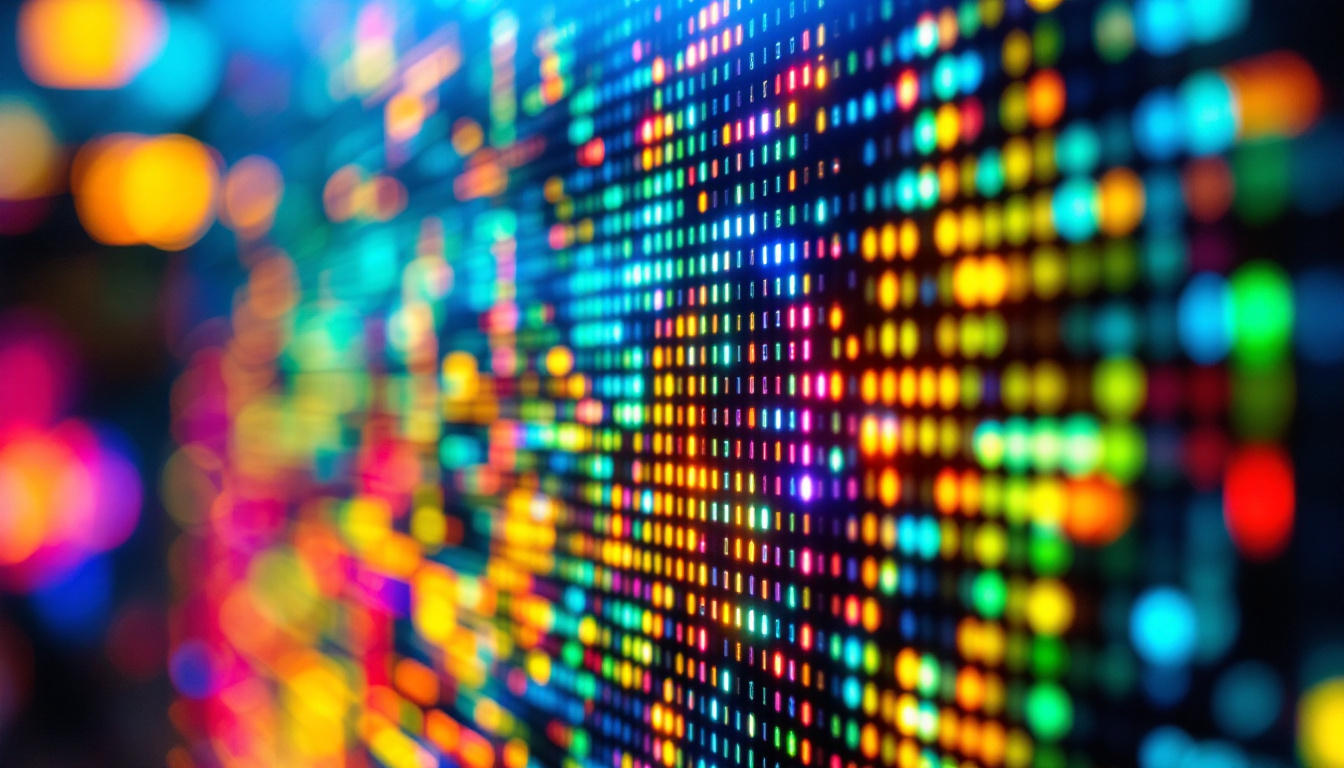
LED (Light Emitting Diode) displays are composed of numerous tiny LEDs arranged in a grid to form a screen. Each LED acts as an individual pixel, emitting its own light, which eliminates the need for an external light source like a projector. This self-illumination capability allows LED displays to produce bright, vibrant images with high contrast ratios, even in well-lit environments.
LED technology has rapidly advanced, making it a popular choice for digital signage, large-scale event screens, and increasingly, indoor and home entertainment systems. The modular nature of LED panels allows for customizable sizes and aspect ratios, providing flexibility that traditional projection screens cannot match.
Advantages of LED Displays Over White Projection Screens
One of the most compelling advantages of LED displays is their superior brightness. While projectors typically offer brightness levels measured in lumens, LED displays can achieve nits (a unit of luminance) that far exceed projector capabilities. This means LED screens remain clear and vivid even under direct sunlight or brightly lit rooms.
Color accuracy and contrast are also enhanced with LED technology. Since each pixel emits light independently, true blacks can be rendered by turning off individual LEDs, resulting in deeper contrast and more lifelike images. This is particularly beneficial for dynamic content such as videos, presentations with rich graphics, and digital art.
Additionally, LED displays require less maintenance compared to projectors, which often need bulb replacements and regular calibration. The durability and longevity of LED panels make them a cost-effective solution over time, despite a higher initial investment.
Comparing Use Cases: When to Choose a White Canvas for Projector vs. an LED Display
Educational and Corporate Environments
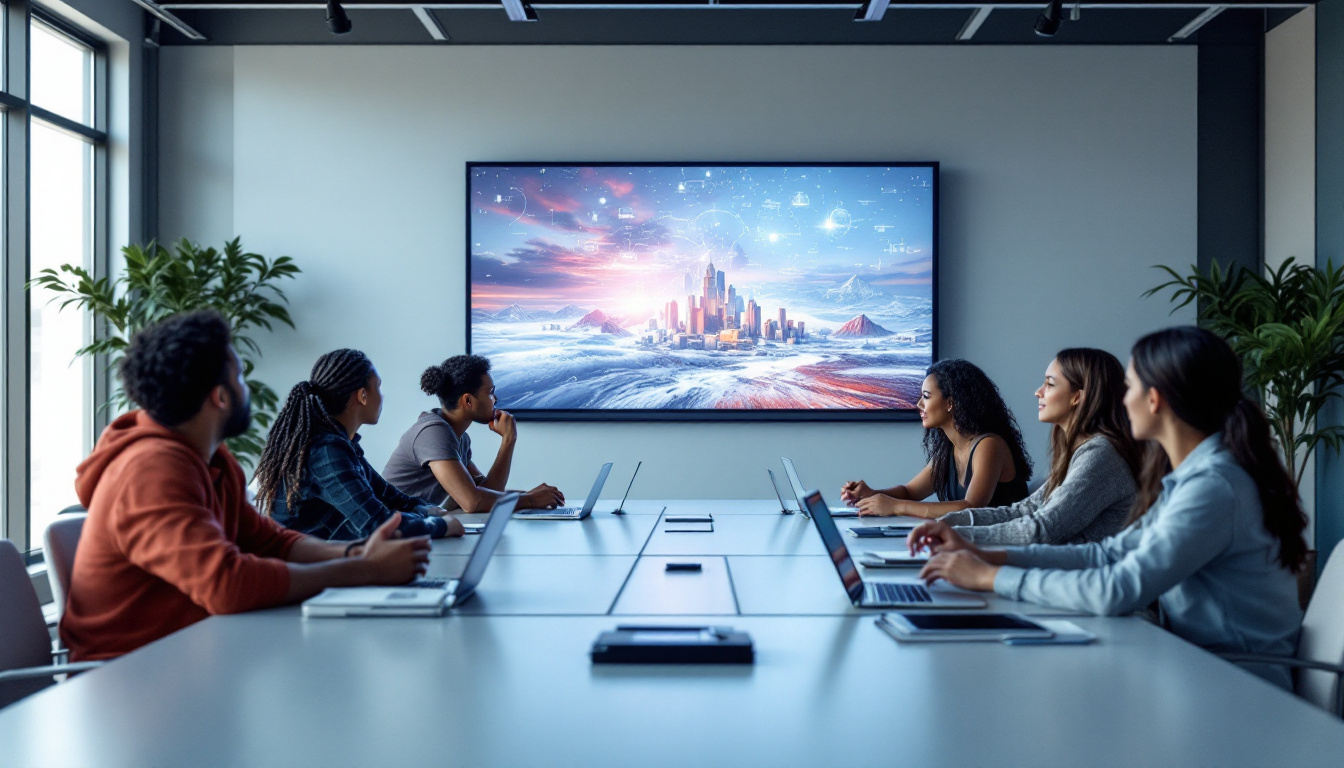
In classrooms and corporate meeting rooms, the choice between a white canvas and an LED display hinges on factors like room lighting, budget, and usage frequency. Projectors with white screens remain popular due to their affordability and ease of setup, especially for presentations and lectures where high brightness is not critical.
However, LED displays are gaining traction in these settings for their ability to provide clear, bright images without the need for dimming lights. Interactive LED panels also support touch functionality, enhancing engagement in collaborative environments.
Event and Entertainment Applications
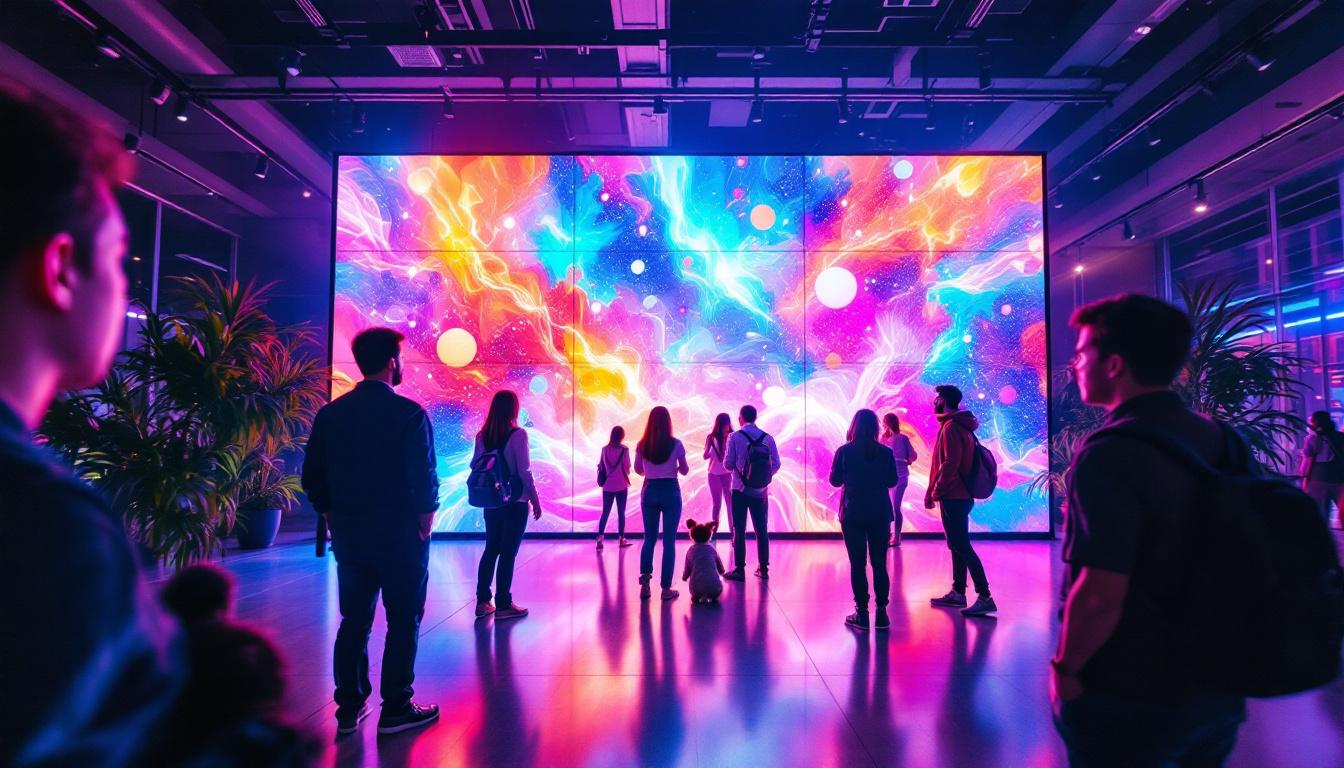
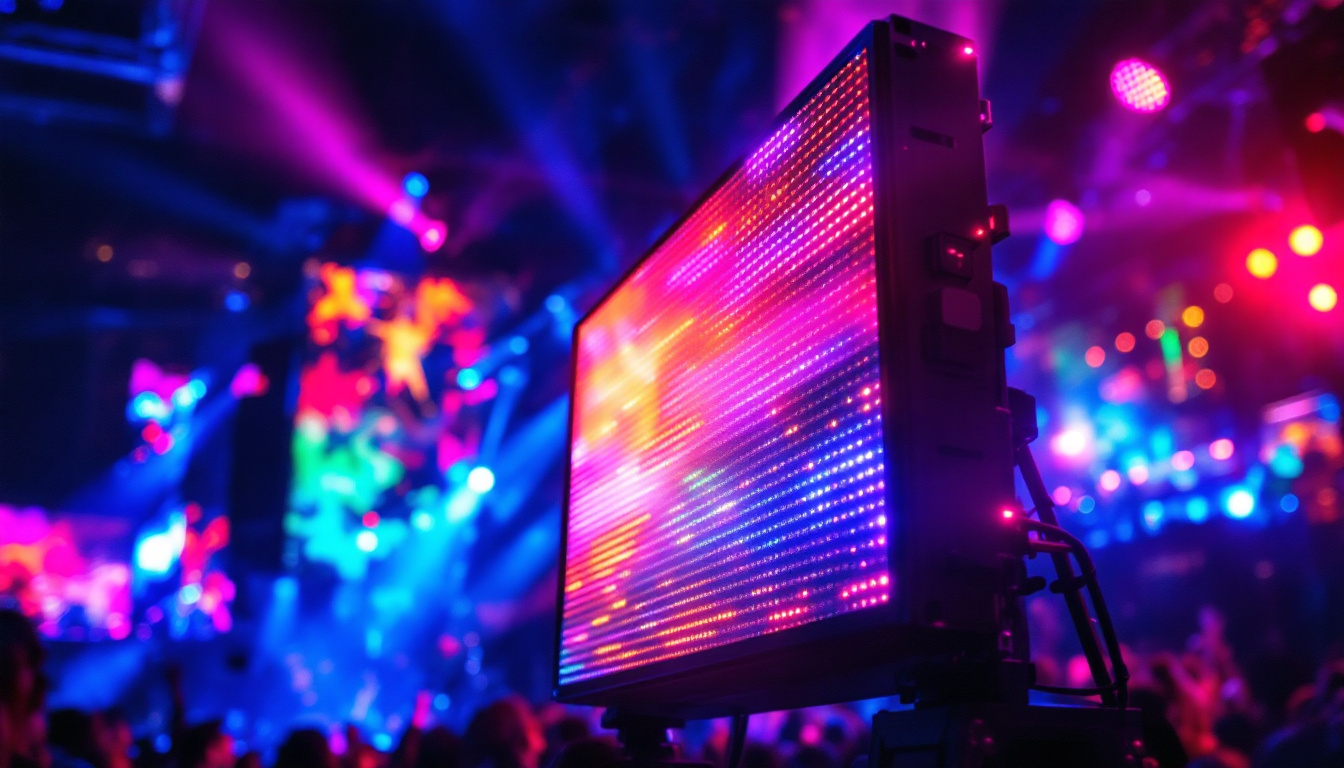
For concerts, conferences, and large-scale events, LED displays have become the industry standard. Their scalability allows organizers to create massive screens that are visible from great distances, with vibrant colors and high refresh rates suitable for live video feeds and dynamic content.
Conversely, projectors and white canvases are still used in smaller venues or where budget constraints exist. However, the trend is shifting as LED technology becomes more accessible and cost-effective.
Home Theater and Personal Use
Home theater enthusiasts often debate between traditional projectors and LED displays. Projectors paired with a white canvas can deliver large, cinematic images at a relatively low cost, appealing to those who prioritize screen size and immersive viewing.
LED displays, particularly OLED and microLED variants, offer superior image quality and brightness, making them ideal for rooms with ambient light or for users seeking a plug-and-play solution without the hassle of projector maintenance. The choice ultimately depends on individual preferences, room conditions, and budget.
Technical Considerations: Brightness, Resolution, and Installation
Brightness and Ambient Light Handling
Brightness is a critical factor in selecting between a white canvas and an LED display. Projectors are measured in lumens, with most home theater projectors ranging from 1,500 to 3,000 lumens. In contrast, LED displays can achieve brightness levels exceeding 1,000 nits, making them suitable for environments with high ambient light.
Specialized projection screens, such as ambient light rejecting (ALR) screens, have been developed to improve image quality in bright rooms, but they add to the overall cost and complexity.
Resolution and Image Quality
Resolution is another key consideration. Modern projectors support resolutions up to 4K, but the perceived sharpness depends on the screen size and viewing distance. LED displays offer native resolutions that can be tailored by selecting panel density, ensuring crisp images regardless of screen size.
Furthermore, LED displays support higher refresh rates and better color gamuts, which are essential for smooth video playback and accurate color reproduction.
Installation and Maintenance
Installing a white canvas for a projector is generally straightforward, requiring mounting hardware and space for the projector itself. However, projector alignment and calibration can be time-consuming and may require professional assistance.
LED displays, while more complex to install due to their modular design and electrical requirements, offer simpler ongoing maintenance. They do not require bulb replacements and are less sensitive to environmental factors like dust and temperature.
Cost Analysis: Budgeting for White Canvas and LED Display Solutions
Initial Investment and Long-Term Costs
Projector setups with white canvases are typically more affordable upfront, with entry-level projectors available for a few hundred dollars and screens costing between $100 and $1,000 depending on size and quality. This makes them accessible for small businesses, schools, and home users.
LED displays, however, involve a higher initial investment. Prices vary widely based on size, resolution, and panel type, with costs ranging from several thousand to tens of thousands of dollars for large-scale installations. Despite this, the reduced maintenance costs and longer lifespan often justify the expense over time.
Energy Consumption and Operational Costs
LED displays generally consume more power than projectors, especially large outdoor models. However, advances in LED efficiency have narrowed this gap. Projectors require cooling fans and bulb replacements, which add to operational costs and downtime.
When budgeting, it’s important to consider not just purchase price but also installation, maintenance, energy consumption, and potential downtime.
Future Trends: Innovations in Projection and LED Display Technologies
MicroLED and MiniLED Advancements
Emerging technologies like microLED and miniLED promise to revolutionize LED displays by offering higher brightness, improved color accuracy, and thinner form factors. These advancements are making LED displays more affordable and versatile, potentially overtaking traditional projection methods in many applications.
Laser Projectors and Hybrid Solutions
Laser projectors represent a significant upgrade over traditional lamp-based projectors, offering higher brightness, longer life, and better color performance. Some hybrid systems combine projection with LED backlighting to optimize image quality in challenging environments.
Interactive and Smart Displays
The integration of touch capabilities, AI-driven content management, and network connectivity is transforming LED displays into interactive hubs for education, retail, and corporate communication. These smart displays offer dynamic, engaging experiences beyond static image projection.
Conclusion: Choosing the Right Visual Display Solution
Deciding between a white canvas for projector and an LED display requires careful consideration of the intended use case, environment, budget, and desired image quality. While traditional projection screens remain a viable and cost-effective choice for many scenarios, LED displays offer unparalleled brightness, color fidelity, and flexibility that are increasingly hard to ignore.
As technology continues to advance, the gap between these two display methods is narrowing, with hybrid and innovative solutions emerging to meet diverse needs. Ultimately, understanding the strengths and limitations of each option empowers users to select the optimal visual display that enhances communication, engagement, and viewer experience.
Discover LumenMatrix’s Advanced LED Display Solutions
Ready to elevate your visual display capabilities? LumenMatrix, a pioneer in LED display technology, offers an extensive range of innovative solutions tailored to your needs. From vibrant Indoor and Outdoor LED Wall Displays to dynamic Vehicle and Sports LED Displays, each product is designed to captivate and engage your audience. Whether you’re looking to create an immersive home theater experience or seeking to enhance your brand’s visibility, LumenMatrix has the cutting-edge technology to bring your vision to life. Check out LumenMatrix LED Display Solutions today and transform the way you communicate visually.