Working LCD: LED Display Explained
In today’s digital age, screens are everywhere—from smartphones and laptops to televisions and digital billboards. Among the most common display technologies are LCD and LED displays, terms often used interchangeably but representing distinct technologies with unique working principles. Understanding how these displays work is crucial not only for consumers making informed purchases but also for professionals in design, manufacturing, and technology sectors. This article delves into the mechanics behind LCD and LED displays, highlighting their differences, advantages, and practical applications.
Understanding LCD Technology
What is an LCD?
LCD stands for Liquid Crystal Display, a technology that has revolutionized screen manufacturing since its commercial introduction in the late 20th century. Unlike older cathode ray tube (CRT) monitors, LCDs are flat-panel displays that use liquid crystals to modulate light and produce images. These crystals do not emit light themselves but control the passage of light from a backlight source.
The core of an LCD panel consists of liquid crystal molecules sandwiched between two polarizing filters and glass substrates. When an electric current is applied, the orientation of these molecules changes, affecting the polarization of light passing through them. This modulation allows the display to control the brightness and color of each pixel, creating the images seen on the screen. The development of LCD technology has led to thinner, lighter, and more energy-efficient displays, making them the preferred choice for everything from televisions to smartphones.
How Does an LCD Work?
The operation of an LCD involves several components working in harmony:
- Backlight: Since liquid crystals do not generate light, an external light source is essential. Traditionally, cold cathode fluorescent lamps (CCFLs) were used, but modern LCDs primarily use LED backlighting for better efficiency and color accuracy.
- Polarizing Filters: Positioned on either side of the liquid crystal layer, these filters control the orientation of light waves, allowing the display to manipulate brightness and contrast.
- Liquid Crystals: These unique molecules can be twisted or aligned in response to electric fields, controlling how much light passes through each pixel.
- Color Filters: Each pixel is divided into subpixels with red, green, and blue filters. By adjusting the intensity of light through these subpixels, the display produces a full spectrum of colors.
When a voltage is applied to a pixel, the liquid crystals twist to allow varying amounts of light to pass through the polarizers and color filters, creating the desired image. The speed and precision of this process determine the display’s resolution, refresh rate, and overall image quality. Additionally, advancements in LCD technology have led to features such as higher refresh rates and improved response times, which are crucial for applications like gaming and video playback. The introduction of technologies like In-Plane Switching (IPS) and Twisted Nematic (TN) panels has further enhanced viewing angles and color reproduction, catering to diverse user needs.
Moreover, the versatility of LCD technology extends beyond traditional displays. It has found applications in various fields, from medical imaging to automotive displays. In medical settings, high-resolution LCD screens are essential for accurate diagnostics, allowing healthcare professionals to view detailed images. In the automotive industry, LCDs are increasingly used in dashboards and infotainment systems, providing drivers with crucial information in an easily readable format. As technology continues to evolve, the potential for LCDs to integrate with other emerging technologies, such as augmented reality and flexible displays, promises to reshape how we interact with visual information in our daily lives.
LED Displays: More Than Just a Backlight
What Does LED Mean in Display Technology?
LED stands for Light Emitting Diode, a semiconductor device that emits light when an electric current passes through it. In the context of displays, LED technology can refer to two different concepts: LED backlighting used in LCD panels or true LED displays where each pixel is an individual LED.
Most modern LCD screens use LED backlighting instead of CCFLs, which is why the term “LED TV” or “LED monitor” is common. However, this can be misleading because the actual image-forming technology remains LCD. On the other hand, true LED displays, such as those used in large outdoor screens and some high-end televisions, use arrays of LEDs as pixels themselves, offering different characteristics. These true LED displays are capable of producing vibrant colors and deep blacks that can significantly enhance the viewing experience, making them a popular choice for both commercial and residential applications.
Types of LED Displays
Understanding the distinction between LED-backlit LCDs and true LED displays is essential:
- LED-Backlit LCDs: These displays use LEDs as a backlight source behind the liquid crystal panel. The LEDs provide illumination, while the liquid crystals control image formation. This combination enhances brightness, contrast, and energy efficiency compared to older CCFL-backlit LCDs. The advancements in LED technology have also allowed for thinner and lighter designs, making them more suitable for a variety of settings, from homes to offices.
- Direct-View LED Displays: In these displays, each pixel is an individual LED or cluster of LEDs. This technology is common in large-scale digital signage, stadium screens, and increasingly in premium televisions (such as OLED and MicroLED). These displays offer superior contrast ratios and color accuracy because the light source is directly controlled at the pixel level. With the ability to achieve higher brightness levels, direct-view LED displays are particularly effective in environments with high ambient light, ensuring that images remain clear and vibrant.
How Do LED-Backlit LCDs Work?
In LED-backlit LCDs, the LEDs are arranged either along the edges of the screen (edge-lit) or directly behind the liquid crystal panel (direct-lit or full-array). The backlight shines through the liquid crystal layer, which modulates the light to form images. This modulation is crucial for achieving the desired colors and brightness levels on the screen, allowing for a dynamic viewing experience.
Edge-lit LED displays are thinner and more energy-efficient but can suffer from uneven brightness and contrast. Direct-lit or full-array backlighting, often combined with local dimming technology, allows precise control of brightness in different screen areas, improving contrast and black levels. This means that scenes with dark shadows can display more detail without washing out the image, providing a richer viewing experience. Furthermore, advancements in technology have led to features like HDR (High Dynamic Range), which enhances the contrast and color range even further, making the images on these displays more lifelike and immersive.
Comparing LCD and LED Displays
Brightness and Contrast
LED-backlit LCDs generally offer higher brightness levels than older CCFL-backlit LCDs, making them better suited for well-lit environments. Full-array LED backlighting with local dimming enhances contrast by dimming parts of the screen that should appear black, creating deeper blacks and more vibrant colors.
True LED displays, especially those using OLED or MicroLED technology, provide even better contrast ratios because each pixel emits its own light and can be turned off completely. This capability results in true blacks and exceptional color depth.
Energy Efficiency
LED backlighting is significantly more energy-efficient than CCFLs, contributing to longer battery life in portable devices and lower electricity consumption in larger screens. According to the U.S. Department of Energy, LED-backlit LCDs can use up to 40% less power than CCFL-backlit models.
Direct-view LED displays, particularly MicroLEDs, promise further improvements in energy efficiency due to their self-emissive nature and the ability to control light output at the pixel level.
Color Accuracy and Viewing Angles
While LCDs have improved greatly with LED backlighting, they still face challenges in color accuracy and viewing angles. The liquid crystal layer can cause color shifts and reduced brightness when viewed from extreme angles.
Technologies like In-Plane Switching (IPS) panels have mitigated these issues by aligning liquid crystals horizontally, improving viewing angles and color consistency. True LED displays, especially OLEDs, offer superior viewing angles and color accuracy because each pixel emits light directly without relying on backlighting.
Longevity and Durability
LCD panels with LED backlighting typically have long lifespans, often exceeding 50,000 hours of use. LEDs themselves are durable and resistant to shock and vibration compared to older backlighting technologies.
However, OLED displays, a type of true LED display, can suffer from burn-in and have shorter lifespans due to organic materials degrading over time. Emerging MicroLED technology aims to combine the advantages of OLEDs with improved longevity and brightness.
Applications and Practical Considerations
Consumer Electronics
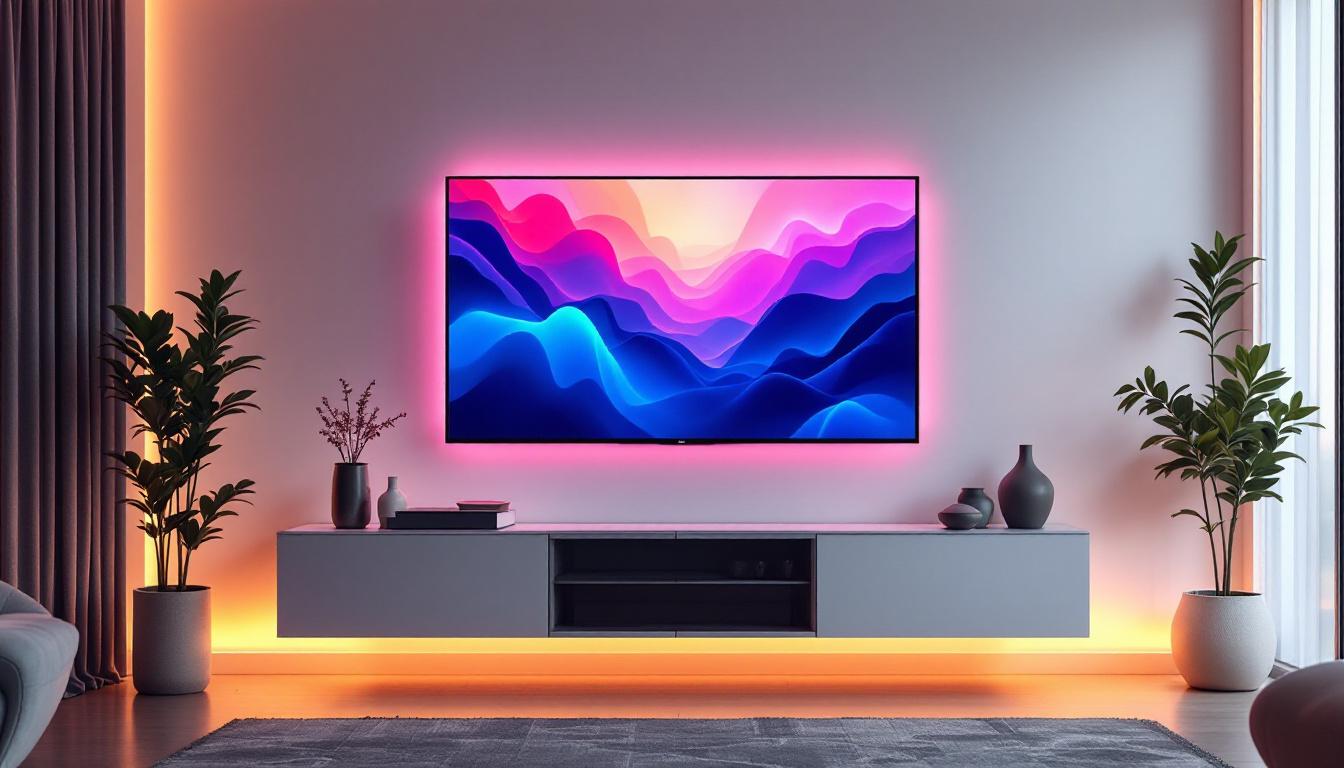
Most consumer devices, including smartphones, laptops, monitors, and televisions, use LED-backlit LCD technology due to its balance of cost, image quality, and energy efficiency. High-end smartphones and TVs may use OLED displays for superior contrast and color performance.
Understanding the differences helps consumers make informed choices based on their needs—whether prioritizing battery life, image quality, or price.
Commercial and Industrial Displays
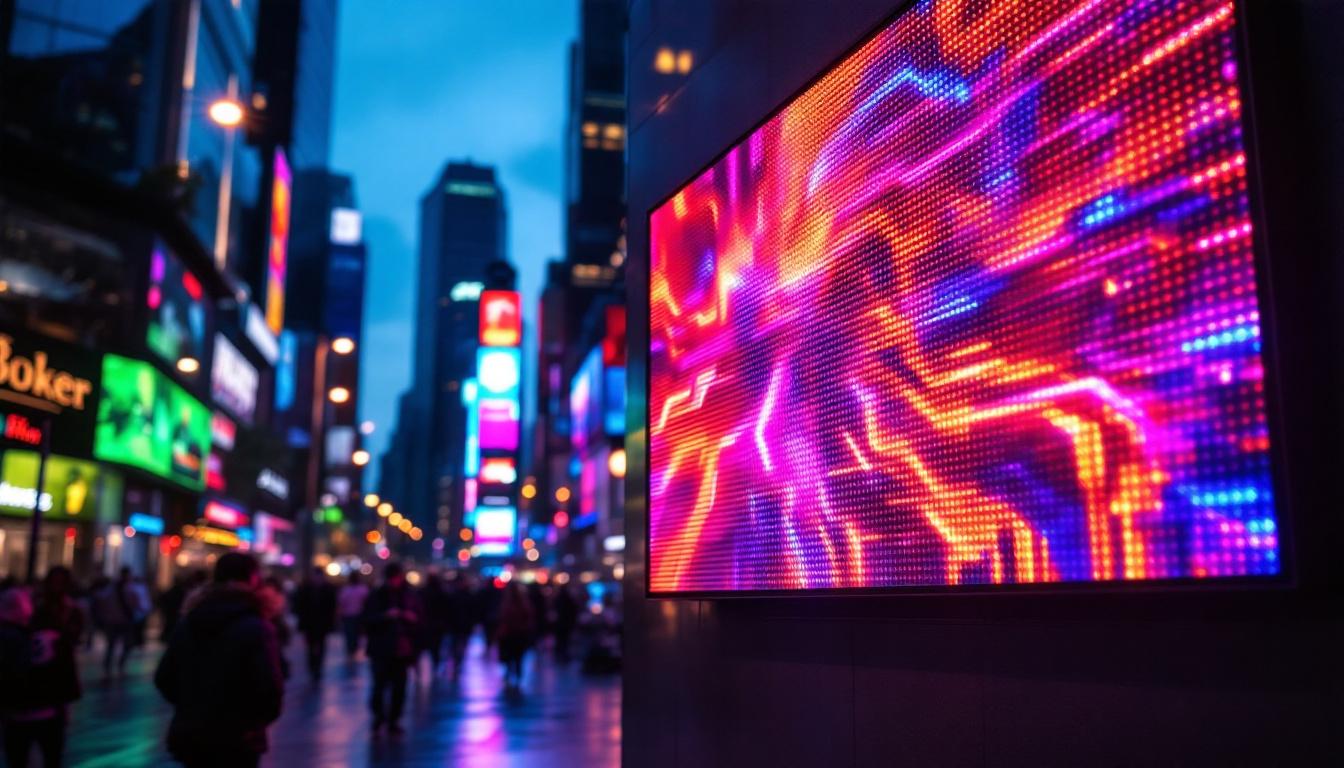
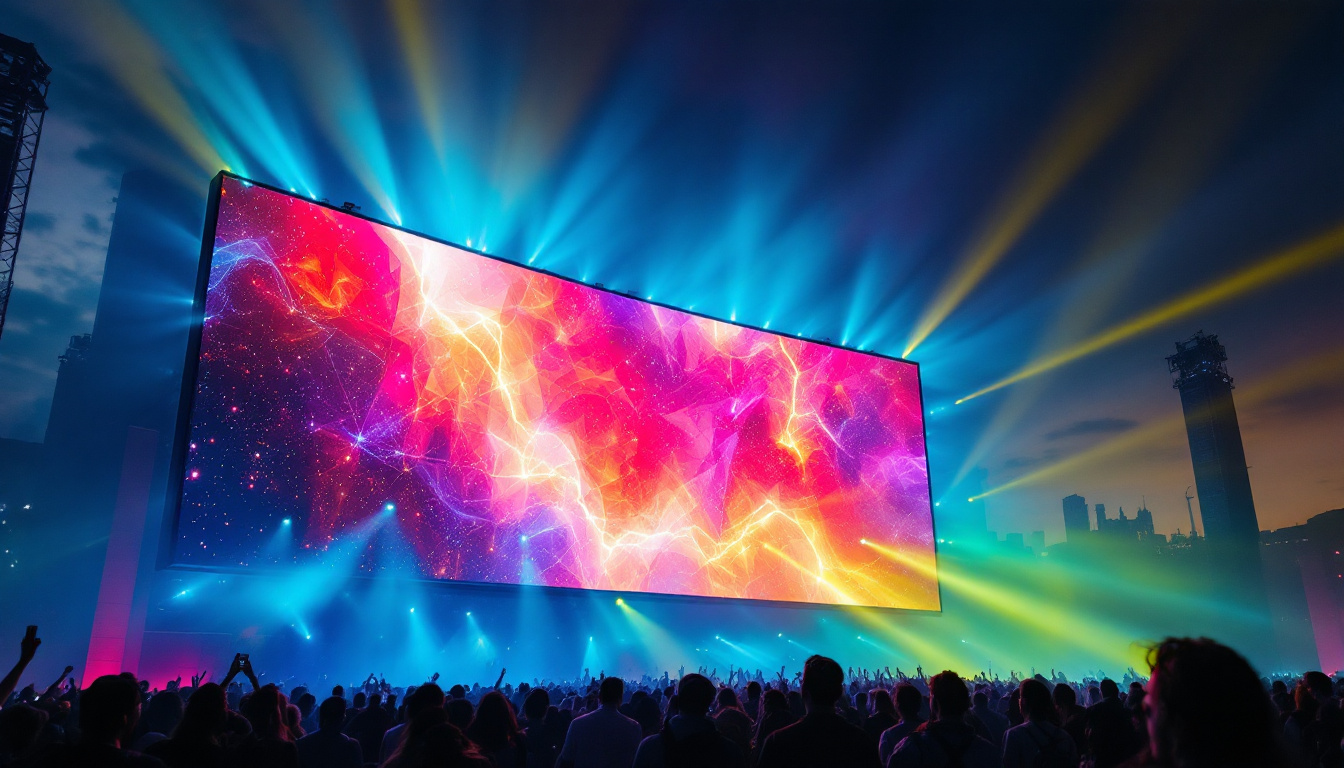
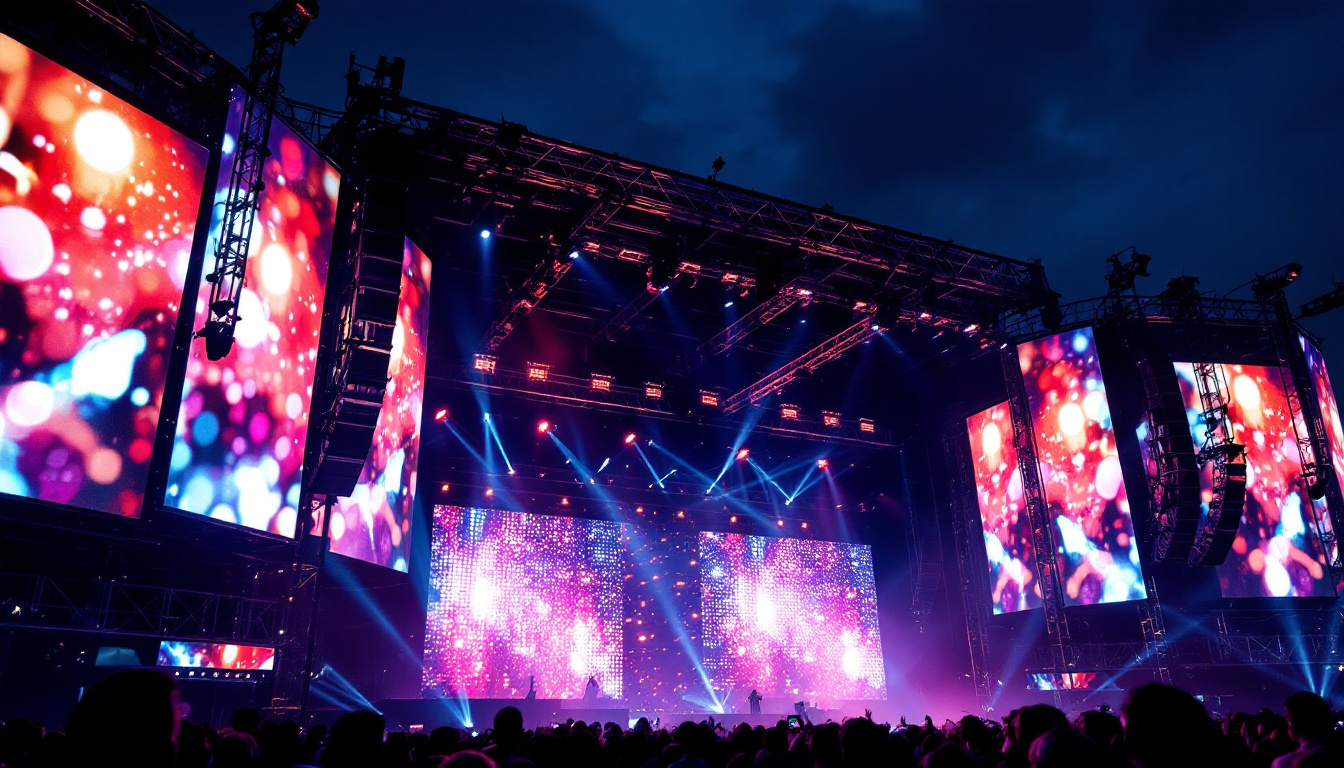
Large-scale digital signage, stadium screens, and video walls often use direct-view LED displays because of their brightness, scalability, and durability in outdoor environments. These displays can be viewed clearly even in direct sunlight, a critical factor for advertising and public information systems.
Future Trends in Display Technology
The display industry is rapidly evolving. MicroLED technology, which uses microscopic LEDs as individual pixels, promises the best of both worlds: the brightness and longevity of LEDs combined with the contrast and color accuracy of OLEDs. While still emerging, MicroLED displays are expected to become mainstream in the next decade.
Additionally, flexible and transparent displays based on OLED and LCD technologies are opening new possibilities for design and user interaction, from foldable smartphones to heads-up displays in vehicles.
Conclusion
LCD and LED technologies form the backbone of modern display systems, each with unique strengths and applications. LCDs rely on liquid crystals to modulate light from a backlight, which in contemporary devices is typically LED-based, offering improved efficiency and image quality. True LED displays, where each pixel is an individual light source, provide exceptional contrast and brightness, particularly in large-scale and premium applications.
For consumers and professionals alike, understanding these technologies is essential for making informed decisions about device selection, usage, and future-proofing investments. As display technologies continue to advance, the distinctions between LCD and LED are becoming more nuanced, but their foundational principles remain critical to the screens that shape our digital experiences.
Discover LumenMatrix’s Advanced LED Display Solutions
As you consider the future of your visual display needs, embrace the innovation and expertise of LumenMatrix. Our comprehensive range of LED display solutions, from Indoor and Outdoor LED Wall Displays to specialized formats like Vehicle, Sports, and Floor LED Displays, is designed to bring your brand to life. Whether you’re looking to create immersive environments with Custom LED Displays or seeking the sleekness of LED Poster and Transparent Displays, LumenMatrix is your partner in revolutionizing visual communication. Check out LumenMatrix LED Display Solutions today and experience the power of advanced technology in enhancing engagement and delivering your message with unparalleled clarity.