In today’s digital age, video content dominates online platforms, and YouTube remains the largest hub for video sharing and consumption. Whether you’re a content creator, marketer, or tech enthusiast, understanding the technical aspects of video display—especially pixel size and LED screen technology—can significantly enhance how videos are produced, displayed, and experienced. This article delves into the concept of YouTube video pixel size, how LED displays work, and why these factors matter for both viewers and creators.
Understanding YouTube Video Pixel Size
When discussing YouTube videos, “pixel size” often refers to the resolution of the video—essentially, how many pixels make up the width and height of the video frame. Pixels are the smallest units of a digital image, and the total number of pixels determines the clarity and detail of the video.
For example, a standard HD video on YouTube has a resolution of 1920 x 1080 pixels, meaning there are 1920 pixels horizontally and 1080 pixels vertically. This resolution is commonly called 1080p and is widely regarded as the baseline for high-quality video streaming.
Common YouTube Video Resolutions
YouTube supports a variety of resolutions, ranging from low-quality 144p videos (256 x 144 pixels) to ultra-high-definition 8K videos (7680 x 4320 pixels). Here are some of the most common resolutions:
- 144p: 256 x 144 pixels – Low resolution, mostly used for slow connections.
- 360p: 640 x 360 pixels – Standard definition, suitable for mobile devices.
- 480p: 854 x 480 pixels – Enhanced standard definition.
- 720p: 1280 x 720 pixels – HD quality, often used for streaming.
- 1080p: 1920 x 1080 pixels – Full HD, the most popular resolution for YouTube content.
- 1440p (2K): 2560 x 1440 pixels – Quad HD, offering sharper images.
- 2160p (4K): 3840 x 2160 pixels – Ultra HD, increasingly common for premium content.
- 4320p (8K): 7680 x 4320 pixels – Currently rare, but represents the cutting edge of video resolution.
Each step up in resolution increases the pixel count exponentially, resulting in sharper and more detailed images. However, higher resolutions require more bandwidth and processing power to stream smoothly.
Pixel Density and Its Impact on Viewing Experience
Pixel density, measured in pixels per inch (PPI), is another critical factor. It refers to how many pixels are packed into a given area of the display. Higher pixel density means finer detail and less visible pixelation. For YouTube videos, pixel density depends on both the video resolution and the screen size of the device used for playback.
For instance, a 1080p video on a 5-inch smartphone screen will look much sharper than the same video stretched across a 50-inch TV. This is because the smaller screen packs more pixels per inch, making individual pixels indistinguishable to the human eye.
LED Displays: The Technology Behind Modern Screens
LED (Light Emitting Diode) displays have revolutionized how video content is viewed, offering vibrant colors, high brightness, and energy efficiency. Understanding how LED displays work helps explain why pixel size and resolution are so important for delivering a quality viewing experience.
How LED Displays Work
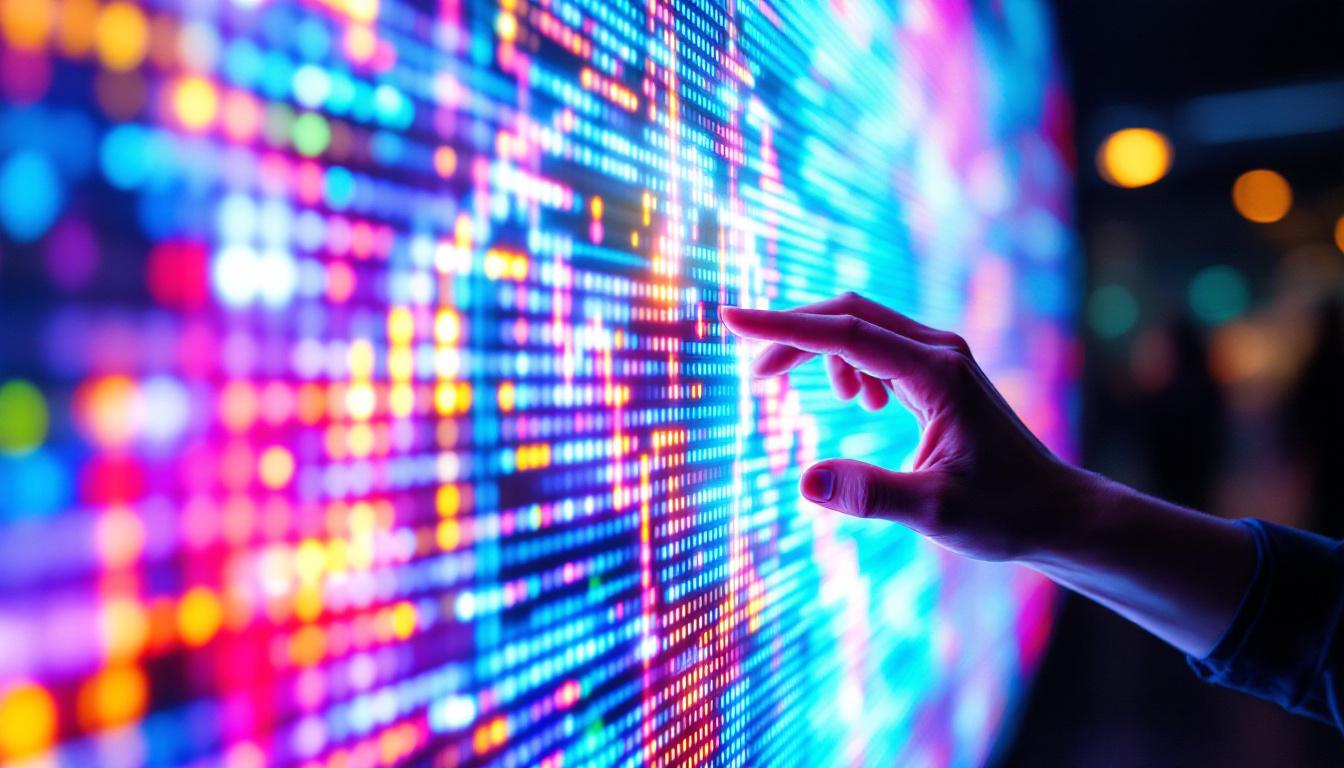
LED displays are composed of millions of tiny light-emitting diodes arranged in a grid. Each diode corresponds to a pixel on the screen. When electricity passes through these diodes, they emit light in various colors, combining to form the images and videos you see.
There are two primary types of LED displays:
- Direct LED (or Full-Array LED): LEDs are placed directly behind the screen, providing uniform backlighting and better contrast.
- Edge-Lit LED: LEDs are positioned along the edges of the screen, which allows for thinner displays but can sometimes result in less uniform brightness.
Modern LED screens often incorporate advanced technologies like local dimming, quantum dots, and HDR (High Dynamic Range) to enhance picture quality further.
LED Pixel Pitch and Its Significance
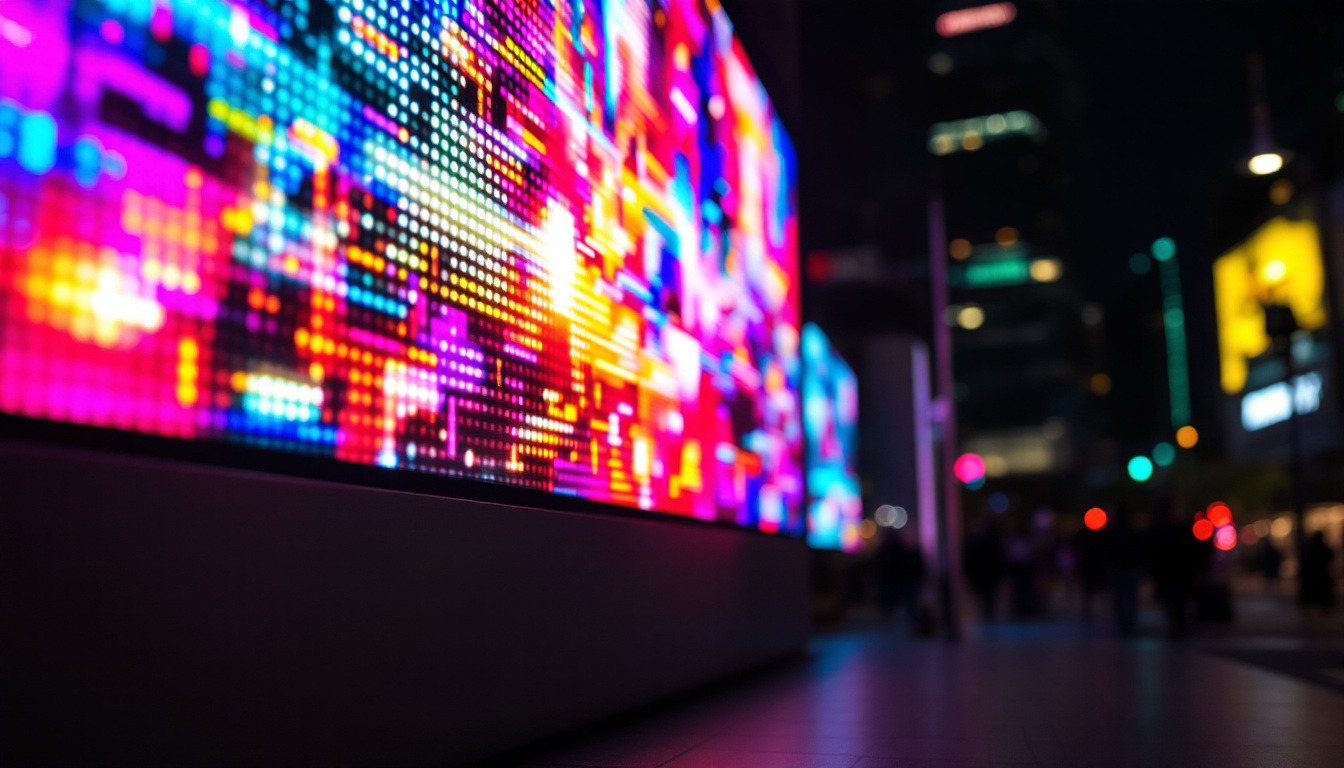
In the context of LED displays, “pixel pitch” is a term that refers to the distance between the centers of two adjacent pixels, usually measured in millimeters. Pixel pitch is a crucial factor in determining the resolution and clarity of an LED screen.
A smaller pixel pitch means pixels are closer together, resulting in higher resolution and sharper images. For example, an LED display with a pixel pitch of 1.5mm will have much finer detail than one with a 10mm pitch. This is especially important for large LED video walls used in advertising, concerts, or sports arenas, where viewers may be standing close to the screen.
LED Displays vs. Other Screen Technologies
While LED displays are widely popular, they are often compared to OLED (Organic LED) and LCD (Liquid Crystal Display) technologies. Each has its strengths:
- LED: Known for brightness, durability, and energy efficiency. Ideal for large-scale displays and outdoor use.
- OLED: Offers superior contrast and color accuracy because each pixel emits its own light, allowing for true blacks.
- LCD: Uses a backlight and liquid crystals to produce images. Generally less expensive but can suffer from lower contrast ratios.
For YouTube video playback, the choice of display technology affects how colors, contrast, and motion are perceived, impacting the overall viewing experience.
Why Pixel Size and LED Display Matter for YouTube Videos
Understanding pixel size and LED display technology isn’t just for engineers and manufacturers; it has practical implications for content creators, advertisers, and viewers alike.
Optimizing Video Production for Different Displays
Content creators must consider the resolution and pixel density of their target audience’s devices. Producing videos at 1080p or higher ensures that content looks crisp on most modern screens, from smartphones to 4K TVs. However, uploading excessively high-resolution videos without proper compression can lead to buffering issues and increased data usage for viewers.
Moreover, creators should be aware of the color profiles and dynamic range supported by LED displays. Videos mastered with HDR can take advantage of the wider color gamut and brightness capabilities of modern LED screens, resulting in a more immersive experience.
Advertising and LED Video Walls
LED displays are increasingly used for digital billboards and video walls in public spaces. Advertisers leveraging YouTube videos for these platforms must understand pixel pitch and resolution requirements to ensure their content looks sharp and engaging from various viewing distances.
For instance, a video optimized for a smartphone screen will not translate well to a massive LED billboard with a 5mm pixel pitch. Content must be created or adapted to suit the specific LED display’s resolution and viewing context.
Enhancing Viewer Experience
For viewers, the combination of high-resolution YouTube videos and advanced LED displays means access to stunning visuals with vibrant colors and sharp details. This is particularly important for genres like gaming, travel vlogging, and cinematic content, where visual fidelity enhances emotional impact.
Additionally, as 5G networks and faster internet connections become more widespread, streaming higher-resolution videos on LED-equipped devices will become more seamless, further elevating the quality of online video consumption.
Technical Tips for Working with YouTube Video Pixel Size and LED Displays
For those involved in video production or display technology, here are some practical tips to optimize content and hardware for the best results.
Choosing the Right Resolution
Always consider your audience’s most common viewing devices. While 4K videos are impressive, many viewers still watch on 1080p or lower resolutions due to bandwidth limitations. Uploading multiple resolution versions allows YouTube’s adaptive streaming to deliver the best quality based on the viewer’s connection.
Calibrating LED Displays
Proper calibration of LED screens is essential to maintain accurate colors and brightness. Calibration tools and software can help adjust color temperature, gamma, and contrast settings, ensuring that videos appear as intended regardless of the display environment.
Compression and Bitrate Management
High-resolution videos require efficient compression to reduce file size without sacrificing quality. Using codecs like H.264 or H.265 and managing bitrate settings can help balance video quality and streaming performance.
The Future of YouTube Video and LED Display Technology
As technology advances, the relationship between video pixel size and LED displays will continue to evolve, offering exciting possibilities for both creators and consumers.
Emerging Trends in Video Resolution
8K video is gradually gaining traction, with more cameras and smartphones capable of recording at this ultra-high resolution. While currently niche, 8K content may become mainstream in the next five to ten years, especially as internet speeds and display technologies improve.
Additionally, innovations like variable refresh rates and microLED displays promise even better picture quality and energy efficiency.
Interactive and Immersive Displays
LED technology is also moving towards interactive and immersive experiences. Transparent LED screens, flexible displays, and integration with augmented reality (AR) could transform how video content is presented and consumed, blending digital media with real-world environments.
AI and Video Optimization
Artificial intelligence is playing a growing role in video compression, upscaling, and quality enhancement. AI-driven tools can automatically adjust video parameters to match the display’s pixel density and lighting conditions, ensuring optimal viewing experiences across all devices.
Conclusion
The pixel size of YouTube videos and the technology behind LED displays are fundamental components that shape how video content is created, delivered, and enjoyed. From understanding resolution and pixel density to appreciating the intricacies of LED screen technology, these factors influence visual quality and viewer engagement.
For content creators, advertisers, and tech professionals, mastering these concepts enables the production of videos that look stunning on any device. For viewers, it means richer, more immersive experiences as video technology continues to advance.
As the digital landscape evolves, staying informed about pixel size and LED display innovations will remain essential for anyone invested in the future of video content.
Explore Cutting-Edge LED Display Solutions with LumenMatrix
Ready to elevate your video content and captivate your audience with unparalleled clarity and vibrancy? Discover LumenMatrix’s innovative LED display technology, designed to transform any space into a dynamic visual experience. From Indoor and Outdoor LED Wall Displays to specialized solutions like Vehicle, Sports, and Floor LED Displays, LumenMatrix offers a wide range of products tailored to your unique needs. Embrace the future of visual communication and check out LumenMatrix LED Display Solutions today to see how we can help you make a lasting impression.