In recent years, LED displays have transformed the way information is presented in outdoor environments. From advertising billboards to event screens, these displays have become a staple in modern communication. This article delves into the intricacies of LED displays, exploring their technology, applications, and advantages in outdoor settings.
Understanding LED Technology
LED, which stands for Light Emitting Diode, is a semiconductor device that emits light when an electric current passes through it. The technology has evolved significantly since its inception, leading to the development of various types of LED displays suitable for outdoor use. Initially, LEDs were limited to simple indicator lights and basic displays, but advancements in materials and manufacturing processes have allowed for the creation of high-performance, energy-efficient lighting solutions that are now ubiquitous in modern applications.
How LED Displays Work
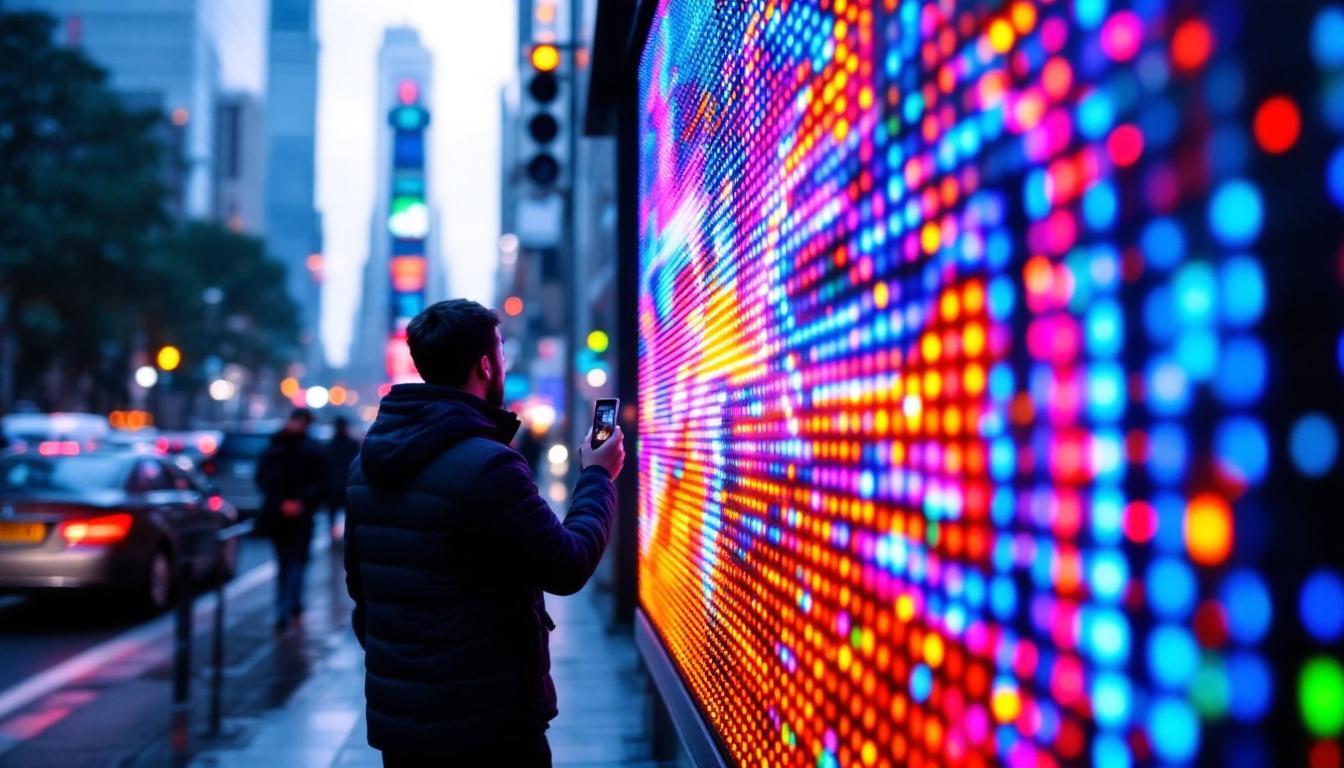
At the core of an LED display are tiny diodes that produce light. These diodes are arranged in a grid format, with each pixel composed of red, green, and blue (RGB) LEDs. By adjusting the intensity of each color, a wide spectrum of colors can be produced, allowing for vibrant and dynamic visuals. The ability to mix these primary colors enables the display to create millions of different hues, making it possible to render detailed images and videos with remarkable clarity.
The control system of an LED display plays a crucial role in determining how images and videos are presented. This system takes input from various sources, such as computers or media players, and translates it into signals that dictate how each pixel should light up. The result is a cohesive image that can be viewed from a distance, making it ideal for outdoor applications. Moreover, modern LED displays often incorporate advanced technologies such as automatic brightness adjustment and color calibration, ensuring optimal visibility in varying lighting conditions, from bright sunlight to nighttime settings.
Types of LED Displays
There are several types of LED displays designed for outdoor use, each serving different purposes and environments. The most common types include:
- Full-Color LED Displays: These displays utilize RGB technology to create vibrant images and videos, making them perfect for advertising and entertainment. They are often seen in stadiums, concert venues, and busy urban areas, where eye-catching visuals are essential for capturing attention.
- Monochrome LED Displays: Typically used for simpler applications such as scoreboards or messaging, these displays emit a single color, usually red or green. They are cost-effective solutions for conveying straightforward information, such as time, scores, or alerts, and are commonly used in transportation hubs and public spaces.
- Flexible LED Displays: These innovative displays can be bent and shaped to fit unique environments, providing creative solutions for unconventional spaces. Their adaptability allows for installations in curved or irregular surfaces, making them popular in modern architecture and artistic displays.
In addition to these types, there are also specialized LED displays designed for specific applications, such as transparent LED screens that allow for visibility through the display while still showcasing content. These screens are increasingly used in retail environments to create engaging storefronts that attract customers without obstructing the view of the products inside. Furthermore, advancements in LED technology have led to the development of energy-efficient options that not only reduce power consumption but also have a longer lifespan compared to traditional lighting solutions, making them a sustainable choice for businesses and organizations looking to minimize their environmental impact.
Applications of Outdoor LED Displays
Outdoor LED displays have a wide range of applications across various industries. Their versatility and effectiveness in conveying information make them a popular choice for many organizations.
Advertising and Marketing
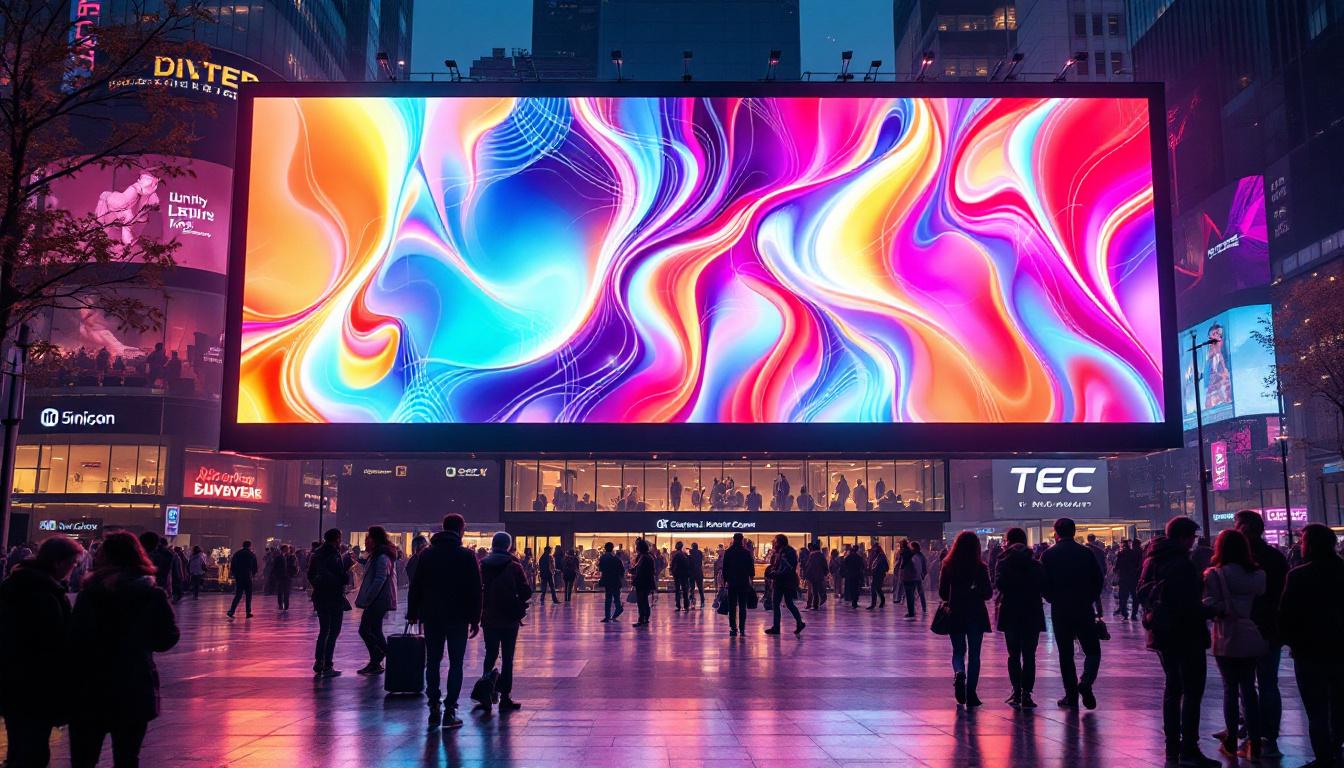
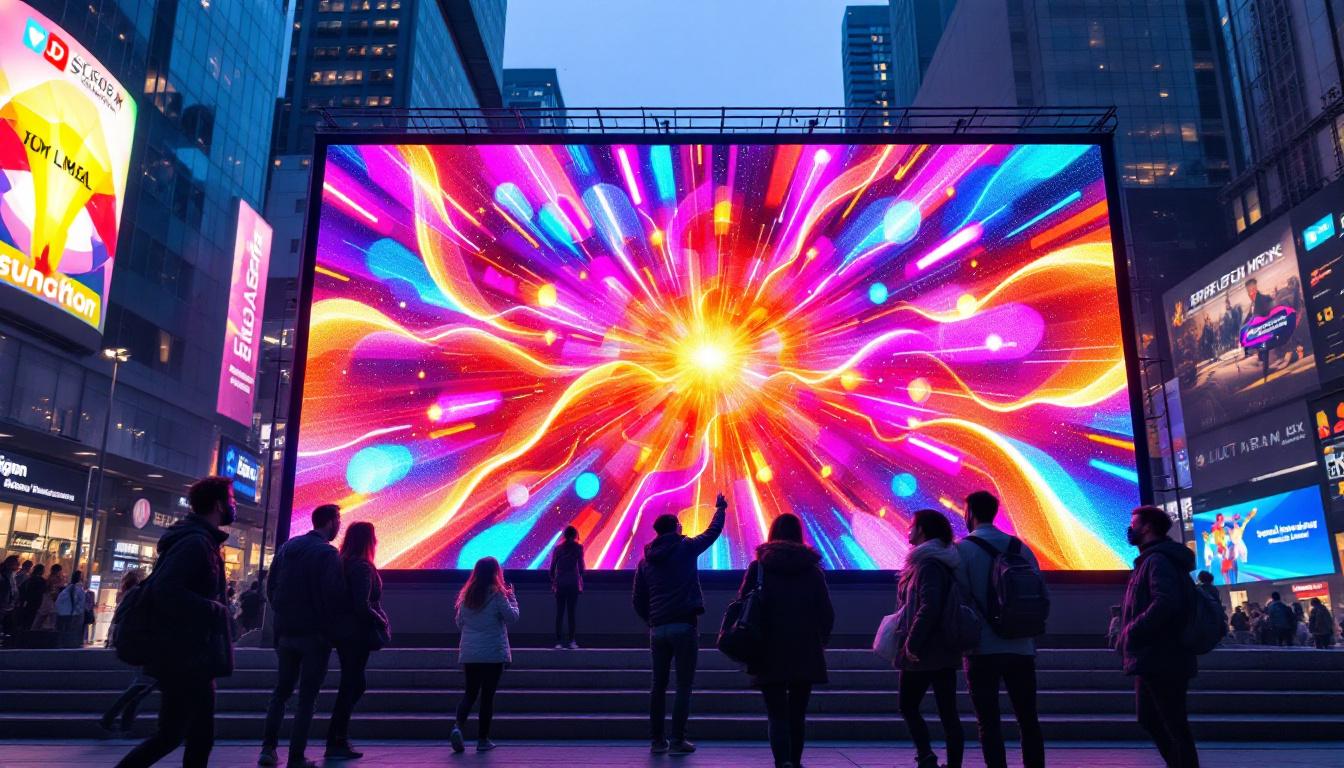
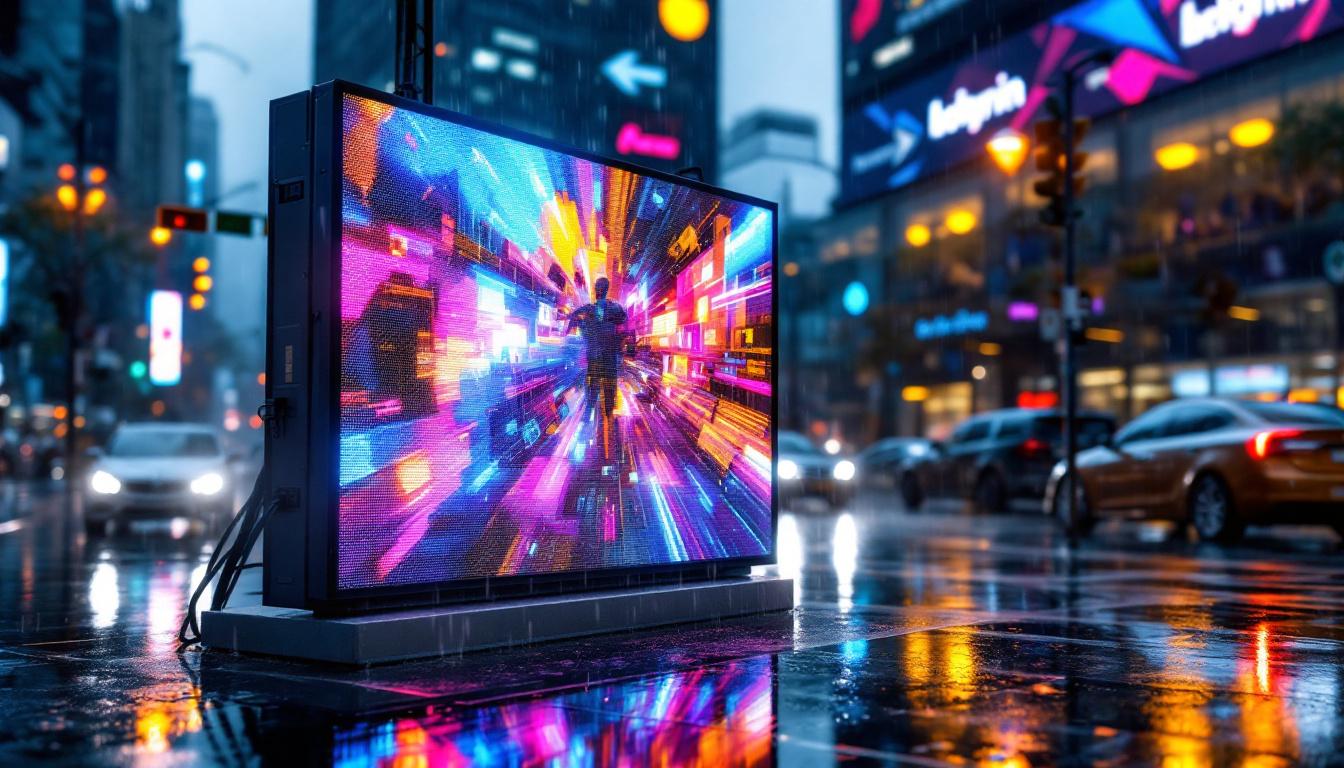
One of the most prominent uses of outdoor LED displays is in advertising. Businesses leverage these displays to showcase their products, services, and promotions to a broader audience. The ability to change content easily allows for dynamic advertising strategies that can be tailored to specific times of day or events.
Moreover, the high brightness and contrast of LED displays ensure that advertisements remain visible even in direct sunlight, capturing the attention of potential customers effectively. This capability has revolutionized outdoor advertising, making it more engaging and impactful.
Events and Entertainment
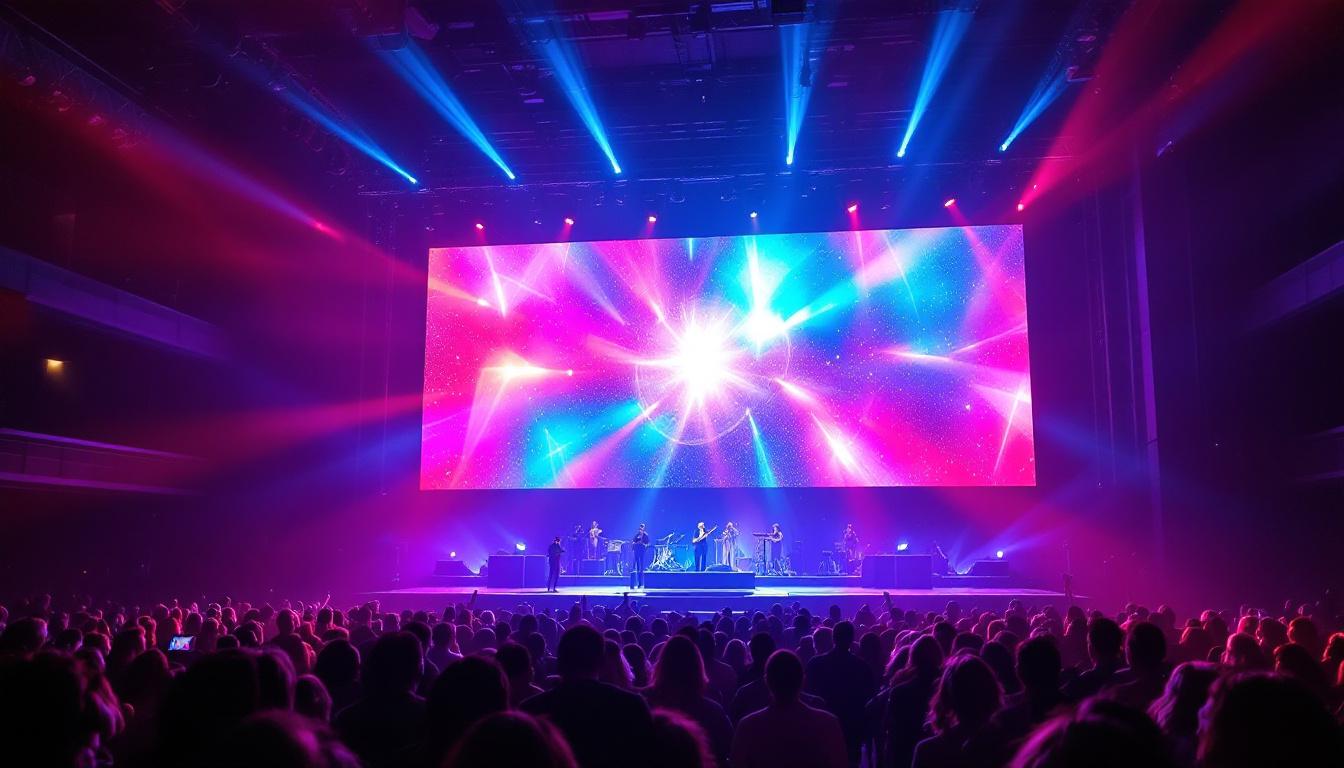
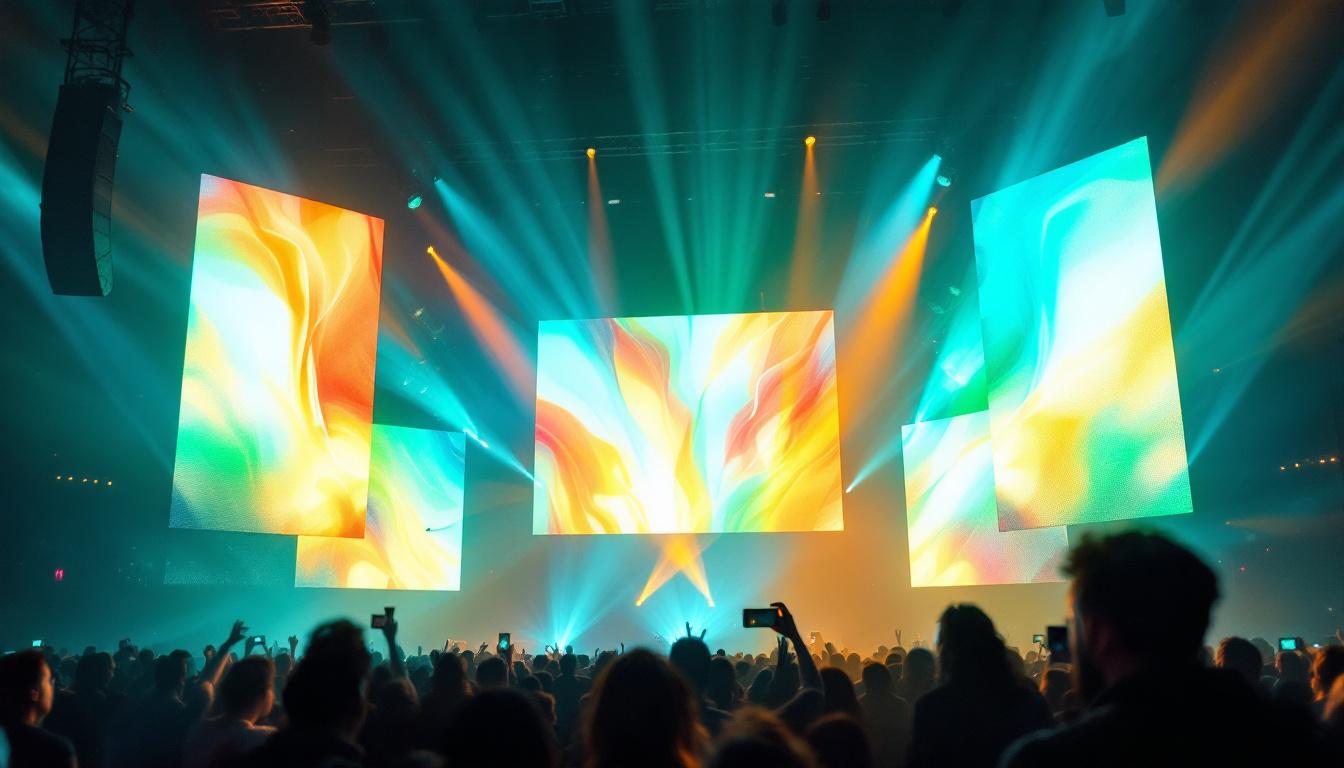
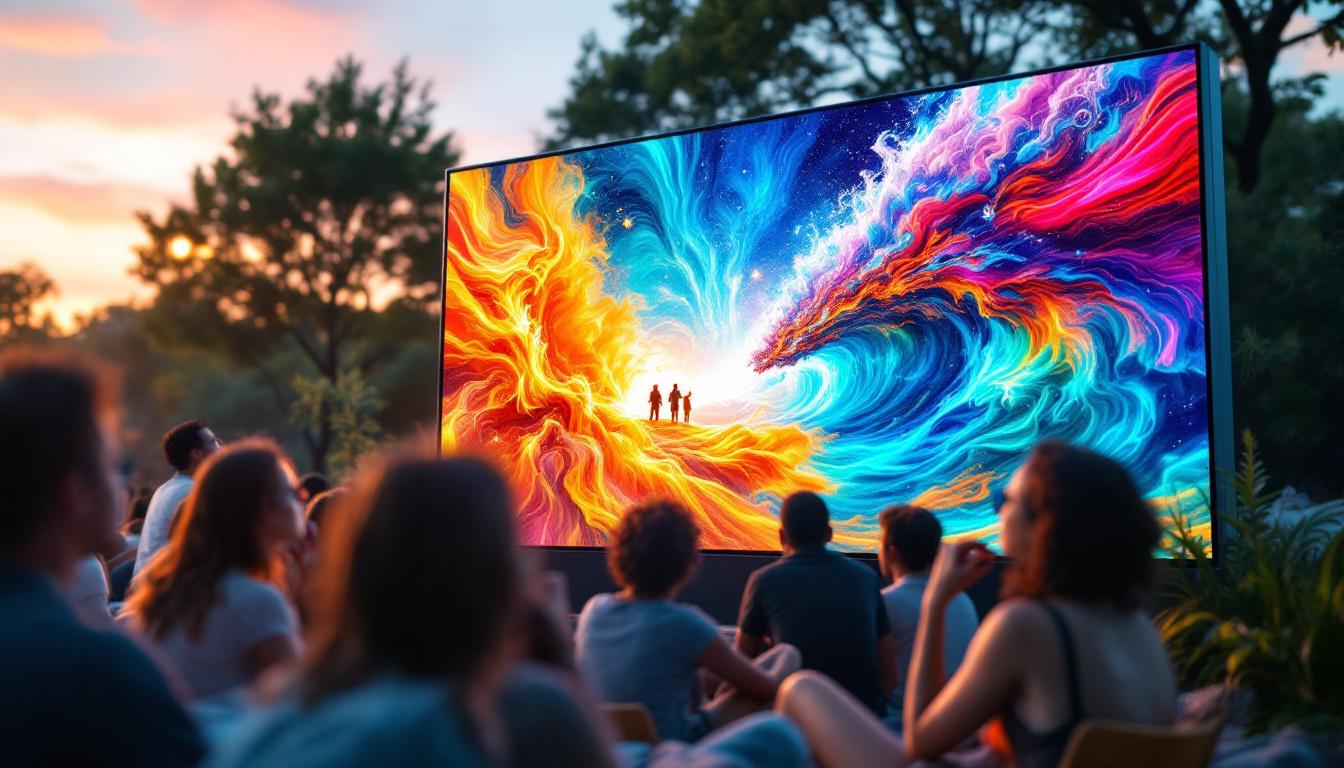
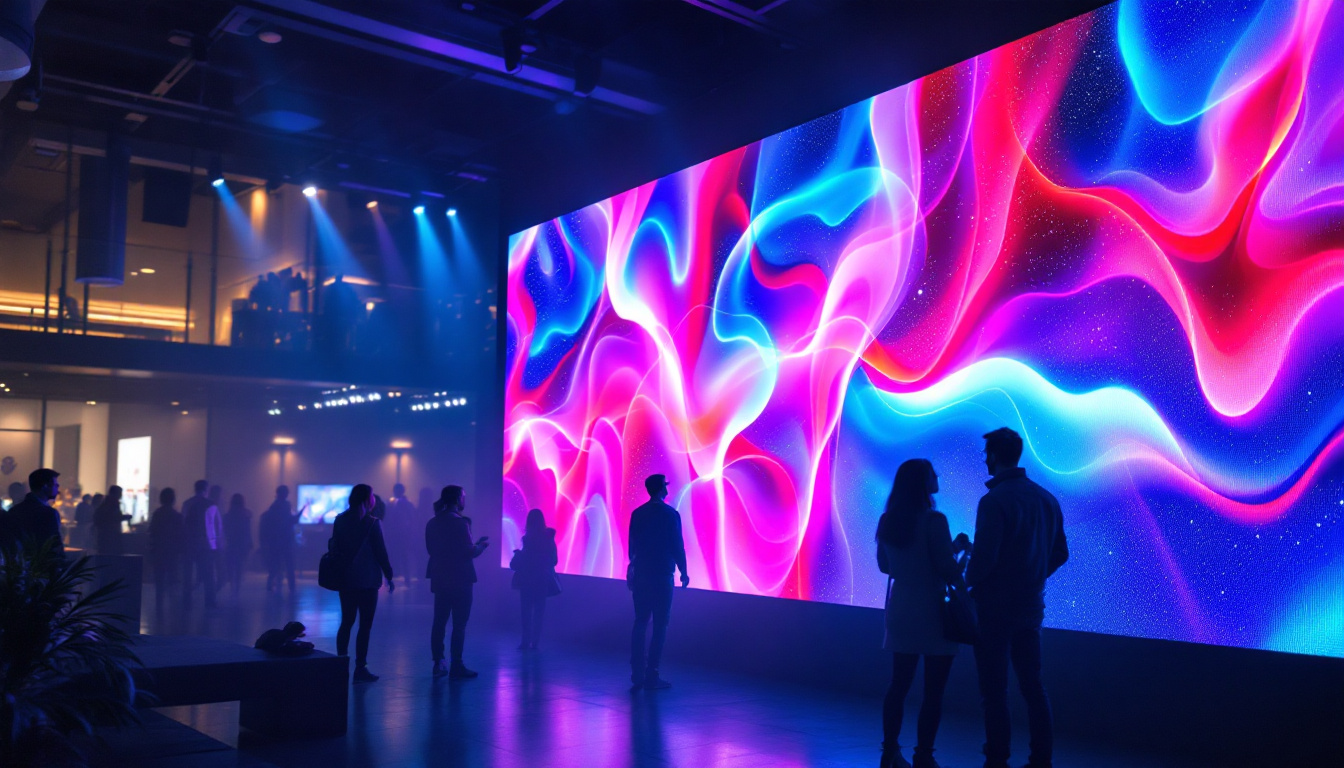
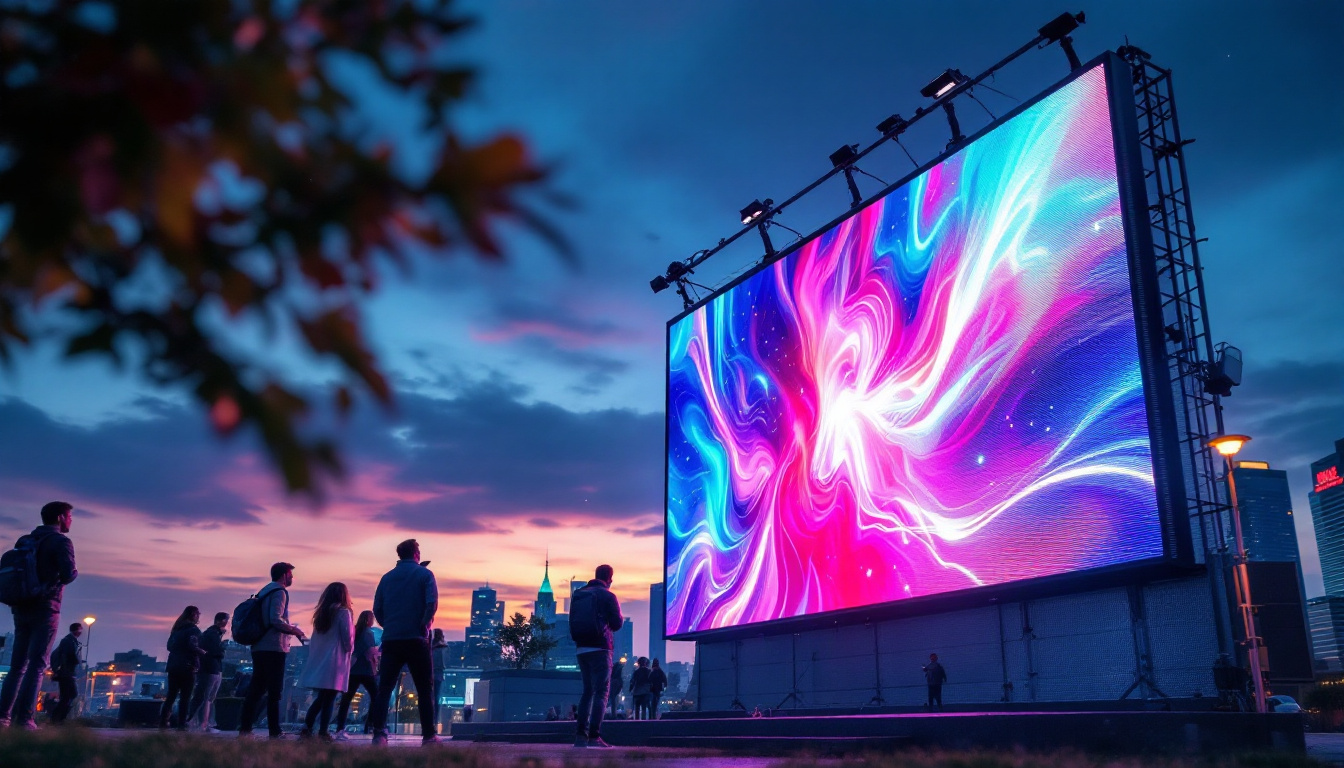
Outdoor events, such as concerts, festivals, and sports games, often utilize LED displays to enhance the audience experience. These displays can show live feeds, highlight reels, and interactive content, creating an immersive environment for attendees.
Additionally, LED displays can serve as large screens for presentations or announcements, ensuring that everyone in the audience can see and hear important information. This functionality is crucial for managing large crowds and ensuring a smooth flow of events.
Public Information and Safety
Many cities and municipalities employ outdoor LED displays for public information purposes. These displays can convey important messages such as traffic updates, weather alerts, and emergency notifications. The ability to update information in real-time is invaluable for public safety and awareness.
Furthermore, LED displays can be used to promote local events and initiatives, fostering community engagement and participation. Their visibility and adaptability make them a powerful tool for communication in urban settings.
Advantages of Outdoor LED Displays
The growing popularity of outdoor LED displays can be attributed to their numerous advantages over traditional display methods. Understanding these benefits can help organizations make informed decisions about their advertising and communication strategies.
Energy Efficiency
One of the most significant advantages of LED technology is its energy efficiency. LED displays consume considerably less power compared to traditional lighting methods, such as incandescent or fluorescent lights. This not only reduces operational costs but also minimizes the environmental impact.
Many outdoor LED displays are designed with energy-saving features, such as automatic brightness adjustments based on ambient light conditions. This ensures that the display uses only the necessary amount of energy, further enhancing its efficiency.
Durability and Longevity
Outdoor LED displays are built to withstand harsh weather conditions, including rain, snow, and extreme temperatures. Their robust construction and protective coatings ensure that they remain functional and visually appealing over time.
Moreover, LED technology boasts a long lifespan, often exceeding 100,000 hours of operation. This longevity means that organizations can invest in LED displays with confidence, knowing they will provide reliable service for many years.
High Visibility and Image Quality
One of the standout features of outdoor LED displays is their high visibility. With bright, vibrant colors and excellent contrast ratios, these displays can be easily seen from long distances, even in bright sunlight.
Additionally, LED displays can deliver high-definition images and videos, making them ideal for showcasing detailed content. This quality enhances the overall viewing experience, whether for advertising, entertainment, or public information.
Challenges and Considerations
While outdoor LED displays offer numerous advantages, there are also challenges and considerations that organizations must address before implementation. Understanding these factors can help ensure a successful deployment.
Initial Costs
The initial investment for outdoor LED displays can be significant. The cost of the display itself, installation, and necessary infrastructure can add up quickly. However, organizations should consider the long-term benefits and savings associated with energy efficiency and reduced maintenance costs.
Additionally, many financing options and leasing agreements are available, allowing organizations to spread out the costs over time. This flexibility can make it easier to integrate LED displays into marketing and communication strategies.
Content Management
Effective content management is crucial for maximizing the impact of outdoor LED displays. Organizations must develop a strategy for creating, scheduling, and updating content regularly to keep it fresh and engaging.
Investing in a robust content management system can streamline this process, allowing for easy updates and the ability to target specific audiences at different times. This ensures that the display remains relevant and effective in conveying messages.
Regulatory Compliance
Before installing outdoor LED displays, organizations must ensure compliance with local regulations and zoning laws. Many municipalities have specific guidelines regarding the size, brightness, and content of outdoor displays to minimize distractions and maintain public safety.
Engaging with local authorities early in the planning process can help organizations navigate these regulations and avoid potential legal issues down the line.
The Future of Outdoor LED Displays
The future of outdoor LED displays looks promising, with ongoing advancements in technology and design. As the demand for dynamic and engaging content continues to grow, so too will the capabilities of LED displays.
Integration with Smart Technology
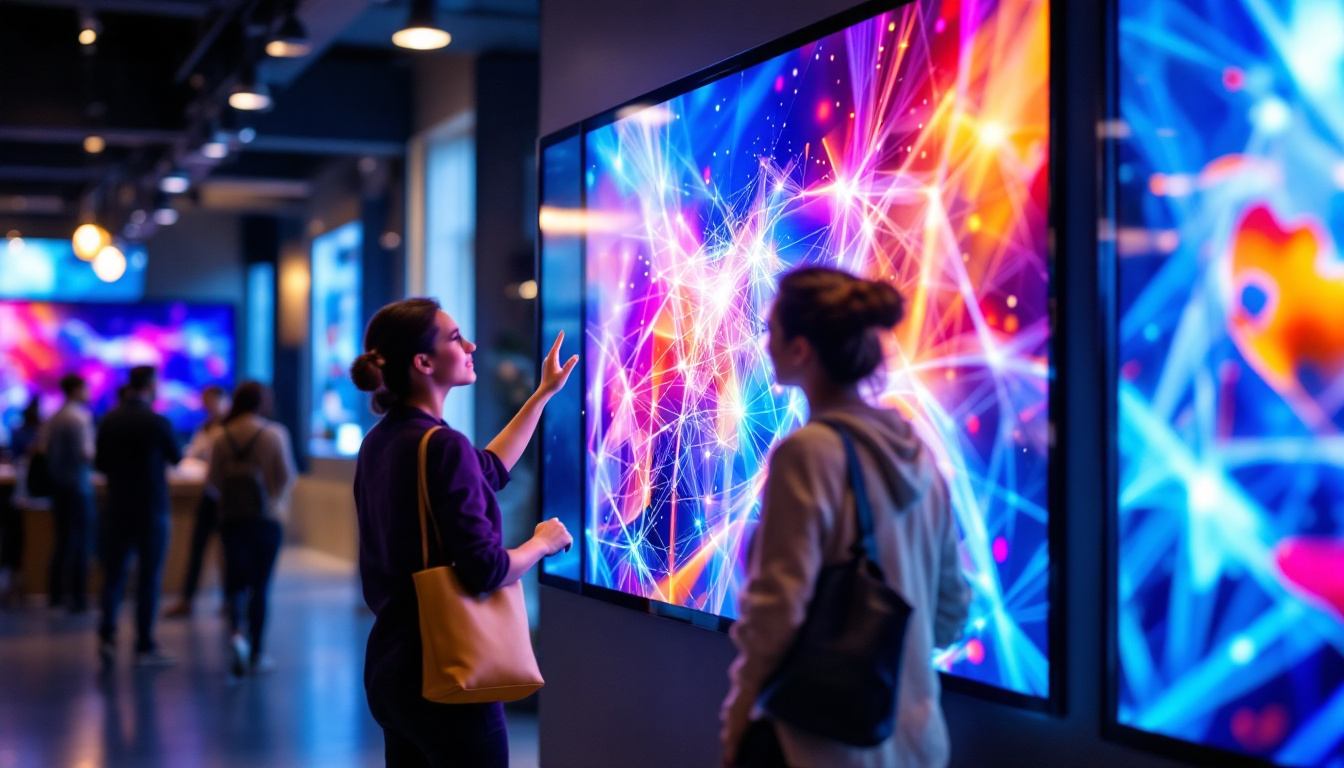
One of the most exciting developments in outdoor LED displays is their integration with smart technology. This includes the ability to connect displays to the Internet of Things (IoT), allowing for real-time data updates and interactive content.
For instance, outdoor displays can be linked to social media feeds, enabling organizations to showcase user-generated content or live updates. This interactivity can enhance audience engagement and create a more immersive experience.
Advancements in Display Quality
As technology continues to evolve, the quality of outdoor LED displays is expected to improve further. Innovations in pixel density and color accuracy will lead to even more vibrant and detailed visuals.
Additionally, advancements in flexible and transparent LED technology may open up new possibilities for display design, allowing for creative applications in various environments.
Sustainability Initiatives
With increasing awareness of environmental issues, the demand for sustainable display solutions is on the rise. Future outdoor LED displays are likely to incorporate eco-friendly materials and energy-efficient technologies, further reducing their environmental impact.
Organizations that prioritize sustainability in their display choices will not only contribute to environmental preservation but also appeal to consumers who value eco-conscious practices.
Conclusion
Outdoor LED displays have revolutionized the way information is communicated in public spaces. Their versatility, energy efficiency, and high visibility make them an invaluable tool for advertising, public information, and entertainment. While challenges such as initial costs and content management exist, the long-term benefits of LED technology far outweigh these hurdles.
As technology continues to advance, the future of outdoor LED displays promises even greater possibilities, from smart integrations to enhanced display quality. Organizations that embrace this technology will be well-positioned to engage their audiences and convey their messages effectively.
In a world where visual communication is paramount, outdoor LED displays are not just a trend; they are a fundamental part of modern communication strategies, paving the way for a brighter and more connected future.
Illuminate Your Space with LumenMatrix
Ready to elevate your outdoor space with high-impact visual displays? LumenMatrix is at the forefront of LED display innovation, offering a wide array of solutions from dynamic outdoor LED walls to interactive floor displays and beyond. Embrace the future of visual communication with our cutting-edge technology that promises to captivate your audience and amplify your message. Check out LumenMatrix LED Display Solutions today and transform your brand’s visibility with unparalleled clarity and vibrancy.