In the ever-evolving world of technology, LED displays have emerged as a revolutionary advancement, transforming how visual information is presented across various platforms. From large-scale billboards to handheld devices, LED (Light Emitting Diode) technology has become ubiquitous. This article aims to delve into the intricacies of LED displays, exploring their functionality, types, applications, and the future of this remarkable technology.
Understanding LED Technology
At its core, LED technology is based on the principle of electroluminescence, where a semiconductor material emits light when an electric current passes through it. This simple yet effective mechanism has paved the way for the development of various types of displays, each tailored for specific applications. The versatility of LEDs has not only revolutionized the lighting industry but has also influenced the way we interact with visual media, making it an integral part of modern technology.
The Basics of LED Functionality
LEDs are composed of two types of semiconductor materials, p-type and n-type, which form a p-n junction. When voltage is applied, electrons from the n-type material move to the p-type material, releasing energy in the form of photons, or light. This process is what enables LEDs to produce bright and vibrant colors, making them ideal for display technology. The ability to manipulate the semiconductor materials allows for a wide range of colors, from warm whites to deep blues, enhancing the aesthetic appeal of various applications.
One of the standout features of LED displays is their energy efficiency. Compared to traditional lighting technologies, LEDs consume significantly less power, making them a more sustainable choice. Additionally, they have a longer lifespan, often exceeding 50,000 hours, which translates to reduced maintenance costs and lower environmental impact. This longevity is particularly beneficial in commercial settings, where frequent replacements can lead to substantial downtime and increased operational costs. Moreover, the low heat emission of LEDs contributes to their efficiency, reducing the need for additional cooling systems in enclosed spaces.
Types of LED Displays
LED displays come in various forms, each designed for specific uses and environments. Understanding these types can help in selecting the right display for a particular need. As technology continues to advance, the applications for these displays expand, leading to innovative uses in both everyday life and specialized industries.
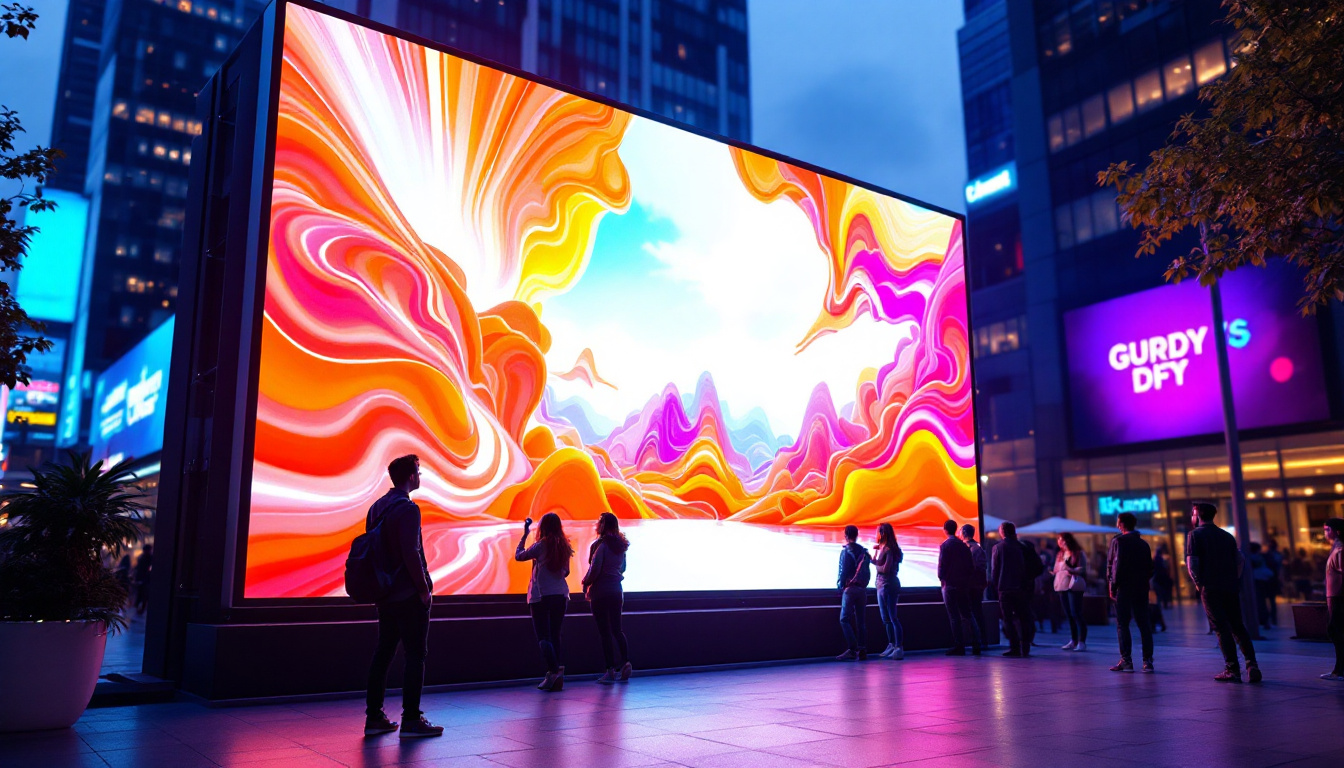
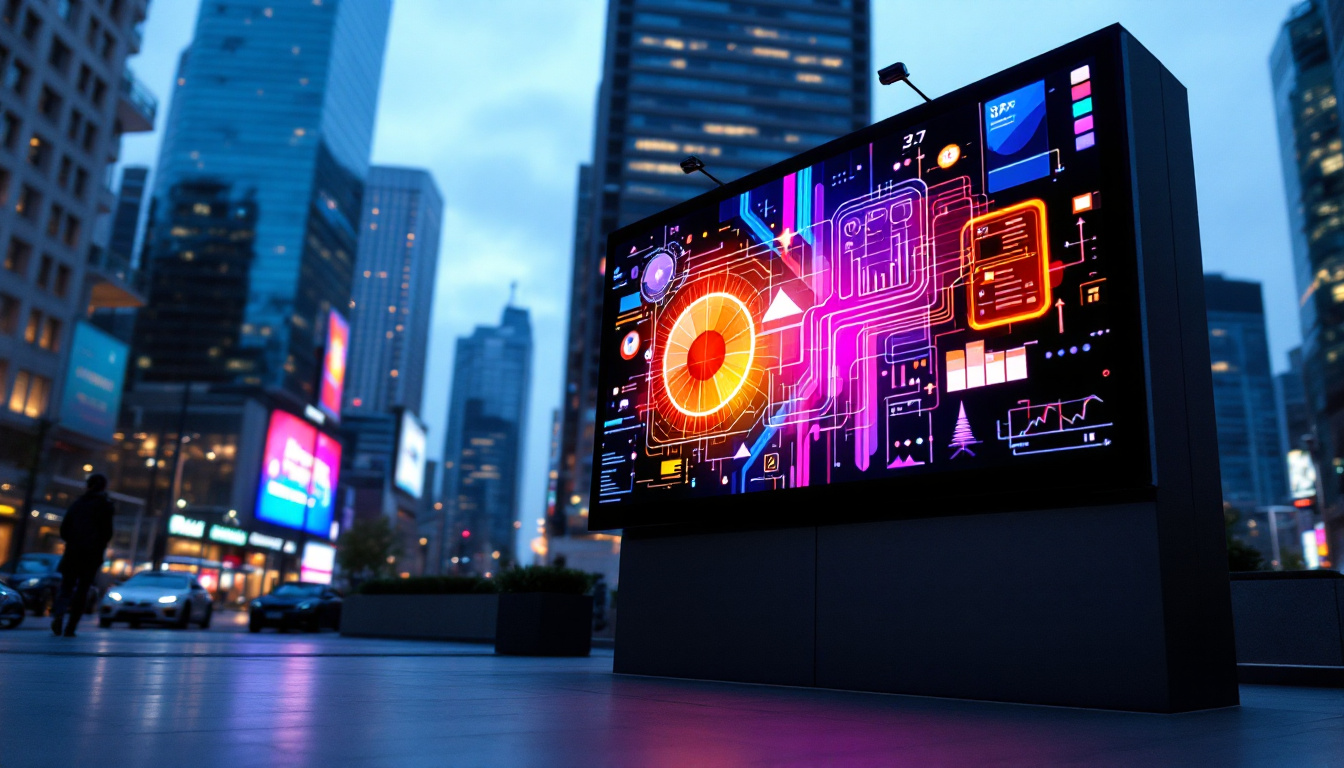
- Direct View LED Displays: These displays consist of individual LED modules that create images by directly emitting light. They are commonly used in large outdoor screens and digital billboards. Their high brightness levels ensure visibility even in direct sunlight, making them ideal for advertising and public announcements in bustling urban environments.
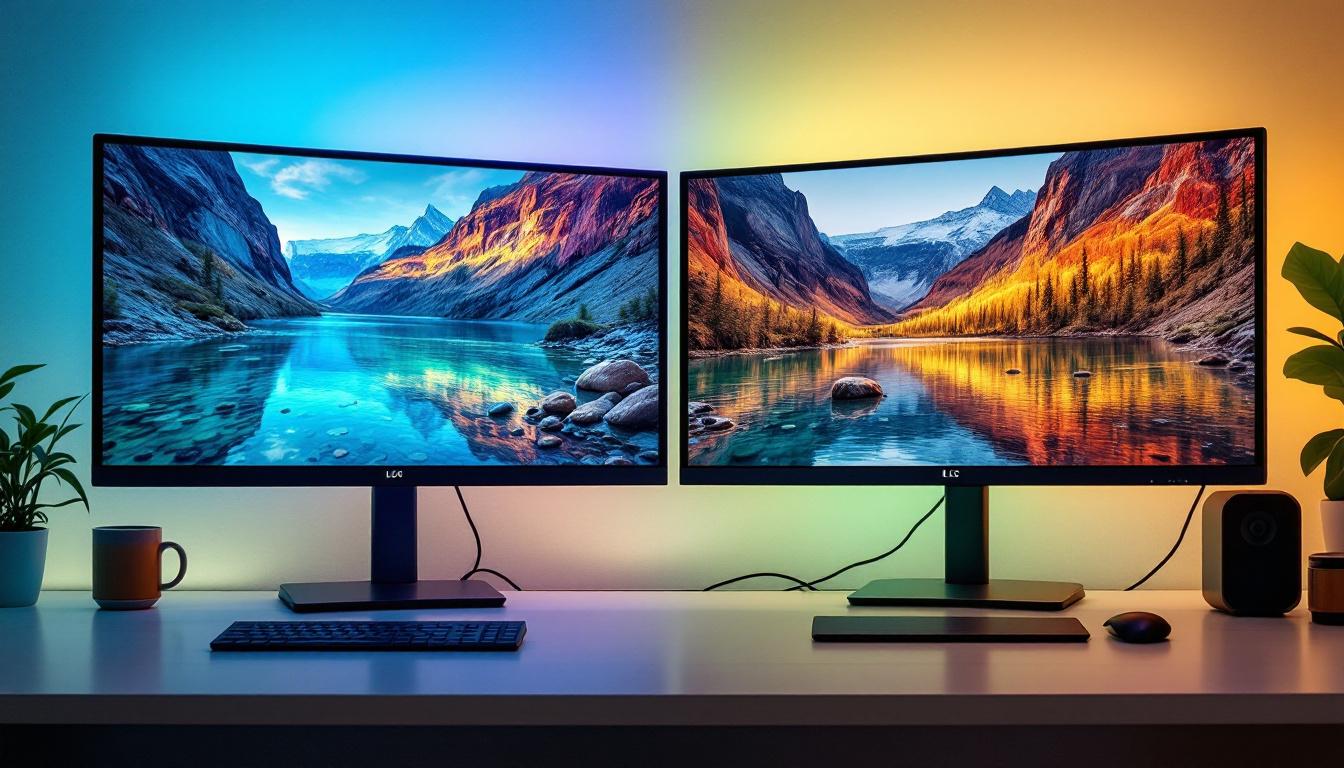
- LED Backlit LCD Displays: In this configuration, LEDs are used as a backlight for liquid crystal displays (LCDs). This combination enhances brightness and color accuracy, making it popular in televisions and computer monitors. The integration of LED backlighting has allowed for thinner display designs, contributing to the sleek aesthetics of modern electronics.
- Organic LED (OLED) Displays: Utilizing organic compounds, OLED displays offer superior color reproduction and contrast ratios. They are increasingly found in smartphones, televisions, and other consumer electronics. The flexibility of OLED technology also allows for curved and even foldable screens, pushing the boundaries of design and functionality in the tech industry.
Applications of LED Displays
The versatility of LED displays allows them to be utilized in a myriad of applications across different industries. Their adaptability and performance make them a preferred choice for many settings.
Advertising and Marketing
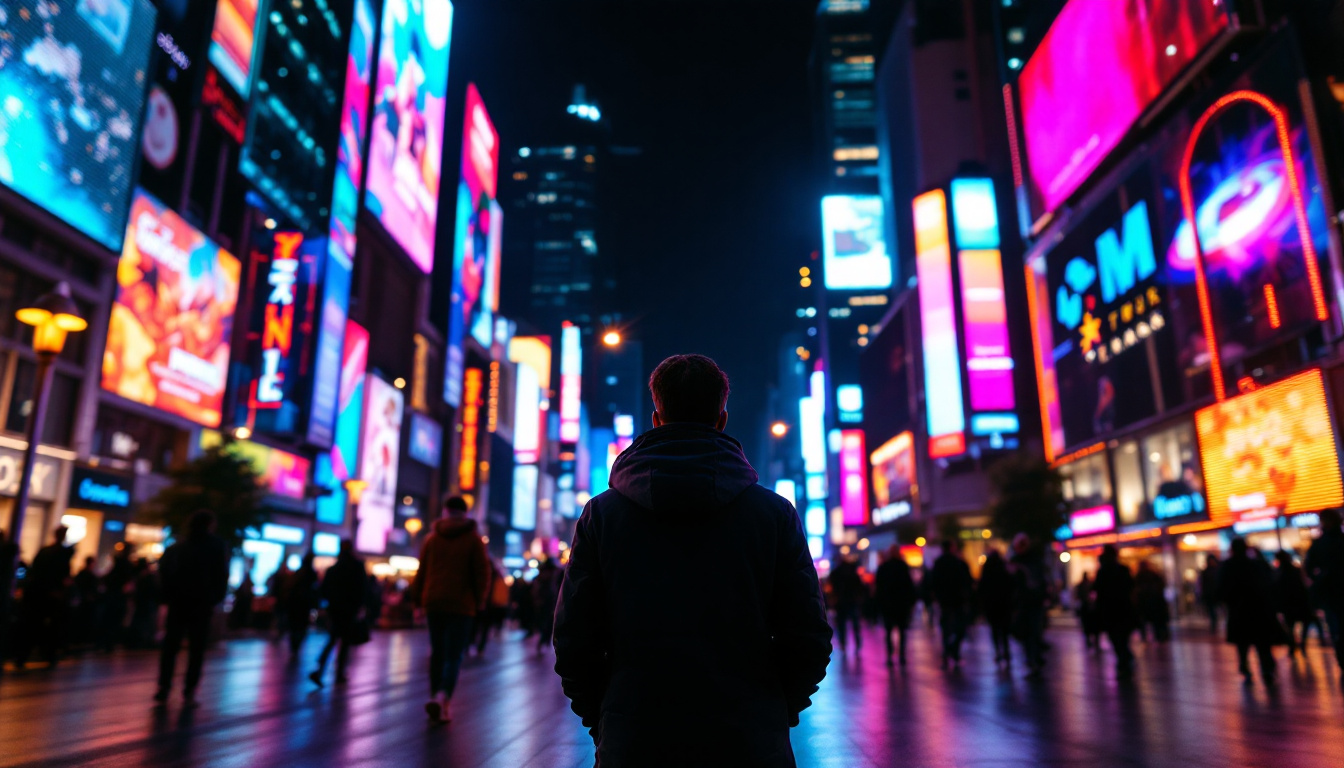
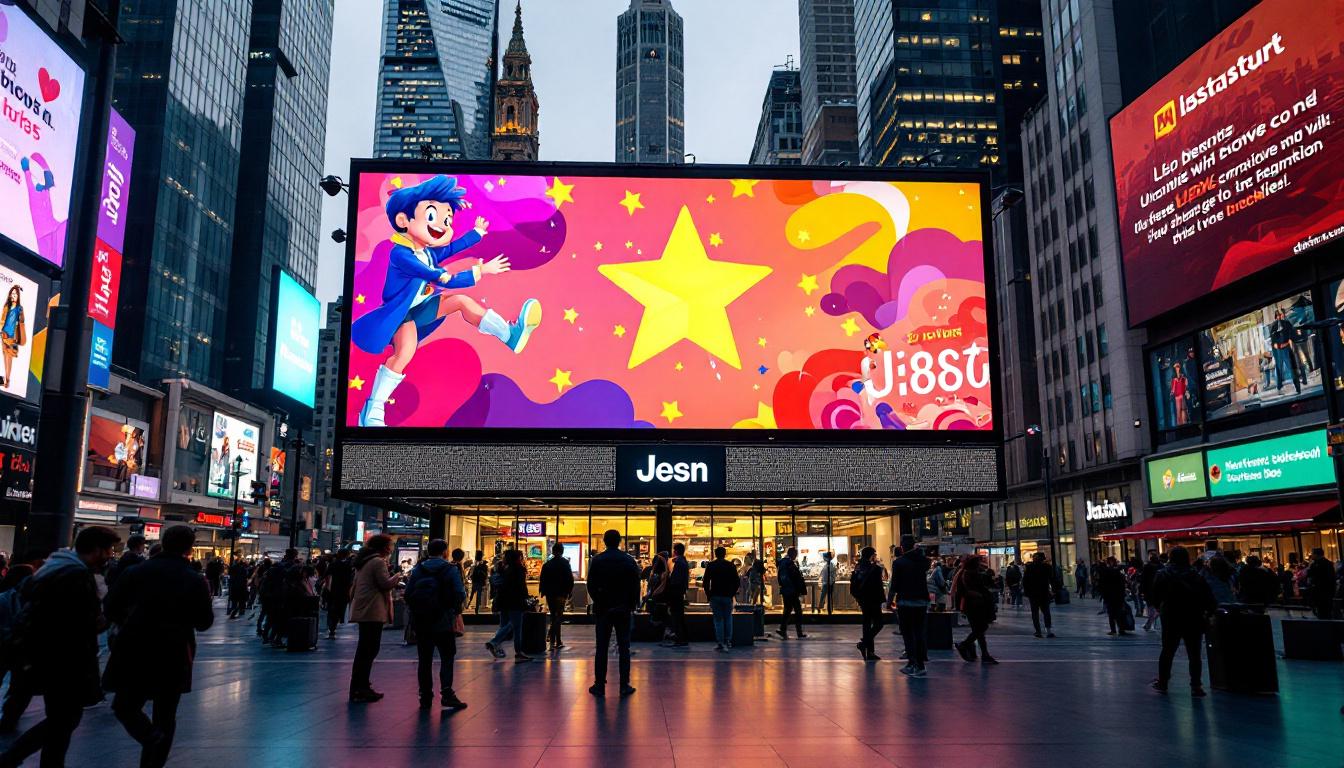
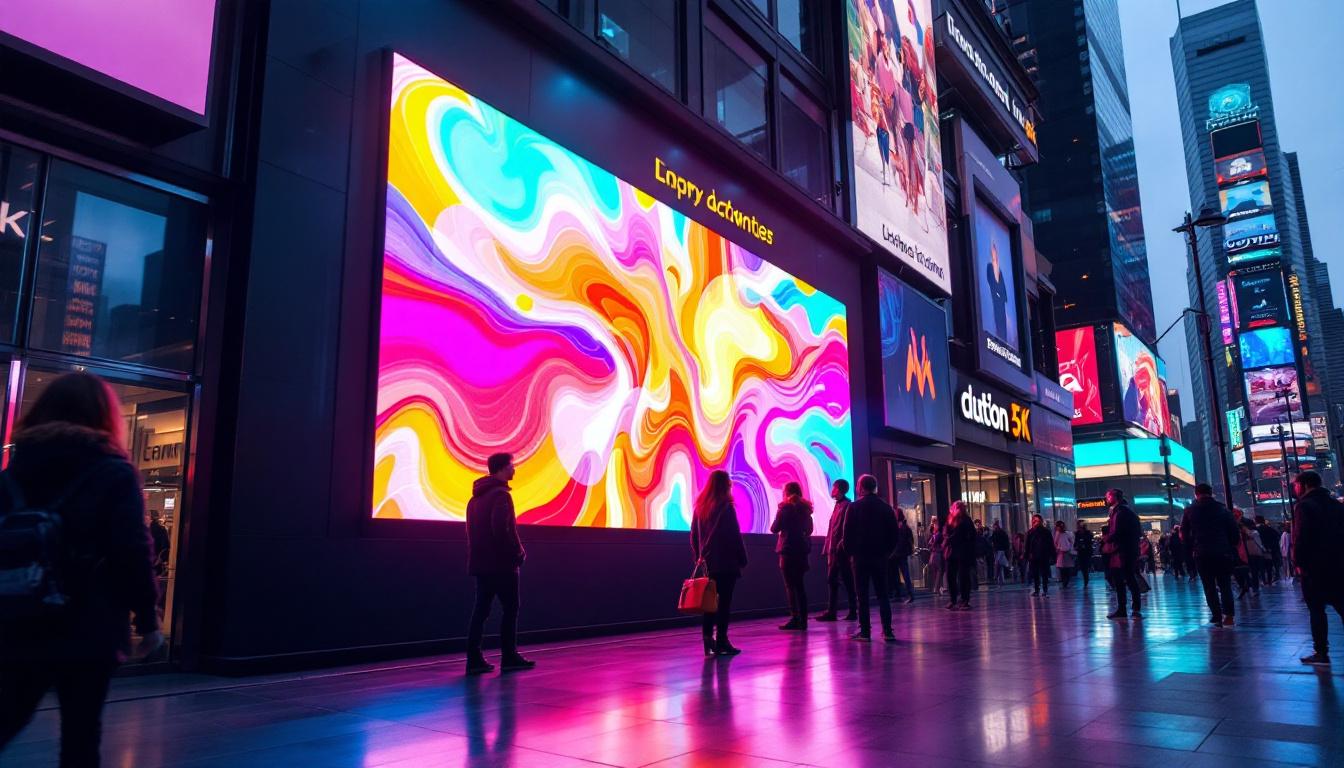
One of the most prominent applications of LED displays is in advertising. Digital billboards and signage have transformed the marketing landscape, allowing for dynamic content that can be updated in real-time. This capability not only enhances visibility but also enables targeted advertising based on time, location, and audience demographics.
Moreover, the bright and vivid colors of LED displays capture attention more effectively than traditional printed advertisements. This has led to increased engagement and higher conversion rates for businesses leveraging this technology. Additionally, the ability to integrate social media feeds and live data into advertisements allows brands to create a more interactive experience, encouraging customer participation and fostering a sense of community around their products.
Entertainment and Events
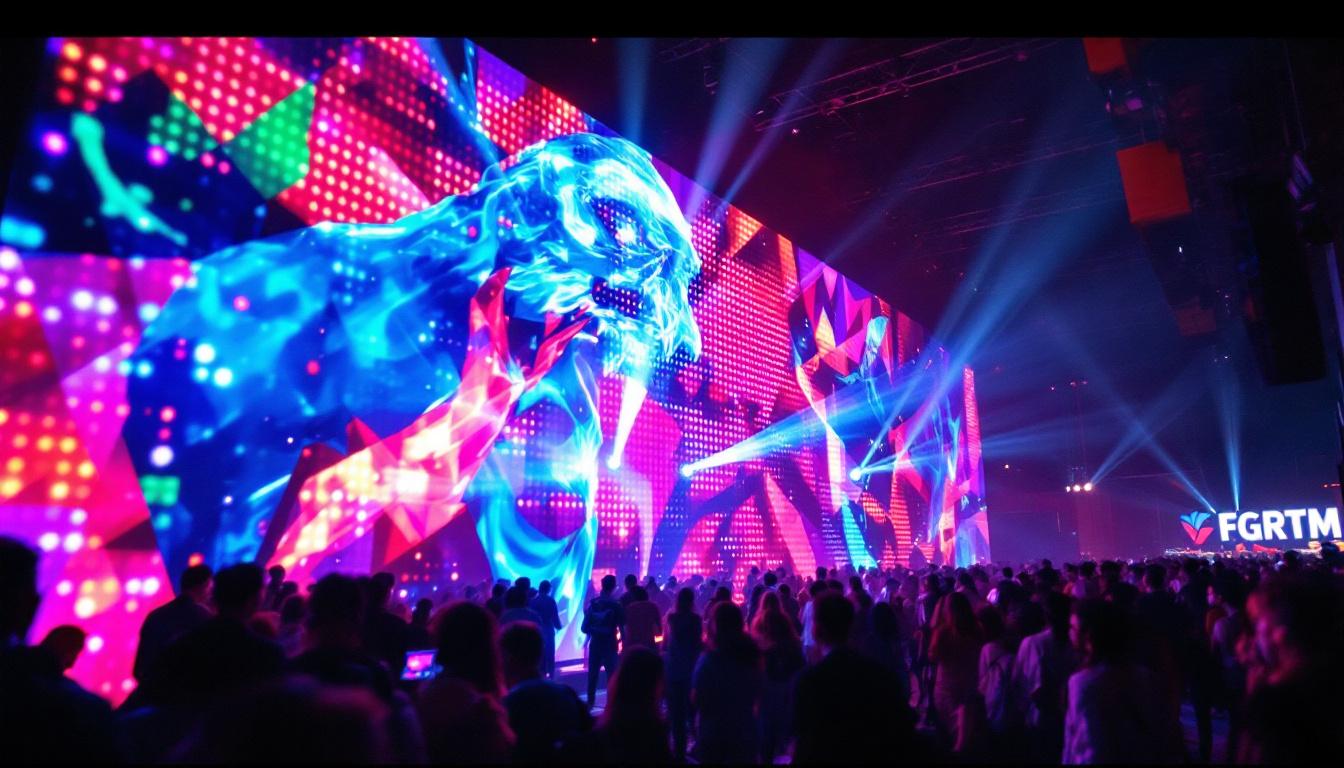
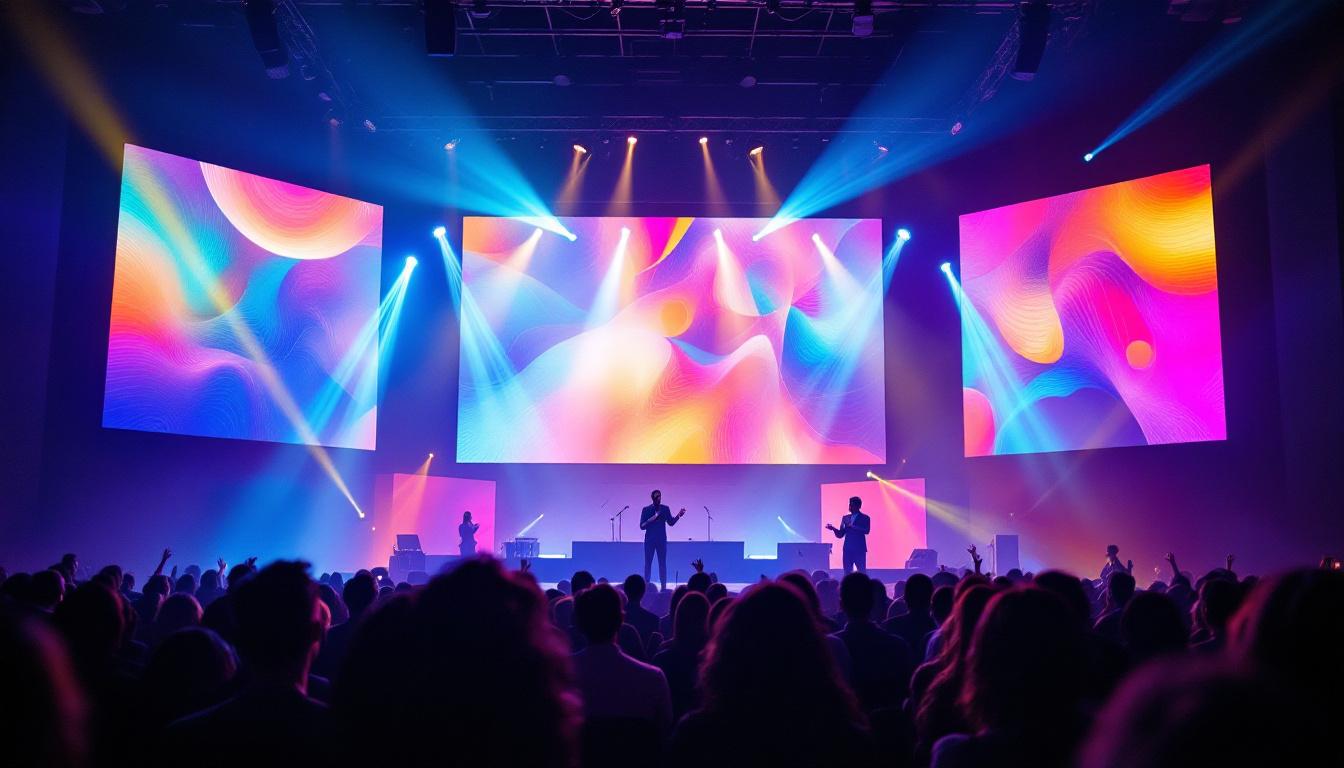
LED displays have become a staple in the entertainment industry, particularly in concerts, sports events, and festivals. Large-scale LED screens are often used to broadcast live performances, ensuring that audiences have a clear view of the action, regardless of their seating position.
Additionally, the ability to create stunning visual effects through LED technology enhances the overall experience for attendees. From immersive light shows to interactive installations, the possibilities are virtually limitless. Event organizers can also utilize LED displays for real-time statistics and updates during sporting events, keeping fans engaged and informed about the game as it unfolds. Furthermore, these displays can be synchronized with audio to create a cohesive sensory experience that captivates audiences and elevates the overall atmosphere of the event.
Corporate and Educational Settings
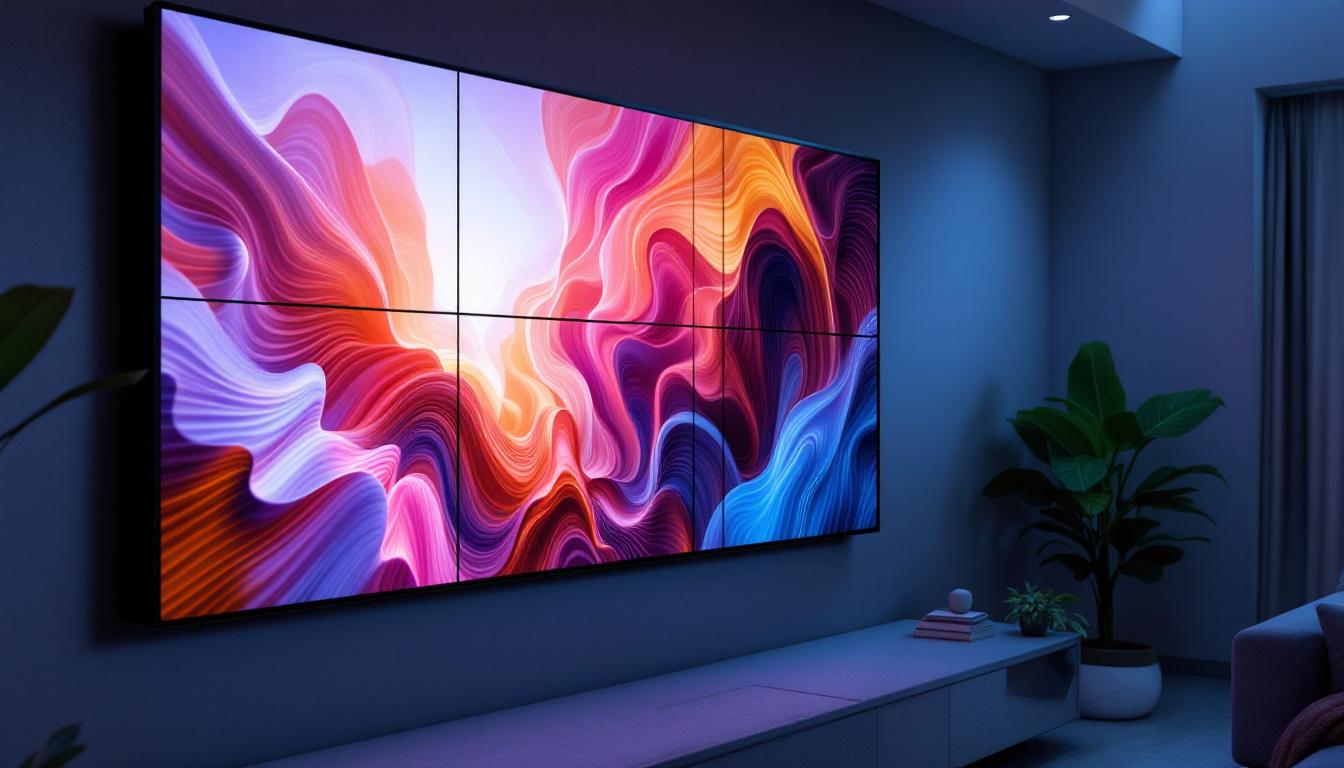
In corporate environments, LED displays are utilized for presentations, video conferencing, and information sharing. Their clarity and brightness make them ideal for conference rooms and lobbies, where clear communication is essential.
educational institutions also benefit from LED technology, using displays for teaching and information dissemination. Interactive LED boards facilitate engaging learning experiences, allowing for real-time collaboration and participation among students. Beyond traditional classrooms, LED displays can be found in auditoriums and lecture halls, where they serve to enhance presentations with high-resolution visuals and multimedia content. This not only aids in comprehension but also keeps students engaged, promoting a more dynamic and interactive learning environment. Additionally, schools can utilize LED displays for announcements and events, ensuring that important information reaches students and staff promptly and effectively.
Advantages of LED Displays
The growing popularity of LED displays can be attributed to numerous advantages they offer over traditional display technologies. Understanding these benefits can help organizations make informed decisions when investing in display solutions.
Energy Efficiency
One of the most significant advantages of LED displays is their energy efficiency. Consuming less power than incandescent or fluorescent displays, LEDs contribute to lower electricity bills and a reduced carbon footprint. This makes them an environmentally friendly choice for businesses looking to enhance their sustainability efforts.
Superior Image Quality
LED displays provide exceptional image quality, characterized by high brightness, contrast ratios, and color accuracy. This is particularly important in applications where visual clarity is paramount, such as advertising and entertainment. The ability to display vibrant colors and deep blacks enhances the overall viewing experience, making LED displays a preferred option for many users.
Durability and Longevity
LED technology is inherently more durable than traditional display technologies. LEDs are resistant to shock and vibration, making them suitable for outdoor use and high-traffic areas. Furthermore, their long lifespan reduces the need for frequent replacements, resulting in cost savings over time.
Challenges and Considerations
Despite their numerous advantages, LED displays are not without challenges. Understanding these potential drawbacks is essential for making informed decisions regarding their use.
Initial Cost
The upfront cost of LED displays can be higher than that of traditional display technologies. While the long-term savings on energy and maintenance can offset this initial investment, organizations must carefully evaluate their budgets and needs before making a purchase.
Heat Generation
LEDs generate heat during operation, which can impact their performance and longevity if not managed properly. Adequate cooling systems or heat dissipation mechanisms are essential, especially in large-scale installations. Failure to address heat management can lead to reduced efficiency and potential damage to the display.
Viewing Angles
While LED displays offer excellent image quality, their viewing angles can be limited, particularly in certain configurations. This means that the image may appear distorted or less vibrant when viewed from extreme angles. Understanding the intended viewing environment is crucial for selecting the right type of LED display.
The Future of LED Displays
The future of LED display technology is promising, with ongoing advancements poised to enhance their capabilities further. Innovations in materials, design, and functionality are expected to shape the next generation of displays.
MicroLED Technology
One of the most exciting developments in the LED display landscape is MicroLED technology. MicroLEDs are tiny individual LEDs that can be used to create displays with higher resolutions, improved color accuracy, and greater flexibility in design. This technology holds the potential to revolutionize everything from televisions to wearable devices.
Flexible and Transparent Displays
As the demand for innovative display solutions grows, flexible and transparent LED displays are gaining traction. These displays can be bent or shaped to fit unique applications, allowing for creative installations in architecture and design. Transparent displays also offer the possibility of blending digital content with the physical environment, creating immersive experiences.
Integration with Smart Technologies
With the rise of smart technologies, LED displays are increasingly being integrated with IoT (Internet of Things) systems. This integration allows for enhanced interactivity, real-time data display, and personalized content delivery. As smart cities and connected environments continue to develop, LED displays will play a crucial role in facilitating communication and engagement.
Conclusion
LED displays have undoubtedly transformed the way information is conveyed, offering numerous advantages over traditional display technologies. Their versatility, energy efficiency, and superior image quality make them a preferred choice across various industries. While challenges exist, ongoing advancements in technology promise to address these issues and unlock new possibilities for LED displays in the future.
As the demand for high-quality visual communication continues to grow, understanding the intricacies of LED displays becomes essential for businesses and individuals alike. Whether for advertising, entertainment, or education, the impact of LED technology is profound and far-reaching, shaping the way society interacts with visual information.
Discover LumenMatrix’s Innovative LED Solutions
Ready to experience the future of visual communication with LED technology? LumenMatrix is at the forefront of this transformative medium, offering a comprehensive range of LED display solutions tailored to your unique needs. From captivating Indoor LED Wall Displays to dynamic Outdoor LED Wall Displays, and from versatile Vehicle LED Displays to sleek LED Poster Displays, our products are designed to elevate your brand’s visibility. Explore our innovative LED Sports Displays, interactive Floor LED Displays, and the revolutionary All-in-One LED Display. For a truly unique visual statement, inquire about our Custom LED Display and LED Transparent Display options. Embrace the power of cutting-edge LED displays with LumenMatrix and create visual experiences that resonate. Check out LumenMatrix LED Display Solutions today and see how we can help you share your message with the world.