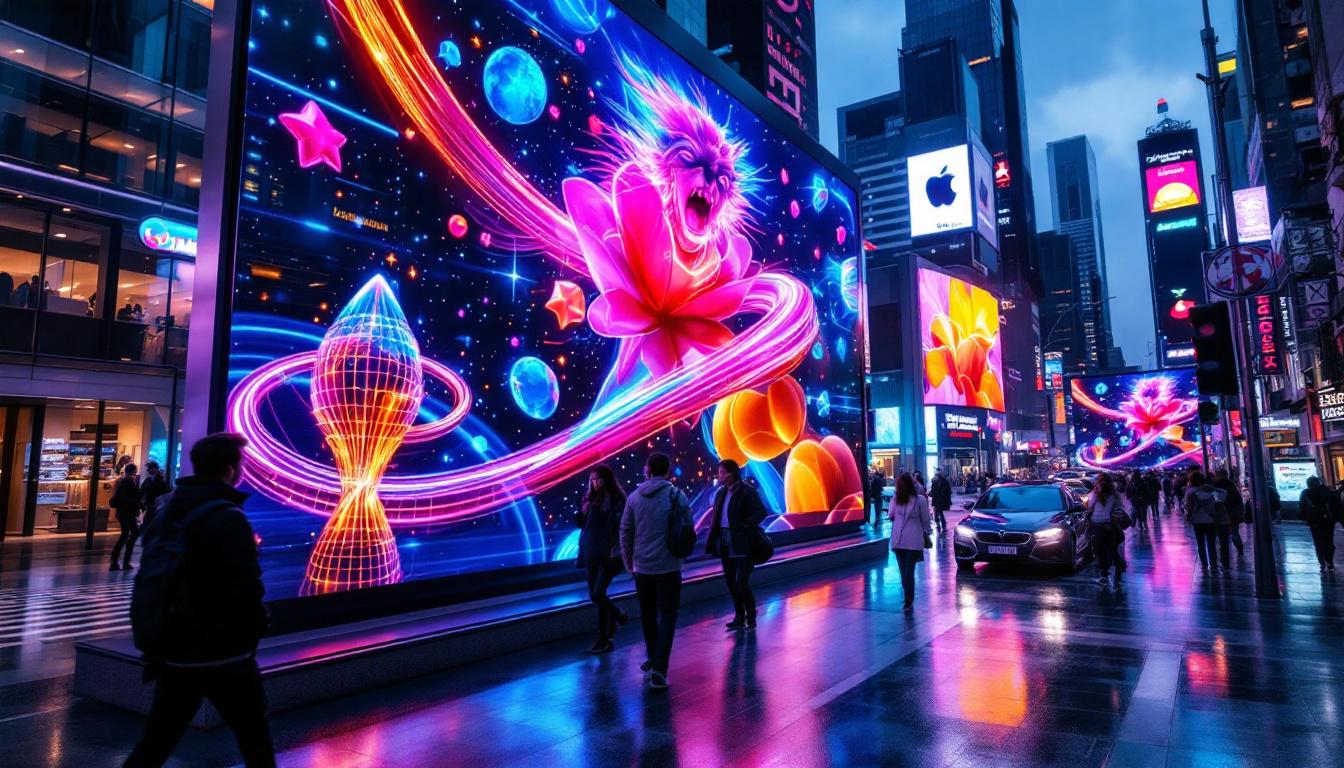
In today’s fast-paced digital world, capturing consumer attention is more challenging than ever. Traditional advertising methods often struggle to stand out amidst the noise, prompting brands to seek innovative solutions. One such breakthrough is the use of 3D LED displays, which have revolutionized outdoor and indoor advertising by delivering visually captivating content that engages audiences in unprecedented ways.
This article delves into the world of 3D advertising companies and explores how LED display technology is transforming the advertising landscape. From understanding the technology behind LED displays to examining real-world applications and benefits, this comprehensive guide will equip marketers, business owners, and tech enthusiasts with valuable insights into this cutting-edge advertising medium.
Understanding LED Display Technology
What Are LED Displays?
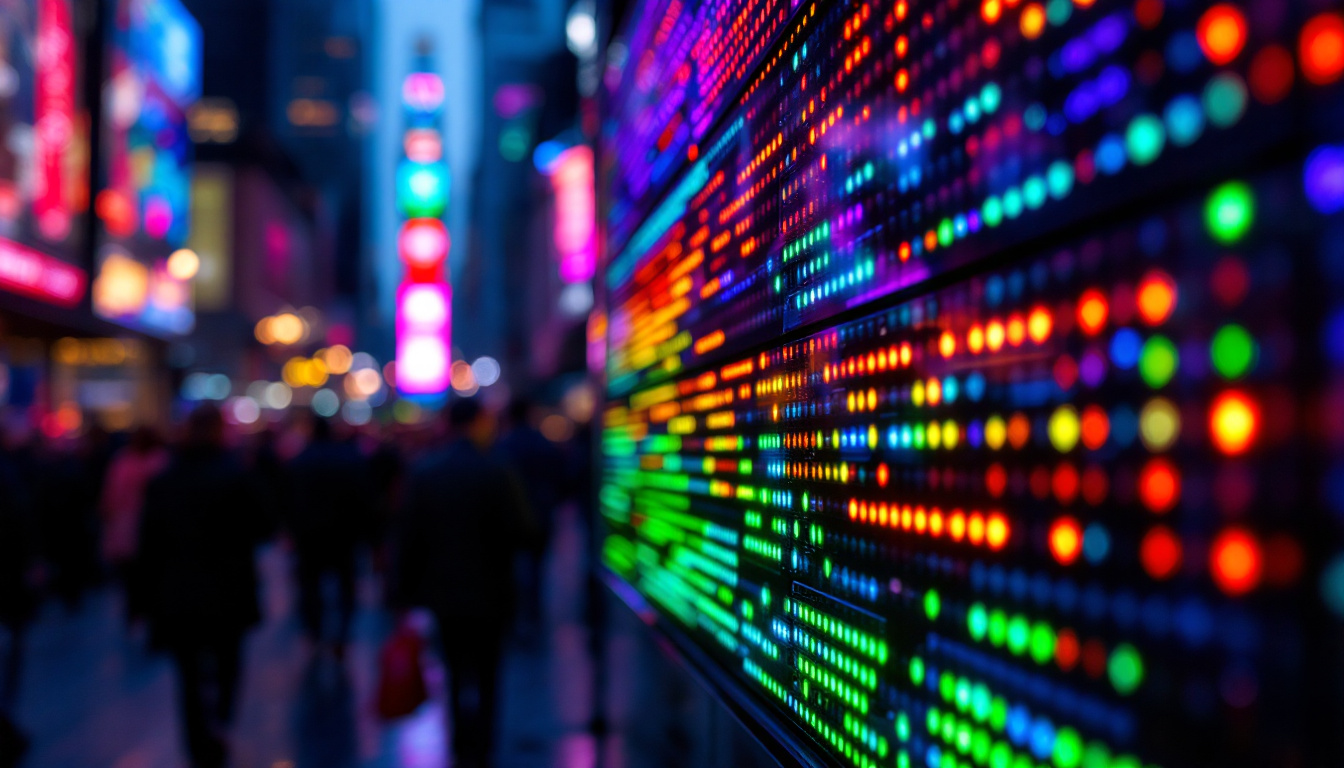
LED stands for Light Emitting Diode, a semiconductor device that emits light when an electric current passes through it. LED displays are large screens composed of thousands to millions of these tiny diodes, which can be individually controlled to produce images, videos, and animations. Unlike traditional LCD or projection screens, LED displays offer superior brightness, contrast, and color accuracy, making them ideal for both indoor and outdoor advertising.
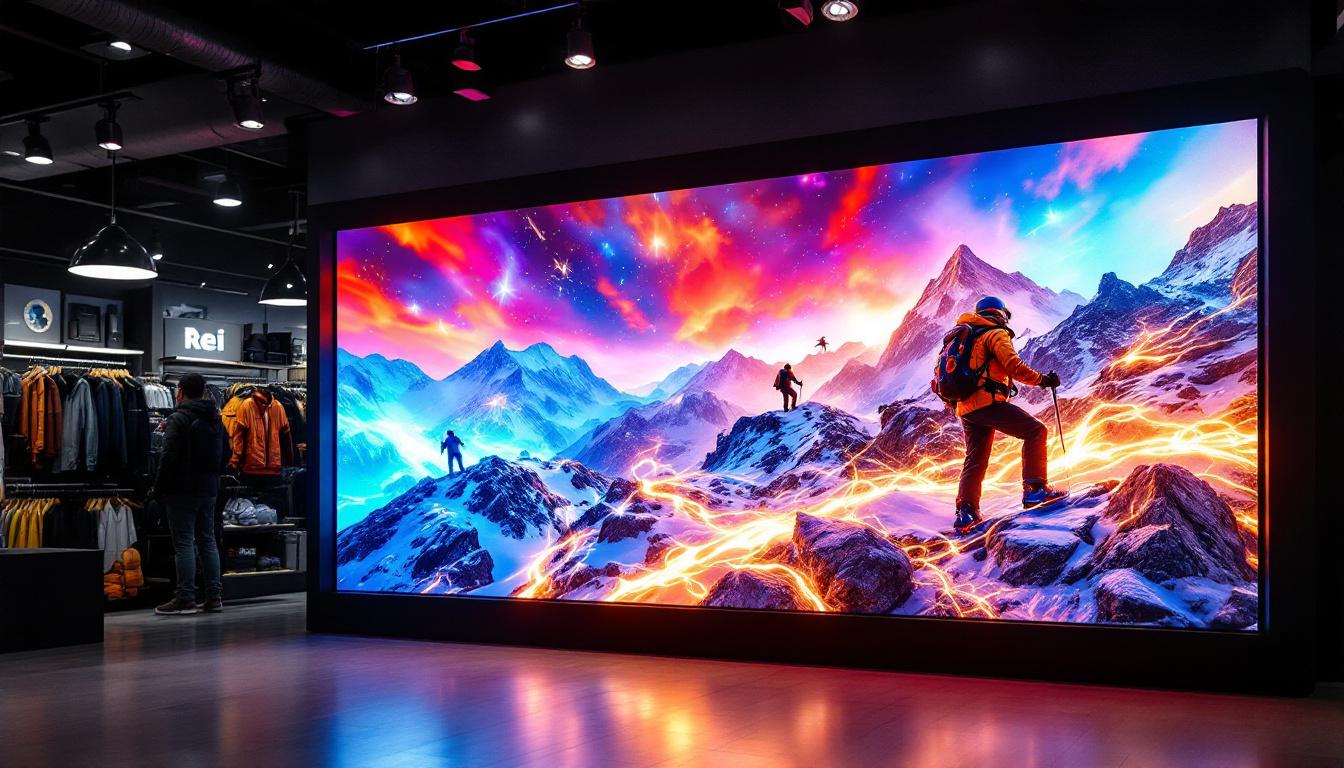
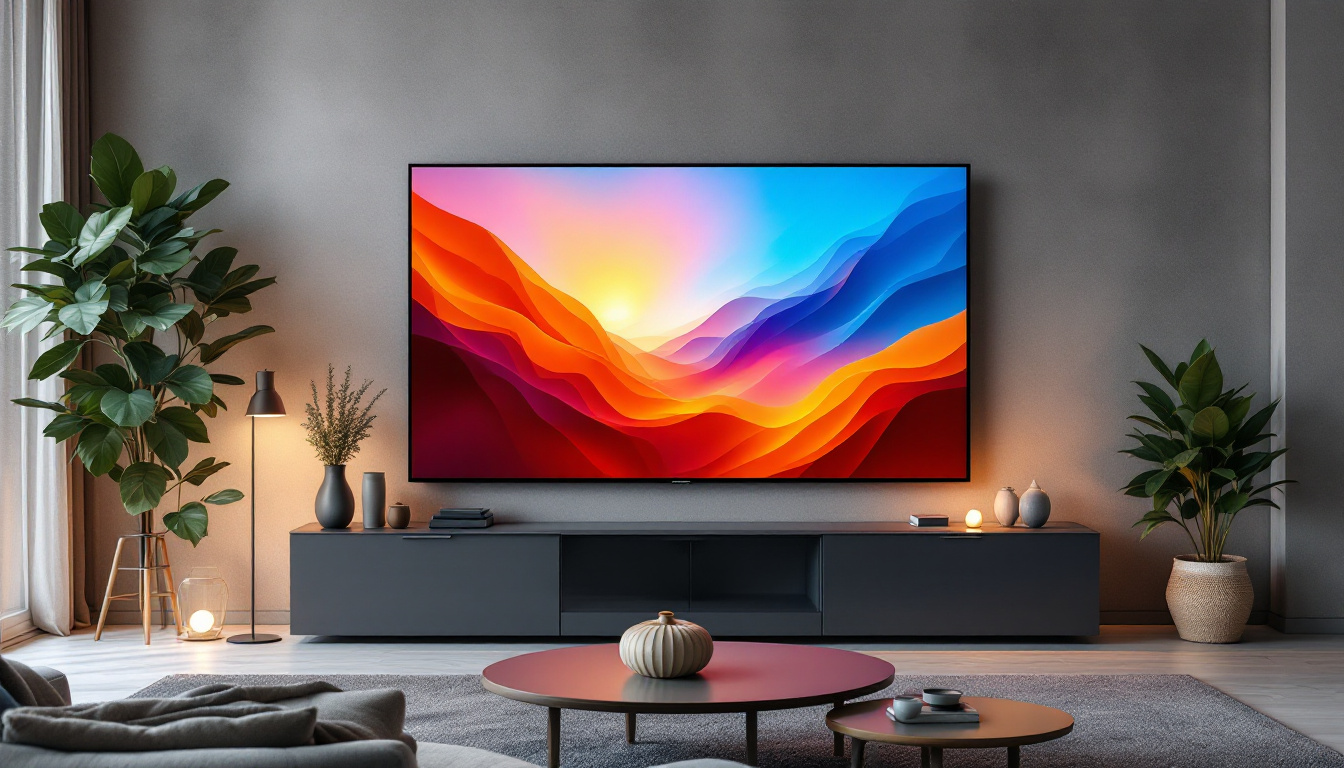
Modern LED displays come in various forms, including flat panels, curved screens, and even flexible or transparent setups. Their modular design allows for customization in size and shape, enabling advertisers to create immersive visual experiences tailored to specific environments. This adaptability is particularly beneficial for businesses looking to make a bold statement; for instance, a retail store can utilize a large LED wall to showcase dynamic content that draws in customers, while a sports venue can employ LED displays to enhance the excitement of live events with real-time stats and replays.
The Evolution of 3D LED Displays
While LED displays have been around for decades, the integration of 3D technology has marked a significant advancement. 3D LED displays leverage depth perception techniques to create the illusion of three-dimensional images without requiring special glasses. This is typically achieved through advanced pixel arrangements, light field technology, or holographic projections. The result is a stunning visual experience that can leave viewers mesmerized, as they interact with content that seems to leap off the screen.
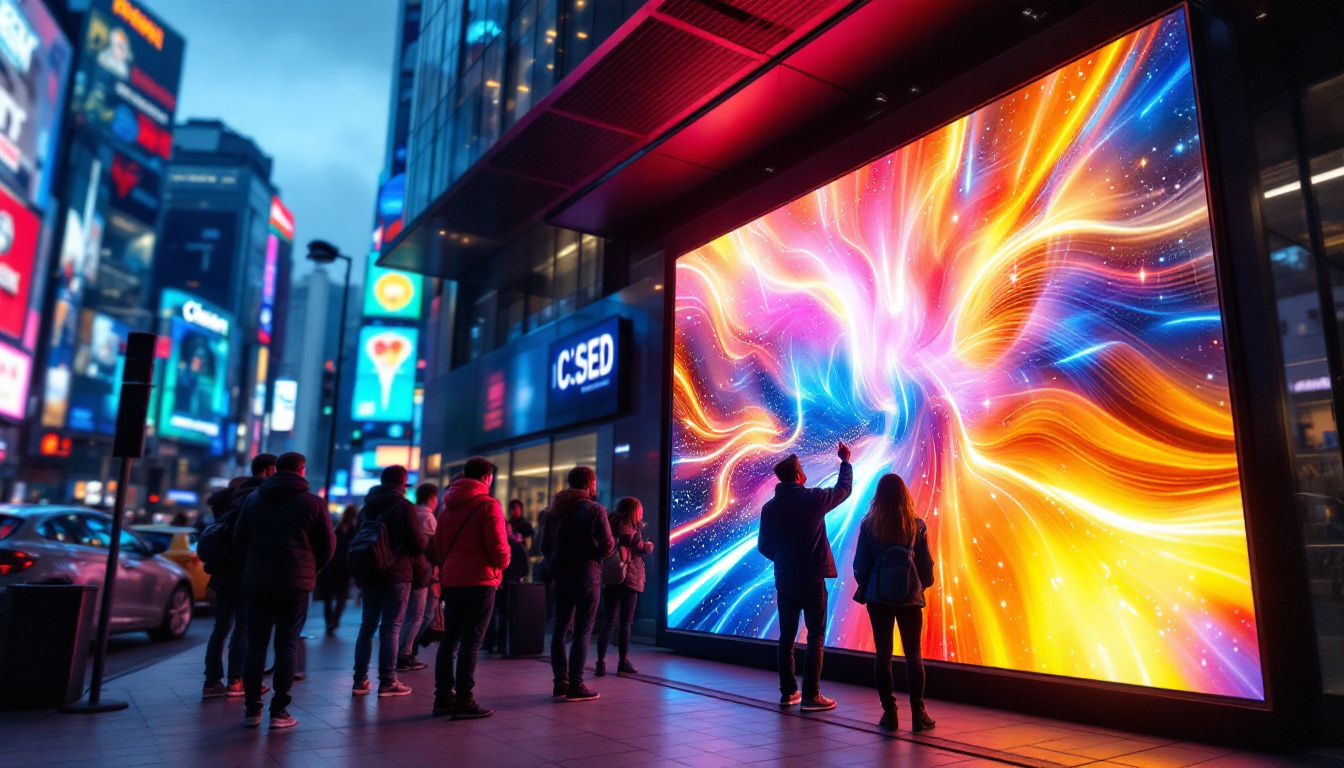
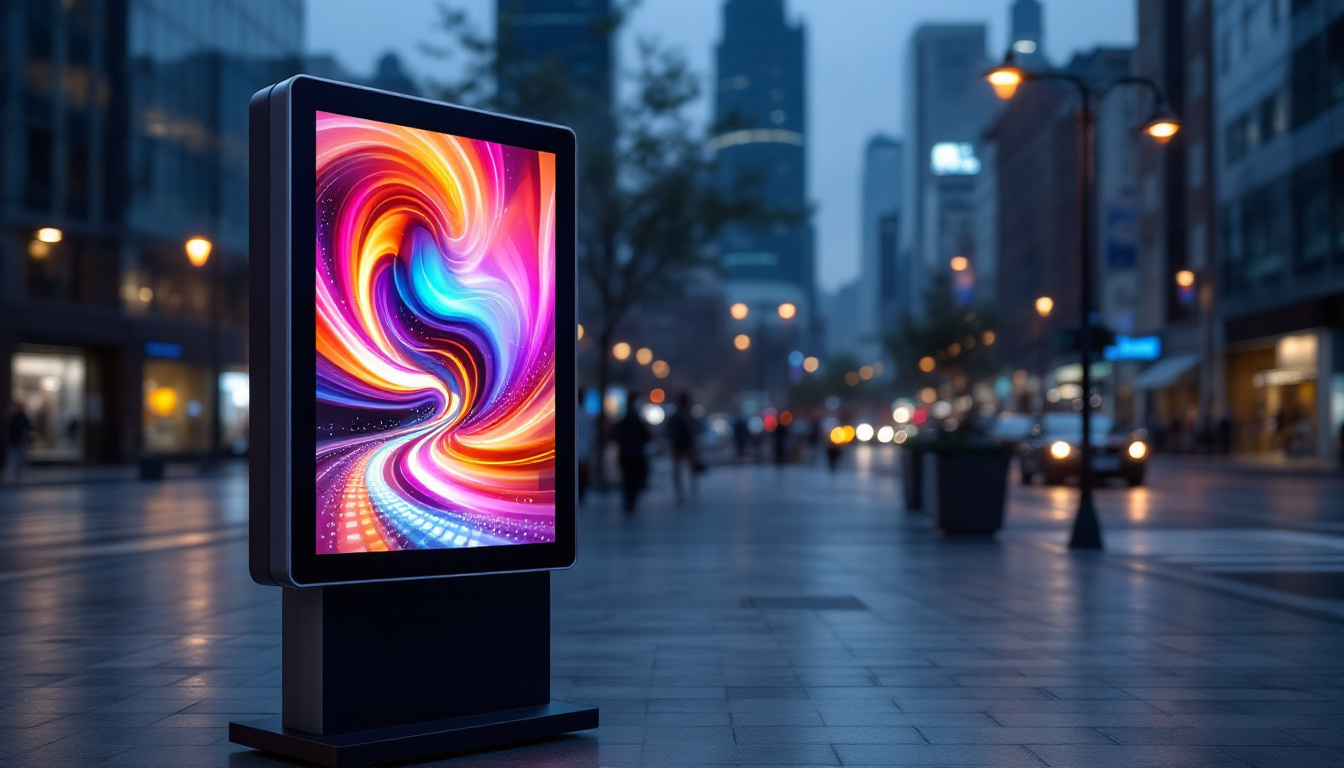
Companies specializing in 3D advertising utilize these displays to produce eye-catching visuals that appear to float or move in space, captivating viewers and enhancing brand recall. The combination of LED brightness and 3D depth perception makes these displays particularly effective in high-traffic areas such as shopping malls, airports, and urban centers. Furthermore, as technology continues to evolve, we are witnessing innovations like interactive 3D LED displays that allow users to engage directly with the content. This interactivity not only enhances user experience but also provides brands with valuable data on consumer engagement, allowing for more targeted marketing strategies.
How 3D Advertising Companies Utilize LED Displays
Designing Engaging Content
Creating compelling 3D content requires a blend of artistic creativity and technical expertise. 3D advertising companies often employ teams of graphic designers, animators, and software engineers who specialize in 3D modeling and animation. They develop content that exploits the unique capabilities of LED displays, such as dynamic lighting, vivid colors, and spatial depth.
For example, a 3D advertising campaign for a luxury car brand might feature a rotating, hyper-realistic model of the vehicle that appears to extend beyond the boundaries of the screen. This immersive experience draws viewers’ attention and encourages interaction, which can significantly boost engagement rates. The use of augmented reality (AR) elements can further enhance this experience, allowing consumers to visualize the car in their own environment through their mobile devices, thereby creating a personal connection with the product.
Installation and Maintenance
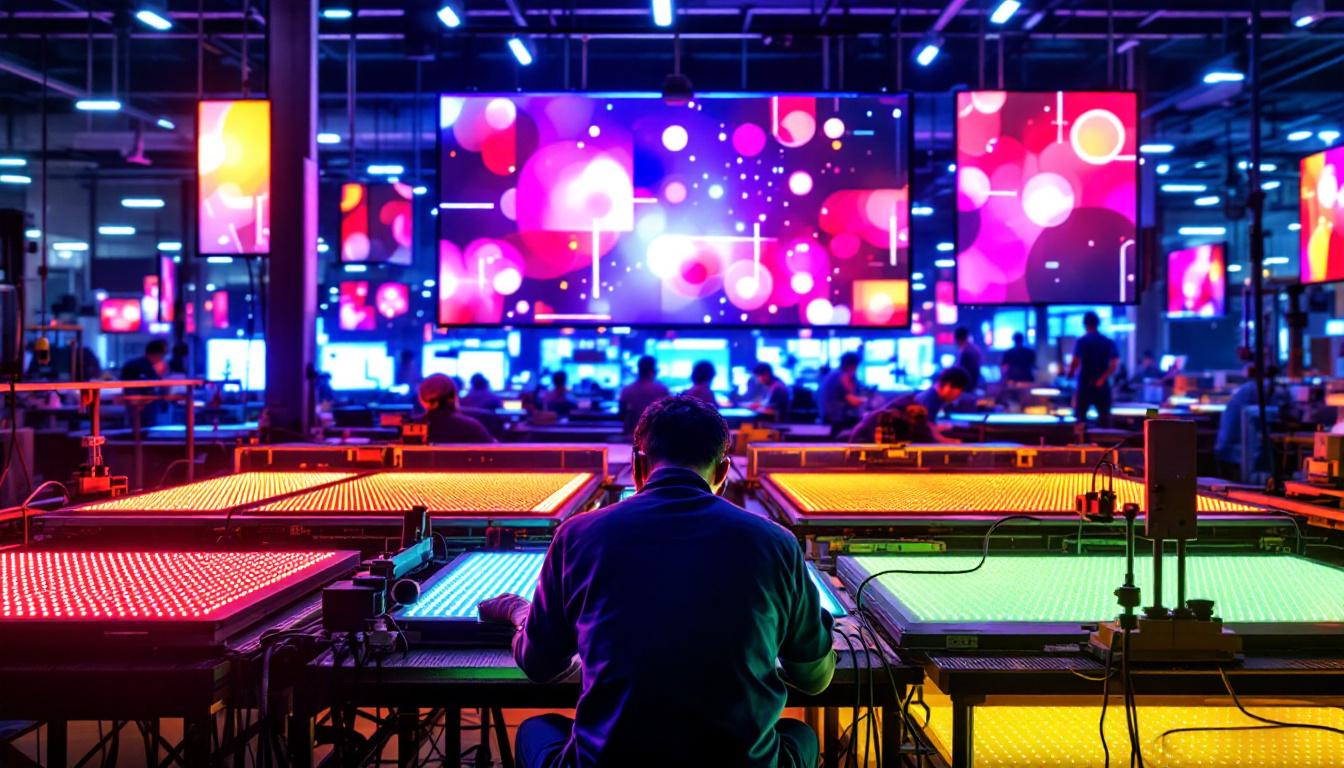
Implementing large-scale LED displays, especially those with 3D capabilities, requires meticulous planning and technical know-how. 3D advertising companies handle everything from site assessment and structural engineering to installation and ongoing maintenance. Ensuring optimal brightness, color calibration, and pixel alignment is critical for delivering flawless visual performance.
Moreover, these companies often provide remote monitoring services to detect and resolve issues proactively, minimizing downtime. This level of service is essential for advertisers who rely on continuous visibility in competitive markets. Additionally, the integration of smart technology allows for automated adjustments based on environmental conditions, such as ambient light levels, ensuring that the displays maintain their visual impact at all times. This adaptability not only enhances the viewer experience but also extends the lifespan of the LED installations.
Measuring Impact and ROI
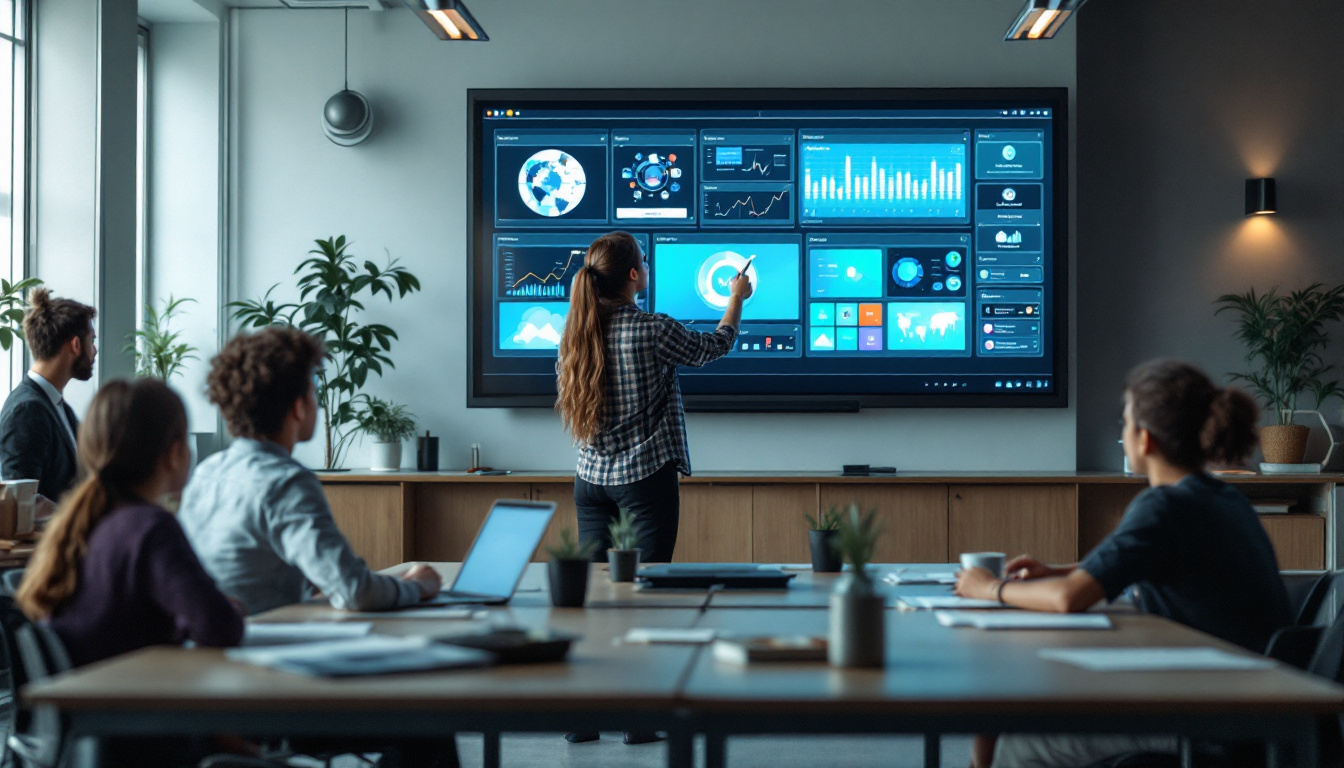
One of the advantages of digital LED advertising is the ability to track performance metrics in real-time. 3D advertising companies integrate analytics tools that measure audience engagement, dwell time, and conversion rates. These insights help marketers optimize their campaigns and justify investment by demonstrating tangible returns.
For instance, a retail chain using 3D LED displays in flagship stores reported a 30% increase in foot traffic and a 20% uplift in sales during the campaign period, illustrating the effectiveness of immersive digital advertising. Furthermore, by employing advanced data analytics, companies can segment their audience and tailor content to specific demographics, ensuring that the messaging resonates with the right consumers. This level of customization not only maximizes the impact of each campaign but also fosters a deeper connection between brands and their audiences, paving the way for long-term loyalty and repeat business.
Benefits of Using 3D LED Displays in Advertising
Enhanced Visual Impact
3D LED displays offer a level of visual impact that traditional 2D screens cannot match. The illusion of depth and motion creates a memorable experience that captures and holds viewer attention. This is particularly valuable in crowded urban environments where consumers are bombarded with advertisements from multiple sources.
Studies show that advertisements with 3D elements can increase brand recall by up to 70%, making them a powerful tool for marketers aiming to differentiate their messaging.
Versatility and Customization
LED technology’s modular nature allows for a wide range of display sizes and shapes. Advertisers can customize installations to fit unique architectural features or create standalone structures that serve as landmarks. Additionally, content can be updated instantly, enabling brands to tailor messages based on time of day, audience demographics, or special events.
This flexibility supports dynamic marketing strategies and allows companies to remain relevant in rapidly changing markets.
Energy Efficiency and Durability
Compared to traditional lighting and projection systems, LED displays consume significantly less energy while delivering higher brightness levels. Advances in LED technology have also improved lifespan and reliability, reducing maintenance costs and environmental impact.
Many 3D advertising companies emphasize sustainability by using energy-efficient components and recyclable materials, aligning with growing consumer demand for eco-friendly business practices.
Real-World Applications and Case Studies
Retail and Shopping Centers
Retailers leverage 3D LED displays to create immersive window displays and in-store installations that attract shoppers. For example, a major department store in New York City installed a 3D LED facade that showcased seasonal promotions with animated, floating visuals. This installation increased store visits by 25% during the holiday season and generated significant social media buzz.
Transportation Hubs
Airports and train stations are ideal locations for 3D LED advertising due to high foot traffic and dwell times. A well-known airline used a 3D LED tunnel installation to promote a new route, featuring a dynamic display of planes flying overhead and scenic destinations. This campaign enhanced brand visibility and customer engagement, contributing to a 15% increase in ticket bookings.
Entertainment and Events
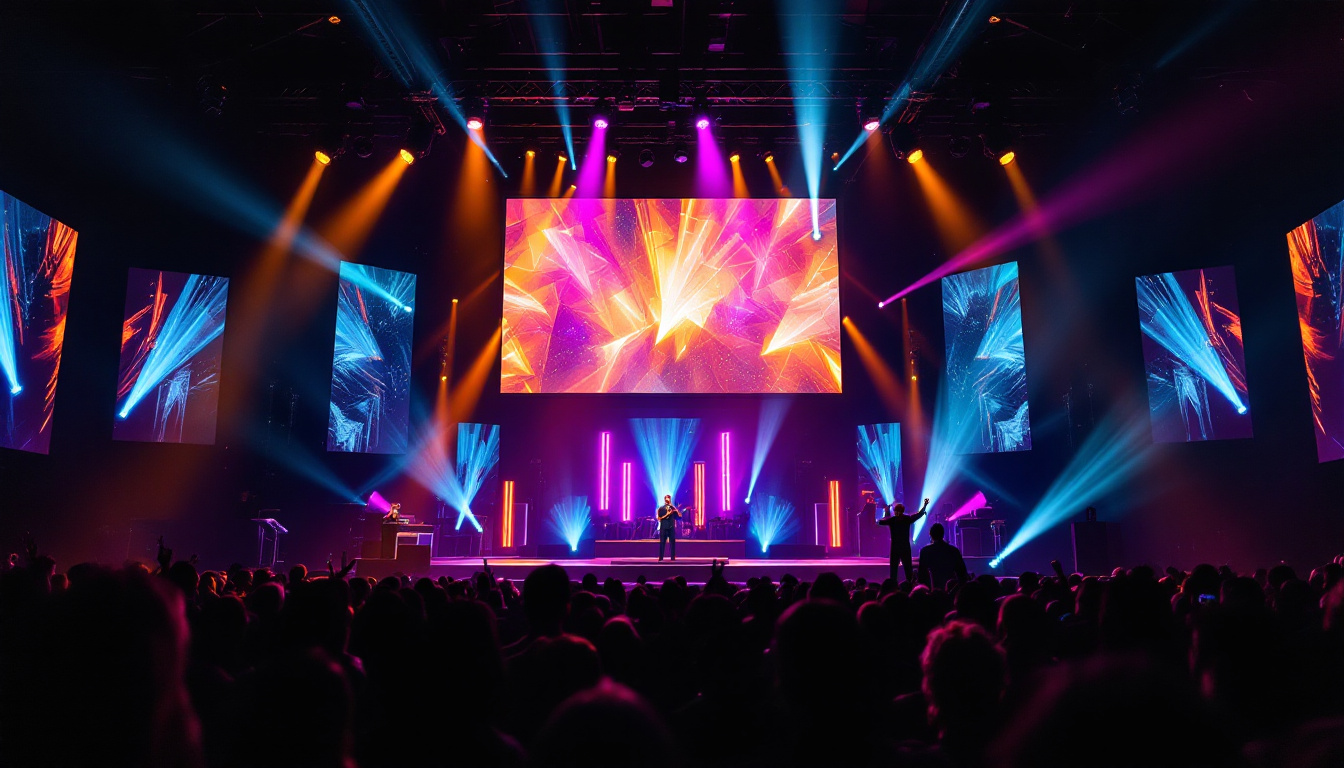
Concerts, sports arenas, and trade shows utilize 3D LED displays to enhance the spectator experience and provide sponsors with impactful advertising opportunities. For instance, a global music festival incorporated 3D LED screens on stage that interacted with live performances, creating a multisensory spectacle that captivated audiences and attracted media coverage.
Choosing the Right 3D Advertising Company
Evaluating Expertise and Experience
Selecting a 3D advertising company involves assessing their technical capabilities, creative portfolio, and industry experience. Companies with a proven track record of successful 3D LED campaigns are better equipped to handle complex projects and deliver results that meet client objectives.
Look for partners who invest in research and development and stay abreast of emerging technologies, ensuring your campaigns leverage the latest innovations.
Understanding Project Scope and Budget
3D LED advertising projects can vary widely in scale and cost. It is essential to define clear goals and budget constraints upfront to find a company that can tailor solutions accordingly. Transparent communication about timelines, deliverables, and pricing helps avoid misunderstandings and ensures a smooth collaboration.
Support and Maintenance Services
Given the technical complexity of 3D LED installations, ongoing support is crucial. Choose a company that offers comprehensive maintenance, remote monitoring, and rapid response services to keep your displays operating at peak performance.
The Future of 3D LED Advertising
As technology continues to evolve, the potential for 3D LED advertising is vast. Emerging trends include integration with augmented reality (AR) and artificial intelligence (AI) to create even more personalized and interactive experiences. For example, future displays may adapt content in real-time based on viewer demographics or environmental conditions, enhancing relevance and engagement.
Furthermore, improvements in LED miniaturization and holographic projection could lead to more seamless and immersive 3D visuals, blurring the line between digital and physical worlds. These advancements will open new avenues for creativity and effectiveness in advertising.
In conclusion, 3D advertising companies utilizing LED display technology offer a powerful platform for brands to connect with audiences in meaningful ways. By understanding the technology, benefits, and practical applications, businesses can harness this innovative medium to elevate their marketing strategies and achieve measurable success.
Discover LumenMatrix’s Innovative LED Solutions
Ready to transform your advertising strategy with the latest in 3D LED technology? LumenMatrix is at the forefront of creating immersive visual experiences that captivate and engage. From Indoor and Outdoor LED Wall Displays to specialized solutions like Vehicle, Sports, and Floor LED Displays, our extensive range caters to every need. Embrace the future of advertising with LumenMatrix’s Custom, All-in-One, and Transparent LED Displays, designed to make your brand shine. Check out LumenMatrix LED Display Solutions today and step into a world where your message is not just seen, but truly experienced.