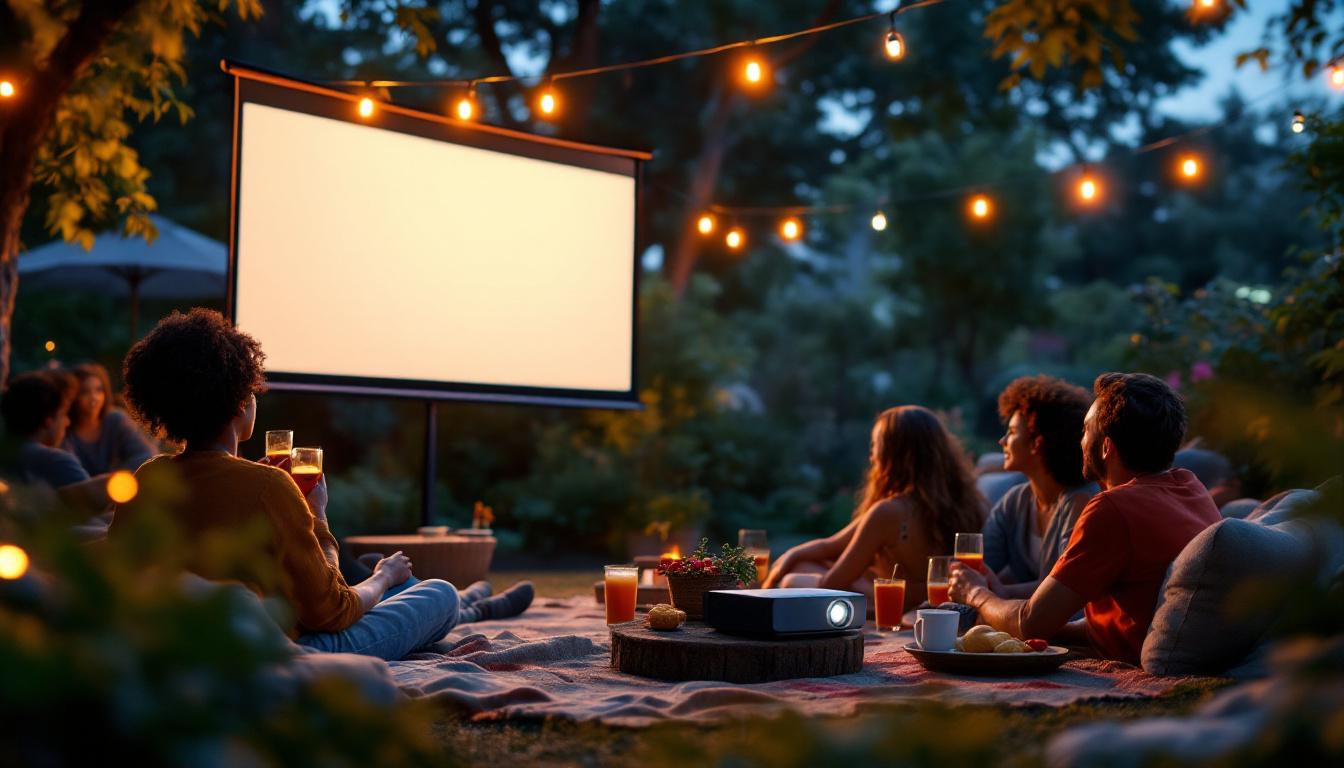
Outdoor movie nights, backyard presentations, and open-air gaming sessions have surged in popularity over recent years, fueled by advancements in display technology and a growing desire for immersive experiences beyond the confines of indoor spaces. Choosing the right outdoor projector and screen setup is crucial to achieving vibrant visuals and clear images under varying lighting conditions.
This comprehensive guide delves into the world of outdoor projectors, screens, and the increasingly popular LED display technology. By understanding the strengths and limitations of each option, you can make an informed decision that suits your specific needs, whether for casual entertainment or professional use.
Understanding Outdoor Projectors: Types and Key Features
Outdoor projectors differ significantly from their indoor counterparts due to the challenges posed by ambient light, weather conditions, and viewing distance. Selecting the right projector requires a grasp of essential features and types available in the market.
DLP vs. LCD vs. LCoS Projectors
Three primary technologies dominate the projector landscape: Digital Light Processing (DLP), Liquid Crystal Display (LCD), and Liquid Crystal on Silicon (LCoS). Each has unique characteristics that impact image quality, brightness, and suitability for outdoor use.
DLP projectors use microscopic mirrors to reflect light and create images. They are known for high contrast ratios, sharp images, and minimal motion blur, making them excellent for fast-moving content like sports or action movies. However, some users notice a “rainbow effect” — brief flashes of color — which can be distracting.
LCD projectors use liquid crystal panels to modulate light. They typically produce brighter images with more saturated colors, which is advantageous in outdoor settings where ambient light can wash out visuals. LCD projectors often have a lower price point but may suffer from lower contrast ratios compared to DLP.
LCoS projectors combine aspects of both DLP and LCD, offering superior image quality with smooth color gradations and minimal pixelation. They tend to be more expensive and are often favored for home theater setups but can be excellent for premium outdoor experiences.
Brightness and Lumens: The Outdoor Imperative
Brightness, measured in lumens, is arguably the most critical factor for outdoor projectors. Ambient light from street lamps, the moon, or even residual daylight can significantly diminish image clarity. For outdoor use, projectors with at least 2,500 lumens are recommended for dusk or low-light conditions, while daytime viewing may require 4,000 lumens or more.
High brightness projectors often come with enhanced cooling systems to prevent overheating during extended use. However, increased brightness can sometimes lead to higher power consumption and noise levels, so balancing these factors is essential.
Resolution and Connectivity
Resolution impacts the sharpness and detail of the projected image. Full HD (1920×1080) is the current standard for outdoor projectors, delivering crisp visuals suitable for movies, presentations, and gaming. For those seeking ultra-high definition, 4K projectors are becoming more accessible, though they often come at a premium price.
Connectivity options such as HDMI, USB, Wi-Fi, and Bluetooth enhance versatility, allowing seamless integration with laptops, smartphones, streaming devices, and gaming consoles. Wireless connectivity is particularly valuable outdoors to reduce cable clutter and simplify setup.
Choosing the Right Outdoor Screen: Materials and Designs
The screen is as vital as the projector in creating an immersive outdoor viewing experience. The choice of material, size, and portability can dramatically affect image quality and user convenience.
Types of Outdoor Screens
Outdoor screens generally fall into three categories: fixed-frame, inflatable, and portable pull-up screens.
- Fixed-frame screens offer a taut, flat surface for optimal image quality. They are typically mounted on walls or sturdy frames and are ideal for permanent outdoor setups.
- Inflatable screens have gained popularity for their ease of setup and large sizes. They are perfect for community events or large gatherings but require a power source for the blower and are susceptible to wind.
- Portable pull-up screens are compact and easy to transport, making them suitable for casual backyard use or camping trips. While convenient, they may not provide the perfectly flat surface that fixed-frame screens offer.
Screen Material and Gain
Screen material influences brightness, color accuracy, and viewing angles. Matte white screens are the most common, offering wide viewing angles and natural color reproduction. For environments with high ambient light, gray screens with higher gain values (1.5 to 2.0) can improve contrast and black levels.
Gain refers to the reflectivity of the screen surface. A gain of 1.0 means the screen reflects light evenly, while higher gain screens concentrate reflected light toward the center, enhancing brightness but potentially narrowing viewing angles. Selecting the appropriate gain depends on your typical viewing environment and audience size.
Size and Aspect Ratio Considerations
The screen size should be proportional to the projector’s throw distance and resolution. Larger screens require projectors with higher brightness and resolution to maintain image quality. Common outdoor screen sizes range from 100 to 200 inches diagonally.
Aspect ratio is another critical factor. Most modern content is produced in 16:9 widescreen format, so screens with this ratio are generally preferred. However, 4:3 aspect ratio screens can be suitable for presentations or older media formats.
LED Displays: A Modern Alternative for Outdoor Viewing
While traditional projectors and screens remain popular, LED display technology has emerged as a compelling alternative for outdoor applications. Understanding the benefits and limitations of LED displays helps clarify when they are the best choice.
What Are LED Displays?
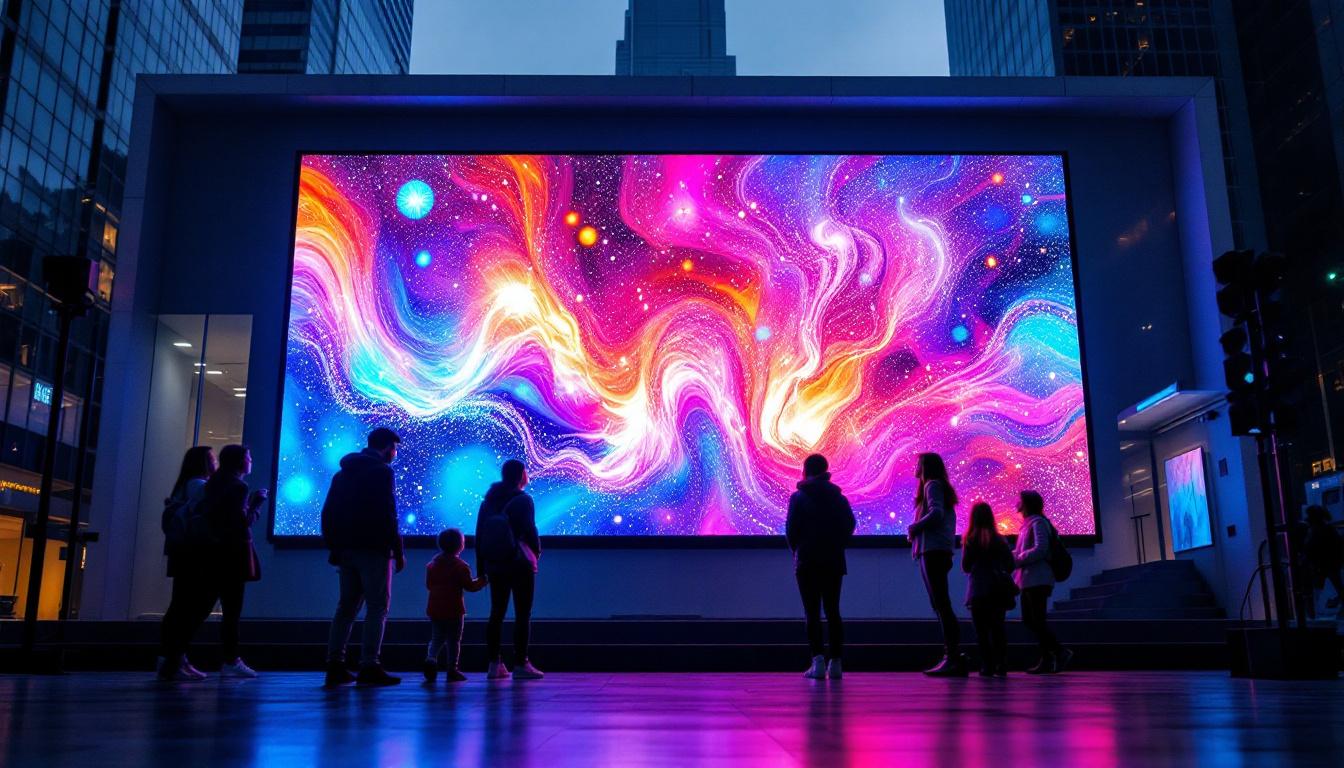
LED (Light Emitting Diode) displays consist of thousands of tiny LEDs arranged in a grid to form a large, self-illuminated screen. Unlike projectors, which rely on external light sources and reflective screens, LED displays emit their own light, resulting in bright, vivid images even in direct sunlight.
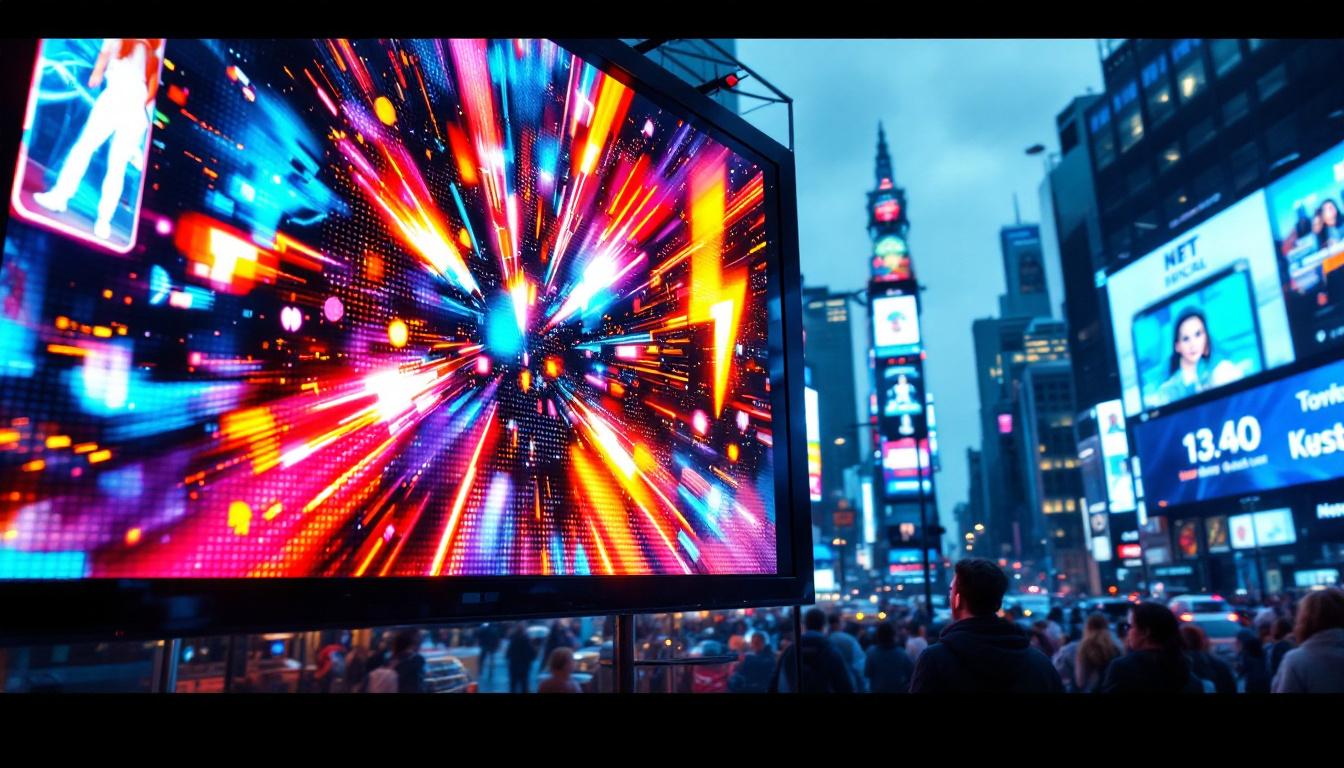
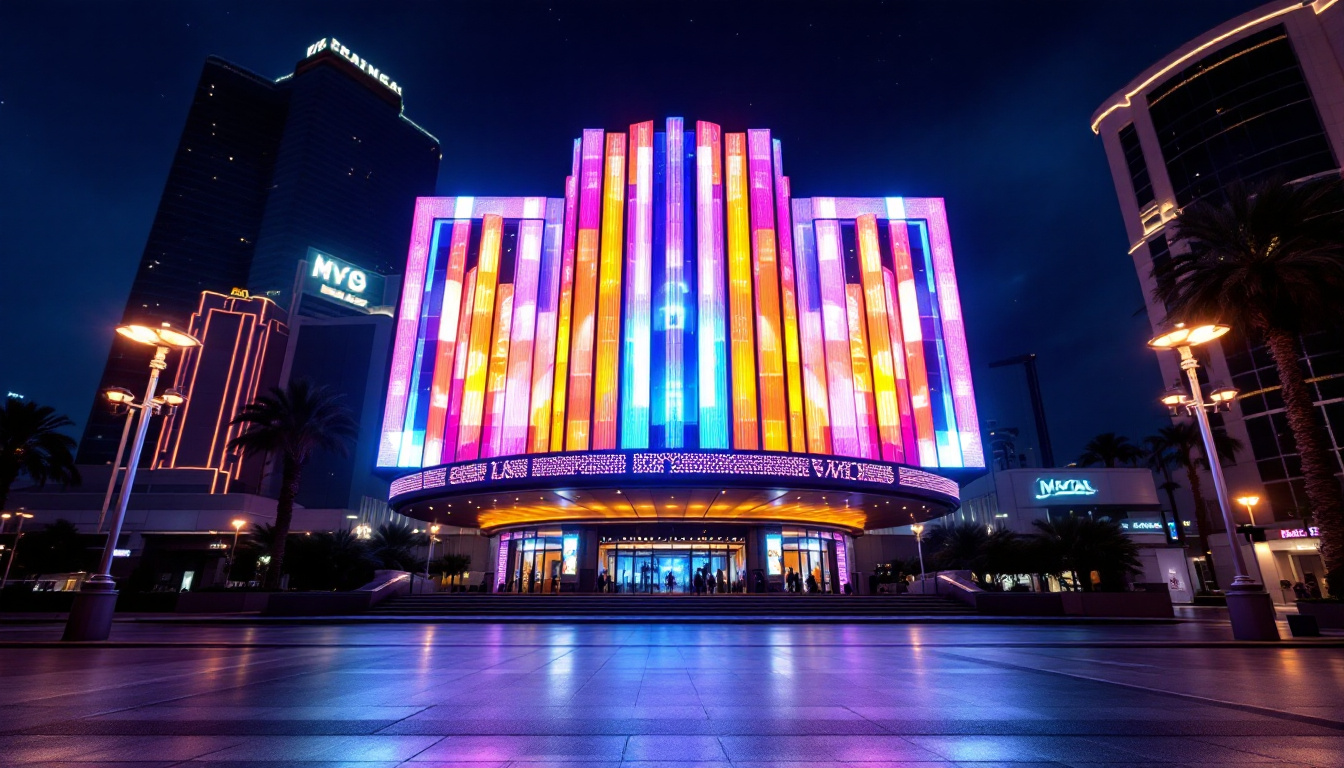
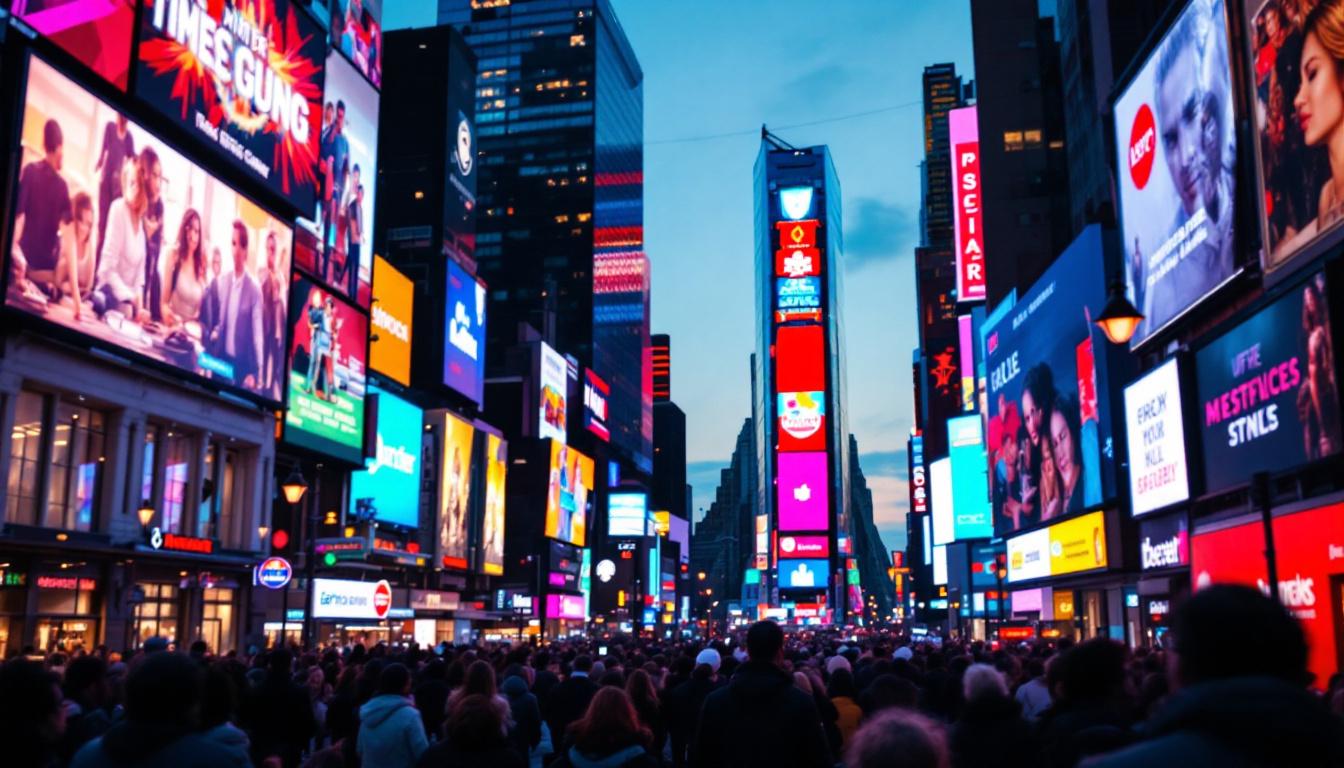
Modern outdoor LED displays are modular, allowing for customizable sizes and shapes. They are commonly used in stadiums, concerts, advertising billboards, and increasingly in private outdoor entertainment setups.
Advantages of LED Displays Over Projectors
Brightness and Visibility: LED displays can achieve brightness levels exceeding 5,000 nits, far surpassing projectors. This makes them ideal for daytime use where ambient light is intense.
Durability and Weather Resistance: Outdoor LED displays are designed to withstand rain, wind, and dust, often featuring IP65 or higher ratings. This ruggedness reduces maintenance and ensures longevity.
Image Quality: LEDs provide excellent color accuracy, contrast, and uniform brightness across the entire screen. There is no risk of image distortion due to wrinkles or dirt on screens.
Installation Flexibility: Modular design allows for large-scale displays that can be curved or shaped to fit unique spaces. They also eliminate the need for a dark viewing environment or precise projector placement.
Considerations and Challenges with LED Displays
Despite their advantages, LED displays come with considerations that may impact their suitability for some users.
- Cost: LED displays are generally more expensive upfront compared to projector setups, especially for larger sizes.
- Pixel Pitch: The distance between LEDs, known as pixel pitch, affects image resolution. Smaller pixel pitches (e.g., 1.5mm to 3mm) yield sharper images but increase cost.
- Power Consumption: LED displays consume more power than projectors, which can be a factor for off-grid or battery-powered setups.
- Portability: While modular, LED displays are heavier and require more complex installation than portable projector screens.
Making the Right Choice: Projector and Screen vs. LED Display
Deciding between an outdoor projector and screen setup or an LED display depends on several factors including budget, environment, usage, and desired image quality.
Budget and Scale
For casual backyard movie nights or small gatherings, a projector and screen combination offers excellent value and versatility. Entry-level outdoor projectors with 2,500 to 3,500 lumens paired with a portable screen can cost under $1,000, making them accessible for most consumers.
Conversely, LED displays are better suited for large-scale events, commercial applications, or permanent installations where brightness and durability justify the higher investment.
Environmental Conditions and Usage
If your outdoor viewing occurs primarily after sunset or in shaded areas, projectors perform well. However, for daytime events or locations with significant ambient light, LED displays provide unmatched visibility.
Consider also the frequency of use. LED displays, with their robust build and low maintenance, are ideal for frequent or continuous use. Projectors may require more care, including bulb replacements and protection from weather.
Image Quality and Viewing Experience
While high-end projectors deliver impressive image quality, LED displays offer superior brightness, contrast, and color vibrancy that remain consistent regardless of external lighting. For audiences expecting a premium, cinema-like experience outdoors, LED displays are increasingly the preferred choice.
Tips for Optimizing Your Outdoor Viewing Setup
Regardless of whether you choose a projector and screen or an LED display, several best practices can enhance your outdoor viewing experience.
Location and Setup
Choose a location sheltered from direct sunlight and wind where possible. Position the screen perpendicular to the main light sources to reduce glare. Ensure the projector is stable and aligned correctly with the screen to avoid distortion.
Sound Considerations
Outdoor environments can disperse sound, so investing in quality external speakers or a soundbar is crucial. Wireless speakers can simplify setup and reduce cable clutter.
Power and Connectivity
Ensure reliable power sources and consider backup options like portable generators or battery packs for remote locations. For projectors, wireless streaming devices can ease content playback without running long cables.
Weather Protection
Use weatherproof covers or tents to protect equipment from unexpected rain or dew. For LED displays, verify the IP rating and follow manufacturer guidelines for installation and maintenance.
Conclusion
The landscape of outdoor viewing technology has evolved dramatically, offering a range of solutions tailored to diverse needs and environments. Traditional outdoor projectors paired with high-quality screens remain a cost-effective and versatile choice for many, delivering enjoyable experiences under the right conditions.
Meanwhile, LED displays represent the cutting edge of outdoor visual technology, providing unmatched brightness, durability, and image quality that excel in challenging lighting conditions and large venues. Although they require a higher initial investment, their advantages make them increasingly popular for both commercial and premium private use.
By carefully considering factors such as brightness, resolution, screen type, environmental conditions, and budget, consumers can select the best outdoor projector and screen or LED display setup to create unforgettable outdoor entertainment experiences.
Explore the Future of Outdoor Visuals with LumenMatrix
Ready to elevate your outdoor viewing experience with cutting-edge technology? LumenMatrix offers a diverse range of LED display solutions that cater to your every need. From immersive outdoor LED walls to dynamic vehicle displays and beyond, our innovative products are designed to captivate and engage your audience. Discover how LumenMatrix can transform your visual communication and bring your vision to life. Check out LumenMatrix LED Display Solutions today and step into the future of vibrant, impactful displays.