In today’s world of digital screens, the terms LED and LCD are often used interchangeably, yet they represent distinct technologies with unique characteristics. Whether shopping for a new television, monitor, or digital signage, understanding the differences between LED and LCD displays is crucial to making an informed decision. This article delves into the nuances of these display technologies, exploring their advantages, limitations, and the contexts in which one might be preferable over the other.
Understanding the Basics: What Are LCD and LED Displays?
What is an LCD Display?
LCD stands for Liquid Crystal Display. It is a flat-panel technology that uses liquid crystals sandwiched between two layers of glass or plastic. These crystals do not emit light by themselves; instead, they manipulate light passing through them to create images. To make the screen visible, an LCD requires a backlight source that shines through the crystals and color filters.
Traditionally, the backlighting for LCDs was provided by Cold Cathode Fluorescent Lamps (CCFLs). These lamps produce a uniform white light that passes through the liquid crystals, which then control the amount of light allowed to pass to create images. LCDs became popular in the early 2000s for computer monitors and televisions due to their slim profiles and lower power consumption compared to older CRT displays. Additionally, the technology has evolved significantly, with advancements leading to improved color accuracy and response times, making LCDs a versatile choice for various applications, from gaming to professional graphic design.
One of the key advantages of LCD technology is its ability to produce sharp images with high resolution. This is particularly beneficial for applications requiring detailed visuals, such as medical imaging and digital signage. Furthermore, LCDs are generally lighter and thinner than their CRT counterparts, allowing for more flexible installation options and making them ideal for wall-mounted displays in both homes and offices. As manufacturers continue to innovate, features like touch sensitivity and curved screens have also emerged, enhancing the user experience and expanding the potential uses of LCD technology.
What is an LED Display?
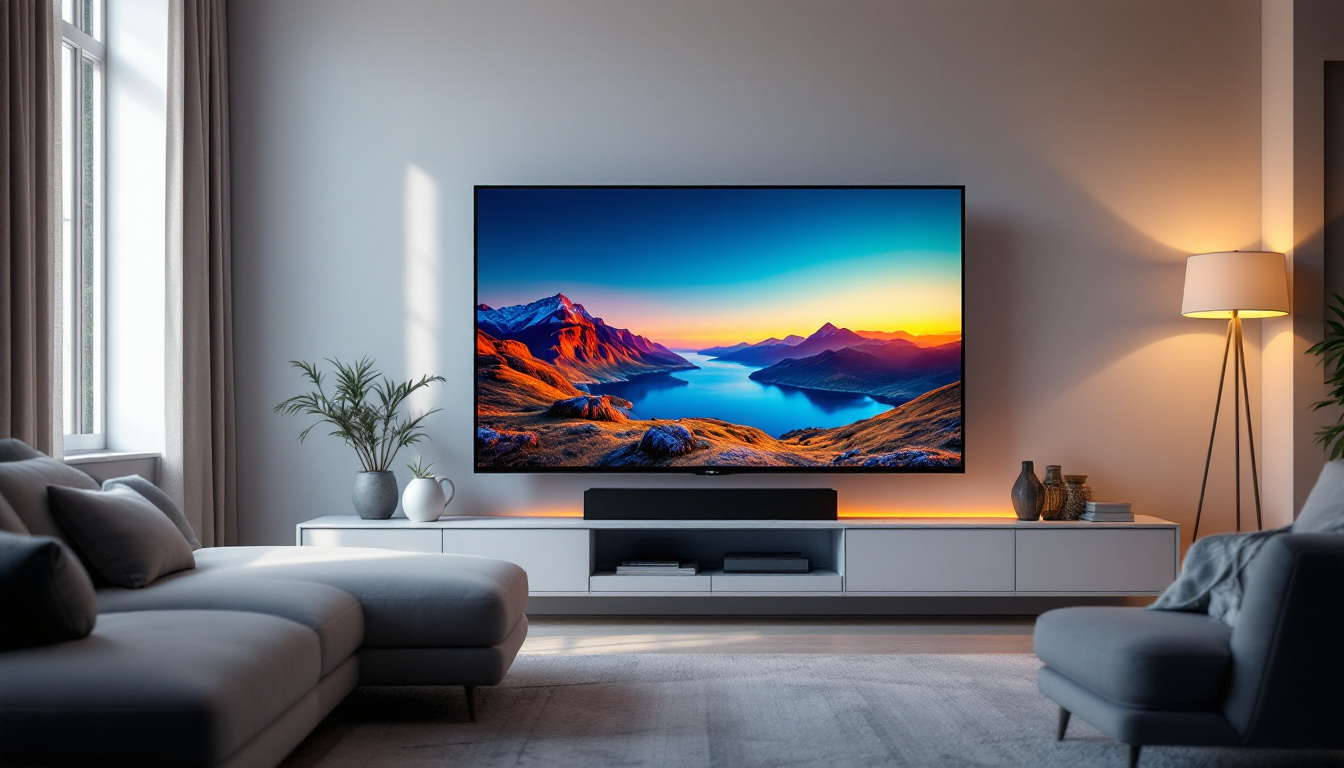
LED stands for Light Emitting Diode. In the context of displays, the term “LED display” usually refers to an LCD panel that uses LEDs as its backlight instead of CCFLs. This is why LED displays are often called “LED-backlit LCDs.” The LEDs provide the illumination behind the liquid crystals, allowing the screen to produce images.
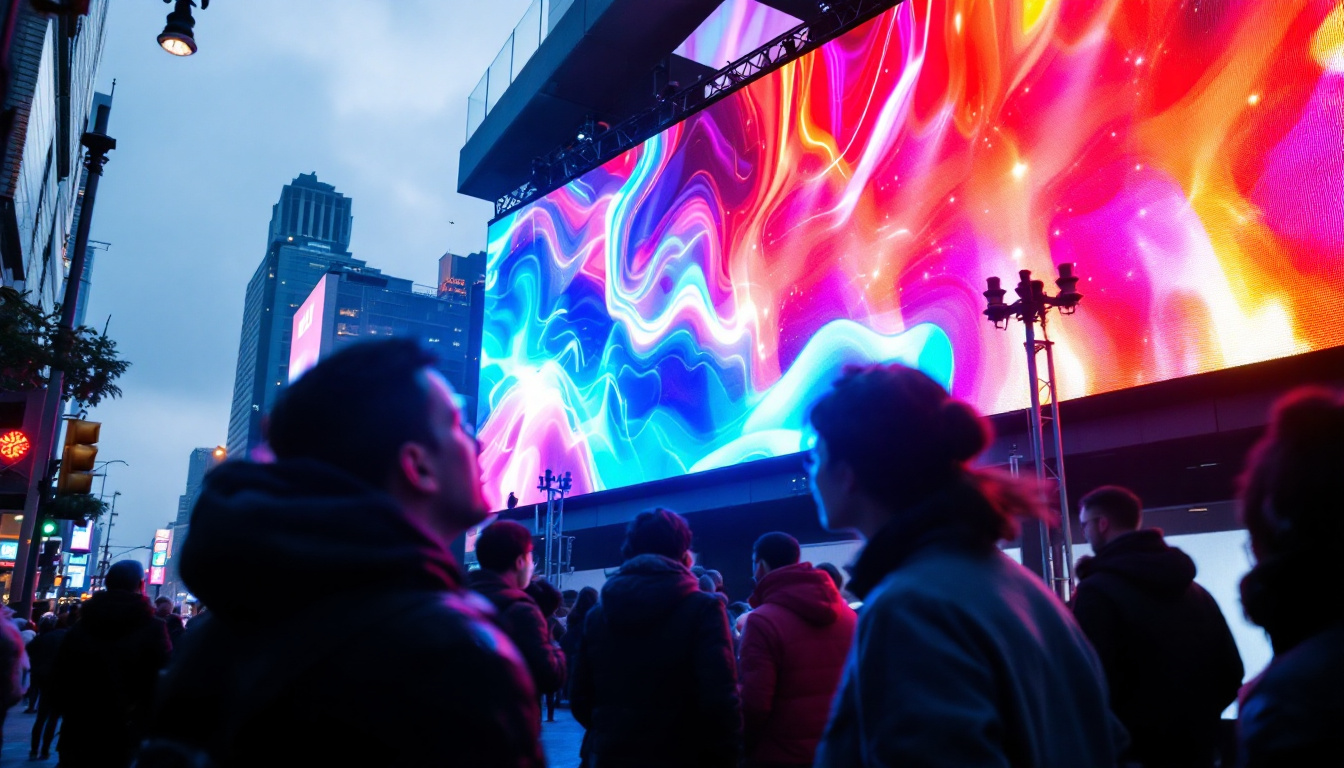
However, there is also a distinct category of displays known as direct-view LED displays, which are made up of thousands of tiny LEDs that emit light individually to form images. These are commonly used in large outdoor screens and billboards. For consumer electronics like TVs and monitors, the LED-backlit LCD is the prevalent technology. One of the primary advantages of LED displays is their ability to achieve higher brightness levels and better contrast ratios compared to traditional LCDs with CCFL backlighting. This results in more vibrant colors and deeper blacks, making LED displays particularly appealing for watching movies or playing video games in dimly lit environments.
Moreover, LED technology has paved the way for innovations such as local dimming, where specific areas of the screen can be dimmed or brightened independently. This feature enhances the overall picture quality by improving contrast and reducing light bleed, which is especially noticeable in scenes with high dynamic range. As the demand for larger screens and higher resolutions continues to rise, LED technology is also evolving, with advancements like MicroLED and MiniLED displays on the horizon, promising even greater efficiency and performance for future visual experiences.
Key Differences Between LED and LCD Displays
Backlighting Technology
The most significant difference lies in the backlighting. Traditional LCDs use CCFL backlights, which are fluorescent tubes that provide a consistent light source but have limitations in terms of brightness, energy efficiency, and color accuracy. LED-backlit LCDs use light-emitting diodes, which are smaller, more energy-efficient, and capable of delivering brighter and more uniform illumination.
LED backlighting can be implemented in two main ways: edge-lit and full-array. Edge-lit LED displays position LEDs along the edges of the screen, using light guides to distribute light evenly. Full-array LED displays place LEDs directly behind the screen in a grid pattern, allowing for more precise control of brightness and contrast through local dimming.
Picture Quality and Contrast
LED-backlit LCDs generally offer better picture quality than CCFL-backlit LCDs. This improvement is largely due to the ability to control LED brightness more precisely. Full-array LED displays with local dimming can turn off or dim LEDs in dark areas of the screen, resulting in deeper blacks and higher contrast ratios.
In contrast, traditional LCDs with CCFL backlights have a uniform light source that cannot be dimmed locally, leading to a “washed out” appearance in darker scenes. This difference is critical for viewers who prioritize cinematic image quality or use their displays in dimly lit environments.
Energy Efficiency and Lifespan
LED backlighting is more energy-efficient than CCFLs, consuming less power while producing brighter images. This efficiency not only reduces electricity bills but also contributes to a lower environmental impact. Additionally, LEDs have a longer lifespan, often rated at 50,000 hours or more, compared to CCFLs, which typically last around 20,000 to 30,000 hours.
The longer lifespan and reduced energy consumption make LED-backlit LCDs a more sustainable choice, especially for devices used extensively over many years.
Thickness and Design Flexibility
Because LEDs are smaller and can be arranged more flexibly than CCFL tubes, LED-backlit LCDs allow for thinner and lighter display designs. This advantage has enabled manufacturers to produce ultra-slim TVs and monitors that fit better in modern living spaces and offer more aesthetic appeal.
Edge-lit LED displays, in particular, contribute to the sleek form factors seen in many contemporary devices, though full-array LED displays tend to be slightly thicker due to the placement of LEDs behind the screen.
Types of LED Displays: Edge-Lit vs. Full-Array vs. Direct-View LED
Edge-Lit LED Displays
Edge-lit LED displays position LEDs along the edges of the screen, using light guides to spread the illumination across the panel. This approach allows for very thin screens and is cost-effective, making it popular in mid-range TVs and monitors.
However, edge-lit displays can suffer from uneven brightness and less effective local dimming, which may result in blooming effects where bright areas bleed into darker regions. For casual viewing and general use, edge-lit displays are often sufficient, but they may not satisfy users seeking the highest image fidelity.
Full-Array LED Displays with Local Dimming
Full-array LED displays place an array of LEDs directly behind the LCD panel. This configuration supports local dimming, where individual zones of LEDs can be dimmed or turned off independently to enhance contrast and black levels.
This technology significantly improves picture quality, especially in scenes with high dynamic range (HDR) content. Full-array LED displays are typically found in higher-end TVs and professional monitors, offering a premium viewing experience.
Direct-View LED Displays
Direct-view LED displays are fundamentally different from LED-backlit LCDs. Instead of using LEDs as a backlight, these displays consist of millions of tiny LEDs that emit light directly to form images. This technology is common in large-format digital signage, stadium screens, and increasingly in premium home theater setups.
Direct-view LED displays offer exceptional brightness, color accuracy, and contrast, with the ability to produce true blacks by turning off individual LEDs. However, they are currently more expensive and less common in consumer-grade televisions due to manufacturing complexity and cost.
Which Display Technology is Better for You?
Consider Your Usage Environment
Choosing between LED and LCD largely depends on your specific needs and environment. For bright rooms with lots of ambient light, LED-backlit LCDs with high brightness levels and anti-reflective coatings perform well. If you watch a lot of movies in a dark room, full-array LED displays with local dimming provide superior contrast and deeper blacks.
For professional applications like photo editing or graphic design, color accuracy and uniformity are paramount. High-end LED-backlit LCD monitors with advanced calibration options tend to be the best choice here.
Budget and Longevity
Budget constraints often influence the decision. Traditional CCFL-backlit LCDs are generally less expensive but are becoming rare as LED backlighting dominates the market. Among LED-backlit options, edge-lit models are more affordable than full-array ones but sacrifice some image quality.
Considering the longer lifespan and energy efficiency of LED backlights, investing in an LED-backlit display can offer better value over time. Additionally, many manufacturers provide warranties that reflect the expected durability of LED components.
Size and Application
For larger displays, such as TVs over 55 inches or commercial signage, LED-backlit LCDs with full-array local dimming or direct-view LED displays provide the best performance. Smaller monitors and budget TVs often utilize edge-lit LED technology to balance cost and quality.
Gamers may also consider refresh rates and response times, where certain LED-backlit LCD monitors excel. Direct-view LED displays are not typically used for gaming due to cost and resolution constraints but are unmatched for large-scale visual impact.
The Future of Display Technology: Beyond LED and LCD
Emerging Technologies
While LED-backlit LCDs currently dominate the market, new technologies are rapidly evolving. Organic Light Emitting Diode (OLED) displays, for example, use organic compounds that emit light when electrically stimulated, eliminating the need for backlighting altogether. OLEDs offer perfect blacks, wide viewing angles, and vibrant colors, but they remain more expensive and face challenges like burn-in.
MicroLED technology, which uses microscopic LEDs to create images directly, promises the brightness and longevity of traditional LEDs combined with the perfect blacks of OLEDs. Though still in development, MicroLED could revolutionize display technology in the coming years.
What This Means for Consumers
As display technologies advance, consumers benefit from improved image quality, energy efficiency, and design flexibility. Understanding the distinctions between LED and LCD technologies remains essential for making smart purchasing decisions today, while keeping an eye on emerging innovations can help anticipate future upgrades.
For now, LED-backlit LCD displays offer the best combination of performance, affordability, and availability for most users, bridging the gap between traditional LCDs and the cutting-edge displays of tomorrow.
Conclusion
In summary, the term “LED display” typically refers to an LCD panel illuminated by LED backlighting, which offers significant advantages over traditional CCFL-backlit LCDs. LED-backlit LCDs provide better brightness, contrast, energy efficiency, and design flexibility. Within LED displays, full-array backlighting with local dimming delivers superior picture quality compared to edge-lit designs.
Direct-view LED displays represent a different class of technology, ideal for large-scale applications but less common in consumer electronics. When choosing between LED and LCD, it is important to understand these distinctions, consider your viewing environment, budget, and usage needs.
As display technology continues to evolve with OLED and MicroLED innovations on the horizon, LED-backlit LCDs remain a reliable and high-quality choice for most consumers today. Armed with this knowledge, selecting the right display becomes a clearer and more confident process.
Discover the Future of Visual Experience with LumenMatrix
Ready to elevate your visual experience with the latest in LED display technology? Look no further than LumenMatrix, where innovation meets excellence. Our extensive range of LED display solutions, from Indoor and Outdoor LED Walls to specialized displays for Vehicles, Sports, and even Custom configurations, is designed to captivate and engage your audience. Embrace the future of digital signage with our All-in-One and Transparent LED Displays that promise to transform your brand’s visibility. Check out LumenMatrix LED Display Solutions today and join the revolution in visual communication.