In today’s digital age, visual display terminals (VDTs) are an essential part of how humans interact with technology. Among the various types of display technologies, LED displays have emerged as a dominant force, offering superior brightness, energy efficiency, and versatility. This article delves into the world of LED displays, explaining their technology, applications, advantages, and future trends, providing a comprehensive understanding for professionals, enthusiasts, and decision-makers alike.
Understanding Visual Display Terminals and LED Technology
A Visual Display Terminal (VDT) is any electronic device that presents visual information to users, enabling interaction through graphical or textual content. Traditionally, VDTs included cathode ray tube (CRT) monitors, but modern VDTs predominantly use flat-panel technologies such as LCD, OLED, and LED.
LED, or Light Emitting Diode, technology has revolutionized display systems by using tiny semiconductor diodes that emit light when an electric current passes through them. Unlike traditional LCDs that rely on backlighting, LED displays use these diodes as the light source itself, resulting in better contrast, brightness, and energy efficiency.
How LED Displays Work
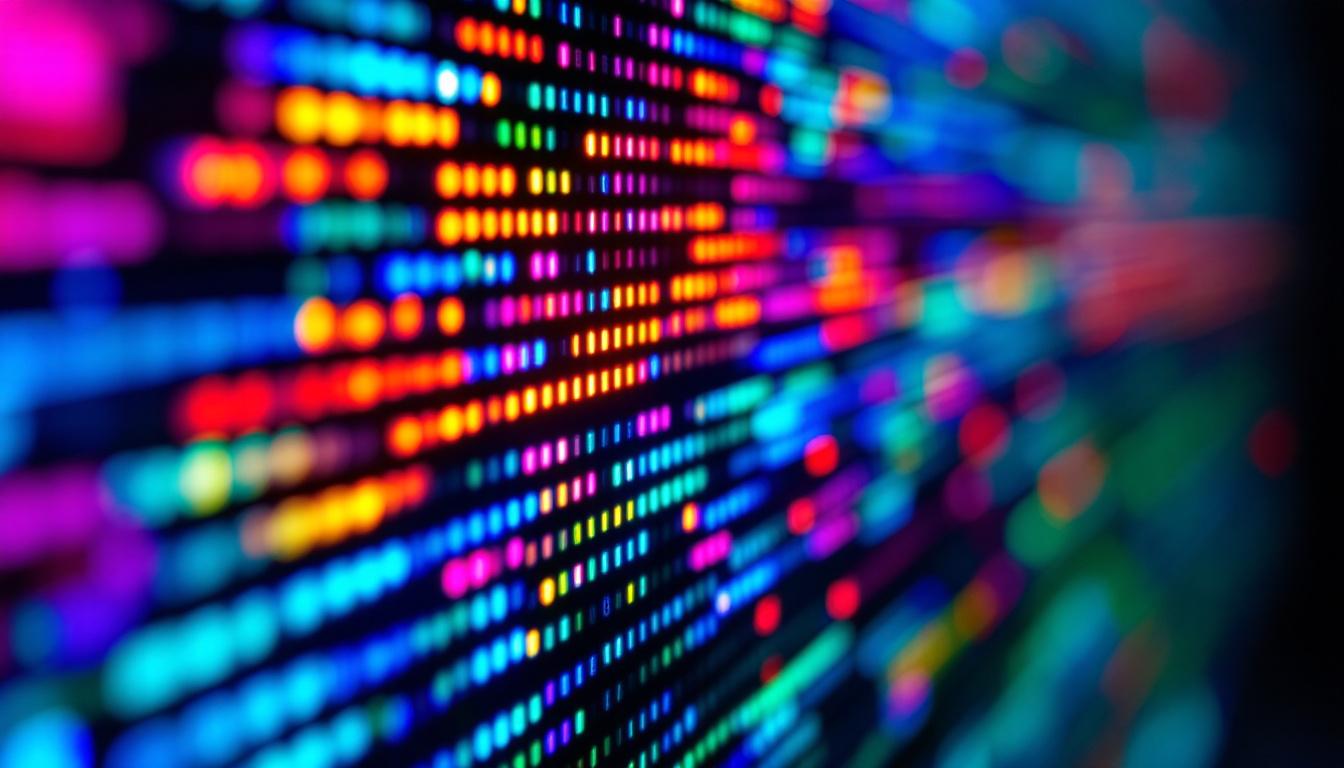
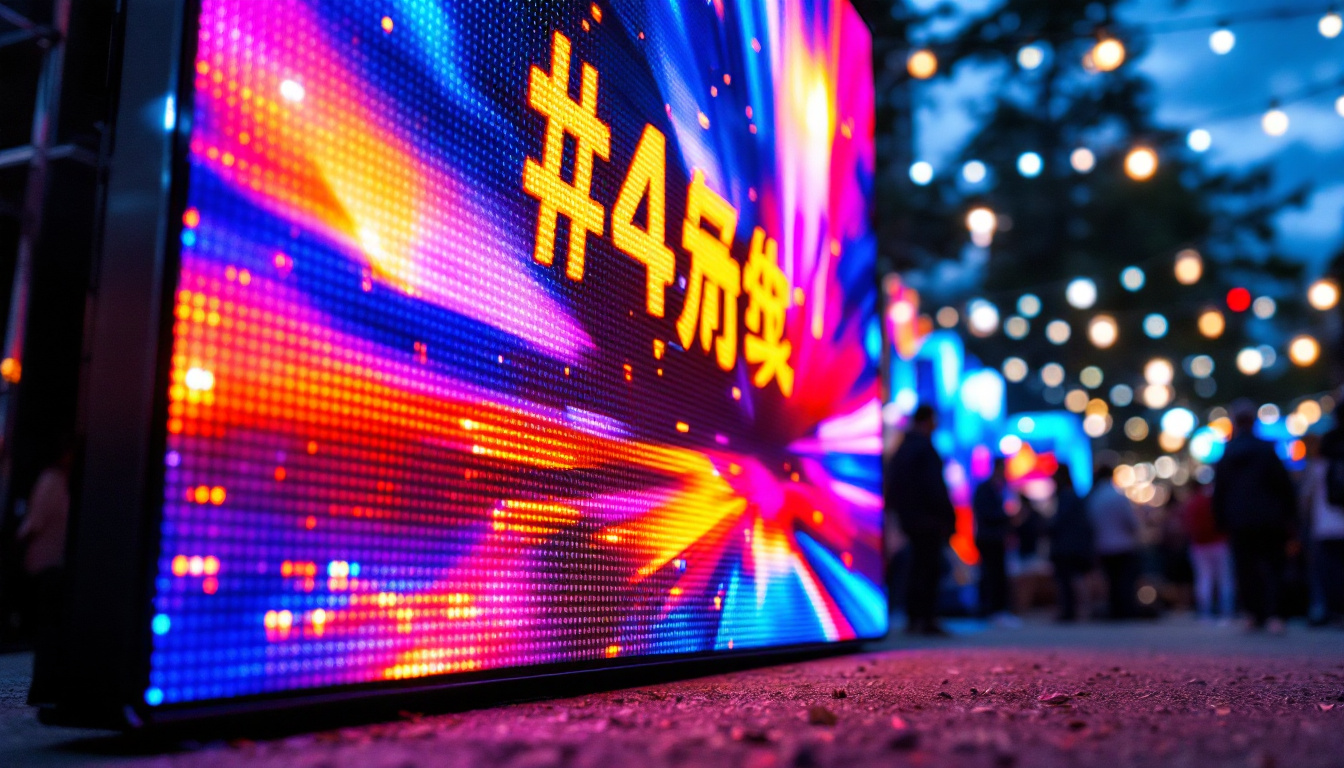
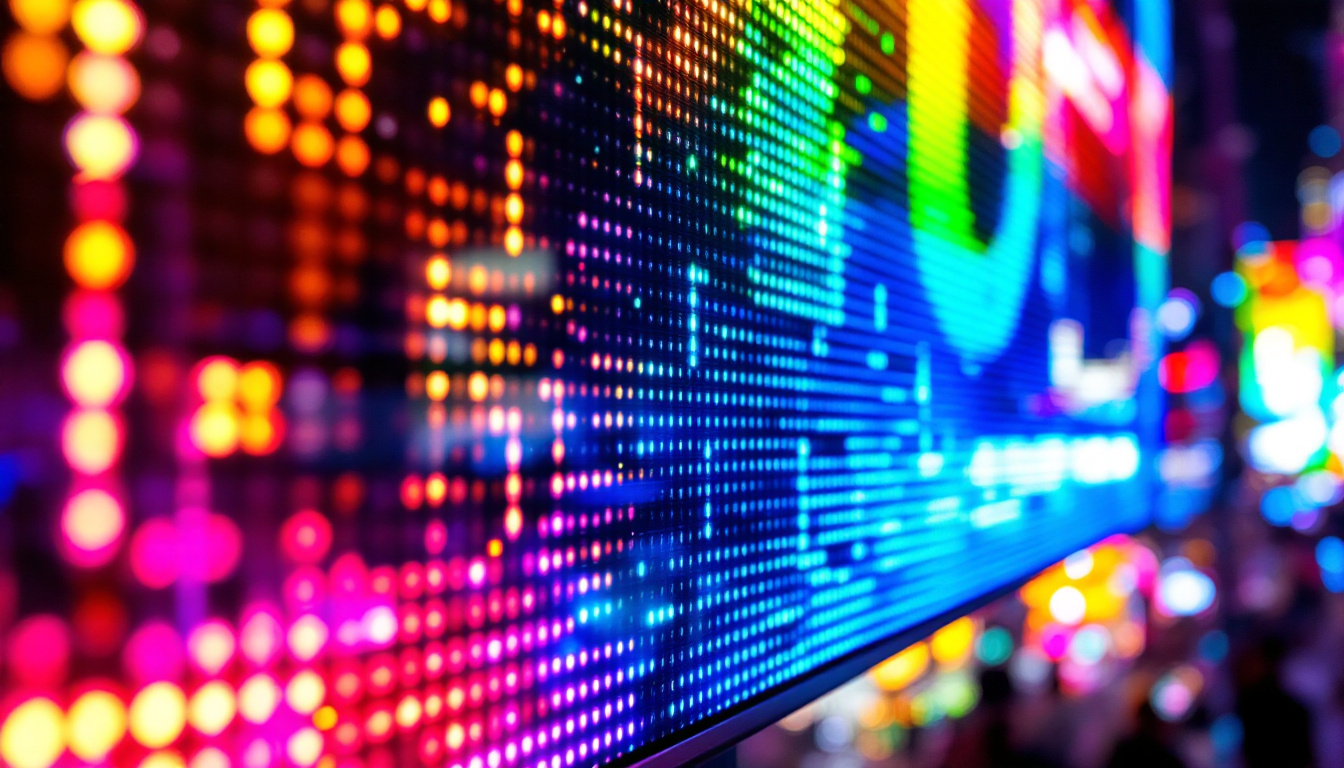
At the core of an LED display is an array of microscopic LEDs arranged in a grid. Each LED can emit red, green, or blue light, and by varying the intensity of these colors, the display can produce a full spectrum of colors. This RGB color model is fundamental to how images and videos are rendered on LED screens.
There are two primary types of LED displays: direct-view LED and LED-backlit LCD. Direct-view LED displays use LEDs as the actual pixels, making them ideal for large-scale applications such as stadium screens and digital billboards. In contrast, LED-backlit LCDs use LEDs as a backlight behind an LCD panel, common in televisions, computer monitors, and mobile devices.
One of the significant advantages of LED technology is its ability to achieve high levels of brightness, which is particularly beneficial in outdoor settings where sunlight can wash out the visibility of traditional displays. This capability allows for vibrant advertising and dynamic content that can capture the attention of passersby. Moreover, LED displays are known for their longevity and durability, often lasting tens of thousands of hours, which makes them a cost-effective solution for businesses looking to invest in display technology.
Additionally, the energy efficiency of LED displays contributes to their growing popularity. Compared to older display technologies, LEDs consume significantly less power, which not only reduces operational costs but also minimizes environmental impact. This efficiency is increasingly important as industries strive to adopt more sustainable practices. Furthermore, advancements in LED technology continue to enhance color accuracy and refresh rates, making them suitable for a wide range of applications, from high-definition gaming to professional video editing.
Advantages of LED Displays in Visual Display Terminals
The widespread adoption of LED displays is driven by several key advantages that make them superior to older technologies like CRT and traditional LCDs.
Superior Brightness and Contrast
LED displays can achieve brightness levels exceeding 1,000 nits, which is significantly higher than typical LCD screens. This brightness ensures clear visibility even in brightly lit environments, such as outdoor digital signage or retail displays. Additionally, because LEDs can be turned off completely, they offer true blacks and exceptional contrast ratios, enhancing image quality and reducing eye strain. The result is a more immersive viewing experience, particularly for high-definition content, where the vibrancy of colors and depth of shadows can make a substantial difference in how information is perceived.
Moreover, the ability to adjust brightness dynamically allows LED displays to maintain optimal performance across various lighting conditions. This adaptability is especially beneficial in environments where lighting can change throughout the day, such as in conference rooms or classrooms. The enhanced visibility not only improves user engagement but also facilitates better communication of visual information, making LED displays an ideal choice for presentations and collaborative workspaces.
Energy Efficiency and Longevity
LEDs consume considerably less power compared to older display technologies. For example, LED-backlit monitors use about 25-30% less energy than CCFL-backlit LCDs. This efficiency translates into cost savings for businesses and reduced environmental impact. Furthermore, LEDs have a longer operational lifespan, often exceeding 50,000 hours, which reduces maintenance and replacement costs. This longevity is particularly advantageous for applications requiring continuous operation, such as digital billboards or information kiosks, where downtime can lead to lost revenue and diminished brand visibility.
In addition to their energy efficiency, LED displays often incorporate smart technology that can further optimize power consumption. Features such as automatic brightness adjustment based on ambient light conditions can significantly lower energy usage without sacrificing performance. This not only contributes to sustainability efforts but also aligns with the growing demand for eco-friendly solutions in technology, appealing to environmentally conscious consumers and businesses alike.
Thin, Lightweight, and Flexible Designs
The compact size of LEDs allows manufacturers to create ultra-thin and lightweight displays. This has enabled the development of sleek monitors, curved screens, and even flexible or foldable displays, opening new possibilities for device design and user experience. Flexibility in LED panels is increasingly used in wearable technology and innovative advertising formats. The lightweight nature of these displays also facilitates easier installation and portability, making them ideal for trade shows, exhibitions, and mobile setups.
Furthermore, the versatility of LED technology has led to the emergence of creative applications, such as transparent displays that can blend seamlessly into their surroundings or interactive surfaces that respond to touch. These innovations not only enhance aesthetic appeal but also provide new avenues for user interaction and engagement. As designers and engineers continue to push the boundaries of what is possible with LED technology, we can expect to see even more groundbreaking applications that redefine how we experience visual content in our daily lives.
Applications of LED Visual Display Terminals
LED displays have a broad range of applications across various industries, reflecting their versatility and performance advantages.
Consumer Electronics
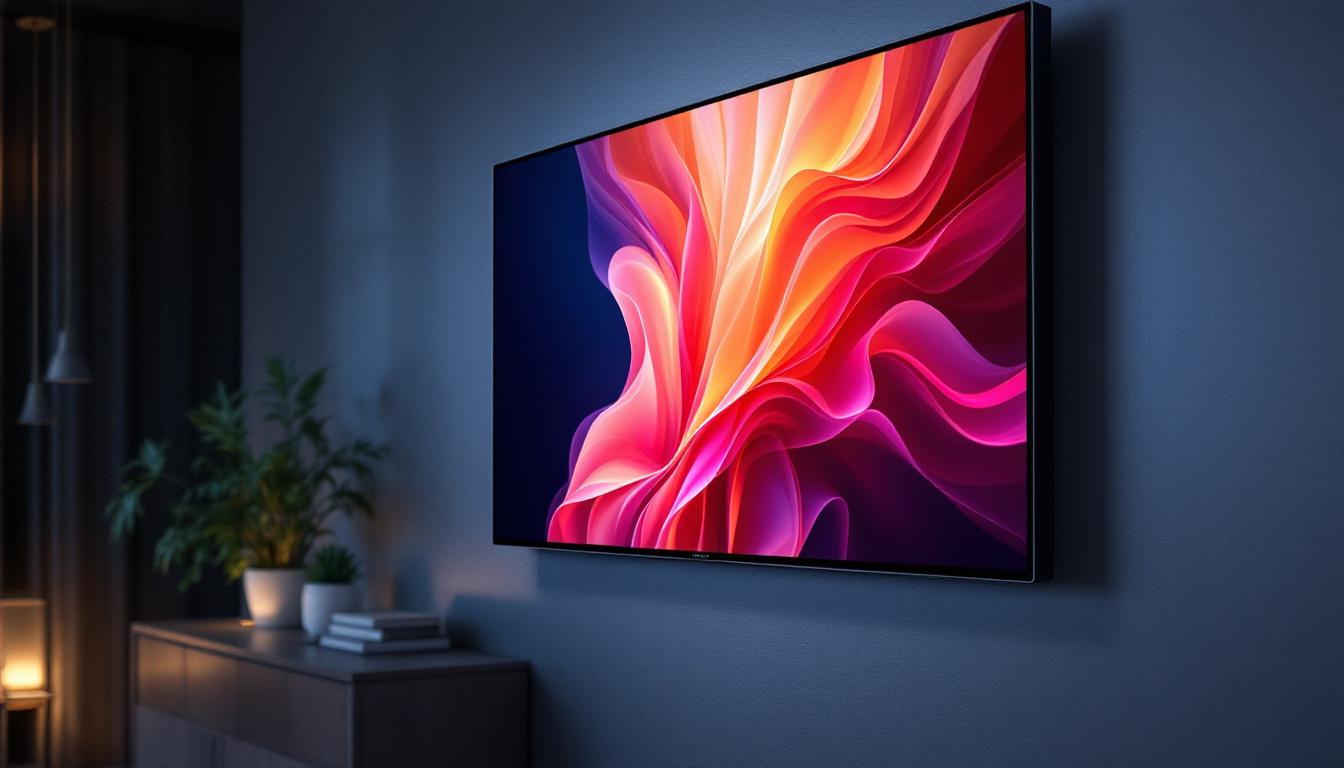
In consumer electronics, LED technology dominates the market for televisions, computer monitors, smartphones, and tablets. The demand for high-definition content and immersive viewing experiences has pushed manufacturers to adopt LED displays for their superior image quality and energy efficiency. For instance, the global LED TV market size was valued at over $110 billion in 2023 and is expected to grow steadily as 4K and 8K content become mainstream.
Commercial and Advertising Displays
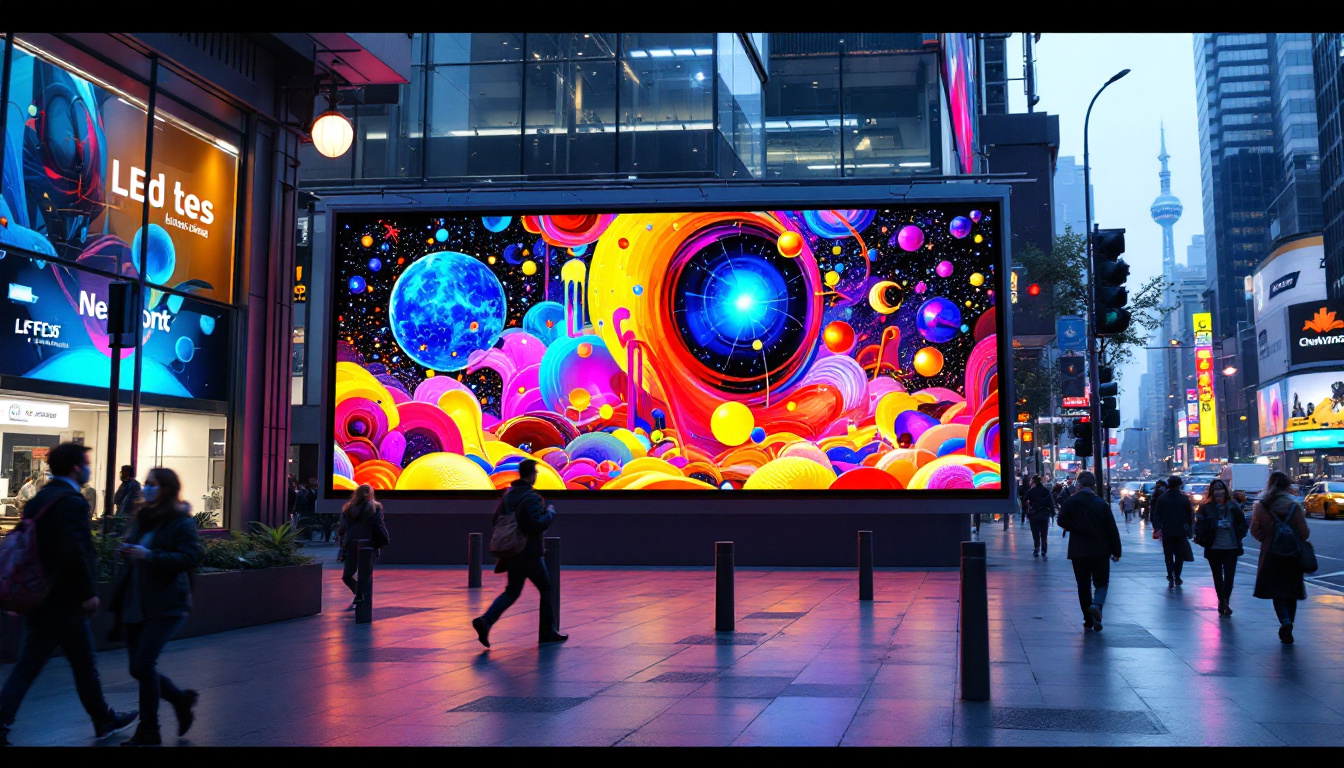
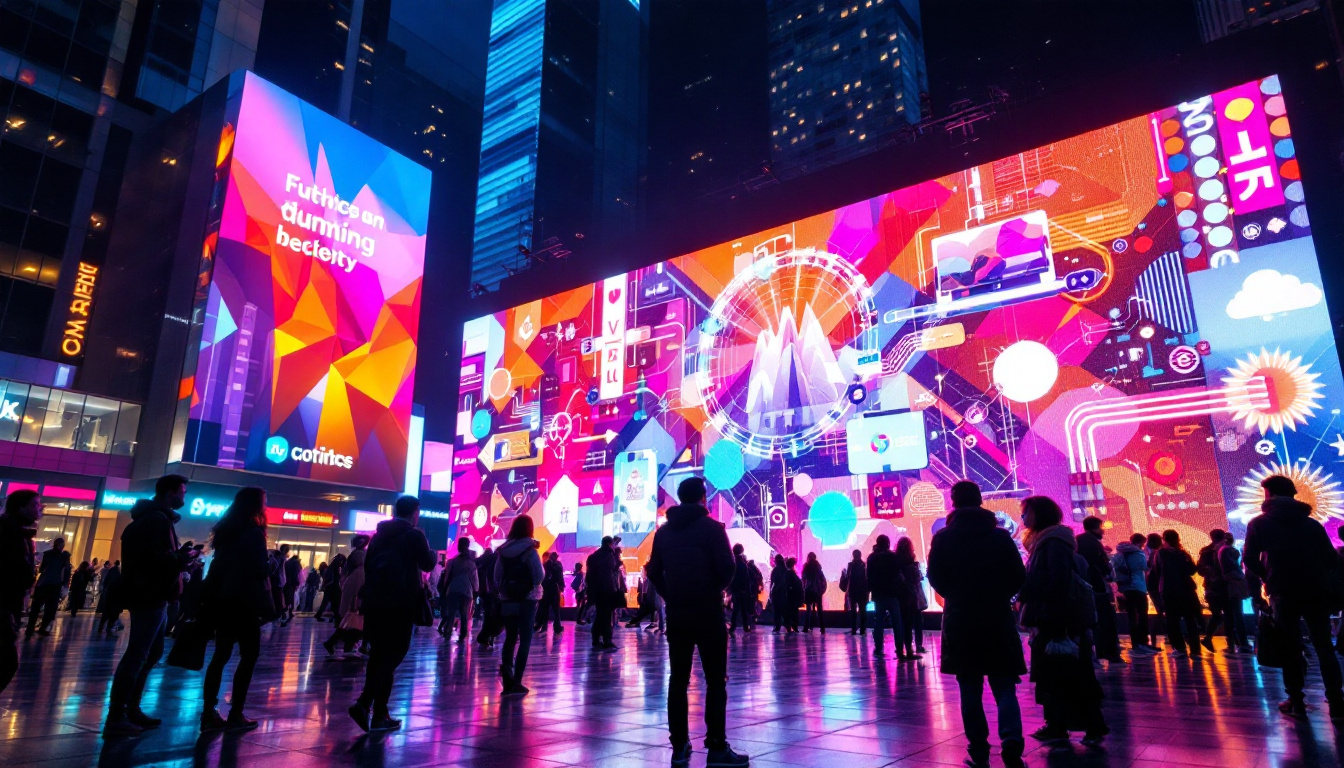
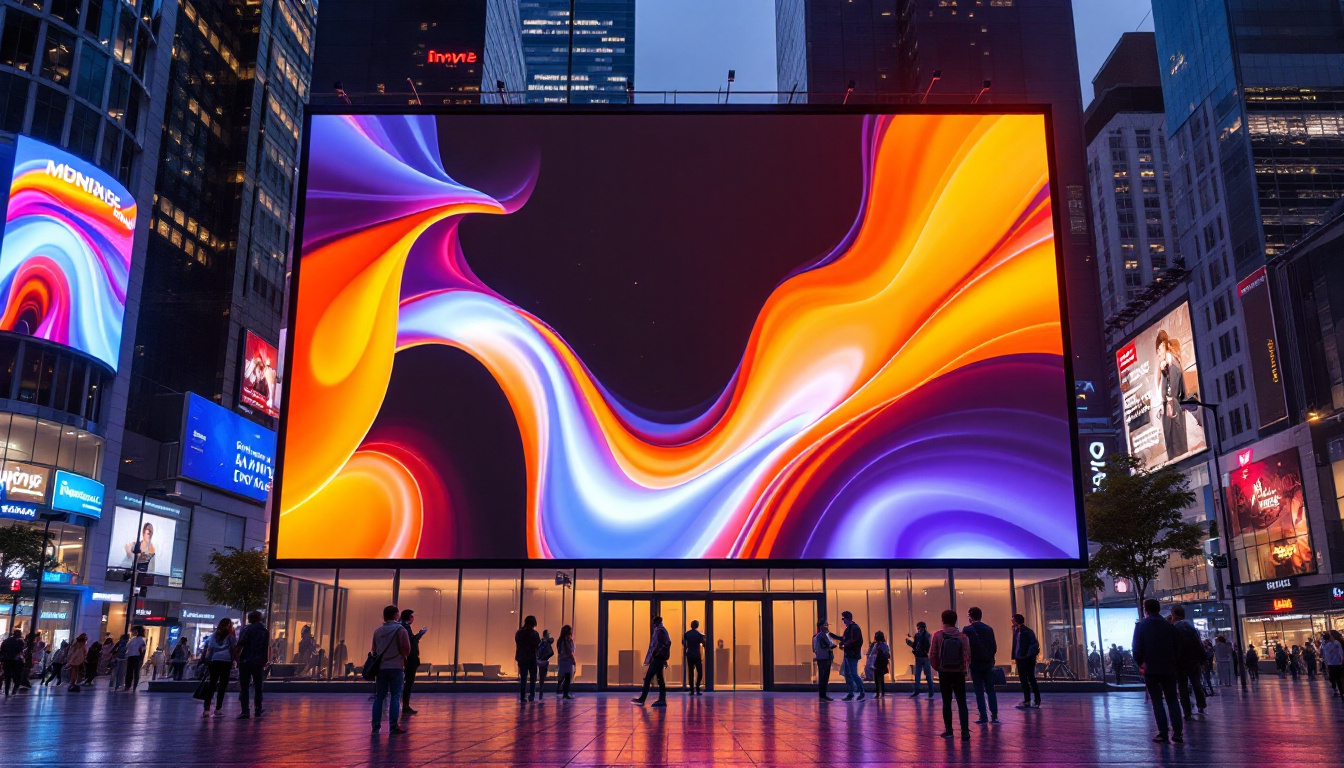
Outdoor and indoor digital signage heavily rely on direct-view LED displays due to their brightness and durability. Airports, shopping malls, sports arenas, and transportation hubs use LED screens to deliver real-time information and advertisements. The ability to display dynamic content attracts more attention and engagement compared to static billboards.
Industrial and Medical Use
In industrial environments, LED displays are used in control rooms, dashboards, and monitoring systems where clarity and reliability are crucial. Medical imaging devices also benefit from LED displays because of their precise color reproduction and brightness, which aid in diagnostics and surgical procedures.
Public Information Systems
Public transit systems, emergency alerts, and government information kiosks utilize LED visual display terminals to communicate effectively with large audiences. The robustness and visibility of LED displays ensure that critical messages are delivered promptly and clearly.
Key Considerations When Choosing LED Visual Display Terminals
Selecting the right LED display for a specific application involves evaluating several factors to ensure optimal performance and cost-effectiveness.
Resolution and Pixel Pitch
Resolution refers to the number of pixels in a display, directly affecting image sharpness. Pixel pitch, the distance between individual LEDs, determines how close the viewer can be without noticing pixelation. For close-range applications like computer monitors, a small pixel pitch (under 1 mm) is essential, whereas larger pixel pitches are acceptable for distant viewing, such as billboards.
Brightness and Viewing Angle
The required brightness depends on the ambient lighting conditions. Outdoor displays need higher brightness levels (up to 5,000 nits or more) to combat sunlight glare. Viewing angle is also critical; LED displays typically offer wide viewing angles, but some models perform better than others in this regard, affecting how well the image can be seen from different positions.
Durability and Environmental Resistance
For outdoor or industrial use, LED displays must withstand harsh weather, temperature fluctuations, and dust. IP-rated enclosures protect the electronics and ensure longevity. Additionally, vibration resistance and shockproof designs are important for displays in transportation or manufacturing settings.
Connectivity and Control Systems
Modern LED displays often integrate with networked control systems, allowing remote management, content scheduling, and diagnostics. Compatibility with various input sources (HDMI, DisplayPort, USB) and software platforms enhances flexibility and ease of use.
Emerging Trends and the Future of LED Visual Display Terminals
The LED display industry continues to innovate, driven by advancements in materials science, manufacturing processes, and user demands.
MicroLED and MiniLED Technologies
MicroLED and MiniLED represent the next generation of LED displays. MicroLEDs are tiny LEDs that serve as individual pixels, offering exceptional brightness, contrast, and energy efficiency without the burn-in issues associated with OLEDs. MiniLEDs, meanwhile, use thousands of small LEDs as backlighting units for LCD panels, improving contrast and HDR performance. Both technologies are poised to enhance display quality in consumer electronics and professional applications.
Flexible and Transparent LED Displays
Flexible LED displays are gaining traction in wearable devices, automotive dashboards, and architectural installations. Transparent LED displays enable new forms of augmented reality and interactive storefronts by allowing viewers to see digital content overlaid on real-world objects.
Integration with Artificial Intelligence and IoT
Smart LED displays integrated with AI and Internet of Things (IoT) technologies can adapt content dynamically based on audience behavior, environmental conditions, or real-time data. This capability is transforming advertising, public information systems, and interactive kiosks, making displays more engaging and efficient.
Conclusion
LED visual display terminals have become indispensable in modern technology, offering unmatched brightness, energy efficiency, and versatility. From consumer electronics to large-scale commercial signage, LED displays continue to evolve, driven by innovations like MicroLED and flexible panels. Understanding the fundamentals of LED technology and its applications enables businesses and individuals to make informed decisions when selecting display solutions, ensuring optimal performance and future-proofing investments.
As LED technology advances, it will undoubtedly play a central role in shaping the future of visual communication, making displays more immersive, interactive, and environmentally sustainable.
Discover Cutting-Edge LED Display Solutions with LumenMatrix
As you consider the future of visual communication and the role LED technology plays in it, LumenMatrix stands at the forefront, ready to bring your vision to life. With a comprehensive range of innovative LED display modules—from Indoor and Outdoor LED Wall Displays to specialized solutions like Vehicle LED Displays, LED Sports Displays, and Custom LED Displays—LumenMatrix is dedicated to enhancing your brand’s visibility and creating immersive visual experiences. Embrace the next level of engagement with our LED Transparent Displays and All-in-One LED solutions, designed to captivate your audience and deliver your message with unparalleled clarity. Check out LumenMatrix LED Display Solutions today and see how we can revolutionize your visual communication strategy.