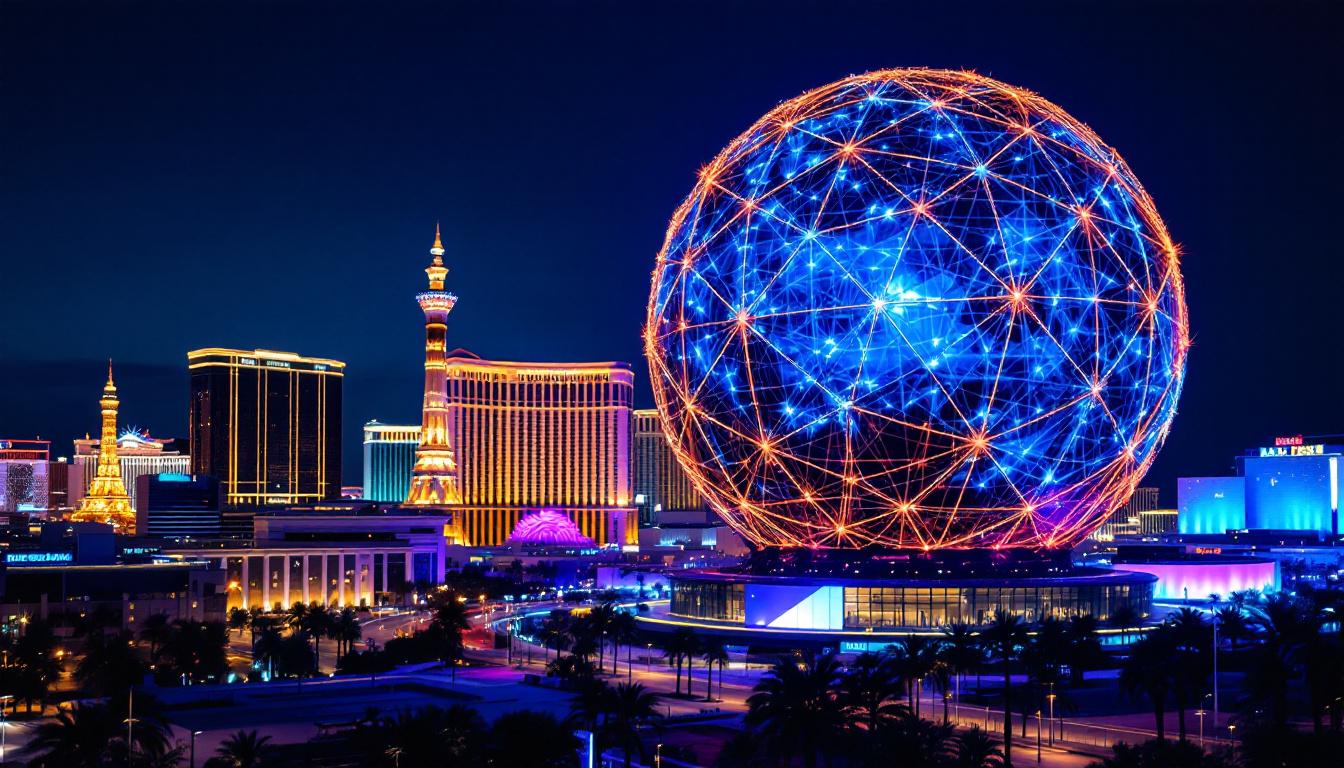
The Las Vegas Sphere has quickly become one of the most iconic and technologically advanced entertainment venues in the world. Its futuristic design and groundbreaking LED display technology have captured the imagination of visitors and industry experts alike. But when exactly was this marvel built, and what makes its LED display so special? This article delves into the timeline of the Las Vegas Sphere’s construction and offers an in-depth explanation of the LED display that sets it apart from any other venue.
The Genesis of the Las Vegas Sphere Project
The idea of creating a spherical entertainment venue in Las Vegas was first publicly announced in 2018 by the Madison Square Garden Company (MSG). The company envisioned a revolutionary venue that would redefine live entertainment with immersive visuals and audio experiences. The concept was ambitious: a massive sphere-shaped structure equipped with the world’s largest and highest-resolution LED display, both inside and out.
This vision aligned perfectly with Las Vegas’s reputation as a city that embraces innovation and spectacle. The Sphere was planned to host concerts, sporting events, corporate gatherings, and immersive multimedia experiences, making it a versatile addition to the entertainment capital of the world.
The Sphere’s design was not just about aesthetics; it was engineered to create a unique sensory experience for its audience. With a seating capacity of around 18,000, the venue would feature cutting-edge sound technology that allows for spatial audio, enabling sound to be delivered from multiple directions, enhancing the overall immersion. The exterior of the Sphere was also designed to be a canvas for artistic expression, with the ability to project stunning visual displays that could be seen from miles away, turning the structure itself into a landmark of creativity and innovation.
As the project gained momentum, it attracted attention not only for its architectural marvel but also for its potential economic impact on the Las Vegas Strip. Local businesses and tourism officials anticipated that the Sphere would draw millions of visitors annually, providing a significant boost to the local economy. The venue was also seen as a catalyst for further development in the area, inspiring additional projects that would enhance the vibrant atmosphere of Las Vegas. With its groundbreaking technology and ambitious vision, the Sphere promised to be a game-changer in the world of entertainment, setting a new standard for venues around the globe.
Construction Timeline: When Was the Las Vegas Sphere Built?
Planning and Groundbreaking
Following the announcement in 2018, the project moved into the design and planning phases. Detailed architectural and engineering work was undertaken to address the unique challenges of building a spherical structure with integrated LED technology. The groundbreaking ceremony took place in September 2019 on a 17-acre site near the Venetian Resort on the Las Vegas Strip.
Construction officially began shortly after, with a focus on foundational work and erecting the steel framework that would support the Sphere’s distinctive shape. Despite challenges posed by the COVID-19 pandemic in 2020, construction continued with safety measures in place, demonstrating the project’s resilience and commitment to its timeline.
Major Milestones in Construction
By mid-2021, the steel framework was nearing completion, and installation of the exterior LED panels began. This phase was critical, as the Sphere’s outer surface is covered with approximately 580,000 square feet of LED displays, making it the largest LED screen in the world. The interior LED display, designed to envelop the audience with high-definition visuals, was also being installed concurrently.
Throughout 2022, the focus shifted to interior finishing, acoustics, and the integration of cutting-edge audio systems. The venue’s sound design is as revolutionary as its visuals, featuring beamforming technology that allows precise audio targeting to individual seats.
Official Opening
The Las Vegas Sphere officially opened its doors in September 2023. The opening featured a series of high-profile concerts and events showcasing the venue’s unparalleled visual and audio capabilities. Since then, it has hosted a variety of performances, from globally renowned musicians to immersive theatrical productions, cementing its status as a landmark in entertainment technology.
Understanding the LED Display Technology of the Las Vegas Sphere
The LED display technology is arguably the most captivating aspect of the Las Vegas Sphere. Both the exterior and interior LED systems are engineering marvels, pushing the boundaries of what is possible in large-scale digital displays.
The Exterior LED Display: A Giant Digital Canvas
The Sphere’s exterior is wrapped in a continuous LED display that measures roughly 366 feet in diameter. This massive screen is composed of thousands of LED modules, each containing millions of individual LEDs capable of producing vibrant colors and high brightness levels visible even in direct sunlight.
This exterior display is not just for static images or advertisements. It’s designed to create dynamic, 360-degree visual experiences that can transform the Sphere’s appearance in real-time. For example, during events, the exterior can display synchronized animations, live video feeds, or thematic visuals that complement the performance inside.
Technical Specifications of the Exterior Display
- Resolution: The exterior LED display boasts a pixel pitch of approximately 6.5 millimeters, allowing for crisp and detailed images despite its enormous size.
- Brightness: The display can reach brightness levels of up to 2,000 nits, ensuring visibility under the bright Las Vegas sun.
- Durability: Designed to withstand extreme weather conditions, the LED panels are weatherproof and incorporate advanced cooling systems to maintain optimal performance.
The Interior LED Display: Immersive Visual Experiences
Inside the Sphere, the LED display is even more impressive in terms of resolution and coverage. The interior screen envelops the audience in a dome-shaped LED surface that spans approximately 160,000 square feet. This creates an immersive environment where visuals surround attendees from every angle, enhancing the sensory impact of performances.
The interior display features a pixel pitch as small as 2.5 millimeters, delivering ultra-high-definition images that are sharp even at close viewing distances. This level of detail is crucial for creating realistic and captivating visual content, whether it’s a concert, a movie screening, or an interactive experience.
Innovations in LED Technology Used
The Sphere’s LED displays incorporate several cutting-edge innovations:
- MicroLED Technology: Some sections utilize MicroLEDs, which offer higher brightness, better energy efficiency, and longer lifespan compared to traditional LEDs.
- Seamless Curvature: The LED panels are custom-designed to fit the spherical shape without visible seams, ensuring a continuous and immersive visual surface.
- Advanced Calibration: Sophisticated software continuously calibrates the display to maintain color accuracy and brightness uniformity across the entire surface.
Why the Las Vegas Sphere’s LED Display Matters
The scale and sophistication of the Sphere’s LED displays represent a significant leap forward in digital signage and immersive entertainment technology. This has several important implications for the entertainment industry and beyond.
Redefining Live Entertainment
Traditional venues rely on flat screens or projection systems that limit the scope of visual storytelling. The Sphere’s 360-degree LED displays enable artists and producers to craft experiences that fully envelop the audience, blurring the lines between the physical and digital worlds. This opens up new creative possibilities for concerts, theater, and interactive events.
Enhancing Audience Engagement
Immersive visuals combined with spatial audio technology create a multisensory environment that captivates audiences. Studies show that immersive environments increase emotional engagement and memory retention, meaning attendees are more likely to have a memorable and impactful experience.
Setting a Benchmark for Future Venues
The Sphere’s success is likely to inspire similar projects worldwide. As LED technology continues to advance and costs decrease, spherical and other non-traditional venue designs may become more common, pushing the boundaries of architectural and entertainment innovation.
Challenges and Solutions in Building the Las Vegas Sphere
Constructing the Las Vegas Sphere was not without its challenges. The unique shape, massive scale, and integration of advanced technology required innovative engineering solutions.
Structural Engineering Challenges
Building a large spherical structure capable of supporting thousands of LED panels and accommodating thousands of spectators required rethinking traditional construction methods. Engineers used a geodesic dome framework made of steel, which provided strength and flexibility while minimizing weight.
LED Panel Installation and Maintenance
Installing hundreds of thousands of LED modules on a curved surface demanded precision and specialized equipment. The project team developed custom mounting systems and robotic tools to ensure accurate placement and alignment. Additionally, the design includes easy access points for maintenance and repairs to minimize downtime.
Energy Consumption and Sustainability
Operating such a vast LED display requires significant power. To address this, the Sphere incorporates energy-efficient LED technology and advanced power management systems. Additionally, the venue uses renewable energy sources and sustainable building practices to reduce its environmental footprint.
The Future of the Las Vegas Sphere and LED Display Technology
Looking ahead, the Las Vegas Sphere is poised to remain at the forefront of entertainment innovation. Ongoing advancements in LED technology, such as higher resolution MicroLEDs and improved energy efficiency, will continue to enhance the venue’s capabilities.
Moreover, the Sphere serves as a testbed for emerging technologies like augmented reality (AR) and artificial intelligence (AI) in live events. Integrating these technologies with the LED displays could create even more immersive and personalized experiences for audiences.
As the Sphere continues to host groundbreaking events, it will influence the design and technology of future entertainment venues worldwide, setting new standards for what is possible in live performance spaces.
Conclusion
The Las Vegas Sphere, officially built between 2019 and 2023, represents a monumental achievement in architecture and LED display technology. Its massive, high-resolution exterior and interior LED screens create immersive environments that redefine live entertainment. The project overcame significant engineering and technical challenges to deliver a venue that is both visually stunning and acoustically advanced.
As a symbol of innovation and creativity, the Sphere not only enhances the entertainment landscape of Las Vegas but also sets a new benchmark for venues around the globe. Understanding the timeline of its construction and the intricacies of its LED display technology provides valuable insight into how technology is transforming the way audiences experience live events.
Illuminate Your Space with LumenMatrix
As you marvel at the technological wonders of the Las Vegas Sphere, consider how LumenMatrix can bring a similar level of innovation and engagement to your own projects. Specializing in a wide array of LED display solutions, from Indoor and Outdoor LED Walls to Custom and Transparent Displays, LumenMatrix is at the forefront of creating immersive visual experiences. Whether for entertainment, advertising, or live events, our LED technologies are designed to captivate and communicate with audiences like never before. Check out LumenMatrix LED Display Solutions and let us help you transform your space into a beacon of creativity and innovation.