In an era where technology seamlessly integrates into everyday life, LED digital clock walls have become a prominent feature in homes, offices, public spaces, and commercial environments. These clocks do more than just tell time—they combine functionality with aesthetic appeal, offering clear visibility and modern design. This article explores the technology behind LED digital clock walls, their benefits, types, and practical applications, providing a comprehensive understanding of this increasingly popular timekeeping solution.
Understanding LED Technology in Digital Clocks
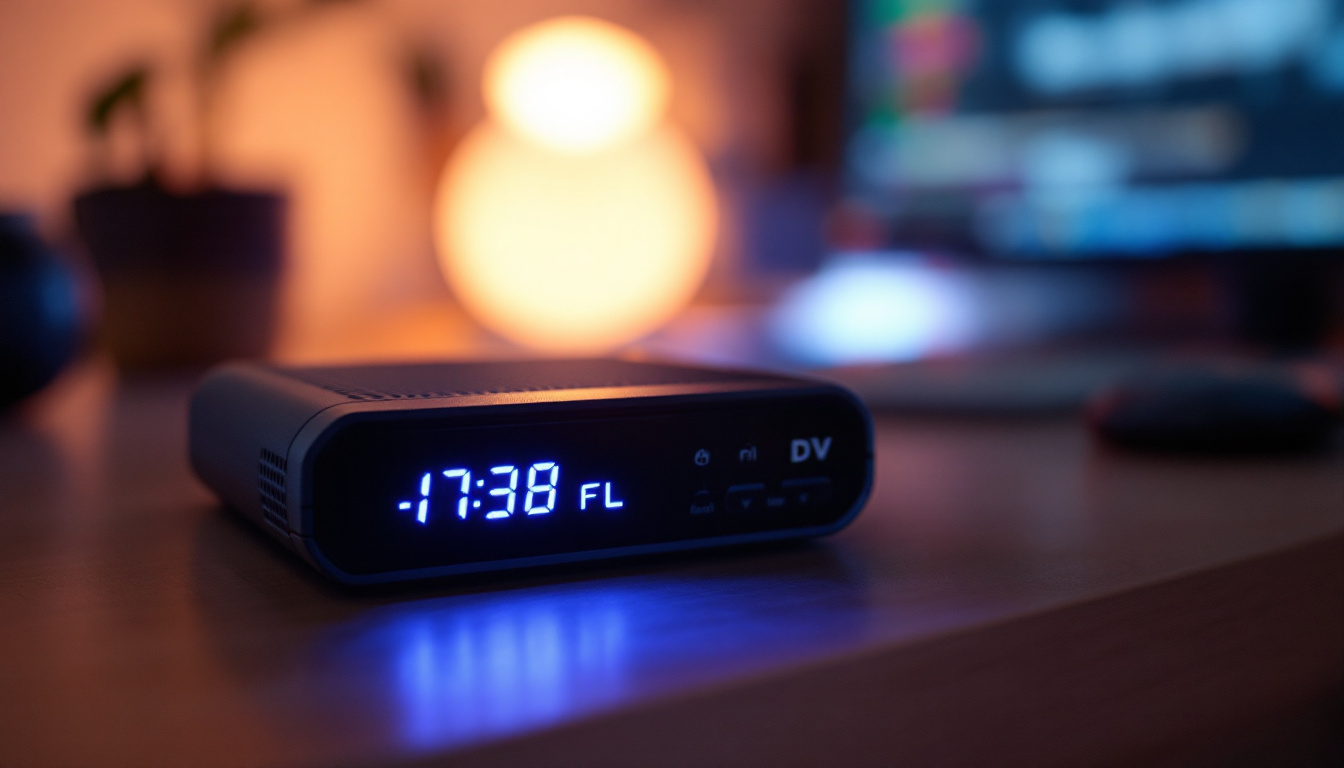
LED, or Light Emitting Diode, technology is the cornerstone of modern digital clock displays. Unlike traditional incandescent bulbs, LEDs produce light through electroluminescence, where electrons recombine with electron holes within a semiconductor material, releasing energy in the form of photons. This process results in highly efficient, bright, and long-lasting light sources. The compact size of LEDs also allows for innovative designs that can fit into various clock formats, from sleek wall-mounted versions to portable alarm clocks.
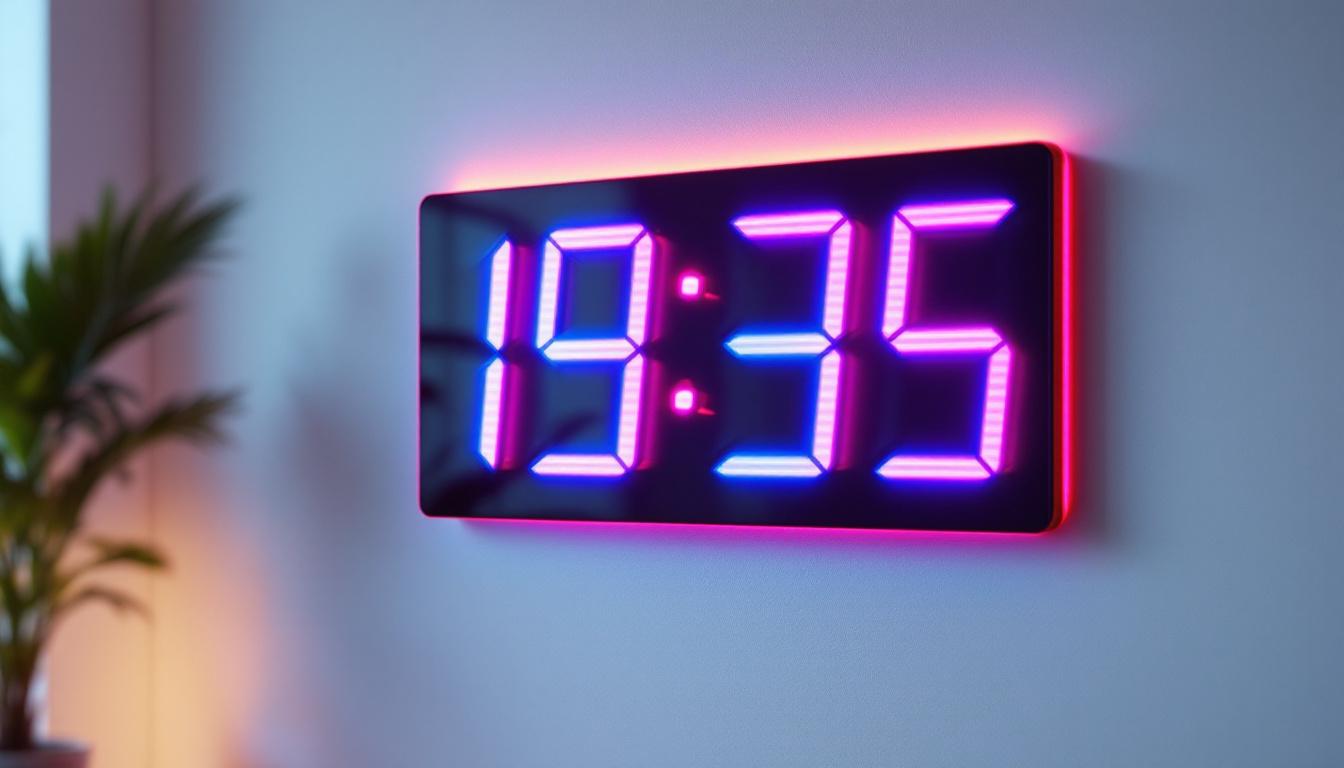
In digital clocks, LEDs are arranged in segments or dot matrices to form numbers and sometimes additional symbols. The most common format is the seven-segment display, which uses seven individual LEDs arranged in a figure-eight pattern to represent digits from 0 to 9. More complex displays may use dot matrix LEDs to show alphanumeric characters and even animations. This versatility in design not only enhances the aesthetic appeal of the clocks but also allows for customizable features, such as changing colors or brightness levels, catering to individual preferences.
Advantages of LED Displays Over Other Technologies
LED displays offer several advantages compared to older display technologies such as LCD (Liquid Crystal Display) or incandescent bulbs. First and foremost is visibility. LEDs emit bright, crisp light that is easily readable from a distance and under various lighting conditions, including direct sunlight. This makes them ideal for wall clocks in large rooms or outdoor settings. Additionally, the ability to adjust the brightness of LED displays means that they can be optimized for use in dimly lit environments or bright daylight, ensuring that the time is always easy to read.
Another key advantage is energy efficiency. LEDs consume significantly less power than incandescent bulbs, which translates to lower electricity bills and reduced environmental impact. Additionally, LEDs have a longer lifespan—often exceeding 50,000 hours—meaning less frequent replacements and maintenance. This longevity is particularly beneficial in applications where changing bulbs can be cumbersome, such as in high ceilings or hard-to-reach areas. Moreover, the reduced energy consumption of LEDs contributes to a smaller carbon footprint, making them a more sustainable choice for consumers and businesses alike.
Durability is also a factor. LEDs are solid-state devices with no filaments or fragile components, making them resistant to shock and vibration. This robustness is especially valuable in public or industrial environments where clocks may be exposed to rough handling or harsh conditions. Furthermore, many LED clocks are designed with protective casings that enhance their resilience against dust and moisture, making them suitable for outdoor use or in environments like kitchens and workshops where spills and splashes are common. This combination of durability and versatility ensures that LED clocks can serve reliably in a wide range of settings, from homes to offices to factories.
Types of LED Digital Clock Walls
LED digital clock walls come in various configurations, each suited to different needs and environments. Understanding these types helps in selecting the right clock for specific applications.
Seven-Segment LED Clocks
Seven-segment LED clocks are the most traditional and widely used type. Each digit is formed by lighting specific segments out of seven possible, allowing clear representation of numbers 0 through 9. These clocks typically display hours and minutes, and sometimes seconds, in a straightforward digital format.
They are common in offices, schools, gyms, and public transport stations due to their simplicity and high visibility. Their design is minimalist, focusing on function over form, which suits professional and utilitarian spaces.
Dot Matrix LED Clocks
Dot matrix LED clocks use a grid of small LEDs to form digits, letters, and symbols. This allows for more versatile displays, including the ability to show the date, temperature, or scrolling messages alongside the time. These clocks are often programmable and can be customized for branding or informational purposes.
They are popular in airports, train stations, and commercial buildings where additional information is beneficial. The flexibility of dot matrix displays makes them a preferred choice for dynamic environments requiring real-time updates.
Large-Format LED Clock Walls
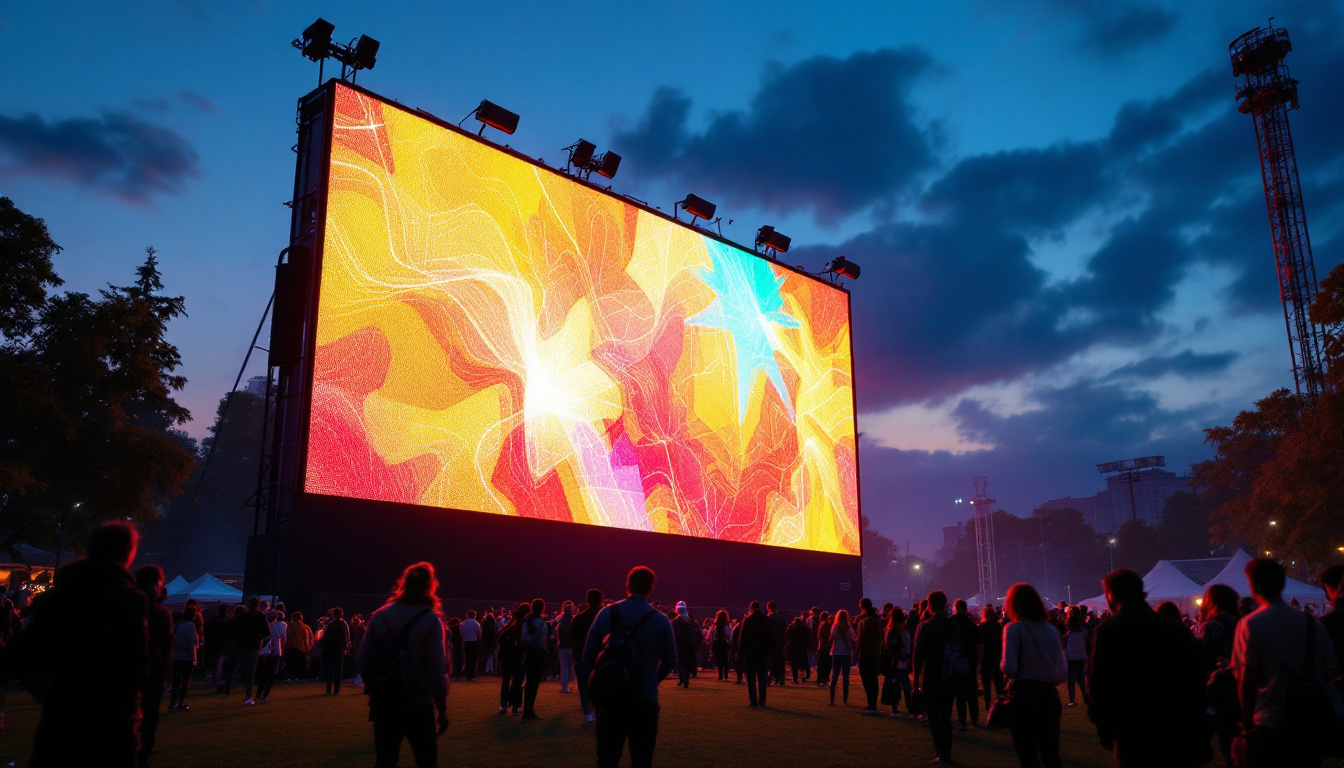
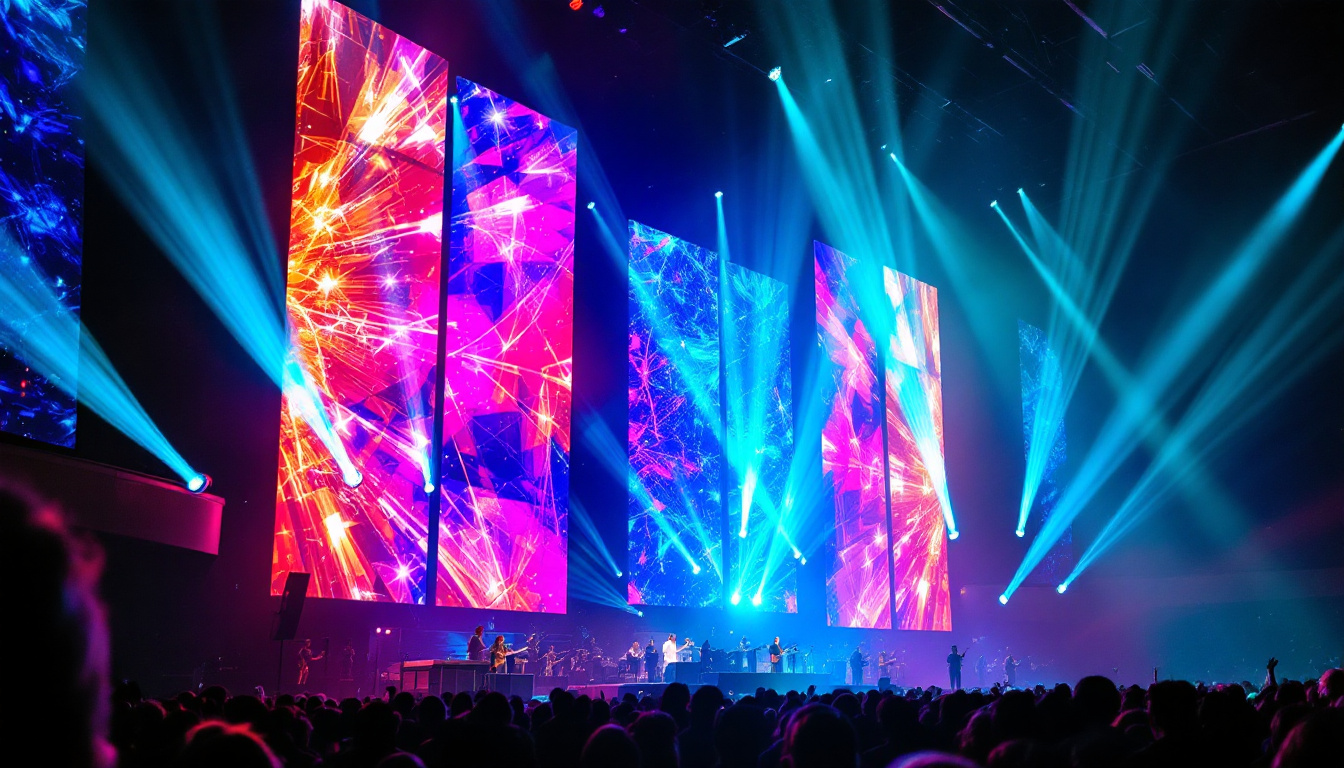
For venues such as sports arenas, factories, or outdoor public spaces, large-format LED clock walls provide time display visible from hundreds of feet away. These clocks use high-intensity LEDs with larger segments or dots, often integrated into multi-functional display boards that can also show scores, announcements, or advertisements.
Such installations require careful consideration of brightness, viewing angles, and weatherproofing to ensure reliability and clarity in all conditions.
Key Features and Specifications
When evaluating or purchasing an LED digital clock wall, several technical specifications and features should be considered to ensure optimal performance and usability.
Brightness and Visibility
Brightness is measured in candelas per square meter (cd/m²) or nits. For indoor clocks, a brightness level of 200 to 500 nits is usually sufficient, providing clear visibility without causing glare. Outdoor clocks require much higher brightness, often exceeding 1,000 nits, to remain legible in direct sunlight.
Adjustable brightness settings or automatic light sensors can enhance user comfort by dimming the display during nighttime or low-light conditions, reducing eye strain and conserving energy.
Size and Viewing Distance
The size of the digits directly impacts the viewing distance. As a general rule, one inch of digit height corresponds to approximately 10 feet of readable distance. For example, a clock with 4-inch tall digits is clearly visible up to 40 feet away. Large public clocks may feature digits 12 inches or taller to accommodate viewing distances of 100 feet or more.
Proper sizing ensures that the clock serves its intended audience effectively, whether in a small conference room or a sprawling airport terminal.
Power Consumption and Efficiency
While LEDs are inherently energy-efficient, power consumption varies based on size, brightness, and additional features like Wi-Fi connectivity or sensors. Modern LED clocks often incorporate energy-saving technologies such as low-power standby modes and efficient drivers to minimize electricity use.
For large installations, energy efficiency translates into significant cost savings over time, making it a critical consideration for businesses and public institutions.
Connectivity and Synchronization
Many LED digital clock walls now include options for network connectivity, allowing synchronization with internet time servers or centralized building management systems. This ensures accurate timekeeping across multiple clocks in a facility and reduces manual adjustments.
Protocols such as NTP (Network Time Protocol) and GPS-based synchronization are common, providing precision to the second. Some clocks also offer wireless control via smartphone apps or remote management platforms, enhancing convenience.
Applications and Practical Benefits
LED digital clock walls are versatile tools that enhance time awareness and operational efficiency across a wide range of settings.
Corporate and Educational Environments
In offices and schools, LED clock walls help maintain punctuality and schedule adherence. Their clear, easy-to-read displays reduce distractions and improve time management during meetings, classes, and exams. Additionally, their modern appearance complements contemporary interior design, contributing to a professional atmosphere.
Healthcare Facilities
Hospitals and clinics benefit from LED digital clocks by ensuring precise timing for medication schedules, shift changes, and emergency responses. High visibility and synchronization with official time sources help maintain operational accuracy and patient safety.
Transportation Hubs
Airports, train stations, and bus terminals rely heavily on LED clock walls to provide travelers with accurate and easily visible time information. Integrated displays can also show delays, gate changes, and other critical announcements, improving passenger experience and operational flow.
Industrial and Manufacturing Settings
In factories and warehouses, LED clocks support shift coordination, break scheduling, and production timing. Their ruggedness and bright displays withstand harsh environments, ensuring continuous operation and visibility even in noisy or dimly lit areas.
Public Spaces and Outdoor Installations
LED clock walls in public parks, sports arenas, and city centers serve as landmarks and community timekeepers. Their large size and brightness make them accessible to all, while programmable features allow for event countdowns, advertising, or public messaging.
Maintenance and Longevity Considerations
Proper maintenance ensures that LED digital clock walls continue to perform reliably over time, protecting the investment and minimizing downtime.
Cleaning and Environmental Protection
Regular cleaning of the LED surface prevents dust and grime buildup, which can reduce brightness and clarity. For outdoor clocks, weatherproof enclosures protect against moisture, UV radiation, and temperature extremes. IP (Ingress Protection) ratings indicate the level of protection, with IP65 or higher recommended for outdoor use.
Component Replacement and Repairs
While LEDs have long lifespans, individual segments or modules may occasionally fail. Modular designs facilitate quick replacement without dismantling the entire clock. Additionally, power supplies and control electronics should be periodically inspected and serviced to avoid unexpected failures.
Software Updates and Calibration
For clocks with programmable features and network connectivity, keeping software and firmware up to date ensures security, compatibility, and access to new functionalities. Periodic calibration against official time sources maintains accuracy, especially in environments where precise timing is critical.
Future Trends in LED Digital Clock Walls
As technology advances, LED digital clock walls continue to evolve, integrating new features and capabilities that enhance their utility and appeal.
Integration with Smart Building Systems
Future LED clocks will increasingly connect with smart building infrastructure, enabling dynamic adjustments based on occupancy, lighting conditions, and energy management protocols. This integration supports sustainability goals and improves user experience.
Enhanced Display Technologies
Developments in micro-LED and OLED technologies promise even brighter, more energy-efficient, and flexible displays. These advancements may allow for curved or transparent clock walls, opening new design possibilities.
Interactive and Personalized Features
Interactive LED clocks could respond to user presence or preferences, displaying personalized messages or adapting formats for different audiences. Voice control and AI-driven scheduling integration are potential future enhancements.
Conclusion
LED digital clock walls represent a sophisticated blend of technology, design, and practicality. Their bright, energy-efficient displays provide clear timekeeping across diverse environments, from corporate offices to bustling transportation hubs. Understanding the underlying LED technology, types of displays, key features, and maintenance needs empowers users to select and maintain the ideal clock for their specific applications.
As innovation continues, LED clock walls will become even more integrated into smart environments, offering enhanced functionality and user engagement. Whether for precision timing, aesthetic enhancement, or public information, LED digital clock walls remain an essential component of modern timekeeping solutions.
Discover LumenMatrix’s Advanced LED Display Solutions
Ready to elevate your space with the latest in LED display technology? Look no further than LumenMatrix, where innovation meets visual excellence. Our comprehensive range of LED display solutions, from Indoor and Outdoor LED Walls to Custom and All-in-One LED Displays, is designed to transform any environment into a dynamic visual experience. Whether you’re looking to enhance brand visibility, engage audiences in sports arenas, or create interactive public spaces, LumenMatrix has the cutting-edge technology to make it happen. Check out LumenMatrix LED Display Solutions today and step into the future of digital signage.