In today’s fast-paced world, outdoor spaces have become extensions of our living and working environments. Whether it’s a backyard patio, a rooftop lounge, or a commercial outdoor area, privacy is often a critical concern. Traditional privacy screens have served well, but advancements in technology have introduced innovative solutions like LED display privacy screens. This article delves into the concept of outdoor privacy screening using LED displays, exploring how they function, their benefits, and considerations for implementation.
Understanding Outdoor Privacy Screening
Outdoor privacy screening refers to the methods and materials used to shield outdoor areas from unwanted views, providing a sense of seclusion and security. Commonly, these screens are physical barriers such as fences, hedges, or fabric panels. However, with the rise of digital technology, LED displays have emerged as a versatile alternative that not only offers privacy but also enhances aesthetics and functionality.
Traditional vs. Digital Privacy Solutions
Traditional privacy screens often rely on static materials that block sightlines but can be limited in design flexibility and may require significant maintenance. For example, wooden fences may need regular painting or treatment, and natural hedges take time to grow and require upkeep. Additionally, these traditional methods can sometimes create a stark or uninviting environment, especially if the materials do not blend well with the surrounding landscape.
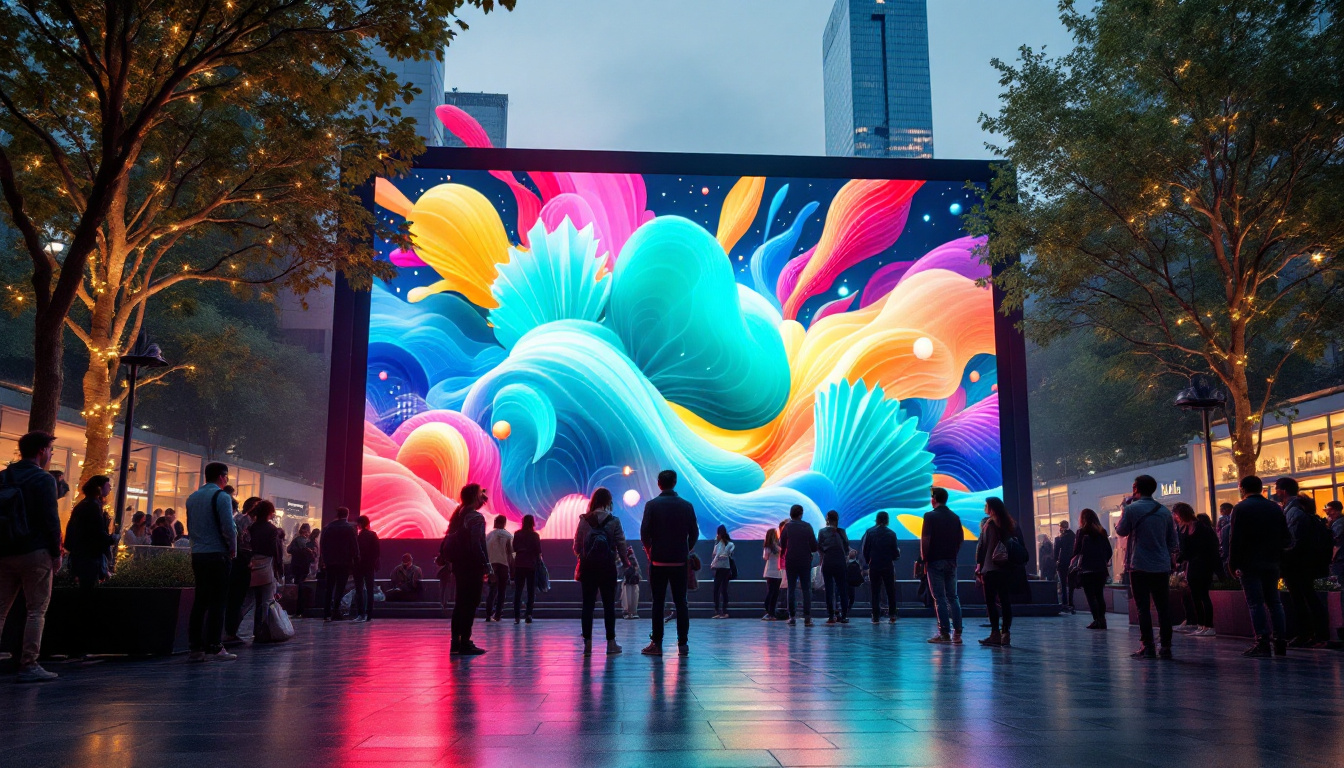
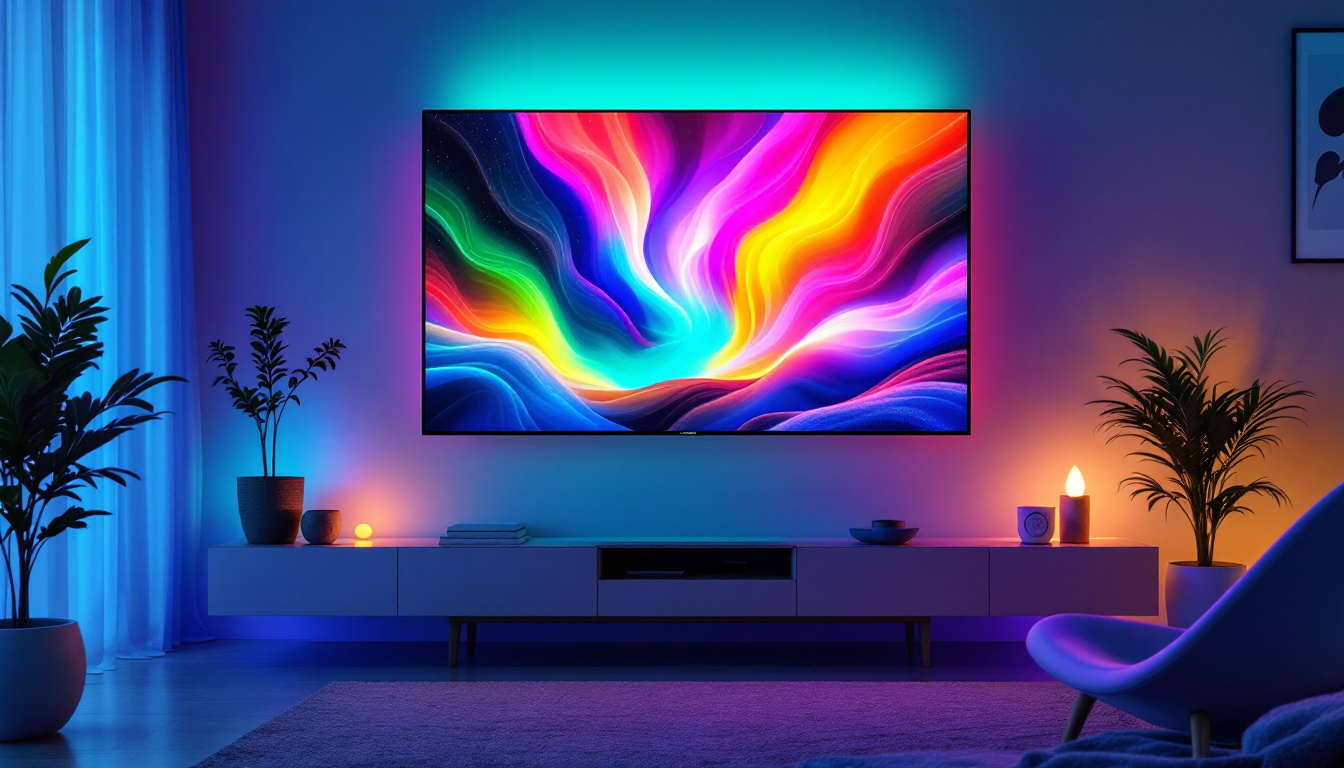
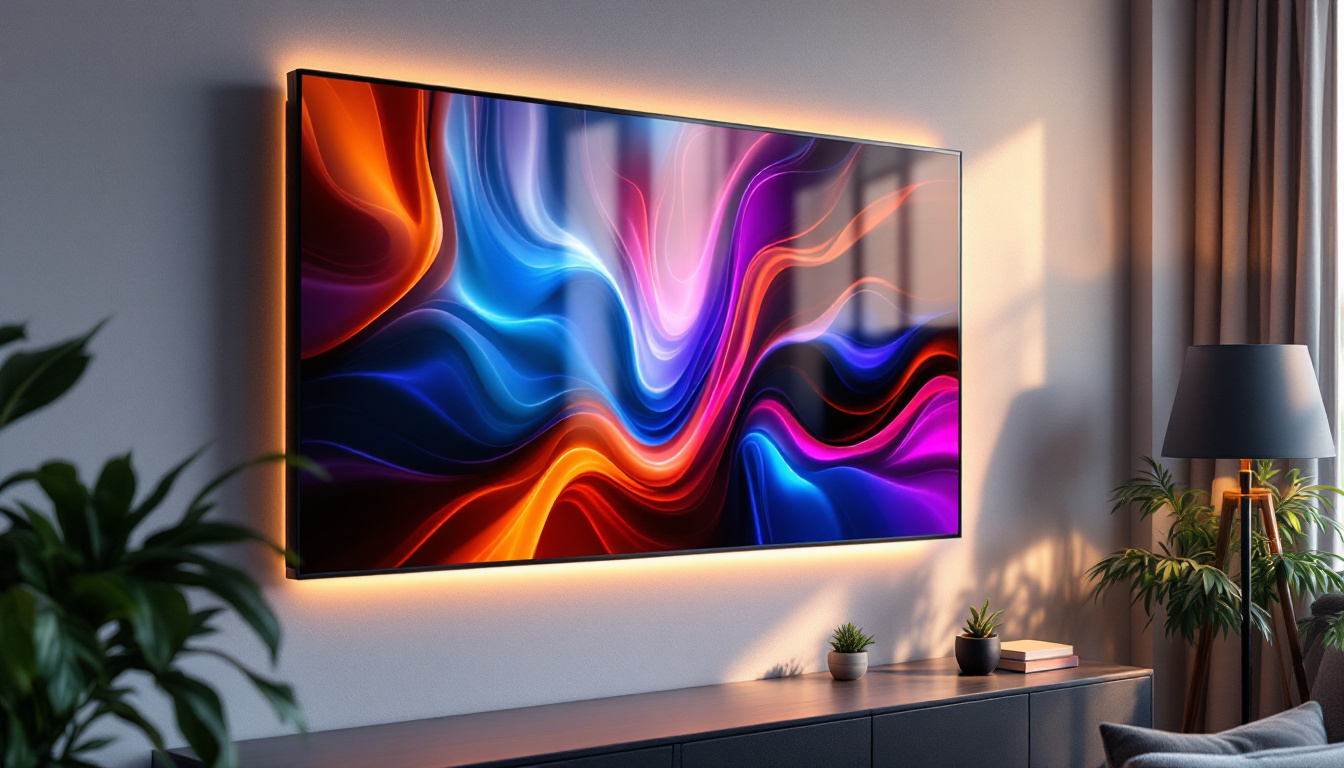
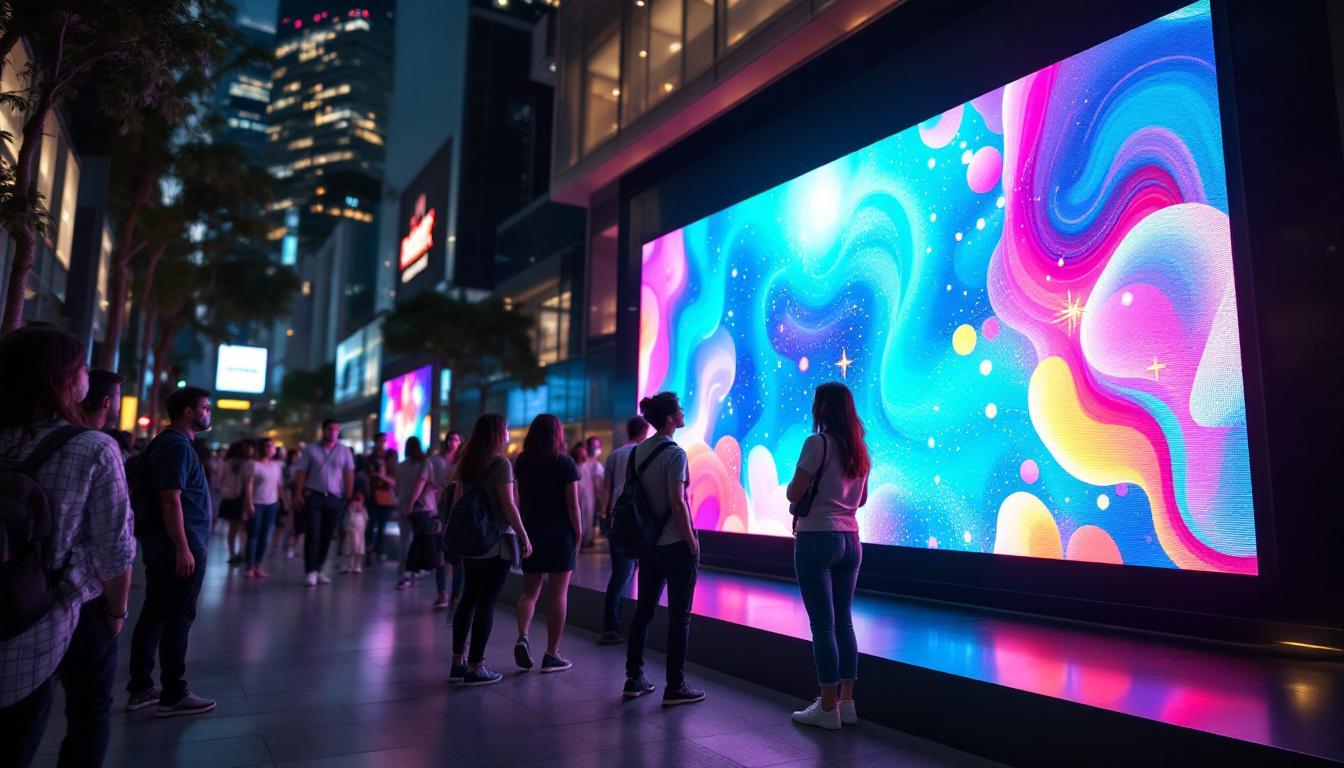
In contrast, LED display privacy screens use light-emitting diodes arranged in a matrix to create dynamic visual barriers. These screens can display opaque or translucent images, patterns, or videos that obscure the view while adding a modern and customizable element to outdoor spaces. The ability to change the displayed content allows homeowners to adapt their privacy solutions to different occasions, whether it’s a serene nature scene for a quiet evening or vibrant colors for a lively gathering. Furthermore, many LED screens come with smart technology integration, enabling users to control their displays remotely via smartphones or tablets, providing a level of convenience that traditional screens simply cannot match.
Moreover, the environmental impact of outdoor privacy solutions is becoming an increasingly important consideration. Traditional materials often require resources that may not be sustainable, while LED screens can be designed with energy efficiency in mind. Many modern LED displays utilize low-energy technology and can even be powered by solar panels, making them an eco-friendly choice that aligns with contemporary sustainability goals. This shift not only enhances the functionality of outdoor spaces but also reflects a growing awareness of environmental responsibility among homeowners and designers alike.
How LED Display Privacy Screens Work
At the core of LED privacy screens is the technology that controls the light emitted to create visual content. These displays are composed of numerous tiny LEDs that can be individually controlled to produce a wide range of colors and brightness levels. This precise control allows for not just static images, but also intricate animations that can enhance the aesthetic appeal of a space while maintaining privacy.
Technical Components
LED privacy screens typically consist of a weather-resistant panel embedded with LEDs, a control system, and a power supply. The panels are designed to withstand outdoor conditions such as rain, wind, and UV exposure. The control system allows users to program the content displayed, which can range from solid colors and patterns to dynamic animations. Additionally, many modern LED screens incorporate energy-efficient technologies, ensuring that they consume less power while delivering high-quality visuals. This efficiency not only reduces operational costs but also aligns with sustainable practices, making them an eco-friendly choice for privacy solutions.
One key feature is the ability to adjust transparency. By modulating the brightness and arrangement of LEDs, the screen can allow some light to pass through, maintaining a connection with the outside environment while still providing privacy. This capability is particularly beneficial in urban settings, where residents may want to enjoy natural light without compromising their personal space. Moreover, advancements in LED technology have led to screens that can transition from opaque to transparent almost instantaneously, providing users with flexibility in how they utilize their privacy screens throughout the day.
Installation and Integration
Installation of LED privacy screens involves mounting the panels on existing structures like fences, walls, or frames. Integration with smart home or building management systems is increasingly common, enabling remote control and automation based on time of day or occupancy. This means that users can program their screens to automatically adjust settings at sunrise or sunset, or even respond to environmental changes, such as increasing opacity during peak sunlight hours for enhanced privacy. Furthermore, some systems allow for integration with security cameras and alarms, providing an added layer of protection by obscuring views into private areas when necessary.
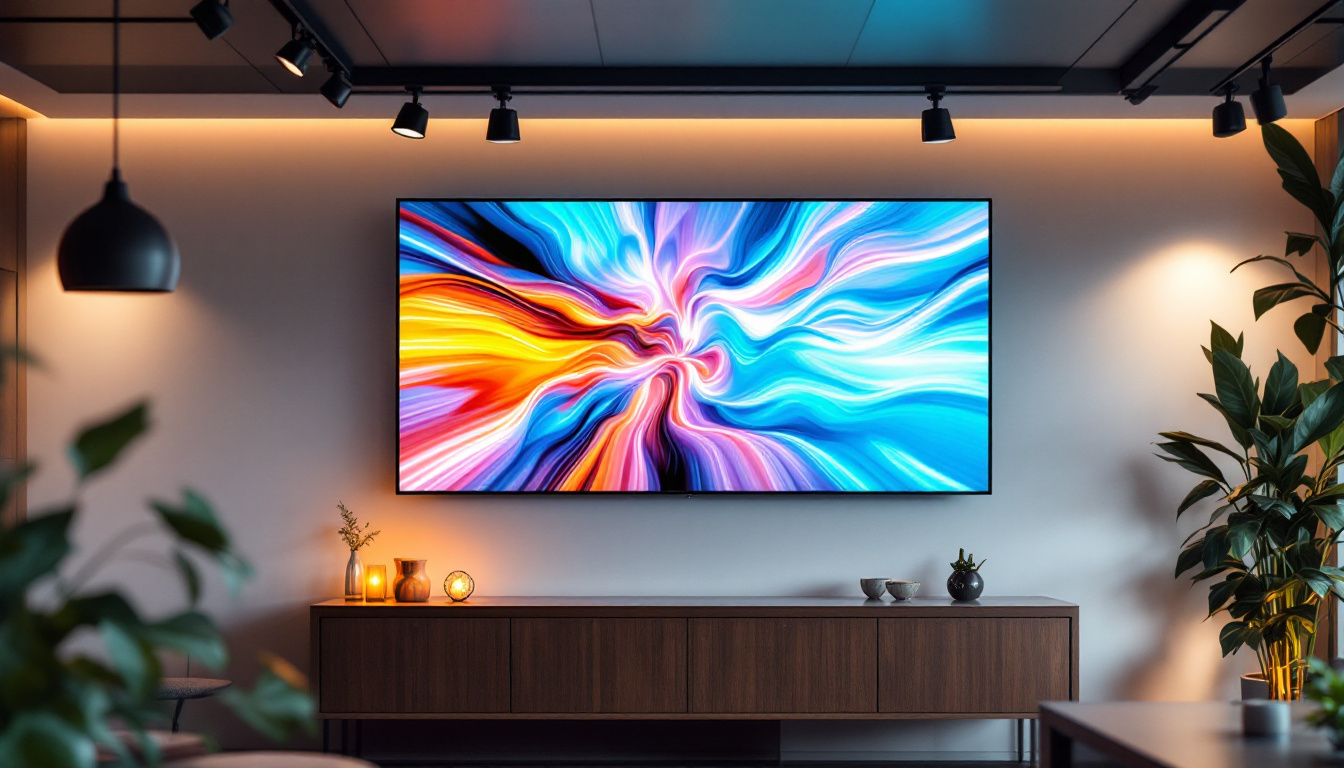
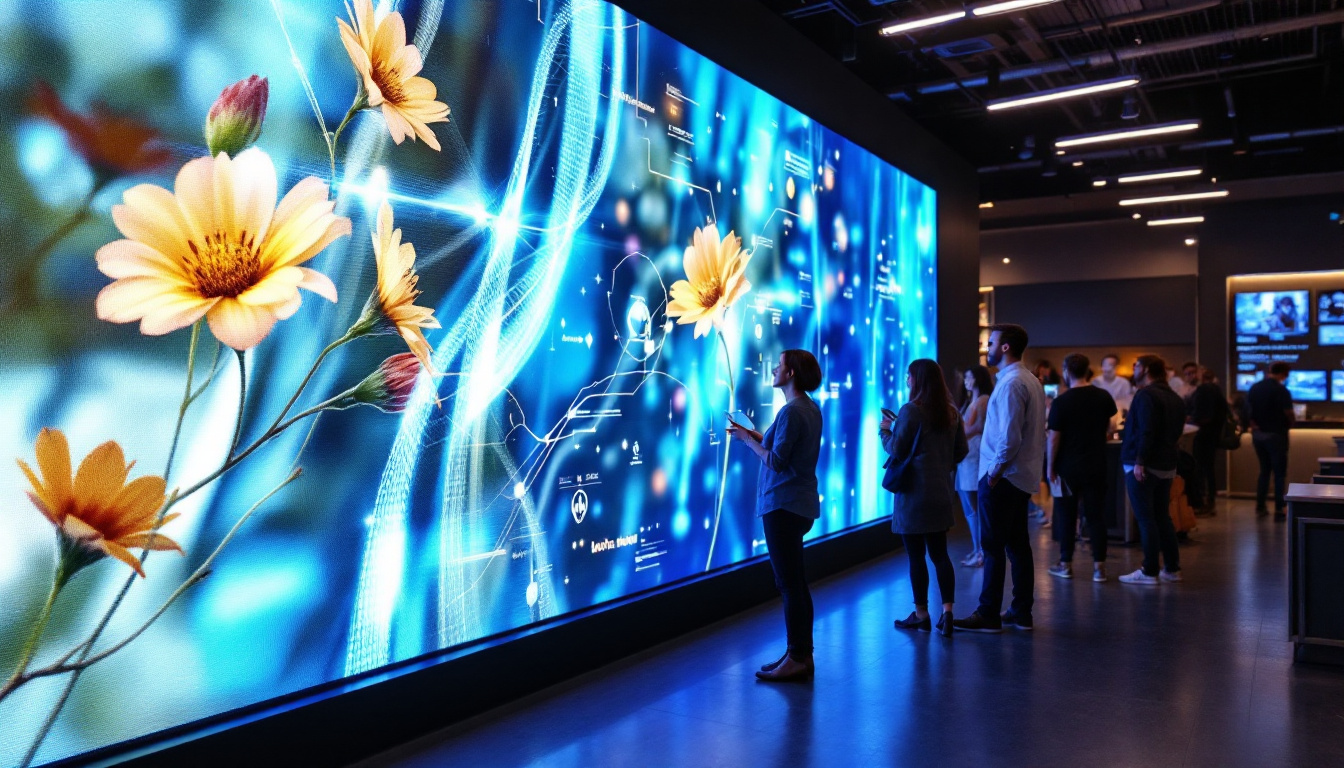
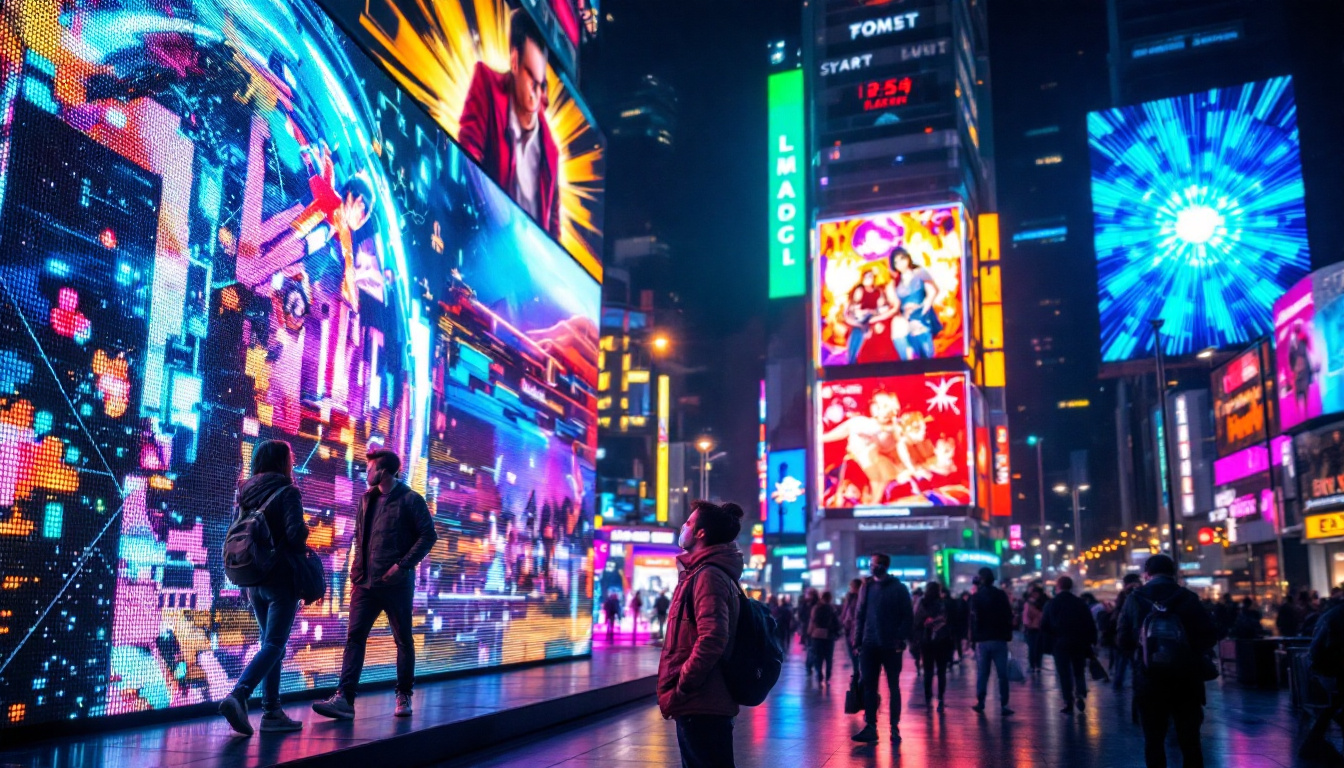
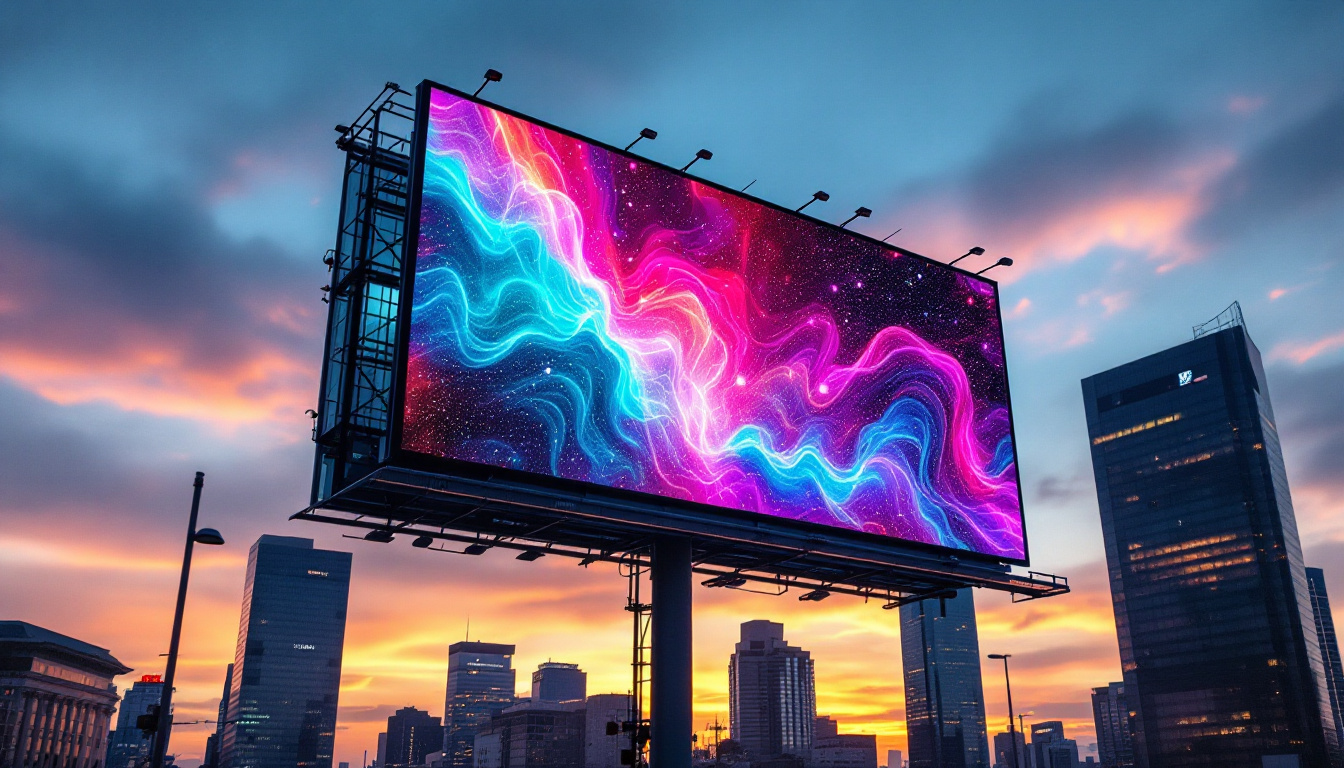
In addition to their practical applications, LED privacy screens can serve as a canvas for artistic expression. Businesses and homeowners alike are utilizing these screens to display custom graphics, advertisements, or even digital art that can change with the seasons or special events. This versatility not only enhances the aesthetic of a property but can also serve as a marketing tool, attracting attention and engaging passersby. As technology continues to evolve, the potential for creative applications of LED privacy screens will only expand, making them a dynamic addition to both residential and commercial spaces.
Benefits of LED Display Privacy Screens
LED display privacy screens offer several advantages over traditional methods, making them an appealing choice for both residential and commercial applications.
Customizable Privacy Levels
Unlike static screens, LED displays can be programmed to adjust the level of opacity and the type of content shown. This means users can switch between full privacy, partial visibility, or decorative displays depending on their needs and preferences.
Enhanced Aesthetics
LED screens can transform outdoor spaces by displaying vibrant colors, patterns, or even branding elements. This capability allows for personalization and can enhance the ambiance of patios, gardens, or commercial venues such as restaurants and event spaces.
Energy Efficiency and Durability
Modern LED technology is energy-efficient, consuming significantly less power than traditional lighting solutions. Additionally, LED panels designed for outdoor use are built to last, with many products rated for tens of thousands of hours of operation and resistant to weather-related damage.
Multi-Functional Use
Beyond privacy, LED screens can serve multiple purposes. For example, they can display important information, advertisements, or event schedules in commercial settings. In residential environments, they can be used for mood lighting or seasonal decorations.
Considerations When Choosing LED Privacy Screens
While LED display privacy screens offer many benefits, several factors should be carefully considered to ensure the solution meets specific needs.
Cost and Budget
LED privacy screens tend to have a higher upfront cost compared to traditional screening methods. Prices vary based on size, resolution, and features. However, the long-term benefits such as low maintenance and energy savings can offset initial expenses.
Brightness and Visibility
It is essential to select screens with appropriate brightness levels for the intended environment. Too bright, and the screen may cause glare or light pollution; too dim, and it may not provide adequate privacy or visibility of the displayed content.
Content Management
Managing the content displayed on LED screens requires user-friendly software or apps. Some systems offer cloud-based management, enabling users to update content remotely. Ensuring compatibility with existing smart systems can enhance ease of use.
Environmental Impact
Consideration of environmental factors such as local regulations on light emissions and energy consumption is important. Opting for LED screens with eco-friendly certifications and energy-saving modes can help minimize environmental impact.
Applications of LED Display Privacy Screens
LED privacy screens are versatile and can be adapted to various settings, each with unique requirements and benefits.
Residential Outdoor Spaces
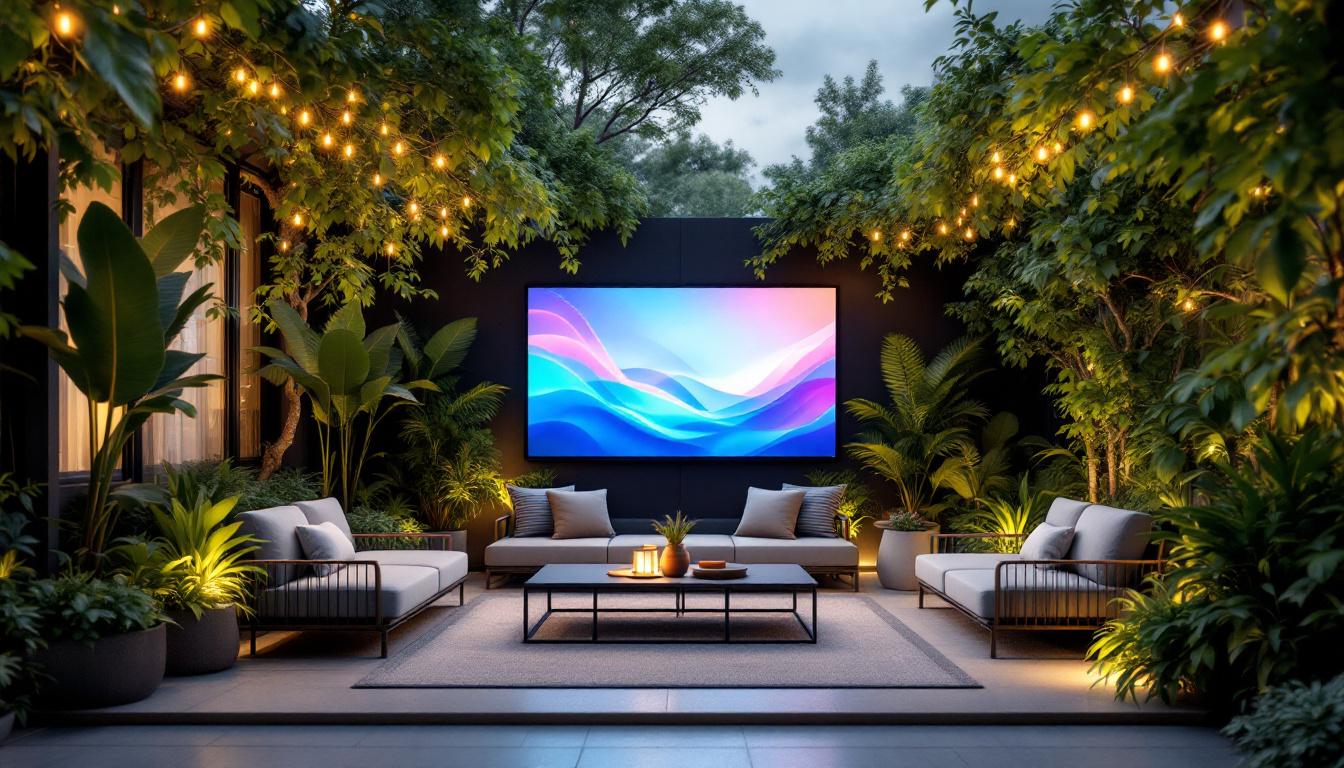
Homeowners use LED screens to create private retreats on patios, balconies, and gardens. The ability to customize visuals allows for seasonal themes or personal expression, enhancing the enjoyment of outdoor living areas.
Hospitality and Commercial Venues
Restaurants, bars, and hotels utilize LED privacy screens to separate dining areas, block unsightly views, or create branded environments. These screens can also display menus, promotions, or event information, adding value beyond privacy.
Public and Event Spaces
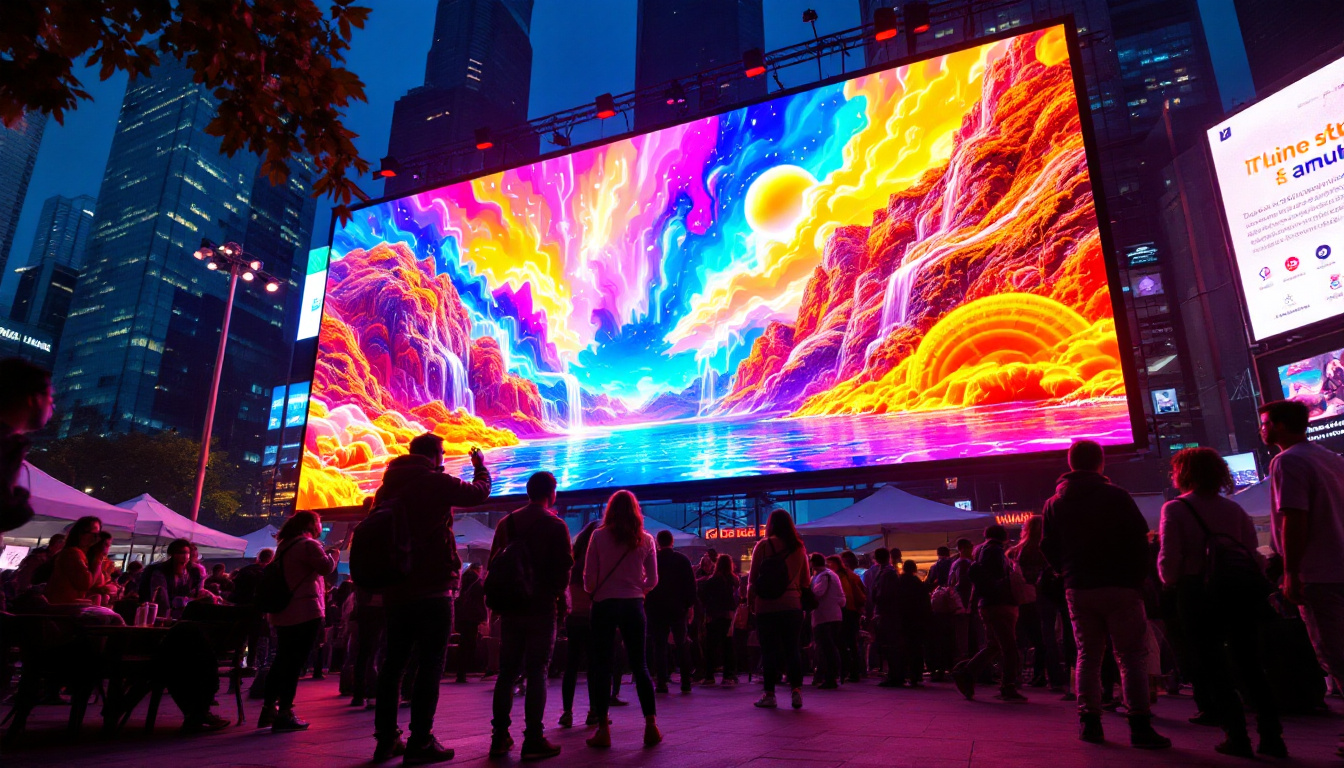
In parks, sports arenas, and event venues, LED privacy screens can control crowd sightlines, enhance security, and provide dynamic signage. Their durability and adaptability make them suitable for temporary or permanent installations.
Future Trends in Outdoor Privacy Screening
The integration of LED technology with other innovations is shaping the future of outdoor privacy solutions.
Smart and Interactive Screens
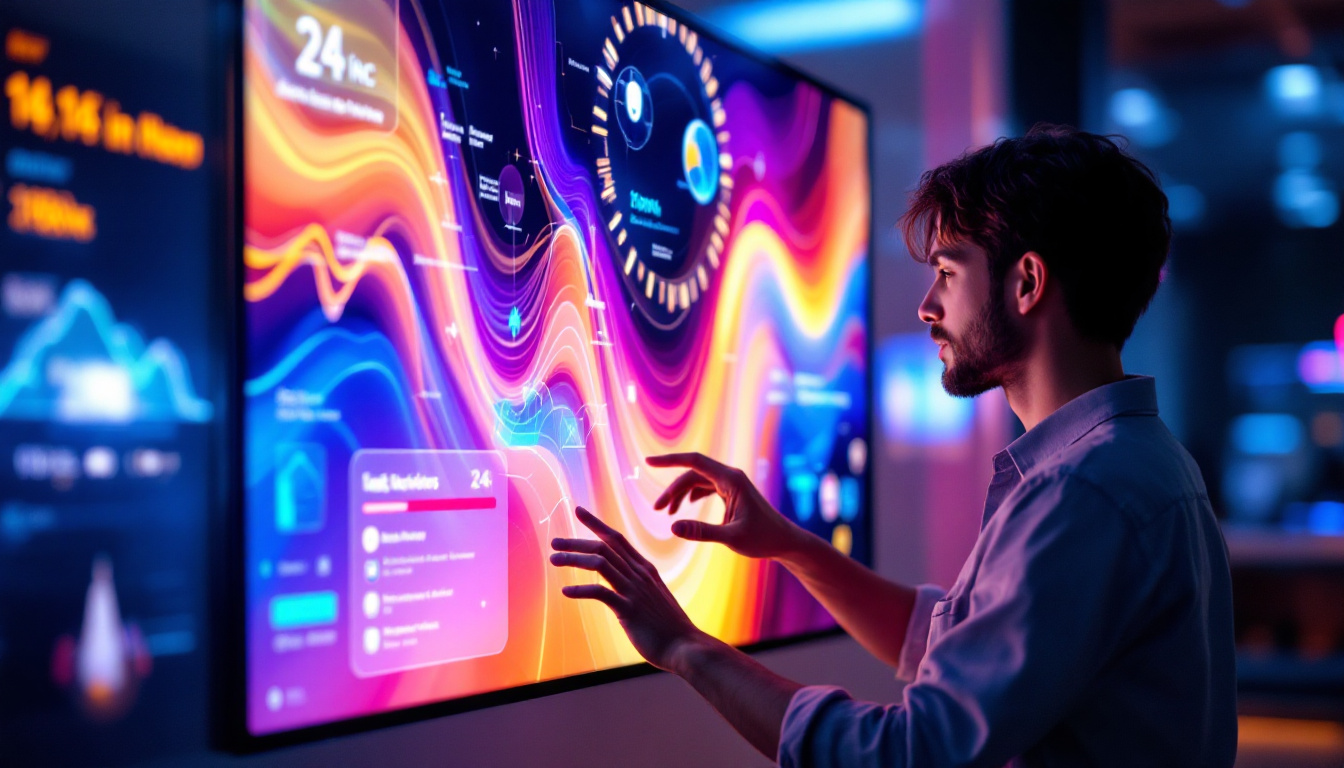
Advancements in sensor technology and artificial intelligence are enabling LED screens to become interactive. For example, screens that adjust opacity based on proximity or display personalized content based on user interaction are emerging.
Solar-Powered LED Screens
To further reduce environmental impact, solar-powered LED screens are gaining traction. These systems harness renewable energy to operate independently of the grid, making them ideal for remote or off-grid locations.
Integration with Urban Design
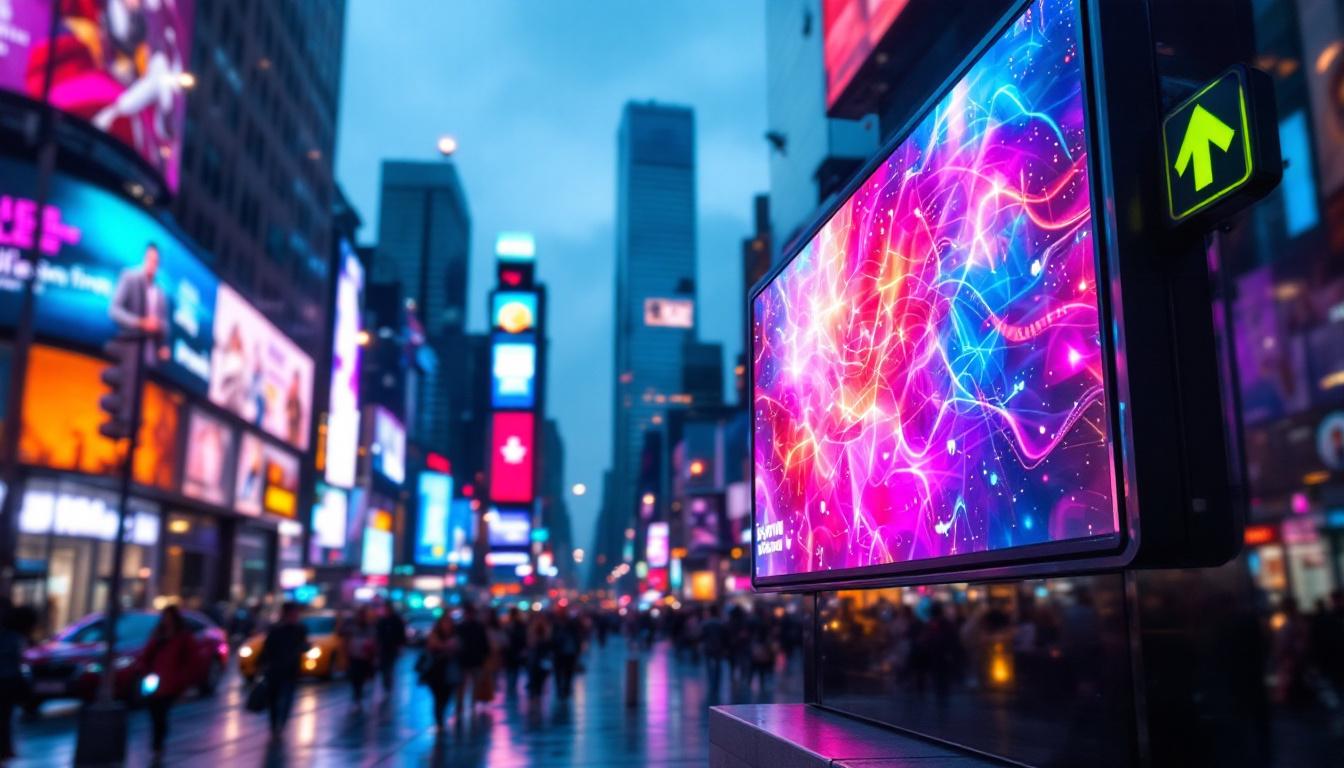
As cities become smarter, LED privacy screens are being incorporated into urban infrastructure. They serve dual roles as privacy barriers and as elements of public art or information dissemination, contributing to more engaging and functional public spaces.
Conclusion
Outdoor privacy screening has evolved significantly with the advent of LED display technology. These screens offer a dynamic, customizable, and multi-functional approach to creating private outdoor environments. While they require careful consideration regarding cost, brightness, and content management, their benefits in aesthetics, energy efficiency, and versatility are compelling.
As technology continues to advance, LED privacy screens are poised to become a standard feature in both residential and commercial outdoor design, offering innovative ways to balance privacy, security, and visual appeal.
Discover the Future of Outdoor Privacy with LumenMatrix
Embrace the innovative world of LED display technology with LumenMatrix, where cutting-edge solutions meet creative design. Transform your outdoor spaces into private havens of tranquility or vibrant hubs of activity with our versatile range of LED display modules. From Outdoor LED Wall Displays that redefine privacy to Custom LED Displays tailored to your unique needs, LumenMatrix is committed to revolutionizing your visual experience. Check out LumenMatrix LED Display Solutions today and step into the future of dynamic and engaging outdoor environments.