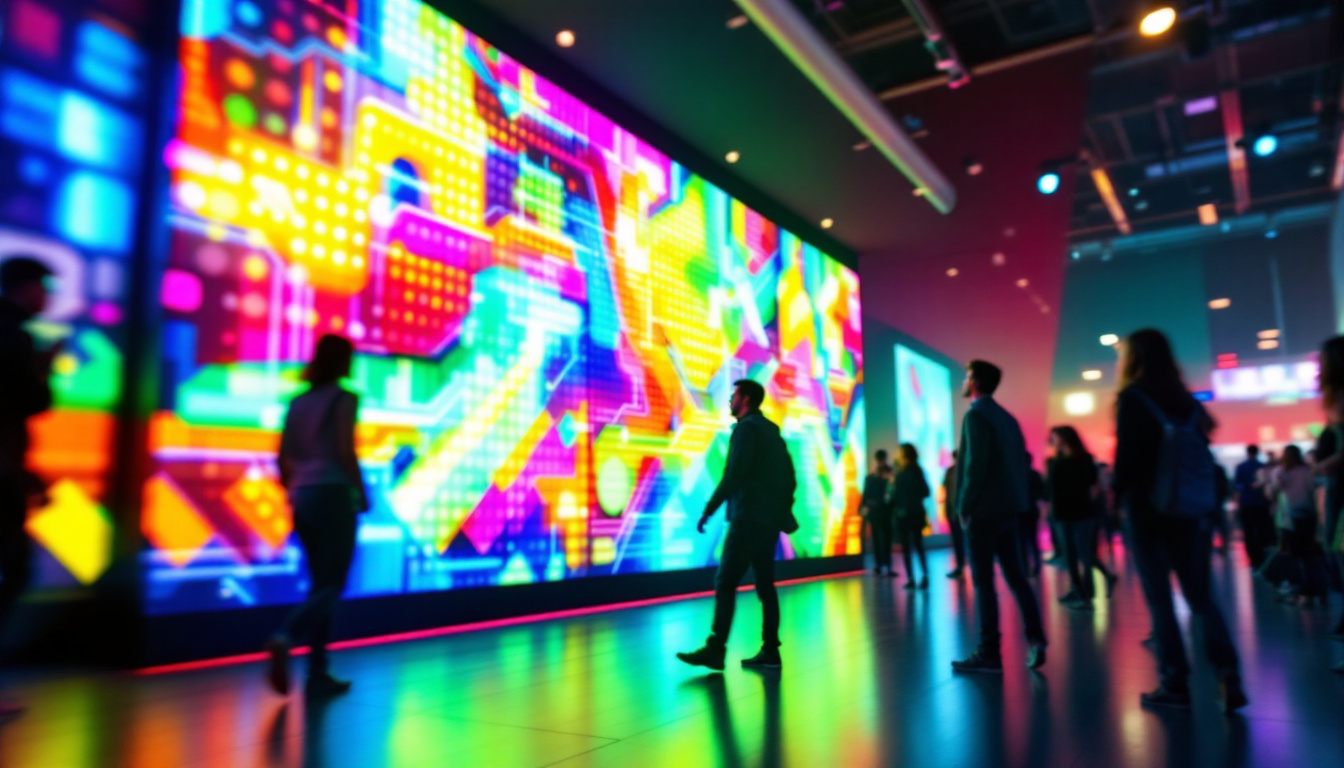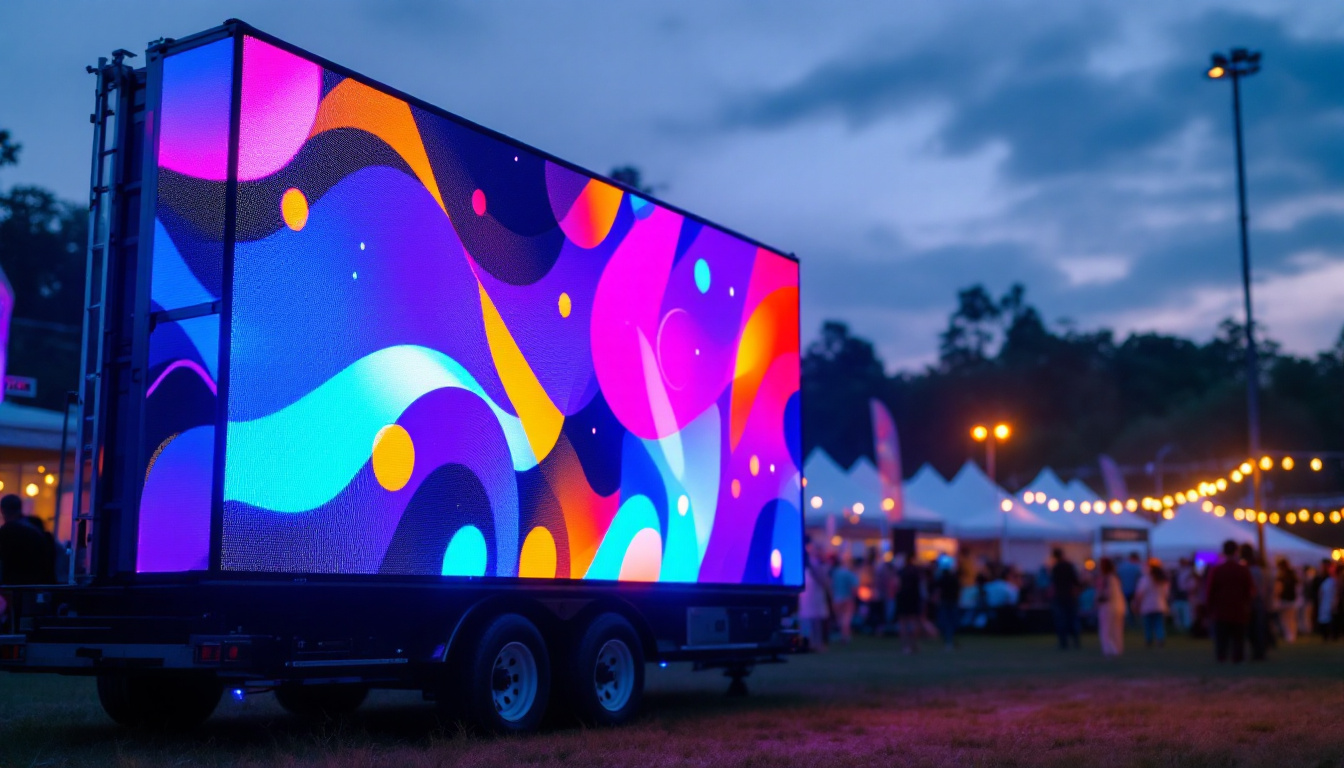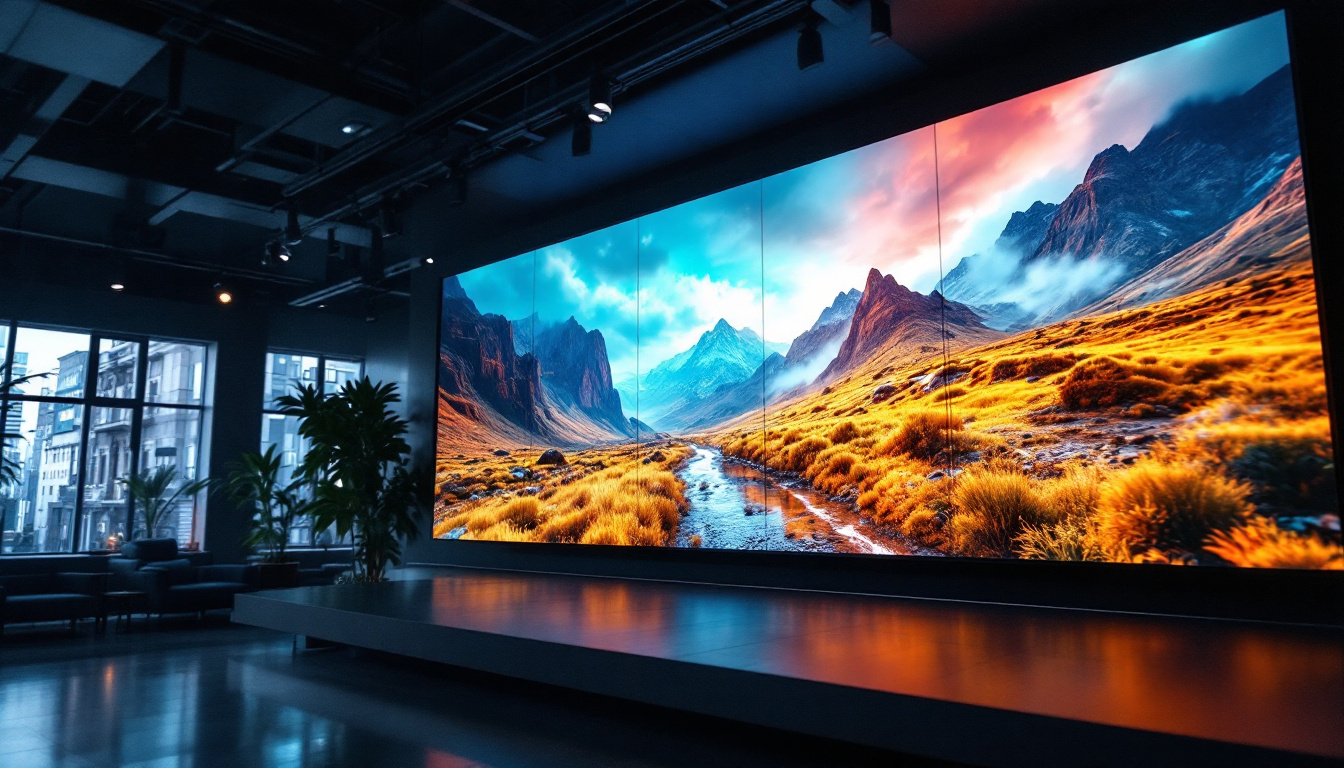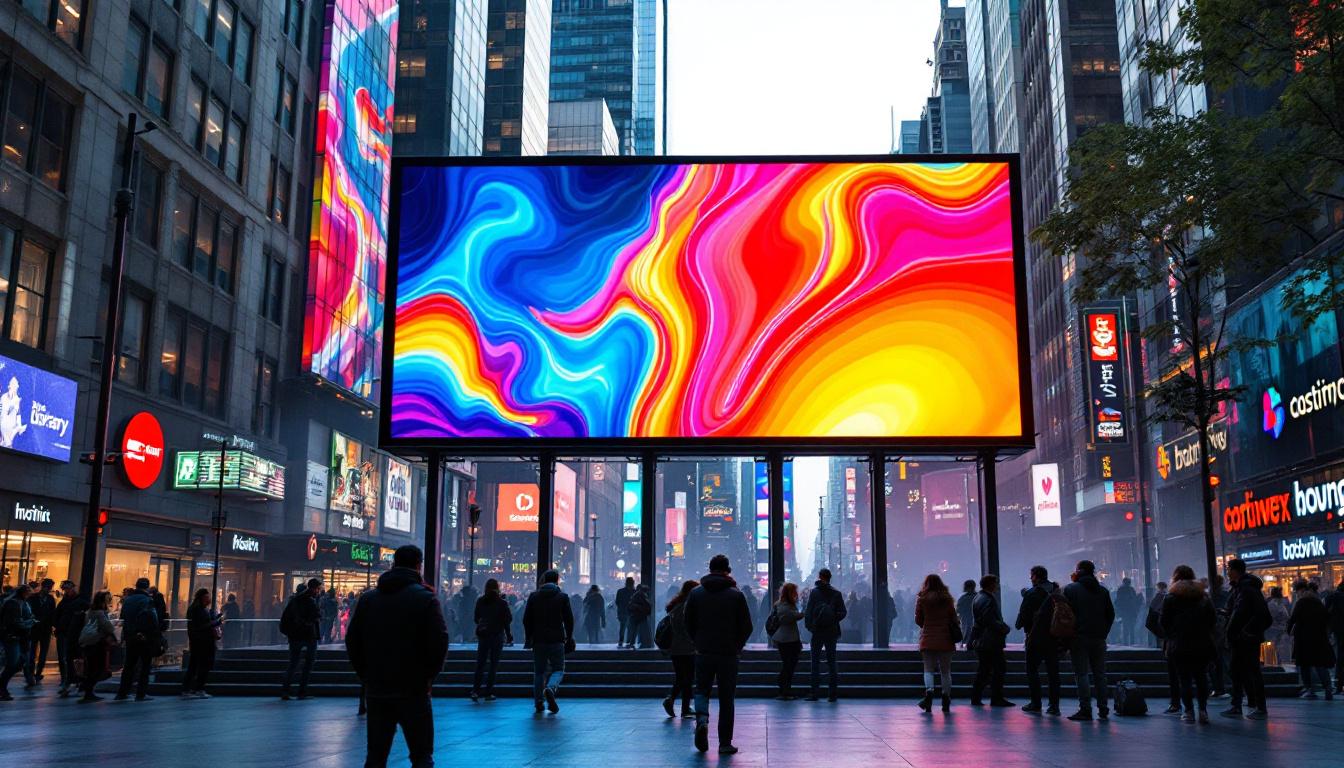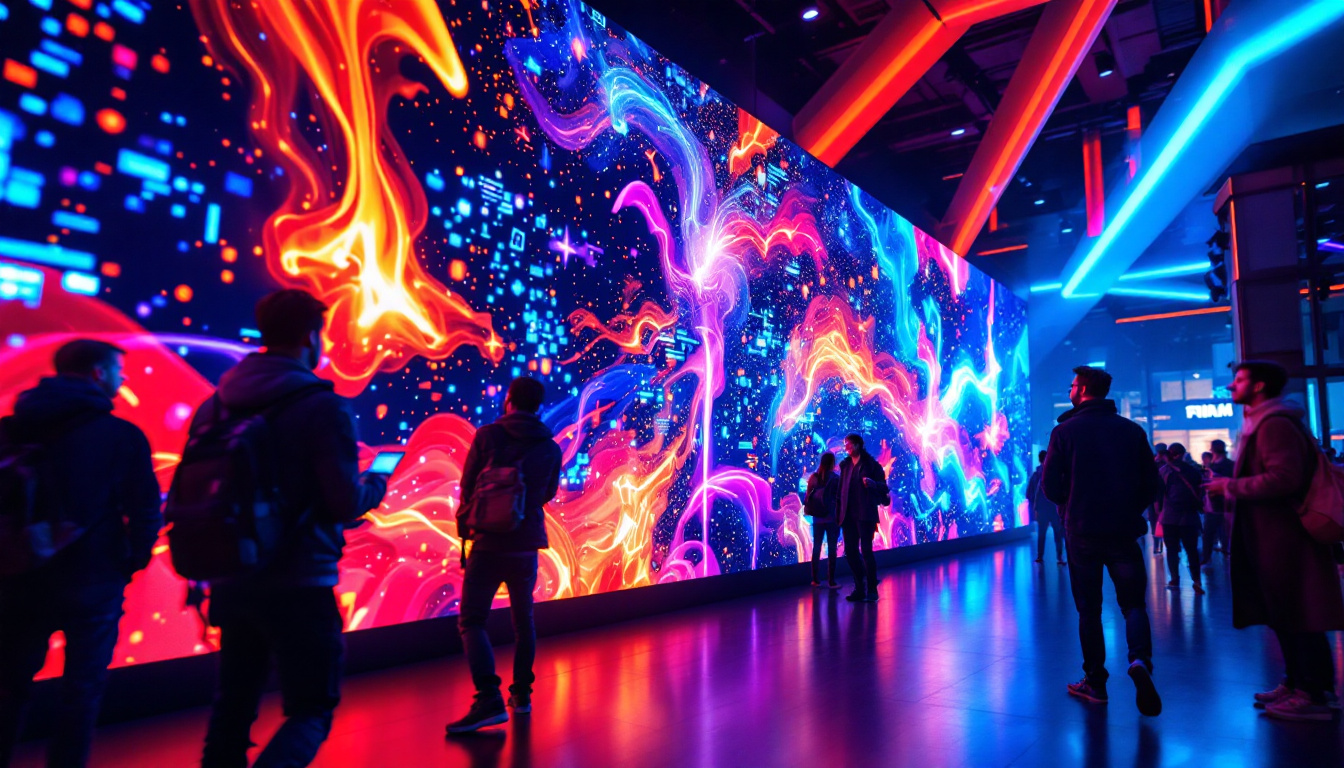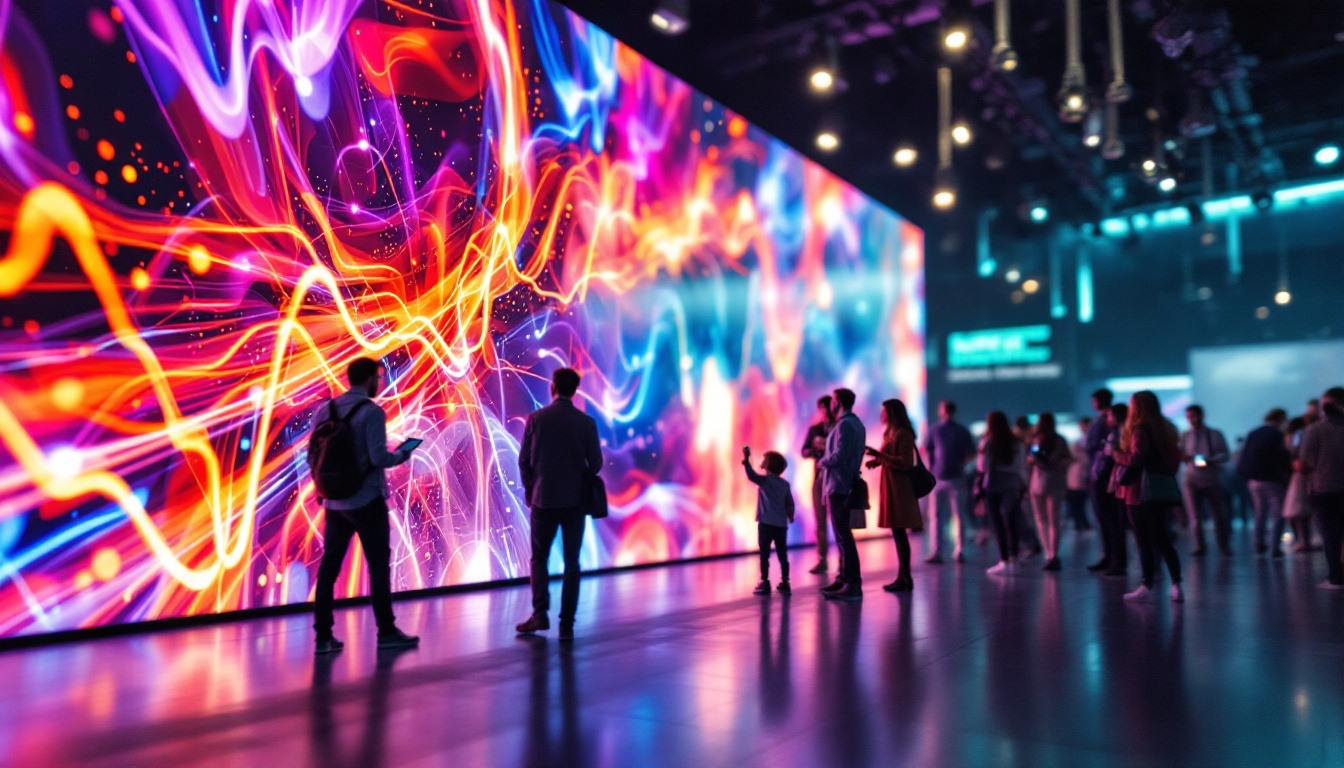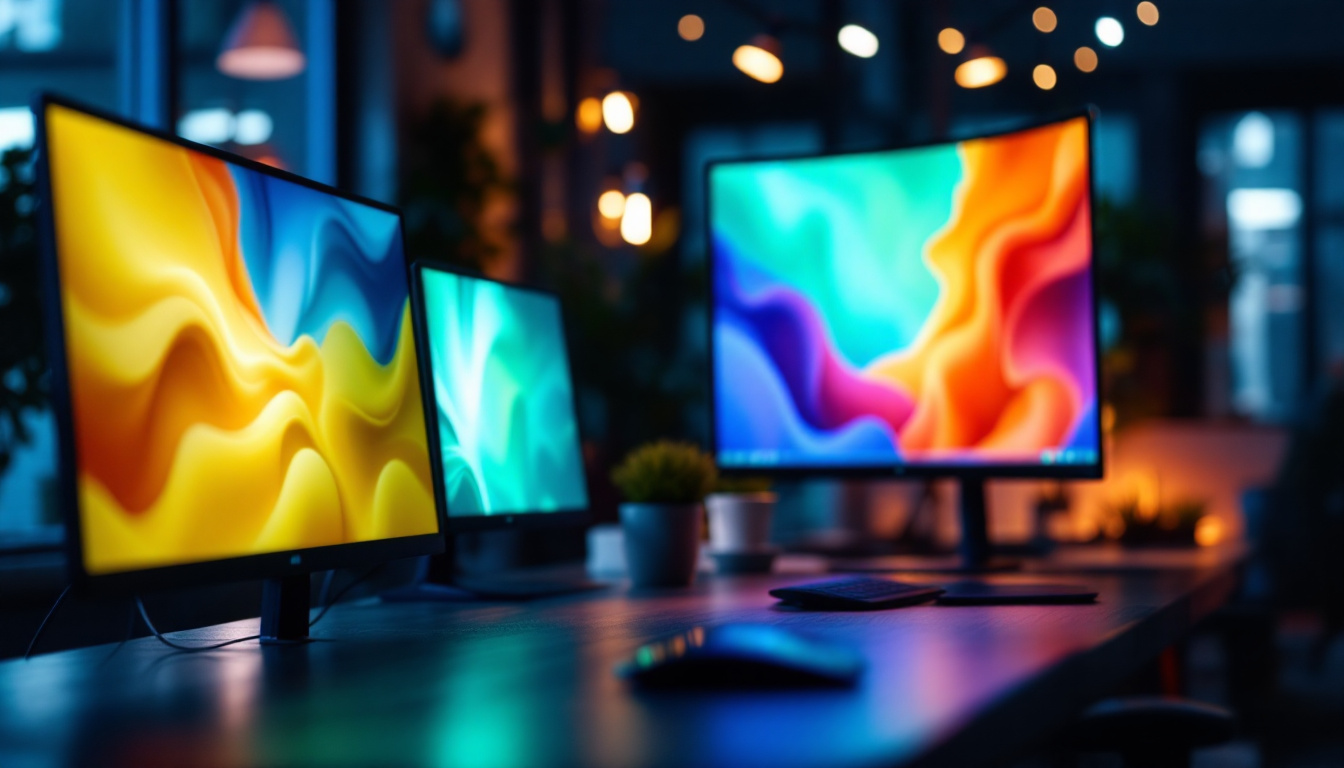
In today’s fast-paced digital environment, interactive touch screens have become a cornerstone of communication, collaboration, and customer engagement. From retail stores and corporate boardrooms to educational institutions and public information kiosks, these devices are transforming how people interact with digital content. At the heart of many of these interactive solutions lies the LED display technology, which offers vibrant visuals, durability, and responsiveness that enhance user experience.
This article delves into the world of interactive touch screens with LED displays, explaining the technology behind them, their applications, and why they are increasingly preferred over other display types. Whether you are a business owner considering an upgrade or a technology enthusiast keen to understand the latest trends, this comprehensive guide will provide valuable insights.
Understanding LED Display Technology
What is an LED Display?
LED stands for Light Emitting Diode, a semiconductor device that emits light when an electric current passes through it. LED displays utilize thousands to millions of these tiny diodes arranged in a matrix to create images, videos, and text. Unlike traditional LCDs that rely on backlighting, LED displays produce their own light, resulting in brighter and more vivid visuals.
There are two primary types of LED displays used in interactive touch screens:
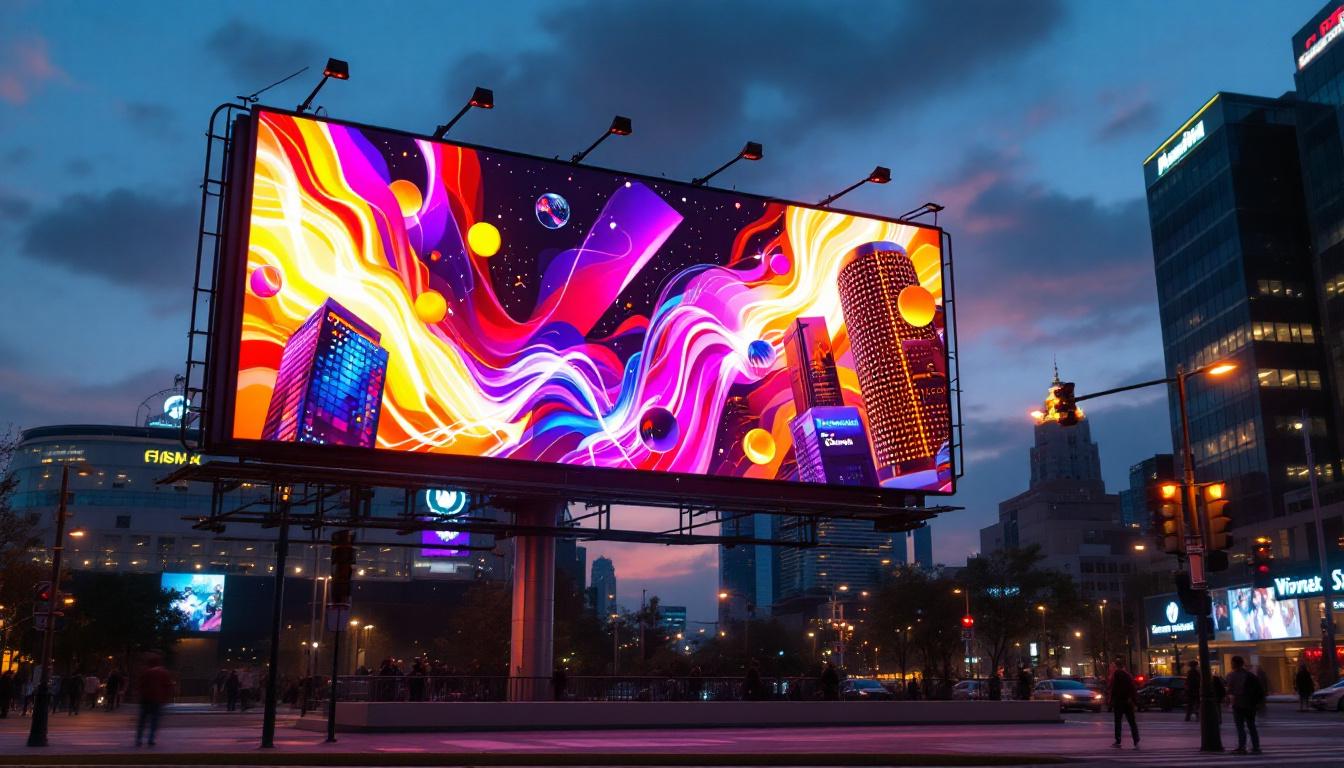
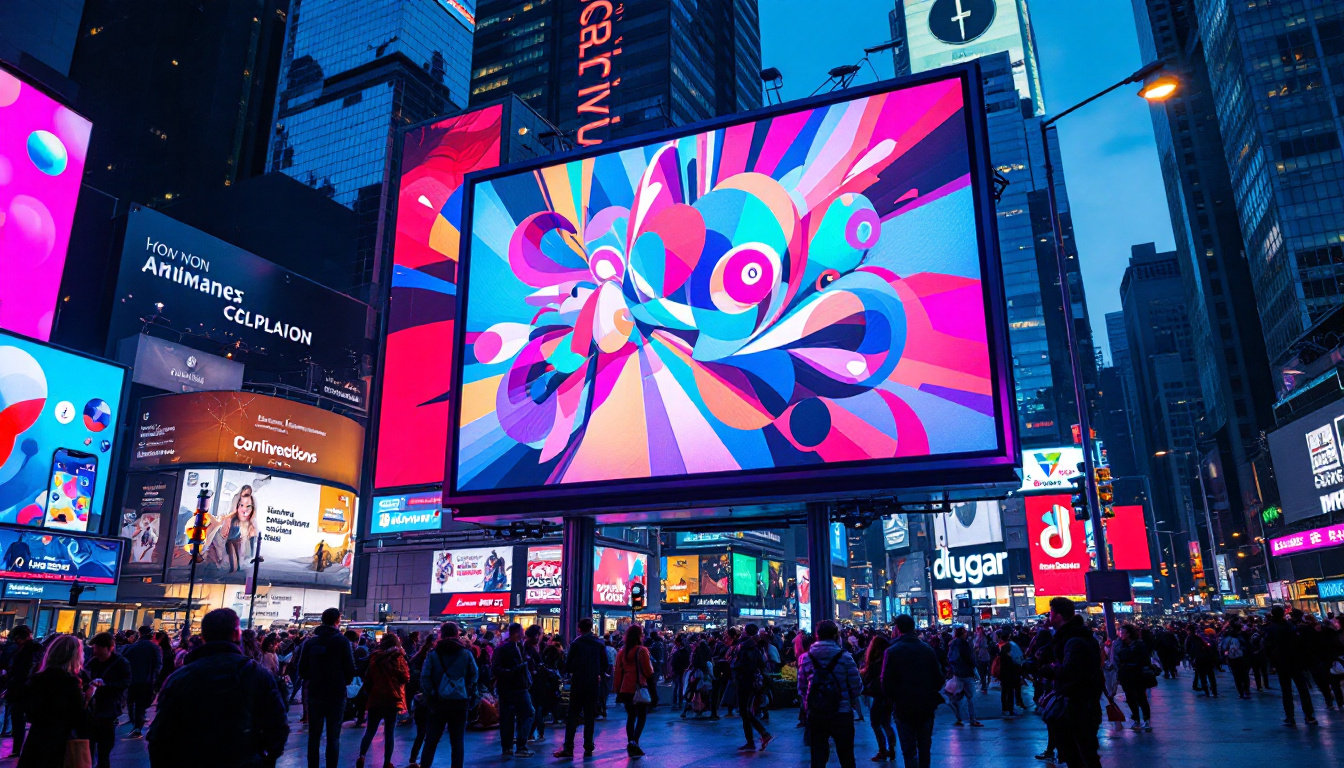
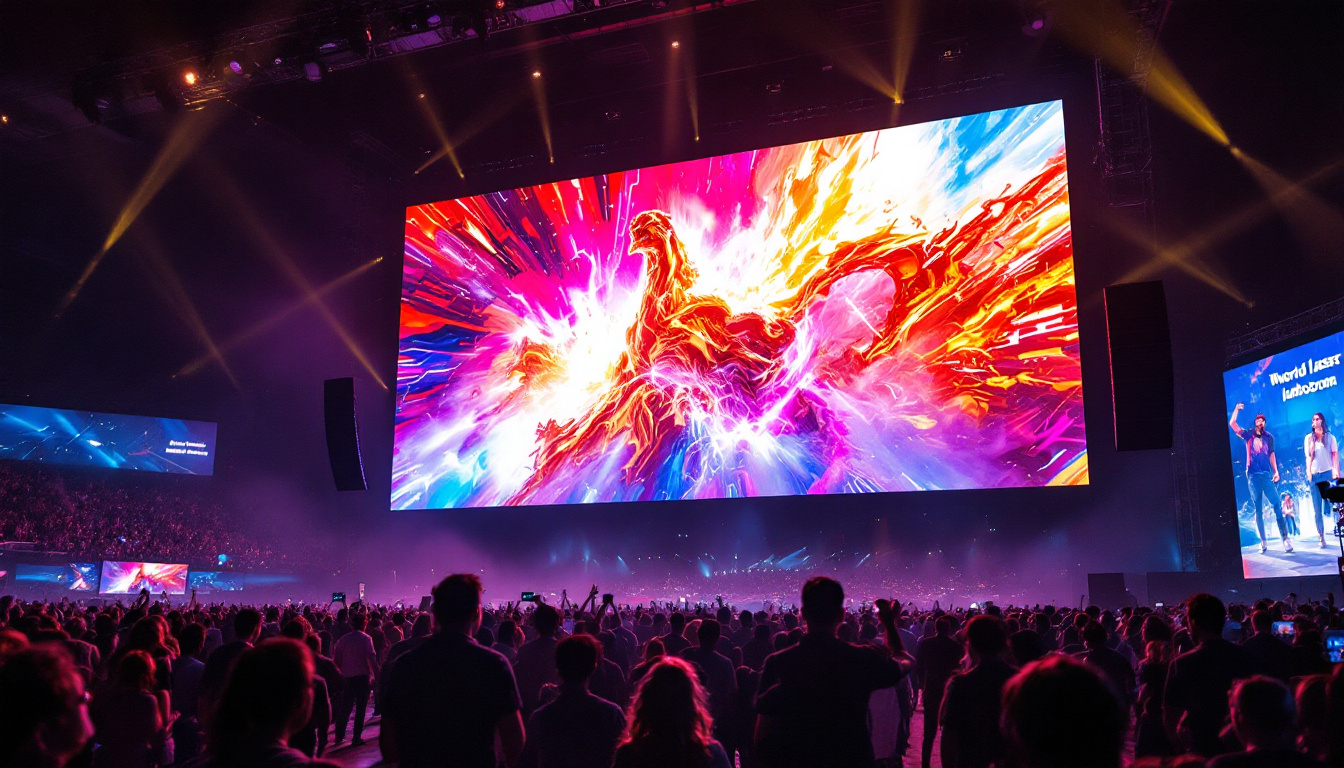
- Direct View LED (DV-LED): Each pixel is an individual LED or cluster of LEDs, allowing for high brightness and excellent contrast. These are commonly used in large-format screens such as digital billboards and stadium displays.
- LED-backlit LCD: These displays use LEDs as a backlight behind an LCD panel, improving brightness and color accuracy compared to older CCFL-backlit LCDs.
How LED Displays Work in Touch Screens
In interactive touch screens, the LED display serves as the visual output component, while a touch-sensitive layer detects user input. The touch layer can be based on various technologies such as capacitive, infrared, or resistive sensing. When combined, these layers create a seamless interface where users can interact directly with the content on the screen.
LED displays offer several advantages for touch screens, including:
- High Brightness: Ensures visibility even in well-lit environments, such as outdoor kiosks or conference rooms with large windows.
- Wide Color Gamut: Supports rich and accurate colors, which is critical for applications like digital signage and design collaboration.
- Energy Efficiency: LEDs consume less power compared to other display types, making them suitable for continuous use.
- Durability: LED displays have longer lifespans and are more resistant to damage from environmental factors.
The Evolution of Interactive Touch Screens with LED Displays
From Early Touchscreens to Modern LED Solutions
The concept of touchscreens dates back to the 1960s, but it was not until the 2000s that they became widely accessible, primarily through capacitive touch technology used in smartphones and tablets. Early interactive displays often relied on LCD panels with limited brightness and responsiveness, restricting their use in certain environments.
The integration of LED technology into touch screens marked a significant advancement. The improved brightness and color performance of LED-backlit LCDs, followed by the emergence of direct view LED panels, expanded the possibilities for interactive displays. Modern LED touch screens now support multi-touch gestures, high resolutions (4K and beyond), and enhanced durability, making them ideal for both indoor and outdoor applications.
Key Milestones in LED Touch Screen Development
- 2008: Introduction of LED-backlit LCD monitors in commercial touch screen products, improving image quality.
- 2015: Launch of large-format interactive LED displays for public spaces, combining touch interactivity with direct view LED technology.
- 2020: Adoption of mini-LED and micro-LED technologies, offering even higher contrast ratios and energy efficiency.
Applications of Interactive LED Touch Screens
Retail and Advertising
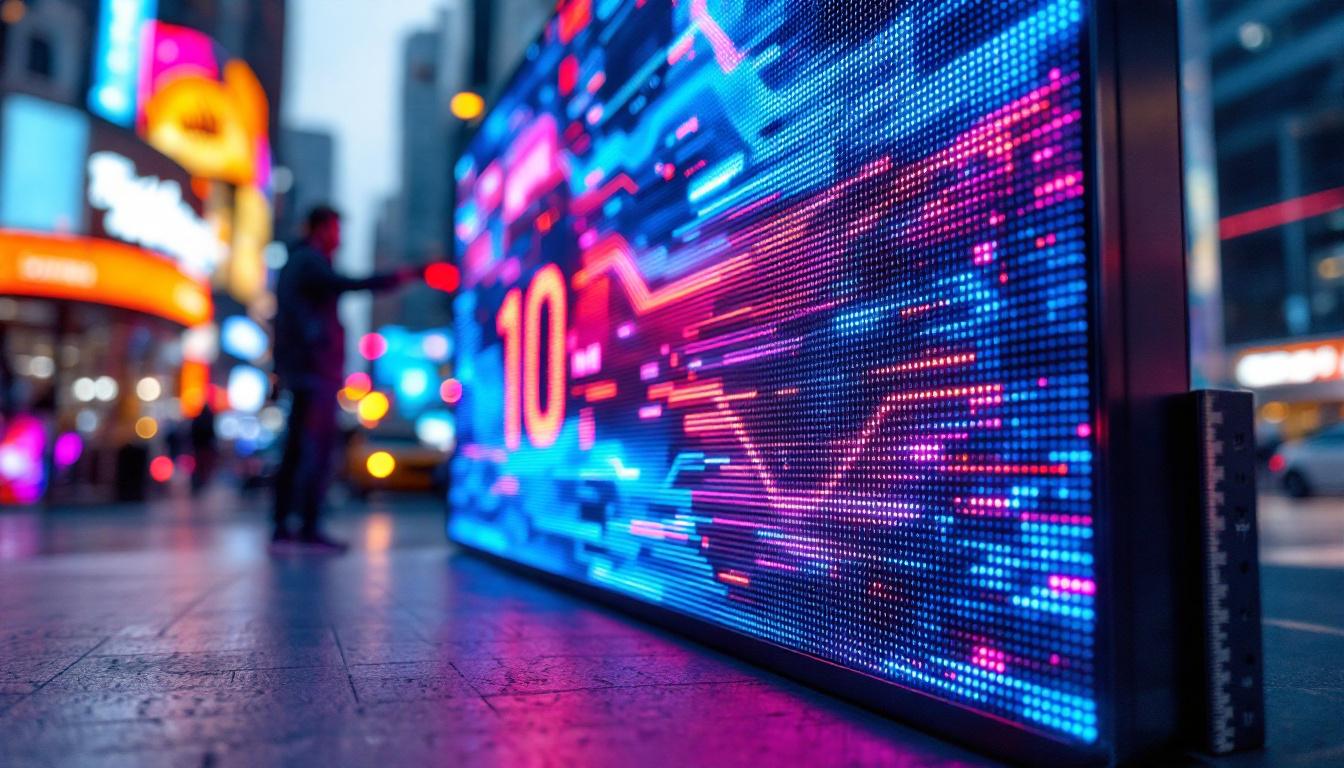
Retailers increasingly use interactive LED touch screens to engage customers and enhance the shopping experience. Digital signage with touch capability allows shoppers to browse product catalogs, check availability, and access promotions instantly. The high brightness of LED displays ensures visibility in brightly lit stores or outdoor environments.
According to a 2023 report by Grand View Research, the global digital signage market is expected to reach $32.84 billion by 2028, driven largely by the adoption of interactive LED screens. Retailers benefit from increased customer engagement and higher conversion rates through personalized and dynamic content.
Education and Training
Interactive LED touch screens have revolutionized classrooms and training centers. Their large size, clarity, and responsiveness facilitate collaborative learning and interactive presentations. Educators can annotate directly on the screen, display multimedia content, and engage students with interactive exercises.
Studies have shown that classrooms equipped with interactive displays see improved student participation and retention rates. The durability and energy efficiency of LED displays also make them a cost-effective choice for educational institutions.
Corporate and Conference Environments
In corporate settings, interactive LED touch screens serve as powerful tools for meetings, brainstorming sessions, and video conferencing. Their ability to display high-resolution content and support multi-user touch input enhances collaboration and decision-making.
Many companies are integrating these displays into smart conference rooms, combining them with wireless connectivity and cloud-based collaboration platforms. The investment in LED touch screen technology often results in increased productivity and smoother communication.
Healthcare and Public Information
Hospitals and clinics use interactive LED touch screens for patient check-ins, wayfinding, and information dissemination. The clarity and responsiveness of LED displays improve user experience, especially for elderly or visually impaired patients.
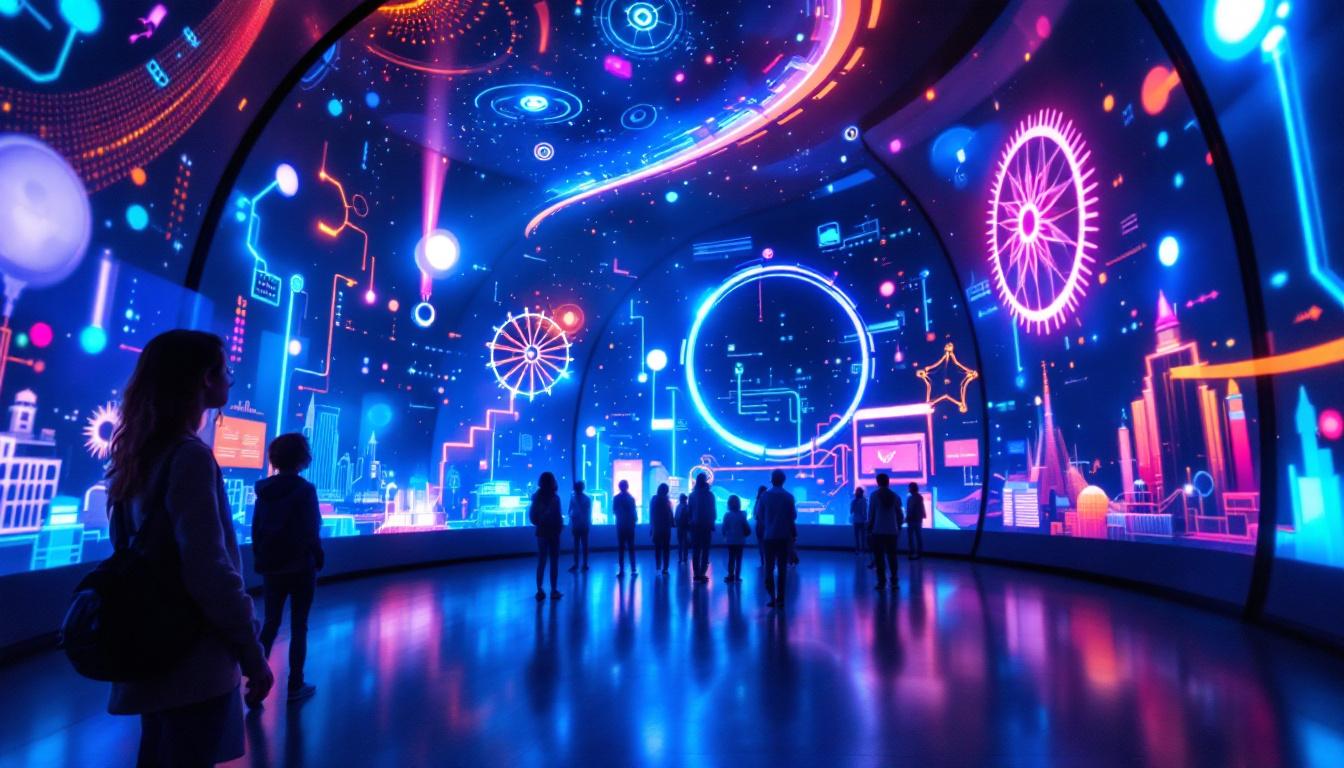
Similarly, public information kiosks in airports, museums, and government buildings rely on LED touch screens to provide real-time updates and interactive maps. The robustness of LED technology ensures these kiosks operate reliably in high-traffic areas.
Technical Considerations When Choosing LED Touch Screens
Resolution and Pixel Pitch
Resolution refers to the number of pixels displayed on the screen, while pixel pitch is the distance between the centers of two adjacent pixels. A smaller pixel pitch means higher pixel density and sharper images. For interactive touch screens, especially those used for detailed work or close viewing, a high resolution with a small pixel pitch is essential.
For example, a 55-inch interactive LED display with 4K resolution (3840 x 2160 pixels) offers crisp visuals suitable for design collaboration or detailed presentations. Conversely, larger displays with slightly lower resolutions may be sufficient for digital signage viewed from a distance.
Touch Technology Types
The touch interface technology significantly impacts the responsiveness and accuracy of the interactive display. Common types include:
- Capacitive Touch: Offers high sensitivity and multi-touch support, commonly used in smartphones and tablets.
- Infrared (IR) Touch: Uses an array of IR sensors around the screen edges, allowing for touch detection without a touch-sensitive layer on the display surface.
- Resistive Touch: Responds to pressure and can be used with gloves or styluses but generally offers lower clarity and multi-touch capability.
Capacitive and IR touch technologies are preferred for interactive LED screens due to their accuracy and durability.
Brightness and Contrast Ratio
Brightness is measured in nits (cd/m²) and determines how well the display performs under various lighting conditions. For indoor use, 300 to 500 nits are typically sufficient, while outdoor displays may require 1,000 nits or more to remain visible in direct sunlight.
Contrast ratio, the difference between the darkest black and brightest white, affects image depth and legibility. LED displays generally offer superior contrast ratios compared to traditional LCDs, enhancing the viewing experience.
Durability and Maintenance
Interactive touch screens in public or high-use environments must withstand frequent contact and potential impacts. LED displays are known for their robustness and longer lifespan, often rated for 50,000 to 100,000 hours of operation.
Maintenance considerations include ease of cleaning, availability of replacement parts, and software support. Many modern LED touch screens come with protective glass layers and anti-reflective coatings to enhance durability and usability.
Future Trends in Interactive LED Touch Screen Technology
Micro-LED and Mini-LED Innovations
Emerging micro-LED and mini-LED technologies promise even greater brightness, contrast, and energy efficiency. Micro-LED displays consist of microscopic LEDs that can be individually controlled, offering perfect black levels and vibrant colors without the need for backlighting.
These advancements are expected to lead to thinner, lighter, and more flexible interactive displays, expanding their use in new environments such as wearable devices and automotive interfaces.
Enhanced Interactivity and AI Integration
Future interactive LED touch screens will likely incorporate artificial intelligence to provide personalized content and predictive interactions. Gesture recognition, voice control, and eye-tracking technologies are being integrated to create more intuitive user experiences.
For instance, retail environments could use AI-powered interactive screens to recommend products based on customer behavior, while educational tools could adapt lessons dynamically to student performance.
Sustainability and Energy Efficiency
As sustainability becomes a priority, manufacturers are focusing on reducing the environmental impact of LED touch screens. Advances in energy-efficient LEDs, recyclable materials, and longer-lasting components contribute to greener technology solutions.
Organizations adopting interactive LED displays can also benefit from lower operational costs and compliance with environmental regulations.
Conclusion
Interactive touch screens with LED displays represent a powerful convergence of display technology and user interface innovation. Their superior brightness, color accuracy, durability, and energy efficiency make them ideal for a wide range of applications, from retail and education to healthcare and corporate collaboration.
Understanding the underlying LED technology, touch interface options, and key performance factors is essential for selecting the right interactive display solution. As LED technology continues to evolve with micro-LED advancements and AI integration, the future promises even more immersive and intelligent interactive experiences.
Investing in interactive LED touch screens today not only enhances engagement and productivity but also positions organizations to leverage the next generation of digital interaction technologies.
Discover LumenMatrix’s Innovative LED Display Solutions
Ready to elevate your interactive experiences with the latest in LED display technology? LumenMatrix is at the forefront of creating immersive visual solutions that bring your content to life. From dynamic Indoor and Outdoor LED Wall Displays to specialized solutions like Vehicle, Sports, and Floor LED Displays, our offerings are designed to captivate and engage your audience. Embrace the future of visual communication with our Custom, All-in-One, and Transparent LED Displays. Check out LumenMatrix LED Display Solutions today and transform the way you share your message with the world.