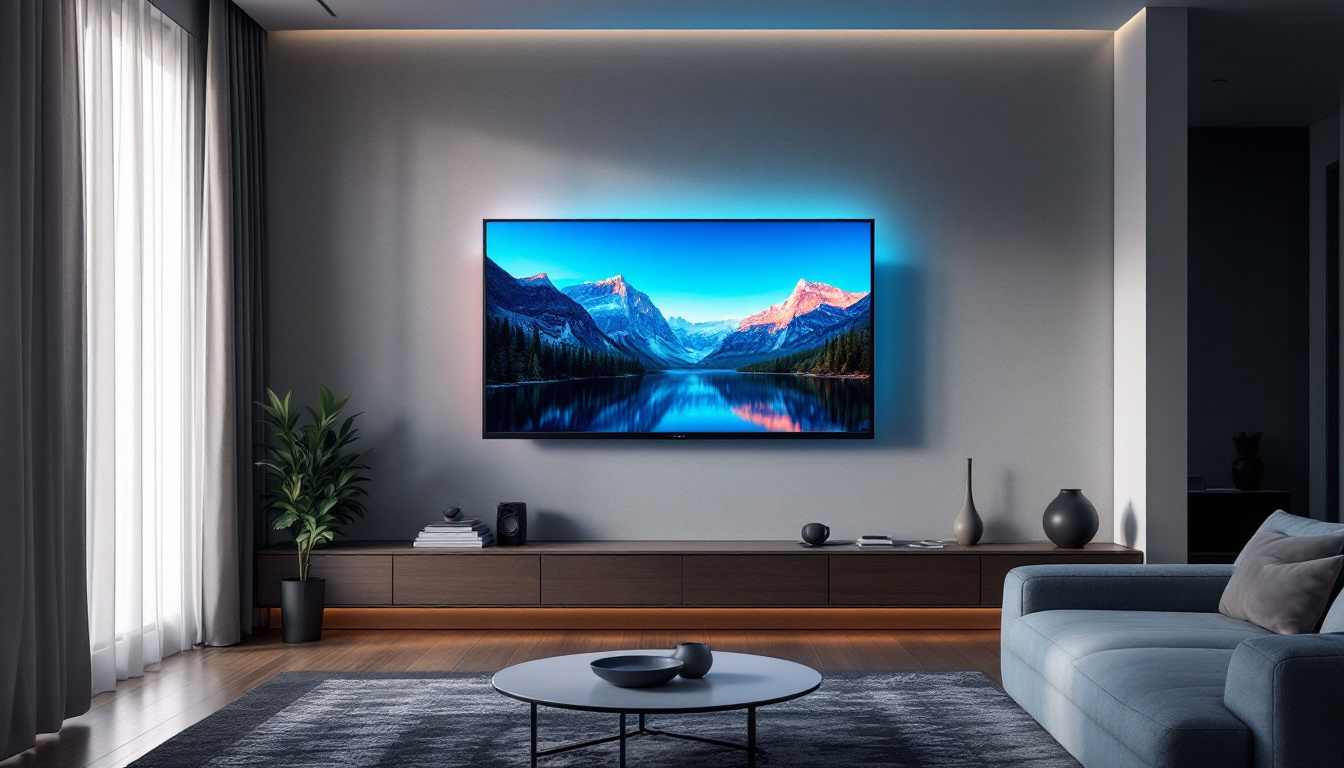
In the rapidly evolving world of television technology, LED lighting has become a cornerstone for delivering vibrant images and energy-efficient performance. Understanding how LED displays work and their advantages can help consumers make informed decisions when purchasing a new TV or upgrading their home entertainment setup. This article delves into the fundamentals of LED lighting for TVs, explores different types of LED displays, and highlights the benefits and considerations of this technology.
What Is LED Lighting in TVs?
LED stands for Light Emitting Diode, a semiconductor device that emits light when an electric current passes through it. In the context of televisions, LED lighting refers to the backlighting system used to illuminate the screen, allowing images to be visible to the viewer. Unlike older LCD TVs that used cold cathode fluorescent lamps (CCFLs) for backlighting, LED TVs utilize arrays of LEDs, which offer greater control, efficiency, and picture quality.
It’s important to clarify that LED TVs are essentially LCD TVs that use LED backlights instead of CCFLs. The screen itself remains an LCD panel, which controls the color and brightness of each pixel. The LED backlighting provides the necessary light source behind the panel, making the images bright and clear. This advancement has led to a significant improvement in overall viewing experiences, particularly in terms of energy efficiency and longevity, as LED lights consume less power and have a longer lifespan compared to traditional lighting methods.
How LED Backlighting Works
The LED backlight is positioned behind or around the edges of the LCD panel. When the TV is powered on, the LEDs emit light that passes through the liquid crystal layer and color filters, producing the images seen on the screen. The quality and arrangement of these LEDs significantly impact the TV’s brightness, contrast, and color accuracy. With advancements in technology, many modern LED TVs now incorporate features such as HDR (High Dynamic Range), which enhances the range of colors and contrasts, providing a more lifelike viewing experience.
There are two primary types of LED backlighting used in TVs:
- Edge-Lit LED: LEDs are placed along the edges of the screen, and light is spread across the panel using light guides. This design allows for thinner TVs but can sometimes lead to uneven brightness. Despite this drawback, edge-lit designs have become popular due to their sleek aesthetics and lightweight construction, making them ideal for wall mounting.
- Full-Array LED: LEDs are arranged in a grid directly behind the screen, allowing for more precise control of lighting and better contrast through local dimming. This technology enables specific areas of the screen to be dimmed or brightened independently, resulting in deeper blacks and more vibrant colors, which is particularly beneficial for watching movies in dark environments.
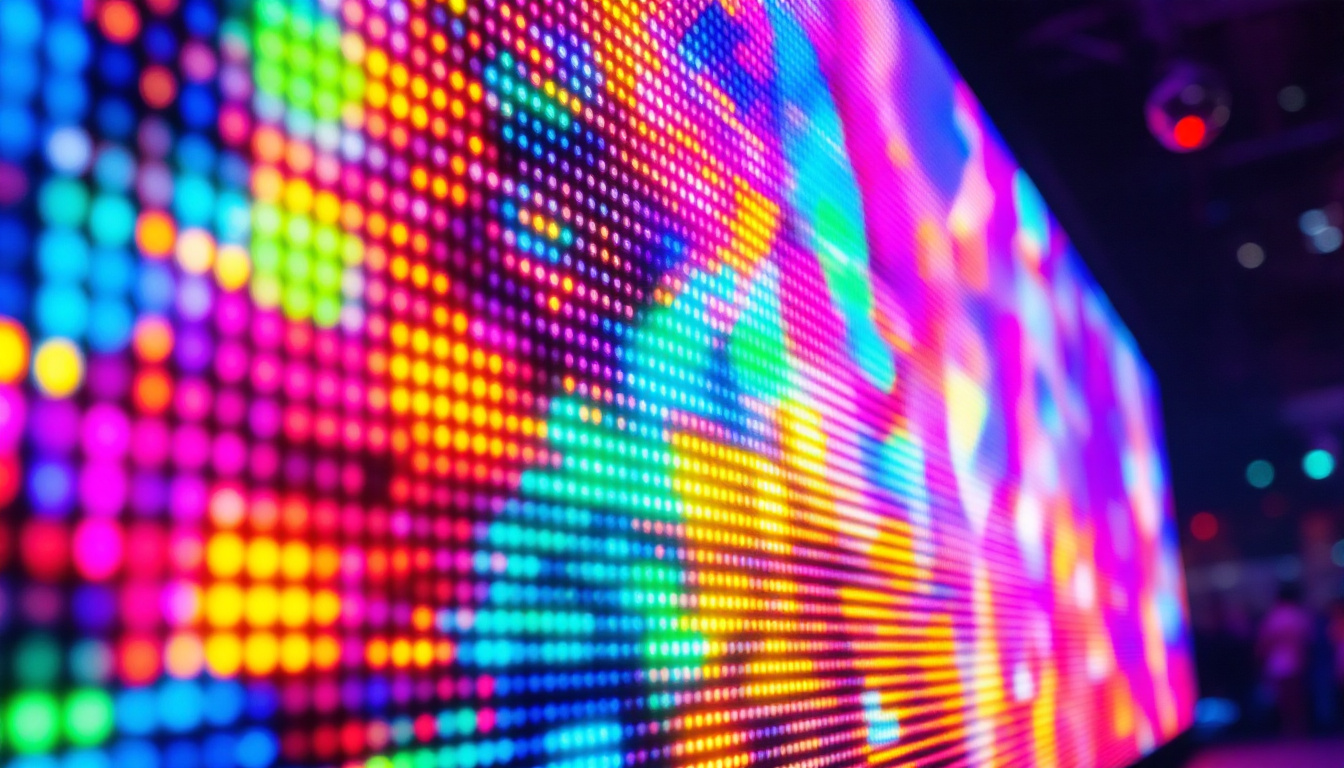
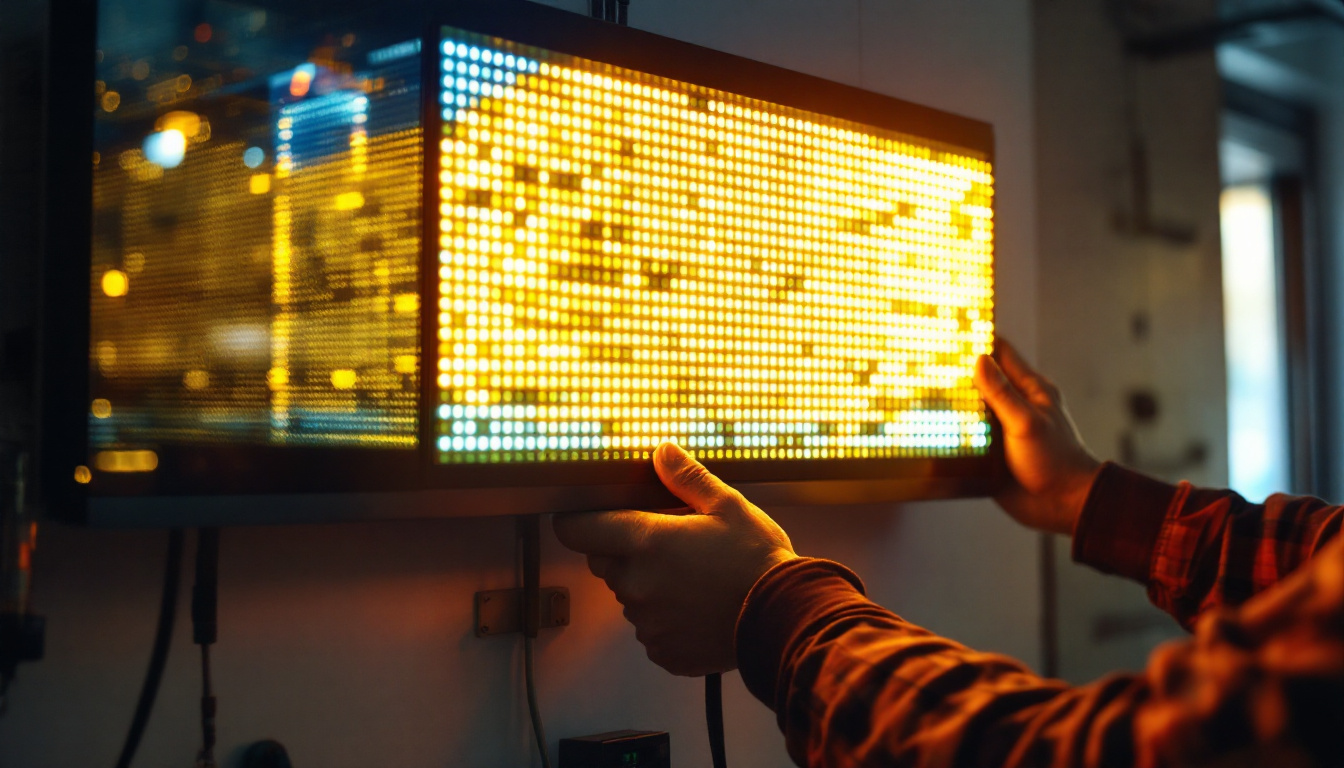
In addition to these two types, some manufacturers have introduced advanced variations like Mini-LED and Micro-LED technologies. Mini-LEDs use smaller diodes to increase the number of local dimming zones, further enhancing contrast and brightness levels. Micro-LED, on the other hand, represents a groundbreaking innovation where each pixel is an individual LED, allowing for stunning picture quality without the need for a separate backlight. These developments are pushing the boundaries of what is possible in television display technology, promising even more immersive viewing experiences in the near future.
Types of LED Displays: Understanding the Options
When shopping for an LED TV, it’s helpful to understand the different display technologies and how they affect performance. The main categories include standard LED LCD TVs, Full-Array Local Dimming (FALD) TVs, and newer variants like Mini-LED and Micro-LED.
Standard LED LCD TVs
These TVs use edge-lit LED backlighting and are generally more affordable. While they offer decent picture quality for everyday viewing, they may struggle with uniform brightness and deep blacks, especially in dark scenes. The light bleed from edge LEDs can reduce contrast, which is noticeable in dimly lit environments. Additionally, standard LED LCD TVs may not perform as well in bright rooms, where reflections and glare can wash out colors and details, making it challenging to enjoy your favorite movies or shows.
Full-Array Local Dimming (FALD) TVs
FALD TVs feature an array of LEDs behind the entire screen, divided into zones that can be dimmed or brightened independently. This technology enhances contrast by producing deeper blacks and brighter highlights, improving the overall picture quality. Local dimming is particularly beneficial for HDR (High Dynamic Range) content, where the difference between dark and bright areas is crucial for visual impact. Moreover, FALD TVs often come equipped with advanced processing technologies that help to further refine image quality, reducing artifacts and enhancing motion clarity, making them a popular choice for cinephiles and gamers alike.
Mini-LED Technology
Mini-LED represents an advancement in LED backlighting by using thousands of tiny LEDs, much smaller than traditional ones. This allows for even more precise local dimming zones, resulting in superior contrast, brightness, and color accuracy. Mini-LED TVs have gained popularity as a cost-effective alternative to OLED displays, offering many of the same benefits without the risk of burn-in. Additionally, the increased number of dimming zones helps to minimize halo effects around bright objects, providing a more immersive viewing experience. As manufacturers continue to refine this technology, we can expect to see even more impressive advancements in color reproduction and energy efficiency.
Micro-LED: The Future of LED Displays
Micro-LED technology takes a different approach by using microscopic LEDs as individual pixels, eliminating the need for an LCD panel altogether. This self-emissive technology promises outstanding brightness, perfect blacks, and exceptional durability. Although Micro-LED TVs are currently expensive and primarily available in large sizes for commercial use, they represent the next frontier in LED display technology. One of the most exciting aspects of Micro-LED is its modular design, allowing consumers to create custom screen sizes and shapes to fit their specific needs, whether for a home theater or a unique art installation. As production methods improve and costs decrease, Micro-LED could redefine how we think about display technology in both residential and commercial settings.
Advantages of LED Lighting in TVs
LED lighting has transformed television displays by offering several key benefits over older technologies. These advantages have contributed to LED TVs becoming the dominant choice for consumers worldwide.
Energy Efficiency
Compared to CCFL-backlit LCD TVs and plasma displays, LED TVs consume significantly less power. The energy efficiency of LEDs reduces electricity bills and environmental impact. According to the U.S. Department of Energy, LED TVs can use up to 40% less energy than comparable CCFL LCD models, making them a greener choice for households.
Improved Picture Quality
LED backlighting enables higher brightness levels and better contrast ratios. Full-array local dimming and Mini-LED technologies enhance the depth of blacks and the vibrancy of colors, creating a more immersive viewing experience. This is particularly noticeable when watching HDR content, which demands a wide color gamut and dynamic brightness range.
Slimmer and Lighter Designs
LED backlights are compact and generate less heat, enabling manufacturers to produce thinner and lighter TVs. This has led to sleek designs that fit easily into modern living spaces and offer greater flexibility in mounting options.
Longer Lifespan and Reliability
LEDs have a longer operational lifespan compared to CCFLs and plasma displays. They are more durable and less prone to issues like flickering or color degradation over time. Consumers can expect their LED TVs to maintain consistent performance for many years with proper care.
Considerations When Choosing an LED TV
While LED TVs offer numerous benefits, it’s important to consider certain factors to ensure the best viewing experience and value for money.
Backlight Type and Local Dimming
The type of LED backlighting significantly affects picture quality. Edge-lit models are generally less expensive but may suffer from uneven brightness and lower contrast. Full-array local dimming TVs provide better black levels and contrast but typically come at a higher price point. For those prioritizing image quality, investing in a FALD or Mini-LED TV is advisable.
Screen Size and Resolution
Screen size and resolution should be chosen based on viewing distance and room size. 4K resolution has become the standard for most LED TVs, offering sharp and detailed images. Larger screens benefit more from higher resolutions, while smaller TVs may not show as much difference between Full HD and 4K.
HDR Support
High Dynamic Range enhances the contrast and color range of compatible content. When selecting an LED TV, look for models that support popular HDR formats such as HDR10, Dolby Vision, or HLG. HDR capability significantly improves the visual experience, especially for streaming services and UHD Blu-rays.
Viewing Angles
LED LCD TVs can suffer from limited viewing angles, where colors and brightness shift when viewed from the side. Some models use IPS panels to improve viewing angles, though this can sometimes reduce contrast. Consider your room layout and seating arrangements when choosing a TV to ensure everyone has a good view.
LED Lighting and Smart TV Integration
Modern LED TVs often come equipped with smart features, integrating streaming apps, voice assistants, and connectivity options. The quality of the display complements these features by delivering crisp visuals for high-definition content and interactive interfaces.
Smart LED TVs also benefit from firmware updates that can improve picture processing and add new capabilities over time. When purchasing, consider the manufacturer’s track record for software support and the availability of apps that suit your entertainment needs.
Conclusion: Why LED Lighting Remains a Top Choice for TVs
LED lighting technology has revolutionized television displays by combining energy efficiency, superior picture quality, and sleek design. From basic edge-lit models to advanced Mini-LED and emerging Micro-LED technologies, LED backlighting continues to evolve, offering consumers a wide range of options tailored to different budgets and preferences.
Understanding the distinctions between various LED display types and their impact on performance empowers buyers to select the best TV for their needs. Whether prioritizing cinematic contrast, vibrant colors, or smart features, LED-lit TVs provide a versatile and reliable foundation for modern home entertainment.
As technology advances, LED lighting will remain integral to delivering immersive viewing experiences, making it a smart investment for years to come.
Discover the Future of LED Displays with LumenMatrix
Ready to elevate your viewing experience with the latest in LED display technology? Look no further than LumenMatrix, a pioneer in crafting cutting-edge LED solutions that bring your content to life. From the comfort of your home to the excitement of outdoor events, LumenMatrix offers a diverse range of products including Indoor and Outdoor LED Wall Displays, Vehicle LED Displays, and innovative LED Sports and Floor Displays. Embrace the future of visual communication with our Custom, All-in-One, and Transparent LED Displays, designed to captivate and engage. Check out LumenMatrix LED Display Solutions today and transform the way you share your message with the world.