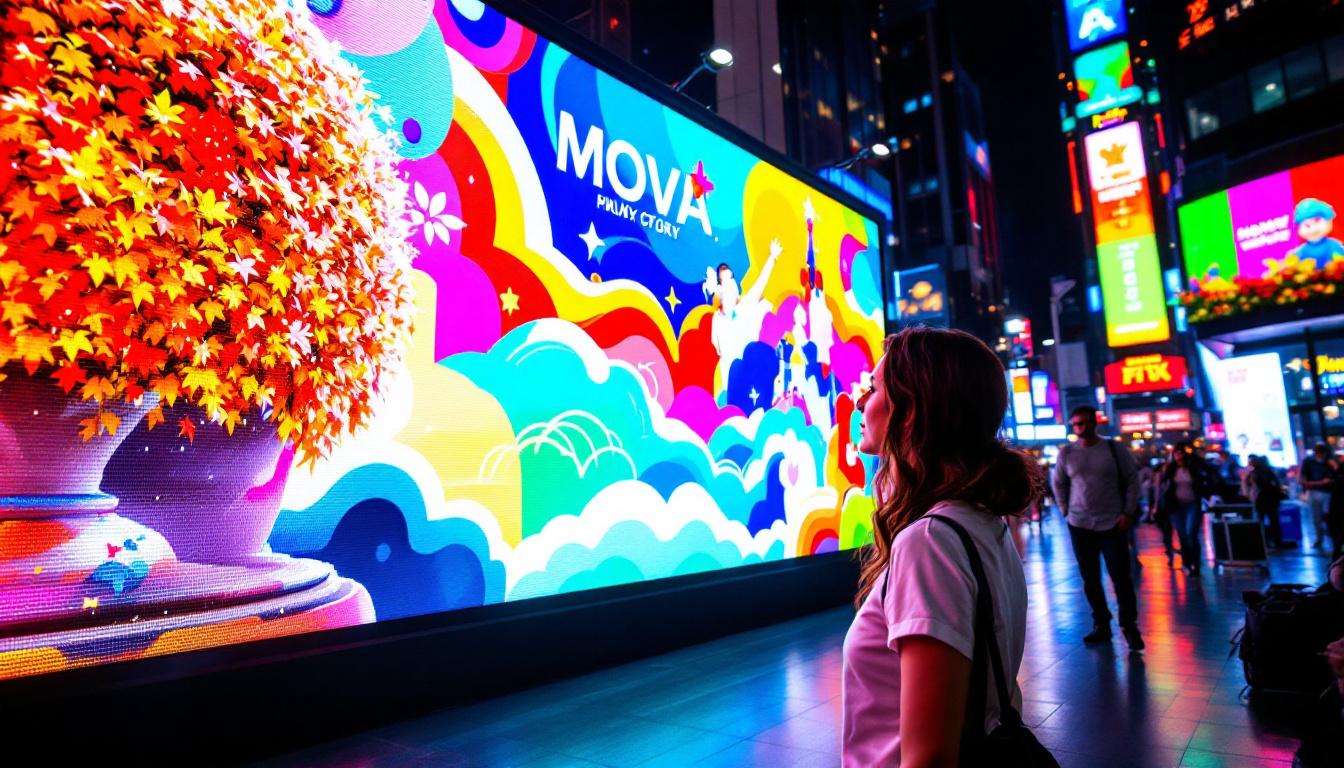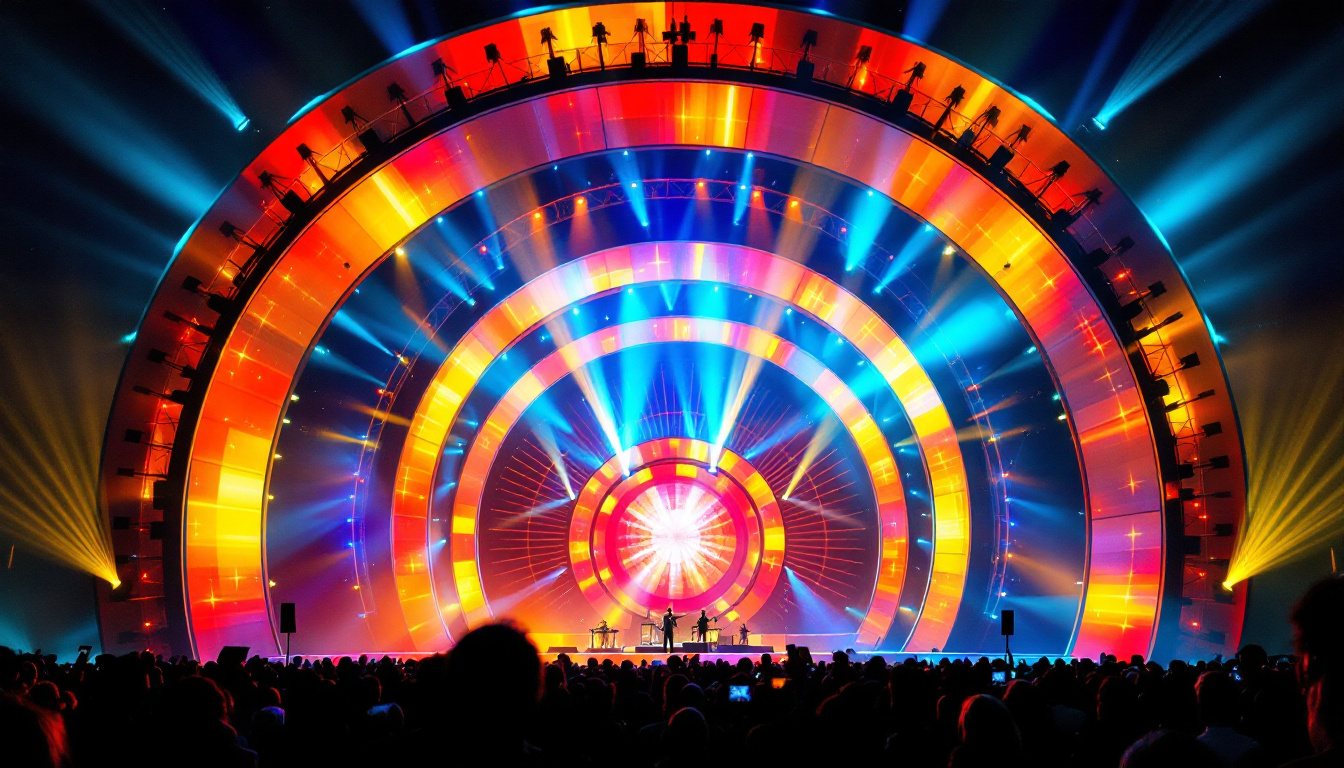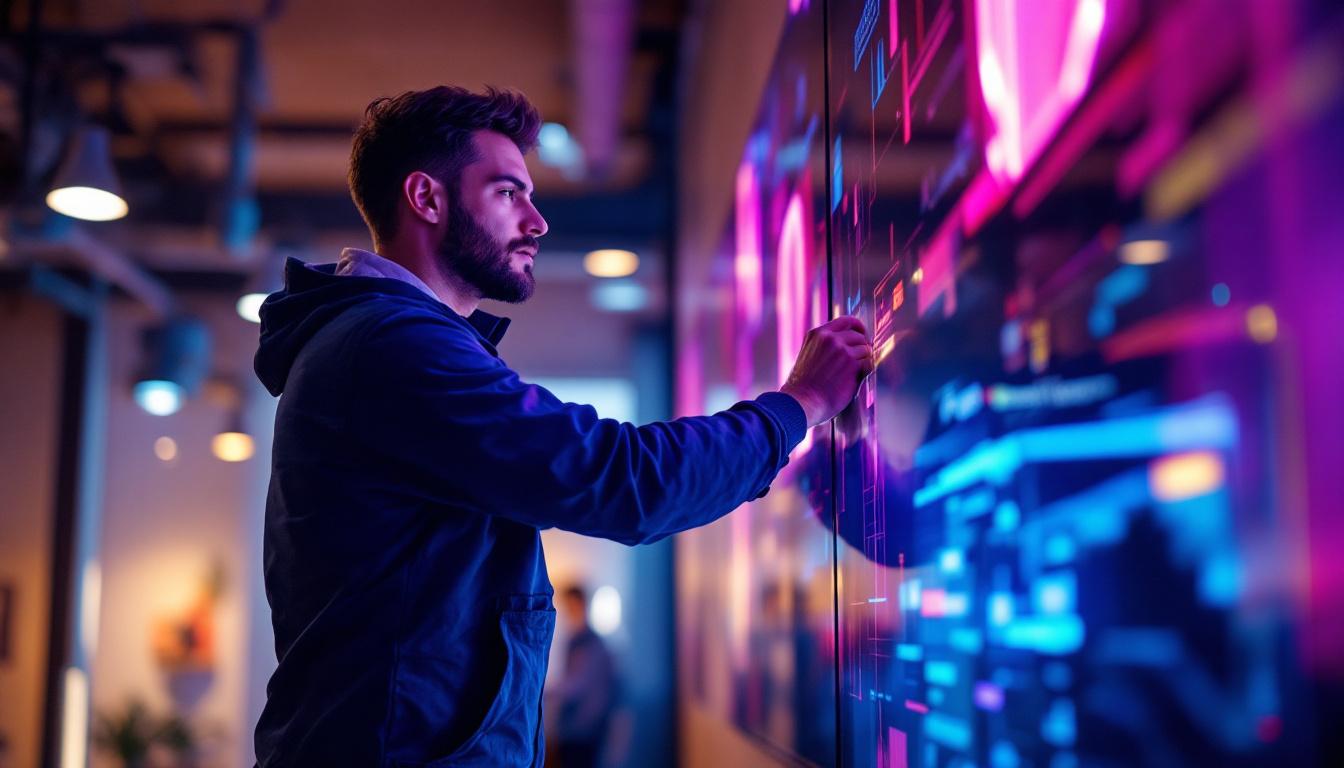
In today’s digital age, LED displays have become an essential component in various settings—from corporate offices and retail stores to public venues and entertainment arenas. Understanding the intricacies of LED technology and the importance of professional monitor installation services is crucial for businesses and organizations aiming to maximize the impact and longevity of their displays.
Understanding LED Display Technology
What is an LED Display?
LED stands for Light Emitting Diode, a semiconductor device that emits light when an electric current passes through it. LED displays consist of thousands to millions of these tiny diodes arranged in a matrix to form images, videos, or text. Unlike traditional LCD or plasma screens, LED displays offer superior brightness, contrast, and energy efficiency, making them ideal for both indoor and outdoor applications.
The technology behind LED displays has evolved significantly over the past decade. Modern LED screens use surface-mounted device (SMD) technology, where multiple diodes are integrated into a single pixel. This advancement allows for higher resolution, better color accuracy, and wider viewing angles, enhancing the overall visual experience. Additionally, the lifespan of LED displays has improved dramatically, with many units now lasting over 100,000 hours, which translates to years of uninterrupted service. This longevity not only reduces the need for frequent replacements but also contributes to lower overall maintenance costs.
Types of LED Displays
LED displays come in various forms tailored to different environments and purposes. The two primary categories are:
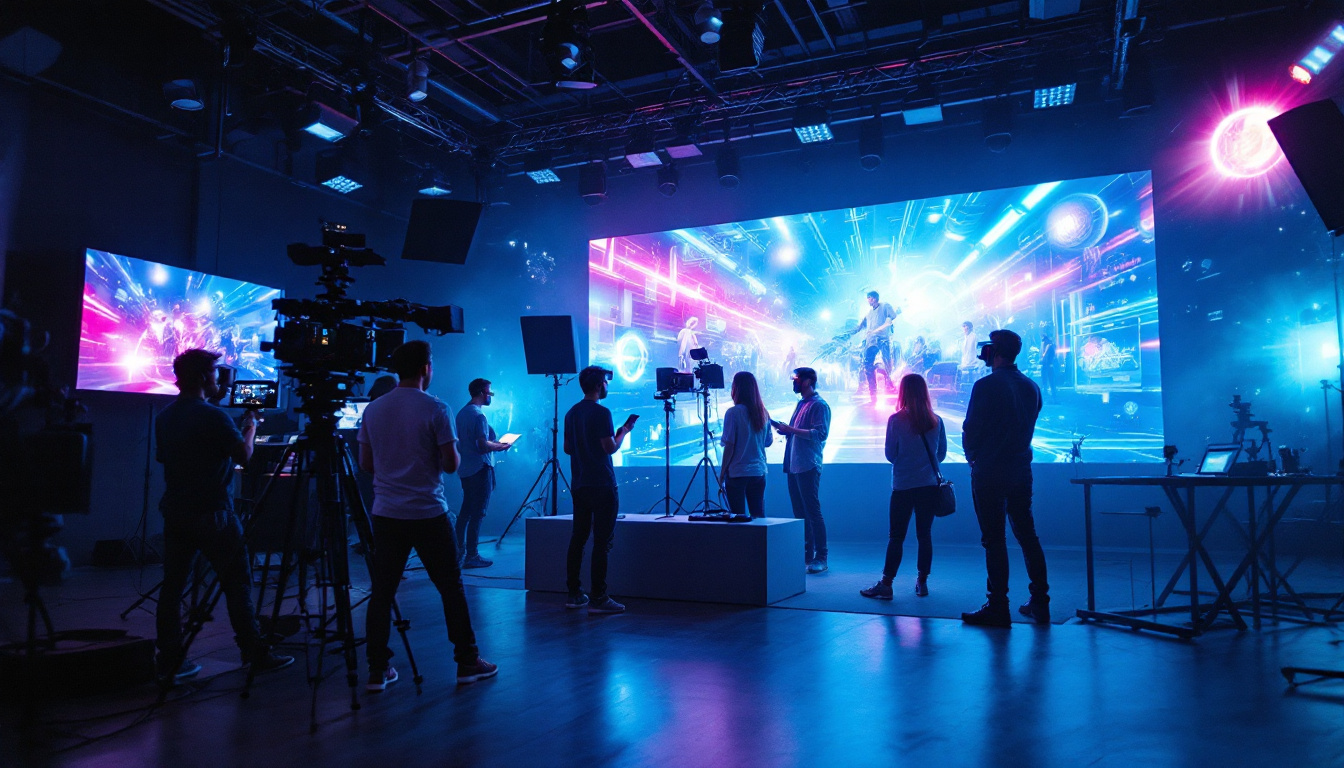
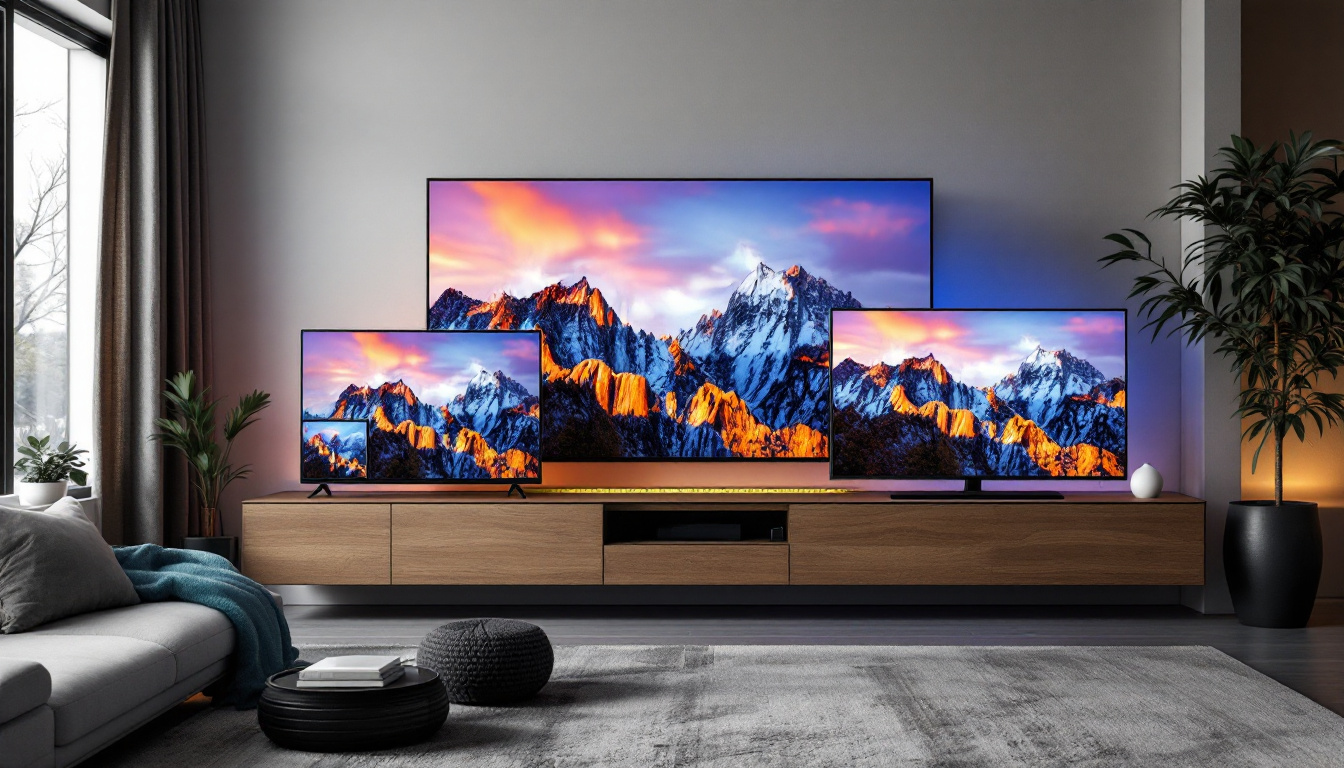
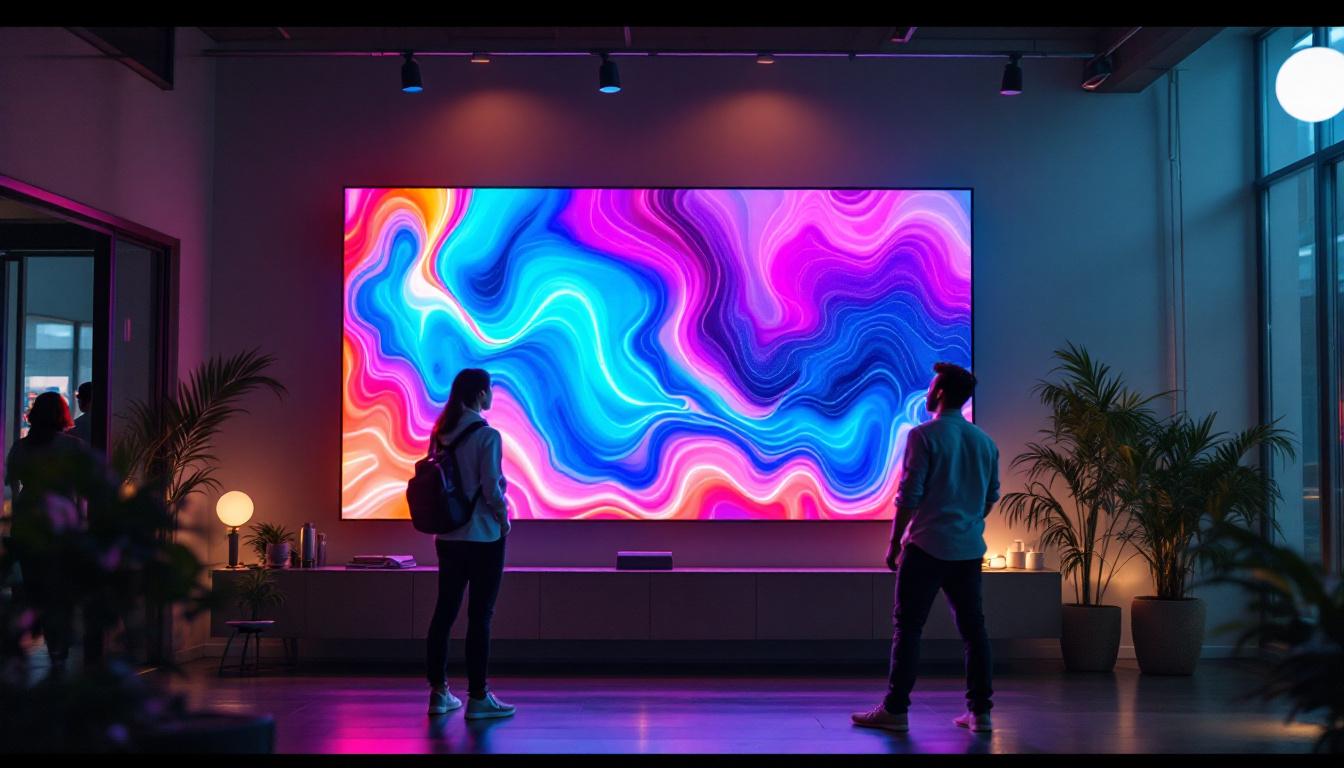
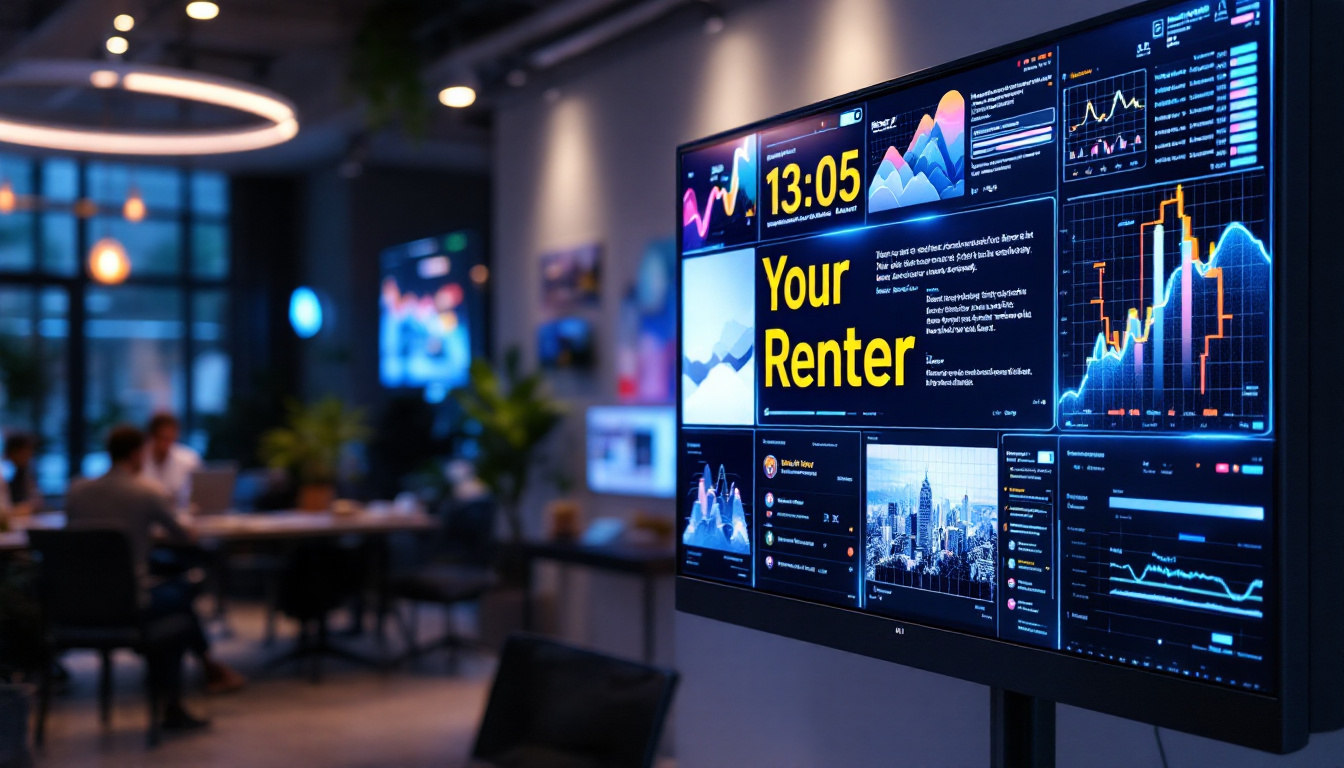
- Indoor LED Displays: These are designed for controlled lighting environments such as conference rooms, retail spaces, and broadcast studios. They feature smaller pixel pitches (the distance between diodes) to provide crisp images at close viewing distances. Indoor displays often utilize advanced color calibration techniques to ensure that the visuals remain vibrant and true to life, even under varying ambient light conditions.
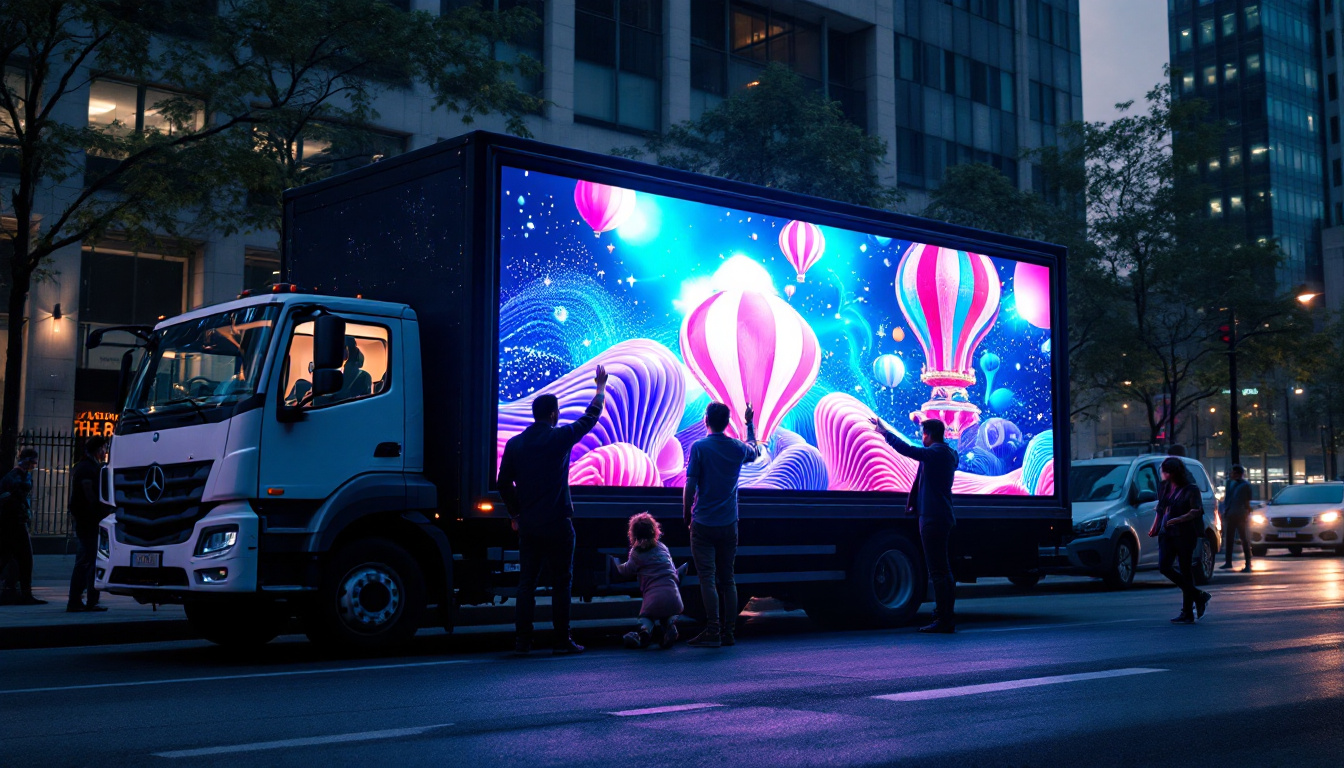
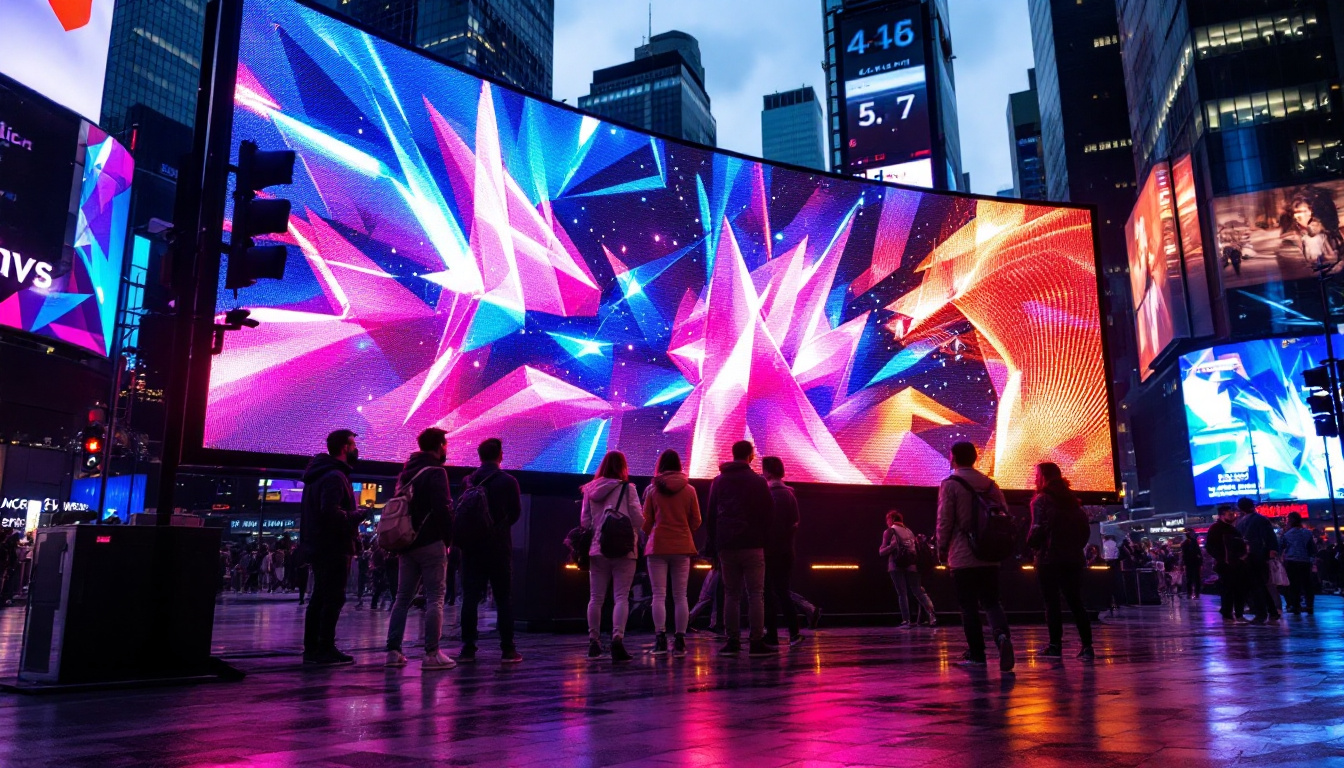
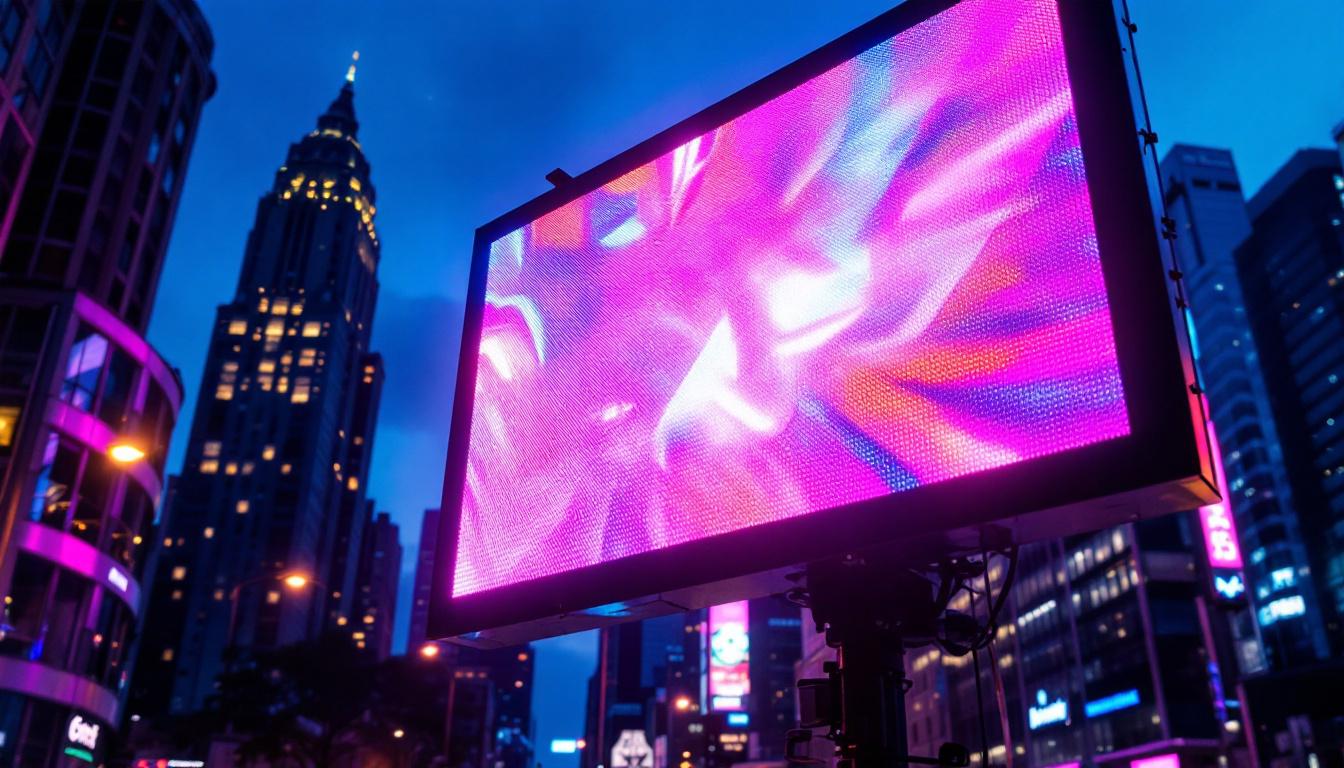
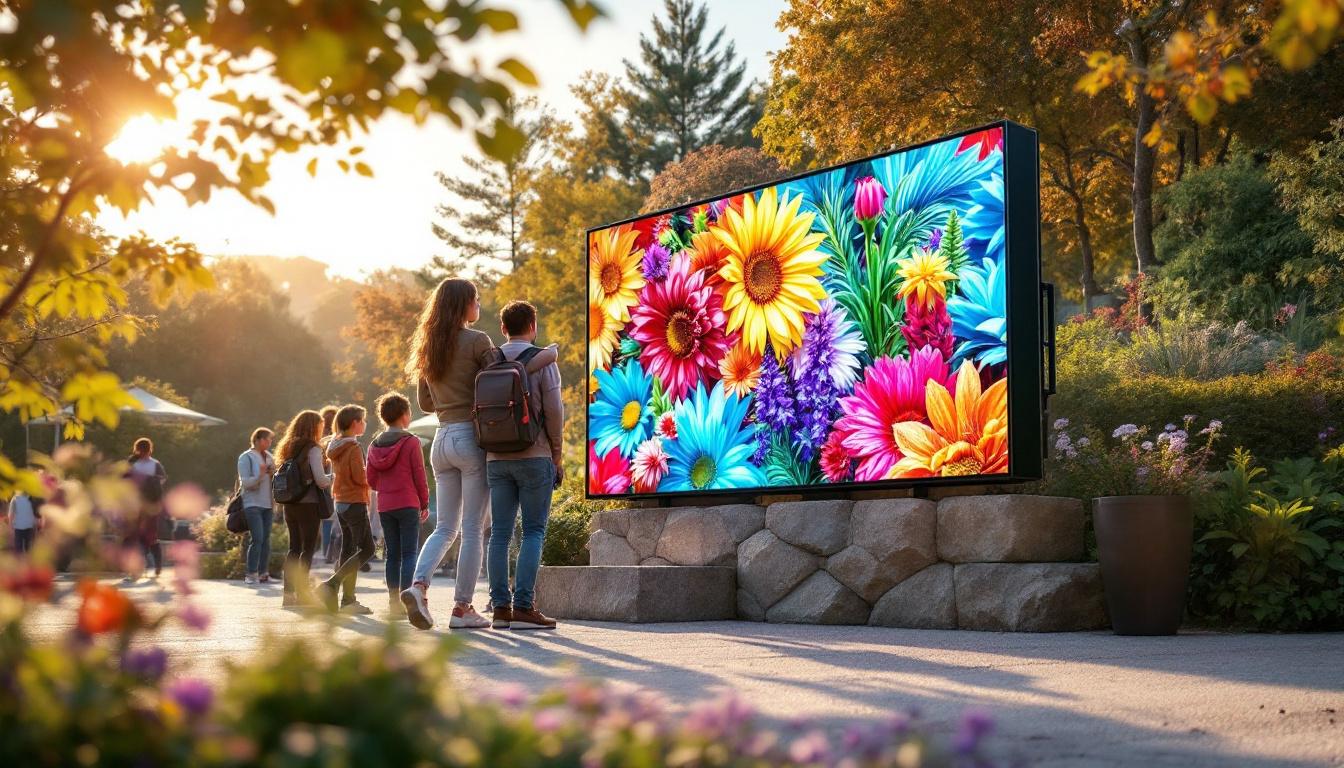
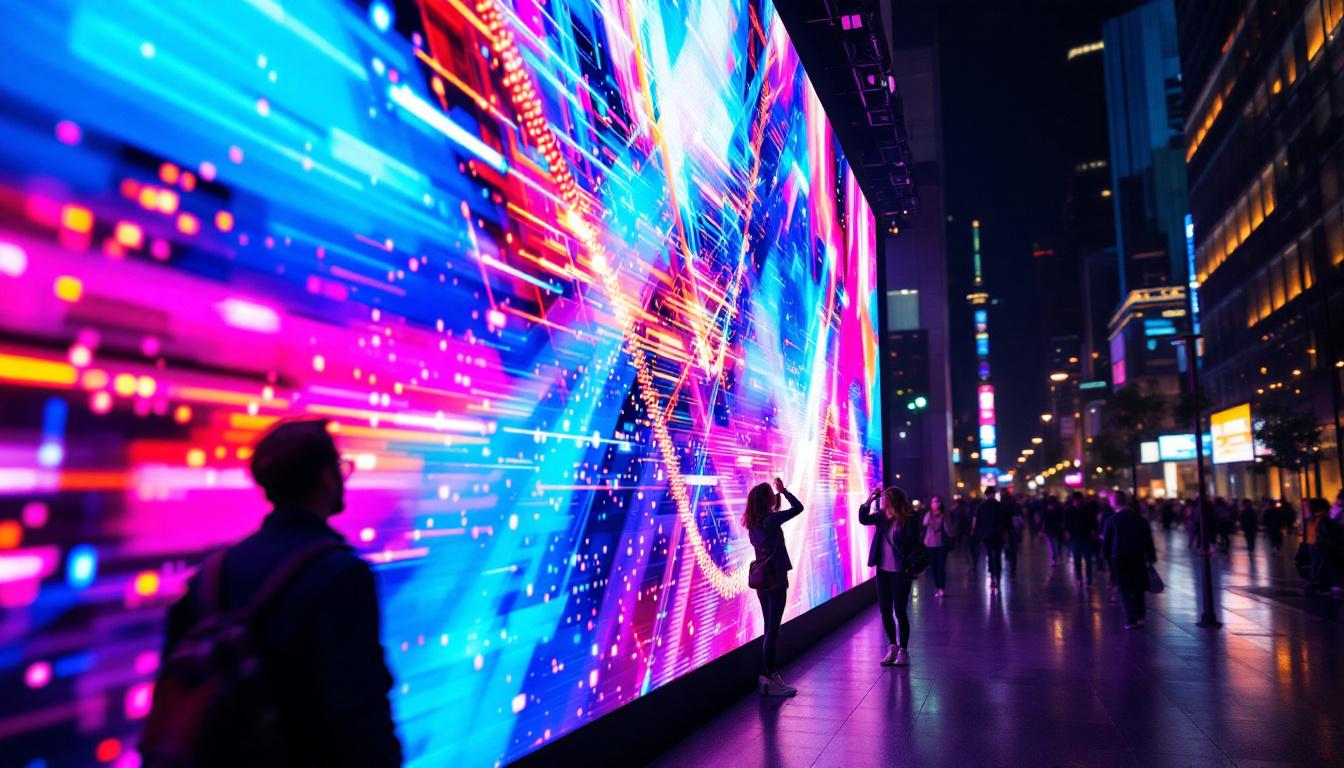
- Outdoor LED Displays: Built to withstand harsh weather conditions, these displays have higher brightness levels—often exceeding 5,000 nits—to remain visible under direct sunlight. They also incorporate protective coatings and robust enclosures for durability. Outdoor LED displays are commonly used for advertising billboards, sports arenas, and public information systems, where visibility and resilience are paramount.
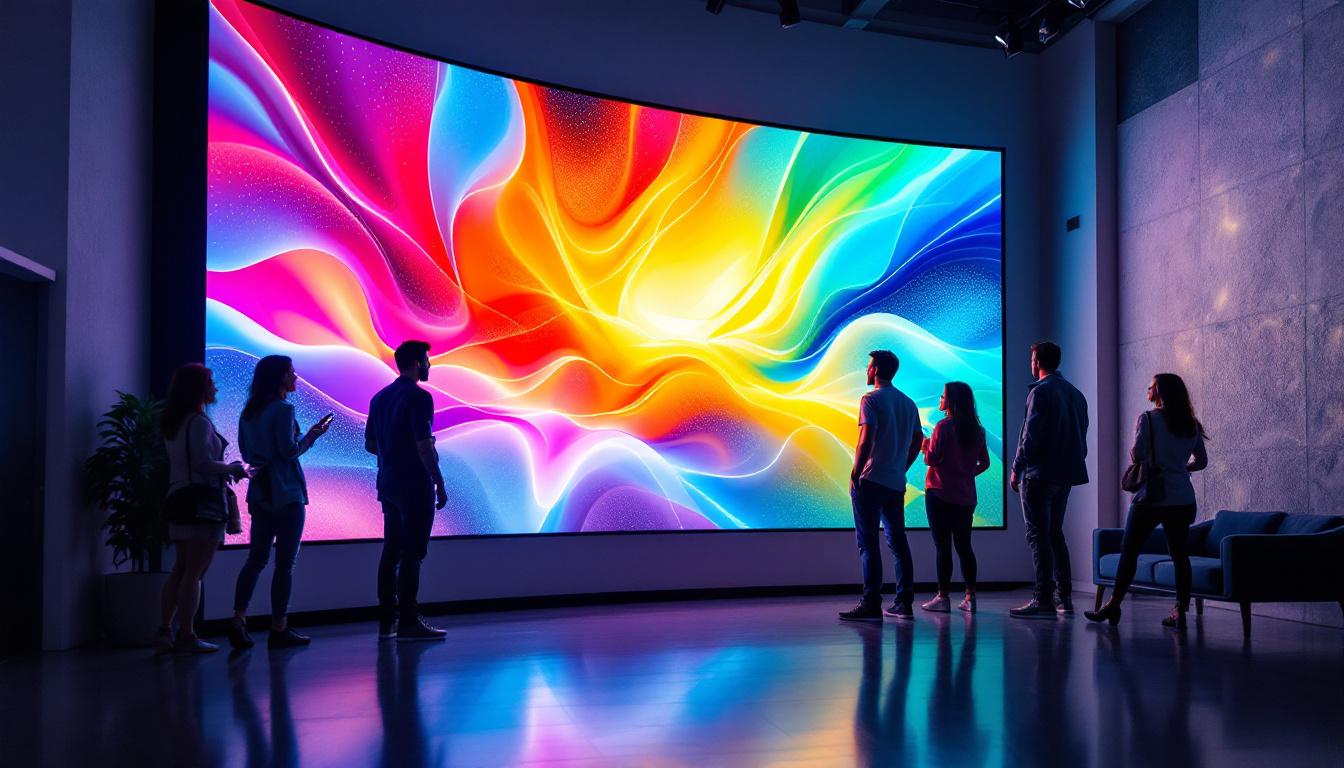
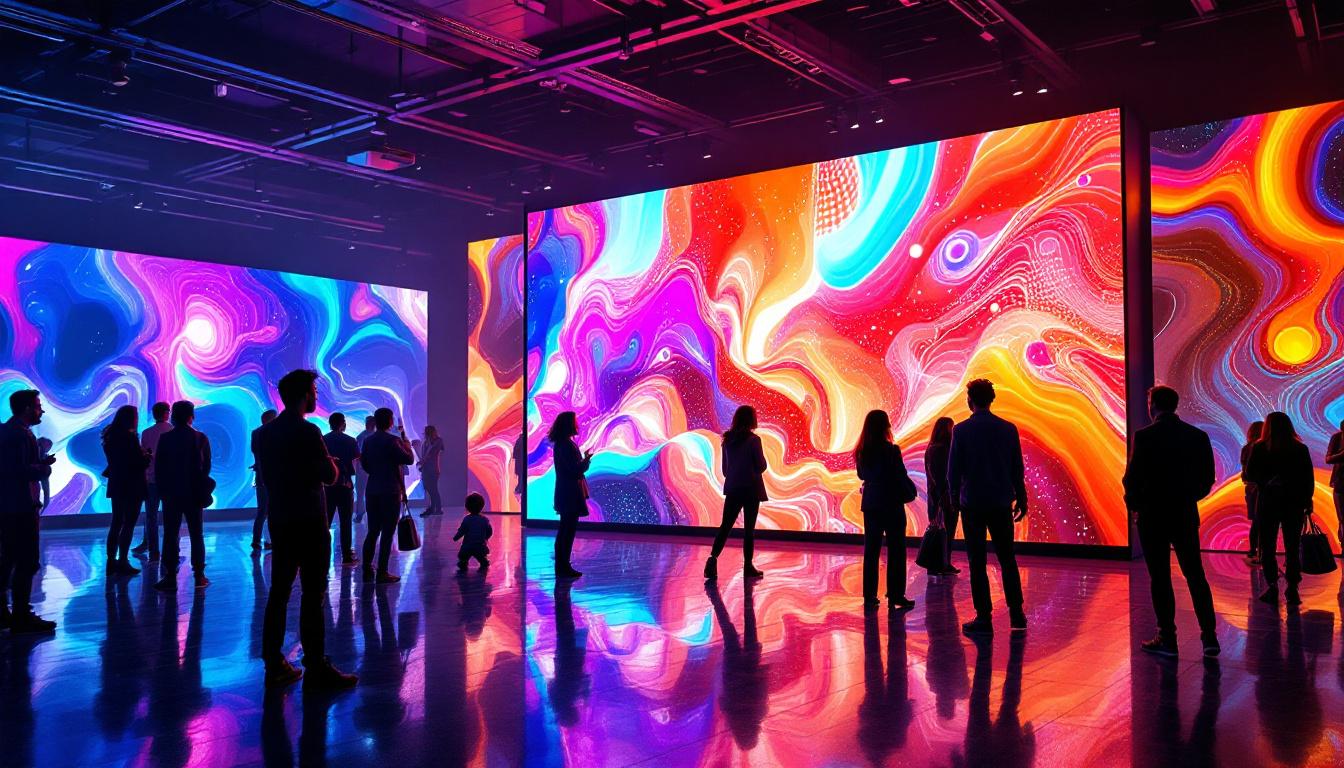
Other specialized types include transparent LED displays, flexible LED panels, and curved LED screens, each serving unique design and functional requirements. Transparent LED displays are particularly innovative, allowing for creative installations that maintain visibility through the screen while still delivering dynamic content. Flexible LED panels, on the other hand, can be bent and shaped to fit unconventional spaces, making them ideal for artistic installations and immersive environments. Curved LED screens enhance the viewer’s experience by providing a more immersive field of vision, often utilized in high-end retail and entertainment venues to captivate audiences with stunning visuals.
The Importance of Professional Monitor Installation Services
Why Proper Installation Matters
Installing an LED display is not as simple as mounting a screen on a wall. It requires precise calibration, electrical wiring, structural support, and software configuration to ensure optimal performance. Poor installation can lead to issues such as uneven brightness, color distortion, image flickering, and even hardware damage.
Professional installation services bring expertise that ensures the display operates at peak efficiency. This includes:
- Accurate Alignment: Ensuring each LED module is perfectly aligned to avoid visible seams or gaps.
- Electrical Safety: Proper wiring and grounding to prevent electrical hazards and extend the lifespan of the display.
- Environmental Adaptation: Installing weatherproof enclosures or ventilation systems as needed, especially for outdoor units.
- Software Integration: Configuring control systems for seamless content management and remote monitoring.
Case Study: Retail Chain Boosts Sales with Expert LED Installation
A national retail chain recently upgraded its in-store signage to large-format indoor LED displays. Initially, they attempted a DIY installation, but inconsistent brightness and frequent technical glitches led to customer complaints and lost advertising impact. After hiring a professional monitor installation service, the displays were recalibrated, and the wiring was optimized. Within weeks, the retailer reported a 15% increase in promotional engagement and a noticeable improvement in customer foot traffic.
Moreover, the professional installation team not only rectified the initial errors but also provided ongoing support and maintenance, ensuring that the displays remained in top condition. This included regular checks on the electrical systems and software updates to keep the content fresh and engaging. The retailer found that the ability to quickly change promotions and advertisements in real-time contributed significantly to their sales strategy, allowing them to respond to market trends and customer preferences more effectively. Such adaptability is crucial in today’s fast-paced retail environment, where consumer attention can shift rapidly.
Additionally, the installation process itself became a learning opportunity for the retail staff. The professionals conducted training sessions to educate employees on how to operate the display systems, troubleshoot minor issues, and understand the analytics behind customer engagement metrics. This empowerment not only enhanced the staff’s confidence but also fostered a culture of innovation within the store, as employees began to experiment with different content strategies to maximize the effectiveness of their new digital signage.
Key Considerations for LED Display Installation
Site Assessment and Planning
Before installation, a thorough site assessment is essential. Factors such as ambient lighting, viewing distance, structural integrity, and power availability influence the choice of LED display and installation method. For example, an outdoor billboard requires different mounting hardware and weatherproofing compared to an indoor conference room screen.
Planning also involves determining the optimal resolution and pixel pitch based on the intended viewing distance. A display intended for close-up viewing needs a finer pixel pitch to avoid visible pixelation, while larger outdoor displays can use wider pitches without compromising image quality. Additionally, understanding the audience demographics and typical viewing habits can guide the placement and orientation of the display, ensuring maximum engagement and visibility.
Moreover, it’s crucial to consider the surrounding environment. For instance, if the display is to be installed in a high-traffic area, factors such as potential obstructions, glare from sunlight, and even the local weather conditions should be analyzed. This comprehensive assessment not only aids in selecting the right technology but also helps in crafting a strategic approach to content delivery that resonates with the target audience.
Mounting and Structural Support
LED displays can be heavy and require sturdy mounting solutions. Professional installers evaluate the wall or frame’s load-bearing capacity and may reinforce structures to prevent accidents. Options include fixed mounts, motorized mounts for adjustable angles, or hanging systems for suspended installations.
In some cases, especially with large video walls, modular assembly is necessary. Each LED panel must be securely connected and aligned to create a seamless visual experience. This modular approach also facilitates easier maintenance and future upgrades. It’s important to consider the accessibility of the installation site; ensuring that technicians can reach all parts of the display for troubleshooting or repairs can save time and reduce costs in the long run.
Furthermore, the choice of mounting hardware can also affect the overall aesthetic of the installation. Sleek, low-profile mounts can create a more modern look, while traditional brackets may be more visible. The right choice can enhance the visual appeal of the display and ensure it integrates well with the surrounding architecture.
Electrical and Connectivity Requirements
Reliable power supply and data connectivity are critical for uninterrupted LED display operation. Installation professionals ensure that the electrical infrastructure meets safety codes and provides stable voltage. They also set up data cables, often using fiber optics or Ethernet, to transmit high-bandwidth video signals without lag or degradation.
In addition to standard power and data connections, it’s essential to consider backup systems to mitigate potential downtime. Uninterruptible power supplies (UPS) can provide temporary power during outages, ensuring that the display remains operational even in emergencies. Furthermore, integrating wireless connectivity options can enhance flexibility, allowing for remote content updates and monitoring without the need for extensive cabling.
Lastly, the installation team should also plan for future scalability. As technology evolves, the ability to easily upgrade components or expand the display system can be a significant advantage. This foresight can save both time and resources, ensuring that the LED display remains relevant and effective in a rapidly changing digital landscape.
Maintenance and Support Post-Installation
Routine Maintenance Practices
Like any electronic device, LED displays require regular maintenance to sustain performance. Cleaning the surface to remove dust and debris, checking for dead pixels, and inspecting electrical connections are standard procedures. For outdoor displays, weatherproof seals and cooling systems must be monitored to prevent damage from moisture and heat.
Professional maintenance services often include software updates to improve functionality and security. Scheduled inspections can detect potential issues early, reducing downtime and costly repairs.
Technical Support and Troubleshooting
Having access to expert technical support is invaluable, especially for businesses relying heavily on LED displays for communication and advertising. Installation service providers typically offer ongoing support contracts that include remote diagnostics, on-site repairs, and replacement of faulty modules.
Rapid response times minimize operational disruptions. For instance, a malfunctioning LED display in a transportation hub could cause passenger confusion, so timely troubleshooting is essential.
Emerging Trends in LED Display Technology and Installation
Advancements in Energy Efficiency
Recent innovations have focused on reducing the power consumption of LED displays without compromising brightness or color quality. Technologies such as dynamic brightness adjustment and more efficient diodes contribute to lower operational costs and environmental impact.
Integration with Smart Systems
Modern LED displays increasingly integrate with Internet of Things (IoT) platforms, enabling remote monitoring, automated content updates, and adaptive brightness control based on ambient conditions. These smart features require sophisticated installation and configuration, underscoring the need for professional expertise.
Flexible and Transparent LED Displays
Flexible LED panels allow for curved or irregularly shaped installations, opening new possibilities in architectural design and experiential marketing. Transparent LED displays can be installed on glass surfaces, blending digital content with natural light. Both technologies demand specialized installation techniques to ensure durability and visual coherence.
Conclusion: Maximizing Your Investment in LED Displays
LED displays represent a significant investment for any organization, offering dynamic visual communication that can engage audiences and enhance brand presence. However, the full benefits of LED technology can only be realized through expert installation and ongoing maintenance.
Engaging professional monitor installation services ensures that your LED display is optimally configured, safely mounted, and seamlessly integrated with your existing systems. This approach not only improves performance and reliability but also extends the lifespan of your display, protecting your investment in the long term.
As LED technology continues to evolve, staying informed about the latest advancements and installation best practices will help businesses maintain a competitive edge in their visual communications.
Discover LumenMatrix’s Advanced LED Solutions
Ready to elevate your visual communication with cutting-edge LED technology? Look no further than LumenMatrix, where innovation meets excellence. Our comprehensive range of LED display modules, from vibrant Indoor and Outdoor LED Walls to versatile Vehicle and Sports Displays, is designed to captivate your audience and amplify your brand’s presence. Embrace the future of digital signage with our Custom, All-in-One, and Transparent LED solutions. Check out LumenMatrix LED Display Solutions today and transform your space into a dynamic visual experience.