Programmable LCD Panel: LED Display Explained
In today’s digital age, display technologies play a pivotal role in how information is presented and consumed. Among these technologies, programmable LCD panels and LED displays have become integral components in a wide array of applications—from advertising billboards and public information systems to industrial control panels and consumer electronics. Understanding the fundamentals of these display types, their differences, and how programmable LCD panels leverage LED backlighting is essential for professionals in electronics, design, and marketing sectors.
Understanding Programmable LCD Panels
Programmable LCD (Liquid Crystal Display) panels are advanced display units that allow dynamic content control through embedded microcontrollers or external processors. Unlike traditional static displays, programmable LCDs can change the information they show in real time, making them highly versatile for various applications.
What is an LCD Panel?
At its core, an LCD panel is a flat-panel display technology that uses liquid crystals to modulate light. These liquid crystals do not emit light themselves but manipulate the light passing through them to create images. The display typically consists of several layers: a backlight source, polarizing filters, liquid crystal cells, and color filters.
The backlight is crucial because it provides the illumination necessary for the liquid crystals to display visible images. Traditionally, cold cathode fluorescent lamps (CCFLs) were used as backlights, but modern LCDs predominantly use LED backlighting due to its energy efficiency, longer lifespan, and improved brightness control. This shift not only enhances the visual quality of the display but also reduces power consumption, making LCD technology more sustainable and cost-effective for consumers and businesses alike.
Programmability and Control
Programmable LCD panels incorporate control electronics that allow the display content to be updated dynamically. This programmability is achieved through integrated circuits that interpret input signals—such as video data or command instructions—and adjust the liquid crystal orientation accordingly to render images or text.
For example, in industrial automation, programmable LCD panels can display real-time sensor data, system status, or alerts. In consumer devices, they enable interactive interfaces, such as touchscreens, where users can navigate menus or input commands. Moreover, these panels can be programmed to showcase animations or graphics, enhancing user engagement in applications ranging from advertising to educational tools. The ability to customize the display content also allows businesses to tailor their messaging to specific audiences or contexts, making programmable LCDs an invaluable asset in marketing and communication strategies.
Furthermore, the integration of wireless connectivity in many programmable LCD panels has opened up new avenues for remote management and content updates. This feature allows users to change the displayed information from anywhere, facilitating timely updates in environments such as retail stores, where promotions can be adjusted in real-time based on inventory levels or customer traffic. As technology continues to evolve, the potential applications for programmable LCD panels are expanding, paving the way for smarter, more interactive environments across various sectors.
LED Displays: A Closer Look
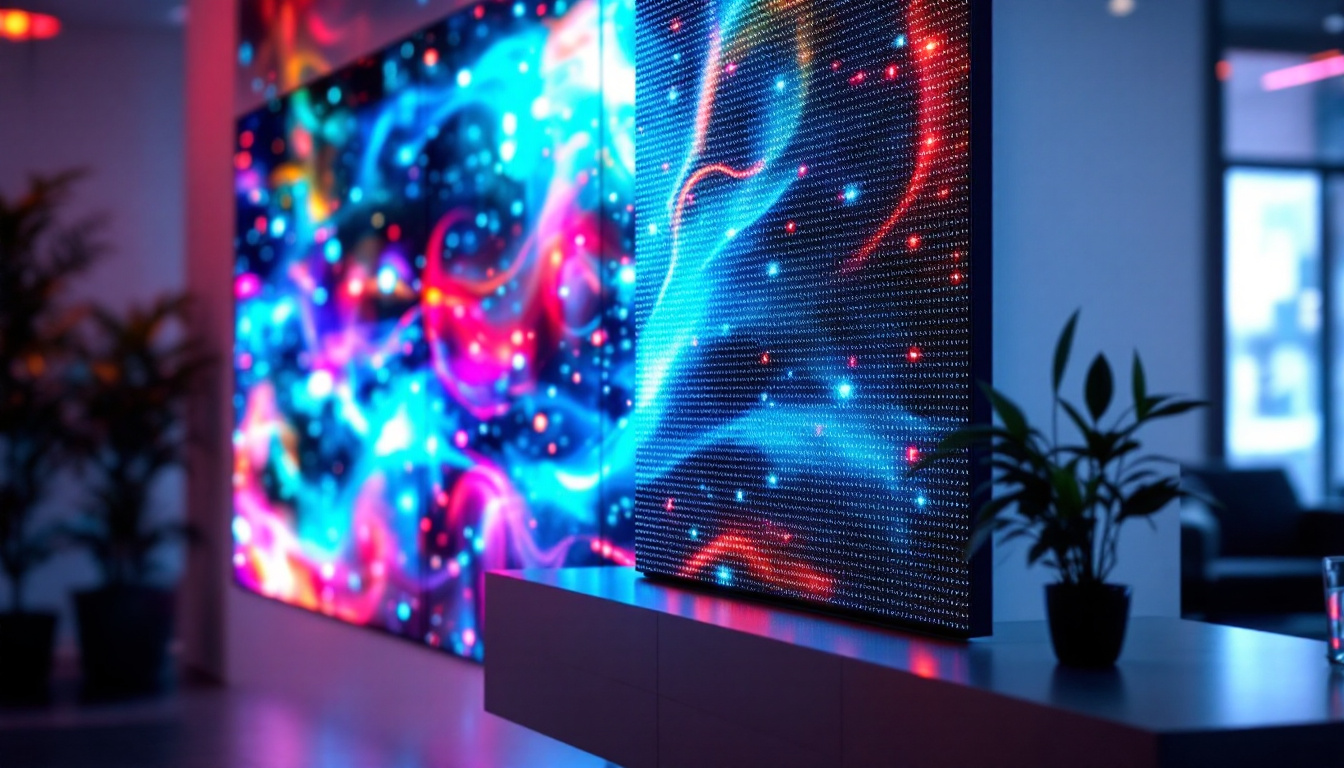
LED (Light Emitting Diode) displays are another prominent technology widely used for digital signage, scoreboards, and large video walls. Unlike LCDs, LED displays generate light directly from tiny semiconductor diodes, eliminating the need for a separate backlight.
Types of LED Displays
LED displays come in several forms, each suited for specific applications:
- Direct View LED Displays: These consist of an array of LEDs that emit light directly to form images. They are commonly used for large outdoor screens and stadium displays due to their high brightness and visibility in sunlight.
- LED-Backlit LCD Displays: These combine LCD panels with LED backlighting, enhancing brightness, contrast, and energy efficiency compared to older CCFL backlit LCDs.
- OLED Displays: Organic LEDs are a related technology where each pixel emits its own light, allowing for thinner displays with superior contrast and color accuracy, though they are generally more expensive.
Advantages of LED Displays
LED displays offer several advantages that have driven their widespread adoption:
- Brightness and Visibility: LEDs can achieve very high brightness levels, making them ideal for outdoor and high ambient light environments.
- Energy Efficiency: LED technology consumes less power compared to traditional lighting methods, contributing to lower operational costs.
- Durability and Longevity: LEDs have longer lifespans and are more resistant to shock and vibration, reducing maintenance needs.
- Color Accuracy and Contrast: LED-backlit LCDs can produce more vivid colors and deeper blacks than CCFL-backlit displays.
How Programmable LCD Panels Utilize LED Technology
Programmable LCD panels often integrate LED backlighting to enhance performance while maintaining the benefits of liquid crystal modulation. This hybrid approach combines the precise image control of LCDs with the superior illumination properties of LEDs.
LED Backlighting Techniques
There are two primary LED backlighting configurations used in programmable LCD panels:
- Edge-Lit LED Backlighting: LEDs are placed along the edges of the panel, and light is distributed across the screen using light guides. This method allows for thinner displays and lower manufacturing costs but can result in less uniform brightness.
- Direct or Full-Array LED Backlighting: LEDs are arranged in a grid directly behind the LCD panel, providing more uniform light distribution and enabling local dimming features. Local dimming improves contrast by dimming LEDs in dark areas of the screen while keeping bright areas illuminated.
Programmability and Dynamic Content
The integration of programmable controllers with LED-backlit LCD panels enables dynamic content updates with enhanced visual quality. This is especially important in applications such as:
- Digital Signage: Retailers and advertisers can remotely update promotional content, schedules, or announcements in real time.
- Industrial Displays: Factories can monitor processes and display critical alerts with high visibility and clarity.
- Transportation Systems: Programmable LCD panels provide real-time information on schedules, routes, and safety messages in airports, train stations, and buses.
Applications of Programmable LCD Panels with LED Technology
The versatility of programmable LCD panels combined with LED technology has led to their adoption across diverse sectors. Their ability to deliver clear, bright, and customizable displays makes them indispensable in modern environments.
Commercial and Advertising Displays
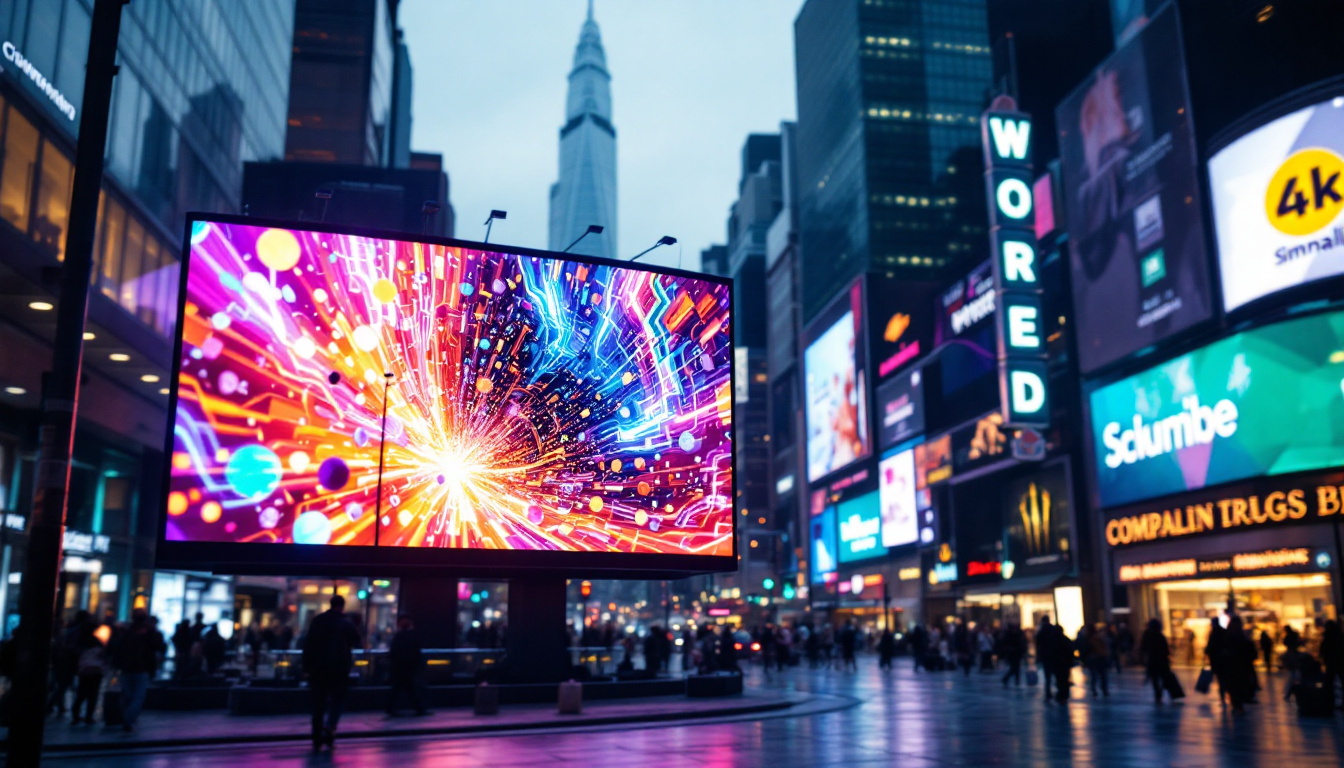
Retail environments leverage programmable LCD panels to engage customers with dynamic advertisements, product information, and interactive kiosks. The high brightness and color fidelity of LED-backlit LCDs ensure visibility even in brightly lit stores or outdoor locations.
According to recent market research, the global digital signage market is expected to grow at a compound annual growth rate (CAGR) of over 8% through 2027, driven by the demand for programmable and energy-efficient display solutions.
Industrial and Manufacturing Control Panels
In industrial settings, programmable LCD panels provide operators with real-time data visualization, system controls, and alerts. The durability of LED backlighting ensures reliable operation in harsh environments, including extreme temperatures and vibrations.
Programmable interfaces also enable customization to specific workflows, improving efficiency and reducing downtime.
Healthcare and Medical Equipment
Medical devices frequently incorporate programmable LCD panels to display vital patient data, imaging results, and device settings. The combination of sharp image quality and programmable flexibility supports accurate diagnostics and user-friendly operation.
Transportation and Public Information Systems
Airports, train stations, and bus terminals utilize programmable LCD panels with LED backlighting to provide passengers with up-to-date schedules, alerts, and wayfinding information. The high visibility under various lighting conditions ensures effective communication.
Key Considerations When Choosing Programmable LCD Panels
Selecting the right programmable LCD panel with LED technology requires evaluating several factors to ensure optimal performance and cost-effectiveness.
Resolution and Display Size
The resolution determines the clarity and detail of the displayed content. Higher resolutions are essential for applications requiring fine detail, such as medical imaging or high-definition video playback. Display size should align with viewing distance and environmental constraints.
Brightness and Contrast Ratio
Brightness, measured in nits, affects visibility in different lighting conditions. For outdoor or brightly lit indoor environments, panels with brightness levels exceeding 1000 nits are often necessary. Contrast ratio impacts the depth of blacks and overall image quality, with LED backlighting and local dimming enhancing this metric.
Response Time and Refresh Rate
Response time influences how quickly the display can update images, critical for video playback and interactive applications. Refresh rate affects the smoothness of motion rendering. Programmable LCD panels intended for dynamic content should offer low response times and higher refresh rates.
Durability and Environmental Resistance
For industrial or outdoor use, panels must withstand temperature extremes, moisture, dust, and mechanical stress. LED backlighting contributes to robustness, but additional protective measures such as rugged enclosures or conformal coatings may be necessary.
Connectivity and Control Interfaces
Programmable panels should support a range of input signals and communication protocols to integrate seamlessly with existing systems. Common interfaces include HDMI, VGA, USB, Ethernet, and serial connections. Remote management capabilities enhance flexibility.
The Future of Programmable LCD and LED Displays
Display technology continues to evolve rapidly, driven by advances in materials science, electronics, and user interface design. Programmable LCD panels with LED backlighting remain a cornerstone technology, but emerging trends are shaping their future.
Mini-LED and Micro-LED Innovations
Mini-LED and micro-LED technologies represent the next generation of LED backlighting, offering even greater control over local dimming zones, improved contrast ratios, and thinner display profiles. These developments promise to further enhance programmable LCD panels’ visual performance.
Integration with IoT and Smart Systems
Programmable displays are increasingly integrated into Internet of Things (IoT) ecosystems, enabling real-time data exchange, remote diagnostics, and adaptive content delivery based on environmental sensors or user behavior.
Energy Efficiency and Sustainability
As energy consumption becomes a critical concern, display manufacturers focus on reducing power usage through more efficient LEDs, adaptive brightness controls, and recyclable materials. Programmable LCD panels are part of this movement toward greener technology.
Conclusion
Programmable LCD panels with LED backlighting combine the strengths of liquid crystal modulation and advanced illumination to deliver versatile, high-quality displays suitable for a wide range of applications. Their programmability enables dynamic content control, while LED technology ensures superior brightness, energy efficiency, and durability.
Understanding the technical aspects and application contexts of these displays empowers businesses and professionals to make informed decisions when selecting display solutions. As display technologies continue to advance, programmable LCD panels will remain an essential tool for effective visual communication in an increasingly digital world.
Discover Cutting-Edge LED Displays with LumenMatrix
Ready to elevate your visual communication strategy with the latest in LED display technology? Look no further than LumenMatrix, a pioneer in crafting immersive and dynamic visual experiences. From vibrant Indoor and Outdoor LED Wall Displays to innovative solutions like Vehicle LED Displays, LED Posters, and even Custom LED Displays, LumenMatrix offers a comprehensive range of products designed to captivate your audience and amplify your brand’s message. Embrace the future of digital signage with our All-in-One and Transparent LED Displays, and see how our commitment to excellence can transform your space. Check out LumenMatrix LED Display Solutions today and join the revolution in high-impact visual storytelling.