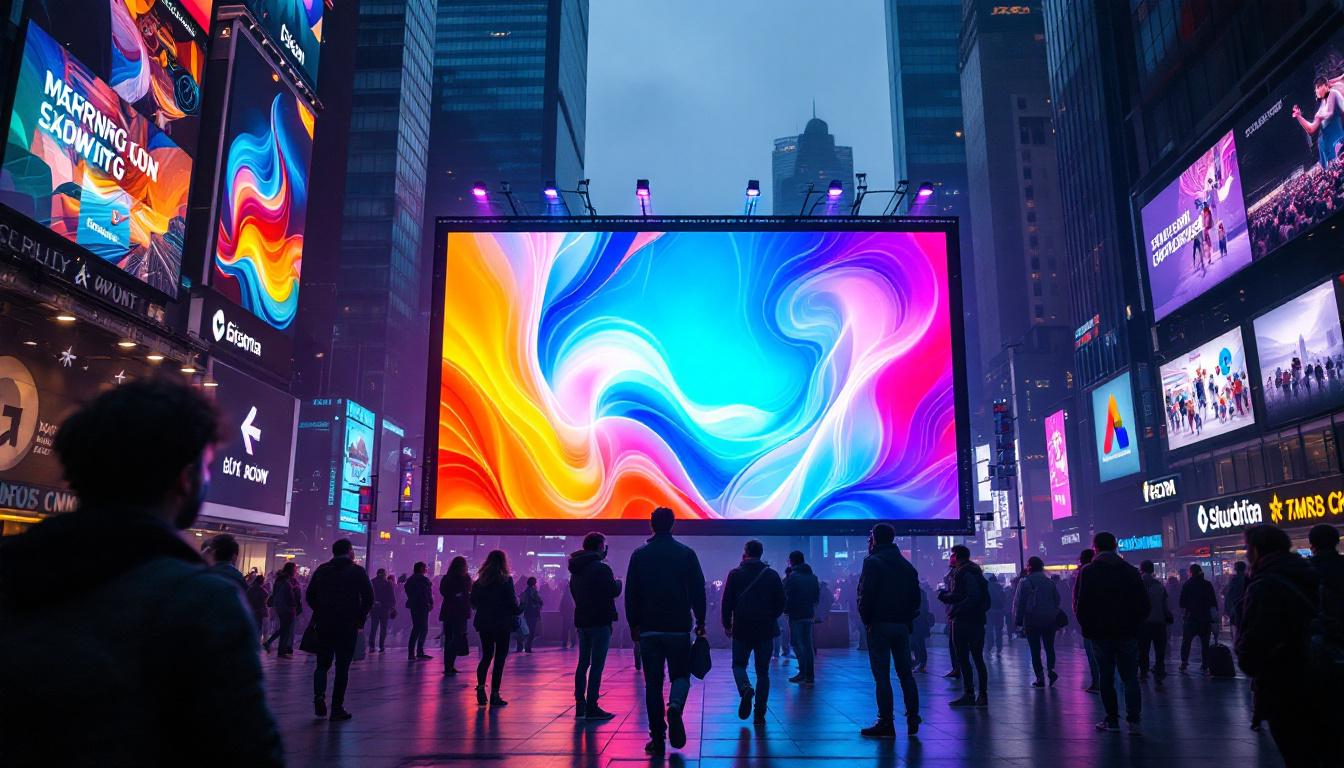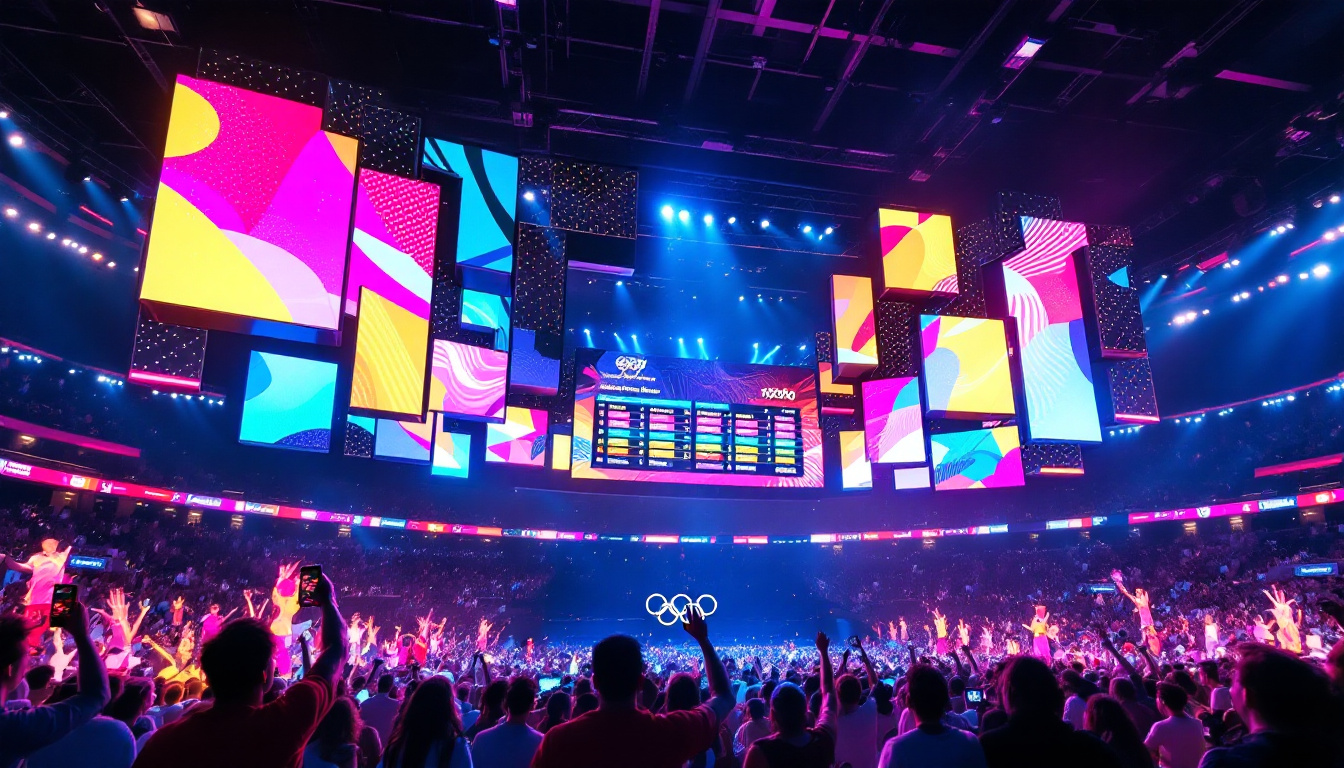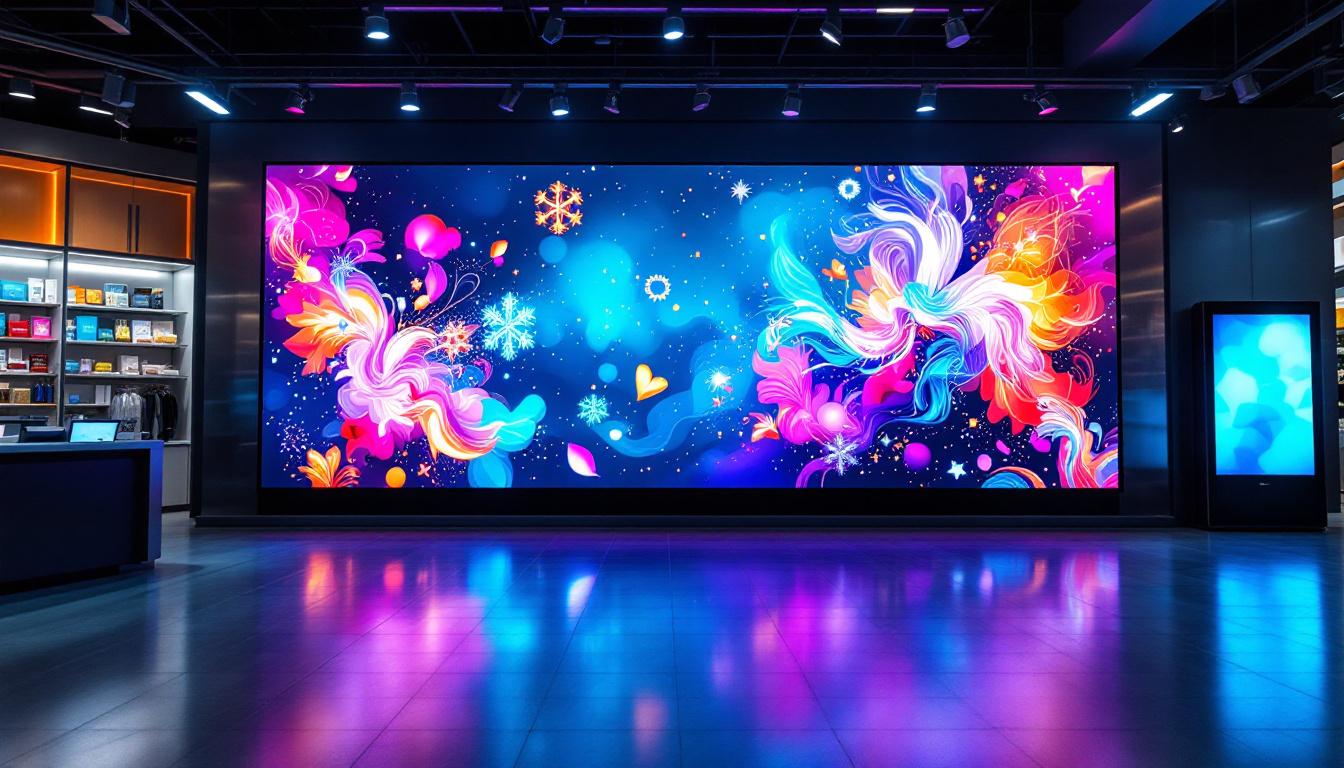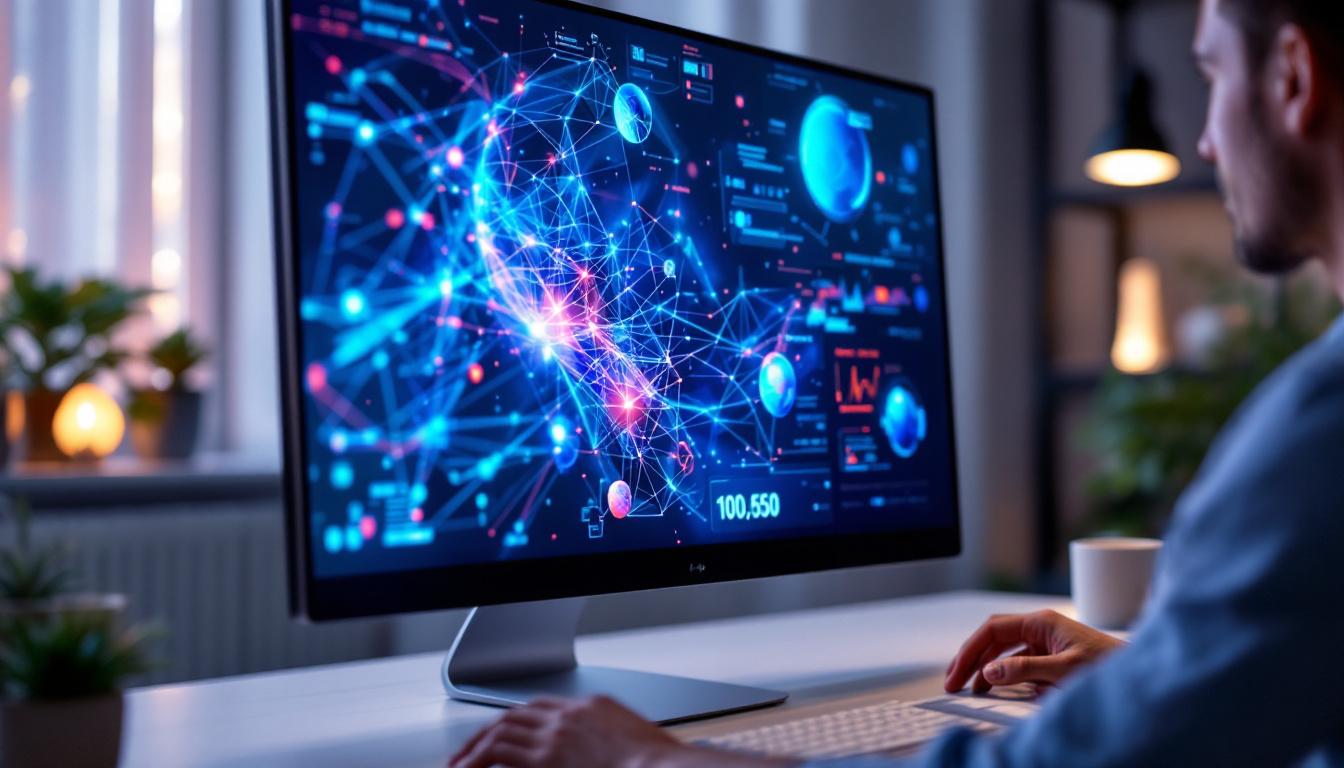
In today’s fast-evolving digital landscape, interactive computer monitors have become essential tools across various industries, from education and design to corporate collaboration and entertainment. Central to their functionality and appeal is the LED display technology that powers these monitors, offering vibrant visuals, energy efficiency, and enhanced interactivity. This article delves into the intricacies of LED displays in interactive monitors, exploring how they work, their advantages, and why they are increasingly preferred over other display technologies.
Understanding LED Display Technology
What is an LED Display?
LED, or Light Emitting Diode, displays are a type of flat-panel display that use an array of light-emitting diodes to create images. Unlike older technologies such as LCDs that rely on fluorescent backlighting, LED displays use tiny diodes that emit light directly. This fundamental difference results in improved brightness, contrast, and color accuracy, which are critical for interactive monitors where clarity and responsiveness are paramount.
Modern LED displays can be categorized mainly into two types: edge-lit and direct-lit (or full-array). Edge-lit LED displays place LEDs along the edges of the screen, using light guides to distribute illumination evenly. Direct-lit displays, on the other hand, have LEDs positioned directly behind the screen, allowing for better local dimming and deeper blacks. Both types are widely used in interactive monitors, depending on the application and price point. Furthermore, advancements in technology have led to the development of OLED (Organic LED) displays, which offer even greater contrast ratios and color vibrancy by allowing individual pixels to emit their own light, thus eliminating the need for backlighting altogether. This innovation is particularly beneficial in environments where visual fidelity is essential, such as in digital art studios and high-end gaming setups.
How LED Displays Work in Interactive Monitors
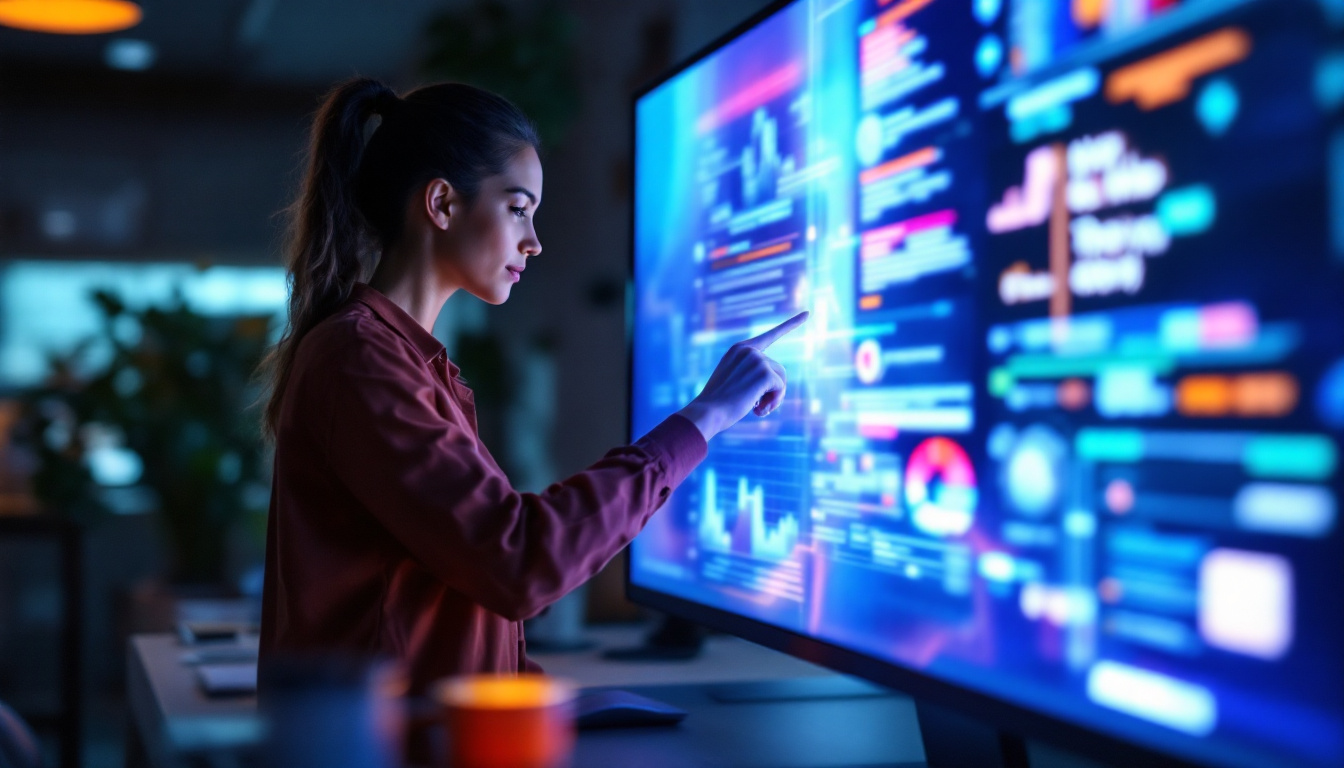
Interactive computer monitors combine LED display technology with touch-sensitive layers, enabling users to engage directly with the screen. The LED panel produces the visual content, while the touch layer detects input from fingers or styluses. This combination allows for seamless interaction, such as drawing, annotating, or navigating software interfaces.
The LED panel’s fast response times and high refresh rates are crucial for ensuring that touch inputs translate into immediate visual feedback. This responsiveness is especially important in professional settings like graphic design, where precision and fluidity can impact work quality. Additionally, the energy efficiency of LED displays helps maintain longer usage periods without excessive power consumption, a notable advantage in environments like classrooms or conference rooms. Beyond just touch capabilities, many interactive LED monitors now incorporate advanced features such as multi-touch support, enabling several users to interact with the screen simultaneously. This capability is particularly useful in collaborative environments, where brainstorming sessions or group projects benefit from the ability to share ideas visually and in real-time. Moreover, the integration of software solutions that facilitate screen sharing and remote collaboration has further enhanced the utility of LED interactive monitors, making them indispensable tools in modern workplaces and educational institutions.
Advantages of LED Displays in Interactive Monitors
Superior Image Quality and Color Accuracy
One of the most significant benefits of LED displays is their ability to render vivid colors and sharp images. Thanks to the direct emission of light from LEDs, these displays achieve higher contrast ratios and deeper blacks compared to traditional LCDs with fluorescent backlighting. This enhanced image quality is vital for interactive monitors used in creative industries, where color fidelity can influence design decisions.
Furthermore, LED technology supports wide color gamuts such as Adobe RGB and DCI-P3, which are standards in professional photography and video editing. This capability ensures that interactive monitors can display content as accurately as possible, reducing the need for external calibration and improving workflow efficiency.
Energy Efficiency and Longevity
LED displays consume significantly less power than their LCD counterparts with CCFL backlighting. This energy efficiency translates into reduced operational costs, especially in settings where monitors are used extensively throughout the day. For example, in educational institutions where interactive monitors serve multiple classes daily, lower power consumption can lead to substantial savings over time.
In addition to energy savings, LED displays generally have longer lifespans. LEDs degrade more slowly than fluorescent tubes, maintaining consistent brightness and color performance over years of use. This durability is critical for businesses investing in interactive monitors, as it lowers maintenance costs and reduces downtime.
Thin and Lightweight Design
The compact nature of LED technology allows manufacturers to produce thinner and lighter interactive monitors. This design flexibility is advantageous in environments where space is limited or where monitors need to be mounted on walls or mobile stands. A slimmer profile also contributes to a modern aesthetic, which is increasingly important in corporate and educational settings aiming to create visually appealing, tech-forward spaces.
Applications of Interactive LED Monitors
Education and E-Learning
Interactive LED monitors have revolutionized classroom learning by enabling dynamic and engaging lessons. Teachers can write, draw, and annotate directly on the screen, making lessons more interactive and accessible. The bright and clear LED displays ensure visibility from all corners of the classroom, enhancing student participation and comprehension.
Moreover, these monitors support multi-touch capabilities, allowing multiple students to interact simultaneously. This feature fosters collaborative learning and helps develop critical thinking and teamwork skills. The durability and energy efficiency of LED displays also make them well-suited for the demanding environment of schools.
Corporate Collaboration and Conferencing
In corporate environments, interactive LED monitors facilitate effective communication and teamwork. Whether used in conference rooms for presentations or in brainstorming sessions for real-time idea sharing, these monitors enhance productivity by providing intuitive, touch-based interaction with digital content.
LED displays’ high resolution and color accuracy ensure that charts, graphs, and videos are displayed clearly, aiding decision-making processes. Additionally, many interactive monitors come equipped with software that integrates video conferencing tools, digital whiteboards, and cloud collaboration platforms, making them indispensable in modern workplaces.
Creative and Design Industries
Graphic designers, video editors, and digital artists benefit immensely from the precision and color fidelity offered by LED interactive monitors. The ability to interact directly with the screen using styluses or fingers allows for more natural workflows, akin to working on physical media but with the advantages of digital editing.
High refresh rates and low latency reduce lag between input and display, which is crucial for detailed work. Furthermore, the wide color gamut and accurate color reproduction help professionals produce work that meets industry standards, whether for print, web, or broadcast.
Choosing the Right Interactive LED Monitor
Key Specifications to Consider
Selecting an interactive monitor with an LED display requires careful consideration of several technical factors. Resolution is paramount; higher resolutions such as 4K (3840 x 2160 pixels) provide sharper images and more screen real estate for multitasking. Screen size should align with the intended use—larger displays are preferable for group collaboration, while smaller sizes may suffice for individual workstations.
Touch technology is another critical aspect. Capacitive touchscreens offer greater sensitivity and multi-touch support compared to resistive screens, which may only register single points of contact. Response time and refresh rate also influence the smoothness of interaction, particularly in creative applications or fast-paced presentations.
Connectivity and Software Integration
Modern interactive monitors often include multiple input options such as HDMI, USB-C, DisplayPort, and wireless connectivity. These features ensure compatibility with a wide range of devices, from laptops and tablets to smartphones. Some monitors also support integration with popular collaboration software like Microsoft Teams, Zoom, and Google Workspace, streamlining workflows.
Software compatibility is essential for maximizing the utility of an interactive monitor. Many models come bundled with proprietary annotation and whiteboarding software, but compatibility with third-party applications can enhance flexibility and user experience.
Budget and Warranty Considerations
Interactive LED monitors vary widely in price, influenced by size, resolution, touch technology, and additional features. It is important to balance budget constraints with the need for performance and durability. Investing in a higher-quality monitor can yield long-term benefits through improved productivity and reduced replacement costs.
Warranty and customer support are also crucial factors. Given that interactive monitors are often used intensively, having reliable after-sales service can mitigate downtime and ensure sustained performance. Many manufacturers offer extended warranties and on-site support options tailored to business and educational clients.
Future Trends in Interactive LED Displays
Advancements in OLED and MicroLED Technologies
While LED displays currently dominate the interactive monitor market, emerging technologies like OLED (Organic Light Emitting Diode) and MicroLED promise to further enhance display quality and interactivity. OLED offers superior contrast ratios and color accuracy by emitting light at the pixel level, eliminating the need for backlighting altogether. However, challenges related to cost and lifespan have limited widespread adoption.
MicroLED, a newer technology, combines the benefits of LED and OLED by using microscopic LEDs to create images with exceptional brightness, color, and energy efficiency. As production techniques improve, MicroLED could become the next standard for interactive monitors, delivering unparalleled visual experiences.
Integration of AI and Enhanced Touch Capabilities
Artificial intelligence is poised to transform interactive monitors by enabling smarter interfaces that adapt to user behavior. Features such as handwriting recognition, gesture control, and predictive input can streamline workflows and make interaction more intuitive. Enhanced touch technologies, including haptic feedback and pressure sensitivity, will further mimic the tactile experience of traditional tools.
These innovations will expand the applications of interactive monitors, making them even more versatile across education, business, healthcare, and creative industries.
Conclusion
Interactive computer monitors with LED displays represent a convergence of advanced visual technology and user-centric design. Their superior image quality, energy efficiency, and responsive touch capabilities make them indispensable tools in a wide array of professional and educational settings. Understanding the underlying LED technology and its benefits helps users make informed decisions when selecting interactive monitors that best meet their needs.
As display technologies continue to evolve, interactive LED monitors will remain at the forefront of digital interaction, fostering collaboration, creativity, and learning in increasingly dynamic ways.
Discover LumenMatrix LED Display Solutions
Ready to elevate your interactive experiences with the latest in LED display technology? Look no further than LumenMatrix, a pioneer in crafting visually stunning and technologically advanced LED displays. Whether you’re seeking to boost brand visibility or create immersive environments, our extensive range of products, including Indoor and Outdoor LED Wall Displays, Vehicle LED Displays, and more, are designed to meet your unique needs. Embrace the future of visual communication and check out LumenMatrix LED Display Solutions today to see how our innovative displays can transform your space and captivate your audience.