The 21:9 screen ratio, often referred to as ultrawide, has been gaining significant traction in recent years, especially among professionals, gamers, and multimedia enthusiasts. Coupled with LED display technology, these screens offer a unique viewing experience that differs markedly from the traditional 16:9 aspect ratio. This article delves into the intricacies of 21:9 screens, explains the fundamentals of LED displays, and explores why this combination is becoming increasingly popular.
Understanding the 21:9 Aspect Ratio
The aspect ratio of a screen is the proportional relationship between its width and height. A 21:9 screen means the width is 21 units for every 9 units of height, making it significantly wider than the conventional 16:9 ratio found on most televisions and monitors.
Originally inspired by the cinematic widescreen format, 21:9 screens mimic the dimensions used in many films, providing a more immersive viewing experience. This ultrawide format has been adopted by monitor manufacturers to cater to users who desire more horizontal screen real estate. The appeal of such screens extends beyond just entertainment; they have become a staple in various professional environments, where the need for expansive visual space is paramount.
Why 21:9 Matters
The wider aspect ratio offers several practical advantages. For professionals working with video editing, graphic design, or financial data, the extended horizontal space allows for better multitasking. Multiple windows can be displayed side-by-side without feeling cramped, enhancing productivity. This is especially beneficial for tasks that require constant reference to multiple documents or applications, as users can arrange their workspace more efficiently, reducing the time spent switching between tabs or applications.
For gamers, 21:9 screens provide a broader field of view, which can be advantageous in games that support ultrawide resolutions. This wider perspective can improve situational awareness and immersion, making gameplay more engaging. Many modern games are designed to take advantage of this aspect ratio, offering stunning visuals that envelop the player in the game world. Furthermore, the increased peripheral vision can give gamers a competitive edge, allowing them to spot enemies or objectives that might be missed on a standard screen.
Common Resolutions for 21:9 Screens
Popular 21:9 resolutions include 2560×1080 (Full HD ultrawide) and 3440×1440 (WQHD ultrawide). The latter is especially favored for its sharpness and clarity, striking a balance between screen size and pixel density. Some high-end monitors even offer 5120×2160 resolution, known as 5K ultrawide, delivering exceptional detail. These resolutions not only enhance the visual experience but also support advanced features like HDR (High Dynamic Range) and high refresh rates, which are crucial for both gamers and professionals who demand the best from their displays.
As the technology continues to evolve, we are also seeing an increase in the availability of curved 21:9 monitors. These designs aim to further enhance immersion by wrapping the display around the viewer’s field of vision. Curved screens can help reduce glare and reflections, making them ideal for bright environments. Additionally, they can provide a more uniform viewing distance across the entire screen, which is particularly beneficial for long gaming sessions or extensive work hours, reducing eye strain and fatigue.
LED Display Technology: The Basics
LED, or Light Emitting Diode, display technology is a widely used method for screen backlighting and pixel illumination. It has largely replaced older technologies like CCFL (Cold Cathode Fluorescent Lamp) backlights due to its efficiency, brightness, and color accuracy.
In LED displays, tiny diodes emit light when an electric current passes through them. These diodes can be arranged in different configurations, such as edge-lit or full-array backlighting, each affecting the display’s brightness uniformity and contrast. The choice of configuration can significantly impact the viewing experience, as full-array backlighting generally provides superior performance in terms of contrast and black levels, making it ideal for high-definition content.
Types of LED Displays
There are primarily two types of LED displays used in monitors and TVs:
- LED-backlit LCDs: These are LCD panels that use LEDs as the backlight source. The LCD layer controls the image, while the LEDs provide illumination. This is the most common type of LED display in consumer electronics. These displays are particularly popular due to their affordability and the ability to produce sharp images, making them suitable for a variety of applications from gaming to professional graphic design.
- Direct LED and OLED: Direct LED displays have LEDs placed directly behind the screen, allowing for better local dimming and contrast. OLED (Organic LED) is a different technology where each pixel emits its own light, enabling perfect blacks and superior color accuracy. OLED displays are often favored by cinephiles and gamers for their ability to render deep shadows and vibrant colors, creating an immersive viewing experience.
Advantages of LED Displays
LED displays offer several benefits over older technologies:
- Energy Efficiency: LEDs consume less power, contributing to lower electricity bills and reduced environmental impact. This efficiency not only benefits consumers financially but also aligns with global efforts to promote sustainability in technology.
- Brightness and Contrast: LED backlighting can achieve higher brightness levels and better contrast ratios, improving visibility in bright environments. This feature is particularly advantageous for outdoor displays or in well-lit rooms, where traditional displays might struggle to maintain image quality.
- Color Accuracy: Modern LED displays support wide color gamuts and HDR (High Dynamic Range), delivering more vibrant and lifelike images. The ability to reproduce a broader spectrum of colors means that content creators can produce more visually stunning works, enhancing the overall viewing experience.
- Thin and Lightweight: LED technology allows for slimmer and lighter screens, which is advantageous for both desktop monitors and portable devices. This portability has led to the rise of ultra-slim TVs and laptops, making it easier for consumers to enjoy high-quality displays without sacrificing space.
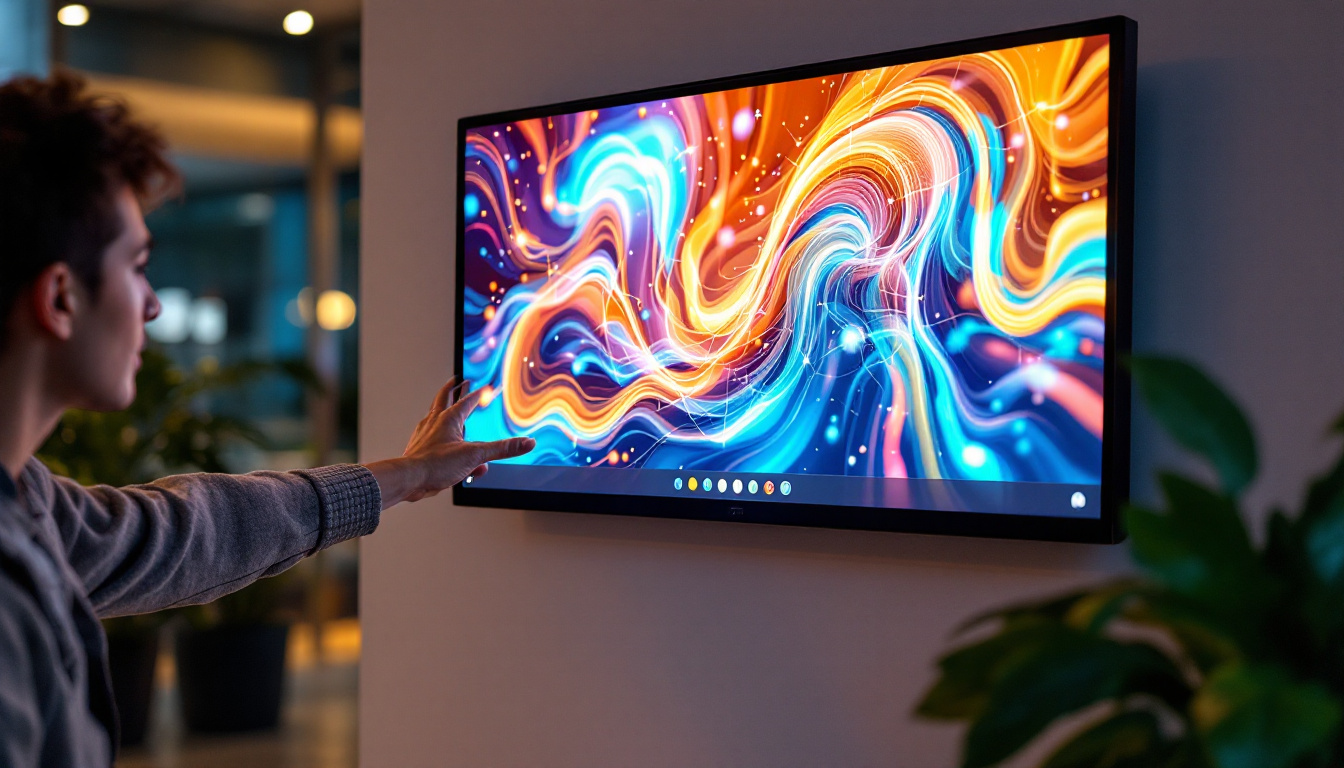
Furthermore, the rapid advancements in LED technology have paved the way for innovative applications beyond traditional displays. For instance, LED screens are now commonly used in digital signage, where dynamic content can be showcased in public spaces, enhancing advertising and information dissemination. Additionally, the integration of smart technology with LED displays has led to the development of interactive screens that can respond to touch or gestures, opening up new possibilities for user engagement and experience.
As the technology continues to evolve, we can expect further improvements in display resolution, refresh rates, and energy consumption. The advent of MicroLED technology, for example, promises to combine the best aspects of both LED and OLED, offering even greater efficiency and performance. This ongoing innovation ensures that LED display technology remains at the forefront of visual media, continually enhancing how we consume content across various platforms.
The Synergy of 21:9 Aspect Ratio and LED Displays
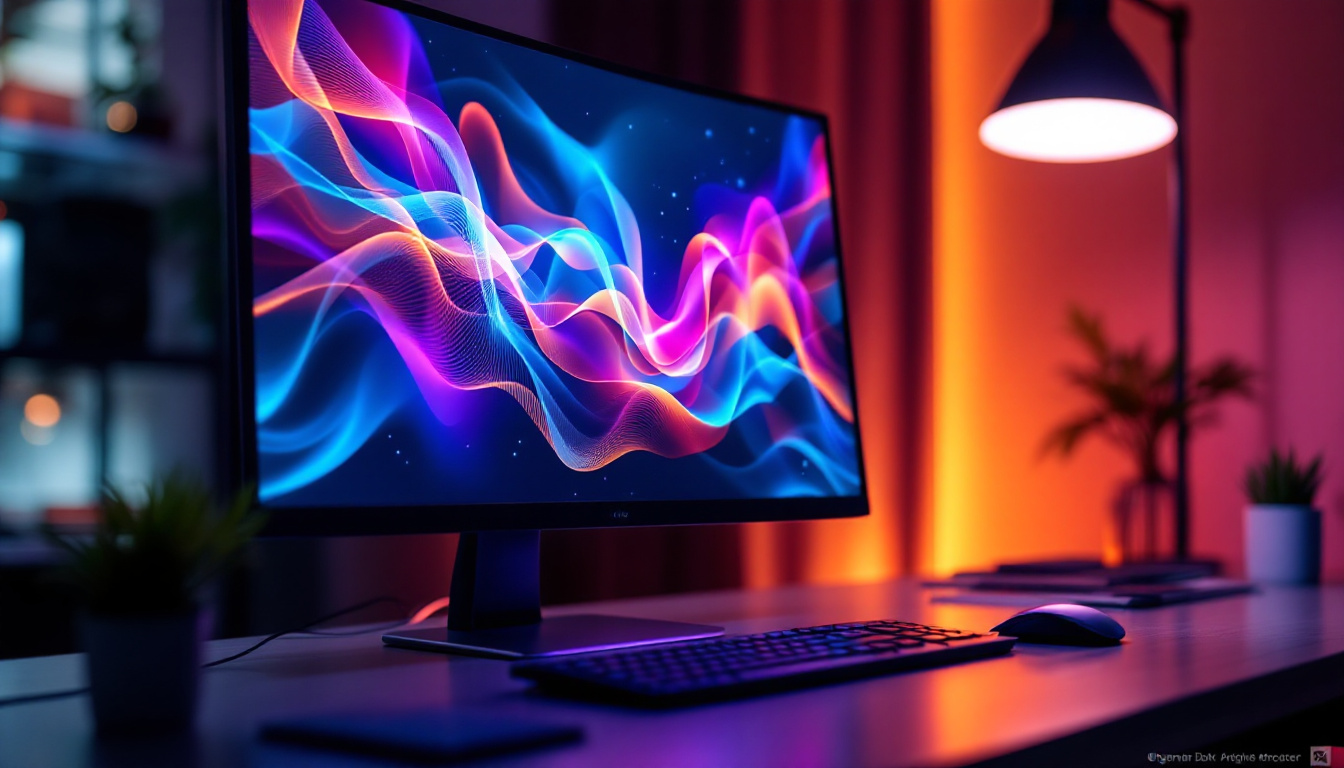
Combining the ultrawide 21:9 aspect ratio with LED display technology creates a compelling product for various user groups. The enhanced screen real estate paired with the visual benefits of LED technology results in an immersive and productive experience.
Enhanced Productivity for Professionals
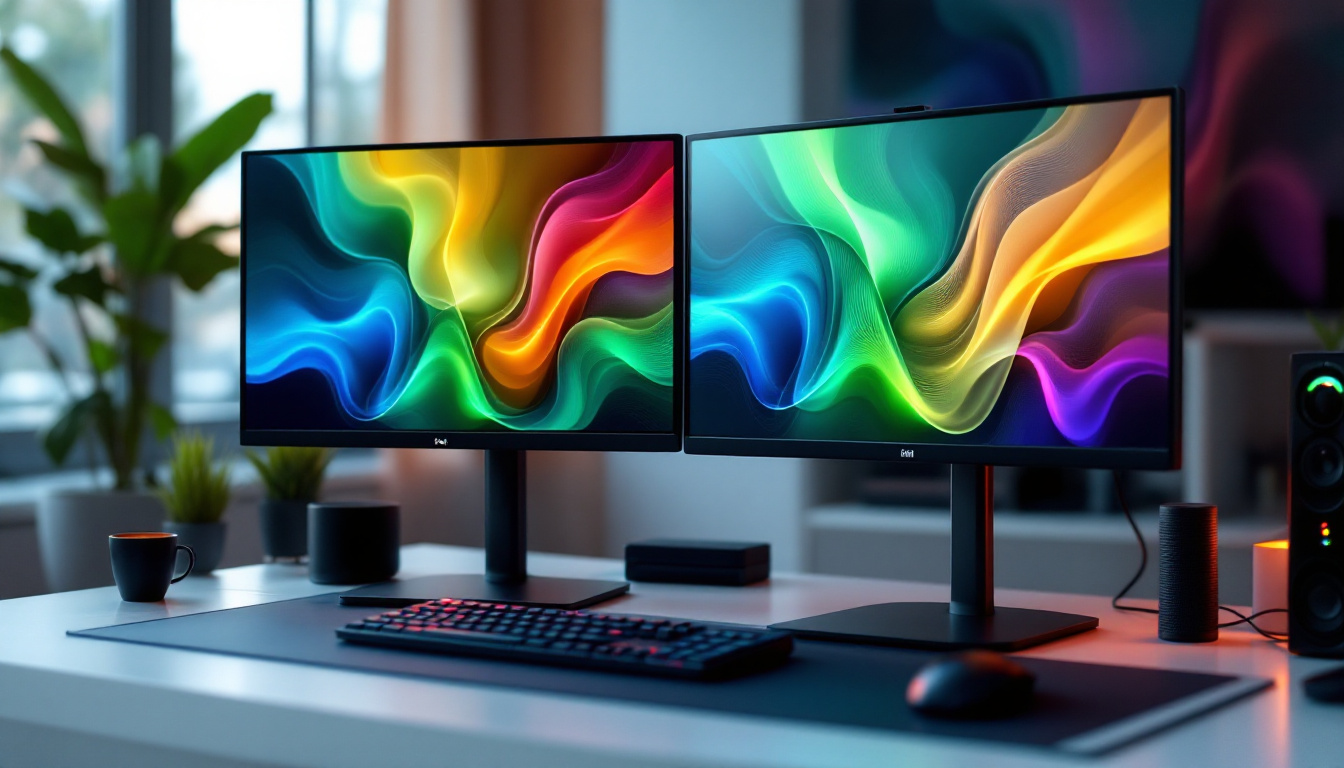
Professionals such as video editors, programmers, and financial analysts benefit greatly from 21:9 LED monitors. The ultrawide format allows for multiple applications and toolbars to be open simultaneously without the need for multiple monitors. This reduces desk clutter and streamlines workflow.
Additionally, LED technology ensures that colors are accurate and consistent, which is critical for tasks like photo editing and color grading. The ability to display HDR content on LED screens further enhances the precision of visual work.
Immersive Entertainment and Gaming
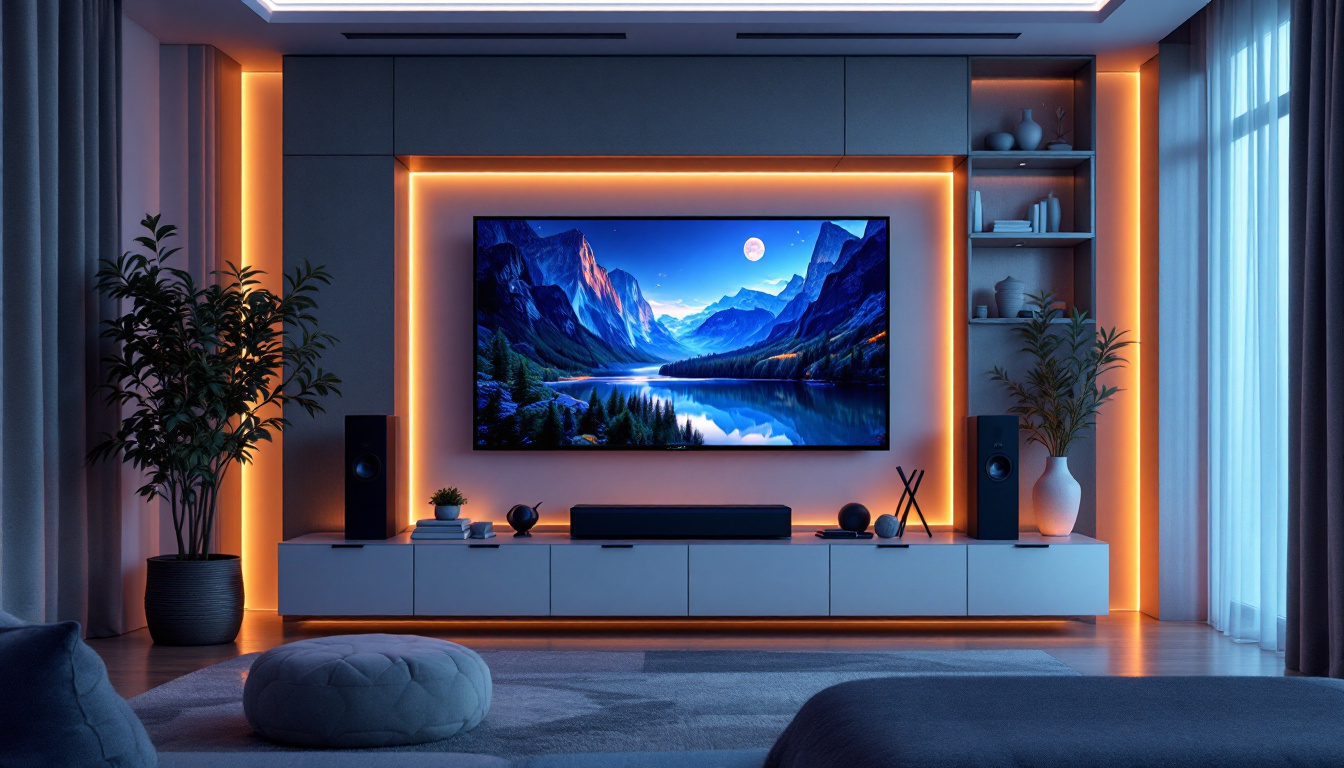
For entertainment, 21:9 LED screens replicate the cinematic experience by matching the aspect ratio used in most films. This reduces black bars on the top and bottom of the screen, providing a more natural and immersive viewing experience.
Gamers also enjoy the wider field of view that 21:9 ultrawide LED monitors provide. Many modern games support ultrawide resolutions, allowing players to see more of the game environment. The high refresh rates and low response times typical of LED displays contribute to smooth and responsive gameplay.
Challenges and Considerations
Despite the advantages, there are some challenges associated with 21:9 LED screens. Content compatibility can be an issue; not all videos or games support the ultrawide format, which may result in letterboxing or stretched images.
Furthermore, ultrawide monitors tend to be more expensive than their 16:9 counterparts, and they require more desk space due to their width. Users should consider these factors when deciding if a 21:9 LED display is the right choice for their needs.
Market Trends and Future Outlook
The market for 21:9 LED displays has been expanding steadily. According to recent industry reports, ultrawide monitors accounted for approximately 15% of the global monitor market in 2023, with projections indicating continued growth driven by remote work, gaming, and content creation demands.
Manufacturers are also pushing the boundaries of LED technology, integrating features like mini-LED backlighting and improved HDR standards to enhance ultrawide display performance further. These advancements promise deeper blacks, brighter highlights, and more precise color reproduction.
Mini-LED and Beyond
Mini-LED technology uses thousands of tiny LEDs to provide more precise local dimming compared to traditional LED backlights. This innovation improves contrast ratios and reduces halo effects around bright objects on dark backgrounds, which is particularly beneficial for ultrawide screens used in professional content creation and high-end gaming.
Looking further ahead, microLED technology is poised to revolutionize display quality by combining the self-emissive benefits of OLED with the brightness and longevity of LEDs. While still in early stages for consumer products, microLED could become the next standard for ultrawide displays.
Choosing the Right 21:9 LED Display
Selecting the best 21:9 LED monitor depends on individual needs and budget. Key factors to consider include resolution, refresh rate, color accuracy, and connectivity options.
Resolution and Size
Higher resolution ultrawide monitors, such as 3440×1440 or 5120×2160, offer sharper images but come at a higher cost. Screen size is also important; common ultrawide sizes range from 29 inches to 49 inches. Larger screens provide more immersive experiences but require ample desk space.
Refresh Rate and Response Time
For gamers, a high refresh rate (120Hz or above) and low response time (under 5ms) are crucial for smooth gameplay. Professionals focused on color accuracy may prioritize color gamut and calibration over refresh rate.
Connectivity and Ergonomics
Modern 21:9 LED monitors often feature multiple ports including HDMI, DisplayPort, and USB-C, enabling easy connection to various devices. Adjustable stands, VESA mount compatibility, and blue light filters contribute to ergonomic comfort during extended use.
Conclusion
The 21:9 screen combined with LED display technology offers a versatile and high-quality viewing experience that caters to a wide range of users. Whether for professional productivity, immersive gaming, or cinematic entertainment, ultrawide LED monitors provide significant advantages over traditional screen formats.
As LED technology continues to evolve and the ultrawide market expands, these displays are becoming more accessible and feature-rich. Understanding the benefits and considerations of 21:9 LED screens can help consumers make informed decisions tailored to their specific needs.
Discover the Future of Visual Experience with LumenMatrix
Ready to elevate your visual experience with the expansive view of a 21:9 LED display? LumenMatrix is at the forefront of LED display innovation, offering a wide array of solutions that cater to your every need. From immersive indoor and outdoor LED wall displays to dynamic vehicle and sports displays, our technology is designed to captivate and engage. Explore our cutting-edge LED Poster Displays, Floor LED Displays, Custom LED Solutions, and more to see how we can transform your space and message. Check out LumenMatrix LED Display Solutions today and step into the future of visual communication.