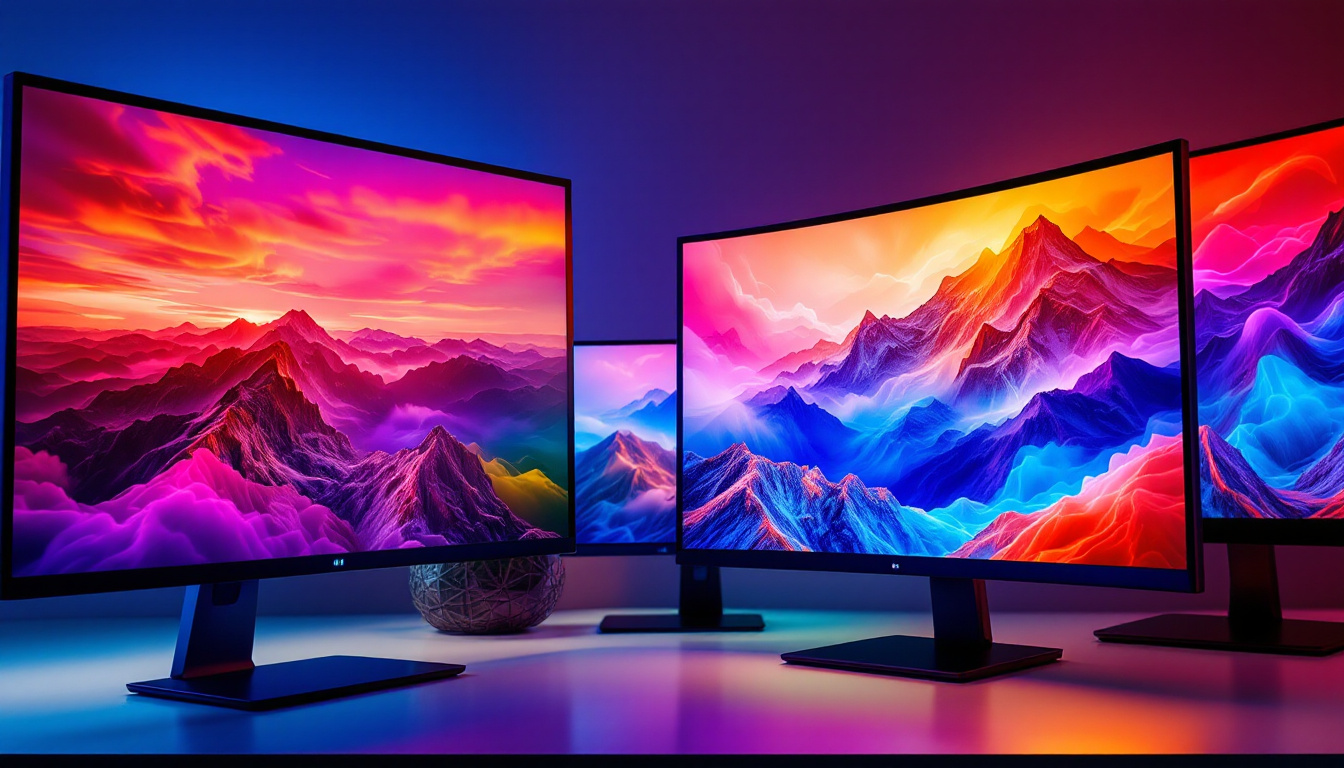
In today’s visually driven world, large screen wall monitors have become an essential tool for businesses, public venues, and entertainment spaces. Among the various display technologies available, LED displays stand out for their brightness, durability, and versatility. This article delves into the intricacies of large screen LED wall monitors, explaining their technology, applications, and the benefits that make them a preferred choice for large-scale visual presentations.
Understanding LED Display Technology
What is an LED Display?
LED, or Light Emitting Diode, displays consist of numerous tiny light-emitting diodes arranged in a matrix. Each diode acts as a pixel or part of a pixel, emitting light when an electric current passes through it. Unlike traditional LCD screens that rely on backlighting, LED displays produce their own light, allowing for higher brightness levels and better contrast ratios. This self-illuminating property not only enhances the visual experience but also contributes to energy efficiency, making LED displays a popular choice for both commercial and residential applications.
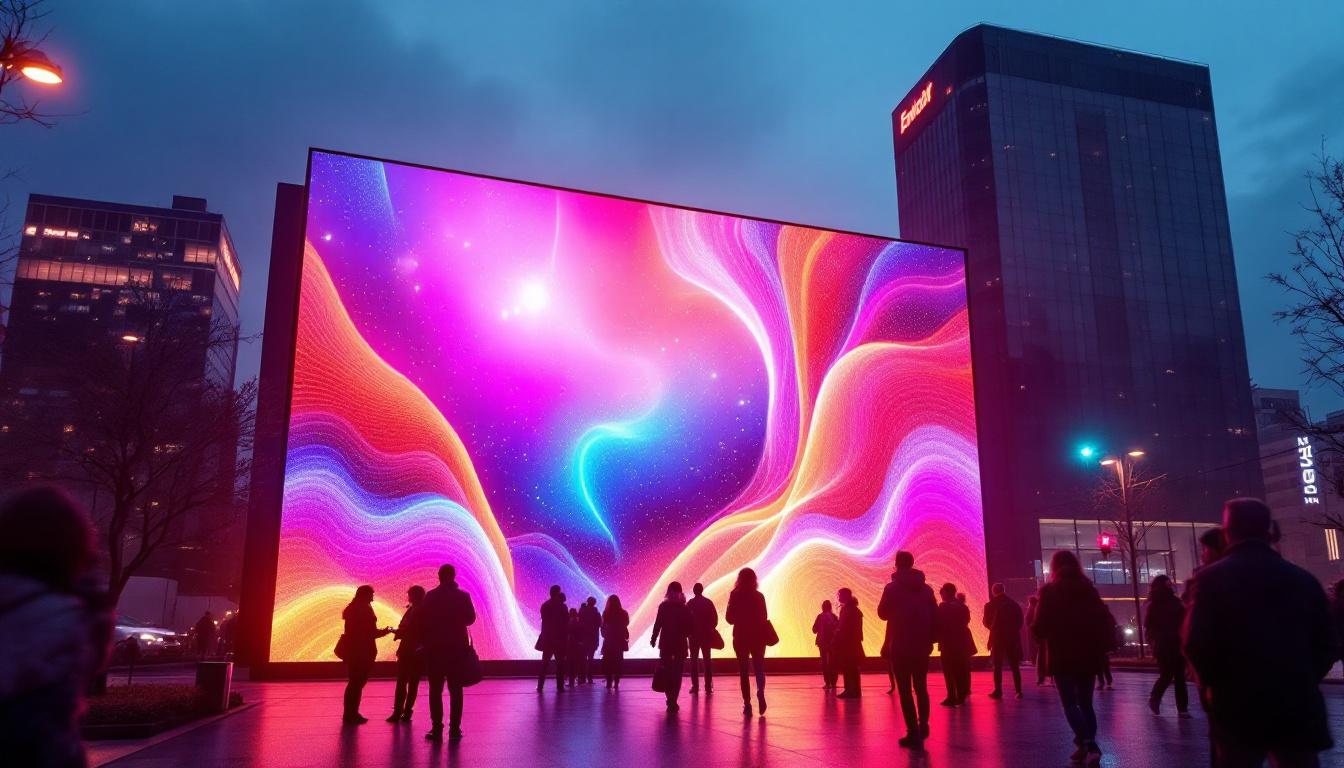
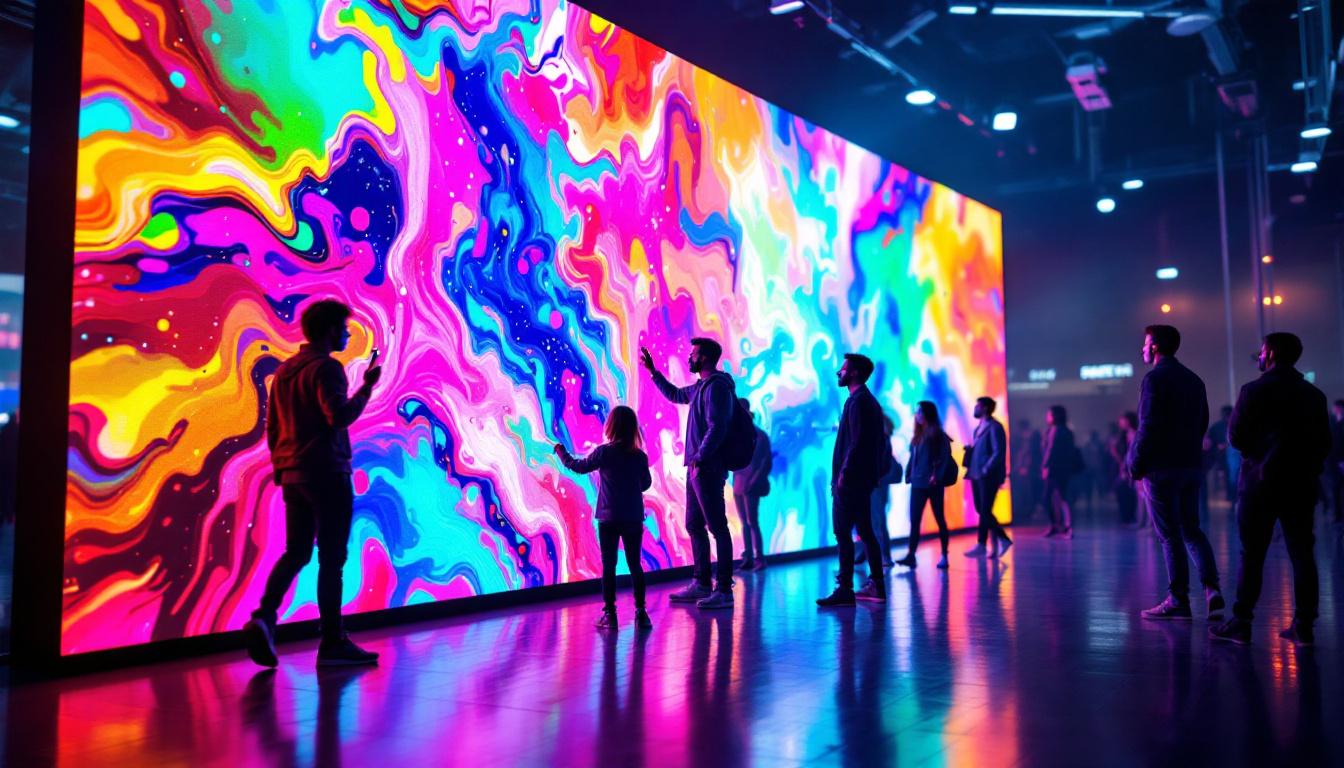
Large screen wall monitors using LED technology are typically composed of modular panels that can be seamlessly connected to form expansive displays. This modularity enables customization of screen size and resolution to fit specific environments and viewing distances. Furthermore, the lightweight design of these panels allows for easier installation and maintenance, which is particularly beneficial in dynamic settings such as concerts, sports events, and advertising billboards. The flexibility of LED technology has transformed how visual content is delivered, making it possible to create immersive experiences that captivate audiences.
Types of LED Displays
There are two primary types of LED displays used for large screen walls: Direct View LED (DVLED) and LED-backlit LCD. Direct View LED displays feature pixels made up of tiny LEDs that emit light directly to the viewer. This technology is widely favored for large-scale installations due to its superior brightness and color vibrancy. Moreover, DVLEDs are known for their durability and longevity, often lasting longer than traditional display technologies, which makes them a cost-effective investment over time.
On the other hand, LED-backlit LCDs use LEDs as a backlight source behind an LCD panel. While this technology is common in smaller monitors and televisions, it is less prevalent in large wall monitors because it cannot match the brightness and viewing angles of DVLEDs. Additionally, LED-backlit LCDs may struggle with color accuracy and contrast in bright environments, which can detract from the viewer’s experience. As a result, many businesses and organizations are opting for DVLED solutions, especially in high-visibility areas where image quality is paramount.
Pixel Pitch and Resolution
One of the most critical factors in LED wall displays is pixel pitch, which refers to the distance between the centers of two adjacent pixels. Smaller pixel pitch means higher pixel density, resulting in sharper images and finer detail. For indoor applications where viewers are close to the screen, pixel pitches can be as low as 0.9mm to 2.5mm. This level of detail is particularly advantageous for environments such as control rooms, conference halls, and retail spaces, where clarity and precision are essential for effective communication and engagement.
Conversely, outdoor LED walls often have larger pixel pitches (4mm to 20mm or more) because viewers tend to be farther away, and higher brightness is prioritized over ultra-fine resolution. Understanding pixel pitch helps in selecting the right LED wall for specific use cases, balancing resolution, cost, and viewing distance. Additionally, advancements in technology are leading to the development of variable pixel pitch displays, which can dynamically adjust based on the viewer’s distance, further enhancing the viewing experience. This innovation reflects the ongoing evolution of LED technology, catering to the diverse needs of modern audiences and applications.
Advantages of Large Screen LED Wall Monitors
Exceptional Brightness and Visibility
One of the most significant advantages of LED wall monitors is their exceptional brightness. Unlike projection systems or LCD screens, LED displays can achieve brightness levels exceeding 5,000 nits, making them easily visible even in direct sunlight. This capability is crucial for outdoor advertising, sports arenas, and public information displays where ambient light conditions are challenging.
Moreover, LED displays maintain consistent color and brightness across wide viewing angles, ensuring that the image quality remains intact regardless of where the audience is positioned.
Durability and Longevity
LED technology is known for its durability and long lifespan. High-quality LED modules can last upwards of 100,000 hours under normal operating conditions. This longevity reduces maintenance costs and downtime, making LED walls a cost-effective investment over time.
Additionally, LED displays are resistant to shock and vibration, which makes them suitable for environments such as stadiums, transportation hubs, and retail spaces where physical impacts and environmental stresses are common.
Energy Efficiency
Compared to other large display technologies, LEDs are highly energy-efficient. They consume less power while delivering brighter images, which translates into lower operational costs. For businesses and organizations looking to reduce their carbon footprint and energy expenses, LED wall monitors offer a sustainable solution.
Applications of Large Screen LED Wall Monitors
Advertising and Digital Signage
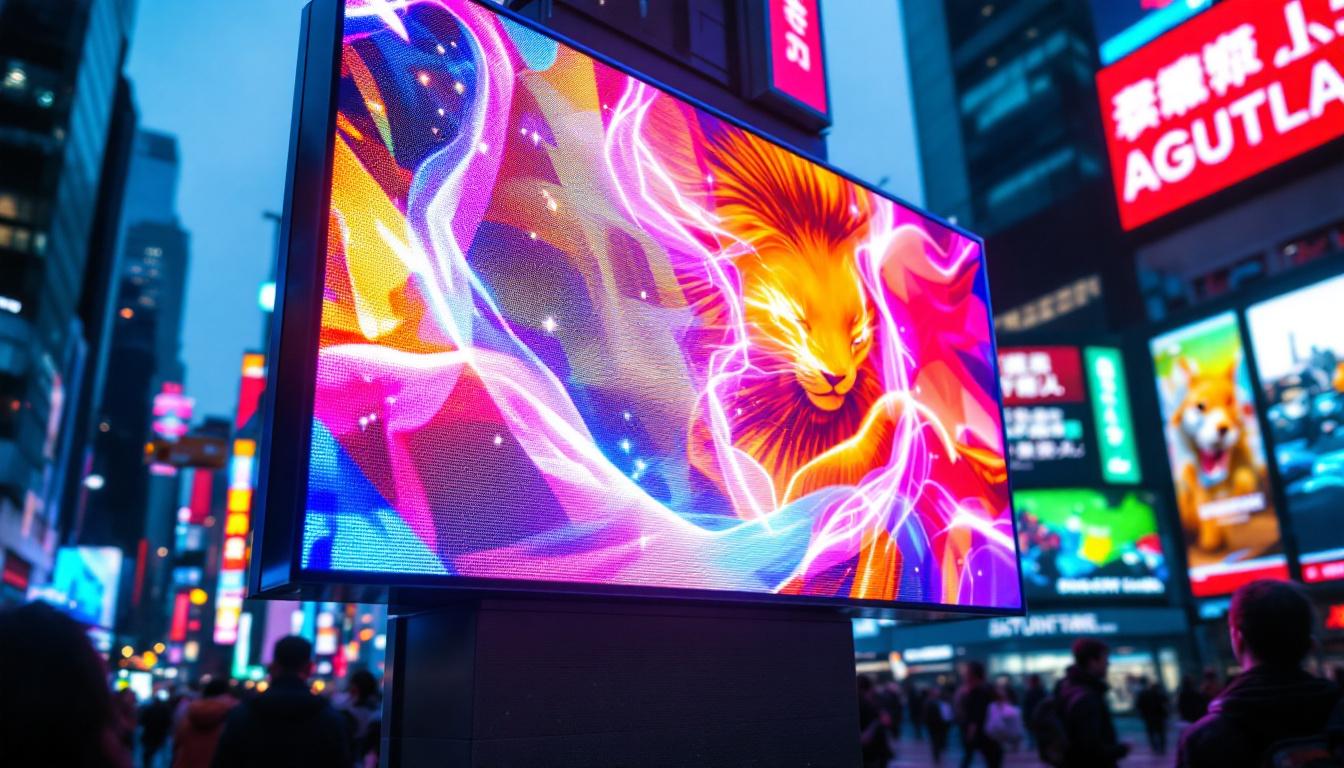
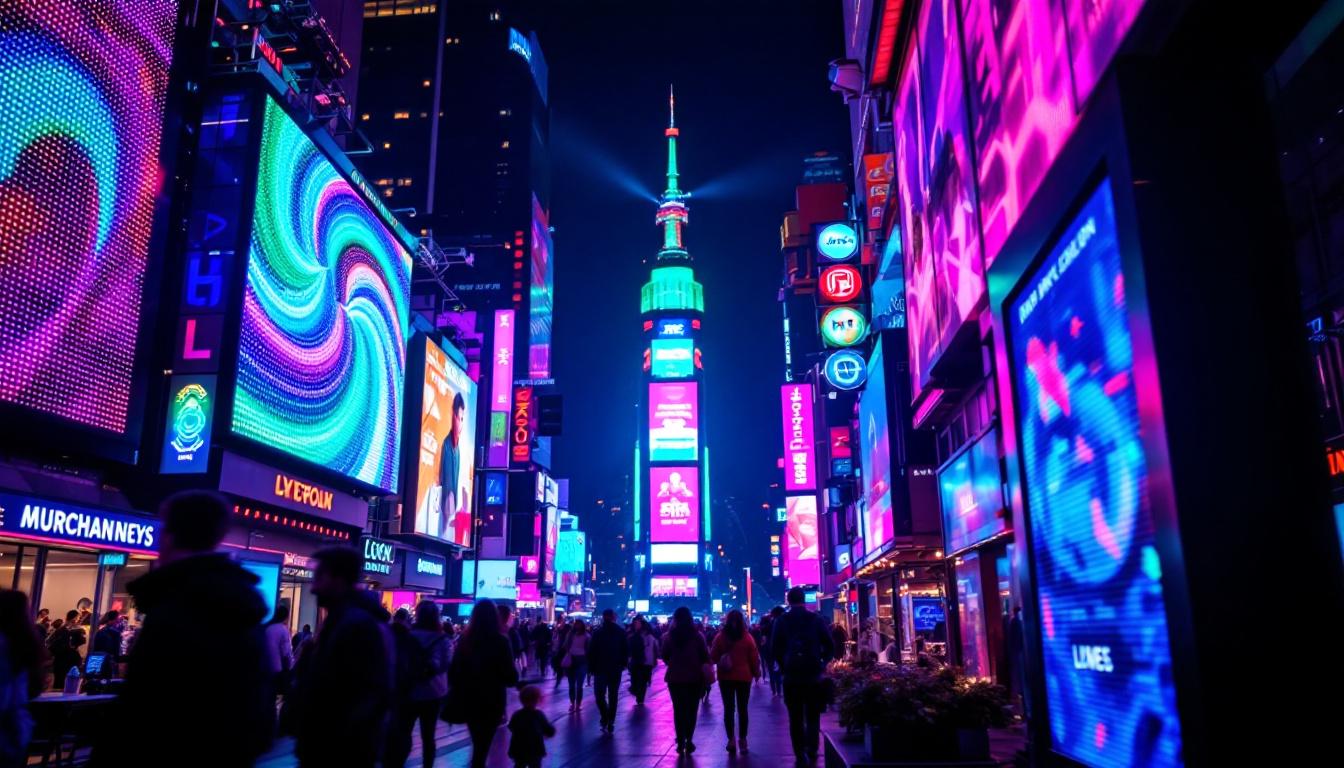
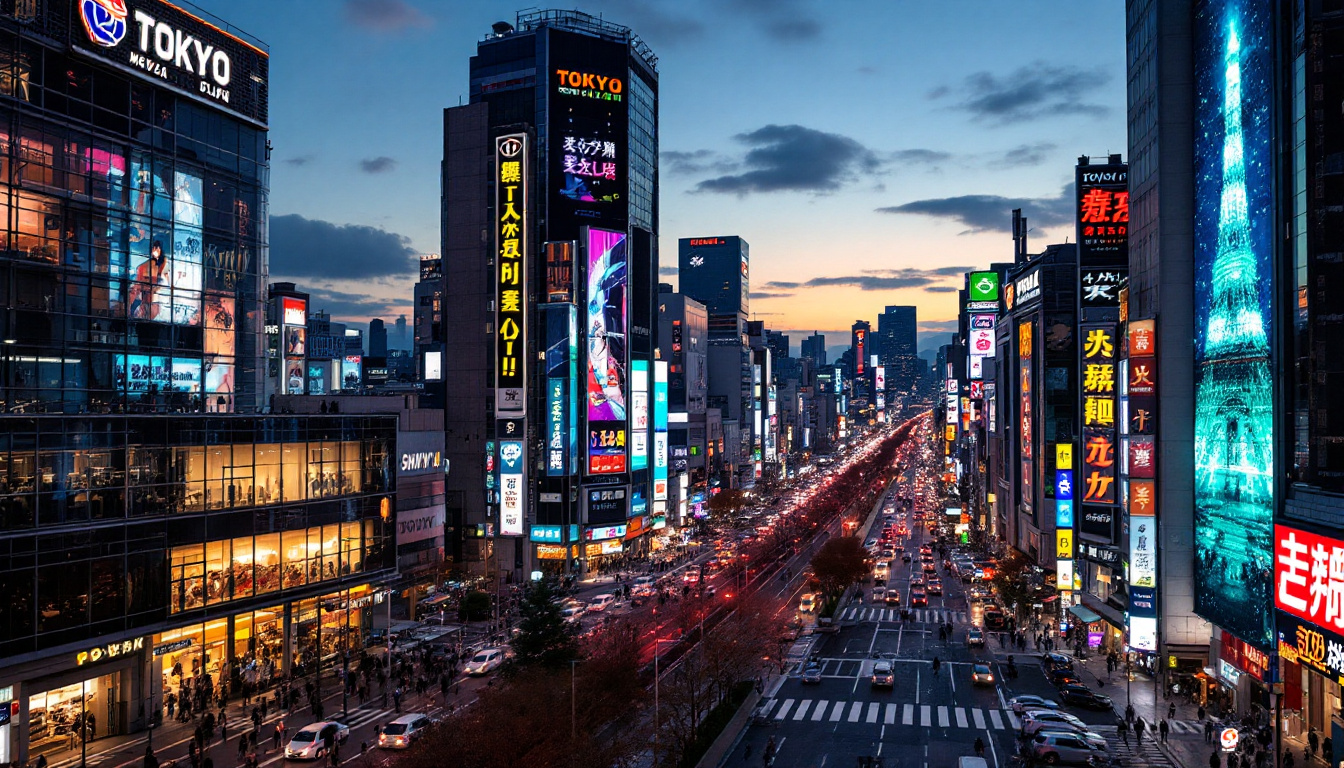
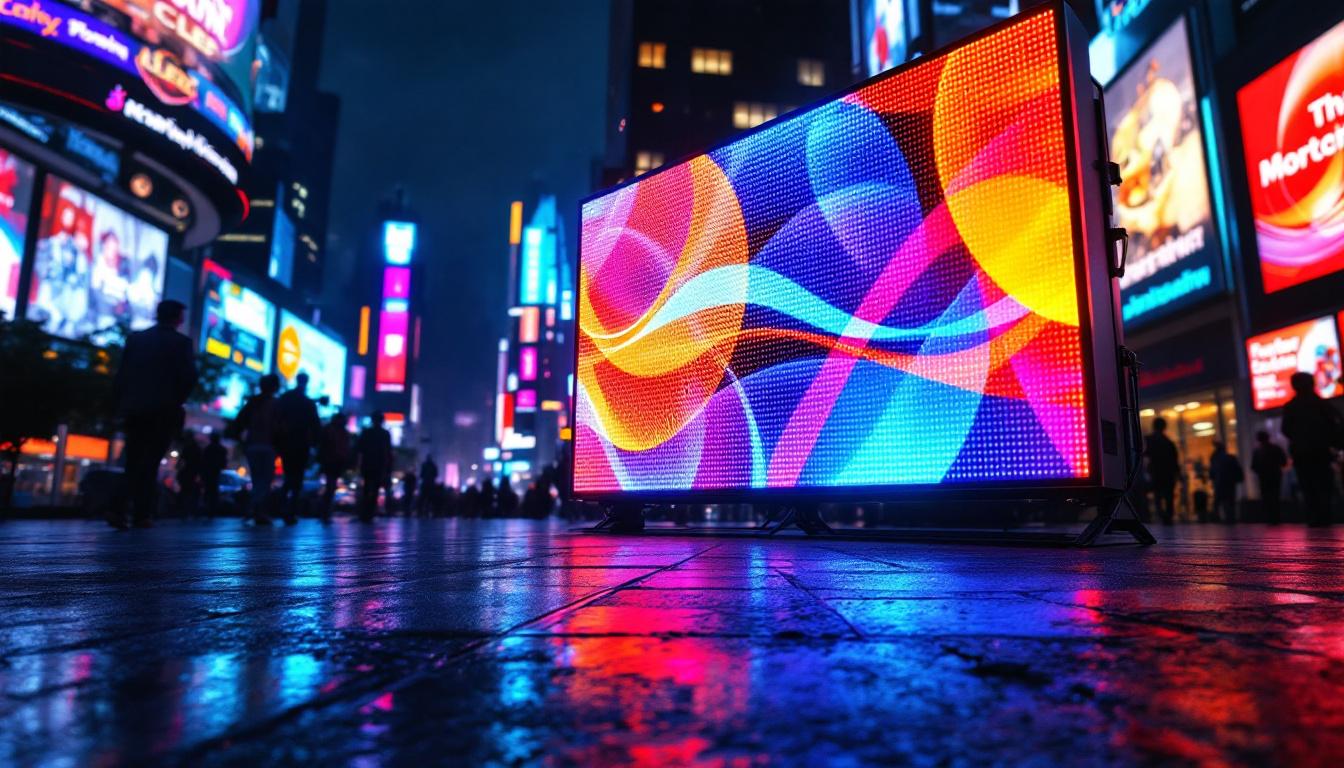
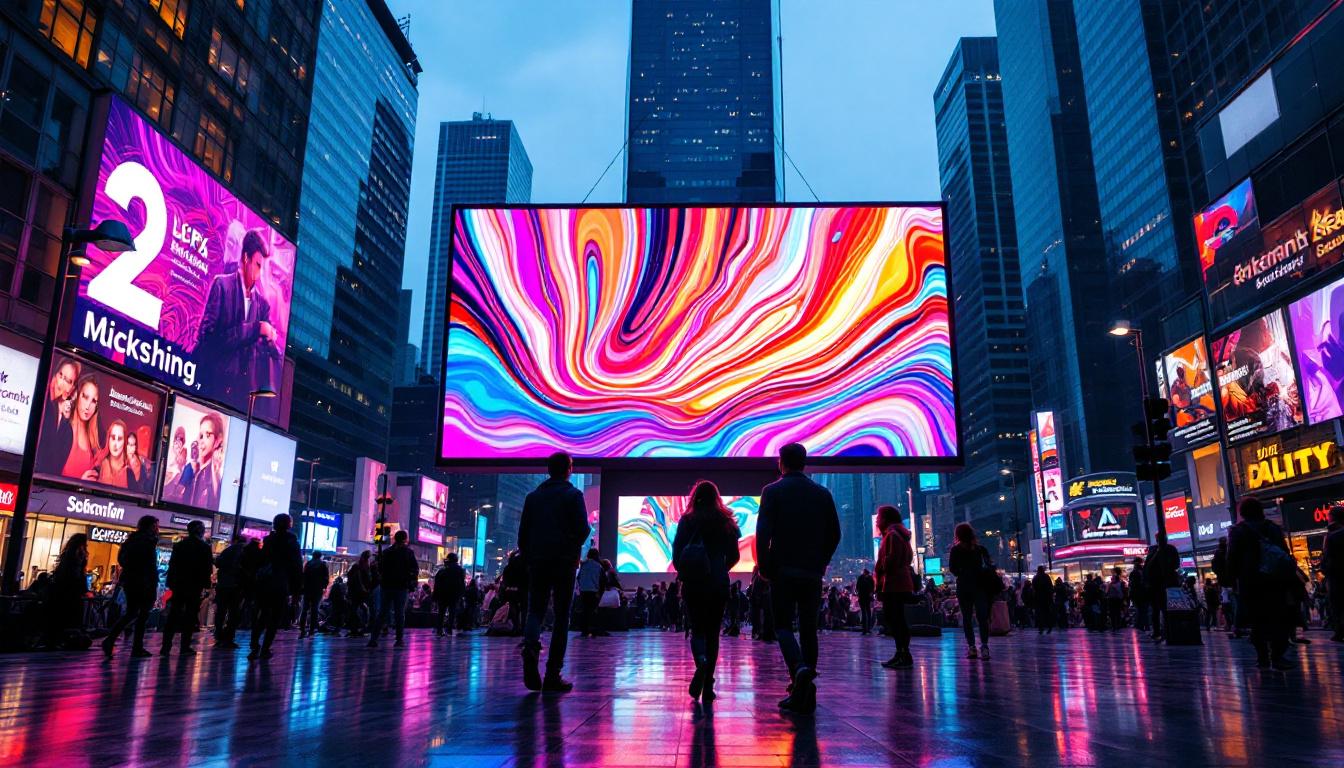
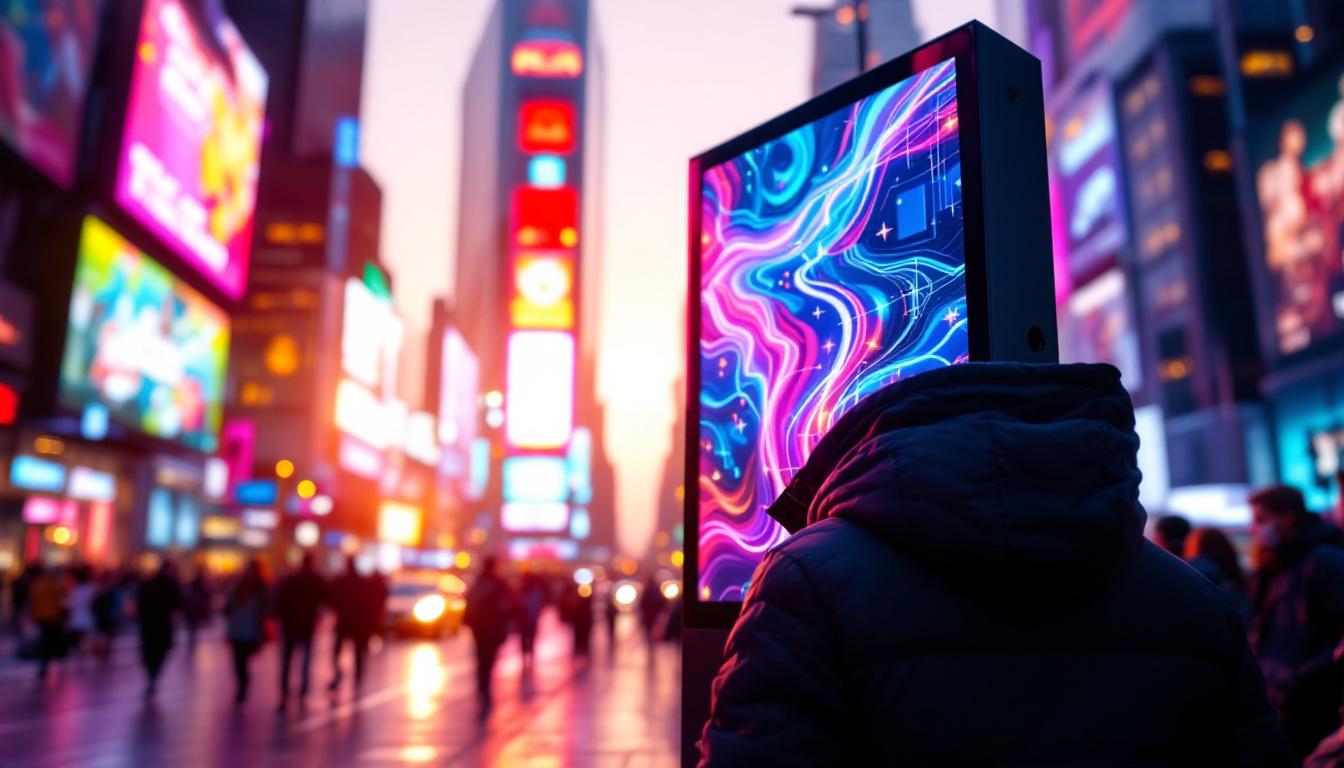
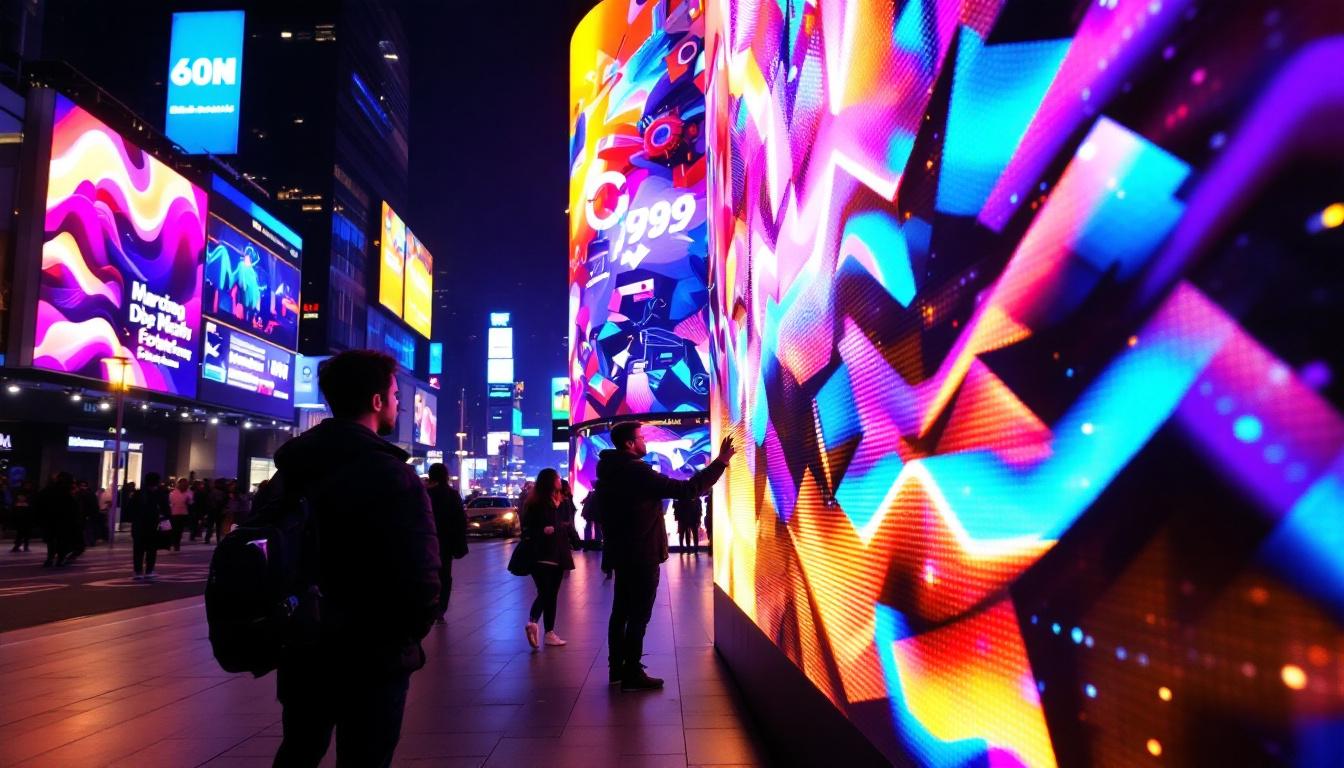
Large LED walls have revolutionized outdoor advertising. Iconic locations such as Times Square in New York City and Shibuya Crossing in Tokyo showcase massive LED displays that capture the attention of millions daily. These displays enable dynamic, eye-catching content that can be updated remotely in real time, providing advertisers with unparalleled flexibility.
Indoor digital signage in shopping malls, airports, and corporate lobbies also benefits from LED walls by delivering vibrant, engaging content that enhances customer experience and brand visibility.
Entertainment and Events
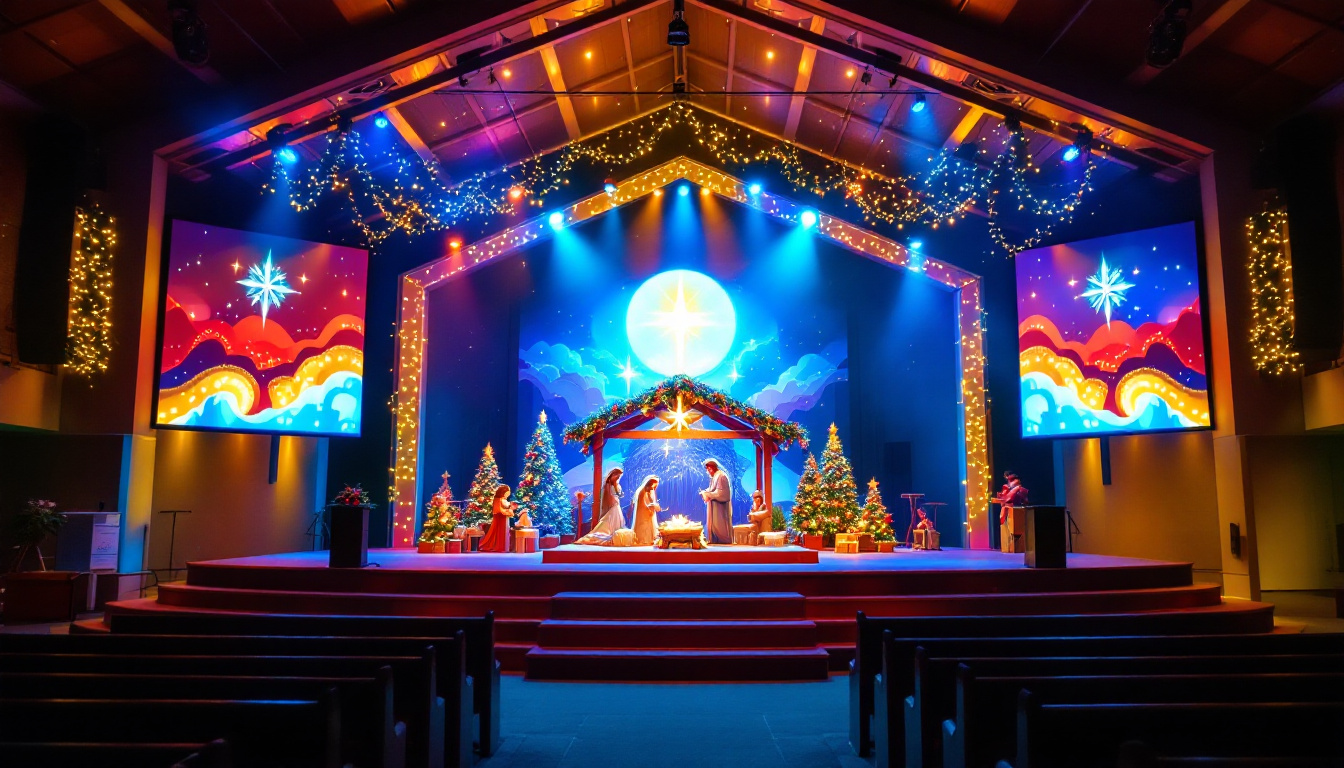
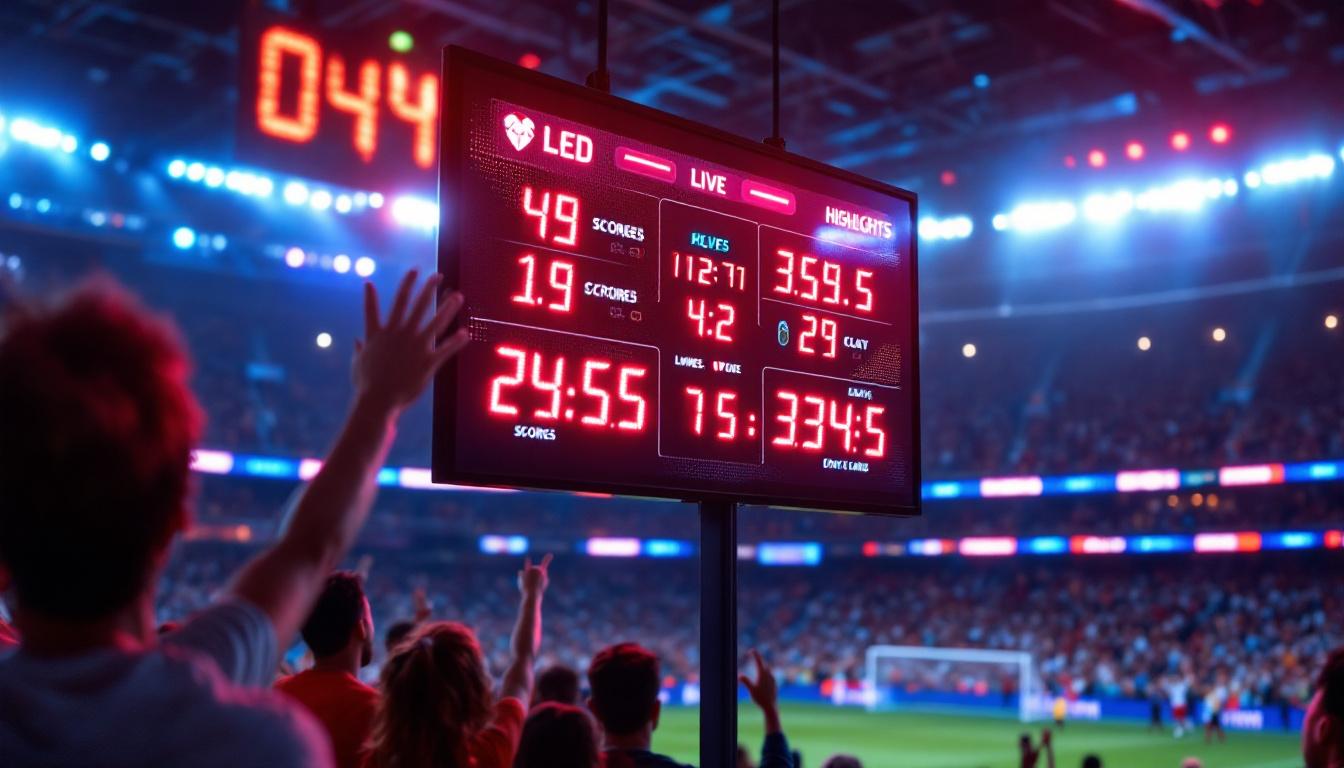
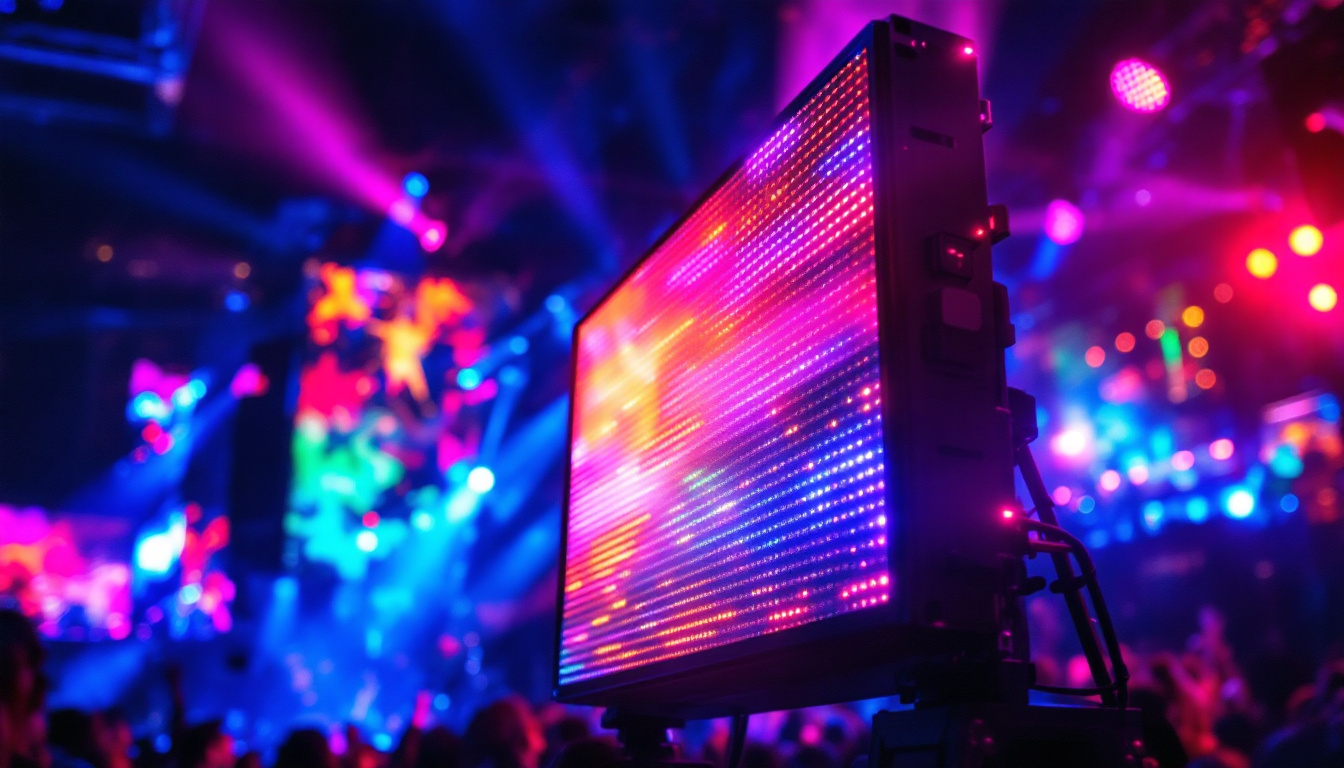
Concerts, festivals, and sporting events frequently employ large LED walls to provide immersive experiences for audiences. These displays serve as giant video screens, showing live feeds, replays, and visual effects that complement performances and games.
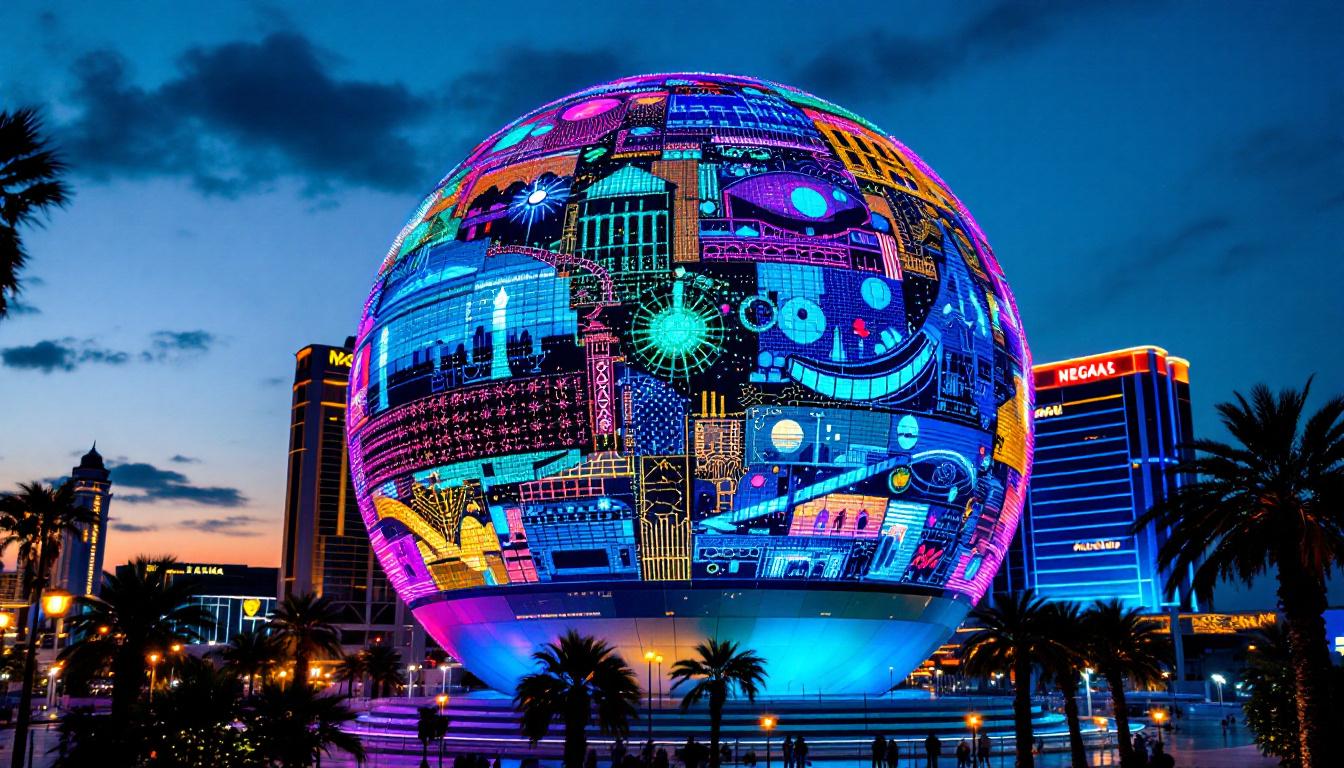
LED walls can be configured in various shapes and sizes, including curved or cylindrical setups, allowing creative freedom in stage design and event production.
Control Rooms and Corporate Environments
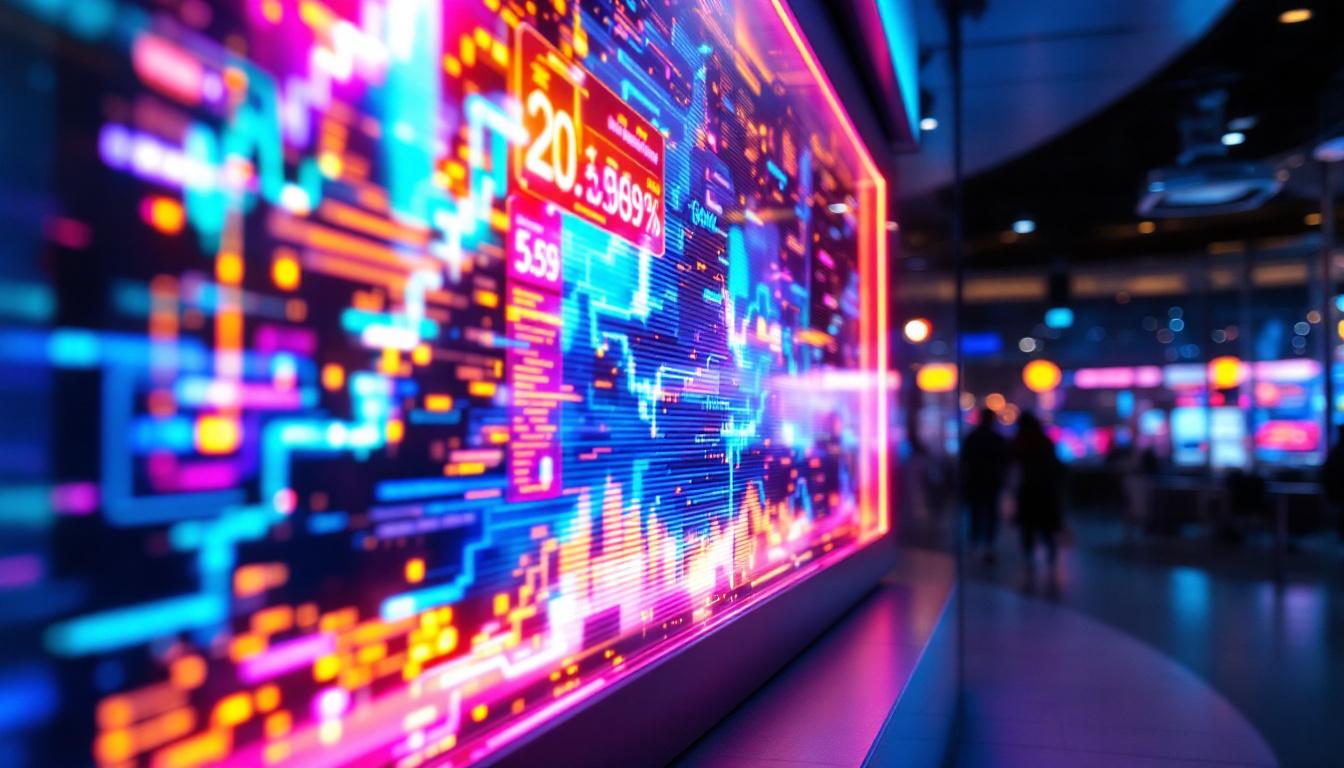
In control rooms for utilities, transportation, and emergency services, LED wall monitors provide critical real-time data visualization. Their high resolution and brightness ensure that operators can monitor multiple data streams simultaneously without strain.
Corporate environments use LED walls for presentations, video conferencing, and collaborative workspaces, enhancing communication and decision-making processes.
Installation Considerations and Challenges
Structural Support and Space Requirements
Installing a large LED wall requires careful planning regarding structural support. LED panels, though lightweight compared to older technologies, still demand robust mounting systems to ensure safety and stability. The installation site must be evaluated for load-bearing capacity and accessibility for maintenance.
Space allocation is equally important, as LED walls often require clearance for ventilation and cable management. Proper planning ensures longevity and optimal performance of the display.
Calibration and Maintenance
To maintain uniform brightness and color accuracy across the entire display, LED walls require precise calibration. This process involves adjusting each panel’s color settings and brightness levels to create a seamless image. Calibration is typically performed during installation and periodically afterward to compensate for any aging or environmental effects.
Maintenance includes cleaning the LED modules, checking connections, and replacing faulty panels. Modular designs simplify repairs by allowing individual sections to be swapped without dismantling the entire wall.
Cost Factors
While LED wall monitors offer many advantages, initial costs can be substantial. Factors influencing cost include pixel pitch, screen size, brightness level, and additional features such as weatherproofing for outdoor displays.
However, when considering total cost of ownership—including energy savings, reduced maintenance, and advertising effectiveness—the investment often proves worthwhile for businesses and organizations aiming for impactful visual communication.
Future Trends in LED Wall Technology
MicroLED and MiniLED Innovations
Emerging technologies like MicroLED and MiniLED promise to push the boundaries of LED wall performance. MicroLED displays use microscopic LEDs that offer even higher resolution, improved energy efficiency, and better color accuracy. Although currently expensive, MicroLED is expected to become more accessible in the coming years, potentially transforming large screen displays.
MiniLED technology, which uses smaller LEDs for backlighting LCD panels, is also gaining traction, especially in applications requiring high contrast and HDR capabilities.
Integration with Smart Technologies
Integration with AI and IoT is enhancing LED wall functionality. Smart LED walls can adjust brightness and content dynamically based on environmental conditions and audience behavior. For example, sensors can detect ambient light levels and automatically optimize screen brightness to conserve energy and improve visibility.
Content management systems powered by AI enable personalized advertising and real-time analytics, allowing businesses to maximize the impact of their LED displays.
Flexible and Transparent LED Displays
Advancements in materials and manufacturing have led to the development of flexible and transparent LED displays. These innovations enable new design possibilities, such as curved walls, windows that double as digital screens, and creative architectural integrations.
Such displays are already being used in retail and automotive sectors, signaling a future where LED walls blend seamlessly into everyday environments.
Conclusion
Large screen wall monitors utilizing LED technology have become indispensable in a wide array of industries, from advertising and entertainment to corporate and public safety applications. Their superior brightness, durability, and energy efficiency make them ideal for delivering impactful visual experiences on a grand scale.
Understanding the technical aspects such as pixel pitch, display types, and installation requirements is crucial for selecting the right LED wall solution. As technology continues to evolve with innovations like MicroLED and smart integration, the capabilities and applications of large screen LED monitors will only expand, offering exciting opportunities for businesses and audiences alike.
Investing in a high-quality LED wall monitor is not just about embracing cutting-edge technology—it’s about creating engaging, memorable visual communications that resonate in today’s fast-paced, image-centric world.
Discover LumenMatrix’s Innovative LED Solutions
Ready to elevate your visual communication with the latest in LED technology? Explore LumenMatrix’s comprehensive range of LED display solutions, designed to bring your brand to life. From vibrant Indoor and Outdoor LED Wall Displays to dynamic Vehicle and Sports LED Displays, our offerings cater to every need. Experience the future of digital signage with our Custom, All-in-One, and Transparent LED Displays. Take the first step towards creating unforgettable visual experiences—Check out LumenMatrix LED Display Solutions today.