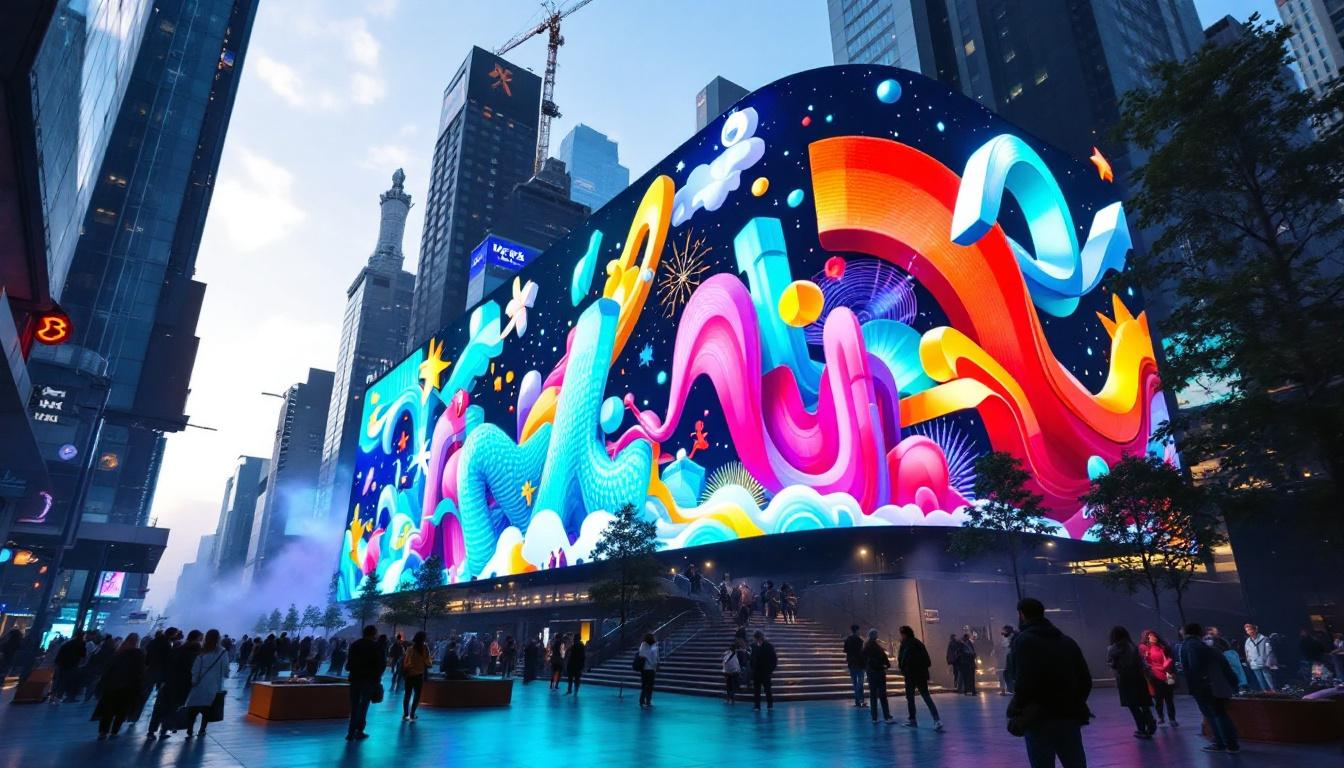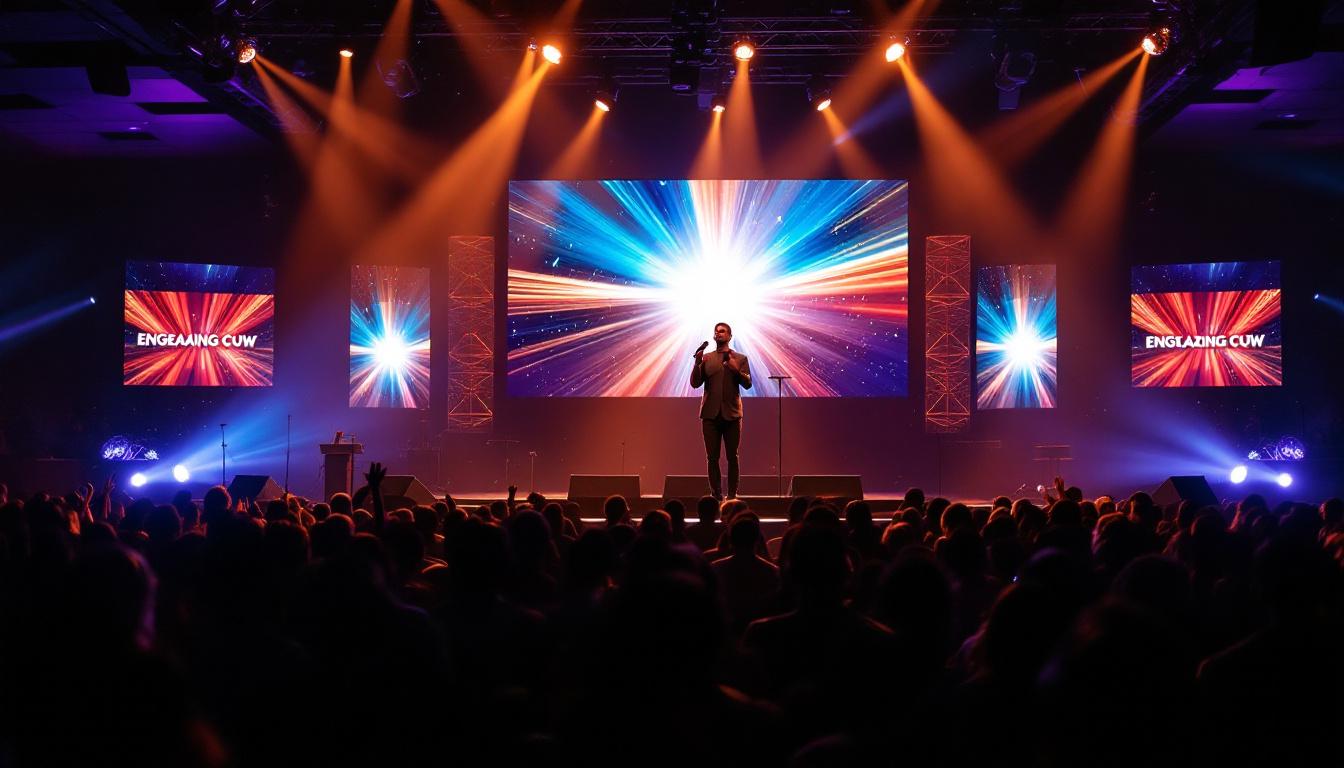
In the realm of modern visual technology, LED displays have become a cornerstone for communication, advertising, and entertainment. From towering billboards in Times Square to the vibrant screens on smartphones, LED technology powers much of what we see today. This article delves into the world of LED displays, exploring their components, functionality, types, and the reasons behind their widespread adoption. Understanding LED displays is essential for professionals in marketing, event management, digital signage, and anyone interested in the future of visual communication.
What Are LED Displays?
LED stands for Light Emitting Diode, a semiconductor device that emits light when an electric current passes through it. An LED display is a flat panel display that uses an array of light-emitting diodes as pixels to create images, videos, or text. Unlike traditional LCD or plasma screens, LED displays rely on these tiny diodes to produce light directly, offering several advantages in brightness, energy efficiency, and durability.
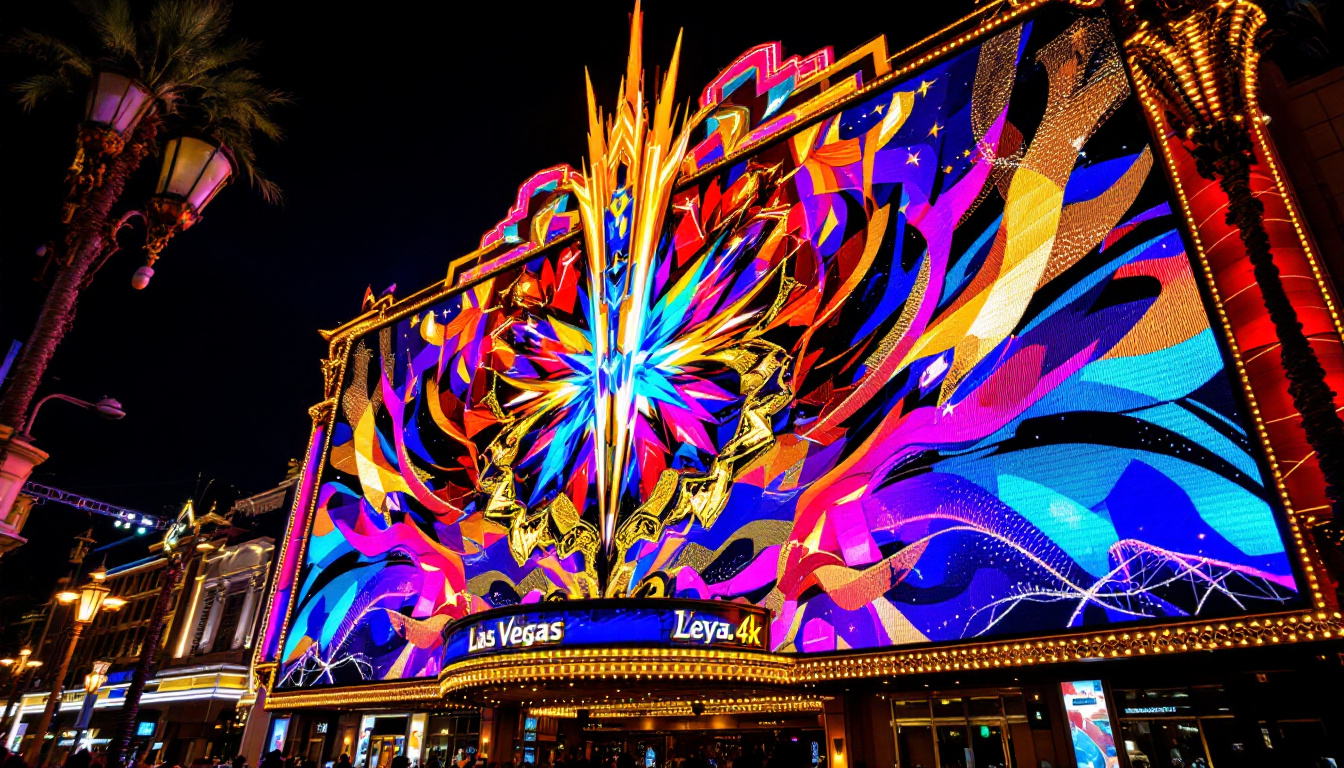
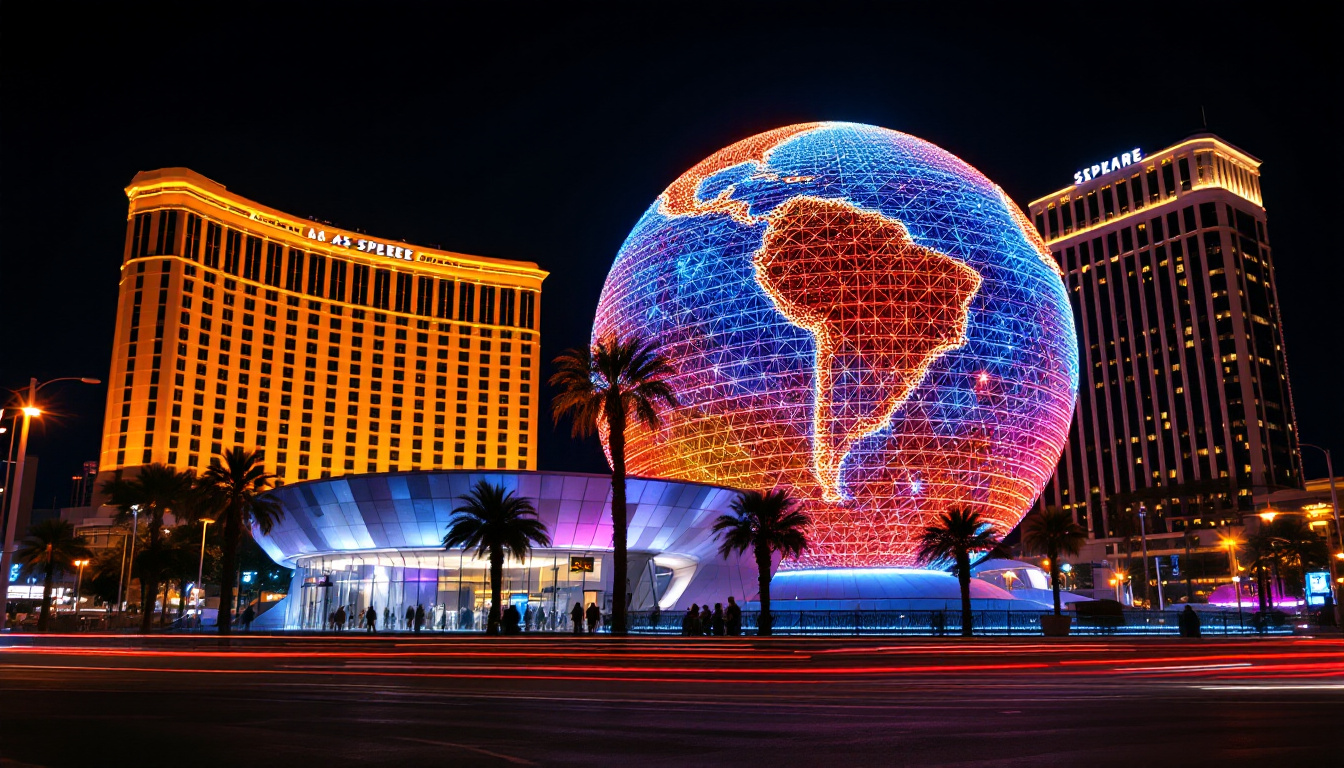
The technology behind LED displays has evolved significantly since the first visible-spectrum LEDs were developed in the 1960s. Today’s LED displays can be found in various sizes and resolutions, from small indicator lights to massive outdoor video walls that span entire building facades. This versatility has made LED technology a popular choice for a wide range of applications, including advertising, entertainment, and information dissemination. For instance, LED displays are commonly used in stadiums, concert venues, and public transport stations to convey real-time information and enhance the viewing experience.
How LED Displays Work
At the core of an LED display are thousands to millions of individual LEDs arranged in a grid. Each LED acts as a pixel or part of a pixel. By varying the intensity and color of each LED, the display can render detailed images and videos. Most color LED displays use red, green, and blue LEDs combined in different intensities to produce a full spectrum of colors through additive color mixing. This ability to create vibrant colors and sharp contrasts is one of the key reasons why LED displays have become the go-to technology for modern visual communication.
The display is controlled by a driver circuit and a controller board that process input signals—such as video from a computer or media player—and translate them into electrical signals that adjust each LED’s brightness and color. This process happens thousands of times per second to create smooth, dynamic visuals. Additionally, advancements in technology have led to the development of smart LED displays that can connect to the internet, allowing for real-time updates and interactivity. These displays can be programmed to change content based on audience engagement, time of day, or even weather conditions, making them a powerful tool for marketers and businesses looking to capture attention in a crowded marketplace.
Types of LED Displays
LED displays come in various forms, each optimized for specific applications. Understanding these types helps businesses and consumers choose the right display for their needs.
1. Indoor LED Displays
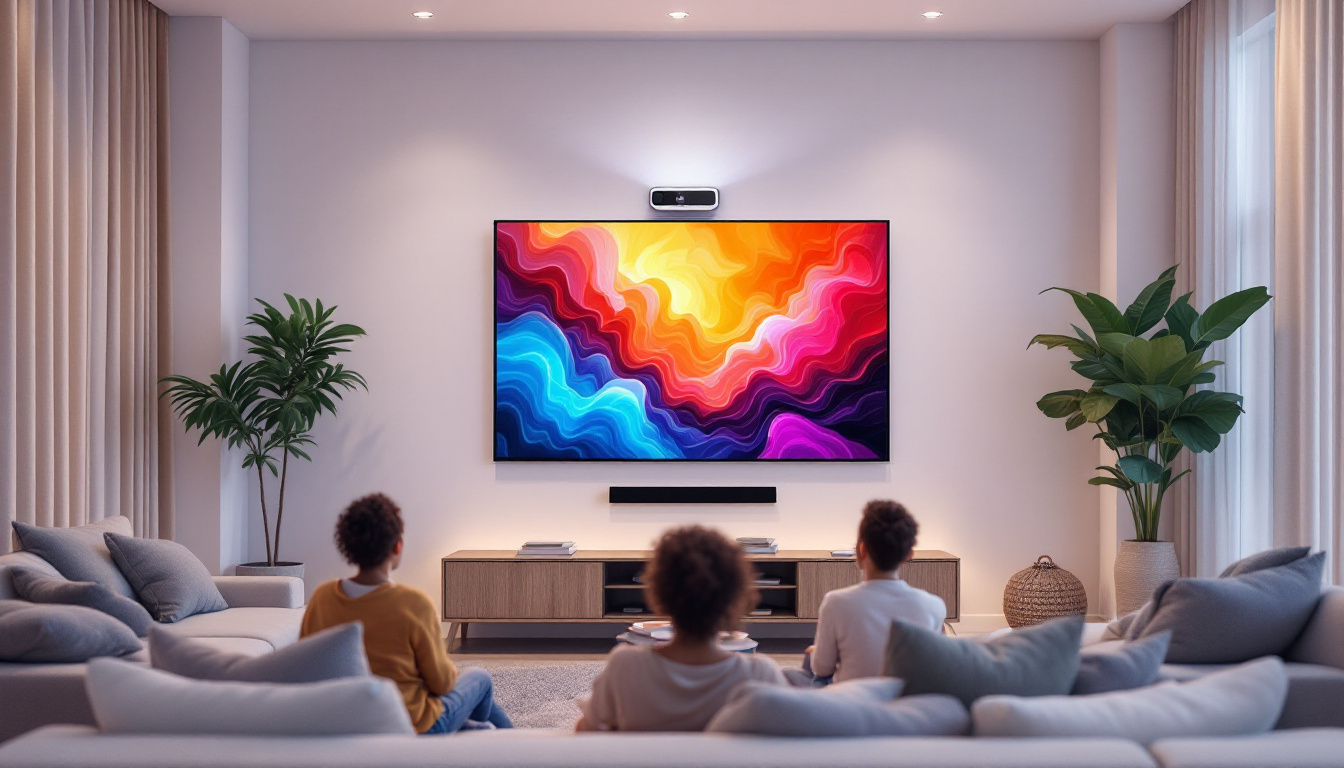
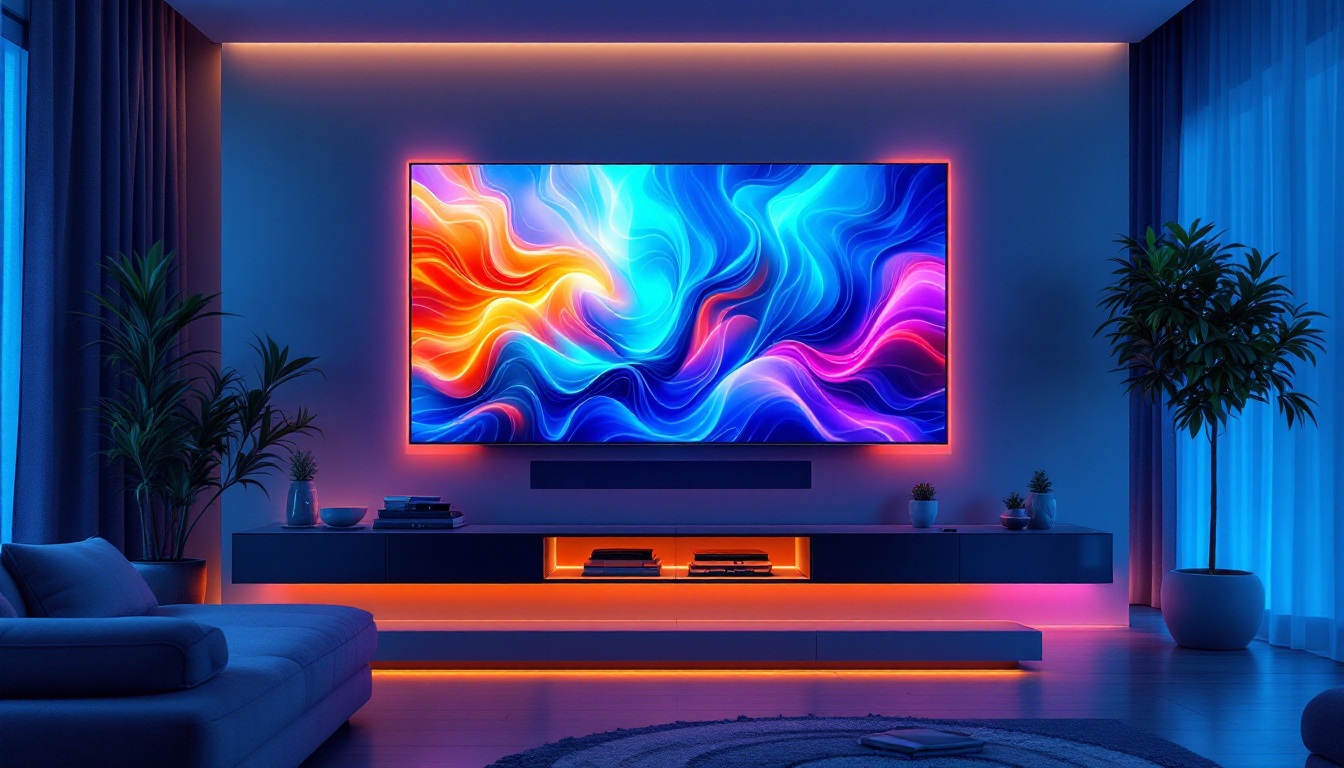
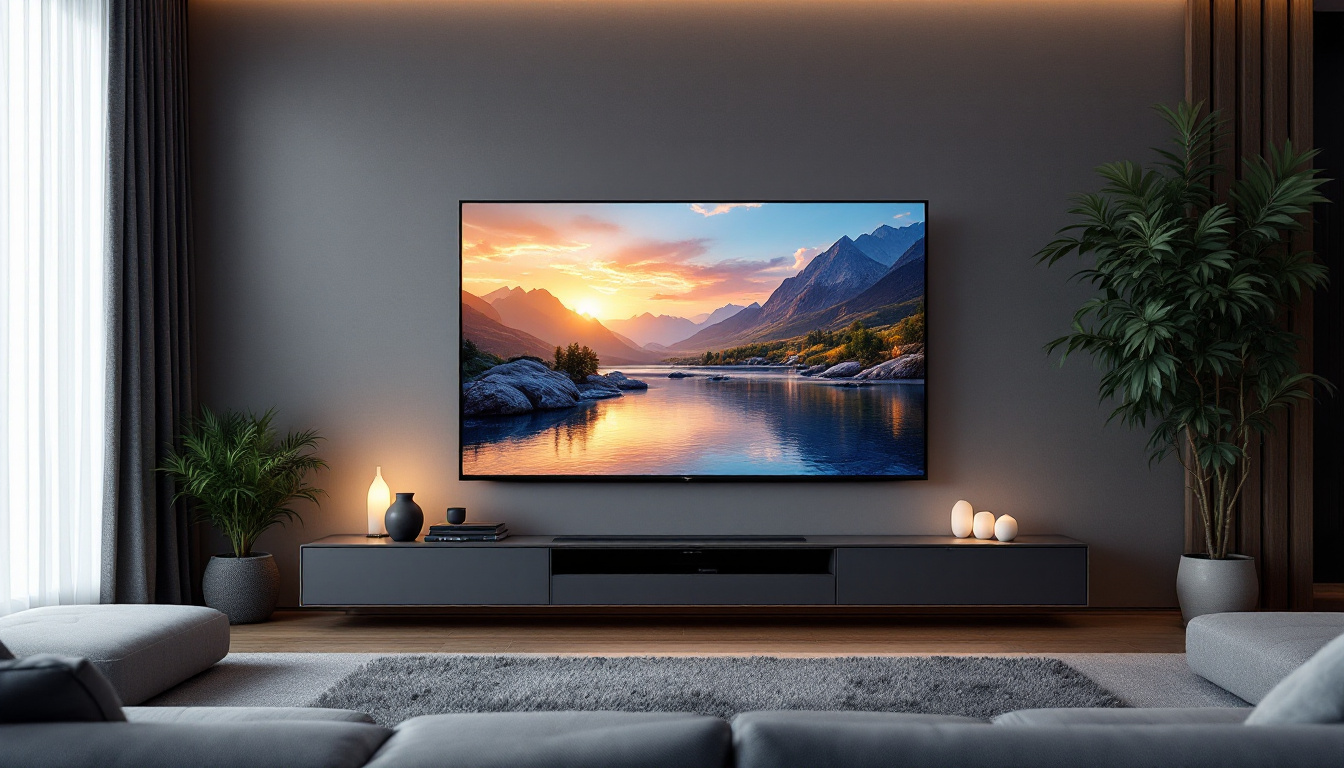
Indoor LED displays are designed for environments with controlled lighting, such as conference rooms, retail stores, and stadiums. These displays typically have a higher pixel density, meaning the LEDs are placed closer together, resulting in sharper images and finer detail. Pixel pitches for indoor displays commonly range from 1mm to 4mm.
Because indoor environments don’t require extremely high brightness, these displays focus on color accuracy and viewing angles. They are often used for digital signage, video walls, and interactive kiosks.
2. Outdoor LED Displays
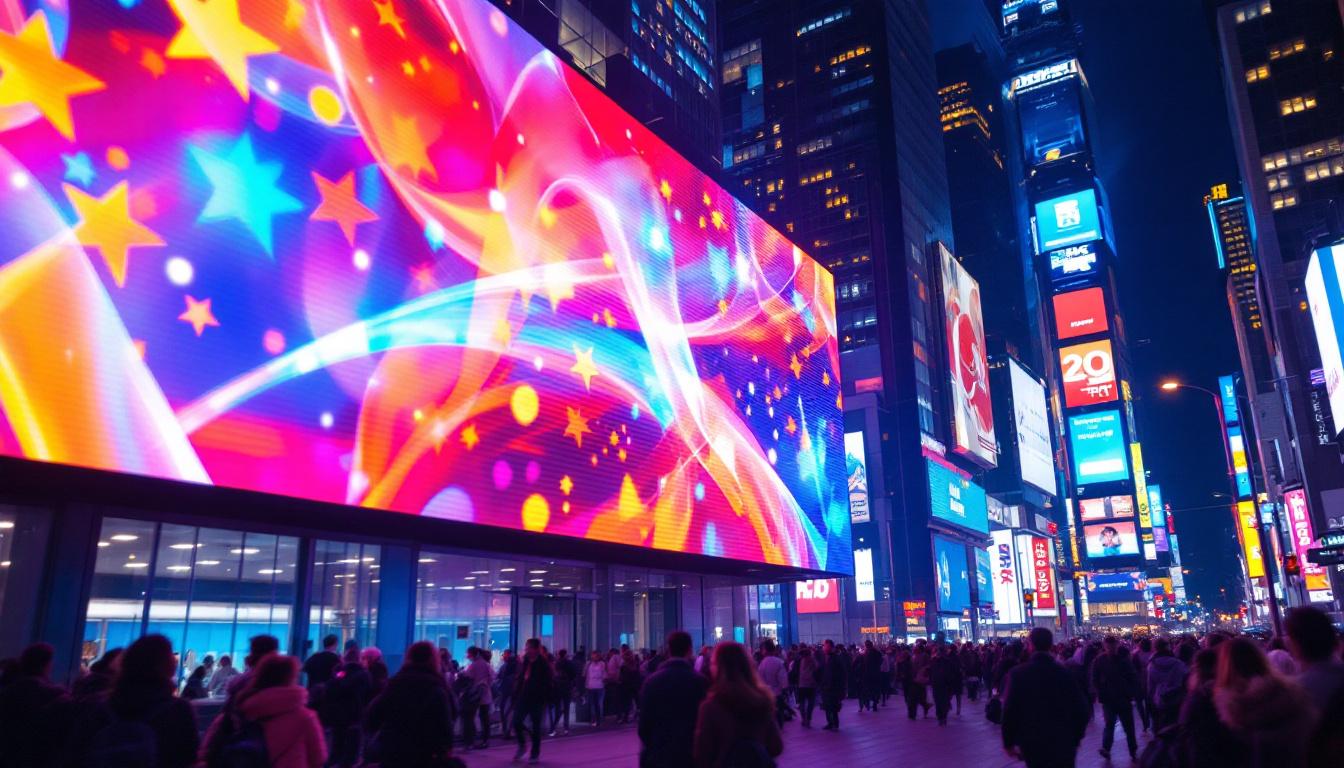
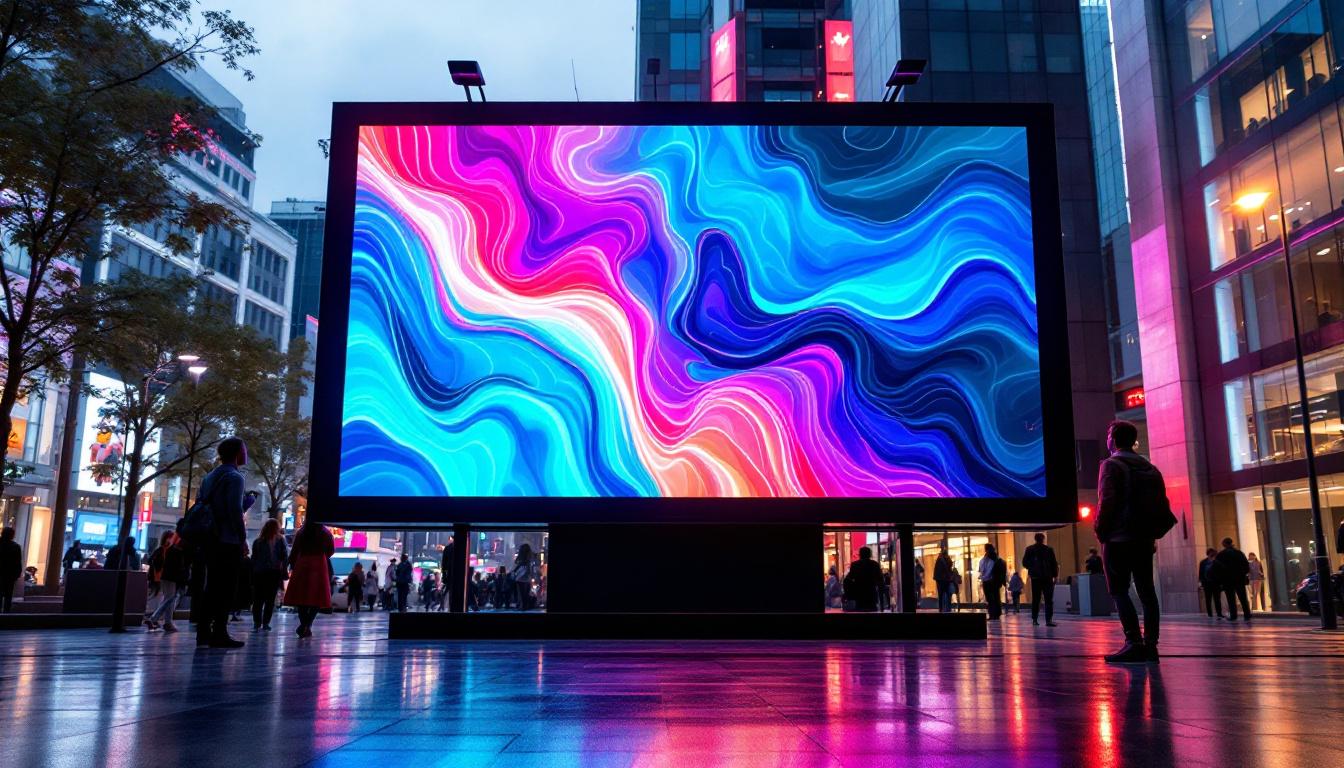
Outdoor LED displays are built to withstand harsh weather conditions, including rain, wind, and extreme temperatures. They feature higher brightness levels—often exceeding 5,000 nits—to remain visible even in direct sunlight. The pixel pitch is usually larger, ranging from 4mm to 20mm or more, because viewers tend to see these displays from a greater distance.
Common applications include billboards, sports stadium screens, and public information boards. Their robust construction often includes waterproof and dustproof casings, along with advanced cooling systems to maintain performance.
3. Transparent LED Displays
Transparent LED displays are a relatively recent innovation that allows light to pass through the screen, creating a see-through effect. These displays are ideal for retail windows, museum exhibits, and architectural installations where maintaining visibility through the glass is important.
They combine aesthetic appeal with functionality, enabling businesses to display dynamic content without obstructing natural light or views.
4. Flexible and Curved LED Displays
Flexible LED displays use bendable substrates that allow the screen to curve or wrap around surfaces. This versatility opens up creative possibilities in design, such as curved advertising columns, immersive art installations, and unconventional stage backdrops.
These displays maintain high image quality while adapting to unique shapes, making them popular in entertainment and experiential marketing sectors.
Key Components of LED Displays
Understanding the components that make up an LED display provides insight into how these devices achieve their performance and reliability.
LED Modules and Pixels
The smallest visible unit of an LED display is the pixel, which typically consists of three subpixels—red, green, and blue LEDs. These subpixels combine to produce a wide range of colors. Multiple pixels form an LED module, which is the building block of the entire display panel.
Modules are assembled into larger panels and then combined to create the full display. The modular design simplifies maintenance and scalability.
Driver ICs and Control Systems
Driver integrated circuits (ICs) regulate the current flowing through each LED to control brightness and color. The control system receives input signals and translates them into commands for the driver ICs, ensuring precise color reproduction and synchronization across the display.
Modern LED displays often incorporate advanced processing capabilities, including image scaling, color calibration, and real-time diagnostics.
Power Supply and Cooling
LED displays require stable power supplies to maintain consistent brightness and prevent flickering. High-power outdoor displays, in particular, need robust power management systems to handle fluctuating electrical loads.
Cooling is critical to prevent overheating, which can degrade LED lifespan and performance. Cooling methods include passive heat sinks, fans, and liquid cooling in extreme cases.
Advantages of LED Displays
LED displays offer numerous benefits over traditional display technologies, making them the preferred choice across industries.
Brightness and Visibility
One of the most significant advantages of LED displays is their superior brightness. With capabilities reaching tens of thousands of nits, LED screens remain visible under direct sunlight, a critical feature for outdoor advertising and public information systems.
This brightness also contributes to vivid colors and high contrast ratios, enhancing the viewer’s experience.
Energy Efficiency
Compared to LCD and plasma displays, LEDs consume less power to produce the same level of brightness. This efficiency translates into lower operating costs and a smaller environmental footprint, important considerations for large-scale installations.
Durability and Longevity
LEDs are solid-state devices with no fragile components like glass tubes or filaments. They are resistant to shock, vibration, and temperature extremes, resulting in longer operational lifespans—often exceeding 100,000 hours.
This durability reduces maintenance costs and downtime, especially for outdoor and high-usage applications.
Design Flexibility
The small size and modular nature of LEDs allow for a wide range of display shapes and sizes. From curved and flexible screens to transparent panels, LED technology supports innovative design concepts that capture audience attention.
Applications of LED Displays
LED displays have transformed how information is communicated and how experiences are crafted across multiple sectors.
Advertising and Digital Signage
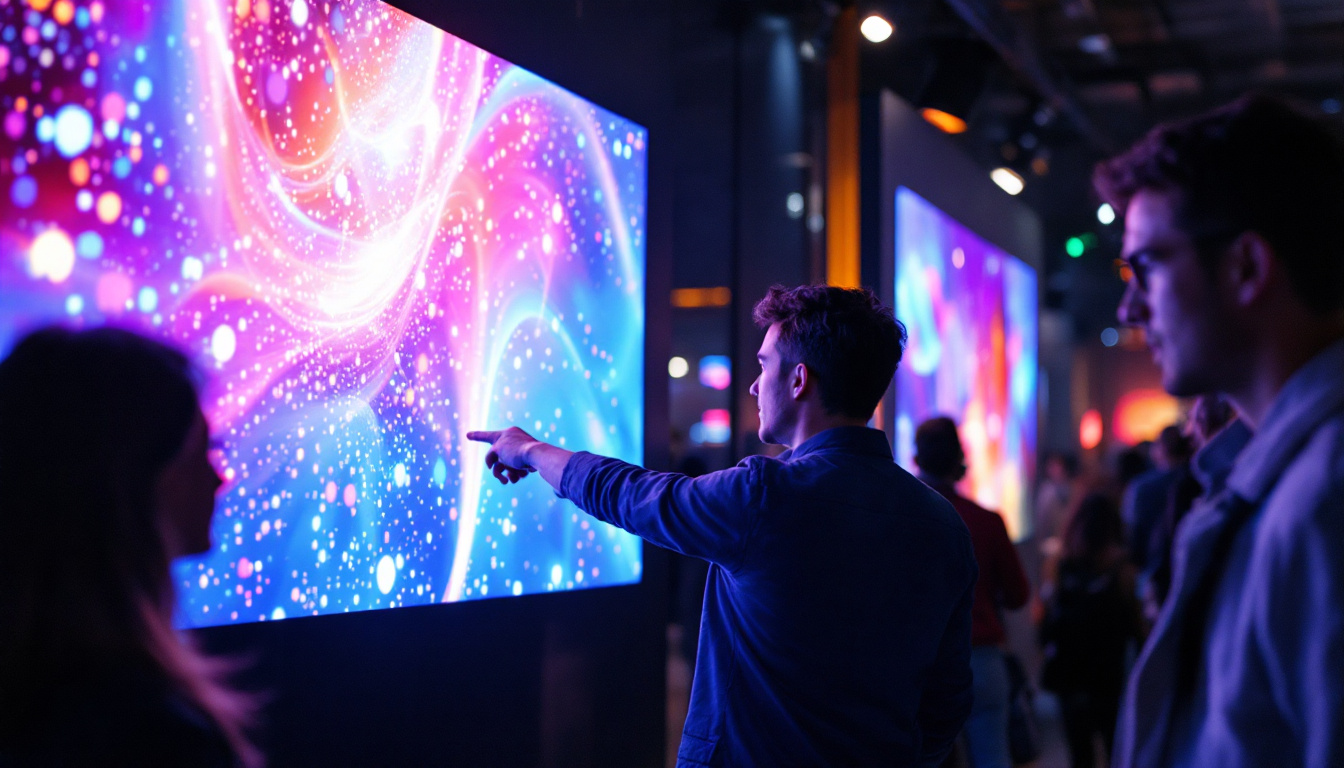
Outdoor billboards and indoor retail displays use LED technology to deliver dynamic, eye-catching content that can be updated in real time. This flexibility enables targeted marketing campaigns and interactive promotions that boost customer engagement.
Sports and Entertainment
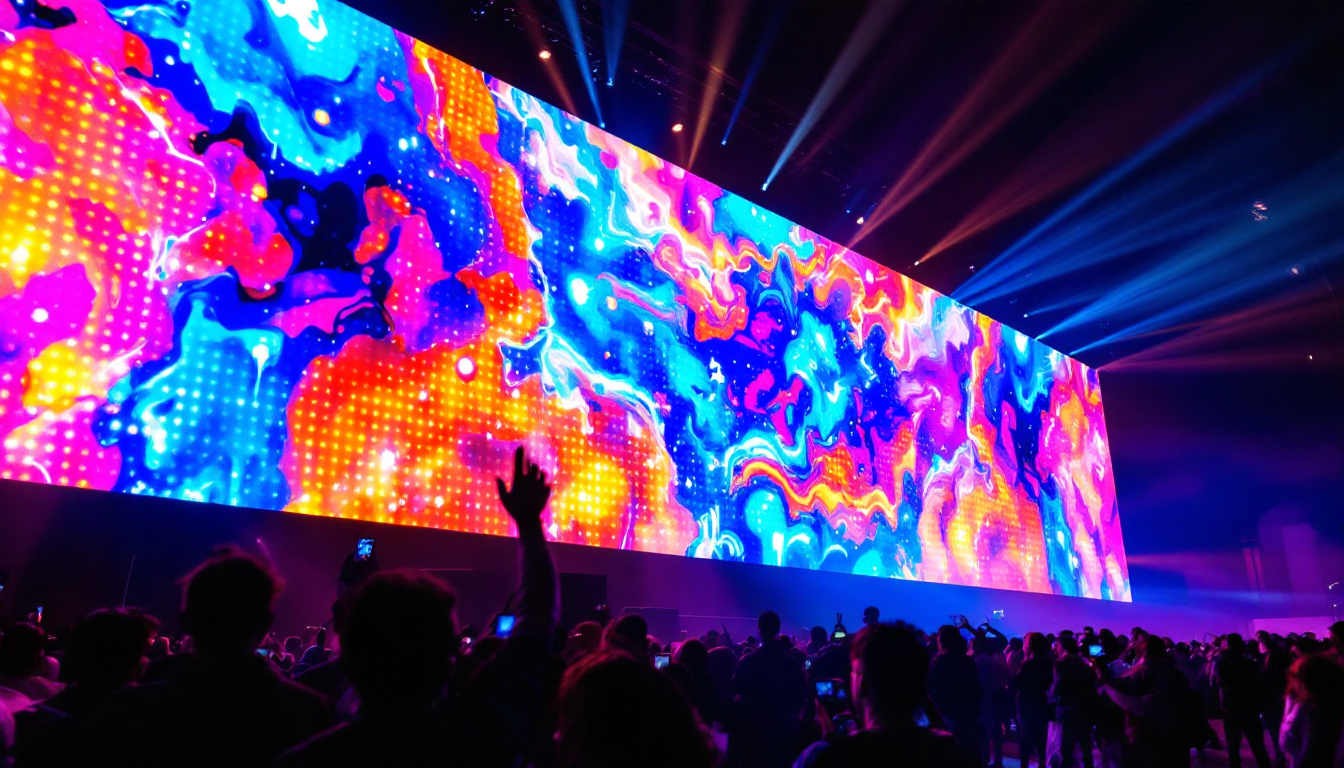
Stadiums and arenas employ massive LED video walls to enhance spectator experience with live video feeds, instant replays, and immersive graphics. Concerts and events use LED backdrops and stage elements to create stunning visual effects that complement performances.
Transportation and Public Information
LED displays are common in airports, train stations, and bus terminals for real-time schedule updates and announcements. Their high visibility and reliability ensure passengers receive timely information.
Corporate and Educational Environments
Conference rooms and lecture halls utilize LED walls for presentations and video conferencing, benefiting from the clarity and brightness that LED technology provides.
Future Trends in LED Display Technology
The LED display industry continues to innovate, driven by demands for higher resolution, greater energy efficiency, and novel form factors.
MicroLED and MiniLED
MicroLED technology uses microscopic LEDs to achieve extremely high pixel densities, rivaling OLED displays in image quality while maintaining LED advantages in brightness and longevity. MiniLED, a related technology, uses smaller LEDs to improve backlighting in LCD panels, enhancing contrast and color accuracy.
Integration with Smart Technologies
Smart LED displays equipped with sensors and AI capabilities can adapt content based on audience demographics, ambient lighting, and environmental conditions, creating more personalized and effective communication.
Sustainability and Recycling
As LED displays proliferate, manufacturers are focusing on sustainable materials and recycling programs to reduce environmental impact. Innovations include the use of biodegradable components and energy harvesting technologies.
Conclusion
LED displays have revolutionized the way visual information is presented across industries. Their brightness, energy efficiency, durability, and design versatility make them indispensable tools for communication in today’s digital age. As technology advances, LED displays will continue to evolve, offering even more immersive and sustainable solutions for businesses and consumers alike.
For those considering LED displays for advertising, events, or information dissemination, understanding the technology and its applications is crucial to making informed decisions that maximize impact and return on investment.
Discover the Future of Visual Communication with LumenMatrix
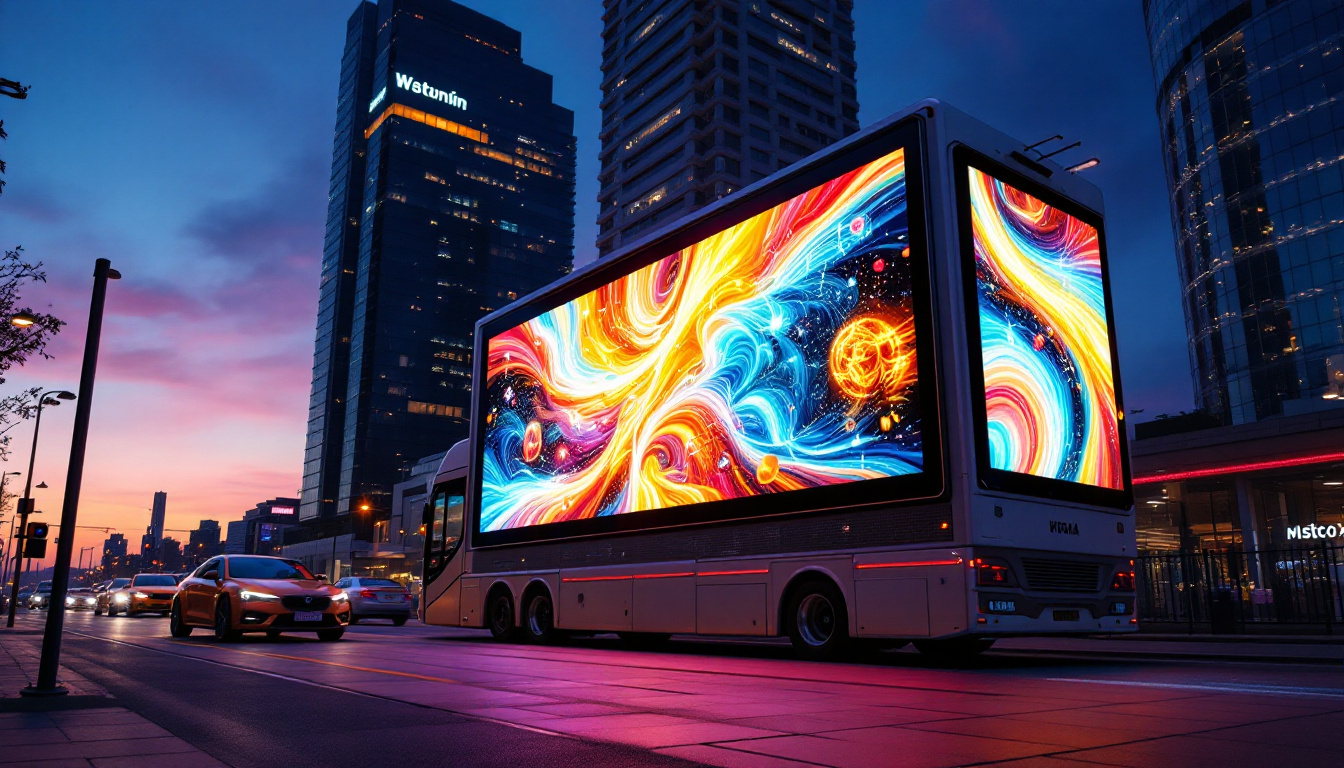
Ready to elevate your visual impact? LumenMatrix is at the forefront of LED display innovation, offering a comprehensive range of solutions tailored to your needs. From Indoor and Outdoor LED Wall Displays to specialized options like Vehicle, Sports, and Floor LED Displays, we bring your brand to life. Experience the transformative power of our Custom, All-in-One, and Transparent LED Displays. Embrace the future of digital signage with LumenMatrix and create unforgettable visual experiences. Check out LumenMatrix LED Display Solutions today and see how we can help you communicate with brilliance and precision.