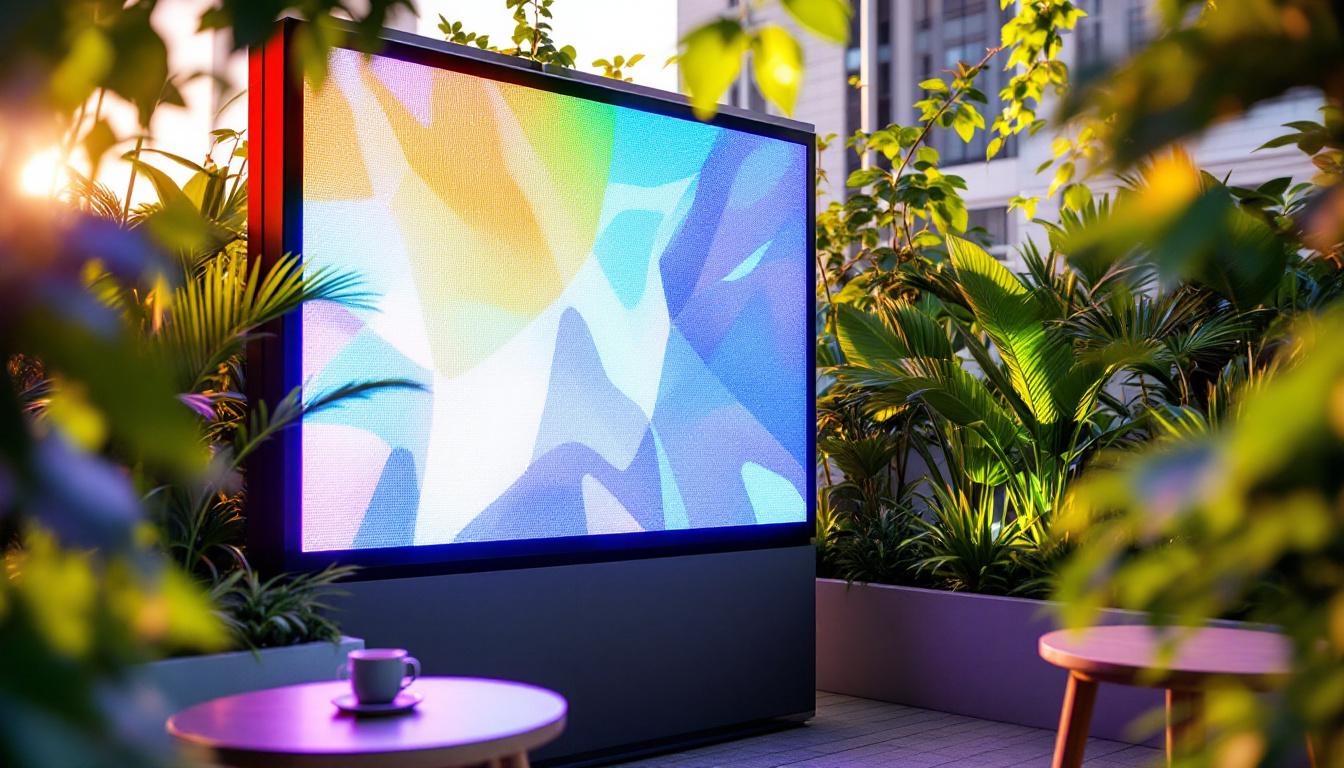
In an era where digital signage and outdoor displays are becoming increasingly prevalent, the concept of privacy screens for outdoor LED displays is gaining traction. Whether used in public spaces, corporate environments, or retail settings, outdoor LED displays must balance visibility with privacy concerns. This article delves into the technology behind privacy screens for outdoor LED displays, exploring their importance, how they work, and practical applications.
Understanding Outdoor LED Displays
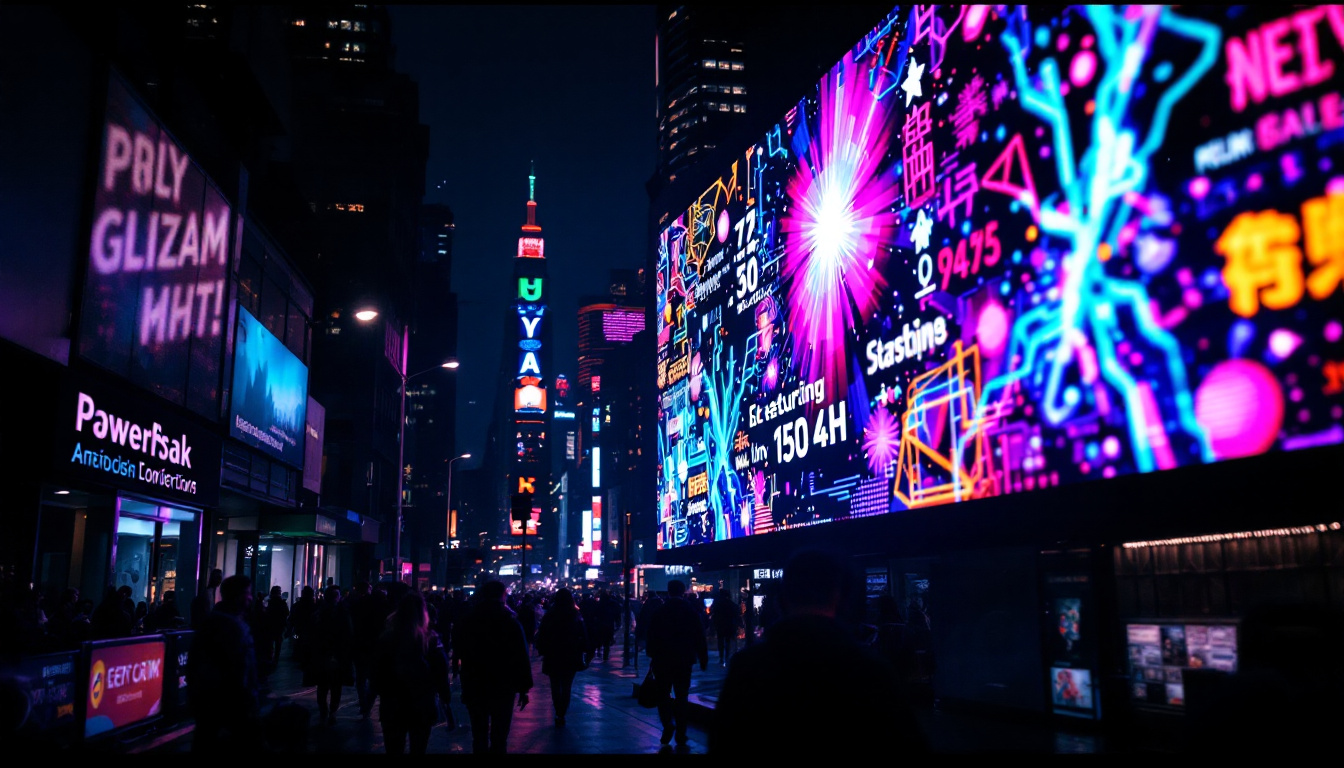
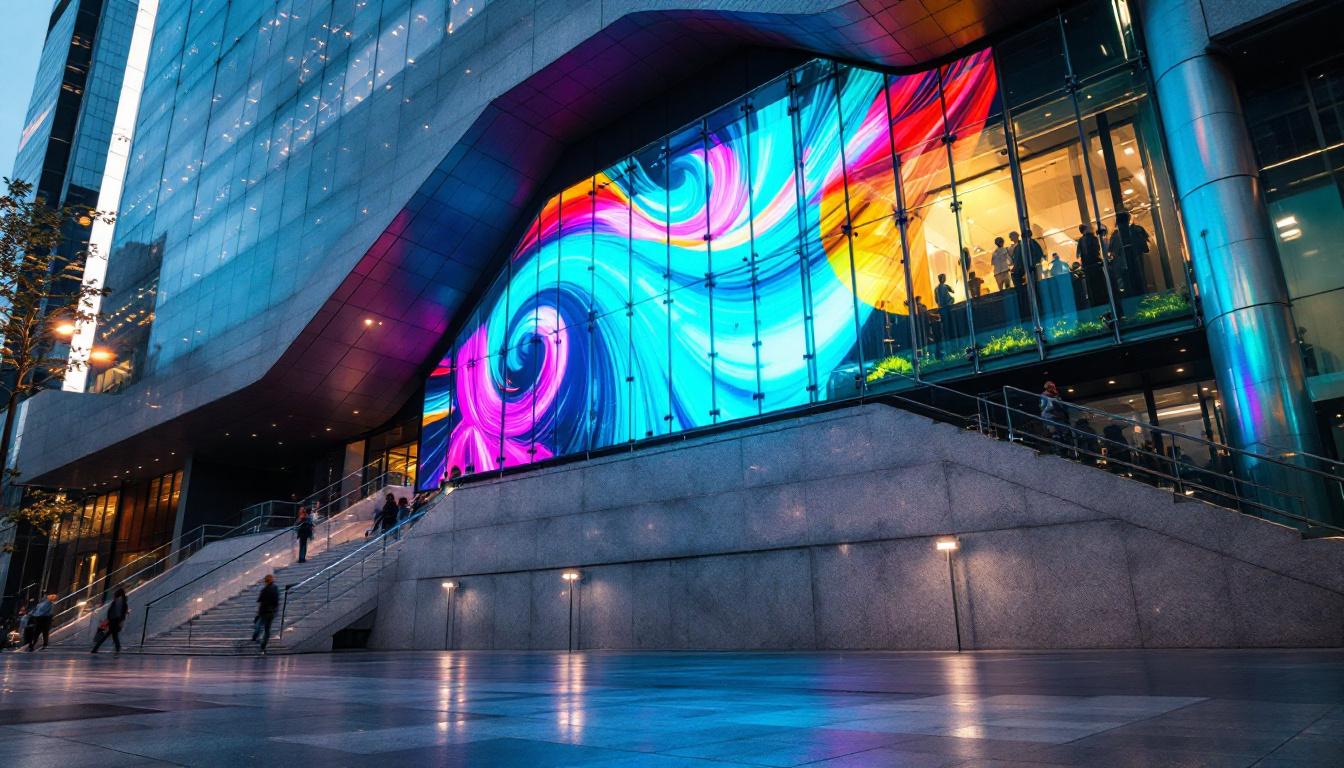
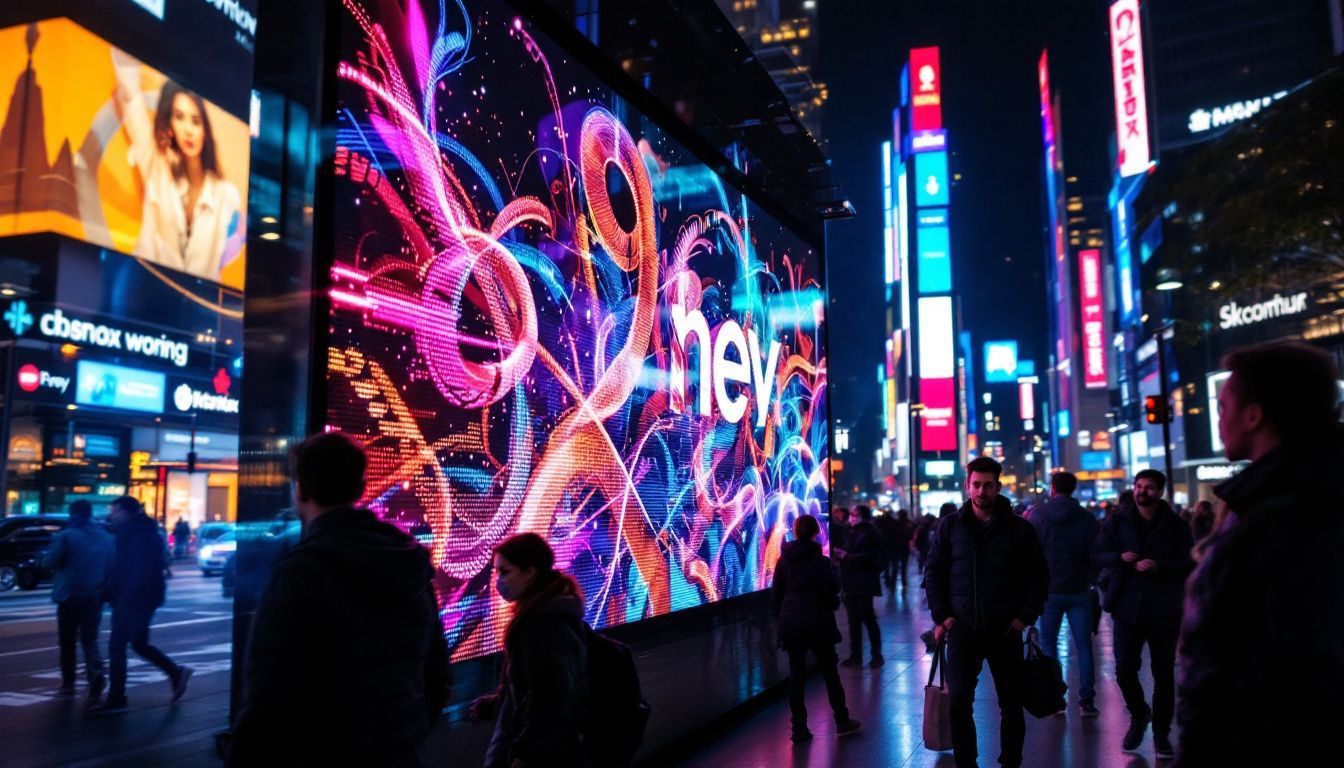
Outdoor LED displays have transformed the way information is communicated in public spaces. From advertising billboards to public transit information boards, these displays offer bright, dynamic visuals that are visible even in direct sunlight. According to the Outdoor Advertising Association of America, digital out-of-home (DOOH) advertising, which heavily relies on LED displays, is expected to grow by over 10% annually, highlighting the increasing demand for these technologies.
However, the very brightness and visibility that make outdoor LED displays effective can also raise privacy concerns. For example, in corporate settings, sensitive information displayed on outdoor screens might be visible to unintended audiences. Similarly, interactive kiosks or digital signage with personalized content risk exposing private data in public environments.
Key Features of Outdoor LED Displays
Outdoor LED displays are designed to withstand harsh environmental conditions such as rain, dust, and temperature fluctuations. Their high brightness levels, often exceeding 5,000 nits, ensure readability even under direct sunlight. Additionally, these displays come with various pixel pitches, which determine the resolution and viewing distance. A smaller pixel pitch means higher resolution and closer viewing distances, which is critical for displays located near pedestrian traffic.
Despite these advantages, the challenge remains: how to maintain the privacy of displayed content without sacrificing the visibility and impact of the message.
What is a Privacy Screen for Outdoor LED Displays?
A privacy screen for an outdoor LED display is a technology or physical solution designed to restrict the viewing angle of the screen, ensuring that the content is only visible to intended viewers. This is crucial in environments where sensitive or personalized information is displayed, such as financial data, medical information, or confidential corporate messages.
Privacy screens work by limiting the light emission angle, effectively narrowing the field of view. This means that viewers outside a specific viewing cone see a darkened or blurred screen, preventing unauthorized observation.
Types of Privacy Screens for Outdoor LED Displays
Several approaches exist to implement privacy screens for outdoor LED displays, including:
- Optical Films and Filters: Special films can be applied to the display surface to restrict viewing angles. These films use micro-louver technology to block light from side angles, similar to privacy filters used on laptops and smartphones.
- Directional LED Technology: Some LED manufacturers have developed directional LEDs that emit light in a narrower beam, reducing side visibility without additional filters.
- Physical Louvers and Shades: Mechanical solutions such as louvers or shades can be installed around the display to physically block side views.
- Software-Based Solutions: In interactive displays, software can detect viewer positions and adjust content visibility or pixel brightness accordingly, though this is more common indoors.
Each method has its advantages and limitations, often requiring a combination of solutions to achieve optimal privacy without compromising display quality.
Why Privacy Screens Matter for Outdoor LED Displays
Privacy concerns in outdoor digital signage are not just about preventing unauthorized viewing; they also relate to compliance with data protection regulations and maintaining brand integrity.
Protecting Sensitive Information
In sectors like healthcare, finance, and government, outdoor displays may present sensitive information that must be shielded from public view. For instance, an outdoor patient check-in kiosk displaying appointment details needs to prevent passersby from seeing personal health information.
Similarly, financial institutions using outdoor LED displays for customer interactions or account information must ensure that data privacy is maintained to comply with regulations such as the General Data Protection Regulation (GDPR) in Europe or the California Consumer Privacy Act (CCPA) in the United States.
Enhancing User Experience and Trust
Privacy screens also contribute to user trust. When customers or employees feel confident that their information is protected, they are more likely to engage with digital signage or interactive kiosks. This trust can translate into increased usage, better customer satisfaction, and ultimately, higher return on investment for businesses deploying these technologies.
Mitigating Visual Pollution
Another consideration is visual pollution. Outdoor LED displays are often bright and attention-grabbing, which can be distracting or intrusive to nearby residents or pedestrians. Privacy screens that limit viewing angles can help reduce unwanted light spill and glare, improving the overall urban environment.
How Privacy Screens Work: Technical Insights
To appreciate the effectiveness of privacy screens on outdoor LED displays, understanding the underlying technical principles is essential.
Viewing Angle Restriction
The core function of a privacy screen is to restrict the viewing angle. Standard LED displays emit light in a wide cone, typically around 120 degrees horizontally and vertically. Privacy filters narrow this cone significantly, sometimes to as little as 30 degrees, meaning only viewers directly in front of the screen can see the content clearly.
Micro-louver films achieve this by embedding tiny vertical blinds within the filter, which block light traveling at wider angles. This technology is similar to window blinds but on a microscopic scale.
Directional LEDs and Beam Shaping
Directional LEDs are designed to focus light emission more precisely. By controlling the LED lens and chip structure, manufacturers can create displays that emit light primarily in the forward direction. This reduces side visibility naturally, without the need for additional filters.
Beam shaping techniques can also be used to tailor the light distribution pattern, optimizing it for specific viewing zones while minimizing spillover.
Environmental Considerations
Outdoor environments pose unique challenges for privacy screens. Films and filters must withstand UV exposure, temperature extremes, moisture, and physical abrasion. High-quality materials with protective coatings are essential to maintain performance over time.
Moreover, privacy solutions must not significantly reduce the brightness or color accuracy of the LED display, as outdoor visibility is paramount. Balancing privacy and visibility requires careful engineering and material selection.
Applications of Privacy Screens in Outdoor LED Displays
Privacy screens are increasingly used in a variety of outdoor applications where sensitive information or targeted messaging is involved.
Corporate and Industrial Environments
Many corporations utilize outdoor LED displays to communicate with employees or visitors. Privacy screens help ensure that sensitive operational data, security alerts, or internal communications are only visible to authorized personnel.
Industrial sites may use outdoor displays to show real-time production metrics or safety information. Privacy filters prevent competitors or unauthorized individuals from accessing proprietary data.
Healthcare Facilities
Hospitals and clinics use outdoor digital signage for patient check-ins, wayfinding, and appointment reminders. Privacy screens protect patient confidentiality in accordance with regulations like HIPAA (Health Insurance Portability and Accountability Act) in the U.S.
Financial Institutions
Banks and financial service providers deploy outdoor LED displays for customer interactions, including ATM interfaces and informational kiosks. Privacy screens safeguard account information and transaction details from shoulder surfing or casual observation.
Retail and Advertising
While most retail advertising is public-facing, some outdoor displays offer personalized promotions or loyalty program information. Privacy screens enable targeted marketing without compromising customer privacy.
Challenges and Considerations When Implementing Privacy Screens
Despite their benefits, privacy screens for outdoor LED displays come with challenges that must be addressed during planning and deployment.
Balancing Privacy and Visibility
The primary challenge is maintaining a balance between privacy and visibility. Overly restrictive privacy filters can reduce brightness and color fidelity, making the display less effective, especially in bright outdoor conditions.
Careful selection of privacy technology and calibration of display brightness are critical to achieving this balance.
Cost and Maintenance
High-quality privacy films and directional LED technologies can add to the initial cost of outdoor LED display installations. Additionally, environmental exposure may necessitate periodic maintenance or replacement of privacy components.
Budgeting for these expenses upfront can prevent unexpected costs and ensure long-term performance.
Technical Compatibility
Not all privacy screen technologies are compatible with every LED display type or size. It is important to consult with manufacturers and technology providers to select solutions tailored to specific display models and use cases.
Future Trends in Outdoor LED Privacy Screens
As demand for outdoor digital signage grows, privacy screen technologies continue to evolve. Emerging trends include:
- Adaptive Privacy Screens: Using sensors and AI, displays can adjust privacy settings dynamically based on viewer location or environmental conditions.
- Advanced Materials: Development of more durable, high-transparency privacy films that do not compromise brightness or color accuracy.
- Integration with Augmented Reality (AR): Combining privacy screens with AR to deliver personalized content visible only through AR devices.
- Energy Efficiency: Directional LEDs that reduce power consumption by focusing light more efficiently.
These innovations promise to enhance the functionality and security of outdoor LED displays, making them more versatile and user-friendly.
Conclusion
Privacy screens for outdoor LED displays represent a critical intersection of technology, security, and user experience. As outdoor digital signage becomes more ubiquitous and interactive, protecting sensitive information while maintaining visibility is paramount. Understanding the various privacy screen technologies, their applications, and challenges helps organizations make informed decisions that safeguard privacy without compromising the impact of their outdoor displays.
With ongoing advancements in materials and directional lighting, the future of outdoor LED privacy screens looks promising, offering more sophisticated, adaptable, and efficient solutions to meet the evolving needs of businesses and public spaces.
Discover LumenMatrix’s Privacy-Enhanced LED Displays
As you consider the importance of balancing visibility with privacy for your outdoor LED displays, LumenMatrix stands at the forefront of innovative solutions. Our extensive range of LED display modules, including Outdoor LED Wall Display and LED Transparent Display, is designed with your privacy concerns in mind. Experience the power of cutting-edge technology that safeguards sensitive information while captivating your audience. Check out LumenMatrix LED Display Solutions today and revolutionize the way you communicate visually.