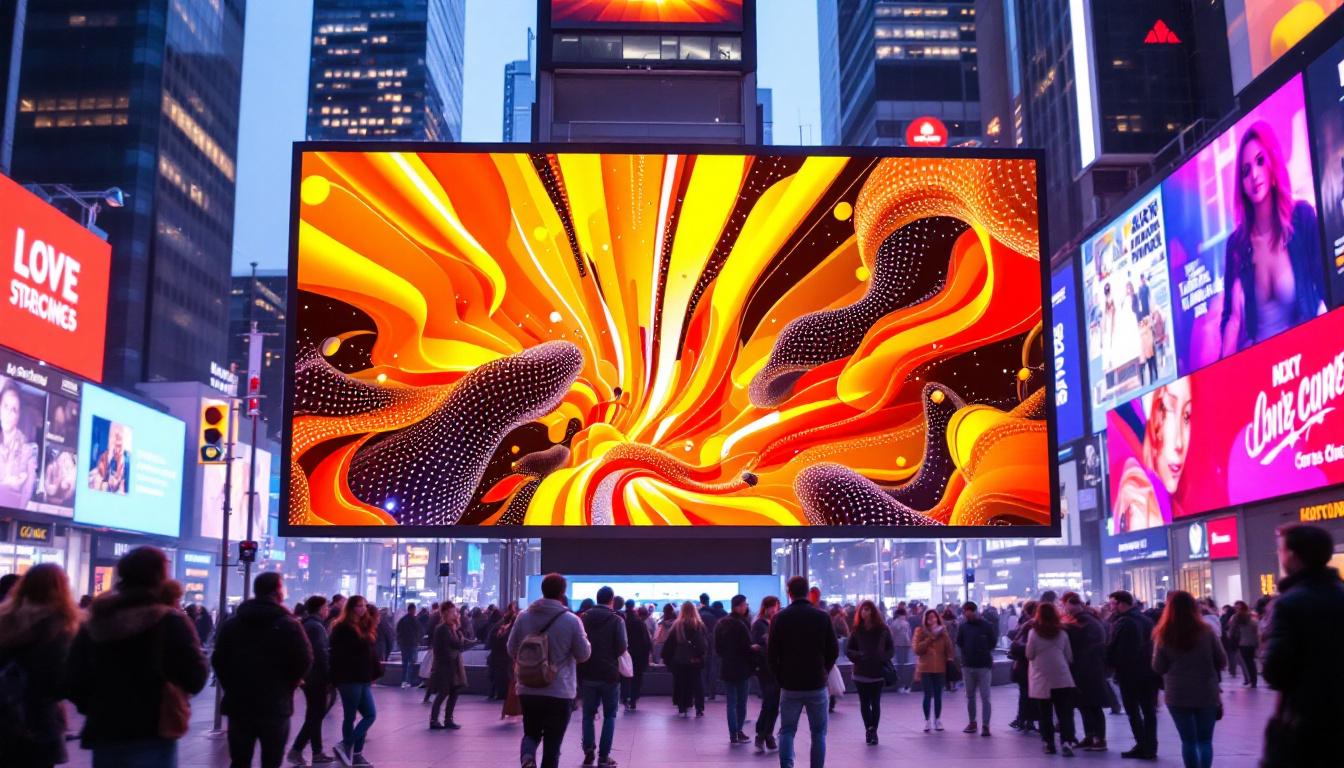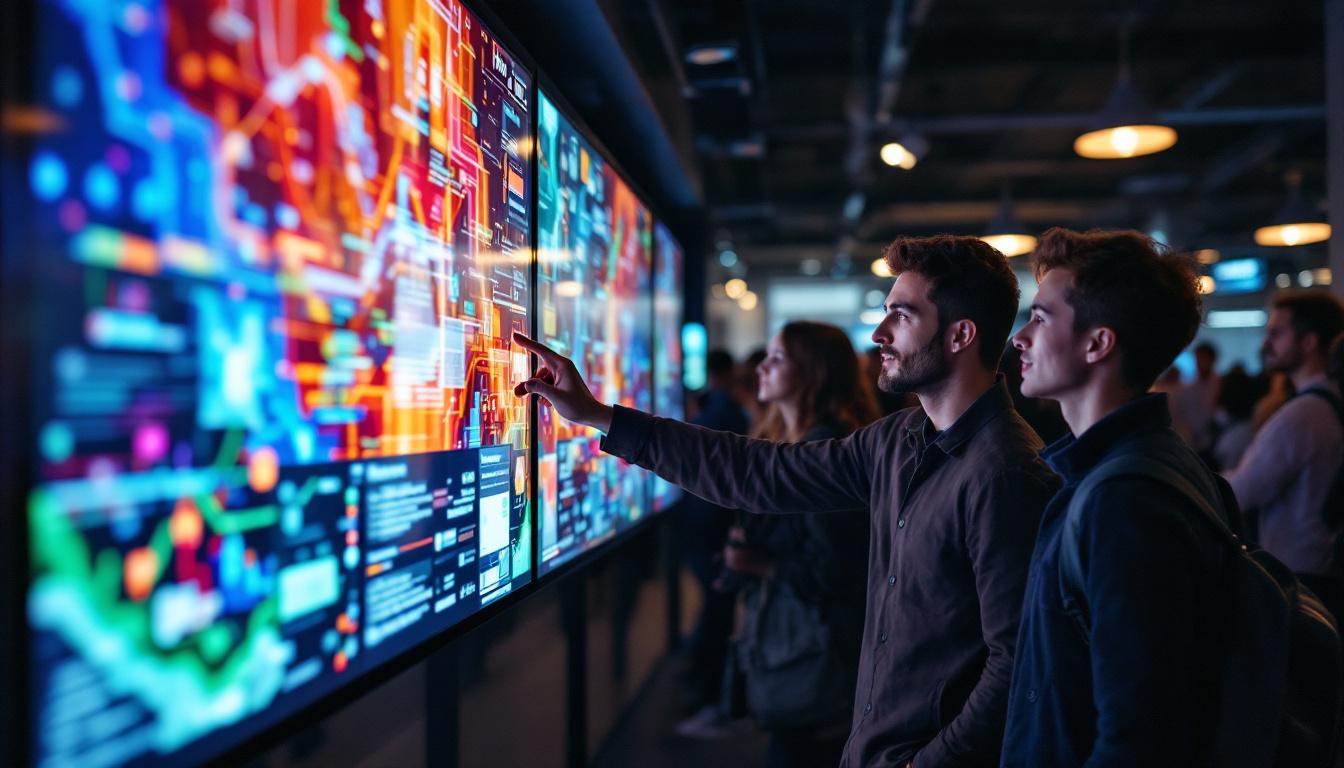
In an era where technology is reshaping how we communicate, collaborate, and present information, interactive digital boards equipped with LED displays have emerged as a powerful tool across various sectors. From corporate boardrooms and classrooms to public spaces and retail environments, these dynamic displays are transforming the way content is shared and consumed. This article delves into the world of interactive LED digital boards, exploring their technology, benefits, applications, and future trends.
Understanding LED Display Technology
At the heart of any interactive digital board lies its display technology. LED, or Light Emitting Diode, displays have become the preferred choice for digital boards due to their brightness, energy efficiency, and versatility.
What Is an LED Display?
An LED display consists of numerous tiny light-emitting diodes arranged in a matrix to create images, videos, or text. Unlike traditional LCD screens that rely on backlighting, LEDs emit light individually, allowing for higher contrast ratios and more vibrant colors. This characteristic makes LED displays particularly effective in environments with varying lighting conditions, including bright rooms or outdoor settings. Additionally, LED technology has evolved to include features such as dynamic color adjustment and adaptive brightness, which enhance the viewing experience by automatically adapting to the ambient light levels.
Types of LED Displays Used in Interactive Boards
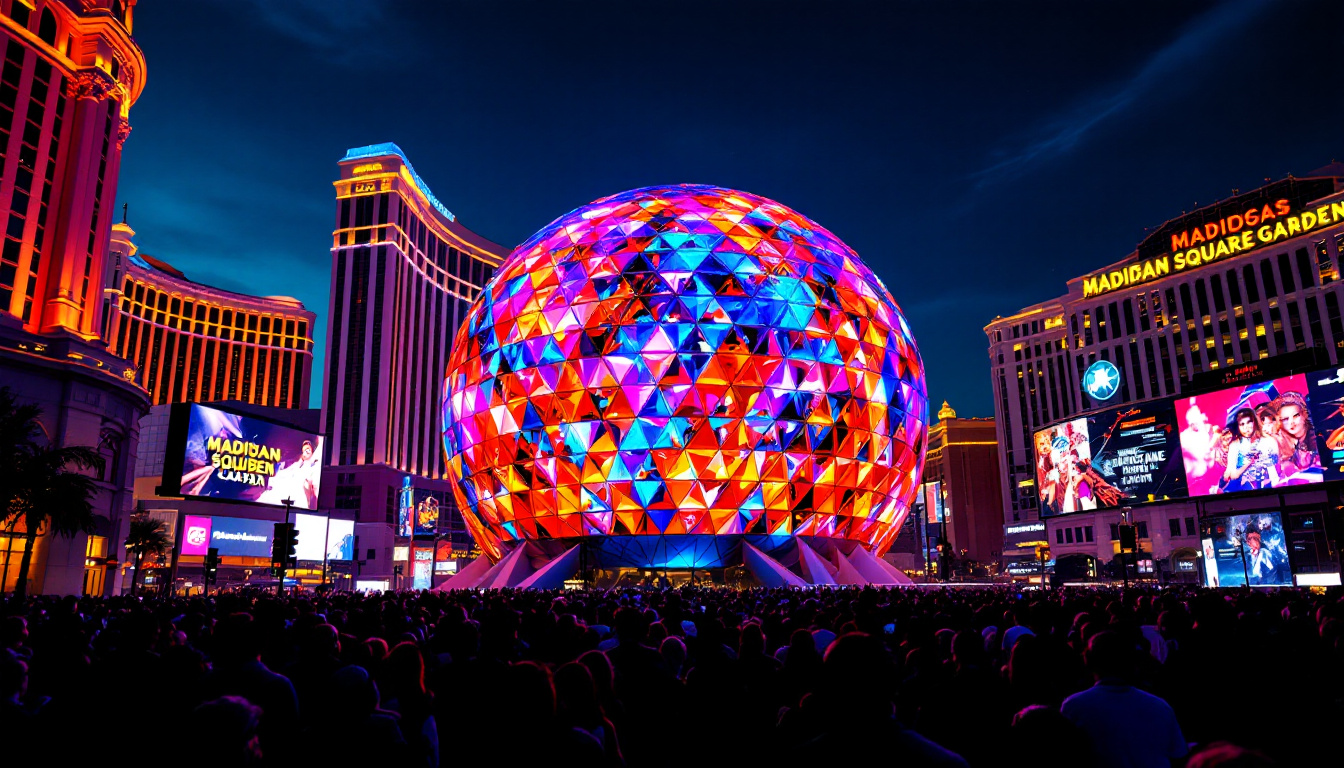
Interactive digital boards commonly utilize two main types of LED technology: direct-view LED and LED-backlit LCD panels. Direct-view LED displays are composed entirely of LEDs that form the image, offering superior brightness and color accuracy, often used in large-scale installations. These displays are not only capable of producing stunning visuals but can also be configured in various shapes and sizes, making them ideal for creative applications in advertising and public displays. LED-backlit LCD panels, meanwhile, use LEDs as a backlight source behind an LCD panel, providing a slimmer profile and often found in smaller or mid-sized interactive boards. This type of display is particularly advantageous in settings where space is limited, such as in classrooms or corporate offices, while still delivering impressive image quality.
Resolution and Pixel Pitch
Resolution is a critical factor in LED displays, determining the clarity and detail of the content shown. Pixel pitch, the distance between individual LEDs, directly influences resolution; smaller pixel pitches mean higher resolution and sharper images. For interactive boards used in classrooms or meeting rooms, pixel pitches typically range from 0.9mm to 2.5mm, balancing image quality with cost-effectiveness. Furthermore, advancements in technology have led to the development of ultra-high-definition (UHD) displays, which provide even greater detail and are becoming increasingly popular for applications that require intricate visuals, such as medical imaging or high-end presentations. As the demand for high-quality content continues to rise, understanding pixel pitch and resolution becomes essential for selecting the right display for specific needs.
Key Features of Interactive Digital Boards with LED Displays
Interactive digital boards combine the visual advantages of LED technology with touch-sensitive interfaces and connectivity options, creating an engaging and versatile user experience.
Touch and Gesture Interactivity
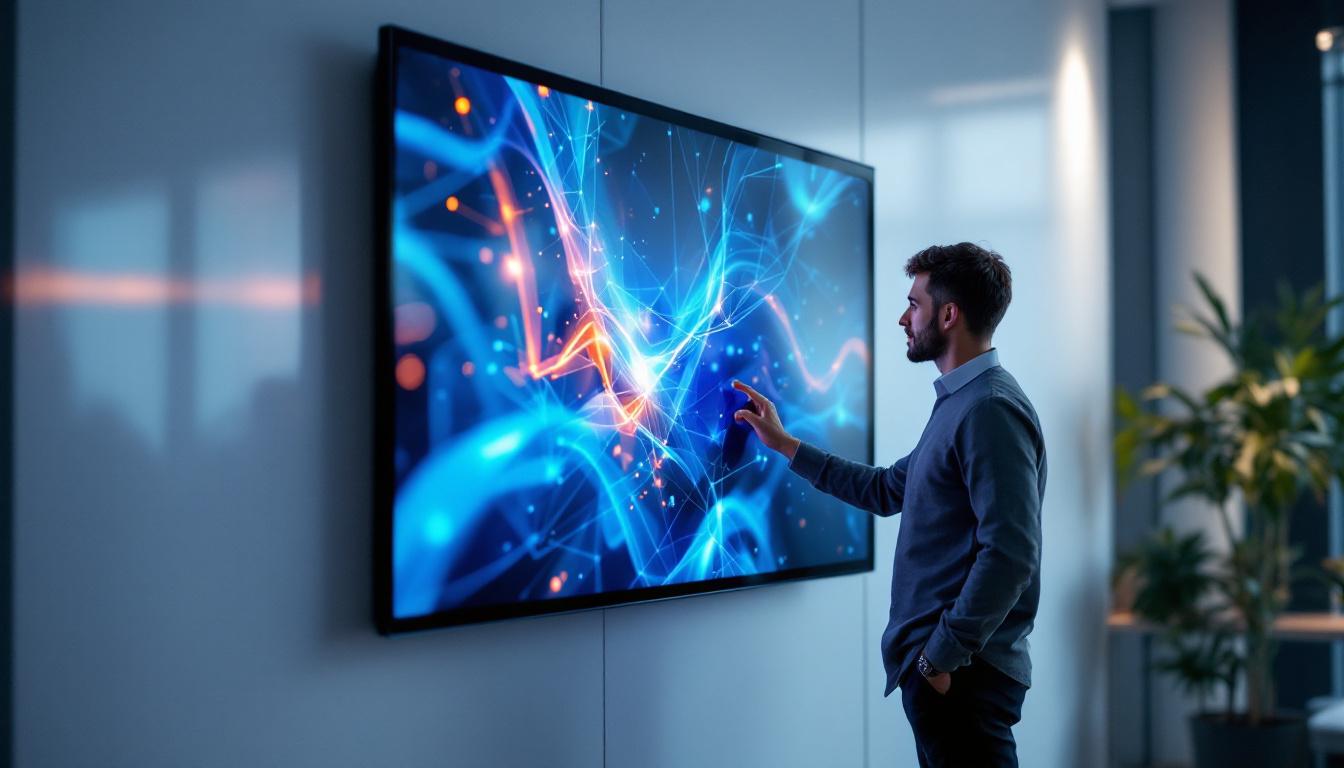
Modern interactive boards support multi-touch capabilities, allowing several users to interact with the screen simultaneously. Technologies such as infrared touch, capacitive touch, and optical sensing enable precise and responsive input. Gesture recognition is also gaining traction, enabling users to control the board through hand movements without physical contact, which is particularly useful in hygienic or public settings.
High Brightness and Wide Viewing Angles
LED displays are renowned for their brightness, often exceeding 700 nits, which ensures clear visibility even in well-lit rooms or near windows. Additionally, wide viewing angles, sometimes up to 178 degrees horizontally and vertically, allow multiple viewers to see the content clearly from different positions, enhancing collaboration in group settings.
Durability and Energy Efficiency
LED displays are built to last, with lifespans typically exceeding 50,000 hours. Their solid-state nature makes them resistant to shocks and vibrations, important for environments with frequent use. Moreover, LEDs consume less power compared to traditional display technologies, reducing operational costs and supporting sustainability goals.
Integrated Software and Connectivity
Interactive digital boards often come equipped with built-in operating systems and software suites that support annotation, screen sharing, video conferencing, and cloud integration. Connectivity options include HDMI, USB, Wi-Fi, and Bluetooth, enabling seamless integration with laptops, smartphones, and other devices. This flexibility is essential for modern workflows that rely on diverse digital tools.
Applications of Interactive LED Digital Boards
The versatility of interactive LED digital boards makes them valuable in numerous contexts, each benefiting from their unique capabilities.
Education: Enhancing Learning Experiences
In education, interactive LED boards are revolutionizing teaching methods by fostering engagement and collaboration. According to a 2023 report by the International Society for Technology in Education, classrooms equipped with interactive displays saw a 30% increase in student participation and a 25% improvement in knowledge retention.
Teachers can annotate directly on lesson materials, access multimedia resources instantly, and facilitate group activities with ease. The bright, clear LED display ensures content is visible to all students, while touch interactivity encourages hands-on learning. Furthermore, interactive boards support remote learning by integrating with video conferencing platforms, a feature that became indispensable during recent global shifts to hybrid education models.
Corporate Environments: Streamlining Collaboration
In the business world, interactive LED digital boards serve as hubs for brainstorming, presentations, and video conferencing. Their ability to display high-resolution content and support multiple simultaneous inputs makes meetings more dynamic and productive. A 2022 survey by Gartner revealed that 68% of enterprises investing in interactive display technology reported improved meeting efficiency and employee engagement.
These boards facilitate real-time editing of documents, instant sharing of ideas, and seamless integration with collaboration software like Microsoft Teams and Zoom. The durability and energy efficiency of LED displays also align with corporate sustainability initiatives and long-term cost management.
Retail and Advertising: Capturing Attention
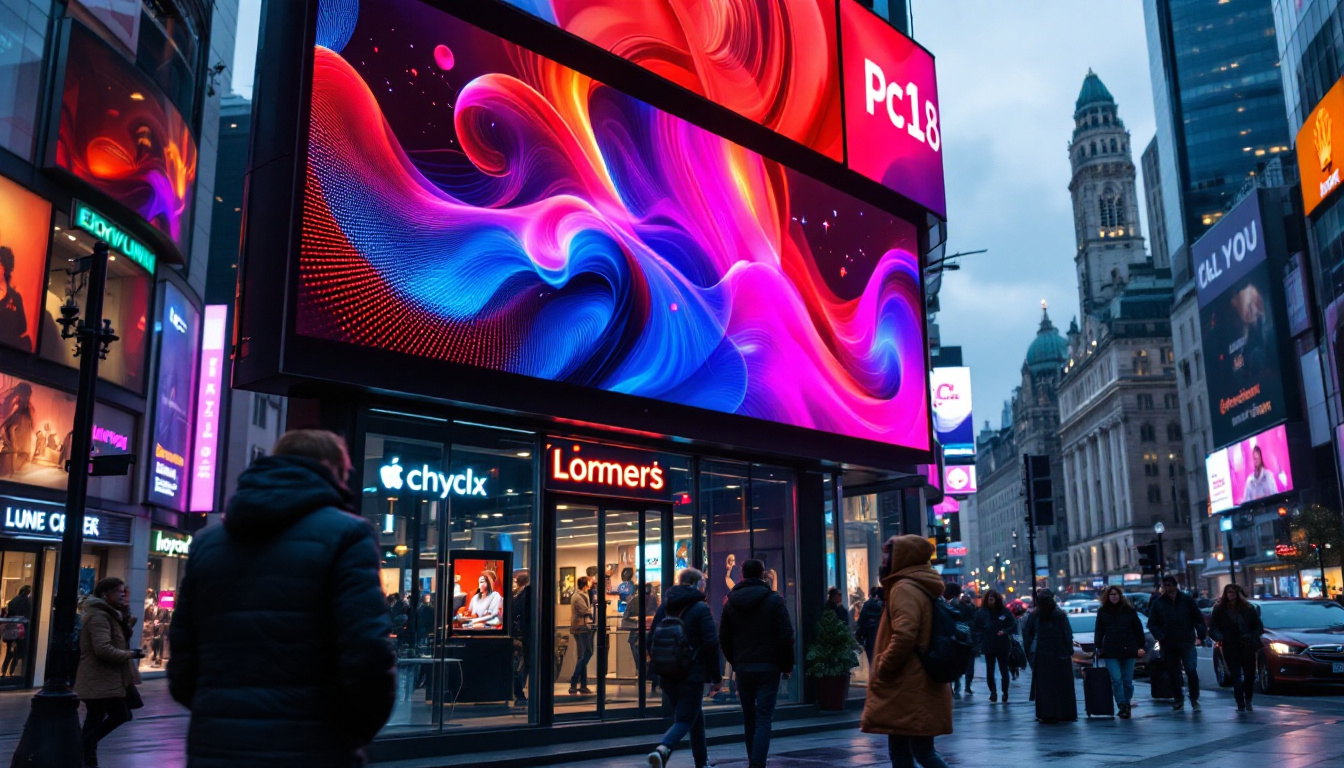
Retailers and advertisers leverage interactive LED boards to create immersive customer experiences. The vivid colors and brightness of LED displays attract attention in busy environments, while touch interactivity enables personalized content exploration. For example, fashion stores use interactive boards to showcase product catalogs, allowing customers to browse styles and check availability without assistance.
Digital signage powered by LED displays can update content in real-time, promoting sales, events, or new arrivals instantly. This adaptability enhances marketing effectiveness and customer engagement, contributing to increased foot traffic and sales conversions.
Public Spaces and Transportation Hubs
Interactive LED boards are increasingly common in airports, train stations, and city centers, providing travelers and visitors with real-time information, wayfinding assistance, and emergency alerts. Their robustness and high visibility ensure reliable operation in high-traffic areas. Touch-enabled features allow users to search for schedules, maps, or services independently, improving user experience and operational efficiency.
Choosing the Right Interactive LED Digital Board
Selecting an interactive digital board with an LED display requires careful consideration of several factors to ensure it meets specific needs and environments.
Size and Resolution Requirements
Determining the appropriate screen size depends on the room dimensions and the number of viewers. Larger rooms or audiences necessitate bigger displays with higher resolutions to maintain clarity. For example, a 75-inch board with 4K resolution is ideal for medium-sized conference rooms, while classrooms may benefit from 55 to 65-inch boards with Full HD or 4K resolution.
Touch Technology and Responsiveness
The choice of touch technology affects the user experience. Capacitive touch offers a smooth, smartphone-like interaction but can be more expensive, while infrared touch is durable and cost-effective. Consider the number of simultaneous touch points needed; collaborative environments benefit from at least 10-point multi-touch support.
Connectivity and Software Ecosystem
Compatibility with existing devices and software platforms is crucial. Boards that support multiple input methods (wireless casting, HDMI, USB) and integrate with popular collaboration tools provide greater flexibility. Additionally, evaluate the availability of software updates, security features, and customer support.
Budget and Total Cost of Ownership
While initial purchase price is important, consider the total cost of ownership, including installation, maintenance, energy consumption, and potential software subscriptions. Investing in high-quality LED displays with longer lifespans and energy-efficient components can yield savings over time.
Future Trends in Interactive LED Digital Boards
The evolution of interactive LED digital boards is accelerating, driven by advances in display technology, artificial intelligence, and connectivity.
MicroLED and MiniLED Innovations
Emerging MicroLED and MiniLED technologies promise even higher brightness, better contrast, and thinner form factors. MicroLED displays, composed of microscopic LEDs, offer superior color accuracy and energy efficiency, potentially revolutionizing the interactive board market within the next five years.
AI-Powered Interaction and Analytics
Artificial intelligence is being integrated to enhance user interaction through voice commands, facial recognition, and adaptive content delivery. AI analytics can provide insights into user engagement, helping organizations optimize content and improve collaboration outcomes.
Enhanced Connectivity with 5G and IoT Integration
The rollout of 5G networks and the expansion of the Internet of Things (IoT) will enable interactive boards to connect more seamlessly with other devices and cloud services. This connectivity will support real-time data sharing, remote management, and immersive augmented reality applications.
Conclusion
Interactive digital boards with LED displays represent a significant advancement in visual communication and collaboration technology. Their combination of vibrant, high-resolution visuals, responsive touch capabilities, and robust connectivity options make them indispensable tools across education, business, retail, and public sectors.
As LED technology continues to evolve, these boards will become even more versatile, intelligent, and integrated into daily workflows and experiences. Understanding the underlying technology, key features, and application contexts helps organizations make informed decisions to harness the full potential of interactive LED digital boards.
Discover LumenMatrix’s Innovative LED Solutions
Ready to elevate your visual communication and collaboration capabilities? Explore the advanced LED display solutions offered by LumenMatrix. As a pioneer in the industry, LumenMatrix provides a wide array of LED display modules, from Indoor and Outdoor LED Walls to specialized options like Vehicle, Sports, and Floor LED Displays. Each product is designed to maximize brand visibility and create immersive visual experiences. Embrace the future of digital signage with LumenMatrix’s Custom, All-in-One, and Transparent LED Displays, and see how our technology can transform your space. Check out LumenMatrix LED Display Solutions today and start your journey towards unparalleled engagement and clarity.