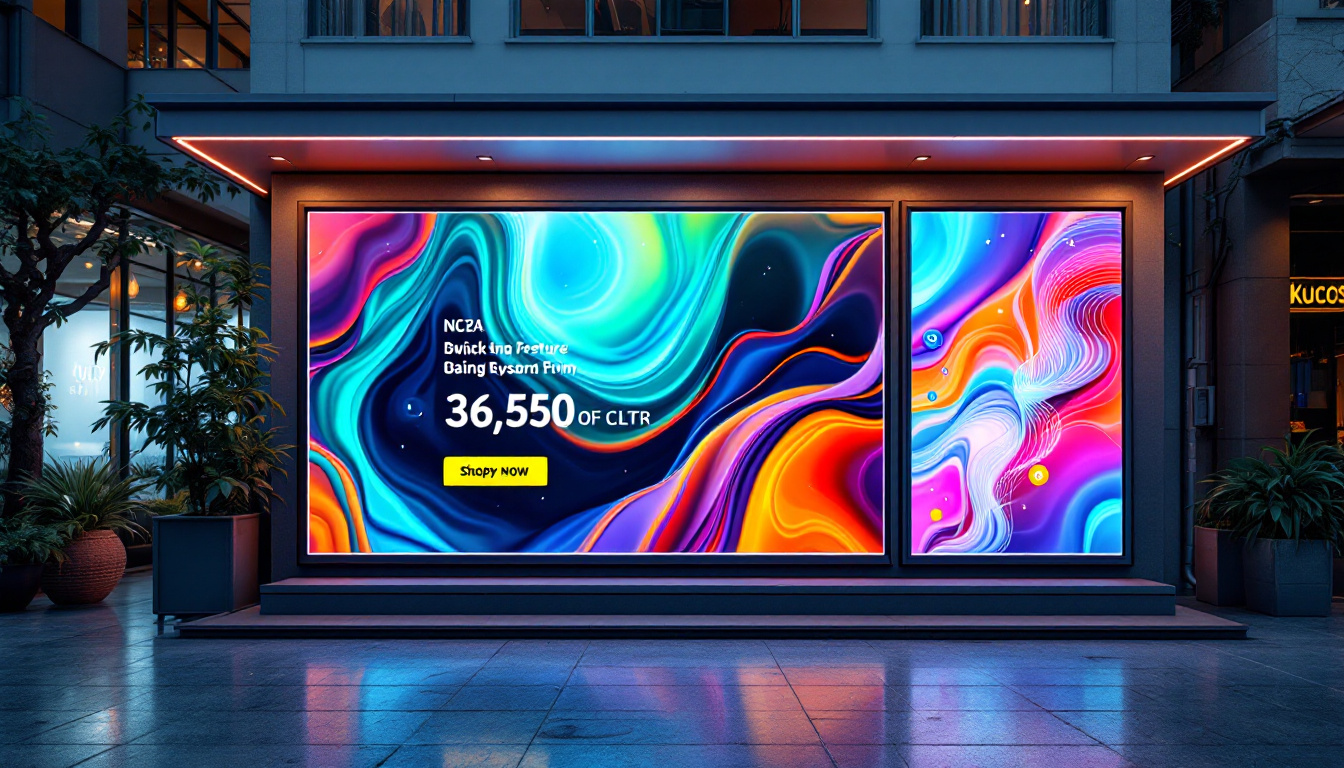
In today’s fast-paced world, electronic devices are increasingly integrated into outdoor environments, from digital signage to public information displays. Protecting these sensitive electronics from harsh weather conditions is essential to ensure longevity and reliable performance. A weatherproof box for electronics, especially for LED displays, plays a critical role in this protection. This article delves into the importance of weatherproof enclosures, the specific requirements for LED displays, and the latest innovations in weatherproofing technology.
Understanding the Need for Weatherproof Boxes in Electronics
Electronics are inherently vulnerable to environmental factors such as moisture, dust, temperature fluctuations, and physical impact. When deployed outdoors, these risks are amplified, potentially leading to malfunction or permanent damage. Weatherproof boxes act as protective barriers, shielding electronic components from these hazards.
According to a 2023 report by the Consumer Technology Association, nearly 40% of outdoor electronic failures are attributed to inadequate environmental protection. This statistic underscores the critical need for robust enclosures, especially as outdoor electronics become more prevalent in smart cities, transportation hubs, and public spaces.
Key Environmental Threats to Outdoor Electronics
Moisture ingress is one of the most damaging threats. Rain, humidity, and condensation can cause short circuits and corrosion. Dust and particulate matter can clog ventilation systems and interfere with heat dissipation. Temperature extremes, both hot and cold, can affect the performance and lifespan of electronic components. Additionally, UV radiation from sunlight can degrade plastics and other materials over time.
Physical impacts, such as vandalism or accidental knocks, also necessitate sturdy enclosures. Therefore, a weatherproof box must be designed to address all these factors comprehensively.
Moreover, the design of weatherproof boxes has evolved significantly to meet the demands of modern technology. Many enclosures now incorporate advanced materials such as polycarbonate and aluminum, which offer enhanced durability while remaining lightweight. These materials not only resist corrosion and UV damage but also provide excellent thermal insulation, ensuring that sensitive electronics remain operational under varying temperature conditions. Additionally, features such as gaskets and seals are often integrated into the design to provide an airtight barrier against moisture and dust, further enhancing the reliability of the enclosed electronics.
As outdoor applications continue to expand, the importance of compliance with industry standards cannot be overstated. Many weatherproof boxes are tested against rigorous standards, such as IP (Ingress Protection) ratings, which indicate their effectiveness against dust and water ingress. For instance, an IP68 rating signifies that a box can withstand complete submersion in water beyond a specified depth, making it ideal for use in extreme weather conditions. This level of certification not only ensures the longevity of the electronics but also builds trust with consumers and businesses that rely on these systems for critical operations.
Specific Challenges for LED Displays in Outdoor Settings
LED displays are widely used for outdoor advertising, public information, and traffic management due to their brightness, energy efficiency, and versatility. However, their unique construction and operational characteristics impose additional challenges for weatherproofing.
Heat Management
LED modules generate heat during operation, and excessive heat can degrade their lifespan and performance. Outdoor LED displays must incorporate efficient thermal management systems. Weatherproof boxes for these displays often include heat sinks, fans, or ventilation designs that prevent water ingress while allowing heat dissipation. Additionally, the placement of these displays can significantly influence their thermal performance. For instance, displays mounted in direct sunlight may require more advanced cooling solutions compared to those in shaded areas. Manufacturers are increasingly exploring innovative materials that can withstand higher temperatures and enhance the overall efficiency of thermal management systems.
Visibility and Brightness
Outdoor LED displays require high brightness levels to remain visible under direct sunlight. This necessitates the use of specialized materials and coatings on the enclosure that do not obstruct light or cause glare. The enclosure design must also prevent dust or moisture from settling on the LED surface, which can reduce visibility. Furthermore, the angle of the display can affect how well it is viewed from different distances and perspectives. As a result, engineers often conduct extensive testing to optimize the display’s angle and brightness settings, ensuring that the content remains clear and engaging for passersby, even in varying lighting conditions. In some cases, adaptive brightness technology is integrated, allowing the display to automatically adjust its brightness based on ambient light levels, thus enhancing visibility while conserving energy.
Ingress Protection Ratings
Ingress Protection (IP) ratings are critical when selecting or designing a weatherproof box for LED displays. An IP rating indicates the enclosure’s ability to resist dust and water. For outdoor LED displays, a minimum rating of IP65 is often recommended, ensuring complete dust protection and resistance to water jets from any direction. Beyond the basic requirements, some manufacturers are pushing for higher ratings, such as IP67 or IP68, which offer complete protection against dust and immersion in water. This is particularly important for displays located in coastal areas or regions prone to heavy rainfall. Additionally, the materials used in the construction of these enclosures must be resistant to UV degradation and corrosion, ensuring that the displays maintain their aesthetic appeal and functionality over time. Regular maintenance and inspections are also essential to ensure that seals and protective coatings remain intact, thereby prolonging the lifespan of the LED displays in challenging outdoor environments.
Materials and Design Considerations for Weatherproof Boxes
The choice of materials and design features significantly influences the effectiveness of a weatherproof box. Manufacturers must balance durability, thermal performance, and cost-effectiveness.
Common Materials Used
Polycarbonate: Known for its impact resistance and transparency, polycarbonate is often used for display windows or covers. It resists UV degradation and can be treated with anti-reflective coatings.
Aluminum: Lightweight and corrosion-resistant, aluminum is a popular choice for the main enclosure body. It offers excellent heat dissipation properties, which is beneficial for LED displays.
Stainless Steel: For environments with extreme conditions or high risk of vandalism, stainless steel provides superior strength and corrosion resistance but at a higher cost.
Sealing and Gasket Technologies
Sealing is paramount to prevent moisture and dust ingress. High-quality rubber or silicone gaskets are typically used around doors and access panels. These gaskets must maintain elasticity over time and under temperature fluctuations to ensure a consistent seal.
Additionally, pressure equalization vents are sometimes incorporated to balance internal and external pressure, reducing the risk of condensation without compromising the enclosure’s waterproof integrity.
Innovations in Weatherproofing for LED Displays
Recent advancements have improved the reliability and functionality of weatherproof boxes, particularly for LED applications.
Smart Enclosures with Environmental Monitoring
Some modern weatherproof boxes are equipped with sensors that monitor temperature, humidity, and internal pressure. These smart enclosures can alert maintenance teams before conditions reach critical levels, enabling proactive intervention and reducing downtime.
Advanced Coatings and Surface Treatments
Nanotechnology has enabled the development of hydrophobic and self-cleaning coatings that repel water and dust from enclosure surfaces. These coatings help maintain the clarity and brightness of LED displays while reducing maintenance requirements.
Modular and Scalable Designs
Modular weatherproof boxes allow for easier upgrades and repairs. This flexibility is particularly valuable for large LED installations where individual modules may need replacement without dismantling the entire system.
Installation Best Practices for Weatherproof LED Enclosures
Proper installation is as crucial as the enclosure design itself. Even the best weatherproof box can fail if not installed correctly.
Site Assessment
Before installation, a thorough site assessment should be conducted to identify potential environmental challenges such as prevailing winds, exposure to direct sunlight, and proximity to water sources. This information guides the selection of appropriate enclosure specifications.
Mounting and Positioning
Enclosures should be mounted securely on stable structures, with consideration for drainage and airflow. Positioning the LED display to minimize direct exposure to harsh elements while maximizing visibility is essential.
Regular Maintenance and Inspection
Even weatherproof boxes require routine checks to ensure seals remain intact, vents are unobstructed, and no physical damage has occurred. Scheduled maintenance extends the lifespan of both the enclosure and the LED display.
Case Studies: Successful Deployments of Weatherproof LED Enclosures
Examining real-world examples highlights the practical benefits of well-designed weatherproof boxes.
Urban Digital Signage in Coastal Cities
In coastal environments, high humidity and salt spray pose significant risks. A major city implemented aluminum enclosures with IP66-rated seals and hydrophobic coatings for their outdoor LED billboards. Over two years, these displays maintained optimal performance with minimal maintenance, despite frequent storms.
Transportation Hubs and LED Information Displays
At a busy international airport, modular weatherproof boxes with integrated cooling systems protect LED flight information displays. The smart monitoring system alerts technicians to temperature anomalies, preventing overheating during peak usage times and ensuring continuous operation.
Choosing the Right Weatherproof Box for Your LED Display
Selecting the appropriate enclosure involves evaluating multiple factors:
- Environmental Conditions: Consider local climate, exposure to elements, and potential physical threats.
- Display Specifications: Size, heat output, and brightness requirements influence enclosure design.
- Ingress Protection: Choose an IP rating that matches the expected exposure level.
- Material and Durability: Balance cost with the need for corrosion resistance and impact protection.
- Maintenance Access: Ensure the enclosure design allows for easy servicing without compromising weatherproofing.
Consulting with manufacturers who specialize in outdoor electronic enclosures can provide tailored solutions that meet specific project needs.
Conclusion
Weatherproof boxes for electronics, particularly LED displays, are indispensable for ensuring reliable outdoor operation. By understanding the environmental challenges and leveraging advanced materials and design innovations, stakeholders can protect their investments and deliver consistent performance. Whether for urban digital signage, transportation information systems, or other outdoor applications, selecting and maintaining the right weatherproof enclosure is a critical step toward success in any electronic deployment.
Explore LumenMatrix’s Advanced LED Display Solutions
Ready to elevate your outdoor electronic displays with unparalleled protection and performance? Discover LumenMatrix’s innovative LED display technology, crafted for those who demand excellence in visual communication. From vibrant outdoor LED walls to customizable digital signage, our solutions are designed to captivate and engage your audience in any environment. Check out LumenMatrix LED Display Solutions today and experience the future of weatherproof digital displays.