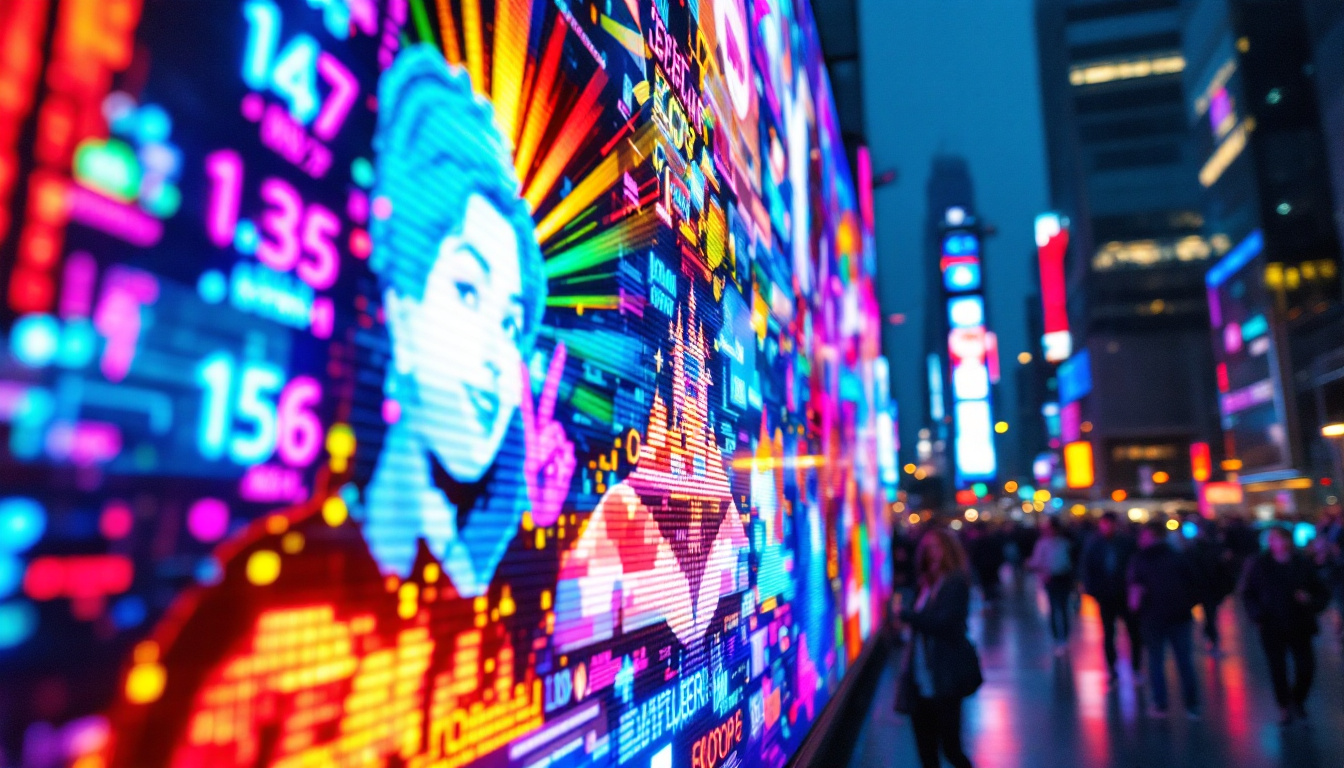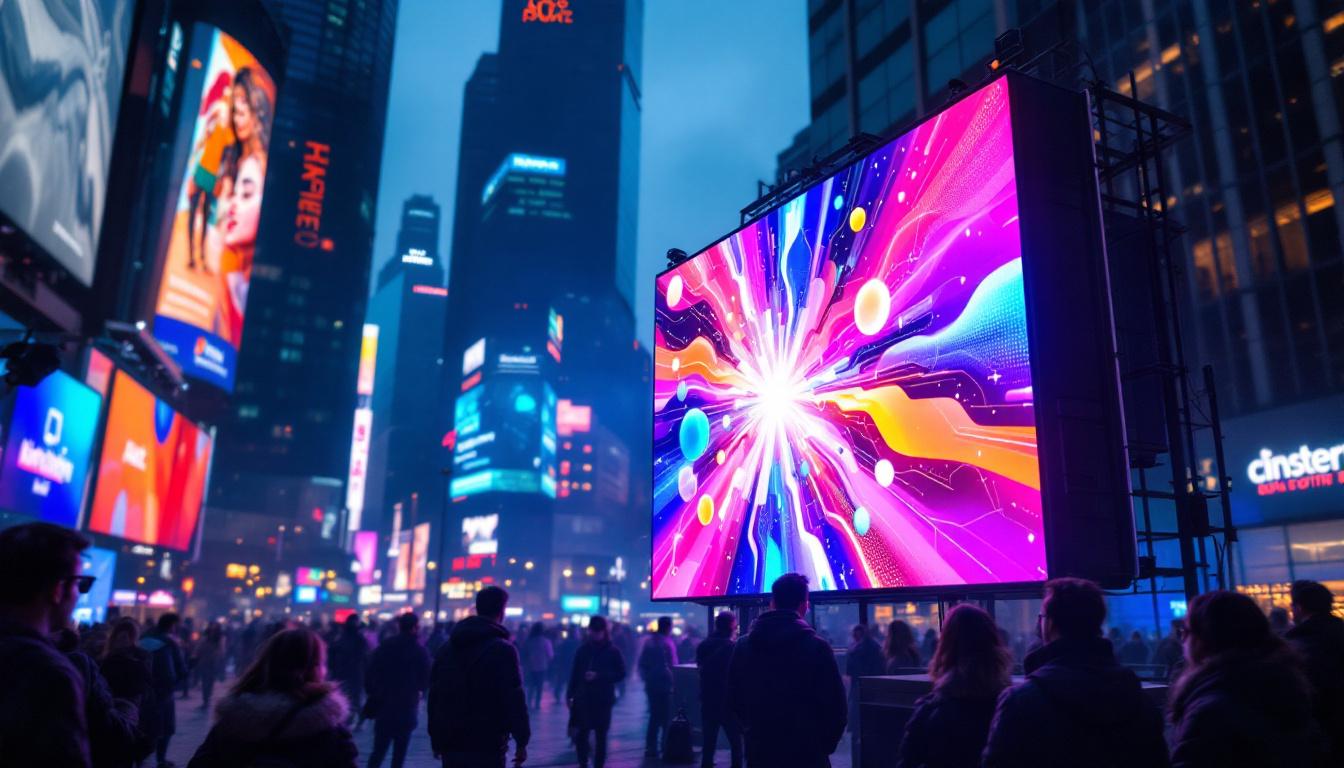
In recent years, LED displays have become an integral part of modern communication, advertising, and entertainment. From vibrant billboards in Times Square to dynamic digital signage in retail stores, LED technology is transforming how information is presented and perceived. The United States, with its robust manufacturing sector, plays a significant role in the global LED market. This article explores the landscape of LED manufacturers in the USA and provides a comprehensive explanation of LED display technology, its applications, and the factors driving its growth.
Understanding LED Display Technology
What is an LED Display?
LED stands for Light Emitting Diode, a semiconductor device that emits light when an electric current passes through it. An LED display is a flat panel display that uses an array of these diodes as pixels to produce images, videos, and text. Unlike traditional LCD or plasma screens, LED displays can offer higher brightness, better contrast, and improved energy efficiency.
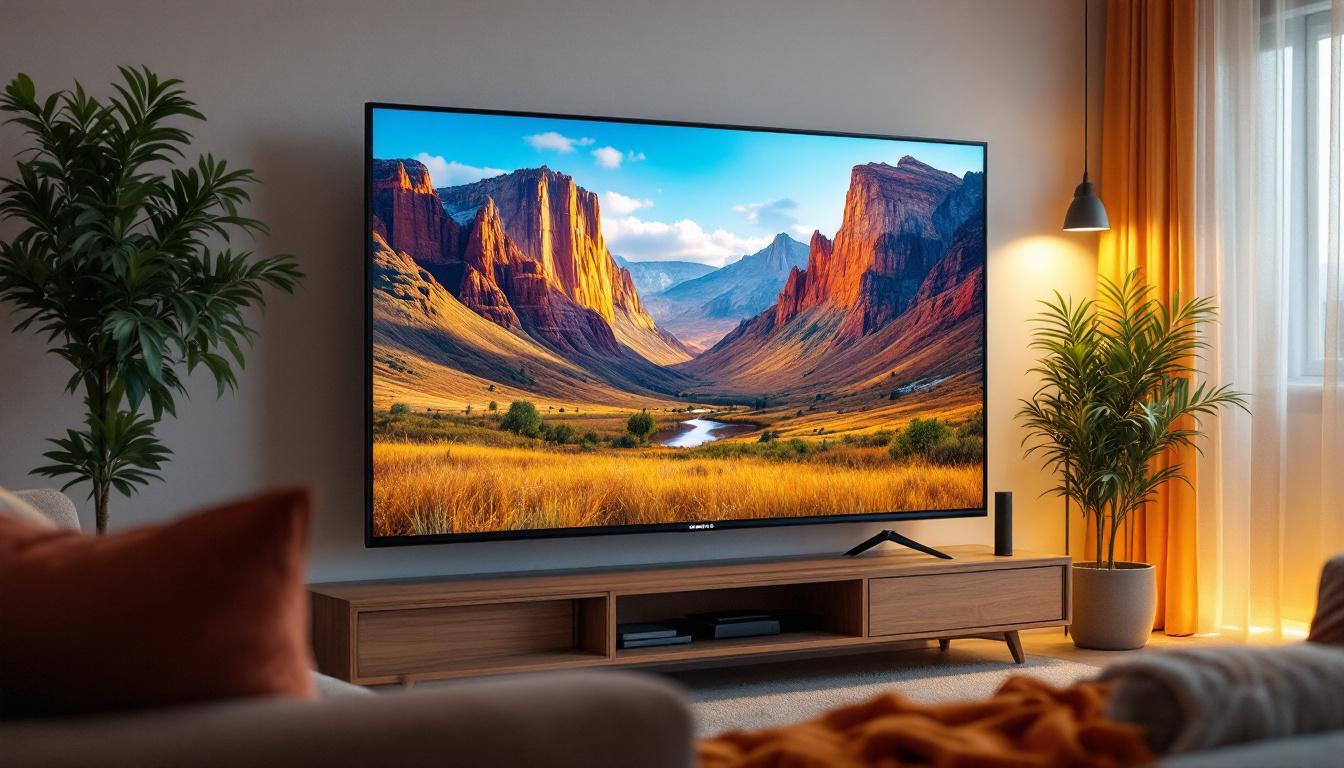
There are two primary types of LED displays: direct view LED and LED-backlit LCD. The direct view LED displays use individual LEDs for each pixel, making them ideal for large-scale outdoor and indoor screens. LED-backlit LCDs, on the other hand, use LEDs as a backlight source behind an LCD panel, commonly found in televisions and computer monitors. The versatility of these displays has led to their widespread adoption in various applications, from advertising to entertainment, and even in artistic installations.
How Do LED Displays Work?
Each pixel in an LED display consists of one or more LEDs that emit red, green, and blue light. By adjusting the intensity of these three colors, the display can produce a full spectrum of colors. This process is known as additive color mixing. The LEDs are controlled by a driver circuit that manages the timing and brightness of each diode, enabling the display to show dynamic images and videos.
One of the key advantages of LED displays is their modular design. Large screens are often constructed from smaller panels or modules, which can be easily assembled and maintained. This modularity allows for scalable solutions, from small indoor signs to massive outdoor billboards. Additionally, the durability of LED technology means that these displays can withstand harsh environmental conditions, making them suitable for outdoor use where exposure to elements like rain, snow, and sunlight is common. This robustness not only extends the lifespan of the displays but also reduces maintenance costs over time.
Moreover, LED displays are increasingly being integrated with smart technology, allowing for features such as remote monitoring and content management. This capability enables users to update information in real-time, making them ideal for applications in transportation, retail, and public information systems. The ability to display vibrant, eye-catching content dynamically can significantly enhance viewer engagement, making LED displays a powerful tool for communication and advertising in today’s fast-paced digital world.
The Role of LED Manufacturers in the USA
Overview of the US LED Manufacturing Industry
The LED manufacturing industry in the United States is a critical component of the global LED supply chain. The country hosts a variety of companies specializing in LED components, display modules, and complete display solutions. These manufacturers cater to diverse sectors including advertising, transportation, sports arenas, retail, and government applications.
According to the U.S. Department of Energy, the LED lighting market has seen exponential growth, with LED lighting accounting for over 70% of all lighting sales in the US by 2023. This trend reflects the increasing adoption of LED displays for both functional and aesthetic purposes. The shift towards LED technology has not only transformed the way we illuminate our spaces but has also significantly contributed to energy savings, reducing the overall carbon footprint associated with traditional lighting solutions.
Leading LED Manufacturers in the USA
Several prominent LED manufacturers have established themselves as leaders in the US market. Companies such as Daktronics, Leyard, and NanoLumens are known for their innovation, quality, and customization capabilities. These manufacturers often provide end-to-end solutions, from design and engineering to installation and maintenance.
For example, Daktronics, headquartered in South Dakota, is renowned for its large-scale LED scoreboards and digital billboards used in sports venues and public spaces. Leyard, based in Oregon, specializes in high-resolution LED video walls for corporate and broadcast environments. NanoLumens, located in Georgia, focuses on custom-shaped and flexible LED displays, pushing the boundaries of conventional display design. The competitive landscape is further enriched by emerging companies that are leveraging cutting-edge technology to create unique products that cater to niche markets, such as interactive displays for museums and immersive environments for entertainment venues.
Manufacturing Trends and Innovations
US LED manufacturers are at the forefront of technological advancements, integrating features such as higher pixel density, improved color accuracy, and enhanced durability. Innovations in mini-LED and micro-LED technologies are also gaining traction, offering even greater brightness and energy efficiency. These advancements are particularly significant in the context of consumer electronics, where the demand for high-quality displays continues to rise, driven by the popularity of streaming services and gaming.
Moreover, sustainability has become a key focus. Many manufacturers are adopting eco-friendly materials and production processes to reduce environmental impact. Energy-efficient LED displays not only lower operational costs but also align with corporate social responsibility goals. In addition to this, there is a growing trend towards circular economy practices, where manufacturers are designing products with recyclability in mind, ensuring that materials can be repurposed at the end of their lifecycle. This holistic approach not only benefits the environment but also appeals to increasingly eco-conscious consumers and businesses alike, fostering a culture of sustainability within the industry.
Applications of LED Displays Across Industries
Advertising and Digital Signage
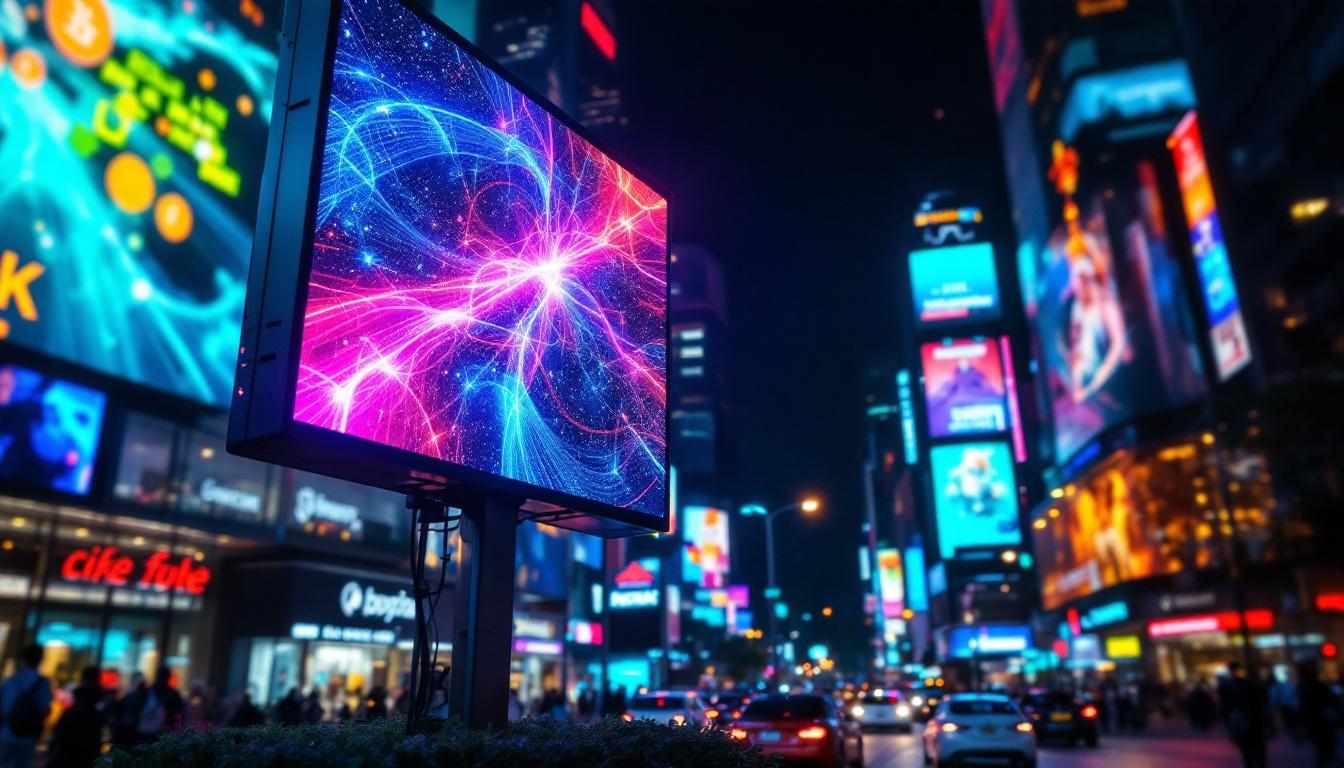
One of the most visible applications of LED displays is in advertising. Digital billboards and signs leverage the brightness and dynamic capabilities of LEDs to capture consumer attention effectively. The flexibility of LED displays allows advertisers to update content in real-time, tailor messages to specific audiences, and create interactive experiences.
According to a report by Grand View Research, the global digital signage market is expected to reach $32.84 billion by 2028, with LED displays constituting a significant share. This growth is driven by the demand for high-impact advertising and the expansion of smart city initiatives.
Transportation and Public Information Systems
LED displays are widely used in transportation hubs such as airports, train stations, and bus terminals. These displays provide real-time information on schedules, delays, and safety announcements. Their high visibility and reliability make them ideal for environments where timely communication is critical.
In addition, LED displays are integrated into traffic signals and variable message signs on highways to improve traffic management and enhance road safety.
Entertainment and Sports Venues
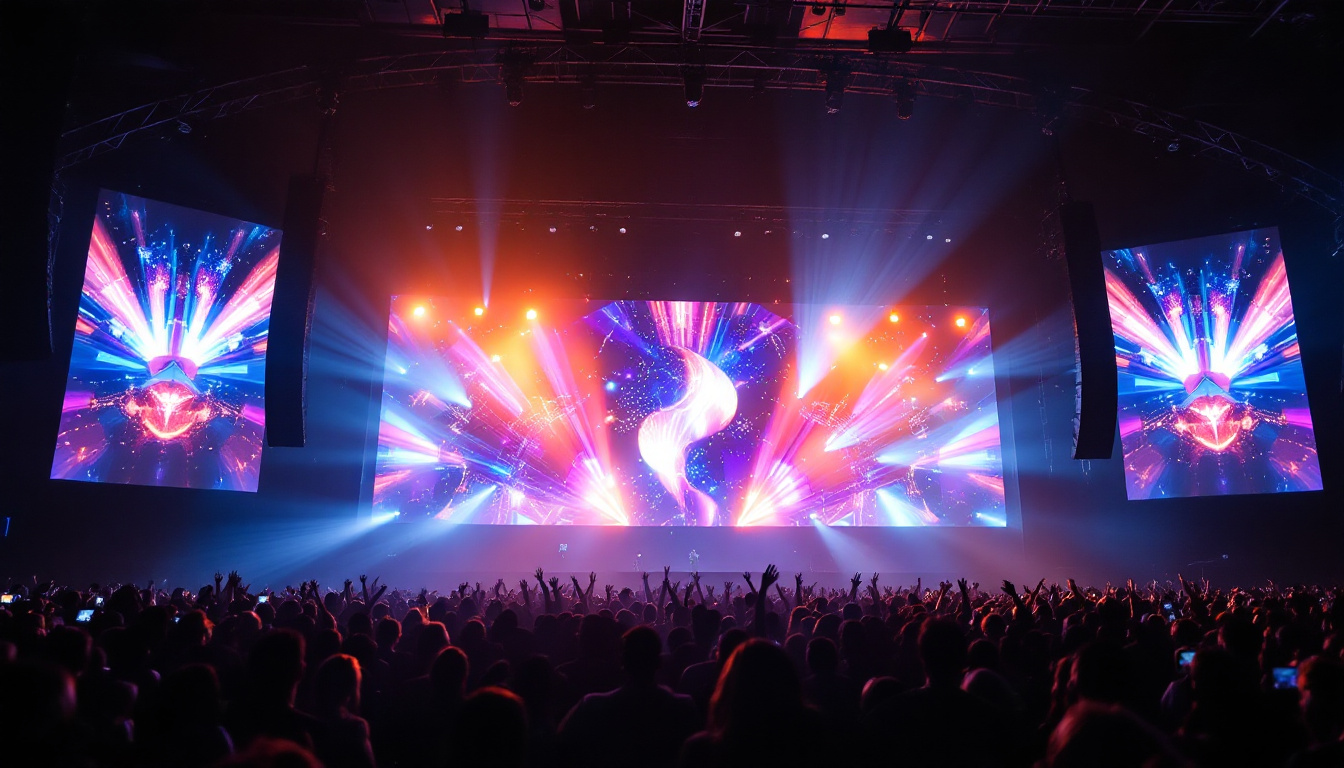
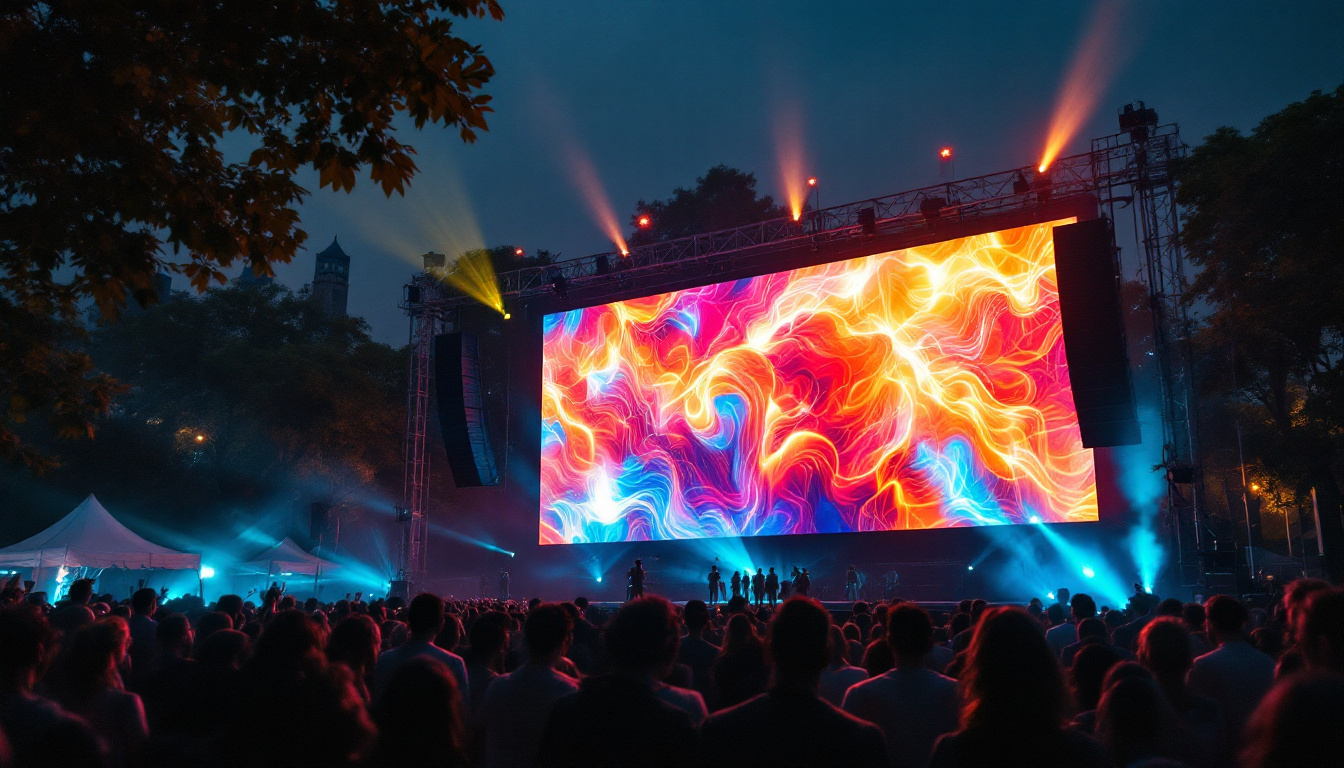
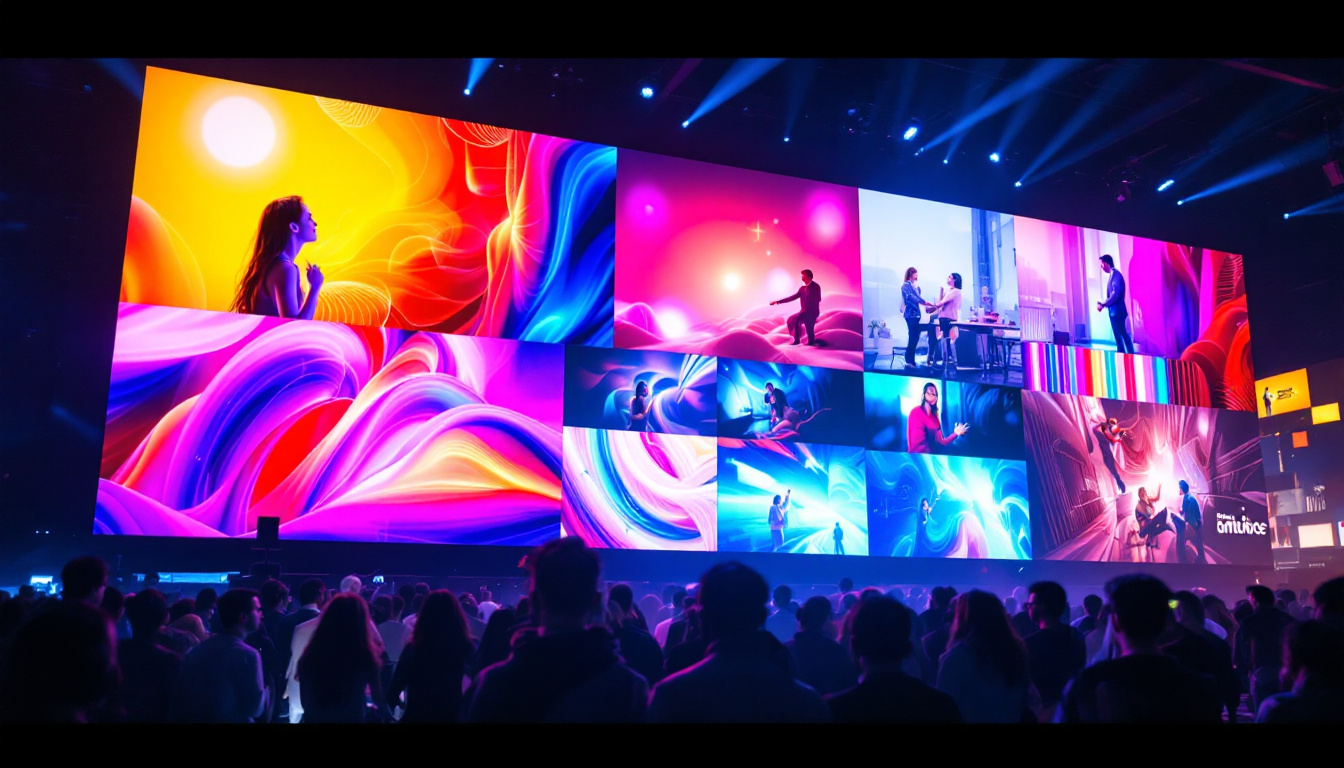
Sports arenas and concert venues utilize large LED screens to enhance the spectator experience. These displays show live action, replays, scores, and advertisements. The ability to produce vivid images even in bright daylight conditions makes LED technology the preferred choice for outdoor venues.
Furthermore, LED displays are increasingly used in stage design and immersive installations, contributing to the visual storytelling of performances and events.
Retail and Corporate Environments
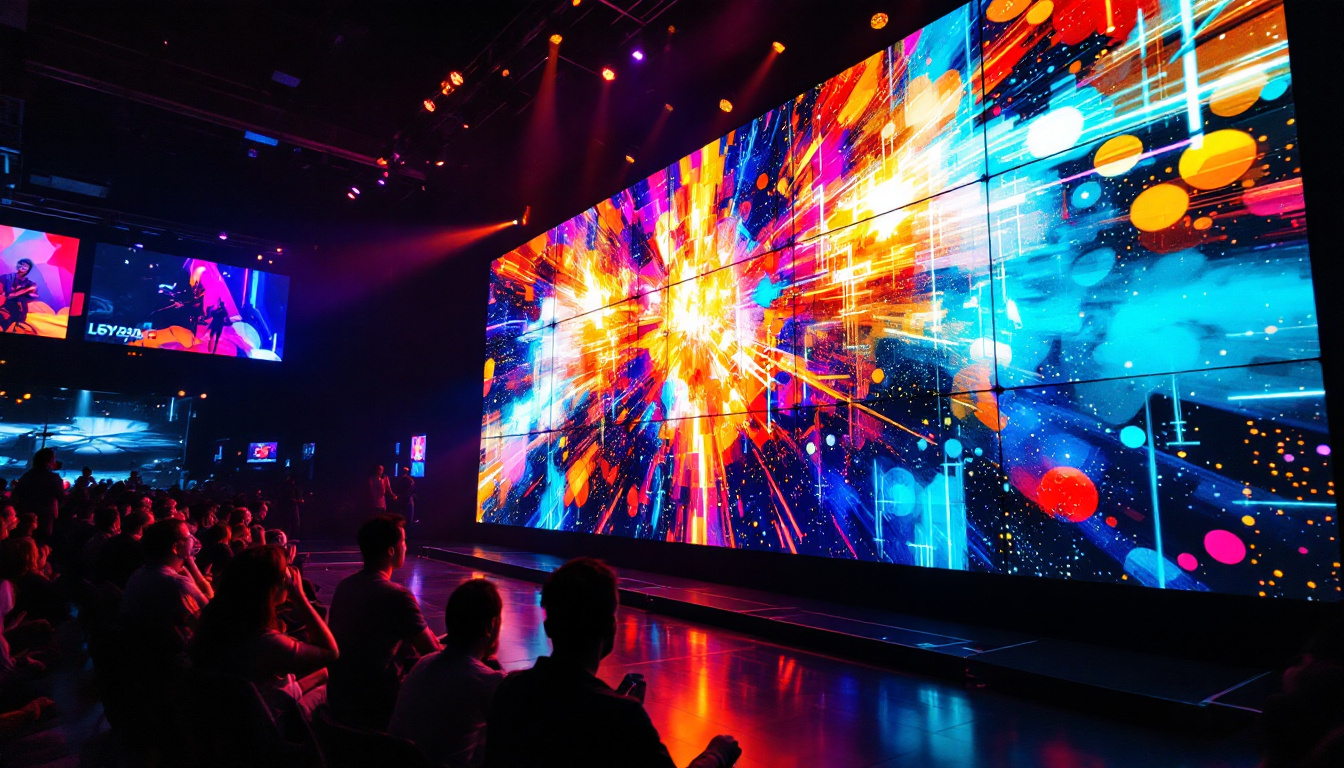
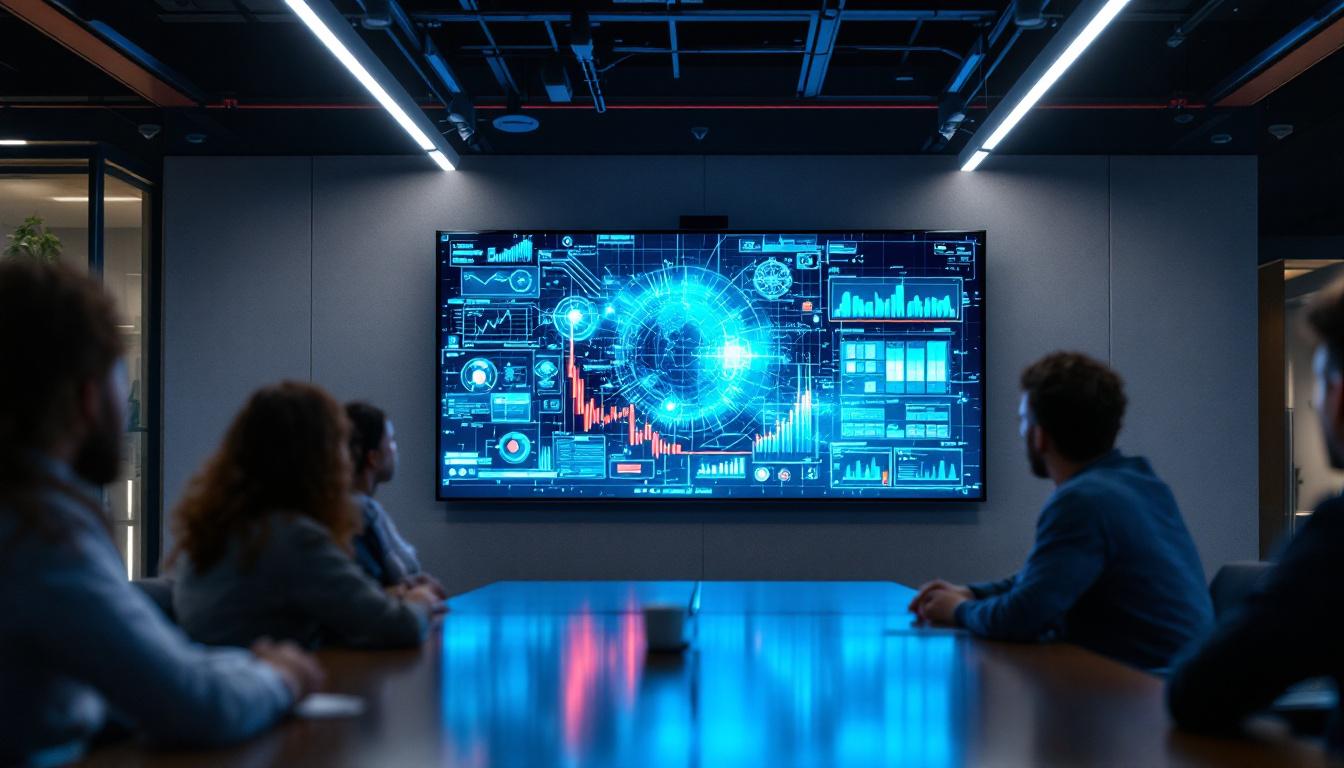
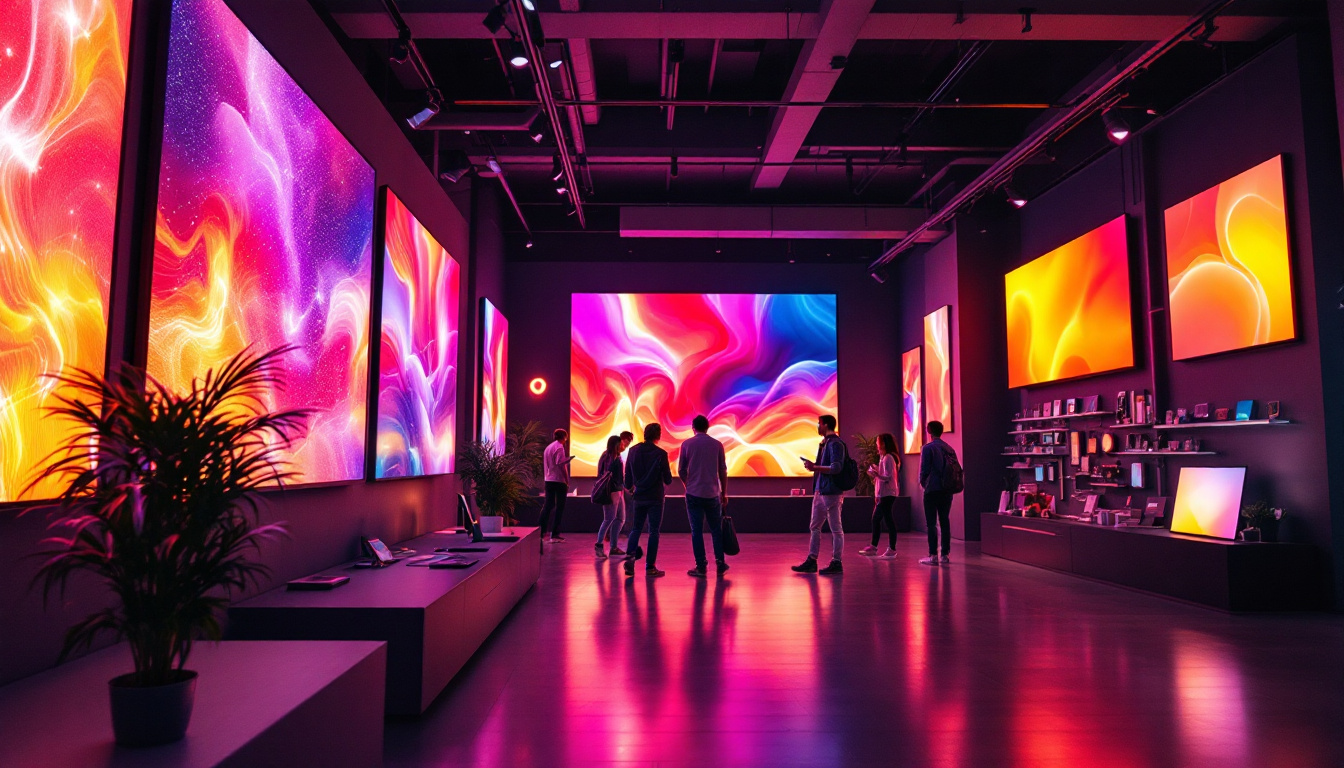
In retail, LED displays are used for window displays, in-store promotions, and digital price tags. Their dynamic nature helps retailers engage customers and influence purchasing decisions. Corporate offices use LED video walls for presentations, branding, and collaborative workspaces.
The versatility of LED displays allows businesses to customize their communication strategies and create impactful visual environments.
Factors to Consider When Choosing LED Manufacturers in the USA
Quality and Reliability
When selecting an LED manufacturer, quality is paramount. High-quality LEDs ensure better color consistency, brightness, and longevity. Reliable manufacturers provide warranties and have established track records of delivering durable products that perform well under various environmental conditions.
Customization and Technical Support
Different applications require different specifications. Manufacturers that offer customization options can tailor display size, resolution, brightness, and shape to meet specific needs. Additionally, strong technical support and after-sales service are crucial for installation, maintenance, and troubleshooting.
Compliance and Certifications
Compliance with industry standards and certifications such as UL, FCC, and RoHS ensures that the products meet safety, electromagnetic compatibility, and environmental requirements. These certifications are important for regulatory approval and customer confidence.
Cost and Energy Efficiency
While cost is always a consideration, it should be balanced with performance and total cost of ownership. Energy-efficient LED displays reduce electricity consumption and operational costs over time. Some manufacturers provide energy usage data and help clients optimize their installations for sustainability.
The Future of LED Display Technology in the USA
Emerging Technologies
The future of LED displays is promising, with ongoing research in micro-LED and quantum dot technologies. Micro-LEDs offer ultra-high resolution and brightness with lower power consumption, making them suitable for next-generation smartphones, augmented reality devices, and large-scale displays.
Quantum dot-enhanced LEDs improve color accuracy and efficiency, further enhancing display quality. These advancements will likely lead to new applications and market growth.
Integration with Smart Technologies
LED displays are increasingly integrated with IoT (Internet of Things) and AI (Artificial Intelligence) to create interactive and adaptive signage. Smart displays can analyze audience demographics, adjust content dynamically, and provide personalized experiences.
This integration supports the development of smart cities and connected environments, where LED displays play a central role in communication and information dissemination.
Environmental and Economic Impact
The shift towards LED technology contributes significantly to energy savings and carbon footprint reduction. The US government and private sector initiatives promoting energy-efficient lighting underscore the importance of LED displays in achieving sustainability goals.
Economically, the growth of the LED manufacturing industry supports job creation, innovation, and competitiveness in the global market.
Conclusion
LED displays have revolutionized visual communication across multiple industries, offering unparalleled brightness, flexibility, and energy efficiency. The United States, with its advanced manufacturing capabilities and innovative companies, is a key player in the global LED market. Understanding the technology, applications, and factors influencing the choice of LED manufacturers is essential for businesses and organizations looking to leverage this powerful medium.
As LED technology continues to evolve, embracing new innovations and sustainable practices will ensure that LED displays remain at the forefront of digital communication for years to come.
Discover Cutting-Edge LED Displays with LumenMatrix
Ready to elevate your visual communication strategy with the latest in LED display technology? Look no further than LumenMatrix, a pioneer in crafting immersive and dynamic LED solutions. From the vibrant Indoor LED Wall Display to the robust Outdoor LED Wall Display, and from the mobile versatility of Vehicle LED Displays to the innovative LED Transparent Display, LumenMatrix offers a comprehensive range of products designed to captivate your audience and amplify your message. Embrace the future of digital signage with LumenMatrix’s all-encompassing LED display solutions that promise to transform your space and engage viewers like never before. Check out LumenMatrix LED Display Solutions today and experience the power of advanced LED technology.