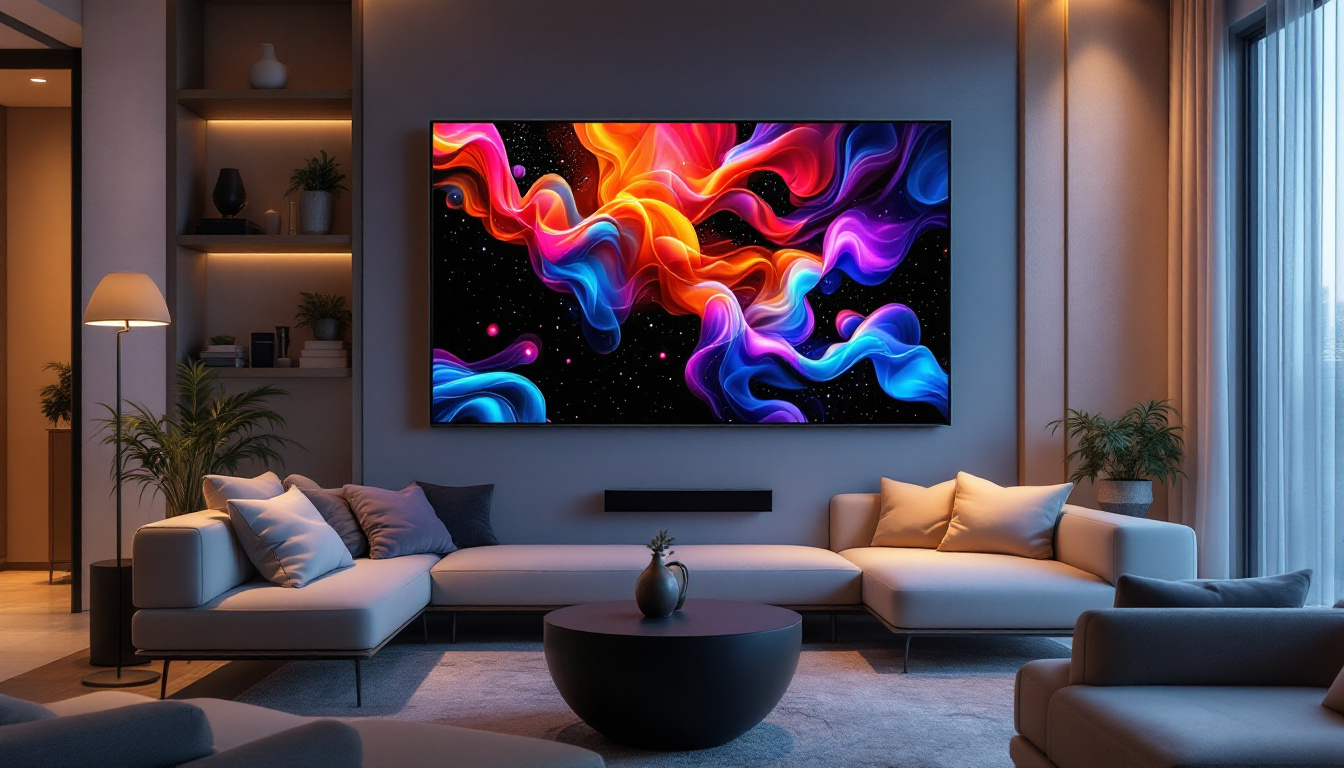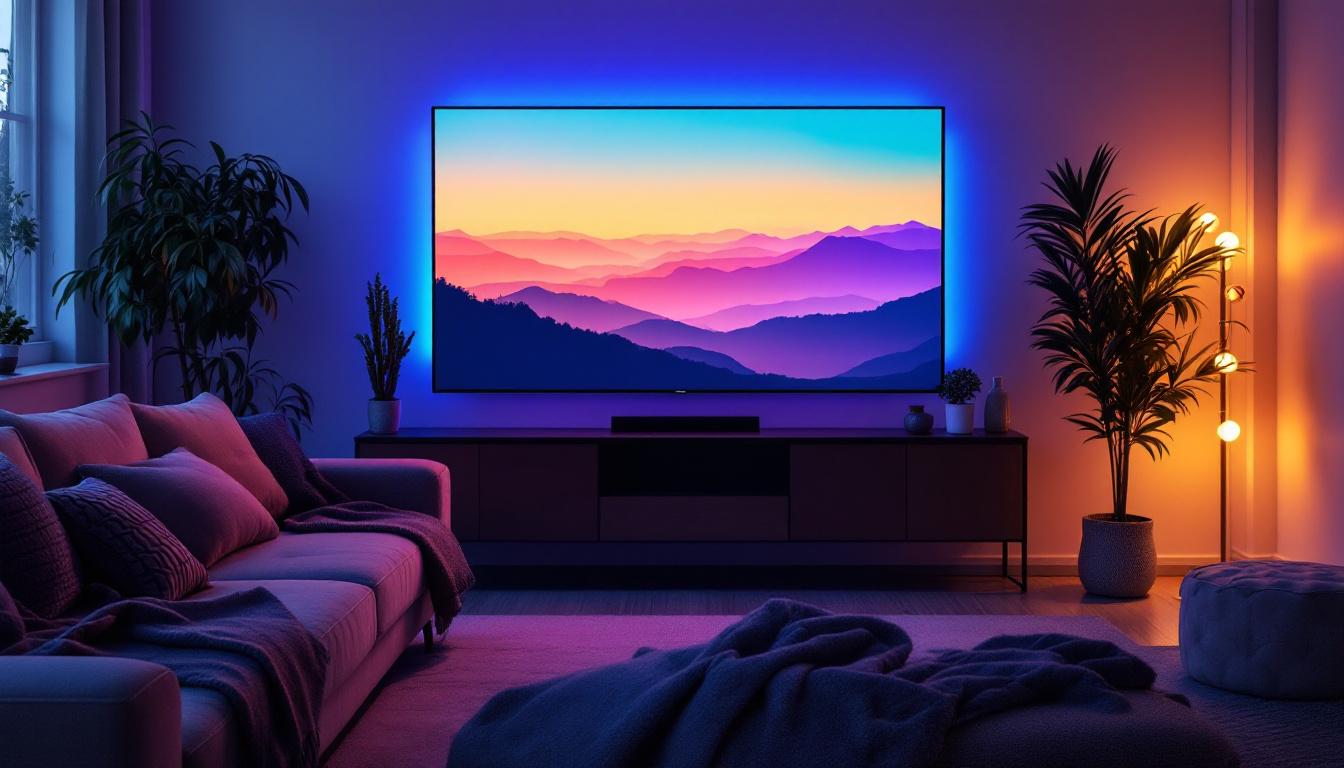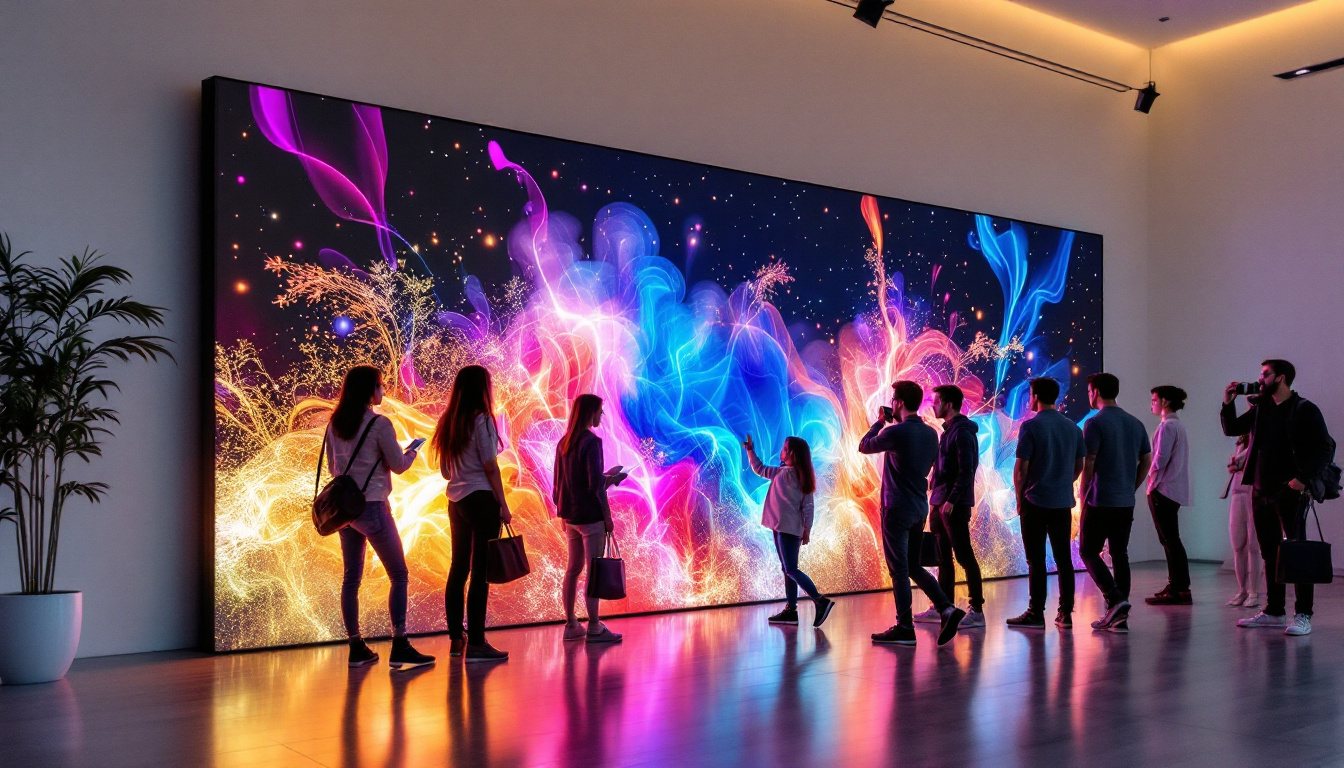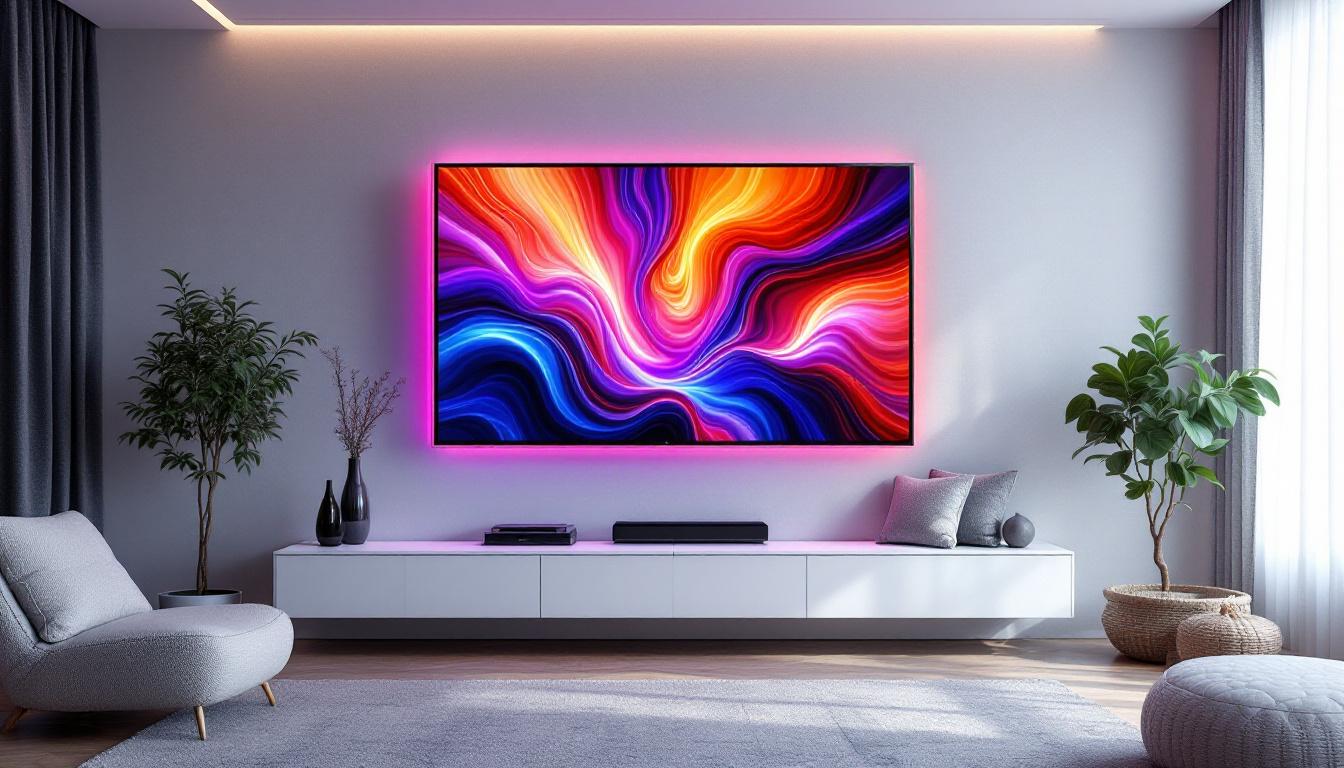
In the evolving landscape of interior design, the living room has become a focal point not only for relaxation but also for showcasing innovation and style. One of the most transformative trends in recent years is the integration of LED displays into living room wall designs. These dynamic installations offer a blend of technology and aesthetics, turning ordinary walls into captivating visual experiences. This article explores the concept of LED displays in living room wall design, breaking down their types, benefits, installation considerations, and how they can redefine your living space.
Understanding LED Displays: What They Are and How They Work
What Is an LED Display?
LED, or Light Emitting Diode, displays are screens composed of numerous tiny light sources that emit light when an electric current passes through them. Unlike traditional LCD or plasma screens, LED displays use individual diodes to create images, allowing for brighter colors, higher contrast, and more energy-efficient operation.
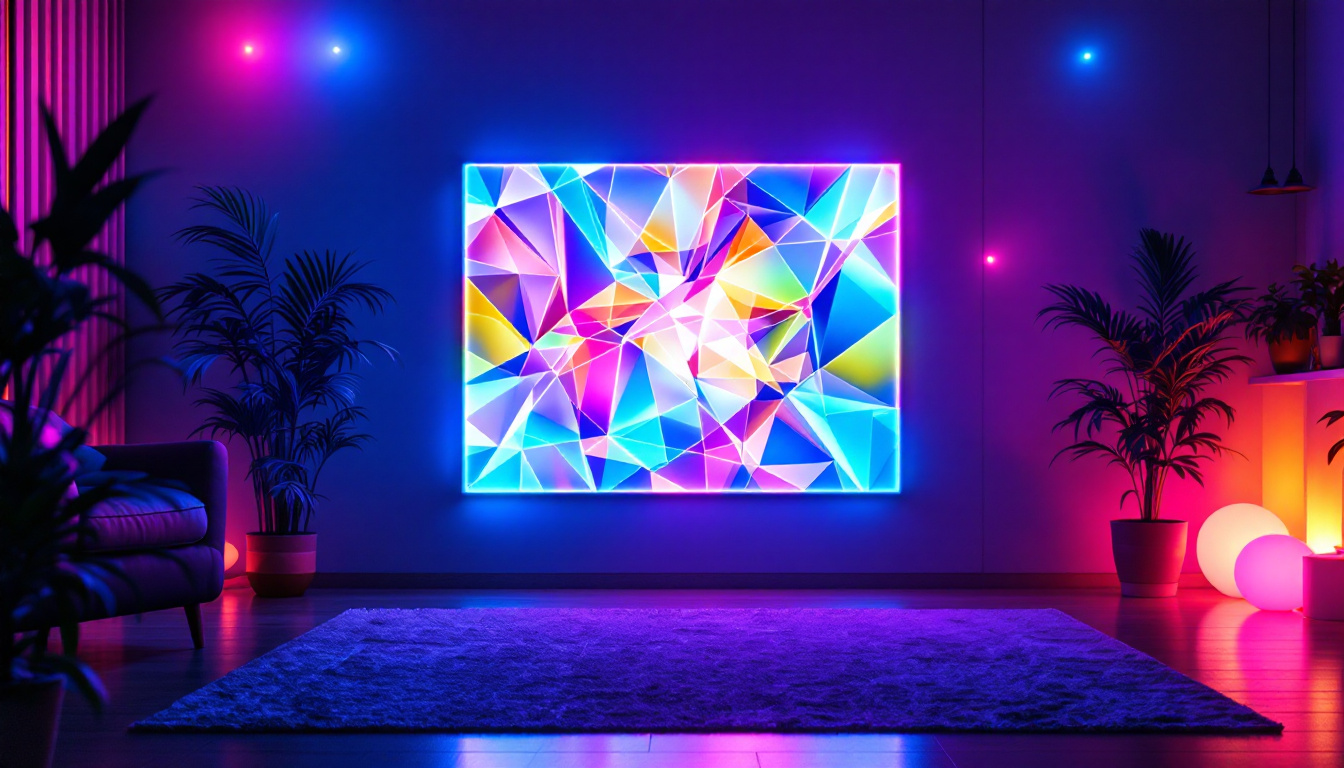
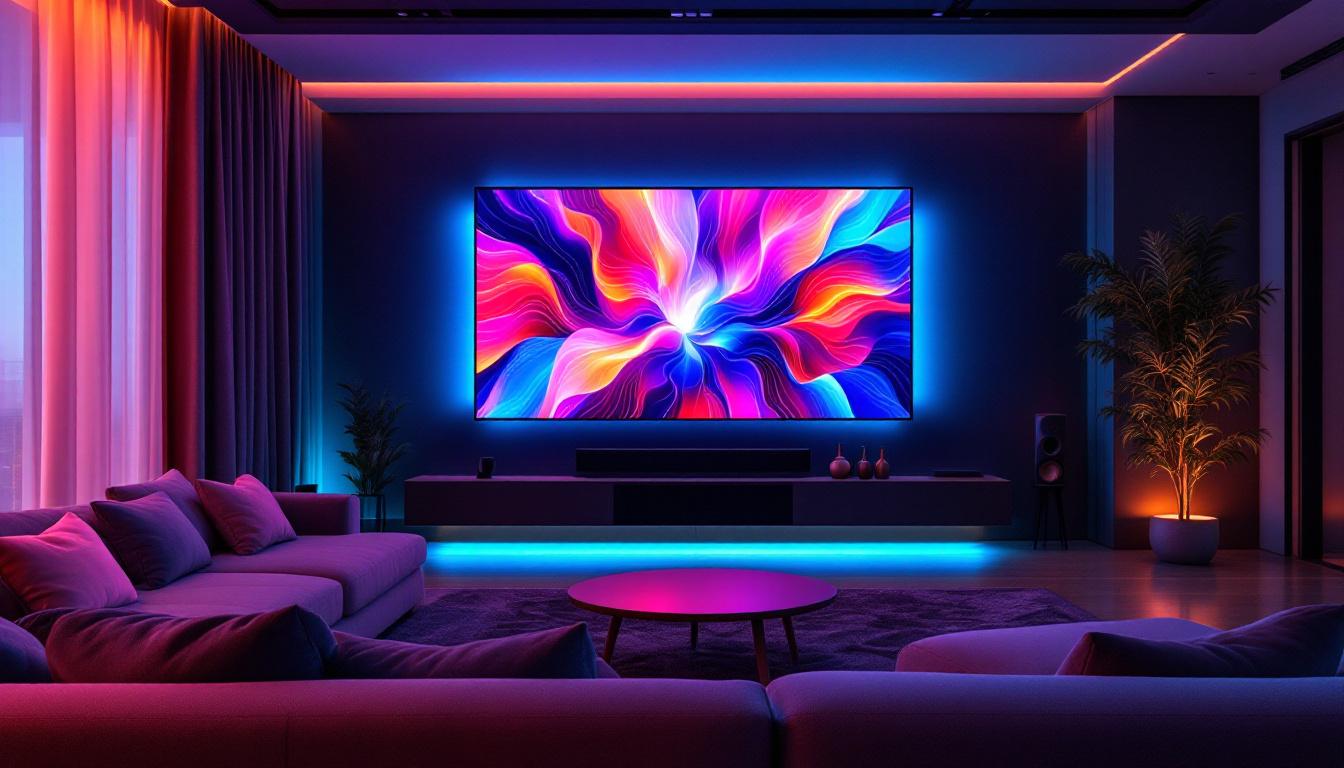
In the context of living room wall design, LED displays can range from large video walls to subtle backlit panels that enhance ambiance. Their modular nature allows for customization in size and shape, making them ideal for personalized interior design. This versatility means that homeowners can integrate these displays into their existing decor seamlessly, whether they prefer a sleek, modern aesthetic or a more traditional look. Additionally, the ability to program and change the content displayed on these screens opens up a world of creative possibilities, from showcasing family photos to displaying dynamic art pieces that can change with the seasons.
Types of LED Displays Suitable for Living Rooms
There are several types of LED displays commonly used in residential settings:
- Direct View LED Panels: These are composed of numerous small LEDs arranged in a matrix, offering vibrant colors and high brightness. They are suitable for creating large-scale video walls or digital art installations.
- LED Backlit Panels: These panels use LEDs as a backlight source behind translucent materials, providing soft and uniform illumination. They are often used for decorative wall features or to highlight textures and patterns.
- Flexible LED Strips: Thin, bendable strips of LEDs that can be installed along edges, coves, or architectural features to add accent lighting and subtle effects.
In addition to these types, there are also smart LED displays that integrate with home automation systems. These displays can sync with your smart home devices, allowing for interactive features such as displaying weather updates, calendar events, or even streaming your favorite shows with voice commands. The convenience of controlling your display through a smartphone app or voice assistant adds a layer of functionality that enhances the overall living experience. Furthermore, as technology continues to evolve, we can expect even more innovative applications of LED displays in home design, including augmented reality features that can transform a simple living room into an immersive entertainment space.
Benefits of Incorporating LED Displays into Living Room Walls
Enhanced Aesthetic Appeal
LED displays offer unparalleled versatility in design. They can showcase dynamic artwork, ambient lighting scenes, or even interactive content, transforming the living room into a personalized gallery. The ability to change visuals at will means the wall can adapt to different moods, occasions, or seasons without the need for physical redecorating.
Improved Functionality and Entertainment
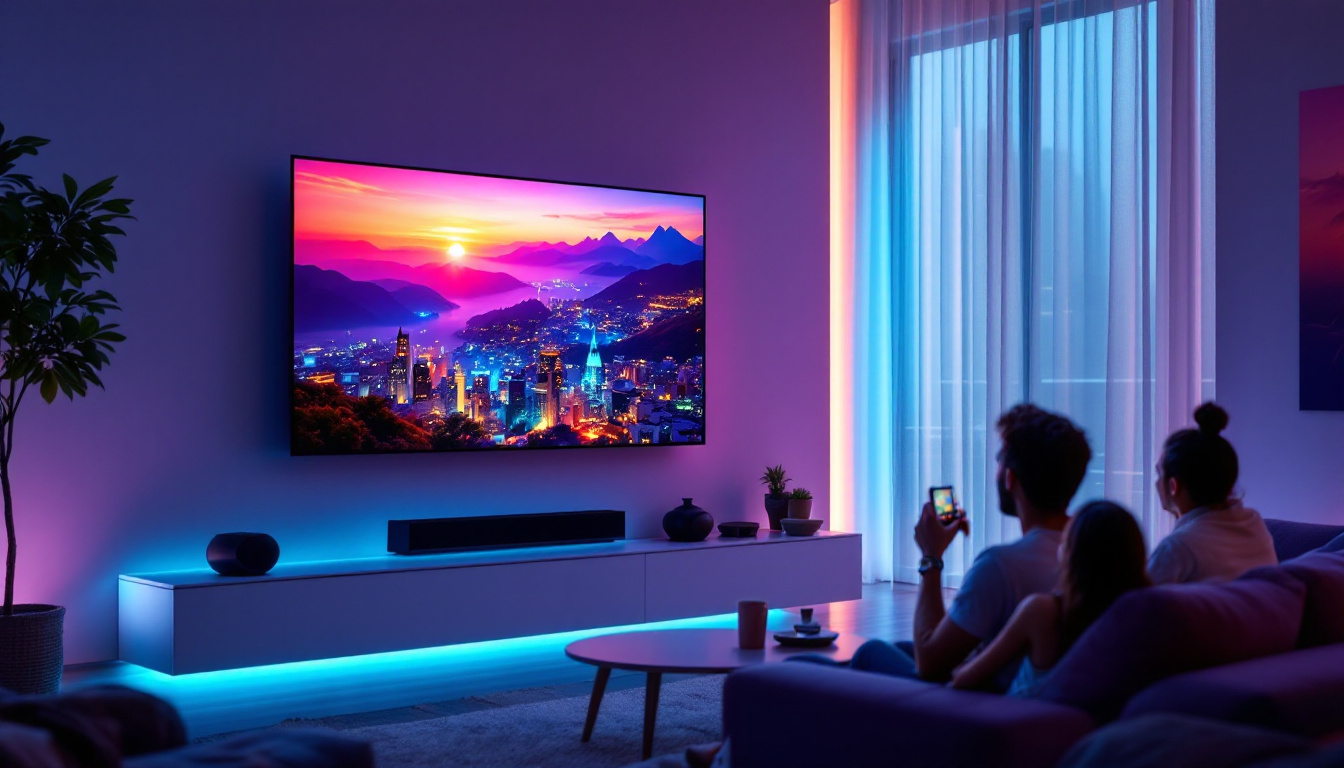
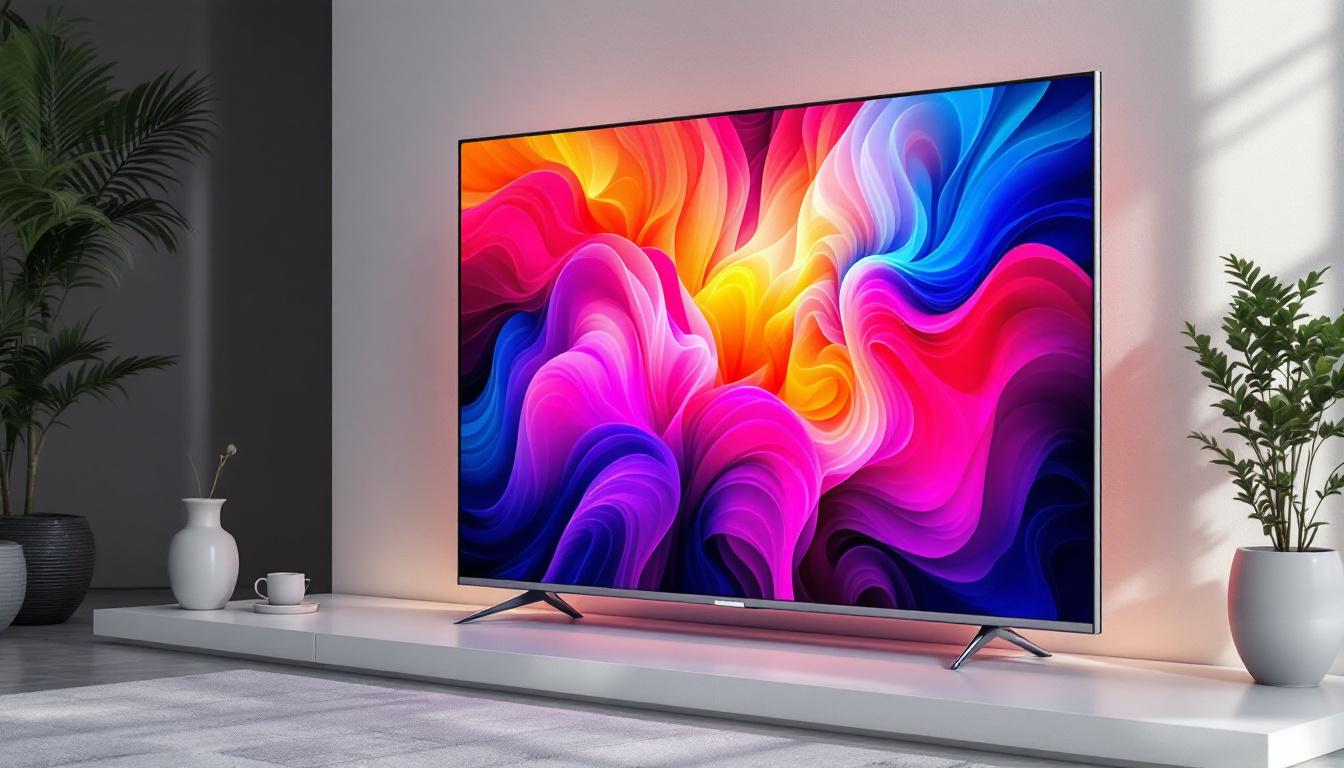
Beyond aesthetics, LED walls can serve as immersive entertainment hubs. For instance, a large LED video wall can function as a high-definition television or gaming screen with superior brightness and color accuracy compared to traditional displays. This makes movie nights, gaming sessions, and streaming experiences more engaging and enjoyable.
Energy Efficiency and Longevity
Modern LED technology is highly energy-efficient, consuming significantly less power than conventional lighting or display technologies. Additionally, LEDs have a longer lifespan, often exceeding 50,000 hours, reducing maintenance and replacement costs over time. This makes them a sustainable choice for homeowners looking to combine style with eco-conscious living.
Customization and Smart Integration
LED displays can be integrated with smart home systems, enabling remote control and automation. Users can program lighting schedules, synchronize visuals with music, or adjust brightness and colors through mobile apps or voice commands. This level of customization enhances user experience and convenience.
Design Considerations for LED Display Walls in Living Rooms
Choosing the Right Size and Resolution
The size of the LED display should complement the dimensions of the living room and viewing distance. A display that’s too large can overwhelm the space, while one that’s too small may not deliver the desired impact. Resolution is equally important; higher pixel density ensures sharper images, especially for close viewing distances typical in living rooms.
For example, a 4K resolution LED wall with a pixel pitch of 1.2mm to 1.5mm is ideal for living rooms where viewers sit relatively close, providing crisp visuals without visible pixelation.
Color Accuracy and Brightness
Color fidelity is crucial for a visually pleasing experience. High-quality LED panels support a wide color gamut and can reproduce vibrant, true-to-life colors. Brightness levels should be adjustable to suit different lighting conditions—from bright daylight to cozy evening settings—ensuring comfort and reducing eye strain.
Integration with Interior Style
LED displays should harmonize with the overall interior design. For minimalist or modern styles, sleek, frameless panels can create a seamless look. In contrast, LED backlit panels with textured surfaces might complement rustic or eclectic decors. Lighting temperature (warm vs. cool) also plays a role in setting the ambiance.
Acoustic and Thermal Management
Large LED walls can generate heat and may affect room acoustics. Proper ventilation and heat dissipation mechanisms are essential to maintain performance and prevent damage. Additionally, integrating sound-absorbing materials around the display can enhance audio quality and reduce echo in the living room.
Installation and Maintenance of LED Display Walls
Professional Installation: Why It Matters
Installing an LED display wall requires precise mounting, electrical connections, and calibration. Professional installers ensure that the display is securely mounted, aligned perfectly, and integrated with existing home systems. They also manage power requirements and safety standards, which are critical for long-term reliability.
Maintenance Practices for Longevity
LED displays are relatively low-maintenance but benefit from regular cleaning to prevent dust accumulation, which can affect brightness and heat dissipation. Periodic software updates and calibration help maintain color accuracy and performance. Homeowners should also monitor for any dead pixels or irregularities and address them promptly through warranty services or professional repair.
Popular Applications and Creative Ideas for LED Walls in Living Rooms
Dynamic Art Displays
Instead of traditional paintings or framed photographs, LED walls can display rotating digital art collections. Platforms like curated art streaming services offer thousands of artworks that can be scheduled to change daily or seasonally, keeping the living room fresh and inspiring.
Ambient Lighting and Mood Setting
LED displays can simulate natural phenomena such as sunsets, ocean waves, or forest scenes, creating calming environments. This is particularly beneficial for stress relief and enhancing relaxation after a busy day.
Interactive Family Entertainment
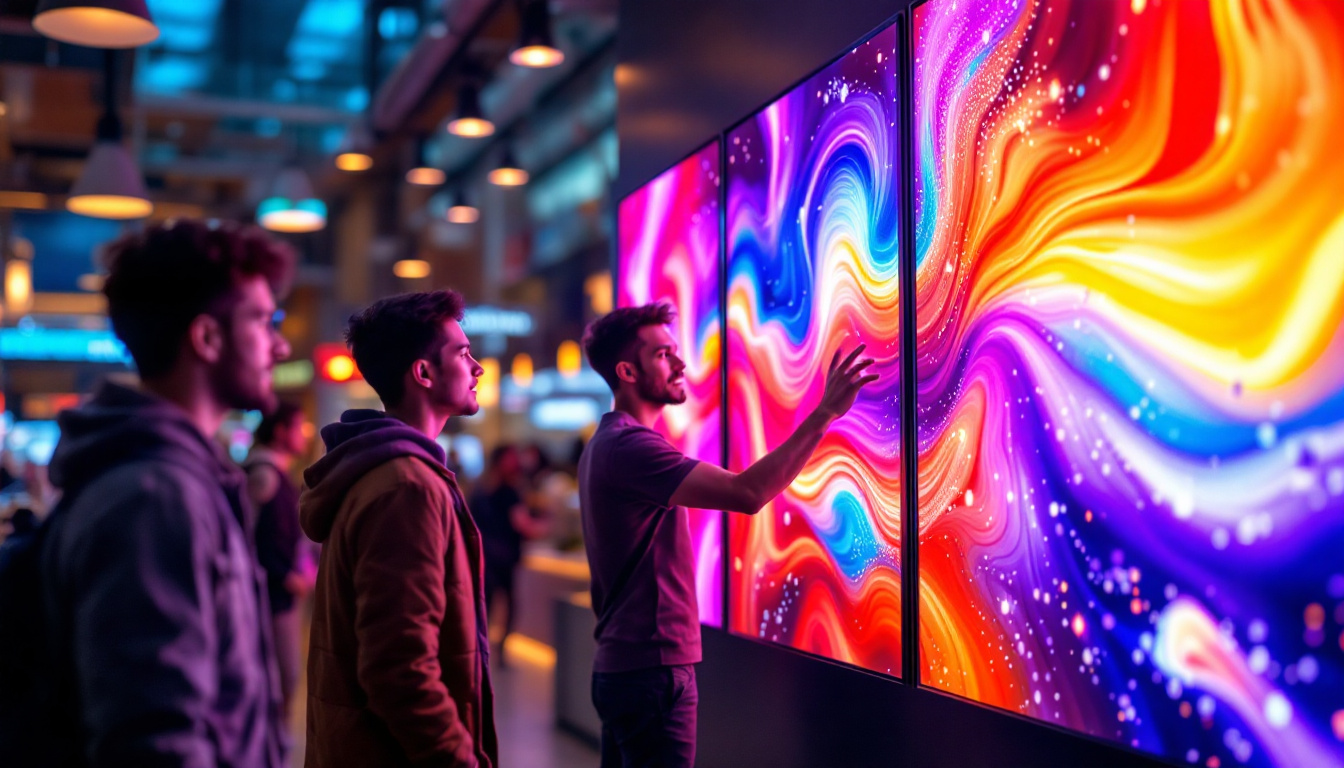
Interactive LED walls equipped with touch capabilities or motion sensors can serve as game boards, educational tools for children, or collaborative spaces for family activities. This integration fosters engagement and makes the living room a hub of creativity and fun.
Home Theater Enhancement
For cinephiles, a high-resolution LED video wall can replace conventional TVs or projectors, offering superior brightness and color depth. Coupled with surround sound systems, this setup creates a true home cinema experience.
Cost Considerations and Budgeting for LED Display Walls
Initial Investment
LED display walls are generally more expensive upfront compared to traditional wall decor or standard televisions. Prices vary widely based on size, resolution, and technology. For example, a modest 100-inch direct view LED panel can cost anywhere from $10,000 to $30,000 or more, depending on specifications.
Long-Term Value
Despite the higher initial cost, the durability, energy savings, and multifunctionality of LED walls can justify the investment. Additionally, the ability to update content digitally eliminates recurring costs associated with physical artwork or décor changes.
Financing and Custom Solutions
Many providers offer financing options or phased installation plans to accommodate different budgets. Custom designs tailored to specific living room layouts can optimize costs by focusing on key visual areas rather than covering entire walls unnecessarily.
Future Trends in LED Wall Design for Living Rooms
Advancements in MicroLED and OLED Technologies
Emerging microLED and OLED technologies promise even thinner, more flexible, and higher-resolution displays. These advancements will enable more seamless integration into walls and furniture, further blurring the line between technology and architecture.
AI-Driven Content Personalization
Artificial intelligence will increasingly tailor displayed content based on user preferences, time of day, or activity. This personalization enhances user engagement and ensures that the LED wall remains relevant and appealing.
Eco-Friendly and Sustainable Designs
As sustainability gains importance, manufacturers are focusing on eco-friendly materials, recyclable components, and energy-efficient designs. This aligns with the growing consumer demand for environmentally responsible home technologies.
Conclusion
Integrating LED displays into living room wall design represents a bold and exciting frontier in modern interior decoration. These versatile installations offer a unique combination of artistic expression, functional entertainment, and smart technology, elevating the living room from a simple gathering space to an immersive sensory environment.
When considering an LED display wall, it is essential to weigh factors such as size, resolution, integration with interior style, and budget to achieve a harmonious and impactful result. With proper planning and professional installation, LED walls can become a centerpiece of contemporary living, reflecting both personal taste and technological sophistication.
As LED technology continues to evolve, the possibilities for creative and functional wall designs will expand, making now an opportune time to explore this innovative approach to living room transformation.
Discover the Future of Living Room Aesthetics with LumenMatrix
Ready to elevate your living space with the latest in LED display technology? LumenMatrix is at the forefront of creating immersive environments that blend artistry and functionality. Whether you’re looking to transform your living room with an Indoor LED Wall Display, add dynamic flair with a Custom LED Display, or explore the possibilities of LED Transparent Displays, LumenMatrix has the cutting-edge solutions to bring your vision to life. Check out LumenMatrix LED Display Solutions today and step into the future of interior design.