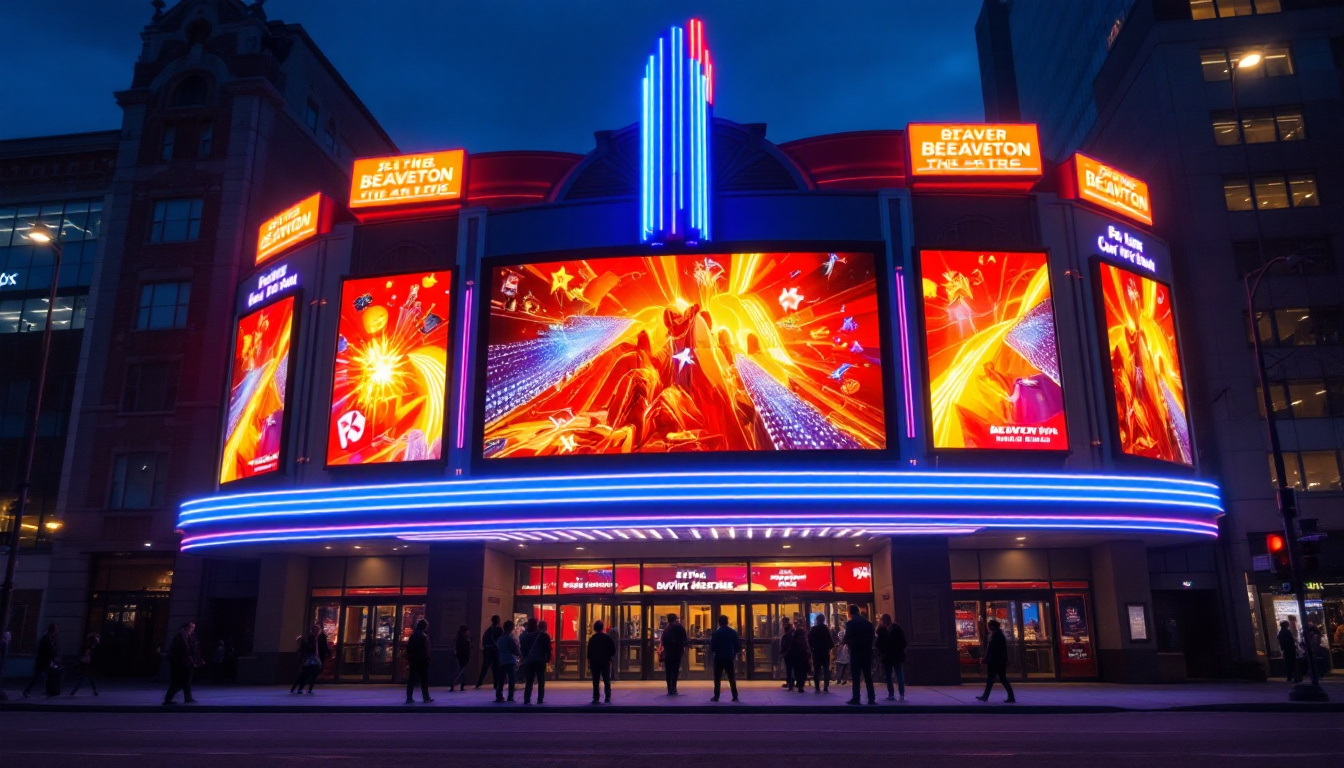
In today’s fast-evolving digital landscape, LED displays have become a cornerstone technology powering everything from large-scale advertising billboards to intricate control room video walls. With the rise of multiview technology—where multiple video sources are displayed simultaneously on a single screen—understanding how to calculate and optimize these setups is more important than ever. This article dives deep into the concept of multiview calculators online and explains the LED display technology that makes it all possible.
Understanding Multiview Technology
What is Multiview in LED Displays?
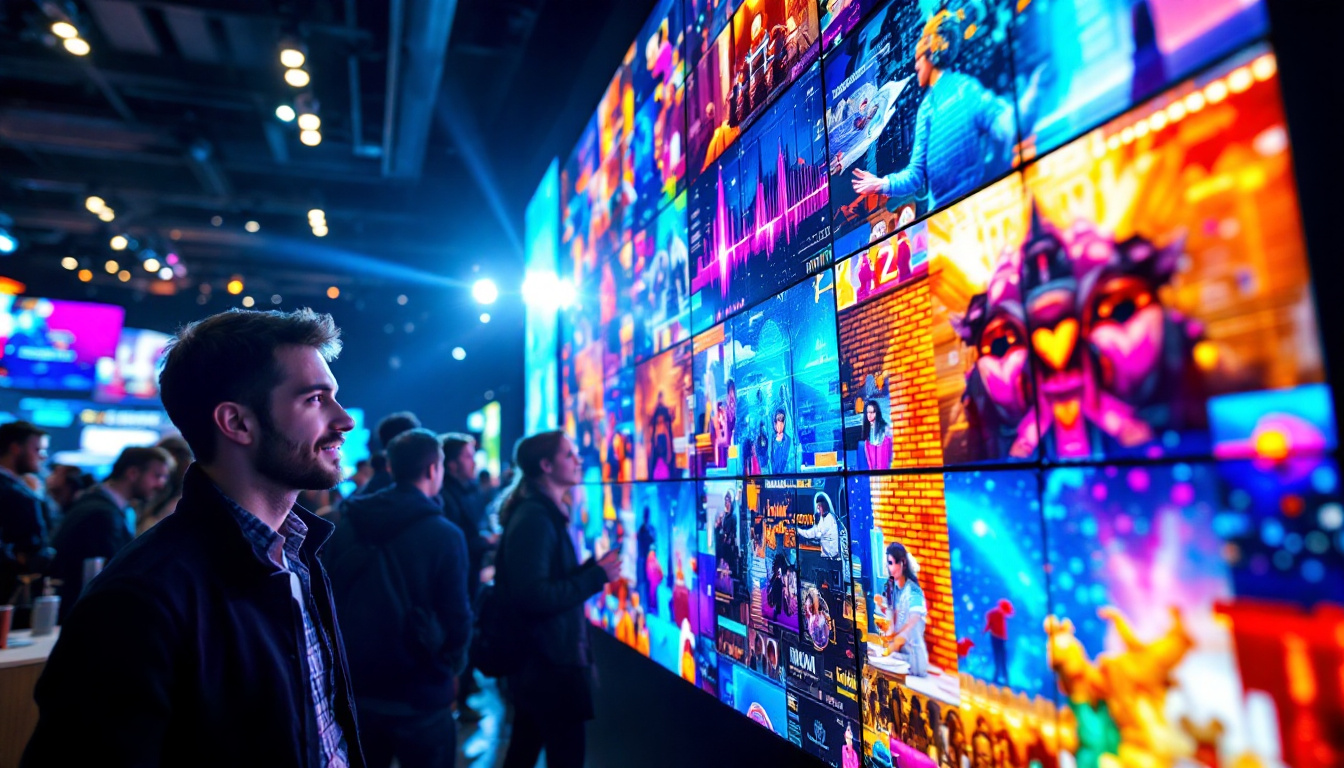
Multiview technology refers to the ability to display multiple video inputs on a single LED screen, often simultaneously. This is particularly useful in environments such as broadcast studios, security monitoring centers, sports arenas, and control rooms where operators need to monitor various video feeds at once. Instead of switching between sources, multiview allows for a comprehensive, real-time overview.
The technology works by dividing the LED panel into multiple sections, each dedicated to a different video input. This can range from two views (dual-view) to dozens, depending on the hardware and software capabilities. The challenge lies in ensuring that each feed maintains clarity and resolution while fitting into the overall display configuration. Advanced algorithms and processing techniques are employed to optimize the visual quality of each segment, ensuring that even the smallest details are discernible, which is crucial in high-stakes environments.
Why Multiview Matters in Modern Displays
The demand for multiview displays has surged with the increase in data sources and the need for real-time decision-making. For instance, in a security control room, operators might need to monitor dozens of camera feeds simultaneously to detect any anomalies quickly. Similarly, broadcasters use multiview to monitor live feeds, graphics, and playback simultaneously during live events. This capability allows for a seamless integration of various media types, enabling operators to respond swiftly to changing situations, which can be vital in time-sensitive scenarios.
Moreover, multiview technology enhances productivity by reducing the need for multiple monitors and simplifying the user interface. It also saves physical space and reduces hardware costs, making it an efficient solution for many industries. The adaptability of multiview systems means they can be customized to meet specific needs, whether it’s for a large-scale event or a compact workspace. As industries continue to evolve, the integration of multiview technology is expected to play a pivotal role in enhancing operational efficiency and improving the overall user experience, allowing professionals to focus on their core tasks without the distraction of managing multiple screens.
The Role of Online Multiview Calculators
What is a Multiview Calculator?
A multiview calculator is an online tool designed to help users plan and optimize their multiview LED display setups. These calculators take into account various parameters such as screen size, resolution, aspect ratio, number of video inputs, and layout preferences to provide an ideal configuration.
Using a multiview calculator, users can simulate how different numbers of video feeds will appear on a given LED display, ensuring that each feed is clear and legible. This is critical for environments where visual clarity directly impacts operational efficiency and safety.
Key Features of Multiview Calculators Online
Modern multiview calculators offer a range of features that make planning LED displays straightforward:
- Input Configuration: Users can specify the number and types of video inputs, such as HDMI, SDI, or IP streams.
- Resolution and Aspect Ratio Adjustment: The tool adjusts layouts based on the native resolution of the LED panel and the aspect ratio of each video feed.
- Layout Customization: Options to arrange feeds in grid, picture-in-picture, or custom layouts.
- Real-Time Preview: Visual representation of how the final multiview display will look.
- Performance Metrics: Some calculators estimate bandwidth and processing requirements.
These features enable users to make informed decisions before investing in hardware or software, reducing costly trial-and-error in physical setups.
How LED Displays Work in Multiview Setups
Basics of LED Display Technology
LED (Light Emitting Diode) displays consist of thousands to millions of tiny LEDs arranged in a grid. Each LED acts as a pixel that emits its own light, allowing for bright, vibrant images with excellent contrast ratios. Unlike LCDs, LED displays do not require backlighting, which enhances energy efficiency and image quality.
LED displays come in various forms, including:
- Indoor vs. Outdoor: Indoor LED panels have higher pixel density for close viewing, while outdoor panels prioritize brightness and weather resistance.
- Fixed vs. Modular: Modular displays allow for flexible sizing and repair by assembling smaller panels.
- Direct View vs. LED-Backlit LCD: Direct view LED displays are composed entirely of LEDs, whereas LED-backlit LCDs use LEDs as a backlight source.
Integrating Multiview into LED Displays
In multiview configurations, the LED display acts as a canvas where multiple video streams are rendered simultaneously. This requires advanced video processing hardware capable of decoding and scaling each input to fit its allocated section without degrading quality.
Key considerations include:
- Pixel Pitch: The distance between LED pixels affects resolution and clarity. Smaller pixel pitches are preferred for detailed multiview content.
- Refresh Rate: Higher refresh rates reduce flicker and improve the smoothness of video playback, essential for fast-moving content.
- Color Accuracy: Maintaining consistent color across different feeds ensures reliable visual interpretation.
Manufacturers often integrate multiview processors or video wall controllers that support multiple inputs and output configurations, enabling seamless multiview experiences on LED displays.
Calculating Optimal Multiview Layouts
Factors to Consider in Multiview Calculations
When planning a multiview LED display, several critical factors influence the optimal layout:
- Display Resolution: The total number of pixels available determines how many feeds can be displayed without compromising image quality.
- Number of Video Sources: More sources require smaller individual windows, which can impact legibility.
- Aspect Ratios: Mismatched aspect ratios between feeds and display sections can cause distortion or letterboxing.
- Viewing Distance: The distance from which the display will be viewed affects the necessary pixel density and feed size.
- Content Type: Static images, live video, or detailed graphics have different requirements for resolution and refresh rates.
Using Online Calculators to Balance These Factors
Online multiview calculators simplify balancing these variables by allowing users to input their specific parameters and instantly see recommended layouts. For example, a user planning to display eight 1080p video feeds on a 4K LED wall can determine whether the display can handle the resolution demands or if some feeds need to be downscaled.
These calculators often provide suggestions such as:
- Grid layouts (e.g., 2×4, 3×3) that maximize screen real estate.
- Picture-in-picture options for highlighting a primary feed.
- Custom layouts tailored to unique operational needs.
By simulating these configurations, users can avoid common pitfalls like overcrowding the display or underutilizing screen space.
Practical Applications and Industry Examples
Broadcast and Live Event Production
In live broadcasting, multiview LED displays allow producers and directors to monitor multiple camera angles, graphics, and playback feeds simultaneously. For example, during a major sports event, a multiview setup can show live action, instant replays, scoreboards, and sponsor advertisements all on one large LED screen.
Online multiview calculators help production teams design video walls that meet the demanding resolution and latency requirements of live broadcasting, ensuring smooth transitions and clear visuals.
Security and Surveillance
Security control rooms rely heavily on multiview LED displays to monitor dozens or even hundreds of surveillance cameras in real time. The ability to customize layouts means operators can prioritize critical feeds while maintaining situational awareness across the entire facility.
Calculators assist security teams in determining the optimal number of feeds per display and the necessary resolution to identify details such as faces or license plates, which can be crucial for incident response.
Corporate and Command Centers
In corporate environments, multiview LED displays are used for data visualization, video conferencing, and monitoring operational metrics. Command centers, such as those used in transportation or utilities, benefit from multiview setups that integrate maps, sensor data, and video feeds to support real-time decision-making.
Using online calculators ensures that these complex data streams are arranged logically and legibly, enhancing the effectiveness of the command center.
Future Trends in Multiview and LED Display Technology
Higher Resolutions and Pixel Densities
As LED technology advances, pixel pitches continue to shrink, enabling even higher resolution displays. This trend allows for more video feeds to be displayed simultaneously without sacrificing clarity. Future multiview calculators will need to incorporate these advancements to provide accurate layout recommendations.
AI-Driven Layout Optimization
Artificial intelligence is beginning to play a role in optimizing multiview layouts by analyzing content importance and automatically adjusting feed sizes and positions. This dynamic approach could revolutionize how multiview displays are managed, especially in fast-paced environments like live broadcasting or emergency response.
Integration with IP-Based Video Systems
The shift towards IP video sources is transforming multiview setups. Online calculators are evolving to support IP stream configurations, bandwidth considerations, and network latency, making them indispensable tools for modern LED display planning.
Conclusion
Multiview LED displays represent a powerful solution for environments that require simultaneous monitoring of multiple video sources. Online multiview calculators play a crucial role in helping users design efficient, clear, and effective display layouts by accounting for resolution, aspect ratio, number of inputs, and viewing conditions.
Understanding the underlying LED technology and how it integrates with multiview processors ensures that organizations can maximize the benefits of their video walls, whether in broadcasting, security, corporate, or public spaces. As LED and multiview technologies continue to advance, leveraging online calculators will remain essential for optimizing these complex visual systems.
Discover LumenMatrix’s Advanced LED Display Solutions
Ready to take your visual displays to the next level? Explore LumenMatrix’s comprehensive range of LED display technologies, designed to meet the diverse needs of any environment. From captivating Indoor and Outdoor LED Wall Displays to innovative solutions like Vehicle LED Displays, LED Sports Displays, and Custom LED Configurations, LumenMatrix is at the forefront of creating immersive experiences that captivate and engage. Whether you’re looking to enhance your brand’s visibility or create dynamic visual communication, LumenMatrix has the cutting-edge technology to bring your vision to life. Check out LumenMatrix LED Display Solutions today and see how we can transform your space with clarity and impact.