In recent years, the cinematic experience has evolved far beyond traditional film reels and projector screens. One of the most significant technological advancements reshaping movie theaters, including those in Hillsboro, is the adoption of LED display technology. This innovation is transforming how audiences enjoy movies on TV cinema screens, offering brighter, sharper, and more immersive visuals than ever before.
This article delves into the world of LED displays in cinema settings, explaining what they are, how they work, and why they are becoming the preferred choice for theaters like Movies On TV Cinema Hillsboro. Whether you’re a movie enthusiast, a technology fan, or simply curious about the future of cinema, this comprehensive guide will illuminate the benefits and intricacies of LED display technology.
Understanding LED Displays: The Basics
What Is an LED Display?
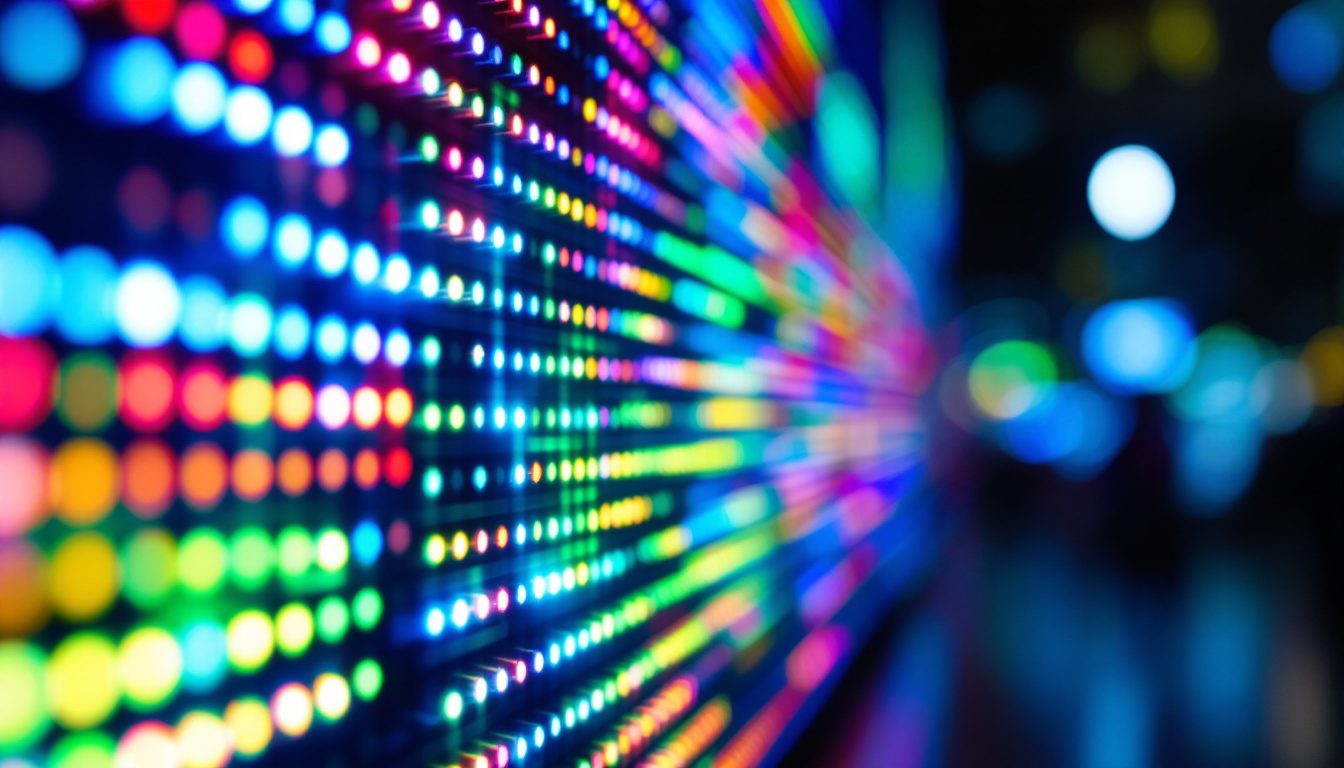
LED stands for Light Emitting Diode, a semiconductor light source that emits light when an electric current passes through it. Unlike traditional cinema screens that rely on projectors to cast images onto a surface, LED displays are composed of thousands to millions of tiny LEDs arranged in a grid. Each LED acts as an individual pixel, capable of producing its own light and color.
This direct emission of light means LED screens do not require external light sources, such as projectors, to display images. This fundamental difference allows LED displays to offer superior brightness, contrast, and color accuracy compared to traditional projection systems.
How Do LED Displays Work in Cinemas?
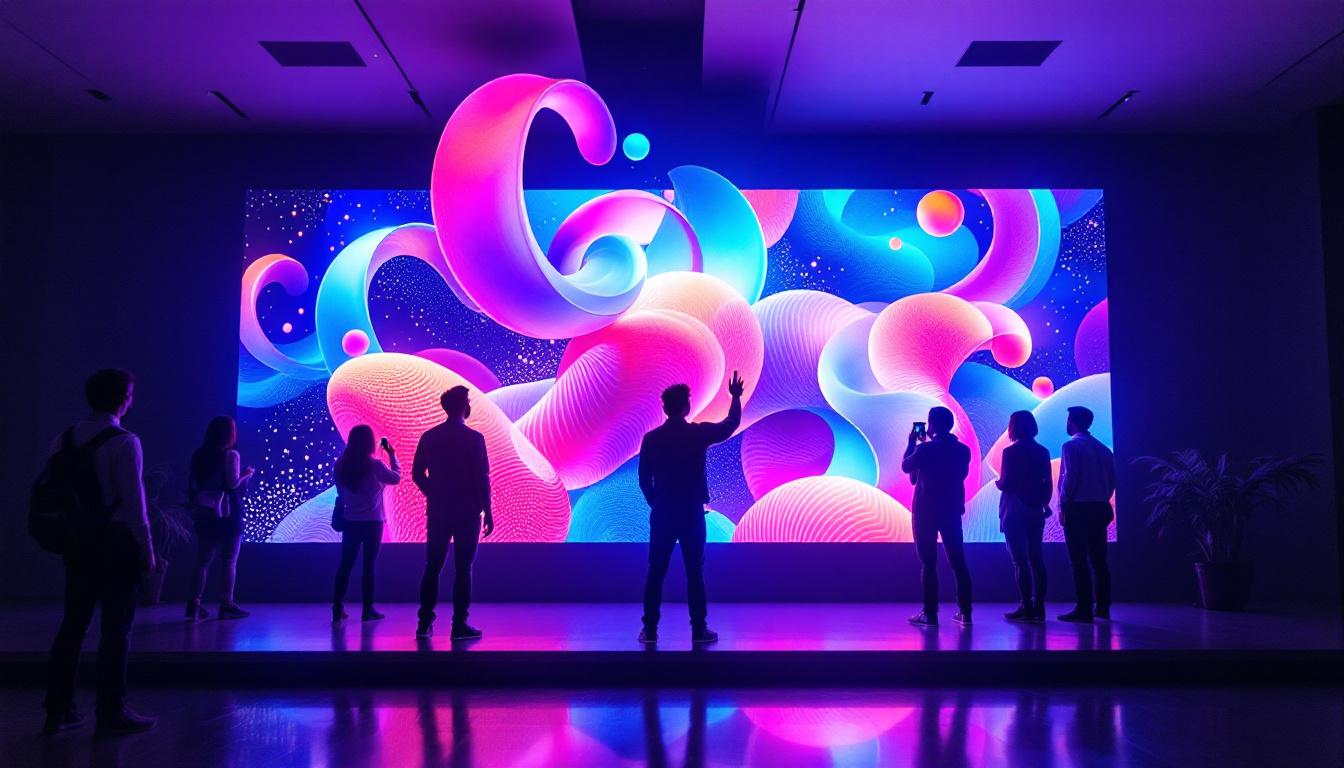
In a cinema setting, LED displays are constructed as large, seamless panels that can be configured to various sizes depending on the theater’s design. These panels are made up of modules containing clusters of red, green, and blue LEDs. By adjusting the intensity of each color LED, the screen can produce a full spectrum of colors and dynamic images.
Modern LED cinema screens use fine pixel pitch technology, meaning the LEDs are placed very close together, resulting in high-resolution images that are crisp and detailed even at close viewing distances. This is particularly important in cinemas where viewers are seated relatively near the screen.
The Advantages of LED Displays for Movies On TV Cinema Hillsboro
Unmatched Brightness and Contrast
One of the most notable benefits of LED displays is their exceptional brightness. Traditional projectors often struggle in brightly lit environments or with scenes containing vivid colors and high contrast. LED screens, however, can emit light at levels exceeding 1,000 nits, which is several times brighter than typical cinema projectors.
This brightness ensures that images remain vibrant and clear, even in scenes with complex lighting or outdoor sequences. Moreover, LEDs can achieve true blacks by turning off individual diodes, creating infinite contrast ratios that enhance the depth and realism of the picture.
Superior Color Accuracy and Range
LED displays can reproduce a wider color gamut than most projector systems. This capability means movies appear more lifelike, with richer reds, deeper blues, and more natural skin tones. For filmmakers and audiences alike, this translates into a viewing experience that closely matches the director’s original vision.
Movies On TV Cinema Hillsboro has embraced this technology to showcase films with stunning color fidelity, making every scene pop with authenticity and emotional impact.
Reduced Maintenance and Operational Costs
Projectors require regular maintenance, including bulb replacements, alignment, and cleaning. In contrast, LED displays have a longer lifespan—often exceeding 100,000 hours—and require minimal upkeep. This durability reduces downtime and operational costs for cinemas.
Additionally, LED screens consume less power compared to traditional projection systems, contributing to energy savings and a smaller environmental footprint. For cinemas focused on sustainability, this is a significant advantage.
Technical Insights: What Makes LED Cinema Screens Unique?
Fine Pixel Pitch Technology
The pixel pitch refers to the distance between the centers of adjacent LEDs. In cinema applications, a fine pixel pitch (typically less than 1.5mm) ensures that the image appears smooth and seamless, even when viewed from close distances. This contrasts with large outdoor LED displays, which have wider pixel pitches suitable for viewing from afar.
Movies On TV Cinema Hillsboro utilizes LED screens with ultra-fine pixel pitch to deliver immersive visuals that rival or surpass traditional 4K projectors, providing audiences with a crystal-clear picture.
HDR and High Frame Rate Compatibility
High Dynamic Range (HDR) technology enhances the contrast and color range of images, making them more vivid and realistic. LED cinema screens are inherently well-suited for HDR content due to their high brightness and contrast capabilities.
Furthermore, LED displays support high frame rates, which are increasingly used in modern filmmaking to create smoother motion and reduce motion blur. This compatibility ensures that movies shown at Movies On TV Cinema Hillsboro benefit from the latest cinematic innovations.
Seamless Screen Construction
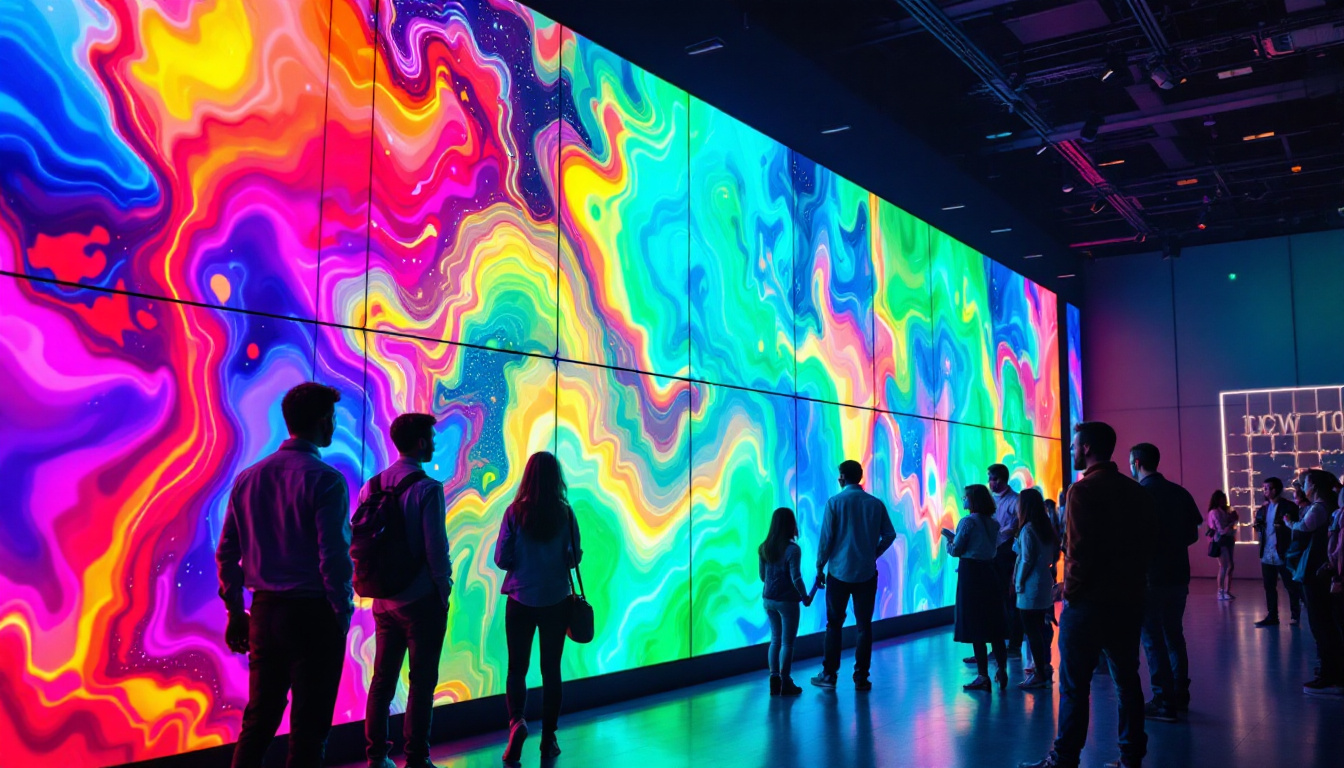
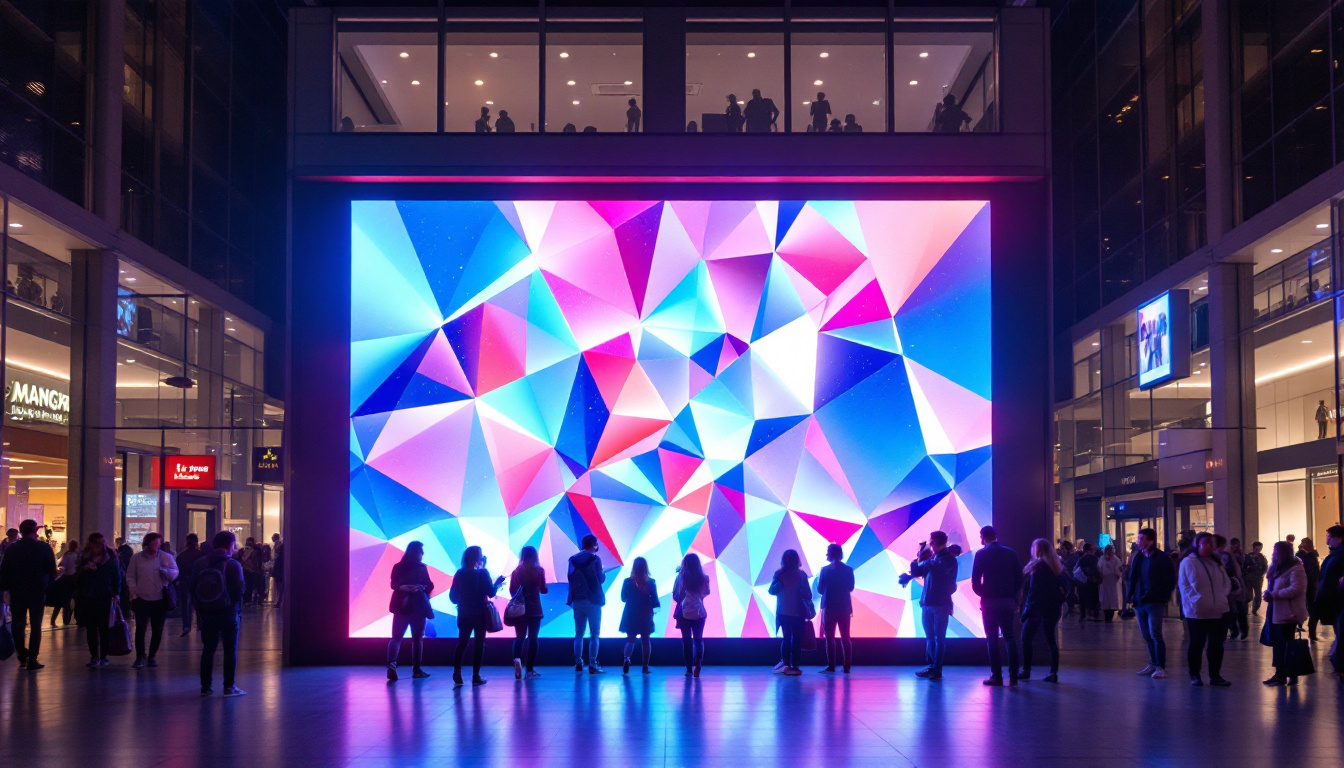
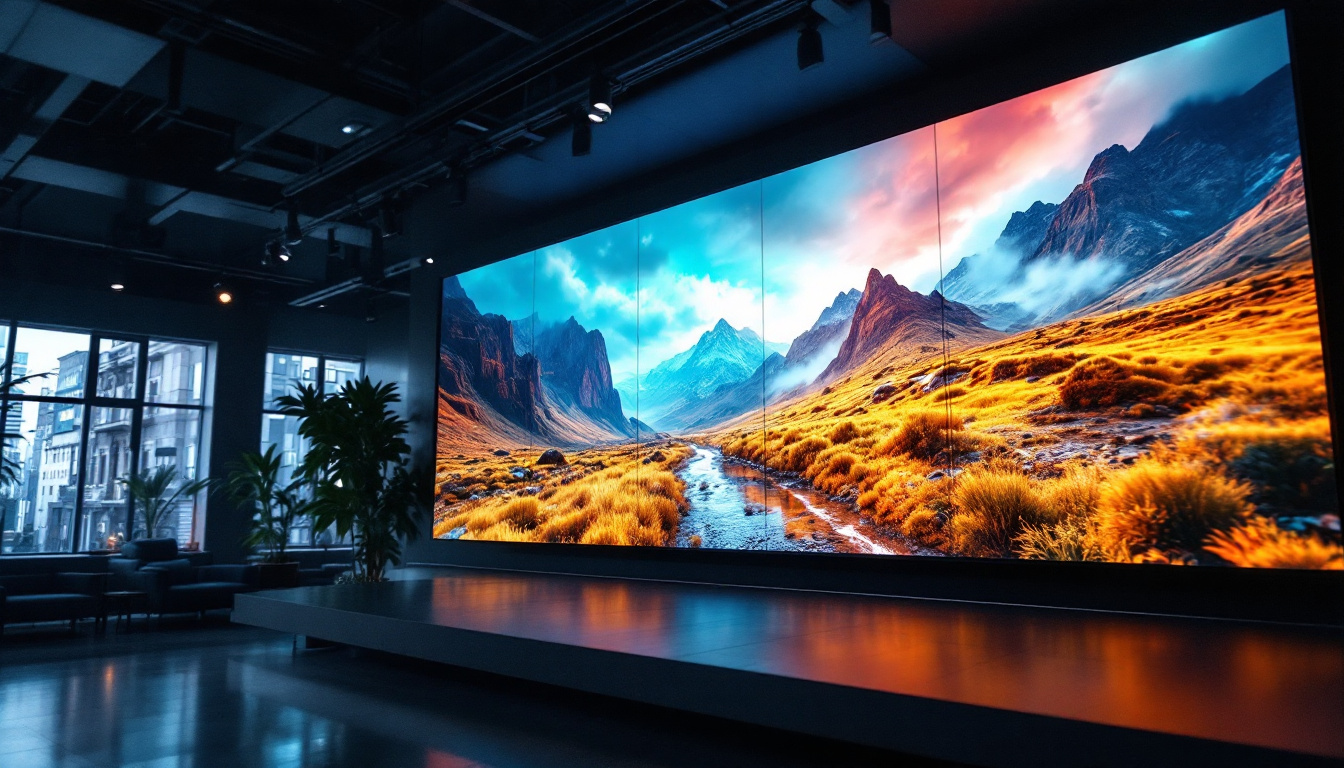
Unlike traditional LED billboards or screens that may have visible seams between panels, cinema LED screens are engineered to be seamless. This is achieved through precise manufacturing and installation techniques, ensuring that the image is uninterrupted and immersive.
This seamless construction is critical for maintaining the audience’s suspension of disbelief and enhancing the overall movie-watching experience.
Real-World Impact: How LED Displays Are Changing Cinema in Hillsboro
Enhanced Audience Experience
Moviegoers in Hillsboro have reported a noticeable improvement in picture quality and viewing comfort since the introduction of LED cinema screens. The increased brightness and color accuracy make films more engaging, while the absence of projector noise contributes to a quieter, more immersive environment.
For families, couples, and cinephiles alike, this technological upgrade elevates the traditional movie outing into a premium entertainment experience.
Attracting Blockbusters and Independent Films
Cinemas equipped with LED technology are better positioned to attract high-profile film releases, many of which are mastered in HDR and high frame rates. Studios and distributors increasingly prefer venues that can showcase their films as intended, ensuring the best possible audience reception.
Moreover, independent filmmakers benefit from the enhanced display capabilities, as their visually rich and artistically crafted films receive the presentation quality they deserve.
Economic and Community Benefits
The investment in LED display technology by Movies On TV Cinema Hillsboro has broader economic implications. By drawing larger audiences and hosting special screenings, the cinema contributes to the local economy through increased foot traffic and related spending in nearby restaurants, shops, and entertainment venues.
This technological advancement also positions Hillsboro as a forward-thinking community that embraces innovation in arts and entertainment.
Challenges and Considerations in LED Cinema Implementation
Initial Investment and Installation Complexity
While LED displays offer long-term benefits, the upfront costs can be significant. High-quality LED cinema screens require substantial capital investment, including the cost of the panels themselves, installation, and integration with existing audio and control systems.
Additionally, the installation process demands specialized expertise to ensure optimal calibration, color accuracy, and seamless panel alignment. Cinemas must weigh these factors against expected returns and audience demand.
Content Compatibility and Distribution
Not all movie content is immediately compatible with LED cinema screens, especially older films that were mastered for traditional projection. To maximize the benefits of LED technology, cinemas and distributors may need to invest in content remastering or adopt new delivery standards.
However, with the growing adoption of digital cinema packages (DCPs) and HDR mastering, this challenge is gradually diminishing.
Audience Adaptation and Education
Some moviegoers may initially find the brightness and color intensity of LED screens unfamiliar or overwhelming, especially if they are accustomed to traditional projection. Cinemas can play a role in educating audiences about the benefits and differences of LED technology to enhance acceptance and appreciation.
Providing demonstrations, behind-the-scenes insights, and marketing materials can help bridge this gap.
The Future of LED Displays in Cinema
Innovations on the Horizon
The LED display technology used in cinemas is continually evolving. Emerging advancements include microLED technology, which promises even higher resolution, better energy efficiency, and longer lifespan. Additionally, flexible and curved LED screens may become more common, allowing for innovative theater designs and immersive viewing angles.
Integration with augmented reality (AR) and virtual reality (VR) technologies could further transform the cinematic experience, blending physical and digital worlds in unprecedented ways.
Expanding Beyond Traditional Cinemas
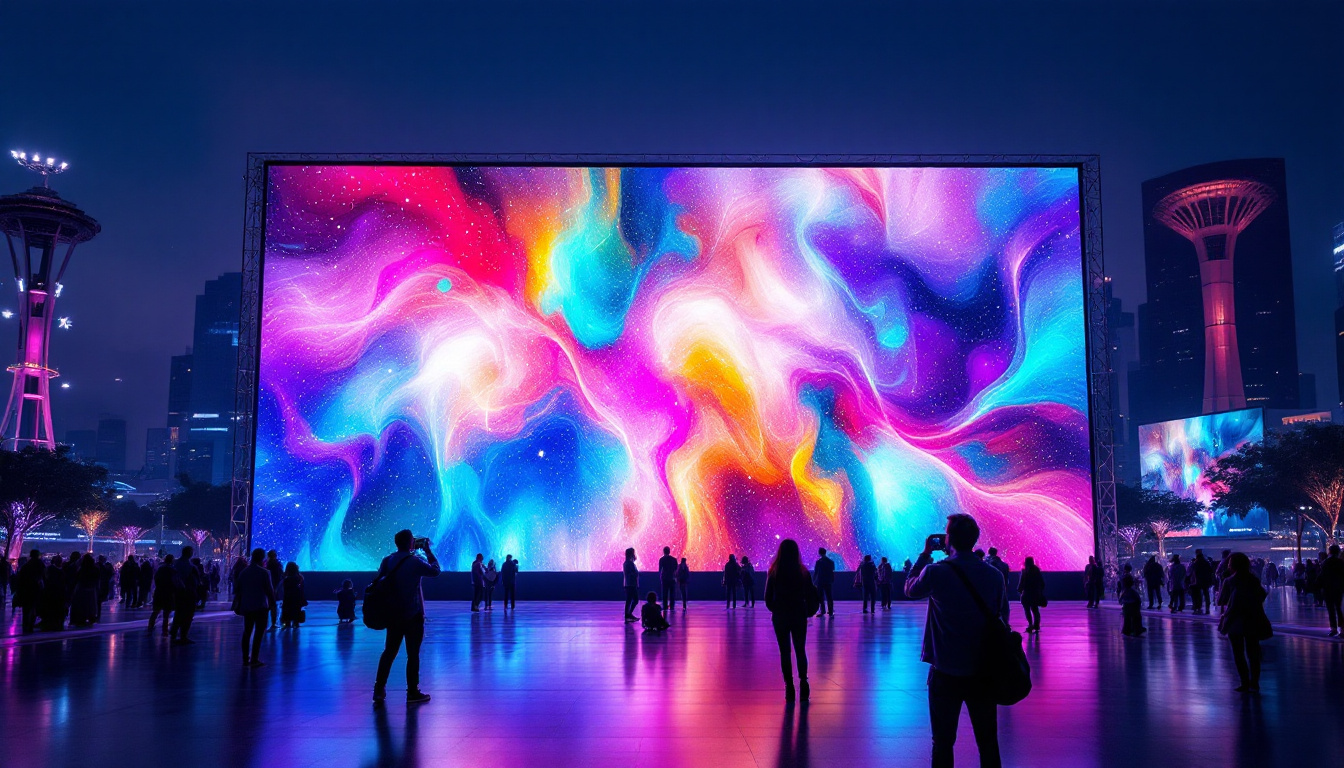
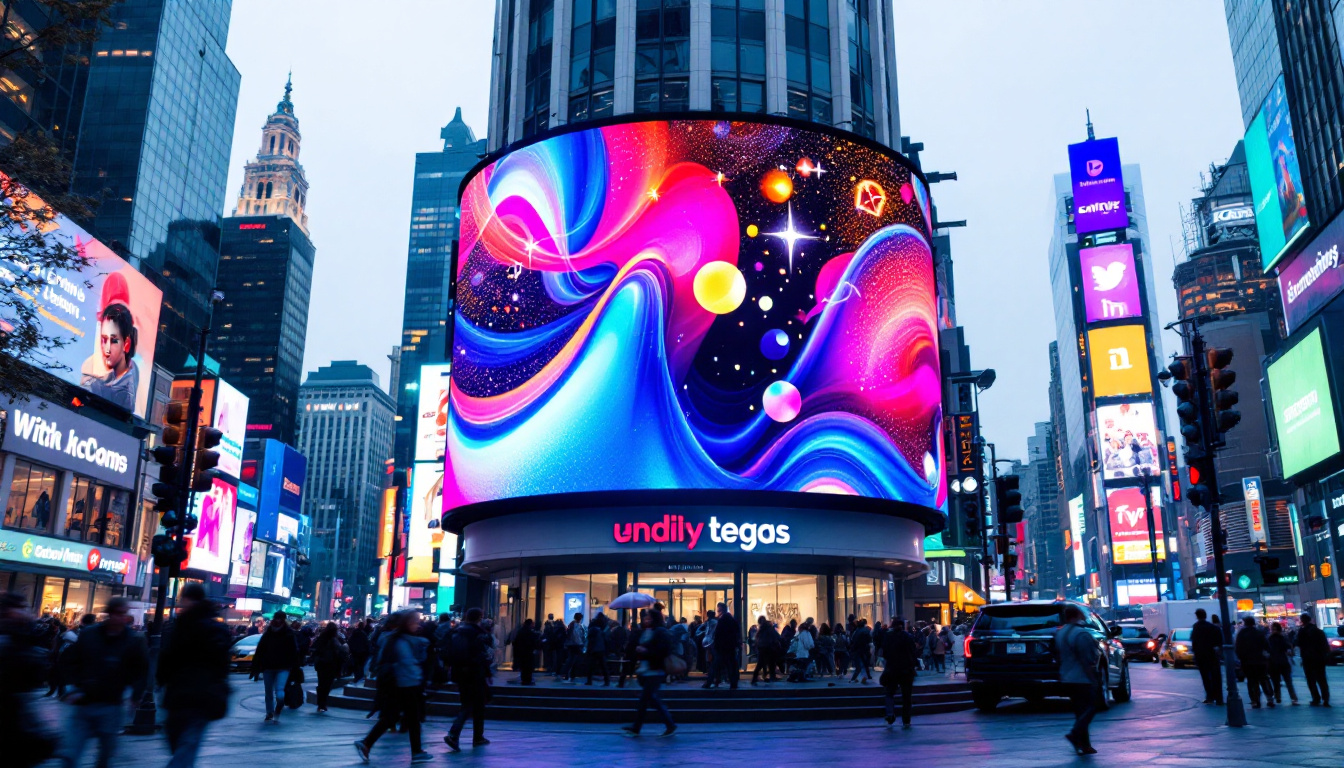
As LED displays become more affordable and versatile, their use is expanding beyond traditional movie theaters. Drive-in cinemas, pop-up theaters, and outdoor screening events in Hillsboro are beginning to adopt LED technology to provide high-quality visuals in diverse environments.
This democratization of advanced display technology broadens access to premium movie experiences for wider audiences.
Environmental Sustainability
With increasing focus on sustainability, LED displays offer a greener alternative to traditional projection systems. Their lower energy consumption and reduced need for consumables like projector bulbs align with global efforts to reduce carbon footprints.
Cinemas adopting LED technology contribute to environmental goals while enhancing their brand image as responsible and modern entertainment venues.
Conclusion
The introduction of LED display technology at Movies On TV Cinema Hillsboro marks a significant milestone in the evolution of the cinematic experience. By offering unparalleled brightness, color accuracy, and operational efficiency, LED screens redefine how audiences engage with movies on TV cinema screens.
While challenges such as initial costs and content compatibility exist, the long-term benefits for both cinemas and moviegoers are substantial. As technology advances and adoption grows, LED displays are poised to become the standard for high-quality cinema presentations, not only in Hillsboro but worldwide.
For those seeking the ultimate movie experience, understanding the technology behind LED cinema screens enhances appreciation for the art and science of modern filmmaking and exhibition.
Discover the Future of Cinematic Visuals with LumenMatrix
As you’ve seen, LED display technology is revolutionizing the movie-going experience at venues like Movies On TV Cinema Hillsboro. If you’re inspired to elevate your own visual displays to the next level, LumenMatrix is your go-to source. With a comprehensive range of solutions including Indoor and Outdoor LED Wall Displays, Vehicle LED Displays, and even Custom LED Displays, LumenMatrix is at the forefront of creating immersive environments that captivate and engage. Experience the pinnacle of LED innovation and transform your space into a dynamic visual spectacle. Check out LumenMatrix LED Display Solutions and join the visual revolution today.