In the rapidly evolving world of digital signage and visual communication, LED displays have emerged as a cornerstone technology. From vibrant billboards in city centers to high-resolution screens in stadiums and retail environments, LED displays combine innovation with practicality to deliver stunning visuals that captivate audiences worldwide. This article delves into the fundamentals of LED display technology, explores its various types and applications, and highlights key considerations for businesses and professionals looking to leverage this powerful medium.
Understanding LED Display Technology
What is an LED Display?
LED, or Light Emitting Diode, displays are screens composed of numerous tiny light-emitting diodes that produce bright, vivid images. Unlike traditional LCD or plasma screens, LED displays use LEDs as both the light source and pixel elements, enabling superior brightness, contrast, and energy efficiency. These displays can be configured in various sizes and resolutions, making them highly versatile for indoor and outdoor use.
One of the defining features of LED displays is their modular design. Each module consists of a grid of LEDs arranged in pixels, which can be combined to form larger screens. This modularity allows for scalable solutions, from small retail displays to massive outdoor billboards spanning hundreds of square meters. Additionally, the flexibility in design means that LED displays can be customized to fit unique shapes and sizes, making them ideal for creative advertising and artistic installations. This adaptability has led to their increasing popularity in venues such as stadiums, concert halls, and public squares, where visual impact is crucial.
How Do LED Displays Work?
At the core of LED display technology is the principle of electroluminescence, where LEDs emit light when an electrical current passes through them. Each pixel on an LED screen typically consists of three sub-pixels colored red, green, and blue (RGB). By varying the intensity of these sub-pixels, the display can produce a full spectrum of colors. This capability allows for stunning visual effects and the ability to display high-definition video content with remarkable clarity.
The display’s controller processes incoming video signals and translates them into electrical signals that drive the LEDs. This process happens thousands of times per second, creating smooth motion and high-quality images. The refresh rate, pixel pitch, and brightness levels are critical parameters that influence the display’s performance and suitability for different environments. For instance, a lower pixel pitch results in a higher resolution, which is essential for close viewing distances, such as in shopping malls or exhibitions. Furthermore, advancements in technology have led to the development of smart LED displays that can adjust their brightness based on ambient light conditions, ensuring optimal visibility at all times. Such innovations not only enhance user experience but also contribute to energy savings, making LED displays a sustainable choice for modern visual communication.
Types of LED Displays
Indoor vs. Outdoor LED Displays
LED displays are broadly categorized into indoor and outdoor types, each optimized for specific conditions. Indoor LED displays typically have a smaller pixel pitch, often ranging from 1.2mm to 4mm, which allows for higher resolution at close viewing distances. These displays are commonly used in conference rooms, retail stores, and broadcast studios.
Outdoor LED displays, on the other hand, are designed to withstand harsh weather conditions and intense sunlight. They feature larger pixel pitches, usually between 6mm and 20mm, to ensure visibility from greater distances. Additionally, outdoor LEDs are built with robust enclosures, waterproof coatings, and high brightness levels—often exceeding 5,000 nits—to maintain image clarity even in direct sunlight.
Direct View LED vs. LED Backlit LCD
Direct view LED displays differ fundamentally from LED-backlit LCD screens. In direct view LED displays, the LEDs themselves form the image, emitting light directly to the viewer. This results in deeper blacks, higher contrast ratios, and wider viewing angles.
Conversely, LED-backlit LCDs use LEDs as a backlight behind a liquid crystal panel. While this technology offers good image quality, it cannot match the contrast and brightness capabilities of direct view LED displays. For applications demanding vibrant, high-impact visuals, direct view LED is the preferred choice.
Flexible and Transparent LED Displays
Innovations in LED technology have led to the development of flexible and transparent LED displays, expanding the creative possibilities for designers and advertisers. Flexible LED displays can be curved or bent, making them ideal for architectural installations, stage designs, and immersive environments.
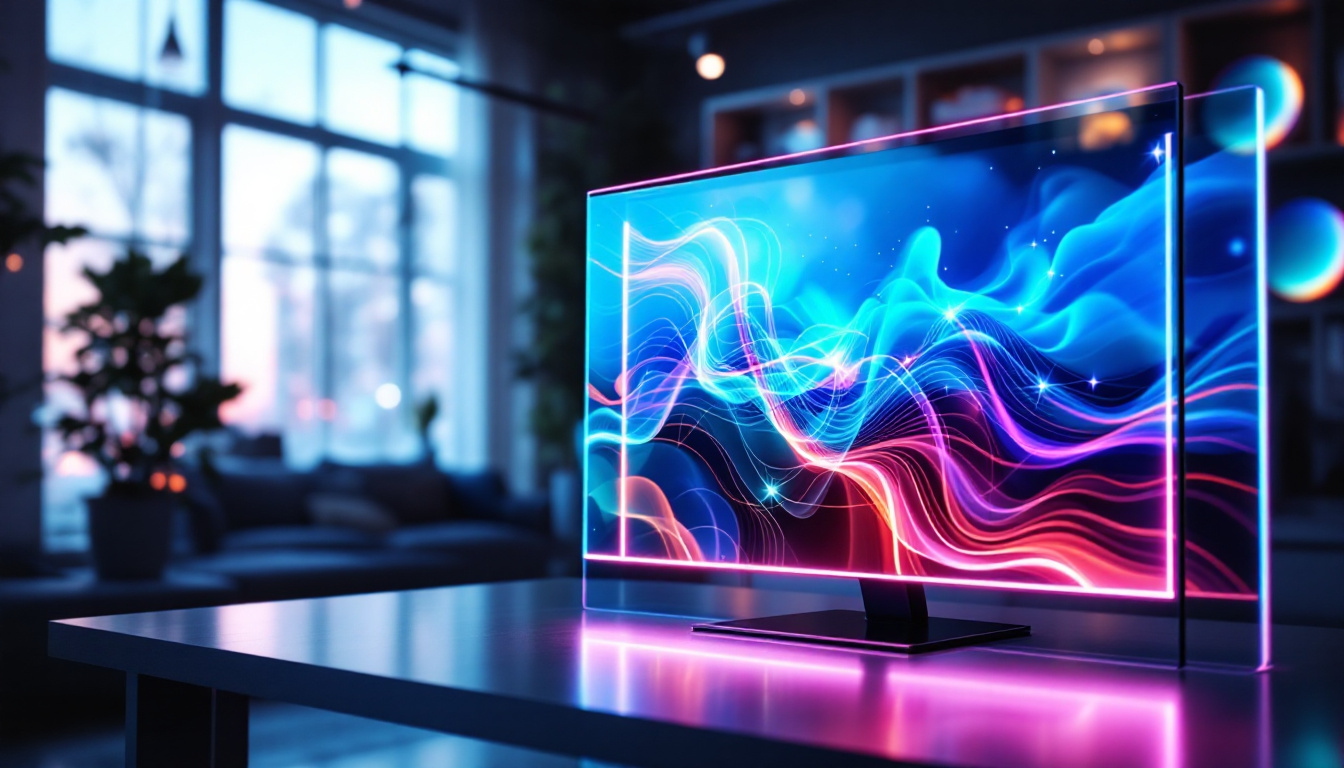
Transparent LED displays incorporate LEDs within a glass or acrylic panel, allowing viewers to see through the screen while still displaying dynamic content. This technology is gaining traction in retail storefronts and corporate lobbies, where it enhances aesthetics without obstructing natural light or views.
Applications of LED Displays
Advertising and Digital Signage
One of the most prevalent uses of LED displays is in advertising and digital signage. According to recent market research, the global digital signage market is projected to grow at a compound annual growth rate (CAGR) of over 8% through 2027, driven largely by the adoption of LED technology.
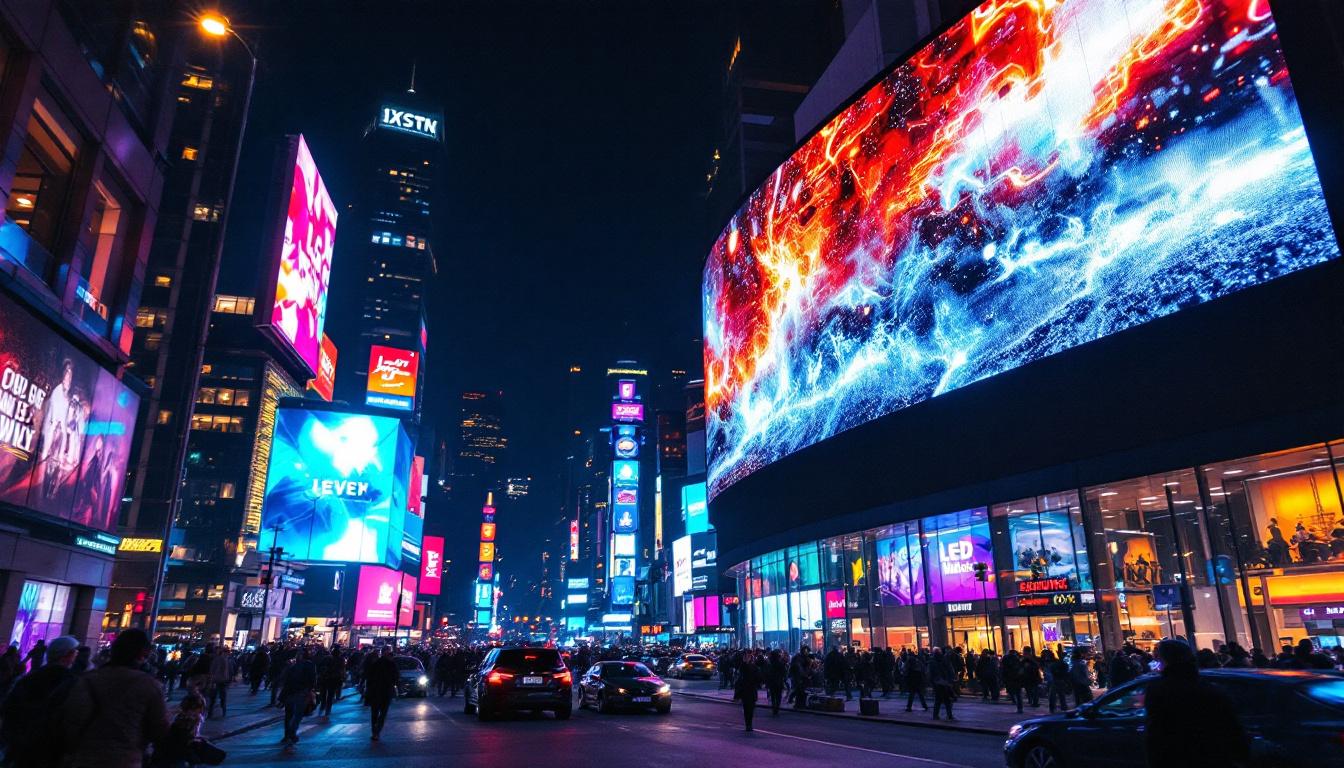
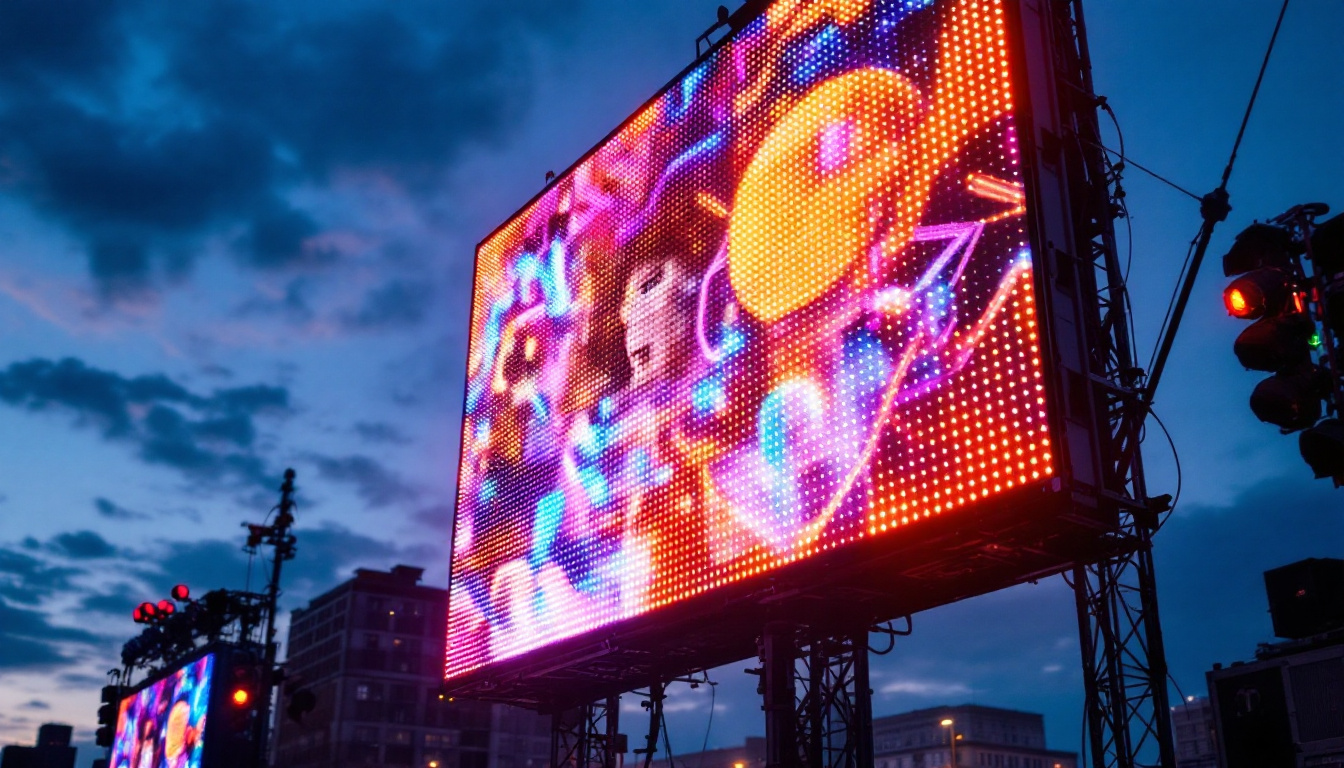
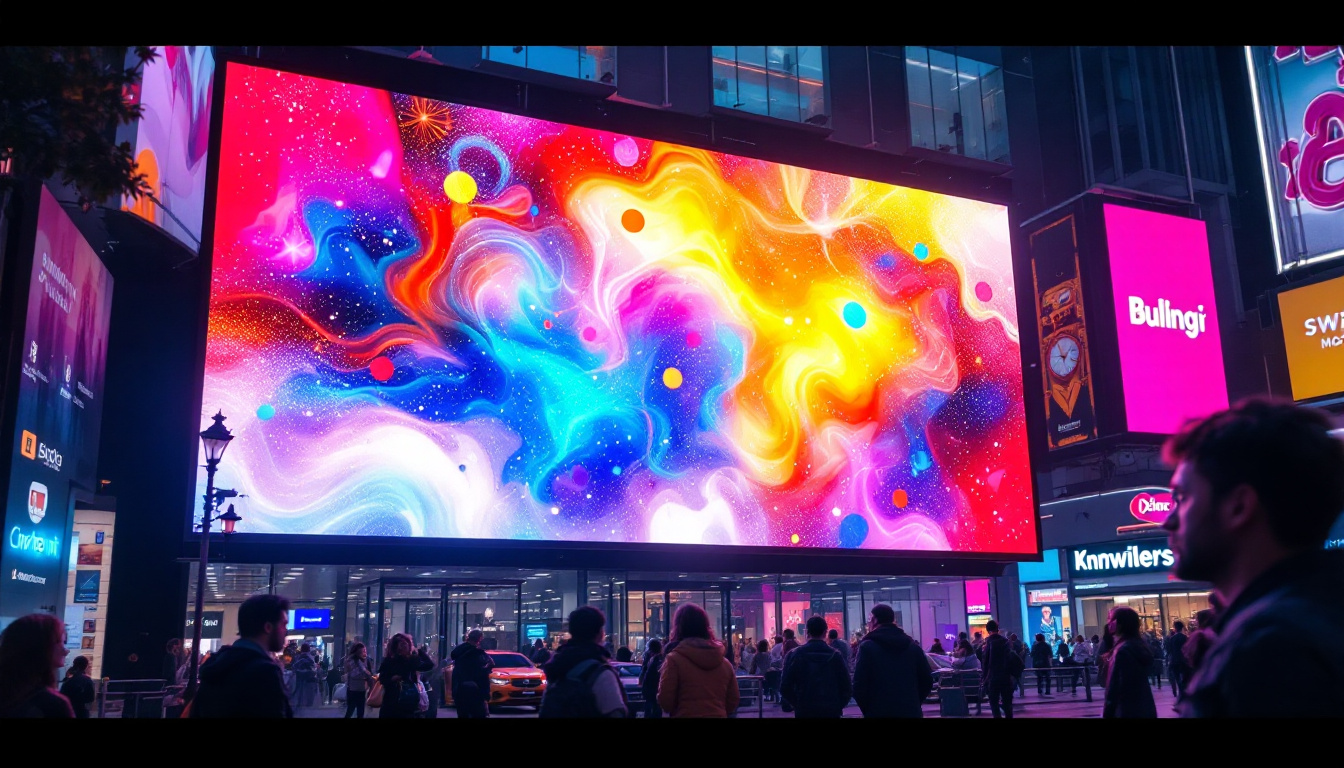
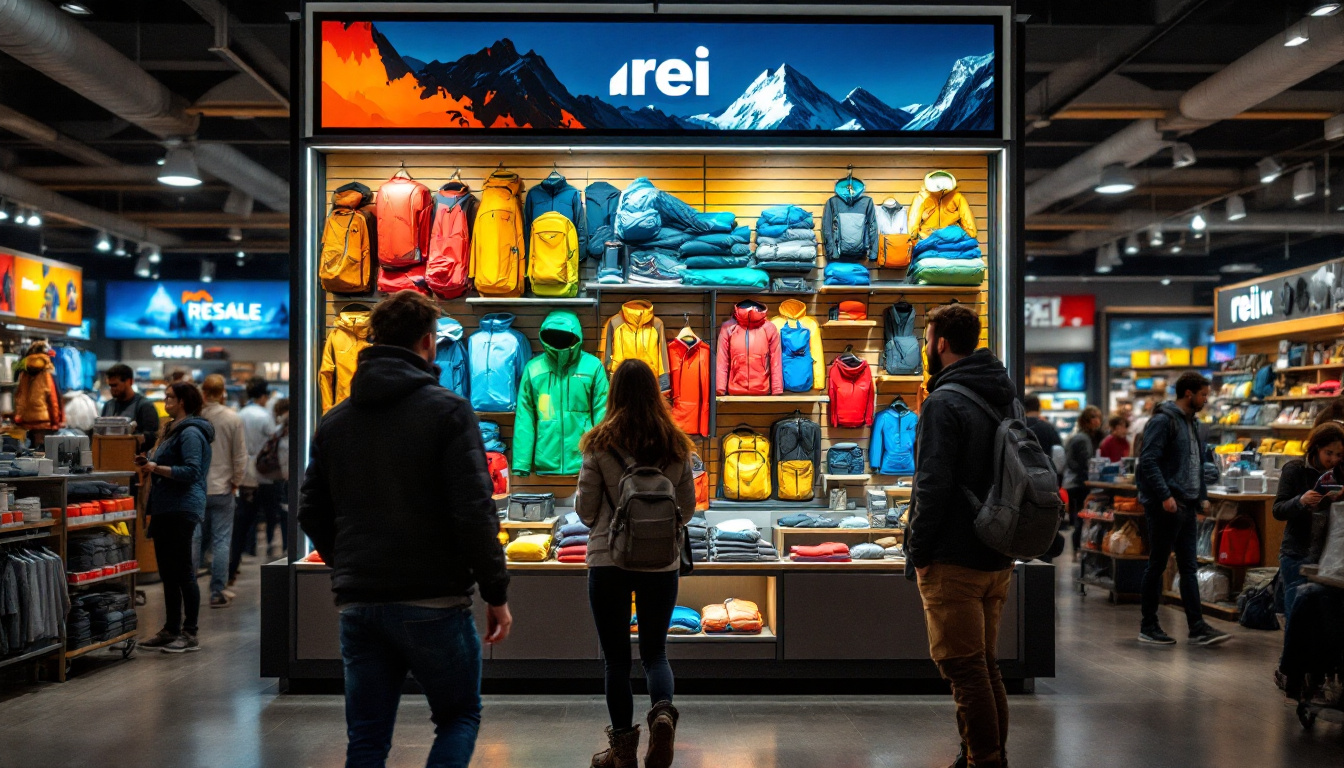
LED billboards and signage offer advertisers unparalleled visibility and flexibility. Content can be updated in real-time, enabling targeted campaigns and interactive experiences. High brightness and vibrant colors ensure that messages stand out in busy urban environments, even under challenging lighting conditions.
Sports and Entertainment Venues
LED displays have revolutionized the spectator experience in sports arenas and entertainment venues. Massive LED screens provide fans with instant replays, live statistics, and immersive visuals that enhance engagement. For example, the AT&T Stadium in Texas features one of the largest high-definition LED displays in the world, measuring over 160 feet wide and 72 feet tall.
Beyond stadiums, LED technology is integral to concerts, theaters, and exhibitions, where dynamic backdrops and stage effects create memorable performances. The ability to customize screen shapes and sizes allows for creative staging that captivates audiences.
Corporate and Control Room Environments
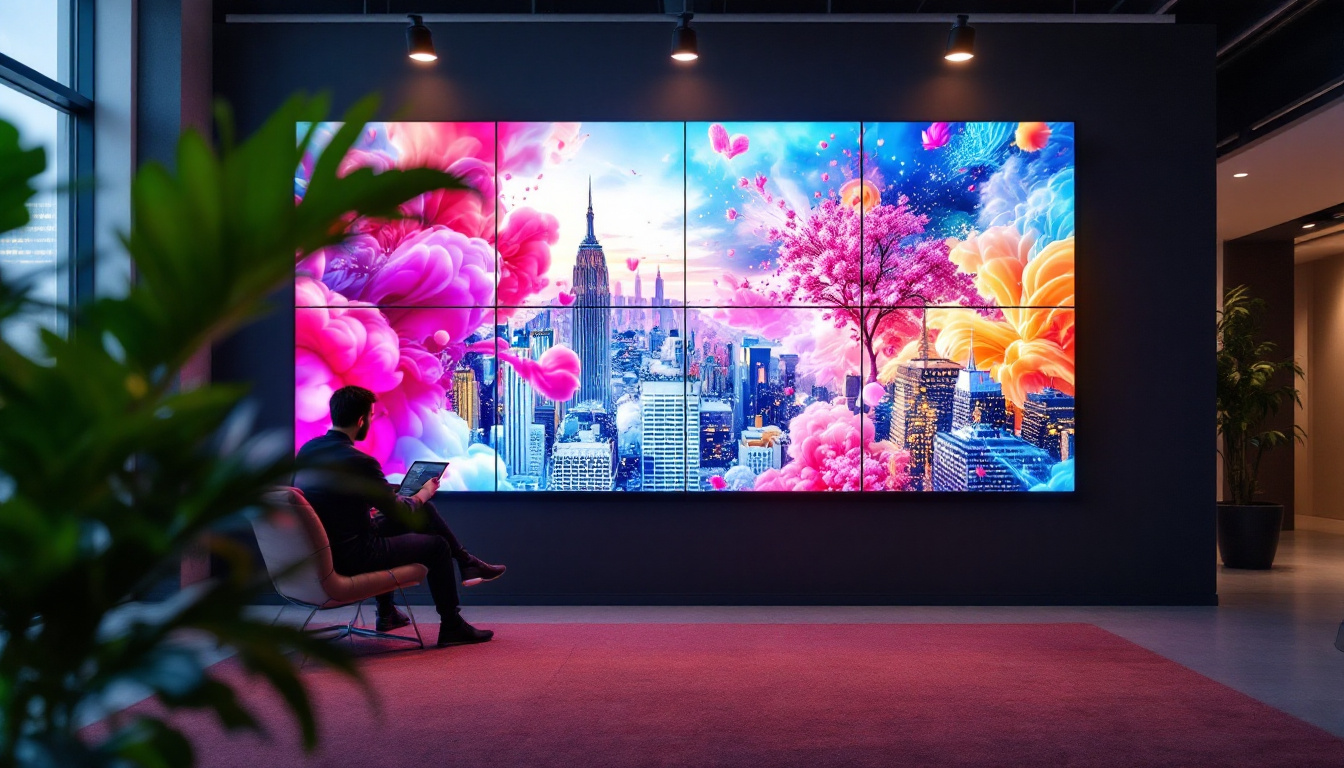
In corporate settings, LED displays are increasingly used for presentations, video conferencing, and digital dashboards. Their clarity and brightness improve communication and collaboration, especially in large meeting rooms or auditoriums.
Control rooms in industries such as transportation, utilities, and security rely on LED video walls to monitor operations in real-time. The high resolution and reliability of LED displays ensure critical information is visible at all times, supporting rapid decision-making.
Key Considerations When Choosing an LED Display
Pixel Pitch and Resolution
Pixel pitch—the distance between the centers of adjacent pixels—is a fundamental factor influencing image quality. Smaller pixel pitches provide higher resolution and sharper images, which are essential for close viewing distances. For example, a pixel pitch of 1.5mm is ideal for indoor displays viewed from a few feet away, while a 10mm pixel pitch suits large outdoor billboards viewed from hundreds of feet.
Choosing the right pixel pitch balances cost and performance. Higher resolution displays are more expensive but deliver superior visual experiences, making them suitable for premium applications.
Brightness and Contrast
Brightness, measured in nits, determines how well the display performs under different lighting conditions. Outdoor LED displays typically require brightness levels above 5,000 nits to remain legible in direct sunlight, whereas indoor displays often operate effectively at 800 to 1,500 nits.
Contrast ratio—the difference between the darkest black and the brightest white—affects image depth and realism. LED displays generally offer excellent contrast ratios due to their ability to turn off individual LEDs completely, producing true blacks.
Durability and Maintenance
LED displays intended for outdoor use must withstand environmental challenges such as rain, dust, temperature fluctuations, and UV exposure. High-quality enclosures with IP65 or higher ratings ensure protection against these elements.
Maintenance considerations include ease of access for repairs, availability of replacement modules, and software support. Many modern LED displays feature front-access designs, simplifying maintenance without dismantling the entire structure.
Energy Efficiency and Lifespan
LED technology is renowned for its energy efficiency compared to other display types. This translates into lower operating costs and reduced environmental impact. Typical LED displays consume 30-50% less power than comparable LCD or plasma screens.
The lifespan of LEDs is another advantage, often exceeding 100,000 hours of operation. This longevity reduces the need for frequent replacements and contributes to total cost of ownership savings.
Future Trends in LED Display Technology
Mini-LED and Micro-LED Innovations
Emerging technologies such as mini-LED and micro-LED are pushing the boundaries of LED display performance. Mini-LEDs use smaller diodes to enhance backlighting in LCDs, improving contrast and brightness. Micro-LEDs, with even smaller pixels, promise unprecedented resolution and energy efficiency in direct view displays.
These advancements are expected to accelerate adoption in premium consumer electronics, automotive displays, and professional signage, offering sharper images and more vibrant colors than ever before.
Integration with AI and IoT
Artificial intelligence (AI) and the Internet of Things (IoT) are transforming how LED displays are managed and utilized. AI-powered content management systems can analyze audience demographics and environmental factors to deliver personalized, context-aware content.
IoT connectivity enables remote monitoring and predictive maintenance, minimizing downtime and optimizing performance. Such intelligent systems are becoming essential in large-scale deployments where operational efficiency is paramount.
Sustainability and Eco-Friendly Designs
As sustainability becomes a global priority, LED display manufacturers are focusing on eco-friendly materials, recyclable components, and energy-saving features. Innovations in power management and heat dissipation contribute to greener operations, aligning with corporate social responsibility goals.
Additionally, the ability to update digital content reduces the need for printed materials, supporting waste reduction in advertising and communication.
Conclusion
LED displays represent a dynamic and versatile technology that continues to reshape the landscape of visual communication. Their superior brightness, flexibility, and energy efficiency make them ideal for a wide range of applications, from advertising and entertainment to corporate and industrial environments.
Understanding the technical aspects, such as pixel pitch, brightness, and durability, is crucial for selecting the right LED display solution. As innovations like micro-LEDs and AI integration emerge, the future of LED displays promises even greater capabilities and opportunities for businesses and creatives alike.
For organizations seeking impactful, reliable, and sustainable display solutions, investing in LED technology is a forward-thinking choice that delivers both immediate benefits and long-term value.
Discover LumenMatrix’s Innovative LED Solutions
Ready to elevate your visual communication strategy with cutting-edge LED technology? Explore LumenMatrix’s comprehensive range of LED display modules, designed to bring your brand to life and captivate your audience. Whether you need an Indoor LED Wall Display, a vibrant Outdoor LED Wall Display, or specialized solutions like Vehicle LED Displays, LED Sports Displays, or Custom LED Displays, LumenMatrix has the expertise to enhance your brand visibility. Experience the future of digital signage with our All-in-One LED Display and LED Transparent Display options. Check out LumenMatrix LED Display Solutions today and join the revolution in visual engagement.