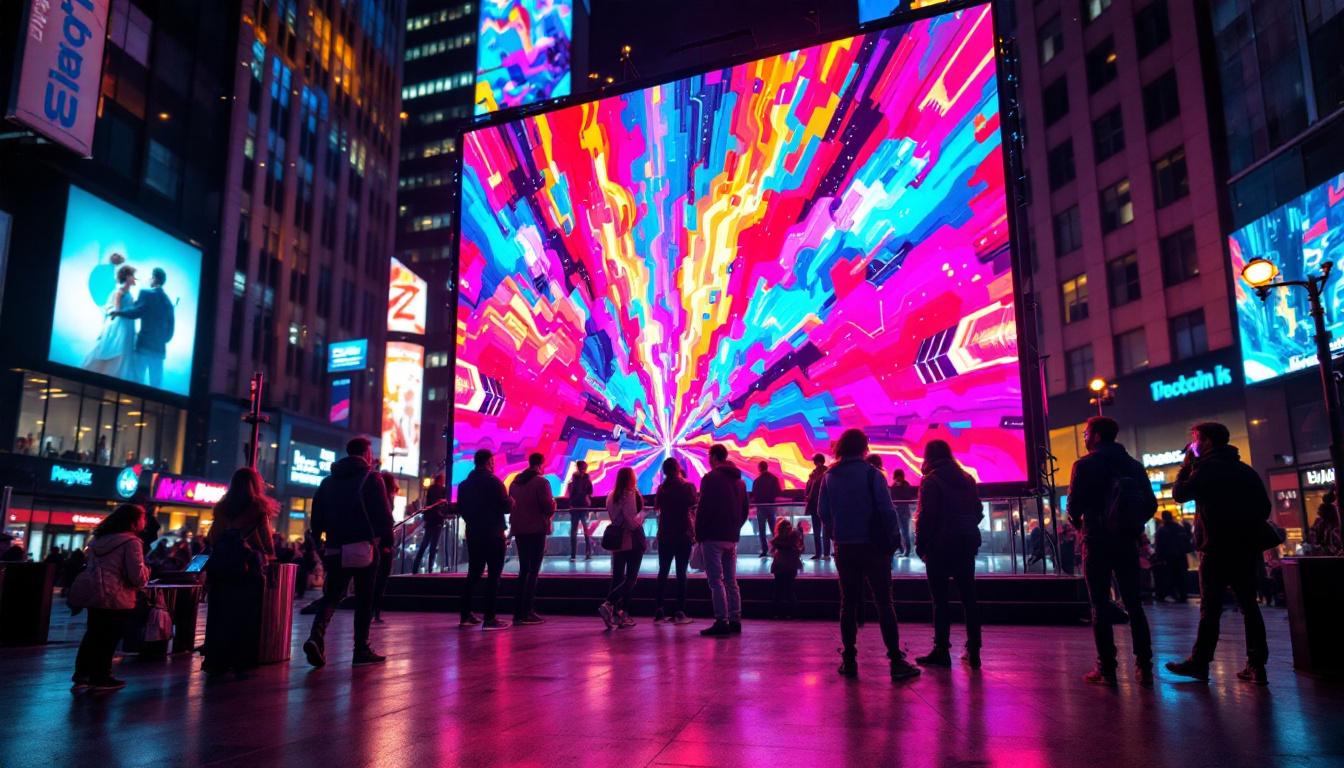
In recent years, LED displays have revolutionized the way information and visuals are presented in public spaces, advertising, entertainment, and even sports arenas. The term “Largest LED” often refers to some of the most massive and technologically advanced LED display installations in the world, which captivate audiences with their sheer scale and clarity. This article delves into what LED displays are, how they work, and highlights some of the largest LED screens globally, explaining why these colossal displays matter in today’s digital landscape.
Understanding LED Display Technology
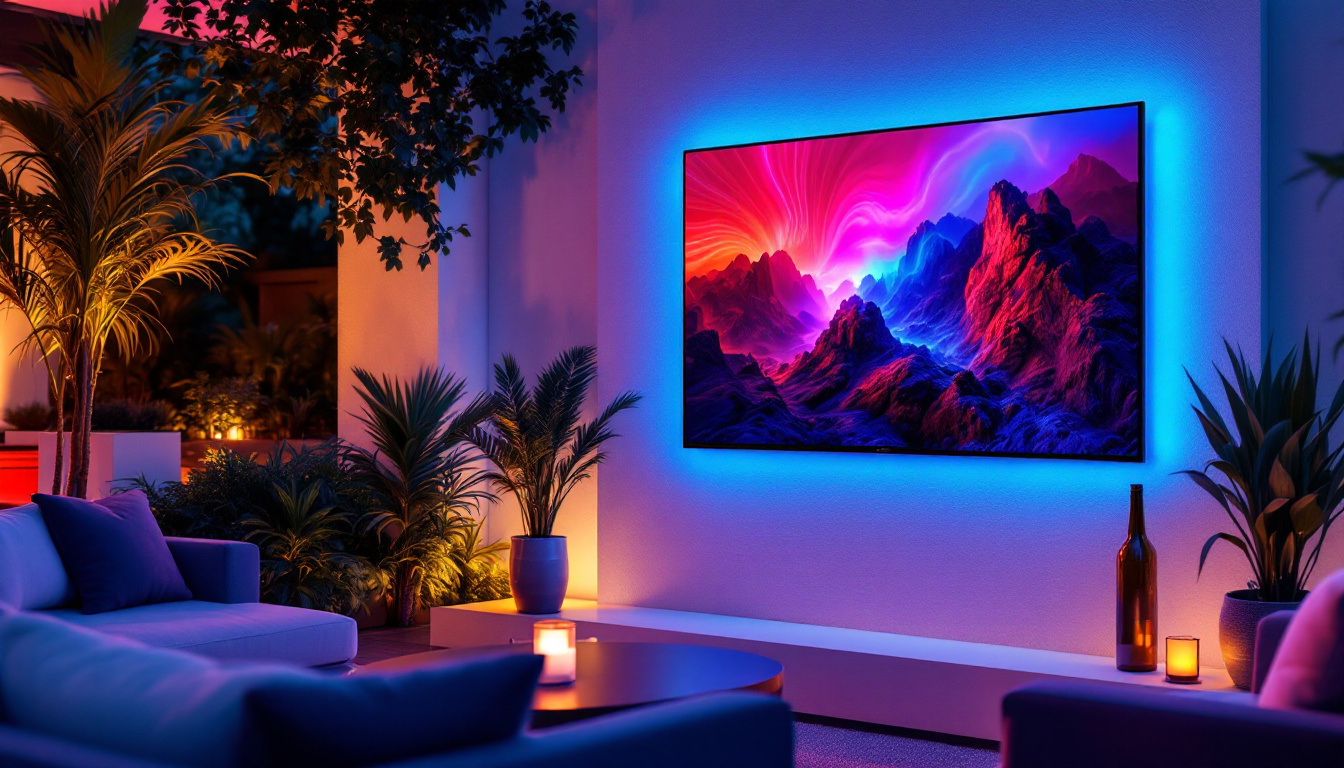
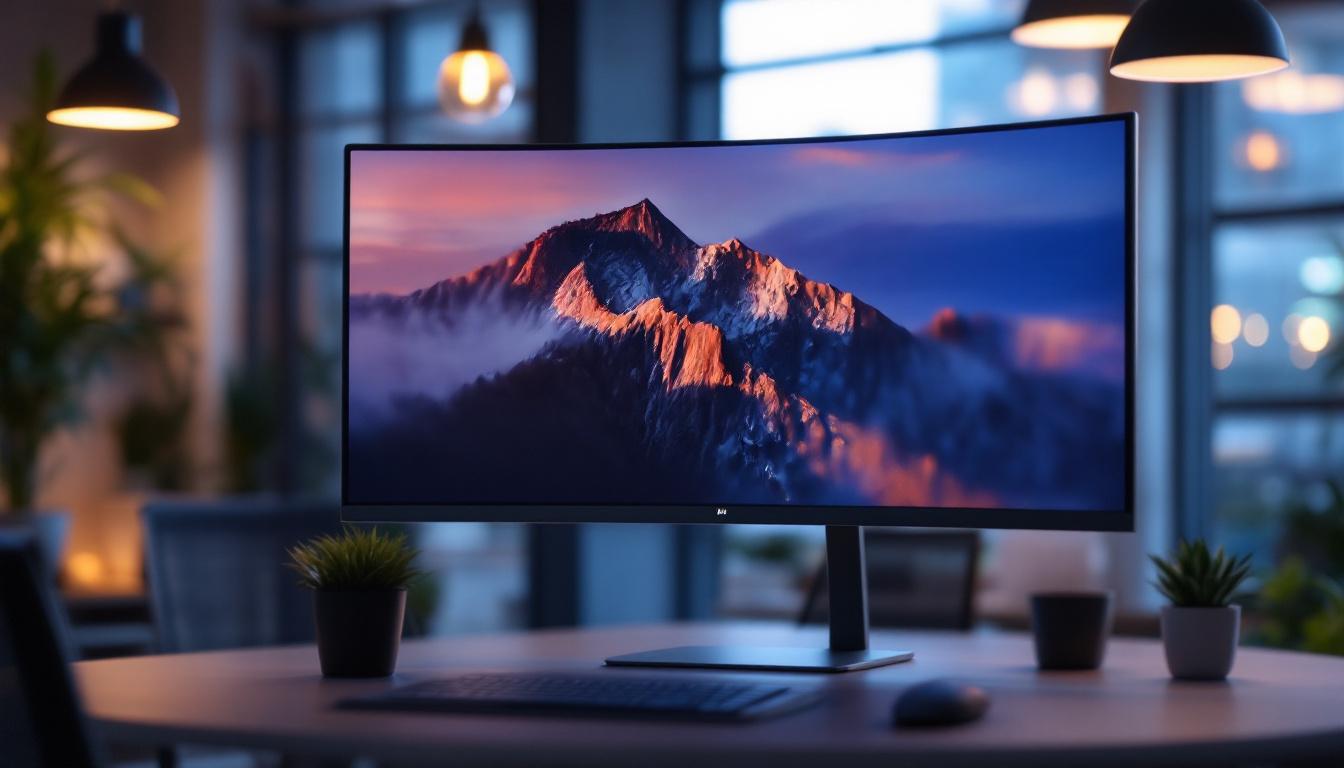
LED stands for Light Emitting Diode, a semiconductor device that emits light when an electric current passes through it. LED displays use thousands to millions of these tiny diodes arranged in a matrix to create images, videos, and animations. Unlike traditional LCD or projection screens, LED displays generate their own light, which results in brighter, more vibrant visuals and better energy efficiency. This self-illuminating feature not only enhances the visual experience but also allows for thinner and lighter display designs, making them ideal for a variety of applications, from large outdoor billboards to sleek indoor screens.
How Do LED Displays Work?
Each LED in a display functions as a single pixel or a part of a pixel. By controlling the intensity and color of individual LEDs, the display can render detailed images. Modern full-color LED displays use a combination of red, green, and blue LEDs to produce a wide spectrum of colors through additive color mixing. The resolution and image quality depend on the pixel pitch—the distance between the centers of two adjacent LEDs. Smaller pixel pitch means higher resolution and sharper images, especially important for close viewing distances. For instance, a pixel pitch of 2mm would be suitable for indoor environments where viewers are close to the screen, while a larger pitch of 10mm might be used for outdoor advertising where the viewing distance is greater.
LED displays can be configured as indoor or outdoor screens, with outdoor screens designed to withstand weather conditions and provide higher brightness to combat sunlight glare. Additionally, advancements such as flexible LED panels and transparent LED screens have expanded the applications of this technology. Flexible panels can be bent and shaped to fit unique architectural designs, while transparent screens allow for creative installations that do not obstruct views, making them popular in retail environments and modern art exhibits.
Advantages of LED Displays
LED displays offer several advantages over other display technologies:
- Brightness and Visibility: LEDs can achieve brightness levels exceeding 5,000 nits, making them visible even under direct sunlight.
- Energy Efficiency: LEDs consume less power compared to traditional lighting and display methods.
- Durability: LED displays are robust and have long lifespans, often exceeding 100,000 hours of operation.
- Flexibility: Modular design allows for custom shapes and sizes, including curved and irregular surfaces.
- Color Accuracy: High color gamut and contrast ratios produce vivid and true-to-life images.
Moreover, LED technology has seen significant advancements in recent years, with features such as dynamic refresh rates and improved thermal management systems, which enhance performance and longevity. These innovations not only improve the viewing experience but also make LED displays more adaptable to various environments, from sports arenas to concert venues. The integration of smart technology, such as IoT connectivity, allows for real-time content updates and remote management, further increasing the functionality and appeal of LED displays in today’s digital landscape.
The Largest LED Displays in the World
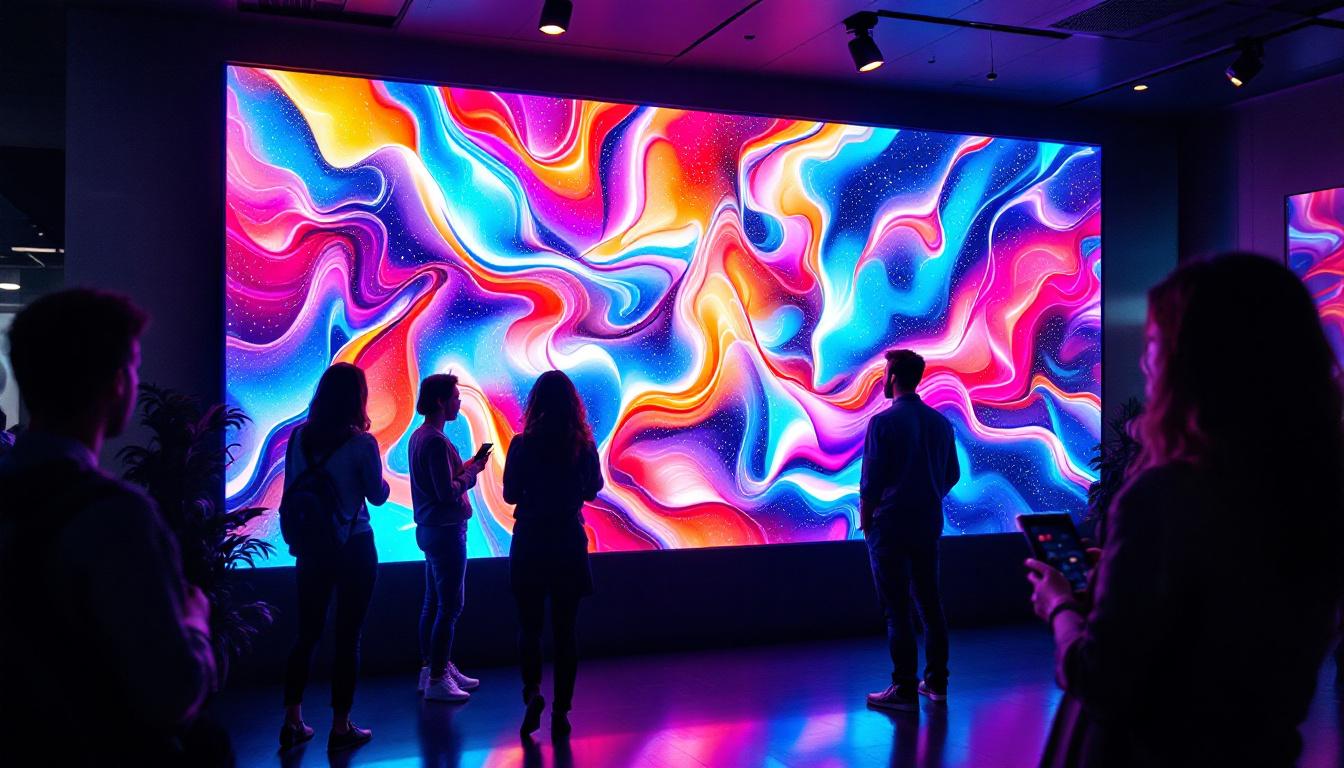
Massive LED displays have become landmarks in cities and venues worldwide, serving as advertising hubs, entertainment centers, or immersive experiences. Here are some of the largest and most impressive LED screens currently in operation.
1. The Fremont Street Experience, Las Vegas
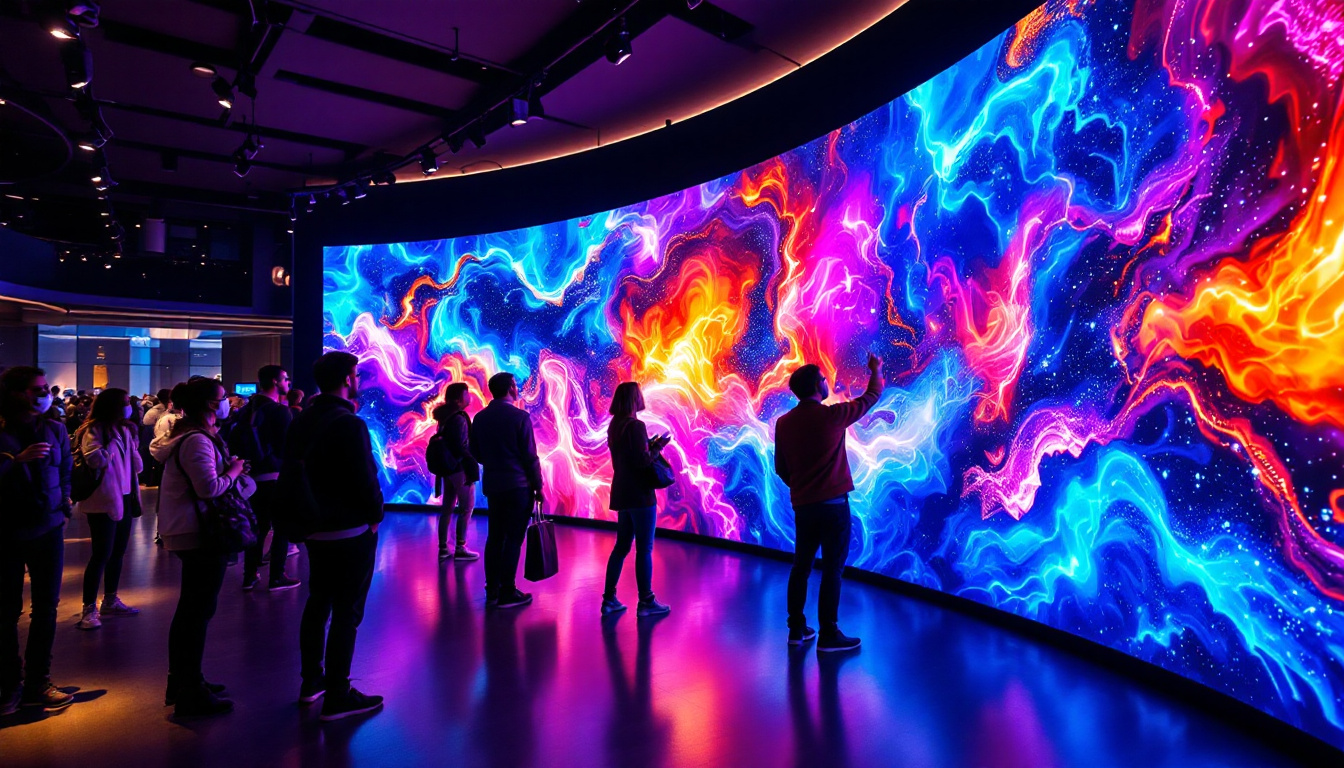
Located in downtown Las Vegas, the Fremont Street Experience is a pedestrian mall featuring a canopy LED display stretching 1,375 feet (419 meters) long and 90 feet (27 meters) wide. This canopy, known as Viva Vision, is one of the largest LED screens globally, boasting over 12.5 million LEDs. It delivers spectacular light shows and concerts, attracting millions of visitors annually.
The display operates at a brightness of 550 nits and offers a resolution of 14 million pixels. Its curved design and immersive canopy structure make it a unique example of large-scale LED technology used for entertainment and tourism enhancement.
2. The Dubai Mall LED Waterfall
While not a traditional flat screen, the LED waterfall at Dubai Mall integrates thousands of LEDs into a cascading water feature, creating a mesmerizing visual effect. The installation measures approximately 82 feet (25 meters) in height and 82 feet in width, making it one of the largest LED-integrated water displays.
This innovative use of LED technology demonstrates the flexibility of LEDs beyond conventional screens, combining art, architecture, and technology to create an immersive experience.
3. The Abraj Al Bait Clock Tower, Mecca
The Abraj Al Bait Clock Tower in Saudi Arabia features the world’s largest clock face, illuminated by an LED display system. Each clock face measures 141 feet (43 meters) in diameter and is equipped with over 2 million LED lights, visible from over 17 miles away. This display not only serves a practical purpose but also symbolizes technological advancement in a religious and cultural landmark.
4. The New York Times Square LED Screens
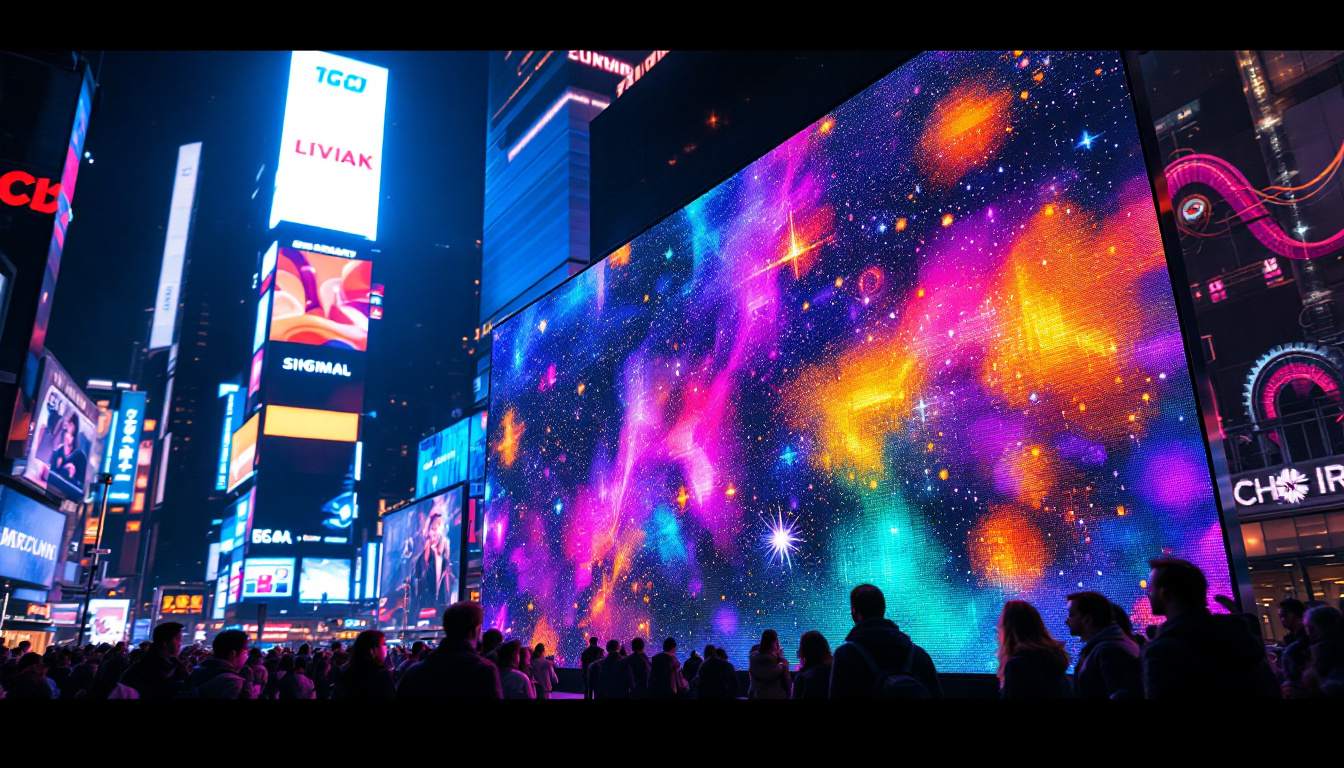
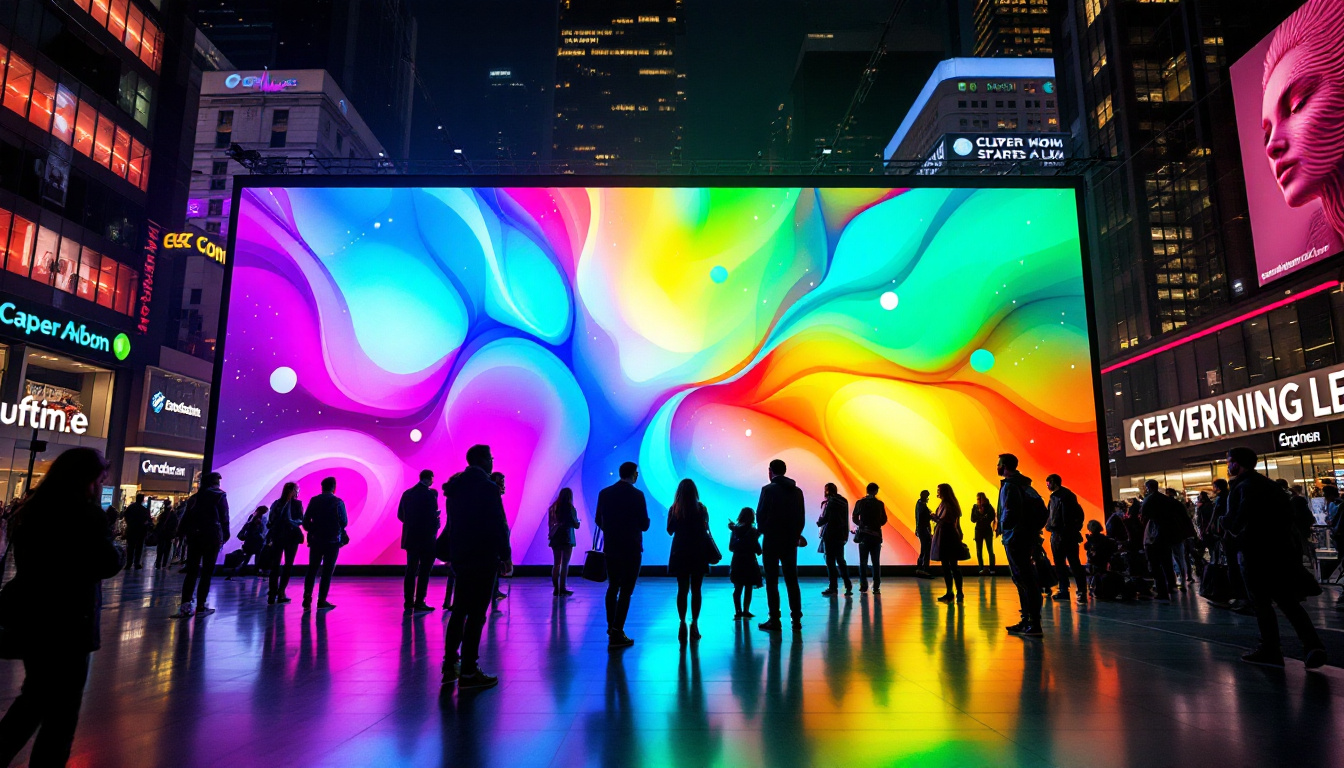
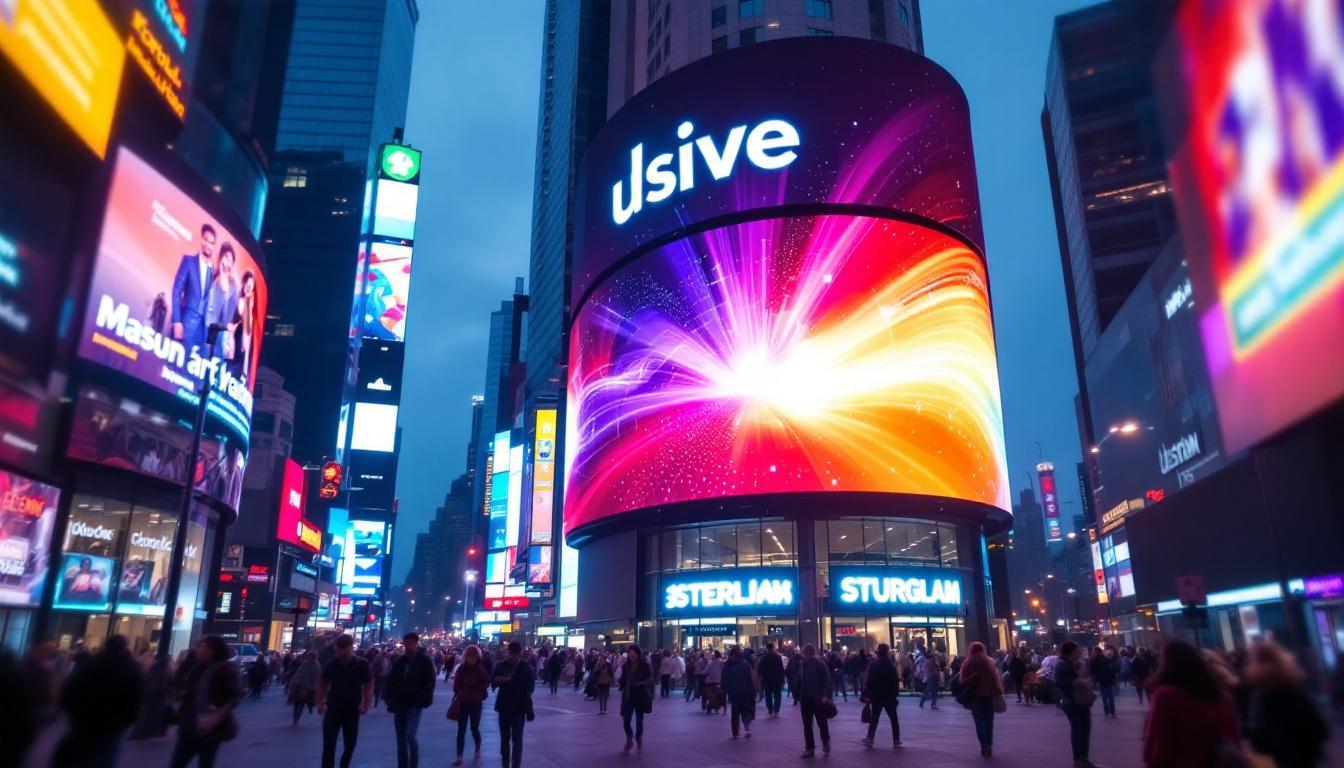
Times Square in New York City is synonymous with gigantic LED billboards. The area hosts dozens of LED screens, some towering over 100 feet tall and covering entire building facades. For example, the Reuters building features a 120-foot-wide LED news ticker that wraps around the structure, delivering real-time news and advertisements.
These displays are designed to capture the attention of millions of daily visitors and are a testament to the power of LED technology in urban advertising and media.
5. The Samsung “The Wall” MicroLED Display
Samsung’s “The Wall” represents a new frontier in large-scale LED displays. Utilizing MicroLED technology, which features microscopic LEDs as individual pixels, The Wall can be configured to enormous sizes with ultra-high resolutions. The largest commercial installation exceeds 292 inches diagonally (over 24 feet) with 8K resolution.
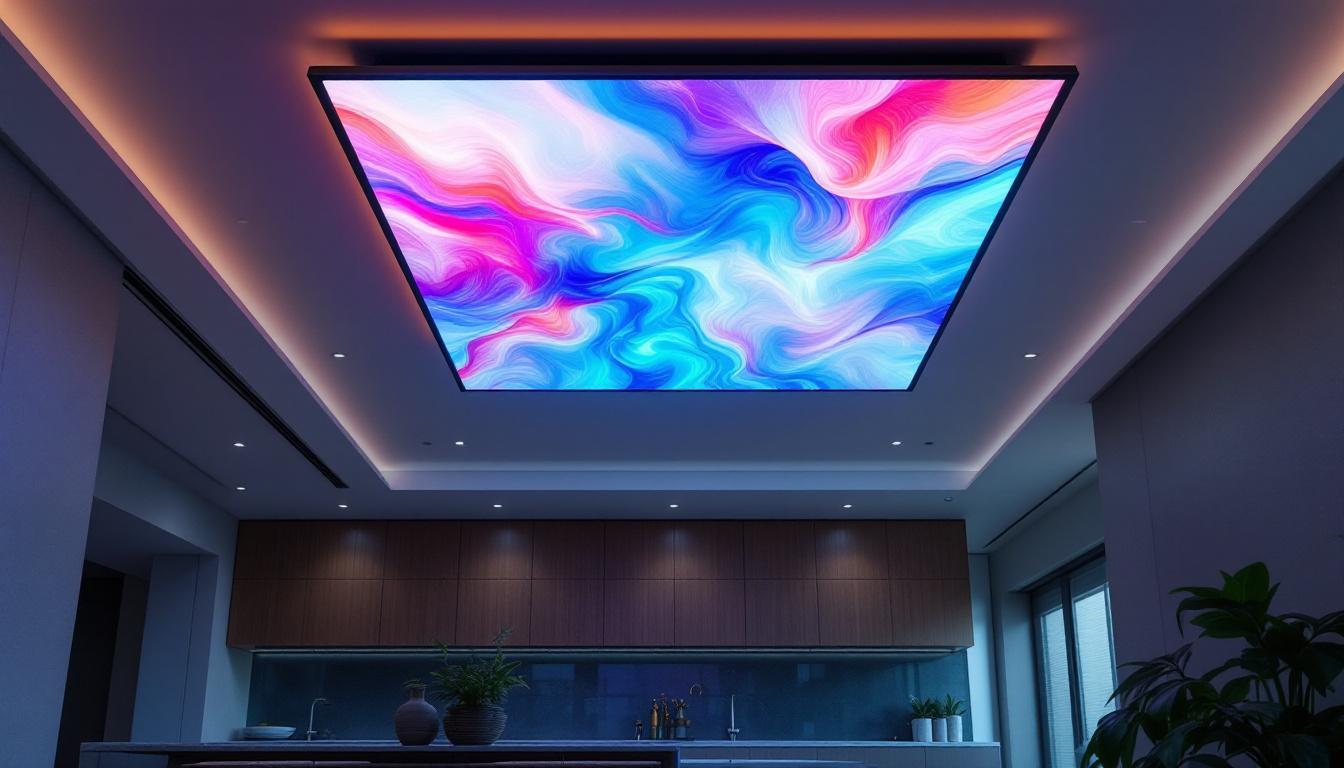
While not the largest in sheer physical dimensions compared to outdoor billboards, The Wall’s pixel density and image quality set new standards for indoor LED displays, especially in luxury homes, corporate lobbies, and broadcast studios.
Applications and Impact of Large LED Displays
The growth of large LED displays is driven by their versatility and impact across multiple industries. Understanding these applications helps explain why investments in large LED technology continue to rise globally.
Advertising and Marketing
Large LED screens have transformed outdoor advertising, enabling dynamic, eye-catching campaigns that can be updated in real-time. Unlike static billboards, LED displays allow advertisers to display multiple ads, animations, and interactive content, increasing engagement and return on investment.
According to a 2023 report by the Outdoor Advertising Association of America, digital out-of-home advertising, including LED displays, grew by over 15% year-over-year, reflecting the increasing demand for digital signage solutions.
Entertainment and Events
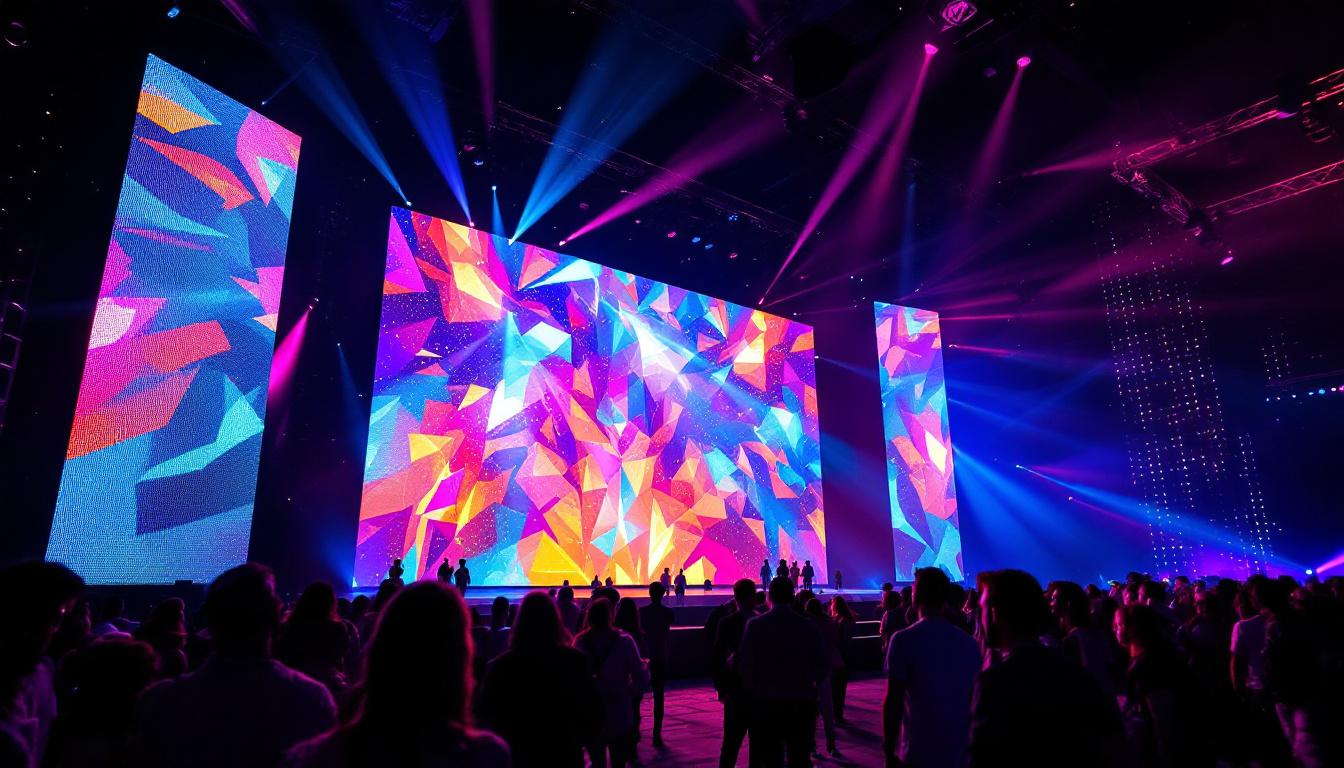
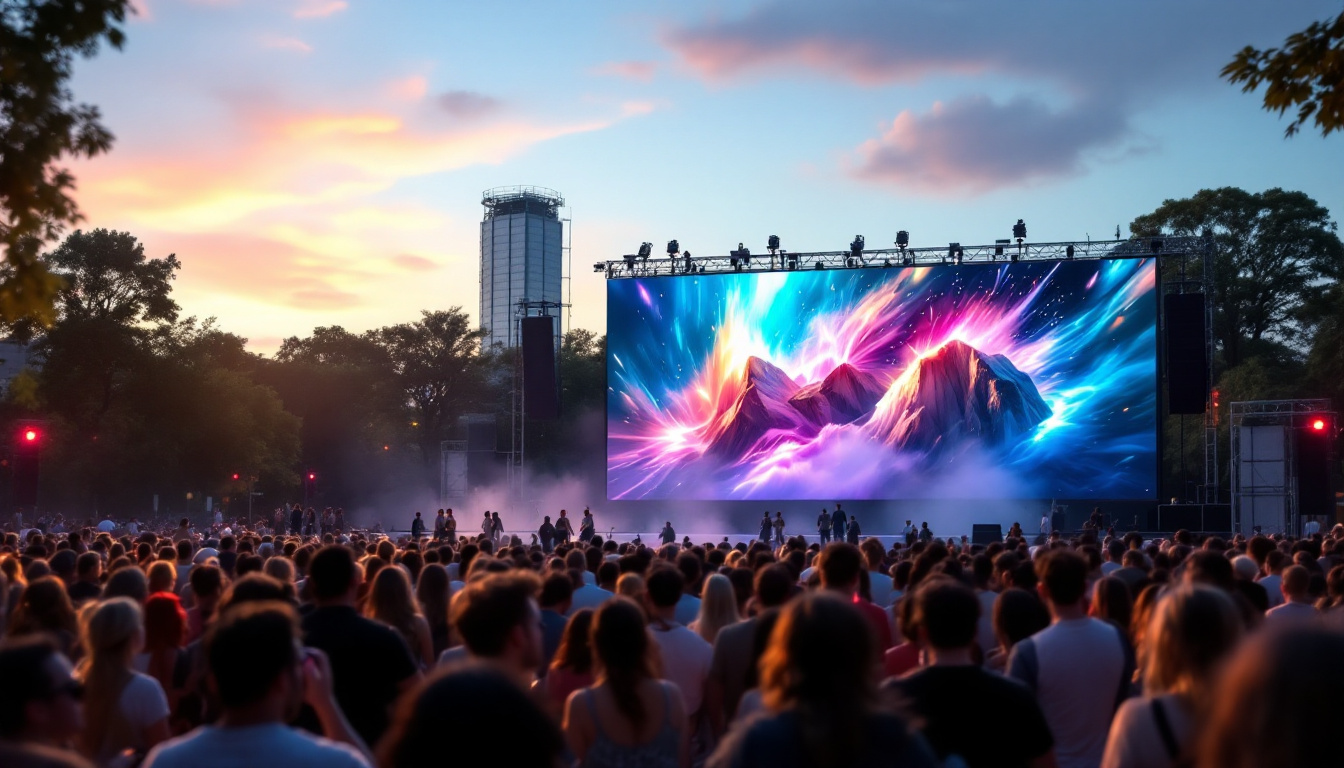
Concerts, sports events, and festivals rely heavily on large LED screens to enhance the audience experience. These displays provide live feeds, replays, and immersive visual effects that can be seen clearly from vast distances. For example, the LED screens at the Super Bowl stadiums often exceed 10,000 square feet, ensuring every spectator has a front-row view.
Public Information and Safety
Governments and municipalities use large LED displays to communicate important messages, traffic updates, and emergency alerts. Their high visibility and ability to display changing content make them invaluable tools during crises or public events.
Architectural and Artistic Installations
LED technology is increasingly integrated into building facades and public art. These installations can transform urban spaces, creating interactive experiences and enhancing city aesthetics. The use of LED displays in architecture also promotes sustainability by reducing the need for printed materials and enabling energy-efficient lighting.
Challenges and Future Trends in Large LED Displays
Despite their many advantages, large LED displays face challenges related to cost, maintenance, and environmental impact. However, ongoing innovations continue to address these issues, paving the way for even more impressive installations.
Cost and Installation Complexity
Building and maintaining large LED displays require significant investment. The cost includes not only the LED panels but also structural support, power supply, cooling systems, and content management software. Installation in challenging environments, such as high-rise buildings or outdoor settings, adds complexity.
However, as LED manufacturing scales and technology matures, prices have steadily decreased. Modular designs also simplify repairs and upgrades, reducing long-term costs.
Energy Consumption and Sustainability
While LEDs are energy-efficient compared to other lighting, extremely large displays consume substantial power. To mitigate environmental impact, many installations now incorporate solar power, energy-saving modes, and smart brightness controls that adjust based on ambient light.
Advancements in Resolution and Flexibility
Future trends include the adoption of MicroLED and MiniLED technologies, which offer higher resolution and better color accuracy. Flexible and transparent LED panels are expanding creative possibilities, enabling displays on curved surfaces, windows, and even clothing.
Integration with AI and Interactive Technologies
Artificial intelligence is beginning to play a role in content optimization, audience analytics, and interactive experiences on large LED displays. Gesture recognition, facial tracking, and real-time data integration are making these displays more engaging and personalized.
Conclusion
The world’s largest LED displays are more than just technological marvels—they are powerful communication tools that shape how people experience public spaces, entertainment, and advertising. From the dazzling canopy of the Fremont Street Experience to the monumental clock faces of the Abraj Al Bait Tower, these installations demonstrate the versatility and impact of LED technology.
As LED technology continues to evolve, with improvements in resolution, energy efficiency, and interactivity, the future promises even more spectacular and immersive displays. Whether for marketing, entertainment, or public information, large LED screens are set to remain at the forefront of visual communication in the digital age.
Discover the Future of LED Displays with LumenMatrix
Ready to elevate your visual communication strategy with the most advanced LED display technology? LumenMatrix is at the forefront of creating immersive and dynamic visual experiences that captivate and engage. From vibrant Indoor and Outdoor LED Wall Displays to innovative solutions like Vehicle LED Displays, LED Posters, and even Custom LED Displays tailored to your unique needs, LumenMatrix is your partner in revolutionizing how your brand connects with audiences. Don’t just take our word for it; check out LumenMatrix LED Display Solutions today and see how we can help transform your space into a beacon of digital innovation.