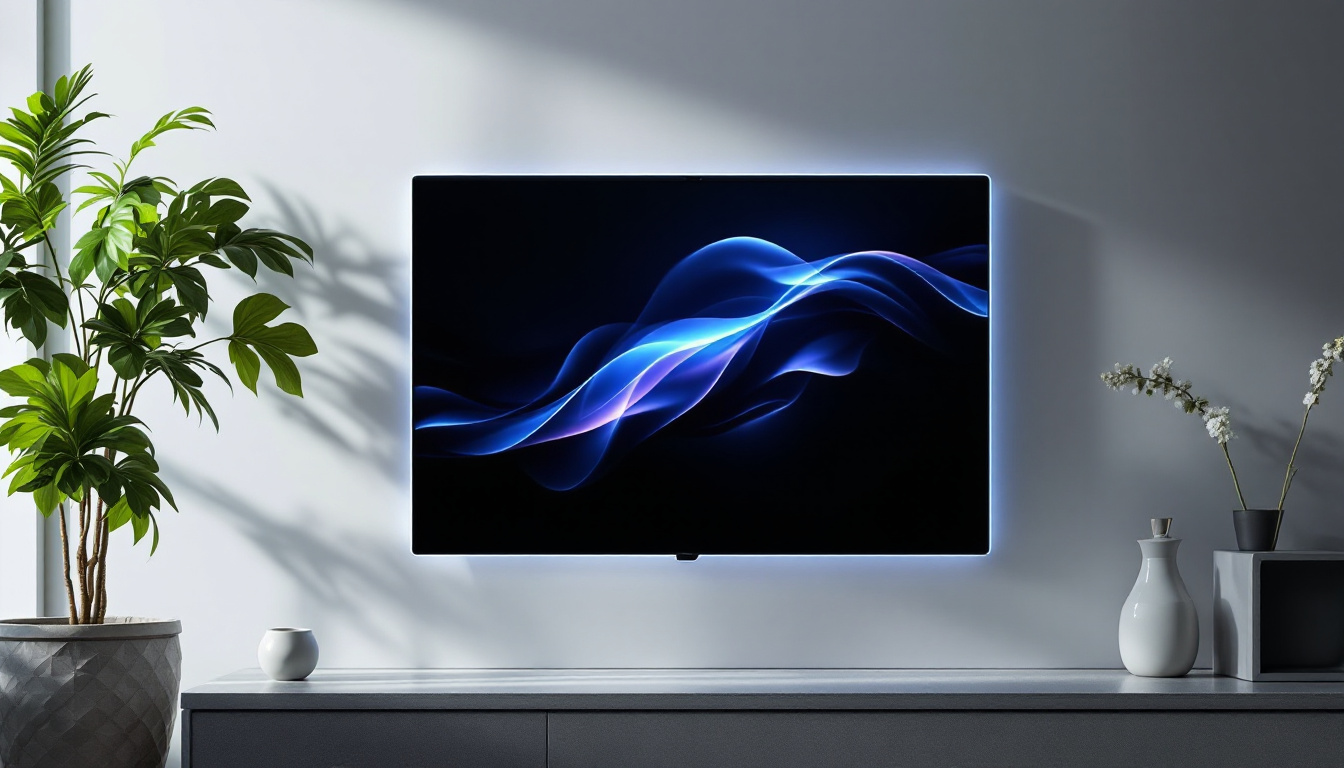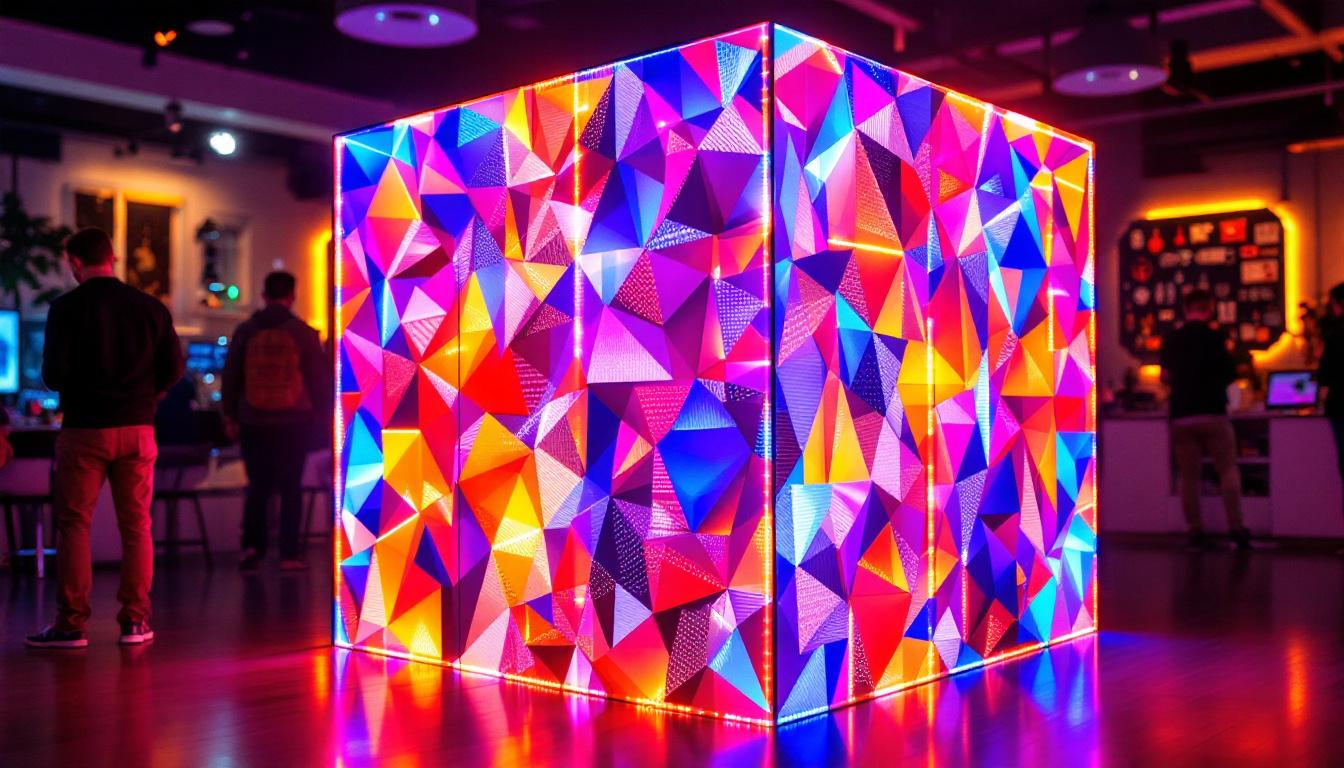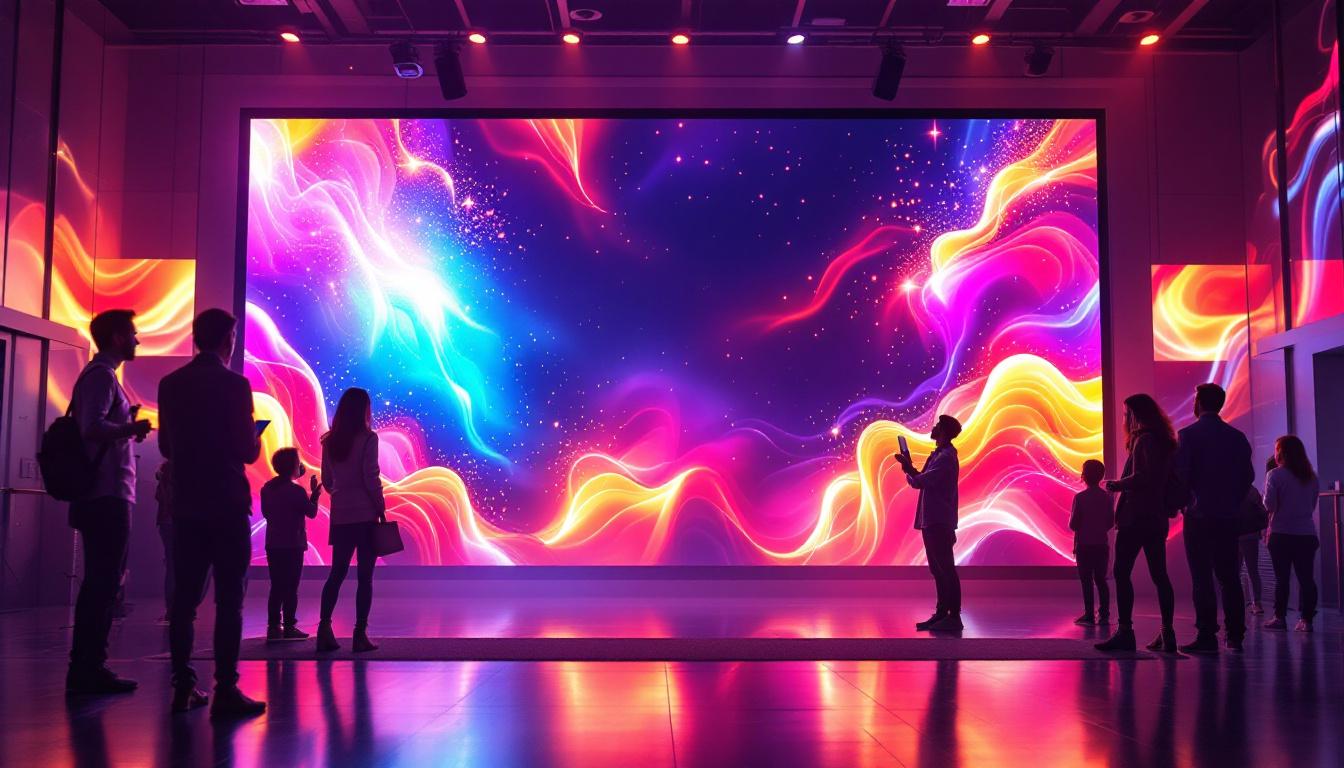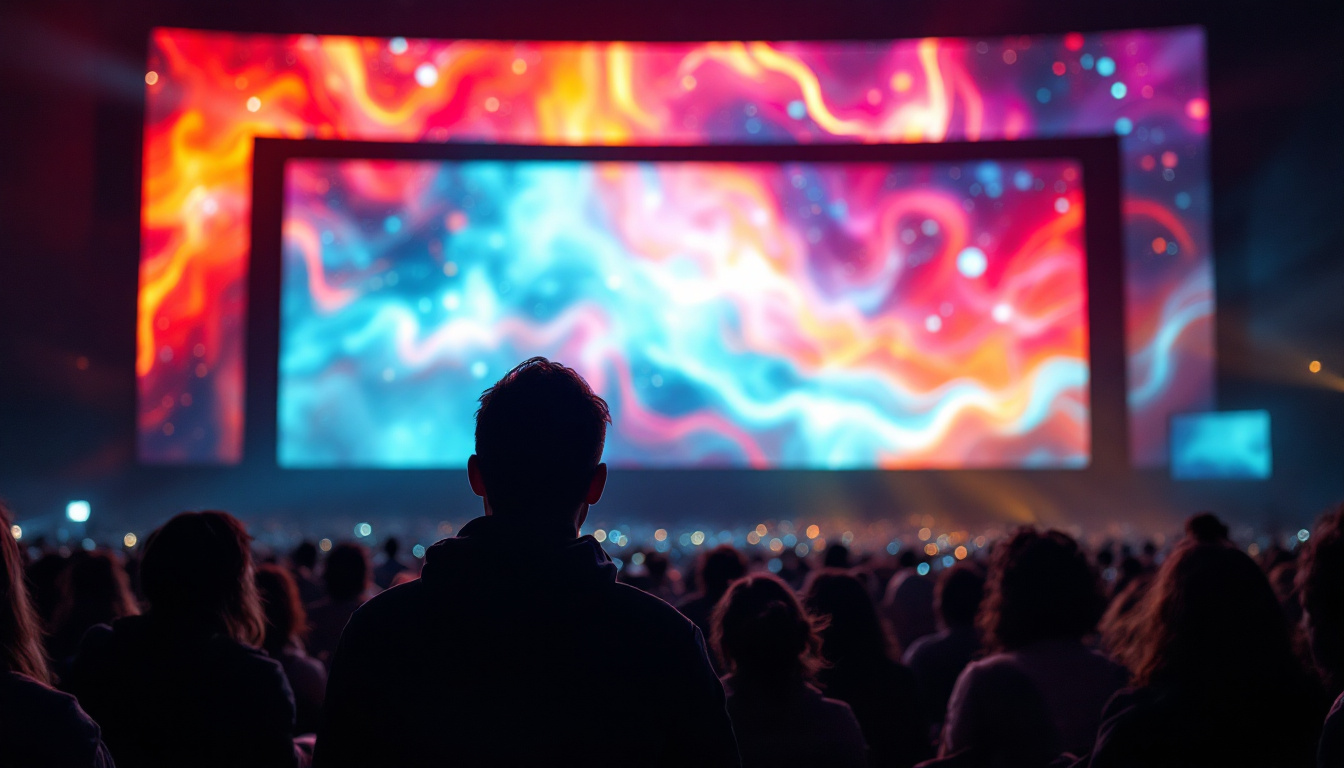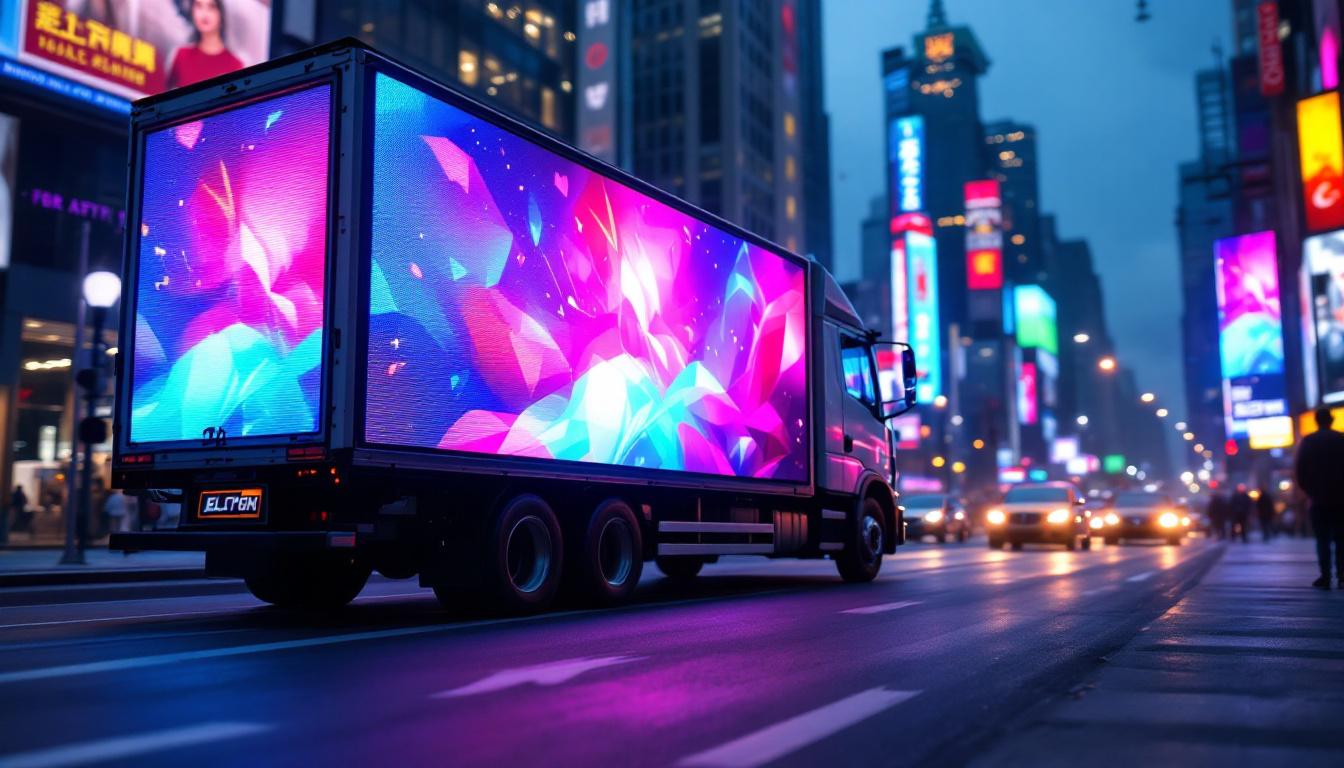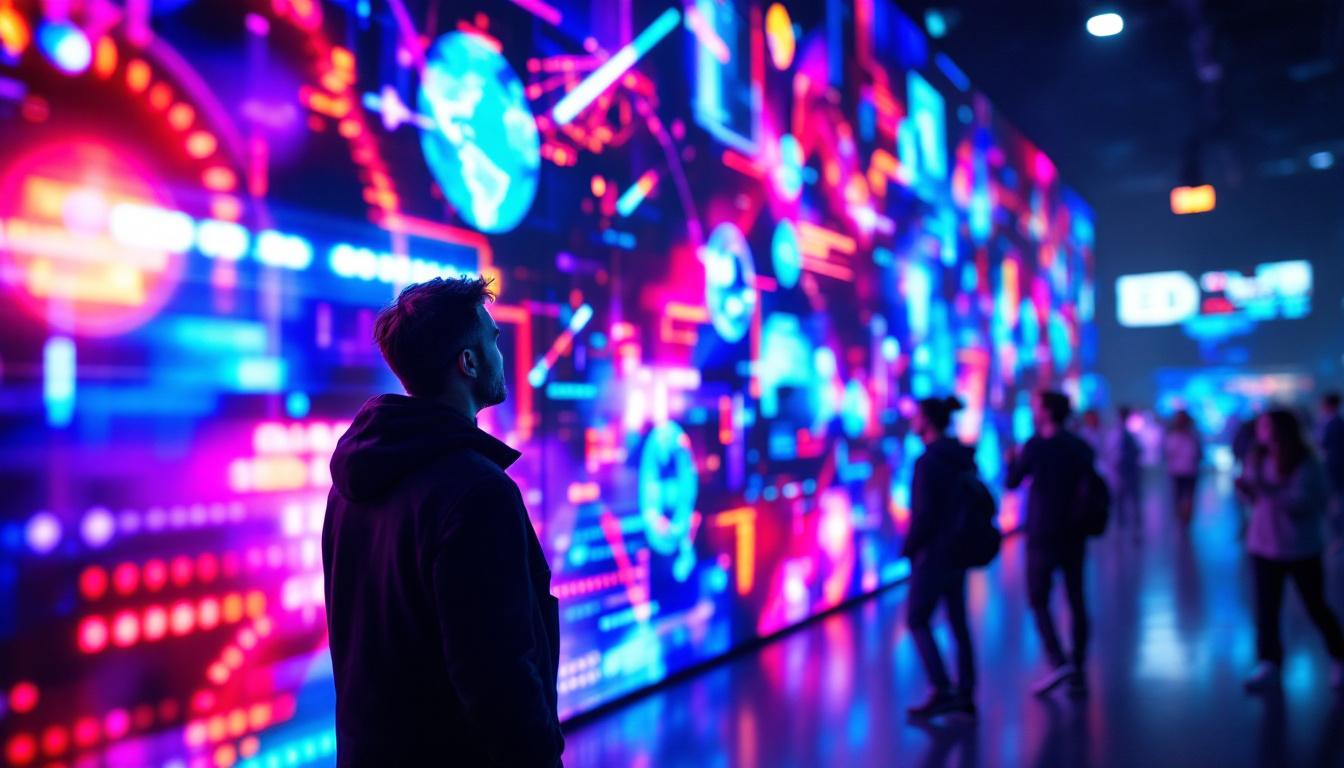
In the evolving world of digital displays, flexible LED matrices have emerged as a groundbreaking technology, revolutionizing how information and visuals are presented. From advertising billboards to wearable tech, these displays offer versatility and dynamic visual appeal that traditional rigid screens cannot match. This article delves into the fundamentals of flexible LED matrices, exploring their structure, applications, advantages, and future potential.
Understanding Flexible LED Matrices
At its core, a flexible LED matrix is a grid of light-emitting diodes (LEDs) arranged on a bendable substrate. Unlike conventional LED panels mounted on rigid boards, flexible LED matrices can curve, fold, and conform to various shapes and surfaces. This adaptability opens new possibilities for creative display designs and practical applications. From advertising billboards that wrap around buildings to intricate art installations that flow with the contours of a space, the potential for innovation is vast and exciting.
What Constitutes a Flexible LED Matrix?
A typical flexible LED matrix consists of three primary components: the LEDs themselves, the flexible circuit board, and the driver electronics. The LEDs are tiny semiconductor devices that emit light when an electric current passes through them. These are mounted on a flexible printed circuit board (FPCB), usually made from polyimide or similar materials that maintain electrical integrity while allowing bending. This combination of materials not only ensures durability but also enhances the matrix’s ability to withstand environmental factors, making it suitable for both indoor and outdoor applications.
The driver electronics control the illumination of each LED, enabling the display to show images, text, or animations. Advances in miniaturization and flexible electronics have made it possible to integrate these drivers into thin, bendable modules, maintaining high resolution and brightness even when the display is curved. Furthermore, the integration of smart technology into these driver systems allows for dynamic content management, enabling real-time updates and interactivity that can engage viewers in new and exciting ways.
Technical Specifications and Variations
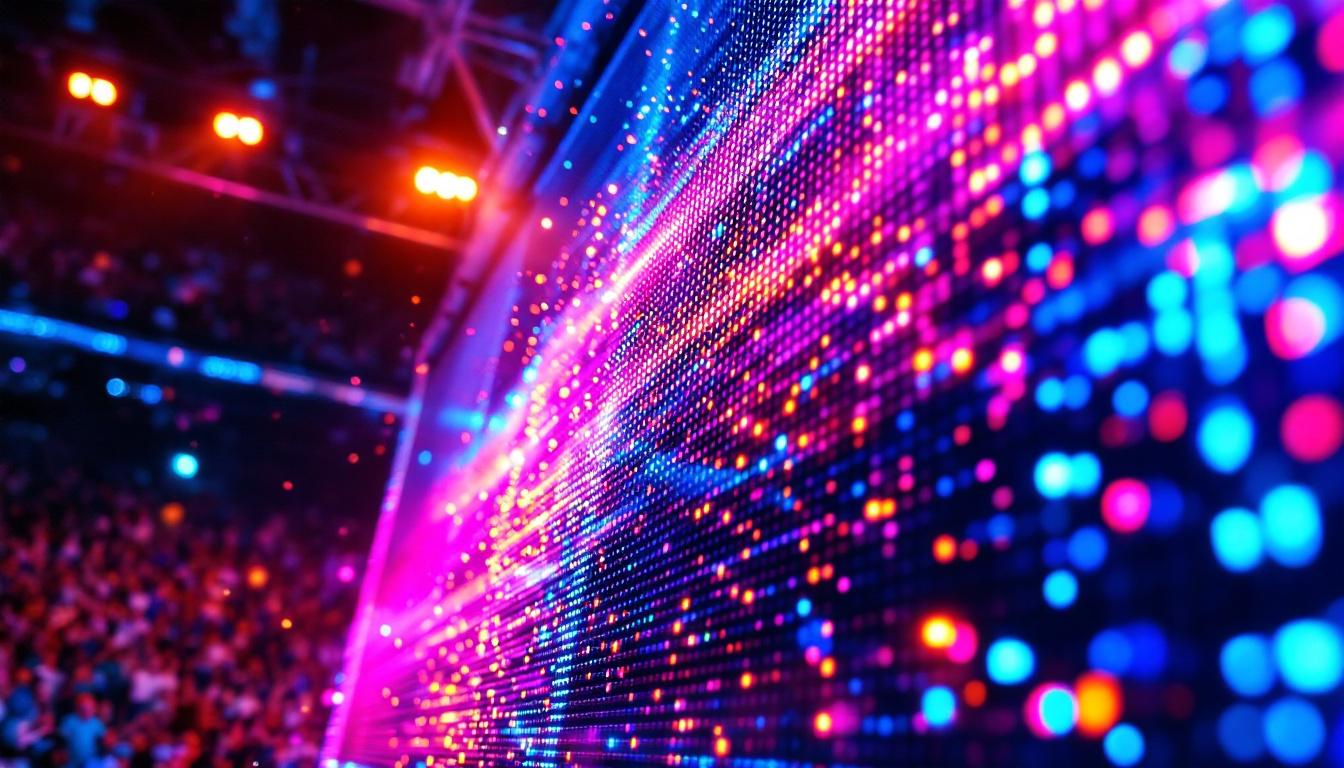
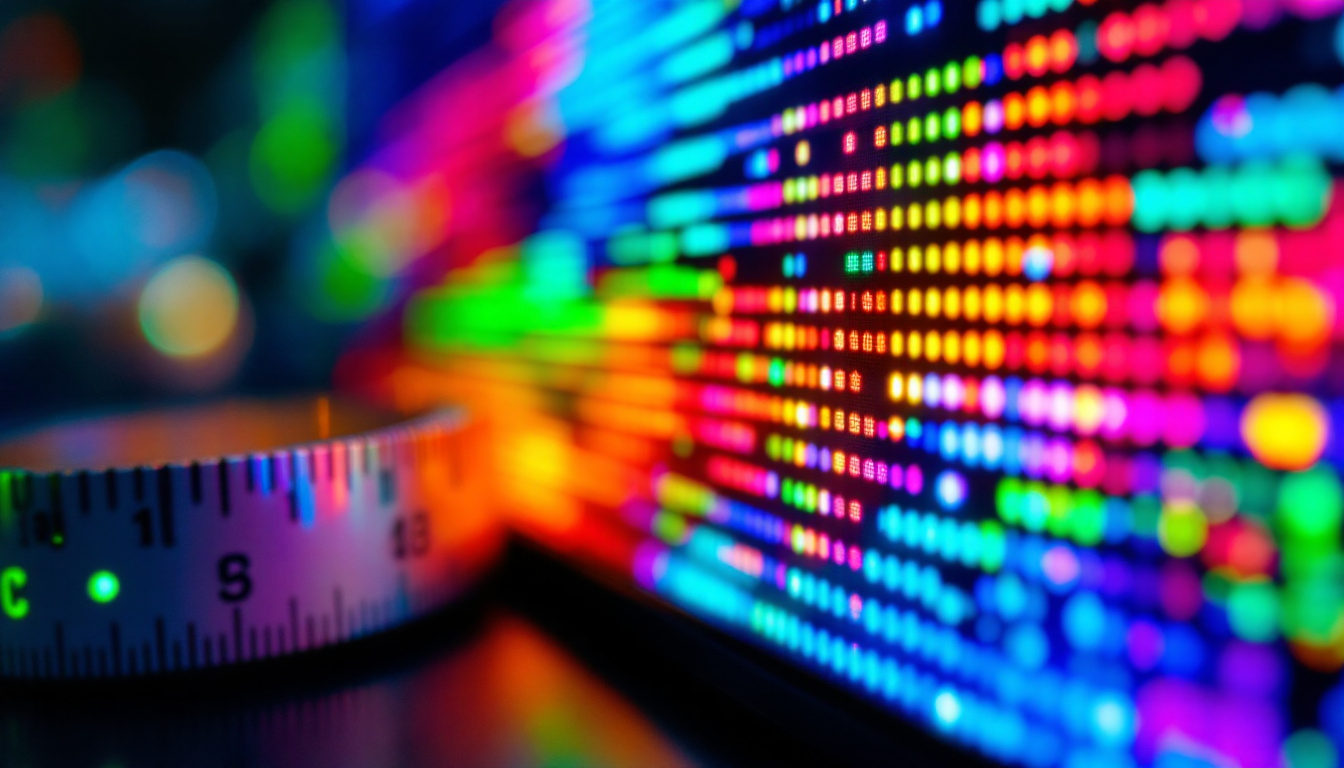
Flexible LED matrices vary widely in pixel pitch, resolution, brightness, and color capabilities. Pixel pitch—the distance between the centers of two adjacent LEDs—directly influences the display’s resolution and viewing distance. For example, a 2.5mm pixel pitch offers high resolution suitable for close viewing, while a 10mm pitch is better for large, distant displays. This flexibility in design allows creators to choose the right specifications based on the intended use, whether it’s for a concert backdrop or a large-scale advertising display.
Color configurations range from monochrome (single color) to full RGB (red, green, blue) LEDs, enabling millions of colors and vibrant visuals. Additionally, some flexible LED matrices incorporate surface-mounted device (SMD) LEDs, which are compact and provide excellent brightness and color uniformity. The advancements in color technology also include features like pixel-level brightness adjustment and color calibration, ensuring that displays maintain their visual integrity across various lighting conditions. As a result, flexible LED matrices are becoming increasingly popular in environments where visual impact is paramount, such as museums, retail spaces, and live events, where they can transform ordinary settings into immersive experiences.
Applications of Flexible LED Matrices
The unique properties of flexible LED matrices have led to their adoption across diverse industries. Their ability to conform to curved surfaces and lightweight design make them ideal for innovative display solutions.
Advertising and Retail Displays
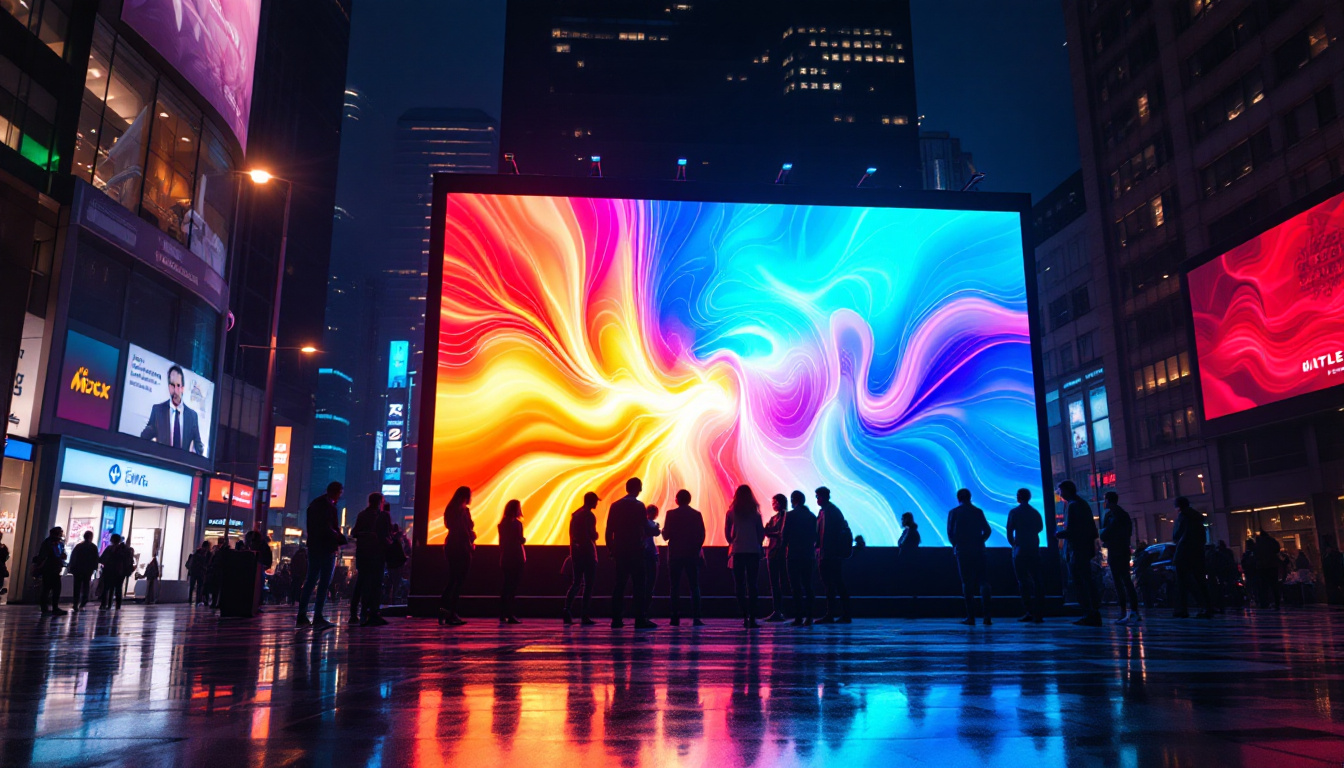
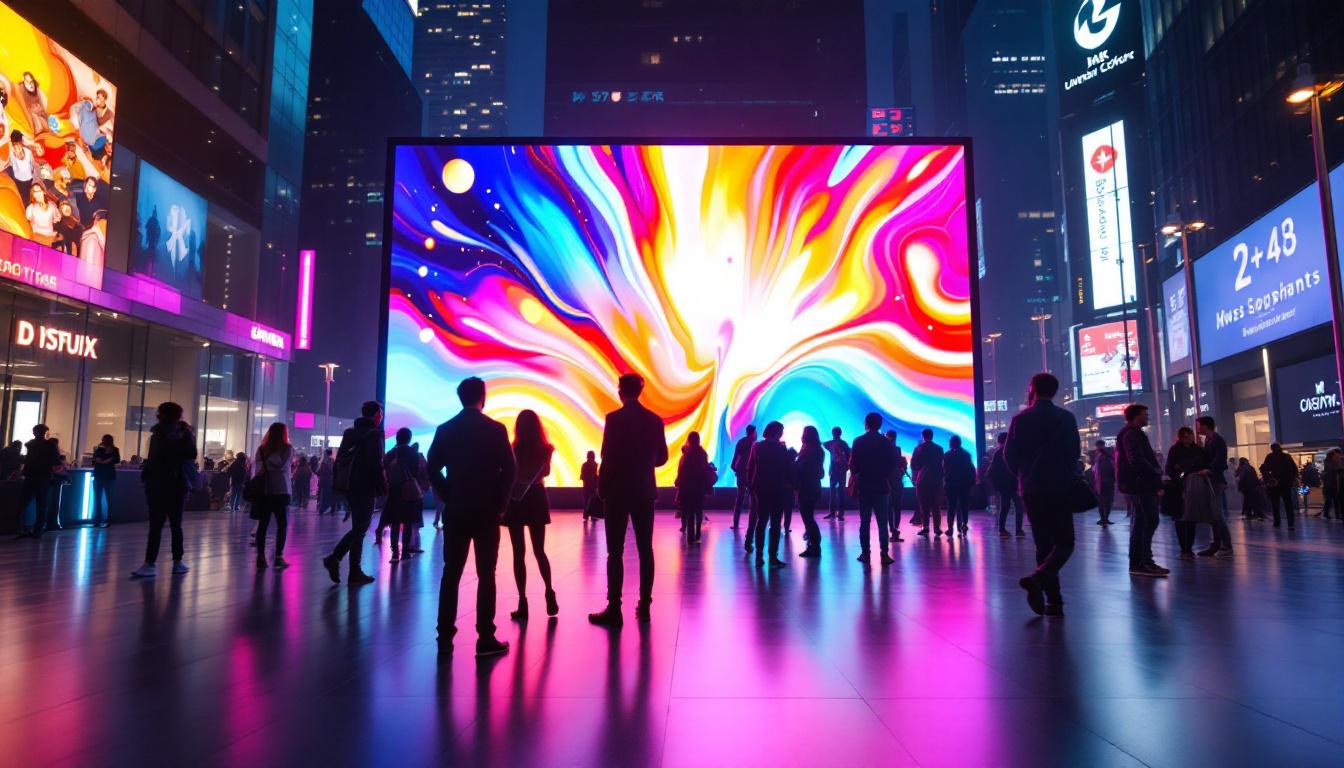
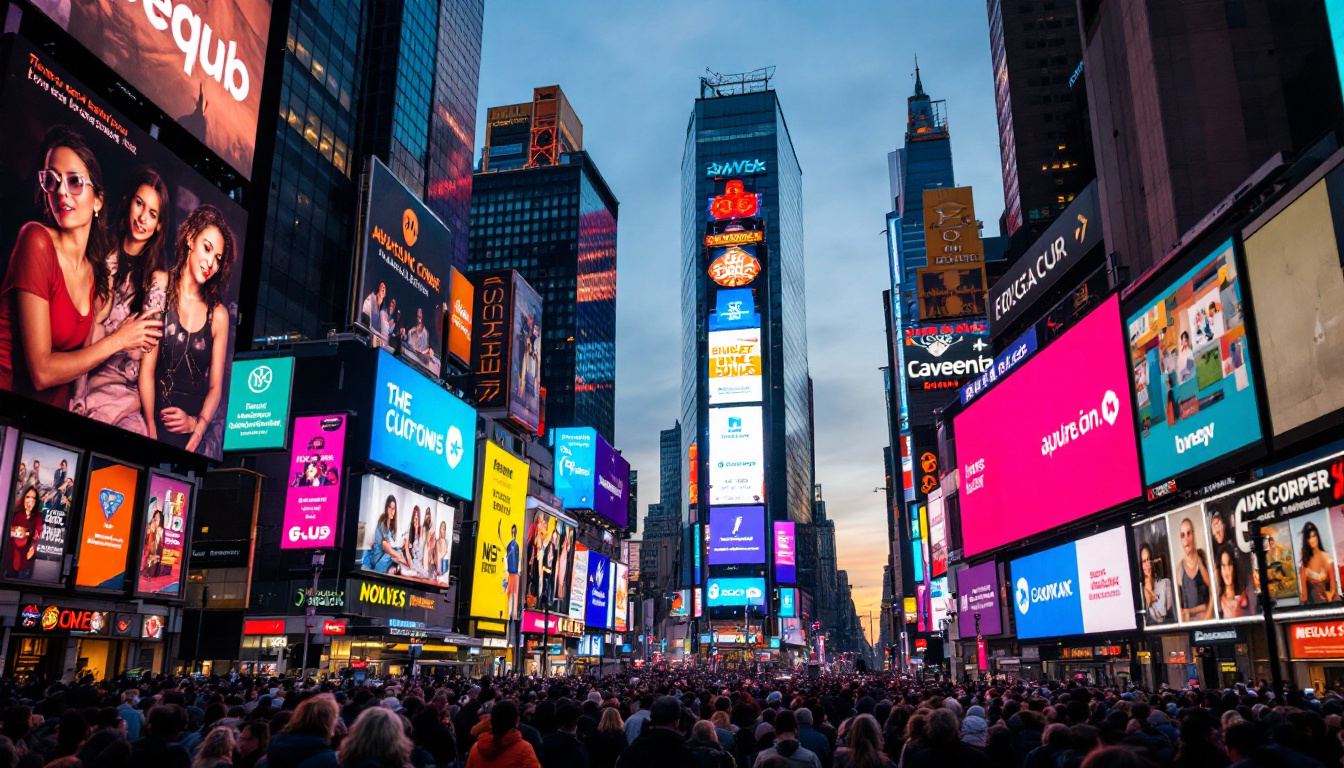
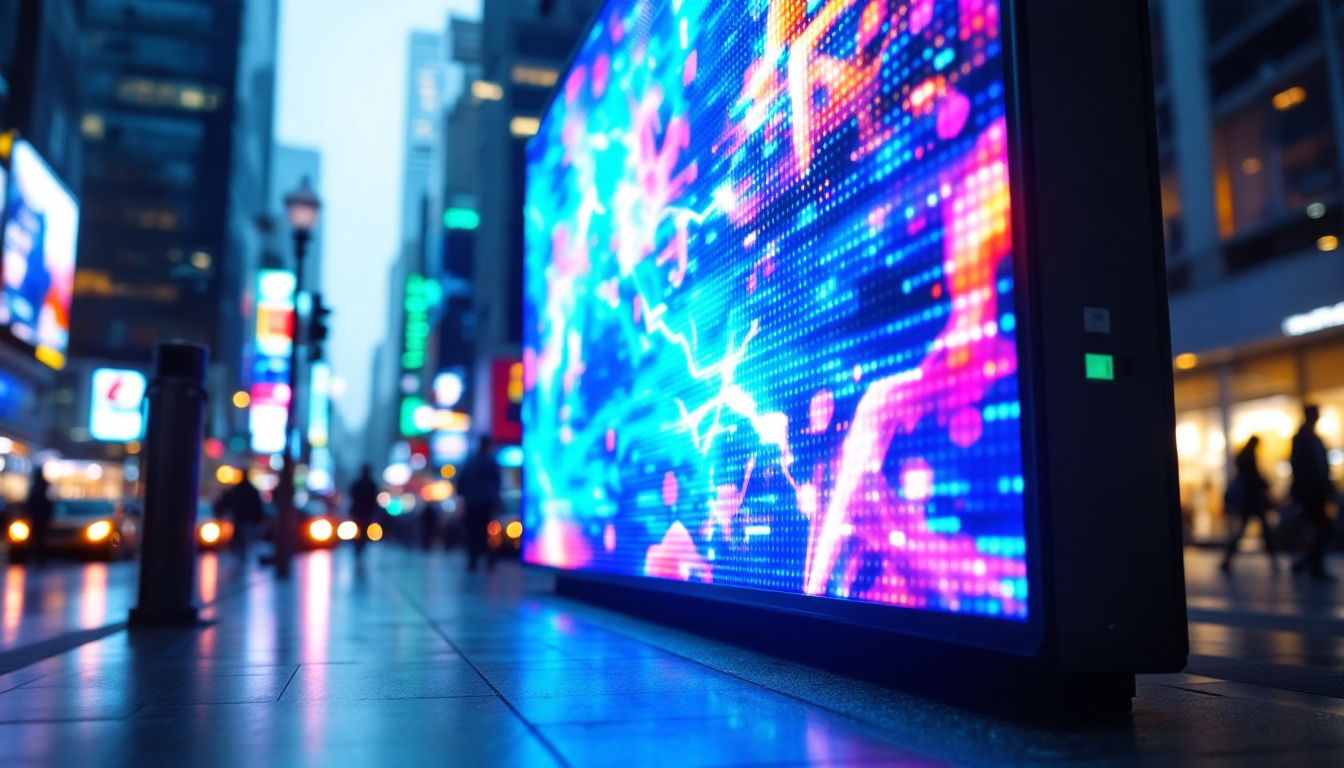
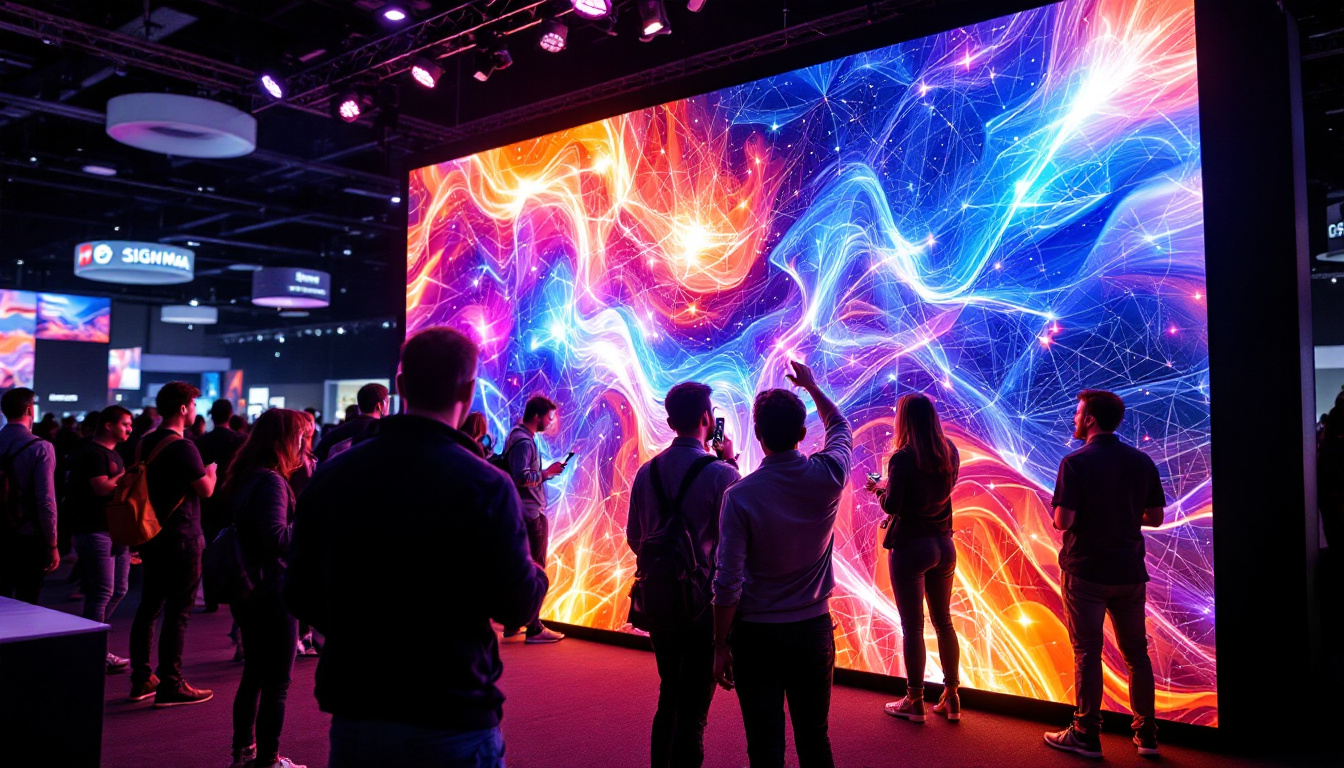
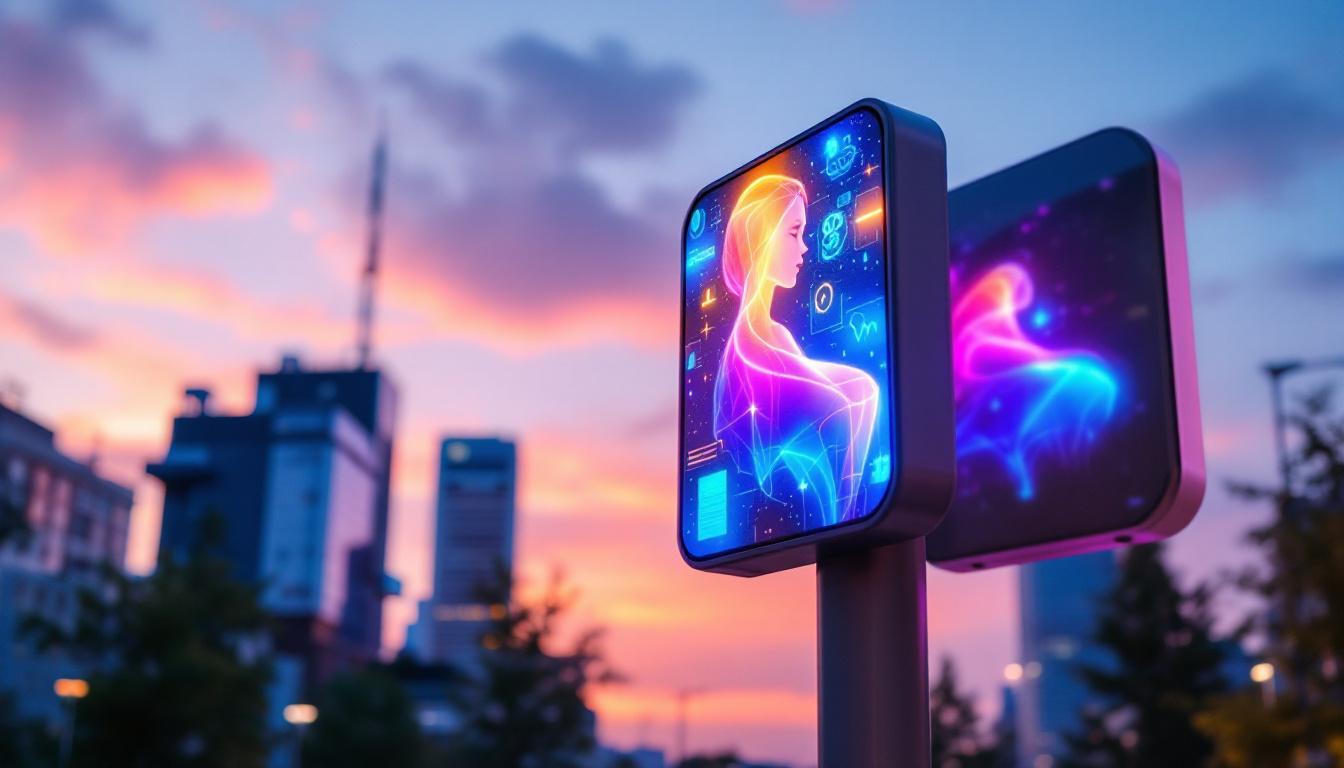
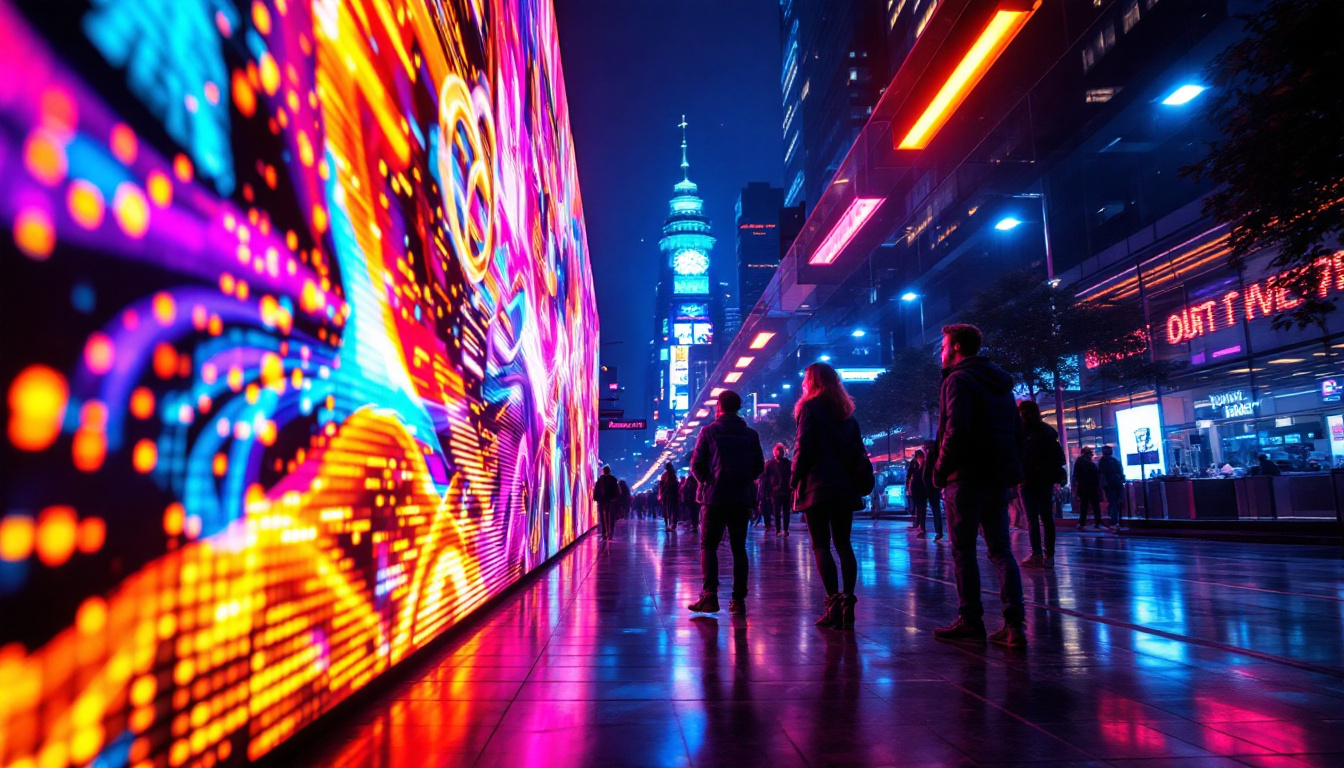
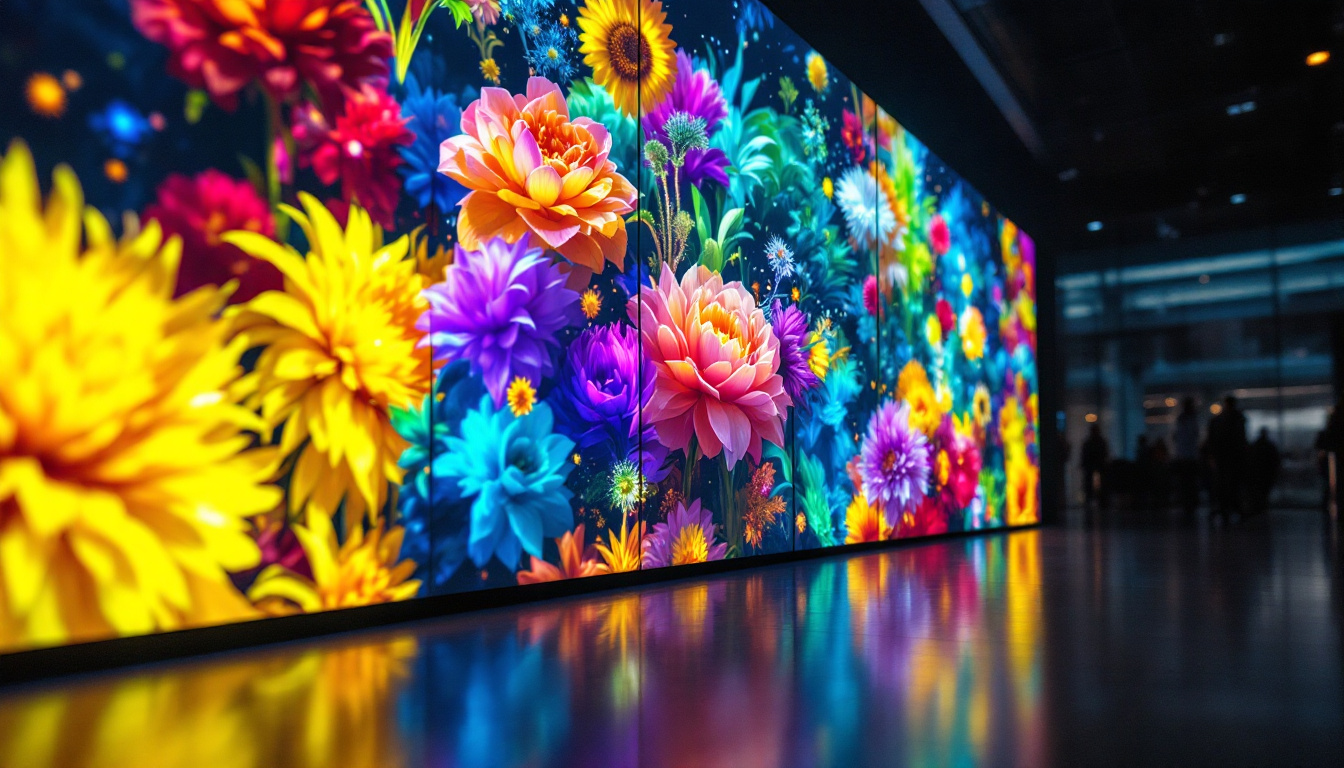
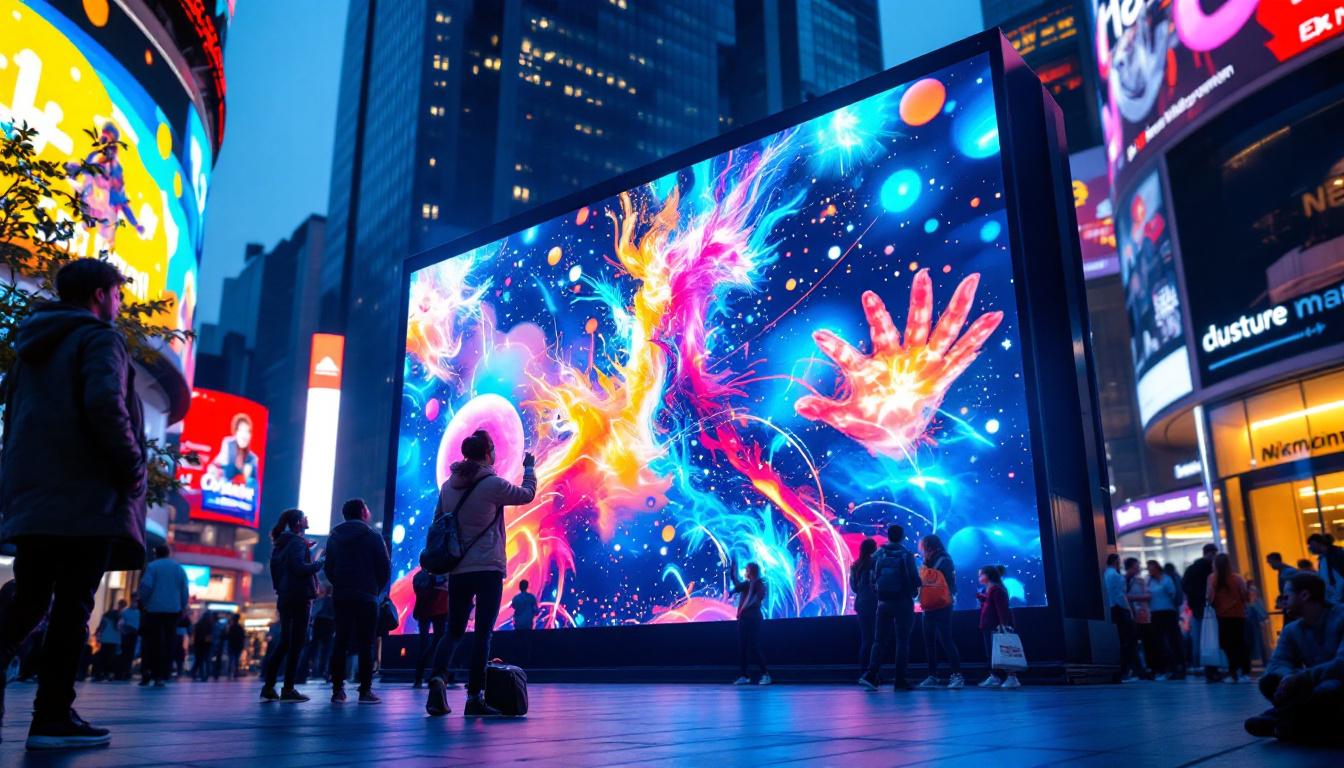
One of the most prominent uses of flexible LED matrices is in advertising. Retailers and marketers leverage these displays to create eye-catching, dynamic signage that wraps around columns, curves along walls, or even forms 3D shapes. This flexibility allows brands to capture consumer attention in ways that static billboards cannot.
For instance, shopping malls often use flexible LED strips to highlight promotional offers on curved escalator rails or storefronts. The immersive visual experience can increase customer engagement and drive sales.
Wearable Technology and Fashion
Flexible LED matrices have found a niche in wearable technology, where traditional rigid displays are impractical. Designers integrate these matrices into clothing, accessories, and even footwear to create garments that light up or change patterns dynamically.
Beyond aesthetics, these wearable displays can serve functional purposes, such as displaying notifications, health data, or safety signals for cyclists and runners. The combination of flexibility and lightweight construction ensures comfort and durability in everyday use.
Architectural and Interior Design
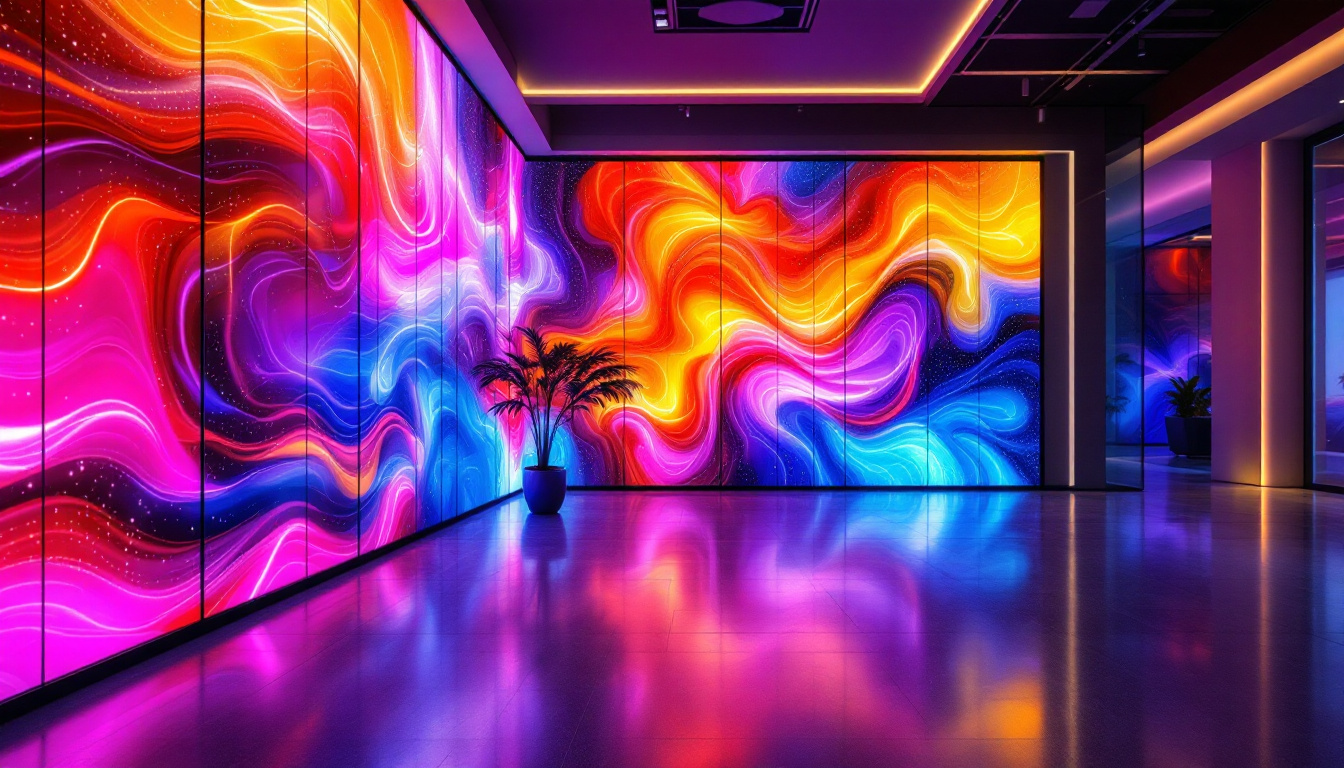
Architects and interior designers utilize flexible LED matrices to enhance spaces with ambient lighting and interactive installations. Curved walls, ceilings, and furniture can be outfitted with these displays to create immersive environments that respond to movement, sound, or time of day.
For example, luxury hotels and modern office spaces often incorporate flexible LED panels into their design schemes to provide dynamic branding or mood lighting that adapts to different events and atmospheres.
Automotive and Transportation Displays
In automotive design, flexible LED matrices enable innovative dashboard displays, ambient lighting, and exterior signage that conform to the vehicle’s contours. This flexibility allows for seamless integration into curved surfaces, enhancing both aesthetics and functionality.
Public transportation systems also benefit from flexible LED displays for route information, safety messages, and advertising on buses, trains, and stations, where irregular surfaces and limited space pose challenges for traditional screens.
Advantages of Flexible LED Matrices Over Traditional Displays
Flexible LED matrices offer several key benefits that make them an attractive alternative to conventional rigid LED panels and LCD screens.
Design Versatility and Customization
Perhaps the most significant advantage is their ability to bend and conform to various shapes. This characteristic allows designers and engineers to create displays that seamlessly integrate with the physical environment, whether wrapping around pillars, forming curved video walls, or fitting into wearable devices.
Such versatility expands creative possibilities and enables customized solutions tailored to specific spatial and aesthetic requirements.
Durability and Lightweight Construction
Flexible LED matrices are generally lighter than traditional LED panels due to the use of thin substrates and compact components. This reduction in weight simplifies installation and reduces structural load, especially important in architectural and wearable applications.
Additionally, many flexible LED displays are designed to withstand bending cycles, vibrations, and environmental factors, enhancing their durability in dynamic settings.
Energy Efficiency and Brightness
LED technology is inherently energy-efficient compared to older display technologies like incandescent or fluorescent lighting. Flexible LED matrices maintain this efficiency while delivering high brightness levels suitable for both indoor and outdoor use.
Advancements in LED materials and driver circuits have further improved power consumption and brightness uniformity, ensuring vivid visuals without excessive energy costs.
Seamless Integration with Modern Electronics
Modern flexible LED matrices are compatible with a wide range of control systems, including wireless connectivity and programmable interfaces. This compatibility allows for real-time content updates, interactive displays, and synchronization with other digital systems.
Such integration is crucial for applications like digital signage, smart clothing, and responsive architectural lighting, where dynamic content and user interaction are essential.
Challenges and Considerations in Using Flexible LED Matrices
Despite their advantages, flexible LED matrices come with certain challenges that designers and users must consider to ensure optimal performance and longevity.
Cost and Manufacturing Complexity
Flexible LED matrices often involve more complex manufacturing processes than rigid displays. The materials used, such as flexible substrates and miniaturized driver components, can increase production costs.
While prices have decreased over the years due to technological advancements and economies of scale, flexible LED displays typically remain more expensive than their rigid counterparts, especially for high-resolution or large-area applications.
Durability Under Repeated Flexing
Although designed to bend, flexible LED matrices have limits to how much and how often they can flex without damage. Excessive or sharp bending can cause micro-cracks in the circuitry or damage to the LEDs themselves.
Proper handling, installation, and design considerations—such as minimum bend radius and protective coatings—are essential to prolong the lifespan of these displays.
Heat Dissipation and Environmental Factors
LEDs generate heat during operation, and flexible substrates typically have lower thermal conductivity than rigid boards. This difference can lead to heat buildup, which may affect performance and longevity if not managed properly.
Manufacturers often incorporate heat dissipation solutions such as thermal pads, conductive layers, or external cooling systems to mitigate this issue. Additionally, environmental exposure to moisture, dust, and UV light must be considered to prevent degradation.
The Future of Flexible LED Matrices
As technology continues to advance, flexible LED matrices are poised to become even more integral to digital display solutions across industries.
Emerging Technologies and Innovations
Research into organic LEDs (OLEDs) and micro-LEDs is pushing the boundaries of flexible display technology. These emerging technologies promise even thinner, more energy-efficient, and higher-resolution flexible displays with improved color accuracy and contrast.
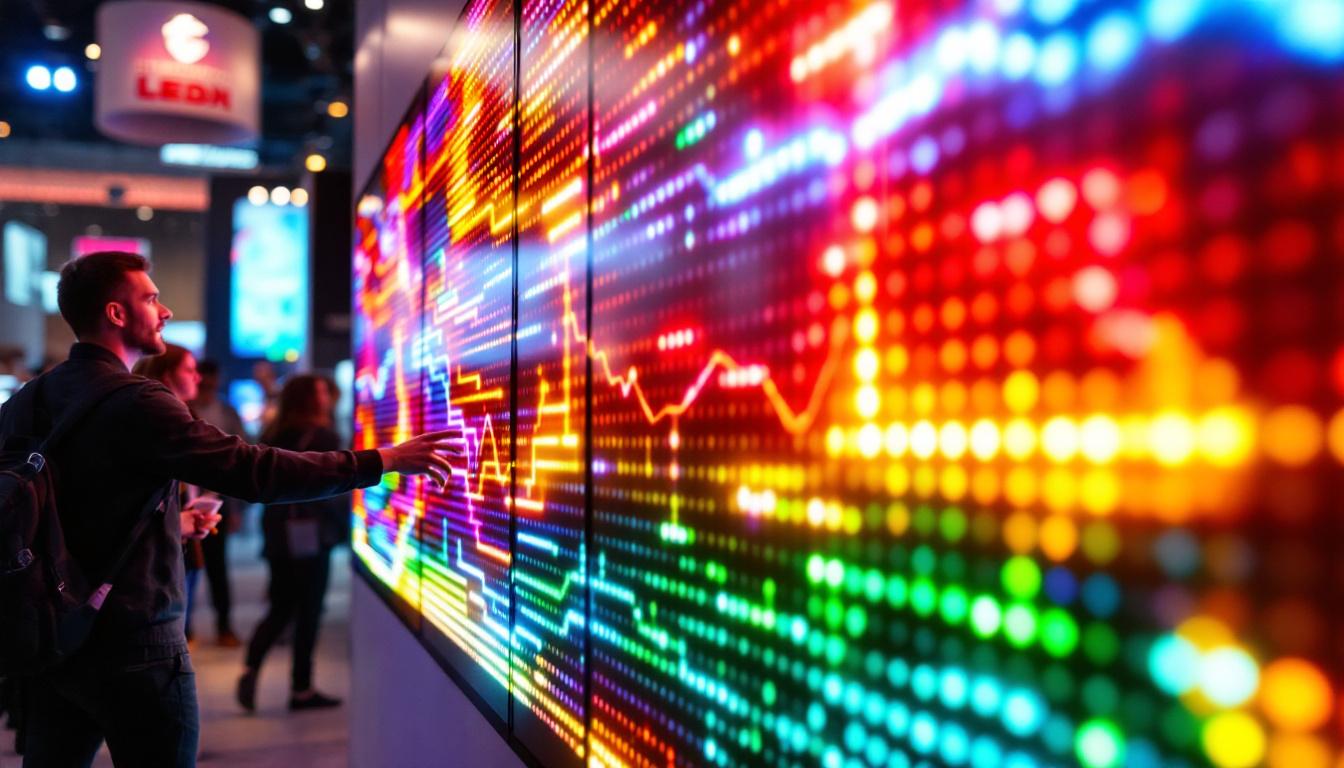
Integration with sensors and smart systems will enable flexible LED matrices to become interactive surfaces capable of responding to touch, gestures, or environmental changes, opening new avenues in user experience design.
Expanding Market Adoption
Market analysts predict significant growth in the flexible display sector, driven by demand in wearable electronics, automotive interiors, healthcare devices, and smart environments. According to recent industry reports, the flexible display market is expected to grow at a compound annual growth rate (CAGR) exceeding 20% over the next five years.
This growth reflects increasing consumer interest in innovative, customizable, and immersive display technologies that enhance everyday life and business operations.
Sustainability and Environmental Impact
As flexible LED matrices become more widespread, attention to sustainability is growing. Manufacturers are exploring eco-friendly materials, recyclable components, and energy-efficient production methods to reduce environmental impact.
Additionally, the long lifespan and low power consumption of LED technology contribute to greener digital display solutions compared to traditional lighting and display systems.
Conclusion
Flexible LED matrices represent a transformative advancement in display technology, offering unparalleled design flexibility, vibrant visuals, and energy efficiency. Their applications span advertising, fashion, architecture, automotive, and beyond, enabling innovative solutions that were previously unattainable with rigid displays.
While challenges such as cost and durability remain, ongoing technological progress and growing market demand ensure that flexible LED matrices will continue to evolve and expand their impact. For businesses and designers seeking to push the boundaries of digital display, understanding and leveraging flexible LED matrices is essential for staying at the forefront of innovation.
Discover the Future of LED Displays with LumenMatrix
Ready to elevate your visual experience with the latest in LED display technology? LumenMatrix is at the forefront of innovation, offering a wide array of LED display solutions tailored to your needs. From mesmerizing Indoor and Outdoor LED Wall Displays to dynamic Vehicle and Sports LED Displays, our products are designed to captivate and engage. Explore the possibilities of Custom LED Displays, Floor LED Displays, and the cutting-edge All-in-One and Transparent LED Displays. Embrace the future of digital signage with LumenMatrix and transform your space into a vibrant canvas of communication. Check out LumenMatrix LED Display Solutions today and see your vision come to life.