In today’s event production landscape, LED displays have become a cornerstone technology, transforming how audiences experience concerts, corporate events, trade shows, and private parties. For AV party rental companies, understanding the nuances of LED displays is critical to delivering immersive, high-impact visual experiences that captivate attendees and elevate event brands.
This article explores the fundamentals of LED display technology, its benefits, key specifications, and practical considerations for AV party rental professionals. Whether you’re new to LED displays or looking to deepen your technical knowledge, this guide will provide a comprehensive overview to help you make informed decisions and optimize your rental inventory.
What Is an LED Display?
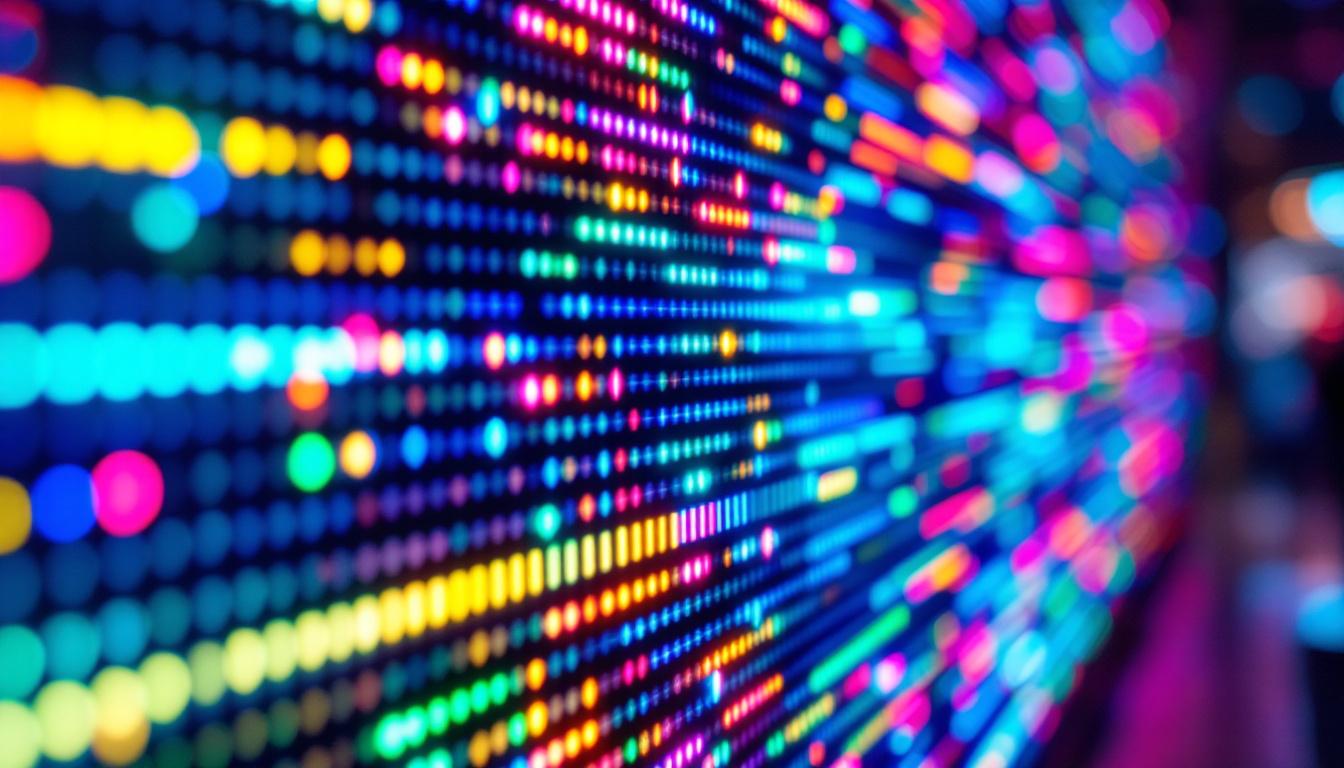
LED stands for Light Emitting Diode, a semiconductor device that emits light when an electric current passes through it. An LED display is a flat panel that uses an array of these tiny LEDs to produce images and videos. Unlike traditional LCD or projection screens, LED displays are self-illuminating, meaning each pixel generates its own light, resulting in brighter and more vibrant visuals. This self-illuminating feature not only enhances color accuracy but also allows for deeper blacks and a wider contrast ratio, making LED displays ideal for various applications, from advertising to entertainment.
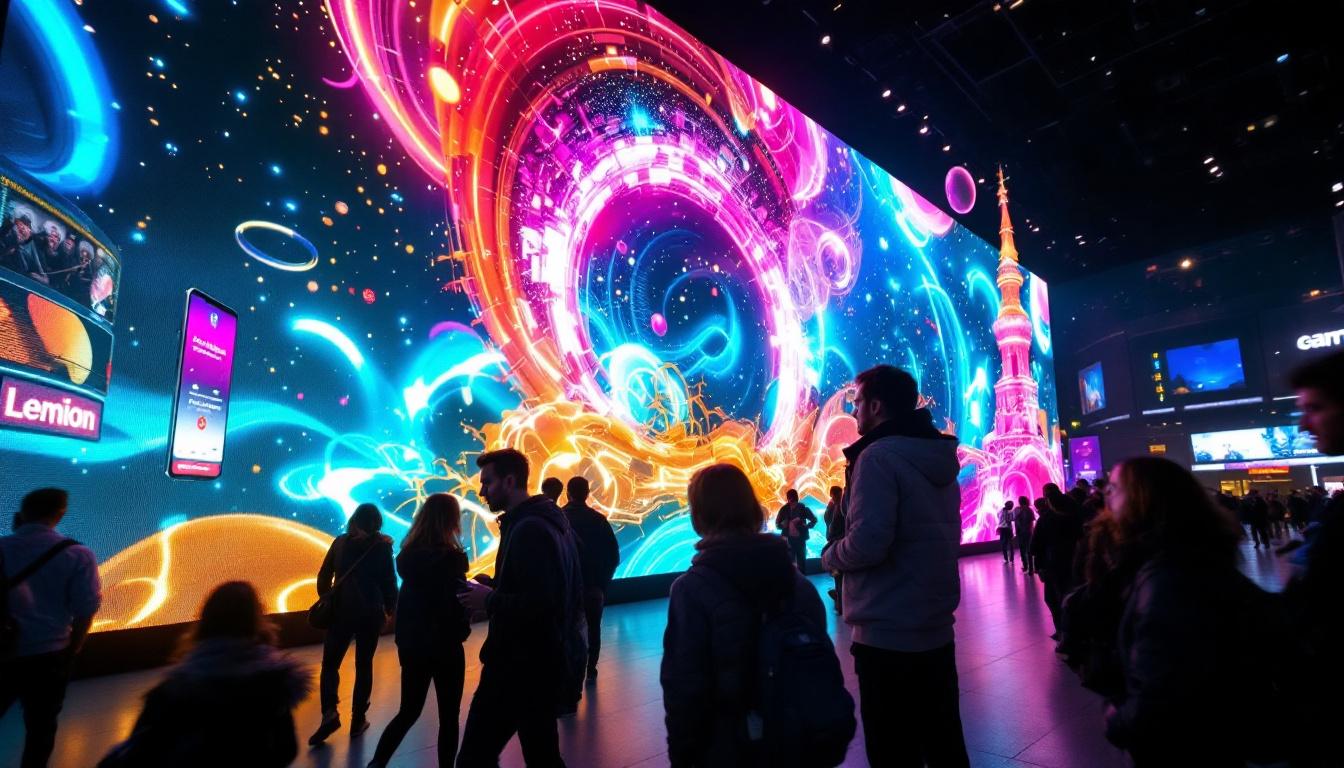
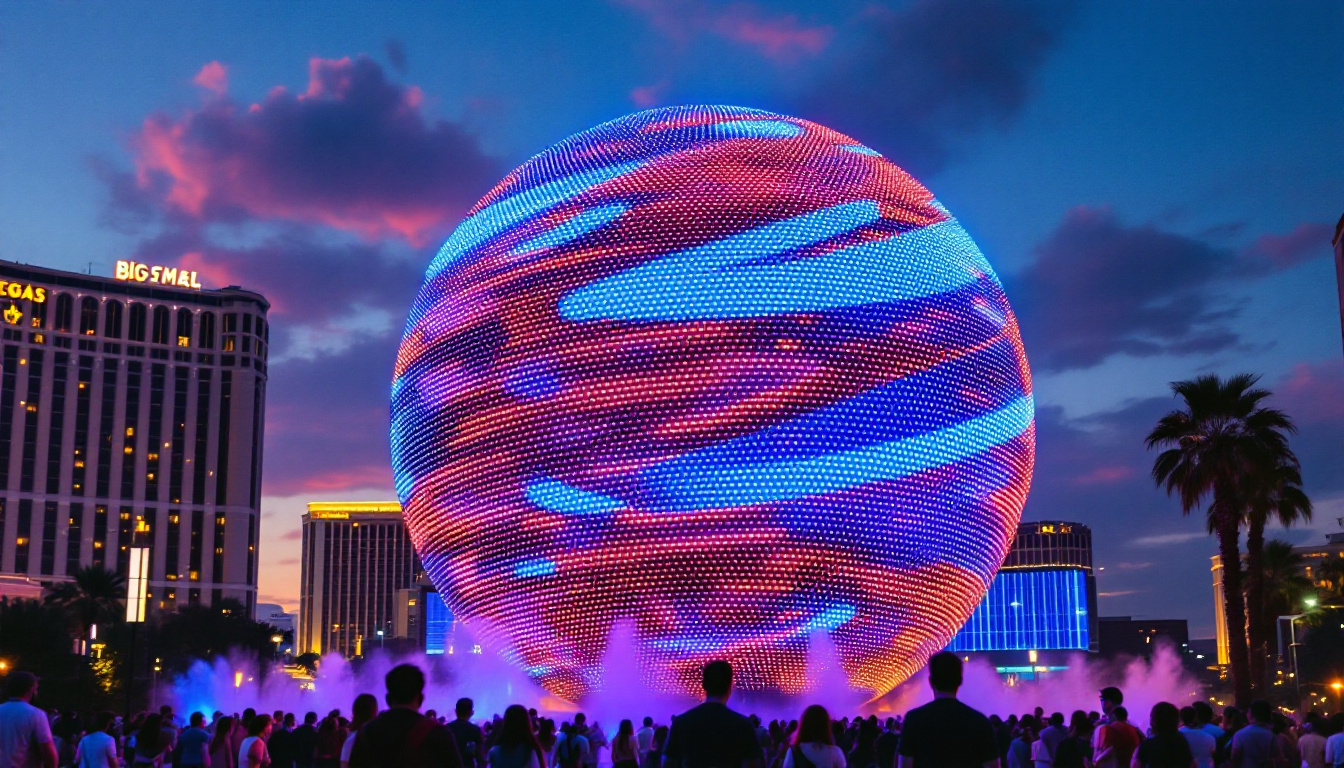
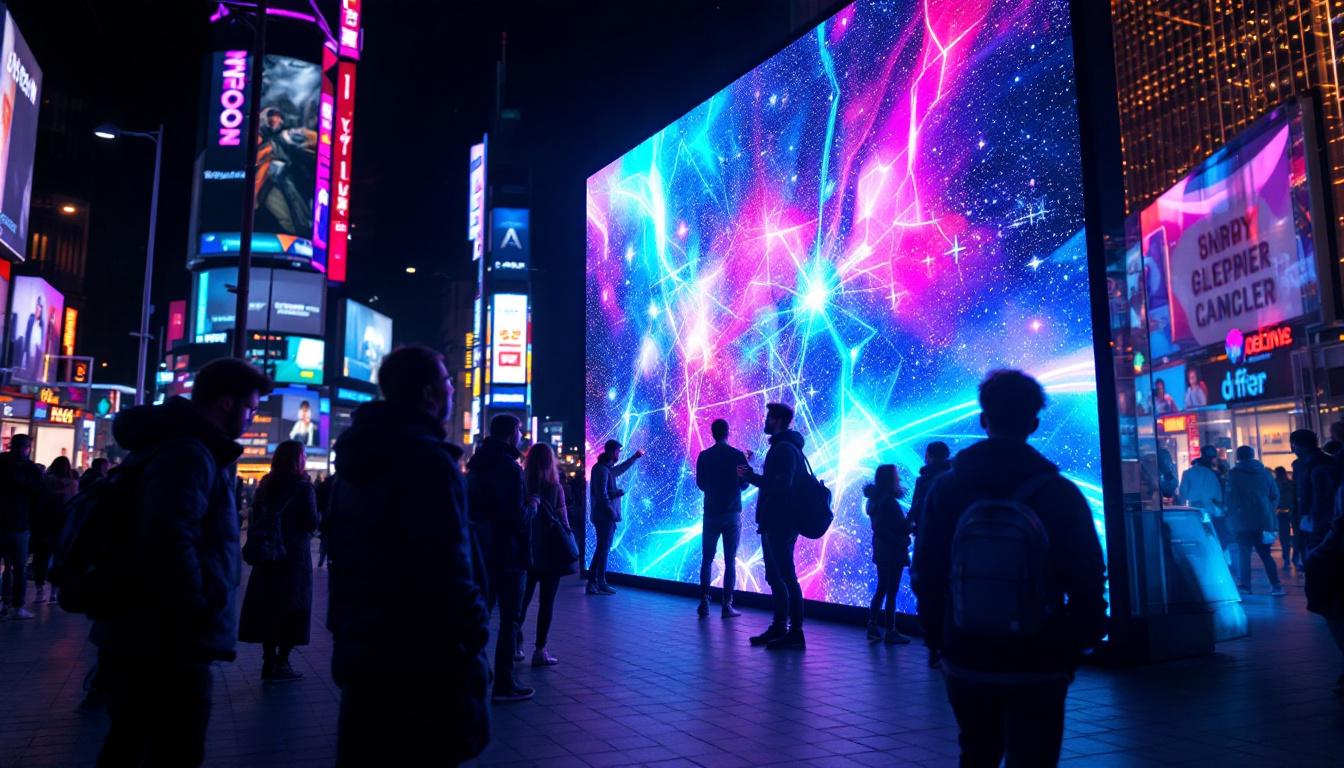
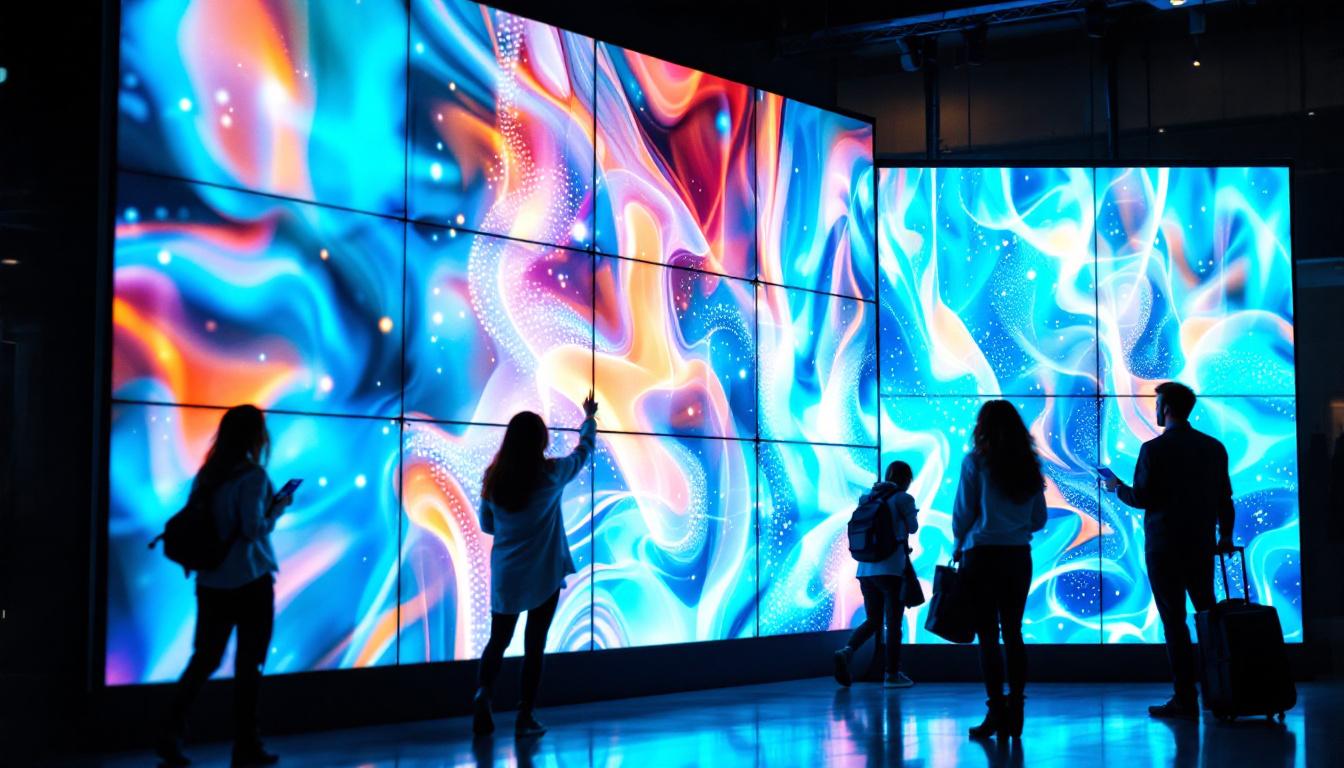
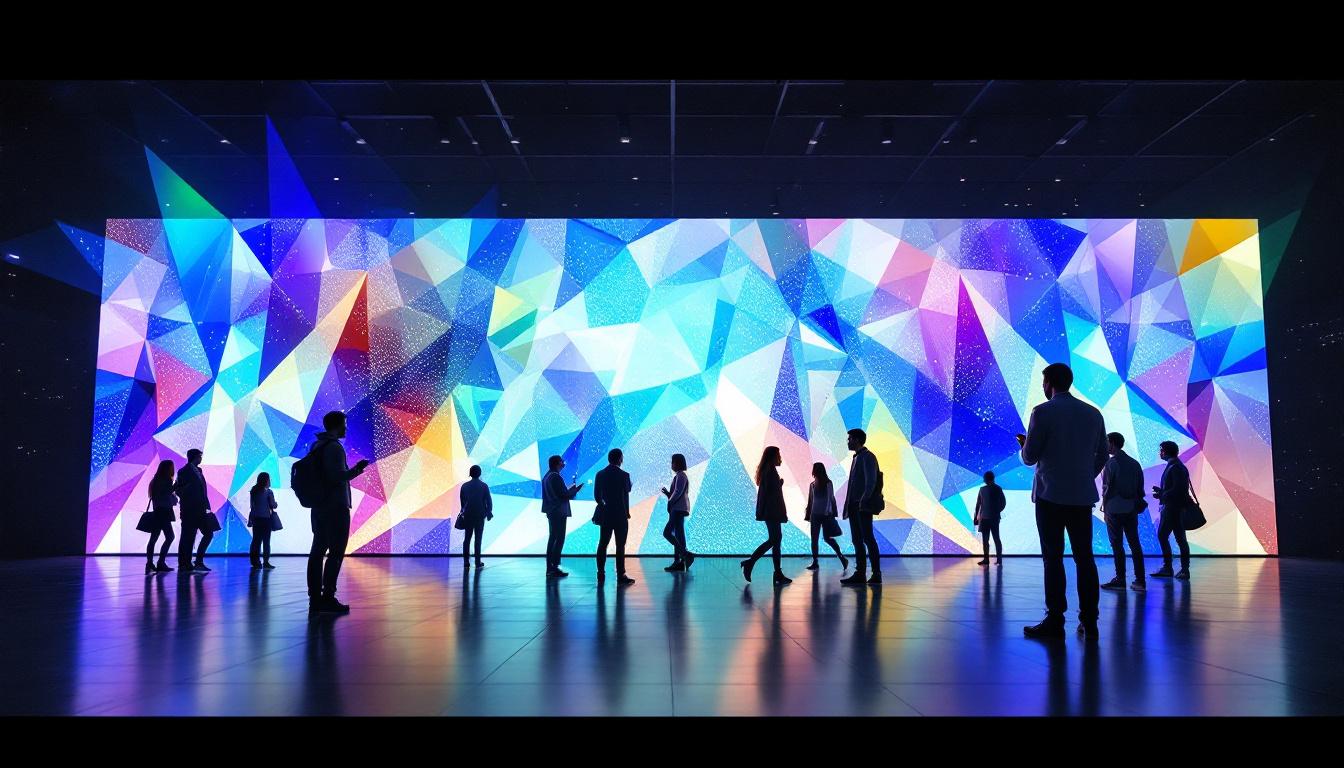
LED displays are commonly used in various sizes and resolutions, ranging from small indoor panels to massive outdoor video walls. Their modular design allows multiple panels to be seamlessly joined, creating virtually any screen size or shape required for an event. This flexibility makes them particularly popular for concerts, sporting events, and trade shows, where dynamic visuals can significantly enhance the audience’s experience. Furthermore, advancements in technology have led to the development of flexible LED displays, which can be bent or shaped to fit unique spaces, further expanding their creative potential.
Indoor vs. Outdoor LED Displays
One of the primary distinctions in LED displays is whether they are designed for indoor or outdoor use. Indoor LED displays typically have a higher pixel density (smaller pixel pitch) to deliver crisp images at close viewing distances. They also have lower brightness levels since ambient lighting indoors is controlled. This makes them ideal for settings such as retail environments, conference rooms, and control centers, where detailed information needs to be displayed clearly without overwhelming the viewer.
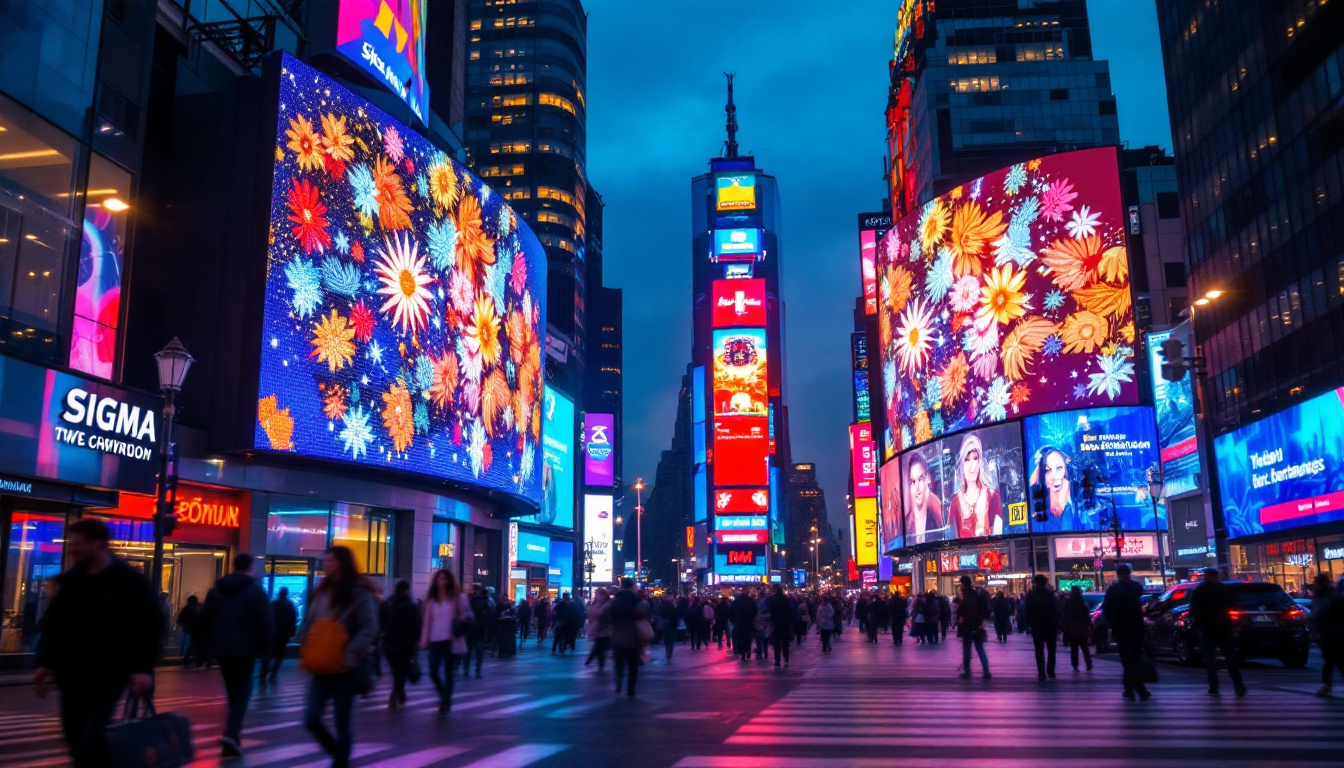
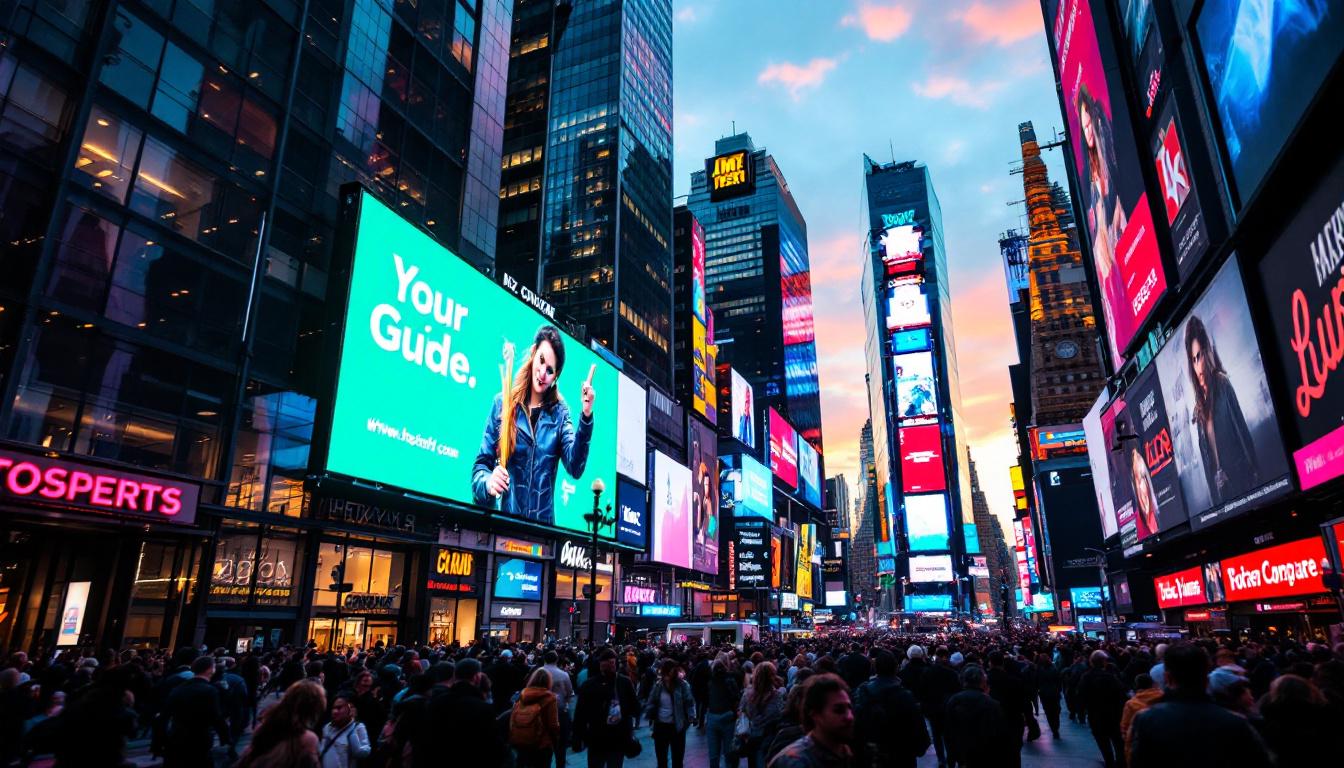
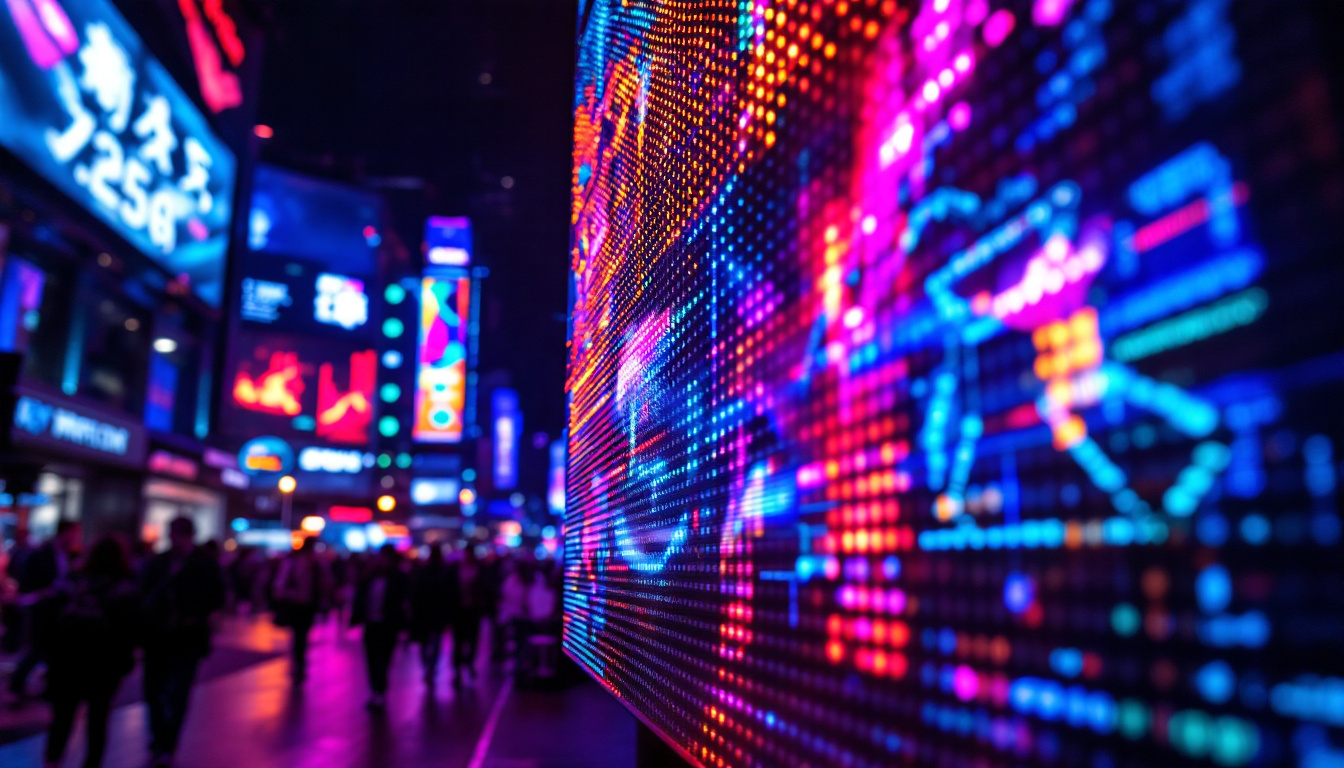
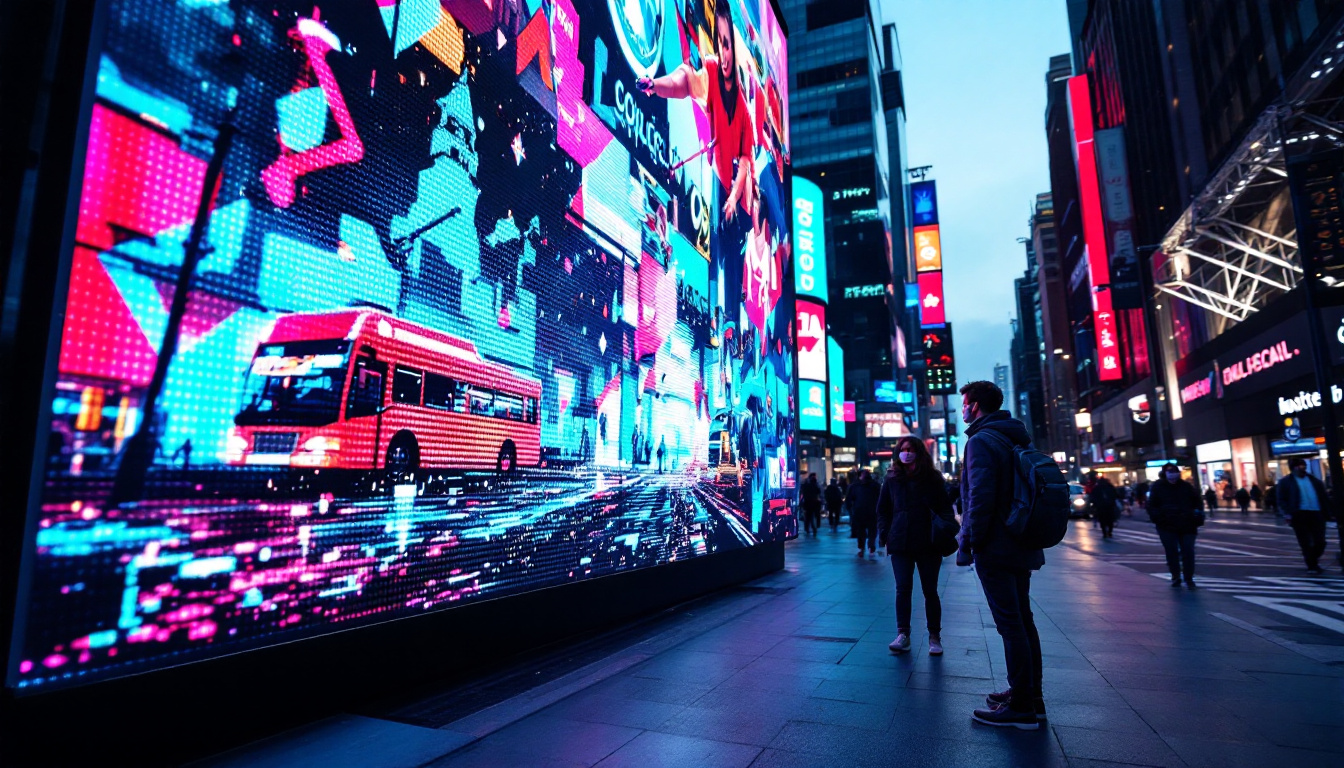
Outdoor LED displays, on the other hand, are built to withstand weather conditions such as rain, wind, and sunlight. Their brightness levels are significantly higher—often exceeding 5,000 nits—to ensure visibility even in direct sunlight. Additionally, outdoor panels are sealed to protect against dust and moisture. These displays are often used for billboards, public announcements, and event promotions, where they can capture the attention of passersby. Moreover, many outdoor LED displays are equipped with advanced features such as automatic brightness adjustment, which optimizes visibility based on surrounding light conditions, ensuring that the content remains clear and engaging at all times.
Key Specifications to Understand
When selecting or renting LED displays for an event, several technical specifications are crucial to evaluate. These specifications directly impact image quality, viewing experience, and overall suitability for different event environments.
Pixel Pitch
Pixel pitch refers to the distance between the centers of two adjacent pixels, measured in millimeters. It is a critical factor that determines the resolution and clarity of the LED display. A smaller pixel pitch means higher resolution and sharper images, which is ideal for close viewing distances.
For example, a 2.5mm pixel pitch LED display is suitable for indoor events where viewers are close to the screen, such as conferences or trade shows. Conversely, a 10mm pixel pitch display might be used for large outdoor concerts where the audience is farther away.
Brightness
Brightness is measured in nits (candelas per square meter) and indicates how much light the display emits. Higher brightness is essential for outdoor events to combat sunlight glare. Indoor LED displays typically range from 800 to 1,500 nits, while outdoor displays can reach 5,000 nits or more.
Proper brightness ensures that content remains visible and vibrant regardless of ambient lighting conditions, which is vital for maintaining audience engagement.
Refresh Rate
The refresh rate, measured in Hertz (Hz), defines how many times per second the image on the LED display is updated. A higher refresh rate results in smoother motion and less flicker, which is especially important for video playback and live broadcasts.
Modern LED displays often feature refresh rates of 3,000 Hz or higher, reducing flicker that can be picked up by cameras and improving the overall viewing experience.
Viewing Angle
The viewing angle describes the maximum angle at which the display can be viewed without significant color distortion or brightness loss. Wide viewing angles (typically 140° or more horizontally and vertically) are important for events where audiences are spread out across a large area.
Benefits of Using LED Displays in AV Party Rentals
LED displays offer numerous advantages over traditional projection or LCD screen technologies, making them a popular choice for AV rental companies catering to diverse events.
Superior Image Quality and Brightness
LED displays produce vivid colors and high contrast ratios, delivering stunning visuals that capture attention. Their inherent brightness allows for use in both dimly lit venues and brightly lit outdoor environments, providing versatility that other display types cannot match.
Scalability and Flexibility
Modular LED panels can be combined to create custom screen sizes and shapes, from small backdrop screens to giant video walls spanning hundreds of square feet. This flexibility enables event designers to tailor visual elements precisely to the venue and audience size.
Durability and Reliability
LED displays are built to withstand the rigors of transportation, installation, and extended use. Outdoor models are weatherproof and resistant to dust and moisture, reducing the risk of technical failures during critical moments.
Energy Efficiency
Compared to traditional lighting and projection systems, LED technology consumes less power, which can translate into lower operational costs and a smaller environmental footprint for event producers.
Applications of LED Displays in Events
Understanding the diverse applications of LED displays can help AV rental companies recommend the right solutions to their clients and maximize the impact of their events.
Concerts and Festivals
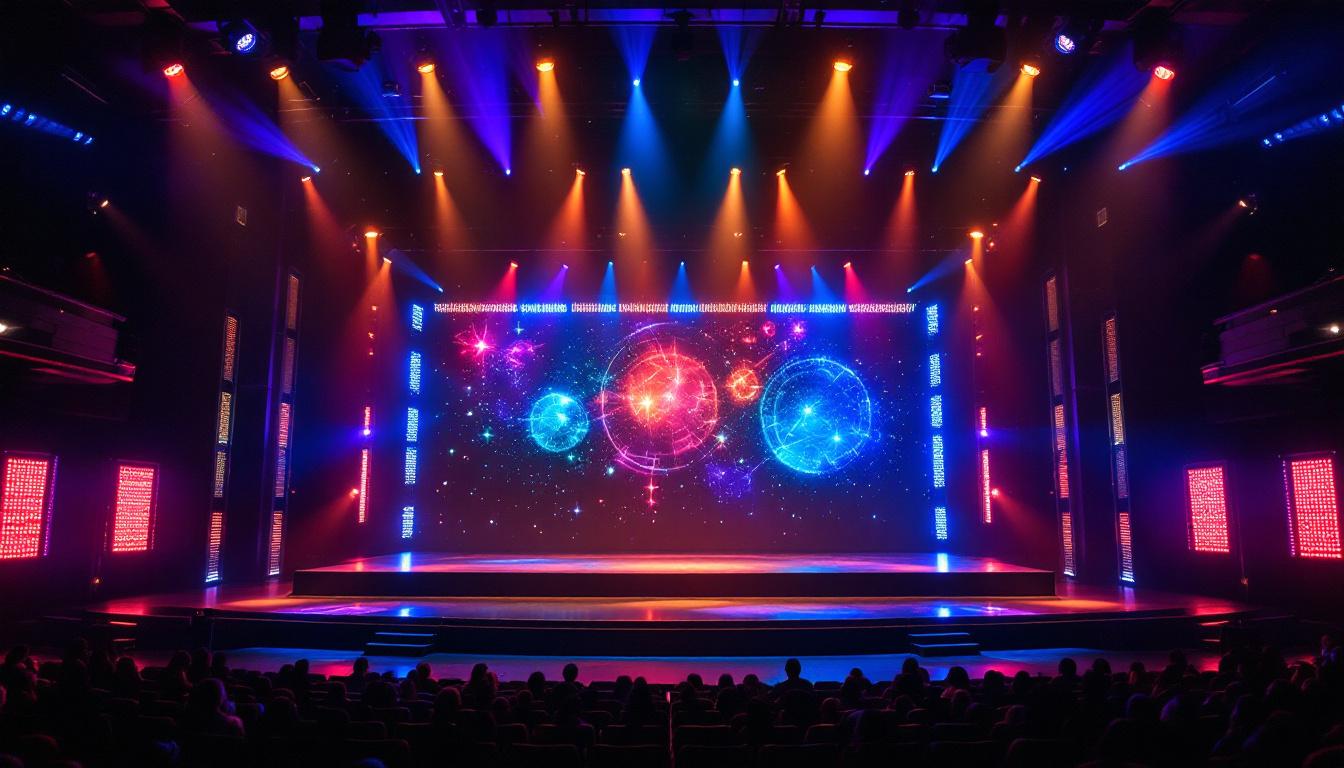
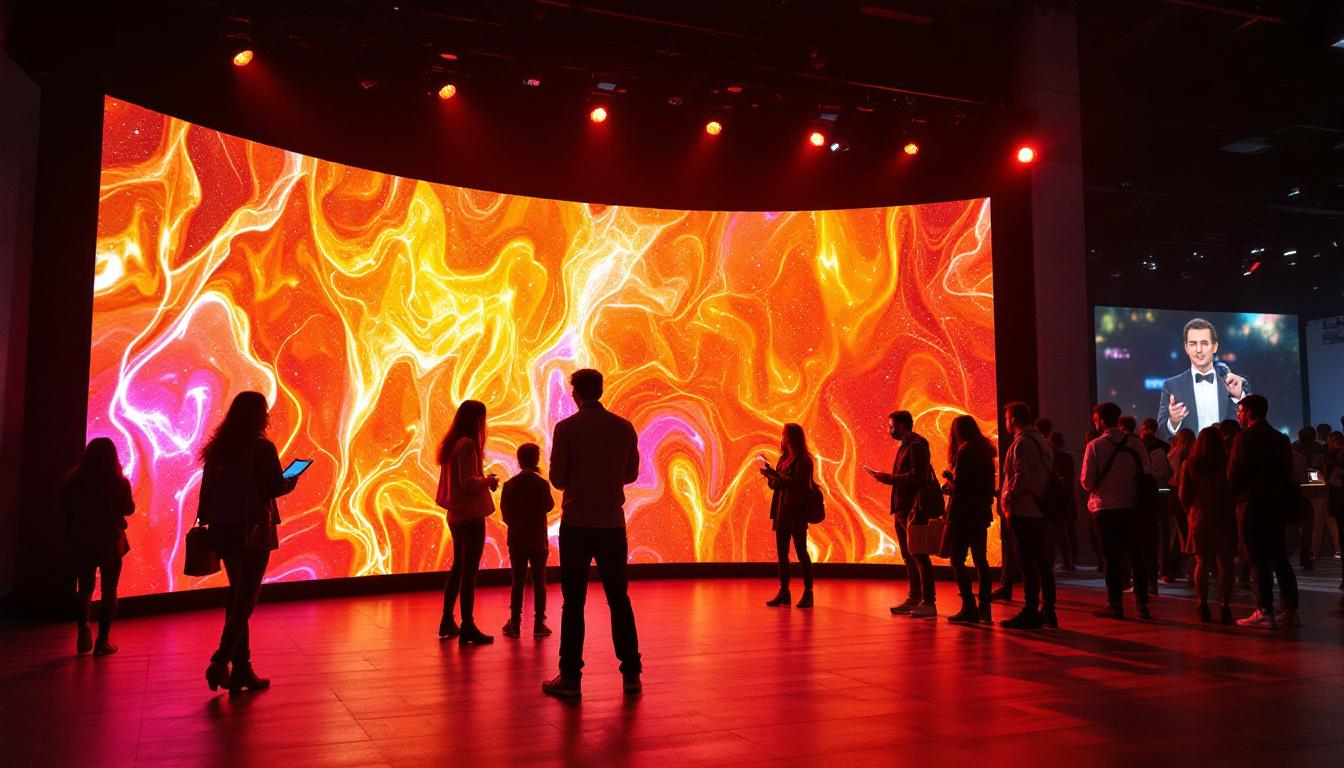
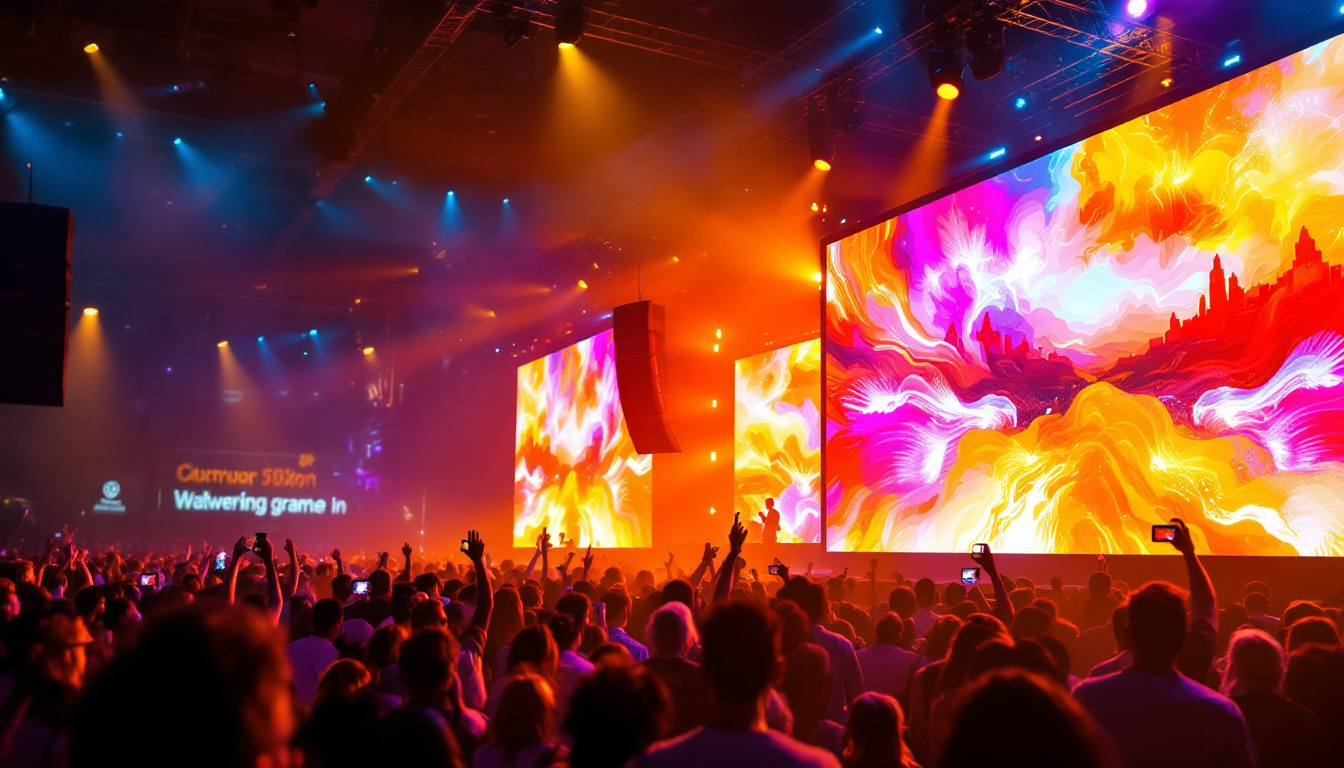
Large-scale music events rely heavily on LED video walls to enhance stage visuals and engage massive crowds. High brightness and wide viewing angles ensure that even attendees far from the stage enjoy clear views of live performers, animations, and special effects.
Corporate Events and Conferences
For corporate presentations, product launches, and conferences, LED displays provide sharp, professional visuals that support branding and communication goals. Their ability to display high-resolution slides, videos, and live feeds makes them indispensable for modern business events.
Trade Shows and Exhibitions
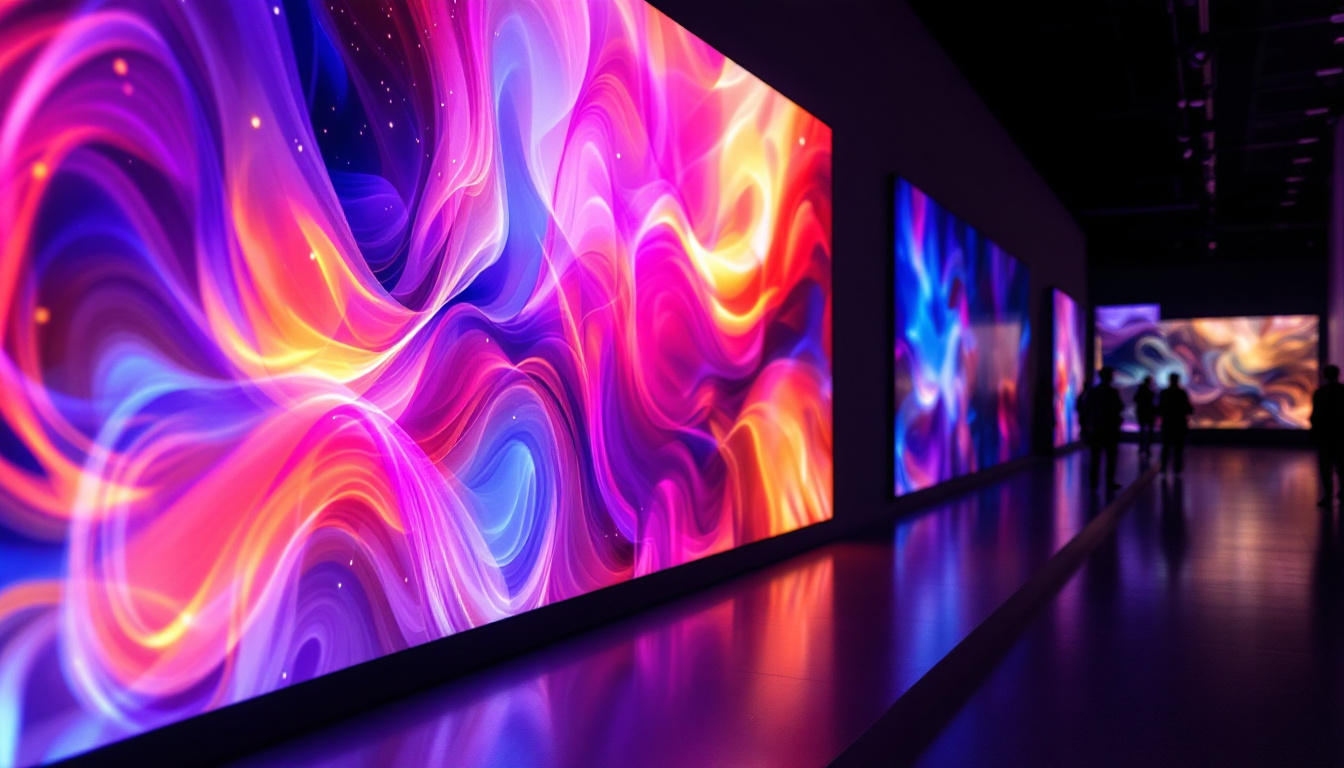
Trade show booths equipped with LED displays attract visitors by showcasing dynamic content and interactive presentations. The flexibility in size and shape allows exhibitors to create eye-catching installations that stand out on busy show floors.
Private Parties and Weddings
From displaying personalized messages and photo slideshows to live streaming the event, LED displays add a unique touch to private celebrations. Their portability and ease of setup make them ideal for temporary installations in a variety of venues.
Choosing the Right LED Display for Your Rental Inventory
For AV party rental businesses, selecting the right LED displays involves balancing technical performance, client needs, and budget considerations. Here are some factors to guide your purchasing decisions:
Assess Your Typical Event Portfolio
Analyze the types of events you most frequently service. If your clientele primarily hosts indoor corporate events, investing in high-resolution, small pixel pitch indoor LED panels is advisable. Conversely, if you cater to outdoor festivals, prioritize weatherproof, high-brightness models.
Consider Transport and Setup Logistics
Modular LED panels vary in weight and complexity. Lightweight, easy-to-install panels reduce labor costs and setup time, improving operational efficiency. Additionally, consider storage space and protective cases to safeguard your equipment.
Plan for Maintenance and Support
LED displays require routine maintenance to ensure longevity and optimal performance. Establish relationships with reliable service providers or train your in-house technicians to handle repairs and calibration. Investing in quality equipment with manufacturer support can minimize downtime.
Budget Wisely
While LED displays represent a significant investment, their versatility and demand in the event market justify the cost. Consider financing options or phased purchasing to gradually expand your inventory without straining cash flow.
Future Trends in LED Display Technology
The LED display industry is rapidly evolving, driven by advances in materials, processing power, and design innovation. Staying informed about emerging trends can help AV rental companies maintain a competitive edge.
MicroLED and MiniLED
MicroLED and MiniLED technologies offer even smaller pixel pitches and improved brightness control, enabling ultra-high-definition displays with enhanced color accuracy. These advances promise more immersive visual experiences in smaller form factors.
Flexible and Transparent LED Displays
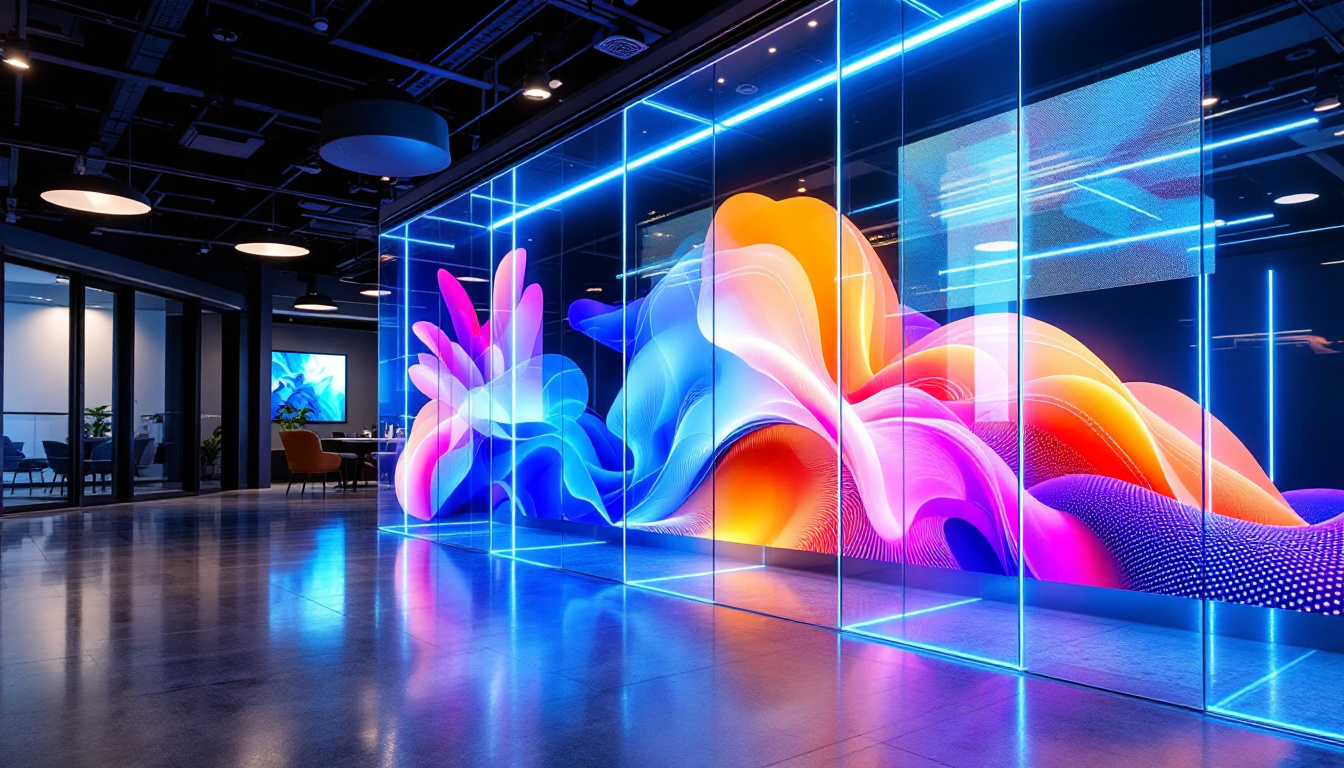
Flexible LED panels that can curve or wrap around surfaces open new creative possibilities for event design. Transparent LED displays allow screens to blend seamlessly with architecture, creating futuristic, eye-catching installations.
Integration with Augmented Reality (AR)
Combining LED displays with AR technology enables interactive and layered content experiences. This integration can transform events into dynamic, engaging environments that captivate audiences in novel ways.
Conclusion
LED displays have revolutionized the AV party rental industry by providing bright, flexible, and durable visual solutions that enhance every type of event. Understanding the technical specifications, benefits, and applications of LED technology empowers rental companies to deliver exceptional experiences tailored to their clients’ needs.
As LED technology continues to advance, embracing innovation and investing strategically in high-quality equipment will position AV rental businesses for sustained success in a competitive market. Whether illuminating a festival stage or adding flair to a corporate gala, LED displays remain an indispensable tool for creating unforgettable moments.
Discover LumenMatrix’s Innovative LED Solutions
Ready to elevate your events with the latest in LED display technology? Look no further than LumenMatrix, a pioneer in crafting immersive visual experiences. Our extensive range of LED display solutions, including Indoor and Outdoor LED Wall Displays, Vehicle LED Displays, LED Poster Displays, and more, are designed to captivate your audience and amplify your message. Experience the future of visual communication with LumenMatrix’s advanced digital signage. Check out LumenMatrix LED Display Solutions today and transform your event into an unforgettable spectacle.