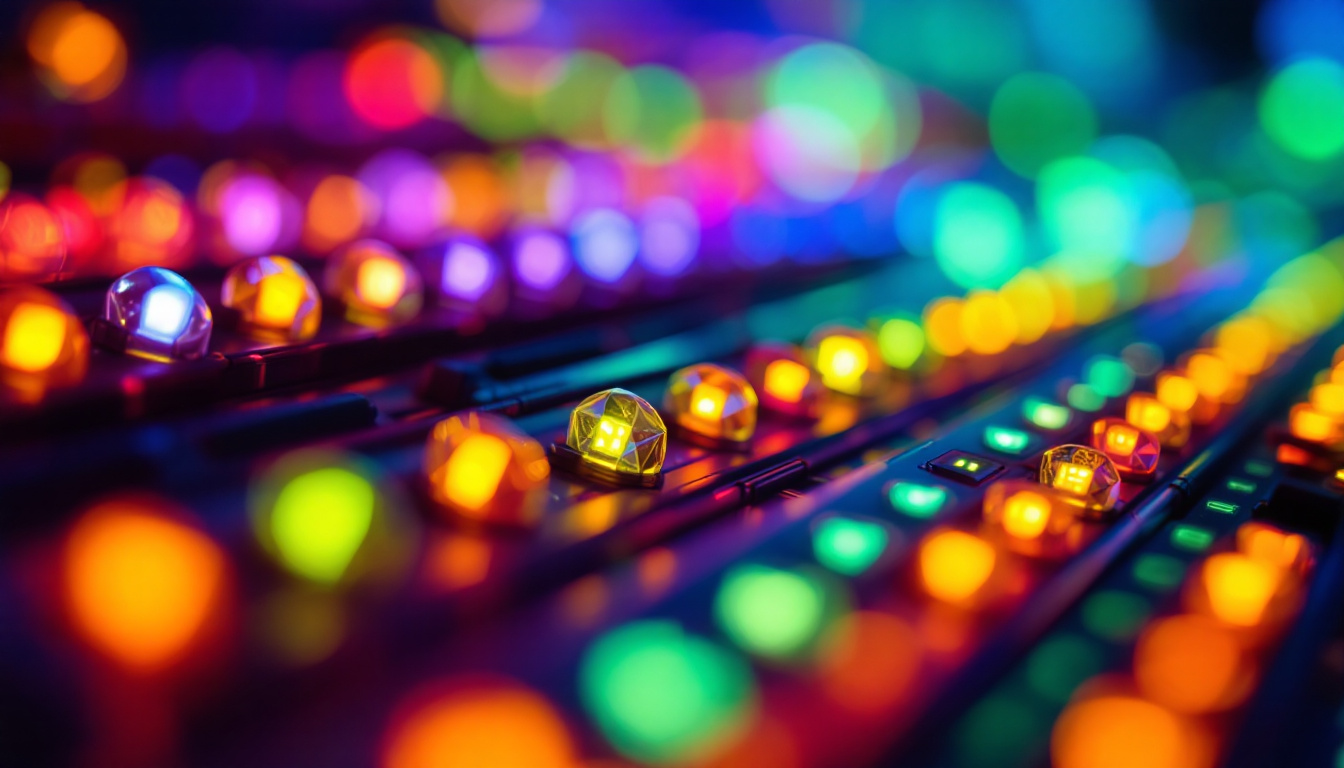
In the fast-evolving world of digital signage and display technology, LED displays have become a cornerstone for industries ranging from advertising and entertainment to sports and public information systems. The figure “71.3Kg” might seem arbitrary at first glance, but it often relates to the weight specifications of certain LED display panels or modules, which is a critical factor in installation, transport, and structural planning. This article dives deep into the technology behind LED displays, explores the significance of weight considerations like 71.3Kg, and examines how these displays are transforming visual communication worldwide.
Understanding LED Display Technology
What is an LED Display?
LED, or Light Emitting Diode, displays are screens that use an array of LEDs as pixels to create images, videos, and animations. Unlike traditional LCD or projection displays, LED displays emit their own light, which allows for brighter visuals, better contrast, and more vibrant colors. This self-illumination characteristic makes LED displays ideal for both indoor and outdoor applications, even under direct sunlight.
Modern LED displays can be categorized into two primary types: surface-mounted device (SMD) and through-hole LEDs. SMD LEDs are compact and allow for higher resolution and closer pixel pitch, making them perfect for indoor screens where viewers are close to the display. Through-hole LEDs, on the other hand, are larger and more robust, often used for outdoor displays requiring greater brightness and durability. Additionally, advancements in technology have led to the development of flexible LED displays, which can be bent or shaped to fit unique installations, offering even more creative possibilities for advertising and artistic displays.
How LED Displays Work
At the core of LED display technology is the pixel, which is usually composed of red, green, and blue LEDs. By adjusting the intensity of each LED, the display can produce a full spectrum of colors. This process is managed by sophisticated control systems that synchronize the LEDs to render images or videos accurately. The integration of smart technology has further enhanced the functionality of LED displays, allowing for features such as remote monitoring and real-time content updates, which are particularly beneficial for businesses that need to change their messaging frequently.
LED displays operate by receiving digital signals that instruct each pixel on how to illuminate. The refresh rate, color depth, and pixel pitch are crucial parameters that determine the quality of the display. Higher refresh rates reduce flicker, while smaller pixel pitches allow for higher resolution and sharper images. Moreover, the energy efficiency of LED technology means that these displays consume less power compared to traditional lighting methods, making them a more sustainable choice for large-scale installations. This efficiency, combined with their long lifespan, often results in lower maintenance costs, making LED displays a smart investment for both commercial and personal use.
The Importance of Weight in LED Displays: Why 71.3Kg Matters
Weight as a Critical Specification
When discussing LED displays, weight is more than just a number; it is a key factor influencing installation logistics, structural support requirements, and transportation costs. The figure 71.3Kg often appears in technical datasheets for LED panels or cabinets, representing the weight of a standard-sized module or assembled unit.
For example, a typical 500mm x 500mm LED cabinet designed for outdoor use might weigh around 71.3Kg. This weight must be considered when mounting the display on building facades, stadiums, or temporary structures to ensure safety and stability. Overlooking weight specifications can lead to structural failures or costly modifications during installation.
Impact on Installation and Maintenance
Heavier LED panels require more robust mounting hardware and may necessitate additional labor or equipment during installation. For large-scale displays composed of dozens or hundreds of such panels, the cumulative weight can reach several tons. This makes understanding individual panel weight essential for planning the overall support framework.
Moreover, maintenance personnel need to be aware of the weight for safe handling during repairs or replacements. Lightweight panels, often weighing less than 20Kg, are easier to manage but may compromise on durability or brightness. Conversely, heavier panels like those weighing 71.3Kg typically offer enhanced performance and weather resistance, especially for outdoor applications.
Applications of LED Displays: Where Weight and Performance Intersect
Outdoor Advertising and Digital Billboards
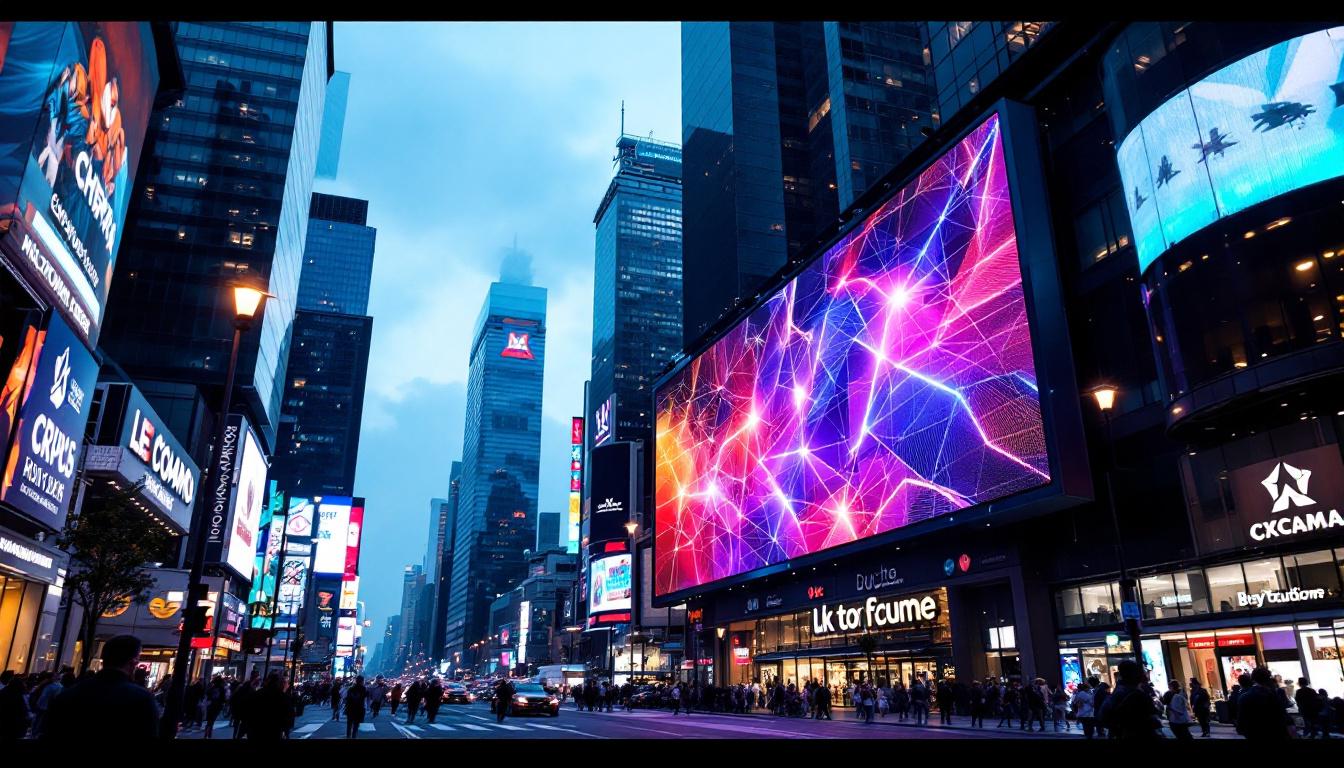
Outdoor advertising is one of the most prominent uses of LED displays. Billboards and digital signage require displays that can withstand harsh weather conditions, deliver high brightness, and maintain visibility from long distances. Panels weighing around 71.3Kg are common in these settings because they balance durability and performance.
For instance, a large-scale digital billboard in Times Square or along highways may consist of multiple heavy-duty LED cabinets. The weight ensures the structural integrity needed to resist wind loads and other environmental stresses. Additionally, the brightness levels of these panels can exceed 5,000 nits, ensuring visibility even in direct sunlight.
Sports Arenas and Event Venues
In sports arenas, LED displays serve multiple purposes: scoreboards, advertising, instant replays, and immersive fan experiences. The weight of the panels influences how they are suspended or mounted within the venue. Panels around 71.3Kg are often used in fixed installations where durability and image quality are paramount.
Events such as the FIFA World Cup or the Olympic Games utilize LED displays extensively. The ability to handle the weight and size of these panels allows for seamless integration into complex architectural designs, ensuring spectators receive clear and vibrant visuals from any seat.
Retail and Corporate Environments
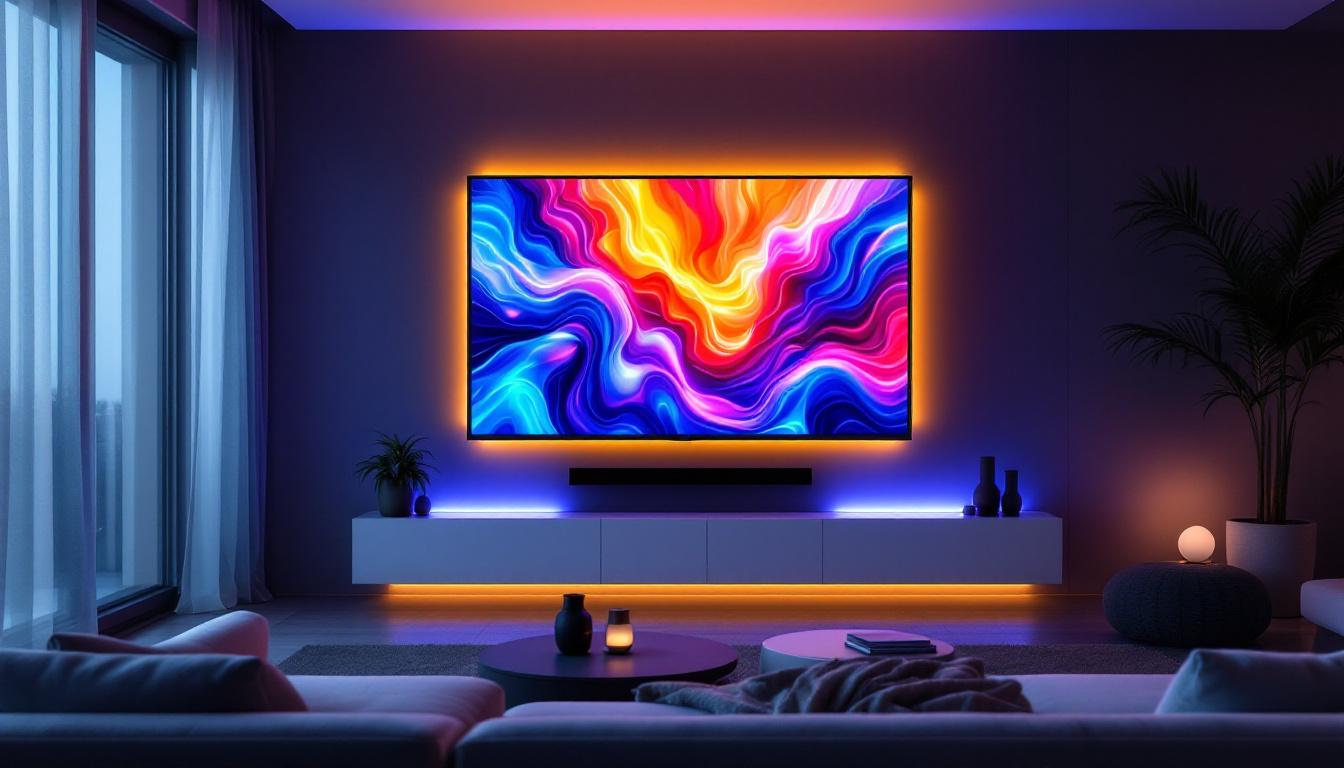
Indoor LED displays in retail stores, corporate lobbies, and conference rooms prioritize high resolution and sleek design. While weight is less of a constraint indoors, it still affects installation methods and wall mounting options. Lightweight panels are preferred here, but heavier, high-performance panels weighing around 71.3Kg may be used in larger installations where image quality cannot be compromised.
These displays enhance customer engagement by showcasing dynamic content, product promotions, or corporate messaging. The balance between weight and performance ensures that the displays are both visually impressive and practical to install.
Technical Considerations When Choosing LED Displays
Pixel Pitch and Resolution
Pixel pitch, the distance between the centers of two adjacent pixels, directly affects the resolution and viewing distance of an LED display. Smaller pixel pitches (1.2mm to 2.5mm) are ideal for indoor use where viewers are close, while larger pitches (4mm and above) suit outdoor applications with longer viewing distances.
The weight of the panel often correlates with pixel pitch and cabinet size. Higher resolution panels with smaller pixel pitches tend to be lighter due to smaller LEDs and compact designs. Conversely, outdoor panels with larger pixel pitches and robust weatherproofing components tend to be heavier, sometimes reaching or exceeding 71.3Kg per cabinet.
Brightness and Power Consumption
Brightness is measured in nits, and LED displays can range from 500 nits for indoor screens to over 8,000 nits for outdoor applications. High brightness levels require more powerful LEDs and heat dissipation systems, which can add to the overall weight of the panel.
Power consumption is another factor influenced by brightness and size. Heavier panels often incorporate advanced cooling systems and power supplies to maintain performance and longevity. These technical aspects are crucial for ensuring that the display operates efficiently without overheating or failure.
Durability and Weather Resistance
Outdoor LED displays must withstand rain, dust, extreme temperatures, and UV exposure. Panels designed for these environments are built with sturdy materials like aluminum or steel frames, protective coatings, and sealed electronics. These features contribute to the increased weight, such as the 71.3Kg standard for many outdoor cabinets.
Ingress Protection (IP) ratings indicate the level of sealing against water and dust. An IP65 rating or higher is typical for outdoor LED displays, ensuring reliable operation in various weather conditions. The added weight from these protective features is a trade-off for durability and reduced maintenance costs.
Future Trends in LED Display Technology
Lightweight Materials and Modular Designs
Advancements in materials science are driving the development of lighter LED panels without sacrificing performance. Carbon fiber composites, magnesium alloys, and innovative plastics are being explored to reduce weight and improve ease of installation.
Modular designs allow for flexible configurations and easier maintenance. Panels can be swapped out individually, reducing downtime and labor costs. As these technologies mature, the typical weight of LED cabinets may decrease, making installations more accessible and cost-effective.
MicroLED and MiniLED Innovations
MicroLED and MiniLED technologies represent the next generation of display solutions, offering higher resolution, better color accuracy, and improved energy efficiency. These displays use smaller LEDs, which can significantly reduce the size and weight of the panels.
While still emerging in commercial applications, MicroLED displays promise to revolutionize industries by providing ultra-thin, lightweight, and highly durable screens. This could render traditional heavy LED cabinets, such as those weighing 71.3Kg, less common in the near future.
Integration with Smart Technologies
Smart LED displays equipped with sensors, AI-driven content management, and IoT connectivity are becoming increasingly popular. These features enable dynamic content adaptation based on audience demographics, weather, or time of day, enhancing engagement and advertising effectiveness.
While adding smart capabilities may slightly increase the weight due to additional hardware, the benefits in functionality and user experience often outweigh these concerns. The future of LED displays lies in intelligent, interactive, and adaptable systems that go beyond static visuals.
Conclusion: Balancing Weight and Performance in LED Displays
The figure 71.3Kg is more than just a weight specification; it embodies the balance between durability, performance, and practicality in LED display technology. Understanding the implications of panel weight is essential for architects, engineers, advertisers, and event organizers who rely on these displays to deliver impactful visual experiences.
As LED technology continues to advance, the industry is moving towards lighter, more efficient, and smarter displays. However, the foundational principles of weight management, structural integrity, and environmental resilience remain critical. Whether for a towering outdoor billboard or an immersive indoor video wall, the interplay between weight and technology defines the success of LED display installations worldwide.
Discover the Perfect Balance with LumenMatrix
Ready to elevate your visual communication with LED displays that perfectly balance weight, performance, and innovation? Explore LumenMatrix’s comprehensive range of LED display solutions, from vibrant Indoor and Outdoor LED Walls to dynamic Vehicle Displays and beyond. Each product is crafted to captivate your audience and enhance your brand’s visibility. Embrace the future of digital signage with LumenMatrix and create unforgettable visual experiences. Check out LumenMatrix LED Display Solutions today and see your vision come to life.