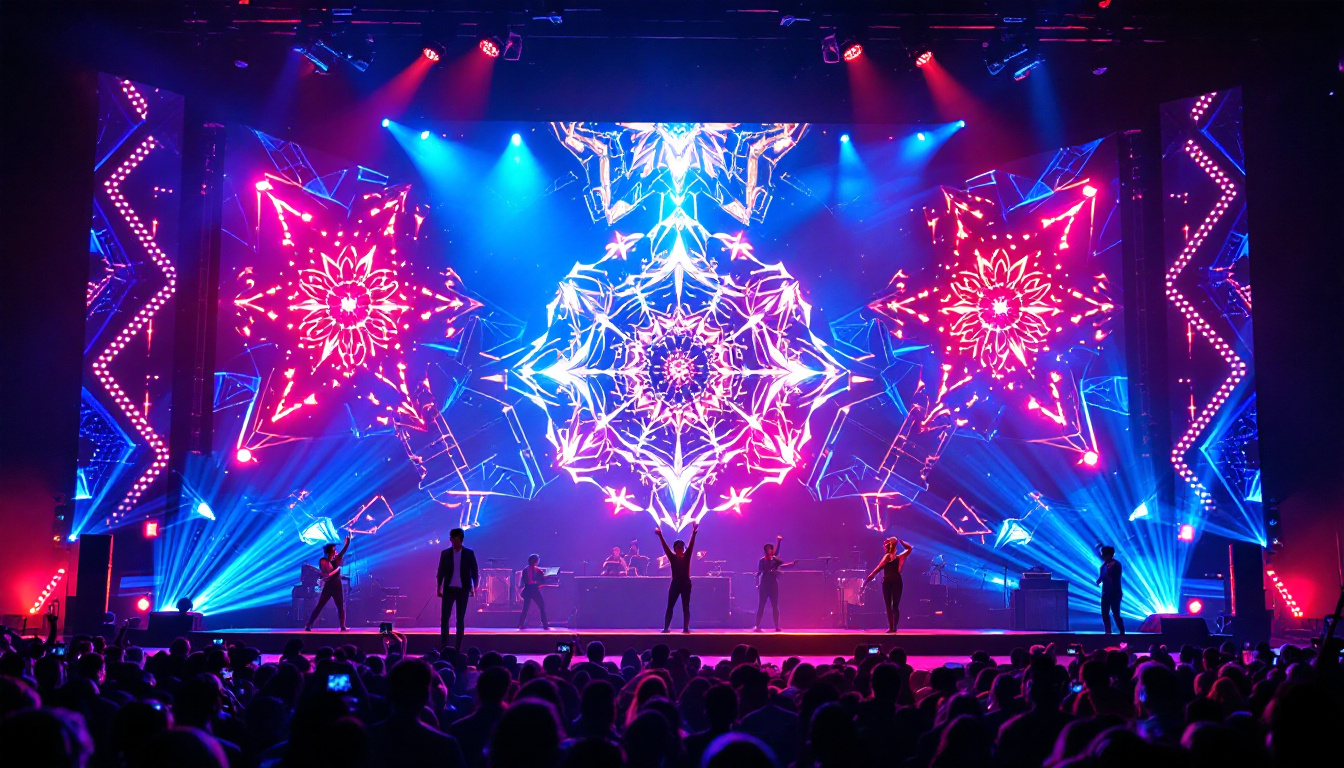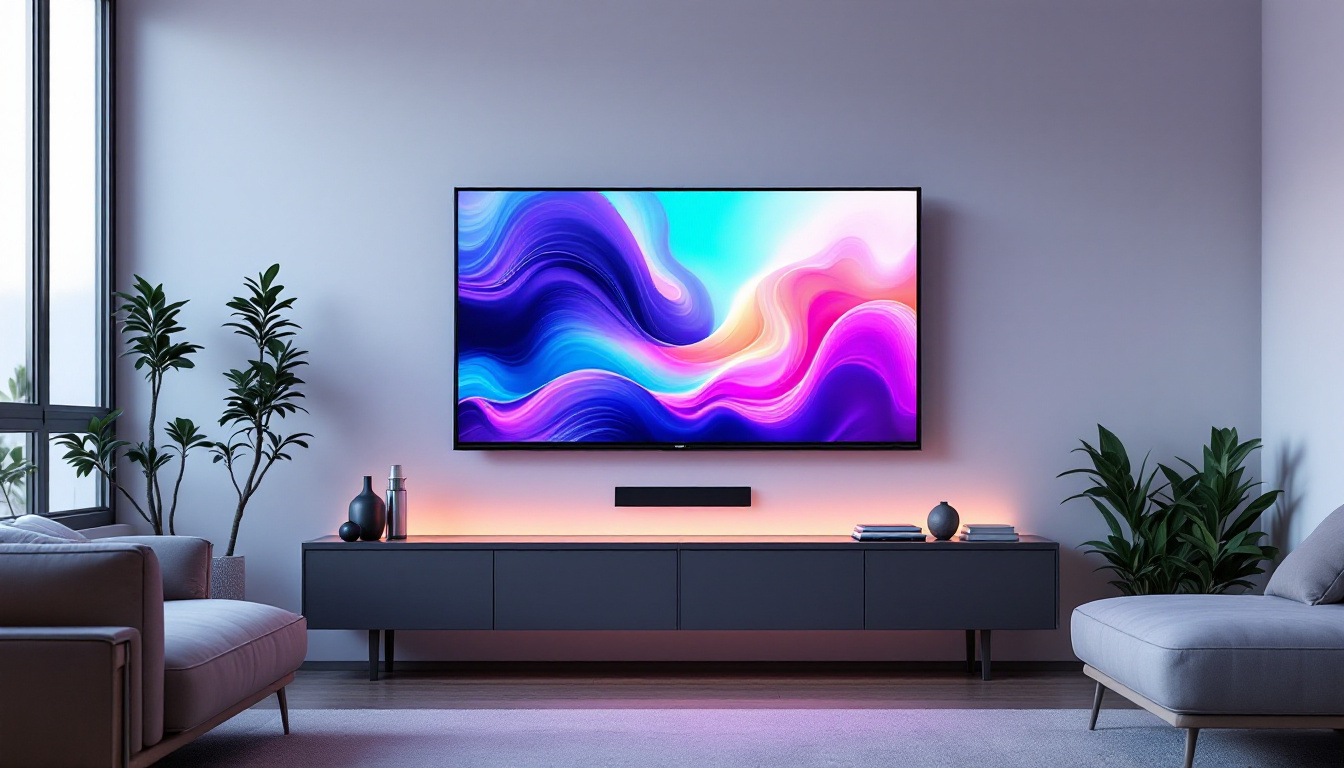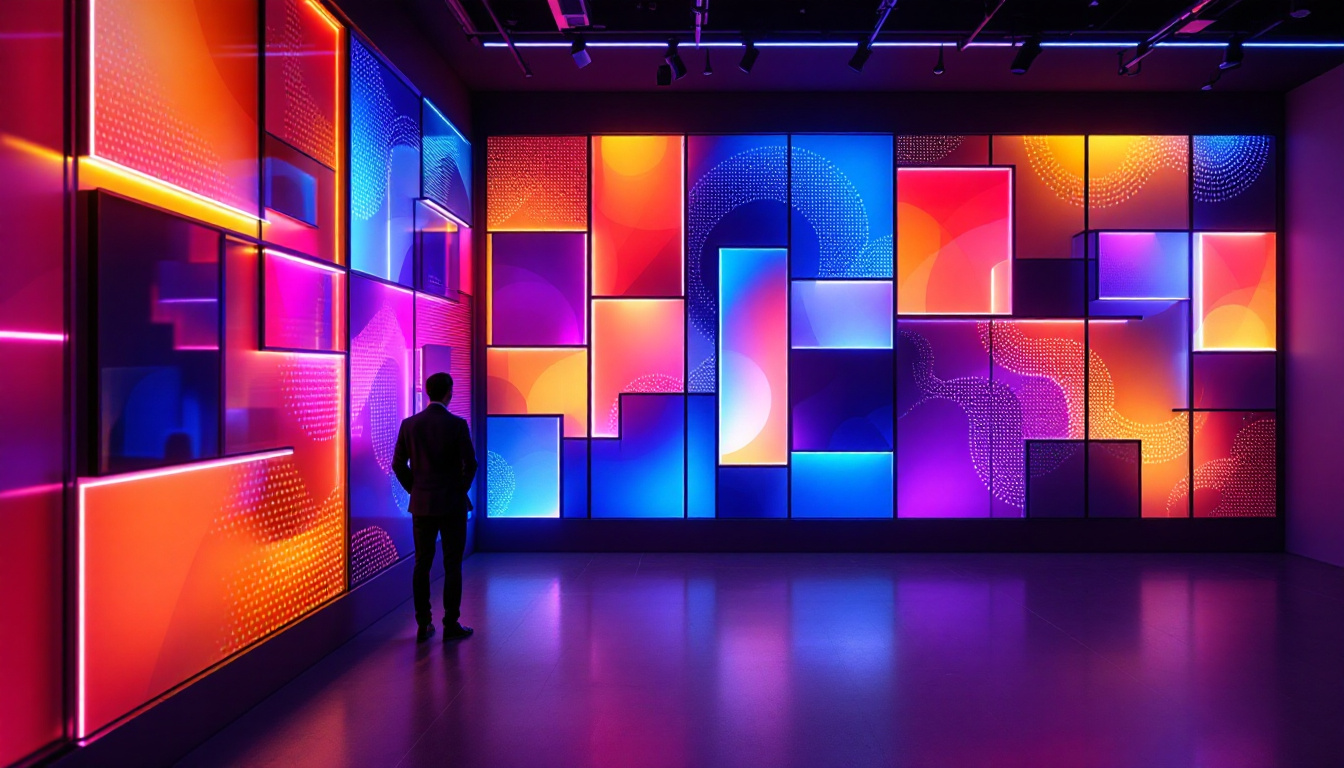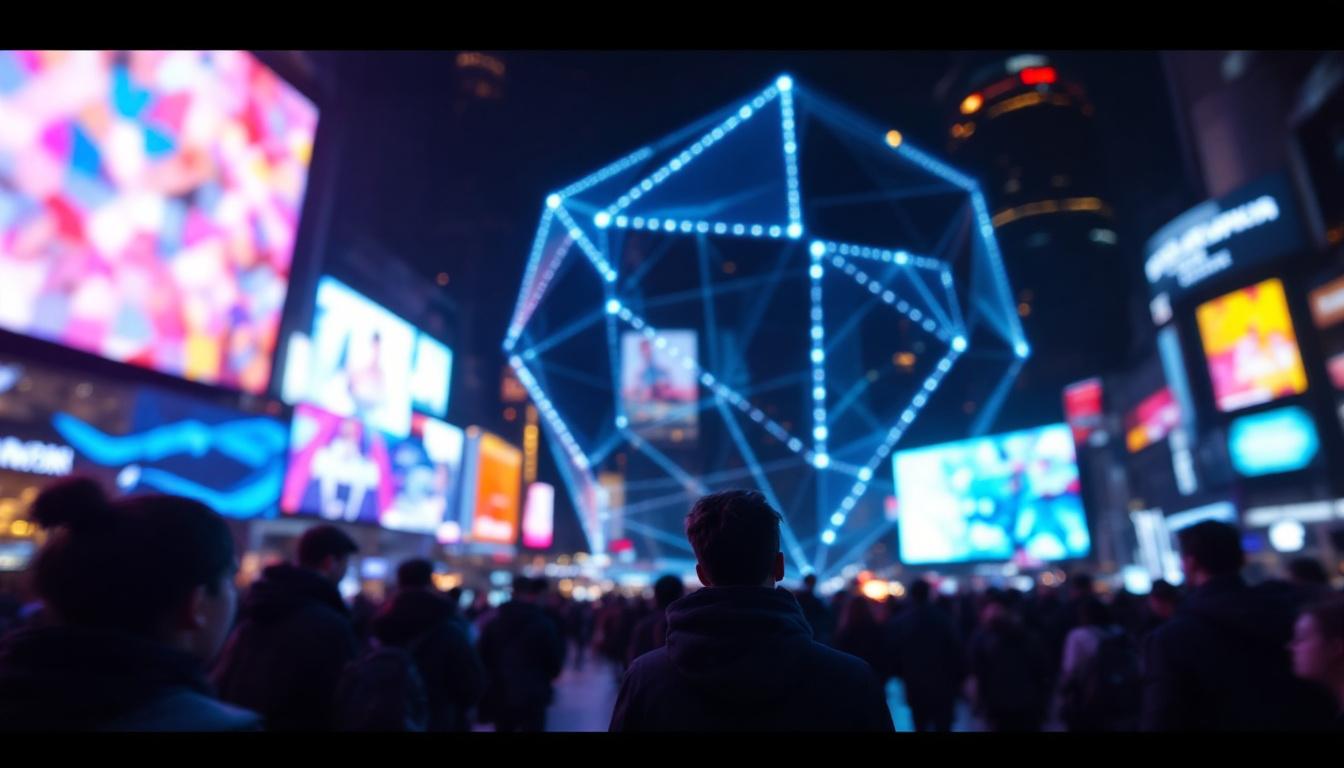
In the evolving landscape of digital signage and visual communication, LED displays have emerged as a dominant technology for both indoor and outdoor applications. From massive stadium screens to sleek retail signage, LED displays offer unparalleled brightness, flexibility, and durability. This article delves into the fundamentals of LED display technology, exploring how it works, its advantages, types, and key considerations for selecting the right display for professional use.
Understanding LED Display Technology
What is an LED Display?
LED stands for Light Emitting Diode, a semiconductor device that emits light when an electric current passes through it. An LED display is a flat panel display that uses arrays of these tiny LEDs as pixels to create images, videos, and text. Unlike traditional LCD or plasma screens, LED displays generate their own light, which allows for higher brightness and better contrast ratios.
These displays are composed of thousands or even millions of individual LEDs arranged in a grid. Each LED can be controlled independently to produce a wide range of colors and brightness levels. The ability to manipulate each pixel precisely is what enables LED displays to show vivid, dynamic content with high clarity. This technology has revolutionized various industries, from advertising to entertainment, allowing for eye-catching visuals that can be easily updated and customized.
How Do LED Displays Work?
At the core of an LED display is the pixel, which typically consists of three sub-pixels: red, green, and blue LEDs. By varying the intensity of each sub-pixel, the display can produce virtually any color in the visible spectrum. This RGB color model is fundamental to all color displays but is executed with exceptional brightness and efficiency in LED technology. The compact size of the LEDs also allows for thinner display designs, making them ideal for a variety of applications, including large-scale billboards and sleek indoor screens.
LED displays are driven by sophisticated control systems that process input signals from media players or computers. These systems translate the digital content into electrical signals that control each LED’s brightness and color output. The result is a seamless, high-definition image that can be viewed clearly even in direct sunlight. Furthermore, advancements in technology have led to the development of smart LED displays that can integrate with IoT devices, allowing for real-time content updates and interactive features. This capability enhances user engagement and opens up new possibilities for advertising and information dissemination, making LED displays not just a visual medium but a dynamic platform for communication.
Advantages of LED Displays in Professional Settings
Superior Brightness and Visibility
One of the most significant advantages of LED displays is their brightness. Professional LED screens can achieve brightness levels exceeding 5,000 nits, making them easily visible in bright outdoor environments. This is a critical factor for applications such as billboards, sports arenas, and transportation hubs where ambient light conditions vary widely.
Compared to LCD displays, which typically max out around 500 to 1,000 nits, LED displays maintain vibrant colors and sharp images regardless of lighting conditions. This ensures that messages and advertisements reach their audience effectively without losing impact.
Energy Efficiency and Longevity
LEDs are known for their energy-efficient operation. They consume less power than traditional lighting and display technologies, which can translate to significant cost savings over time, especially for large-scale installations. Additionally, LEDs have a long operational lifespan, often rated between 50,000 to 100,000 hours, reducing the need for frequent replacements and maintenance.
For businesses and organizations, this means lower total cost of ownership and more reliable performance, which are crucial factors when investing in digital signage solutions.
Flexibility and Customization
LED displays come in various sizes, shapes, and pixel pitches, allowing for highly customized installations. Pixel pitch refers to the distance between the centers of two adjacent pixels and directly affects the display’s resolution and viewing distance. Smaller pixel pitches (e.g., 1.2mm to 2.5mm) are ideal for indoor environments where viewers are close, while larger pitches (e.g., 10mm and above) suit outdoor applications where viewers are farther away.
Moreover, LED panels can be seamlessly tiled to create massive video walls or uniquely curved and shaped displays that fit architectural designs. This adaptability makes LED technology a favorite for creative branding and immersive experiences.
Types of LED Displays and Their Applications
Indoor LED Displays
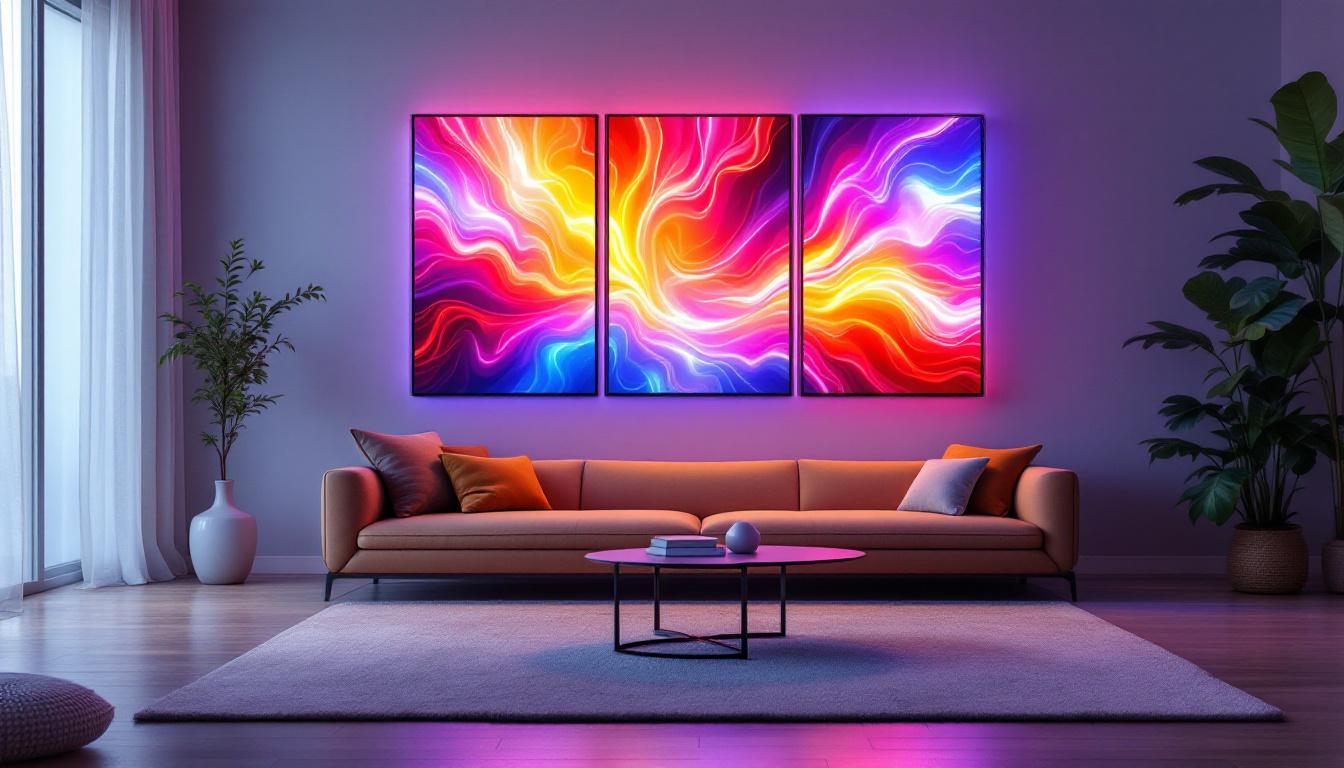
Indoor LED displays are designed with finer pixel pitches to provide high-resolution images at close viewing distances. These are commonly used in retail stores, corporate lobbies, conference rooms, and control centers. The controlled lighting environment indoors allows for lower brightness levels, typically between 800 and 1,200 nits, which helps reduce power consumption and eye strain.
Examples include digital signage for product promotions, interactive kiosks, and large-scale video walls for events and presentations. The ability to deliver crisp, detailed visuals enhances customer engagement and communication effectiveness.
Outdoor LED Displays
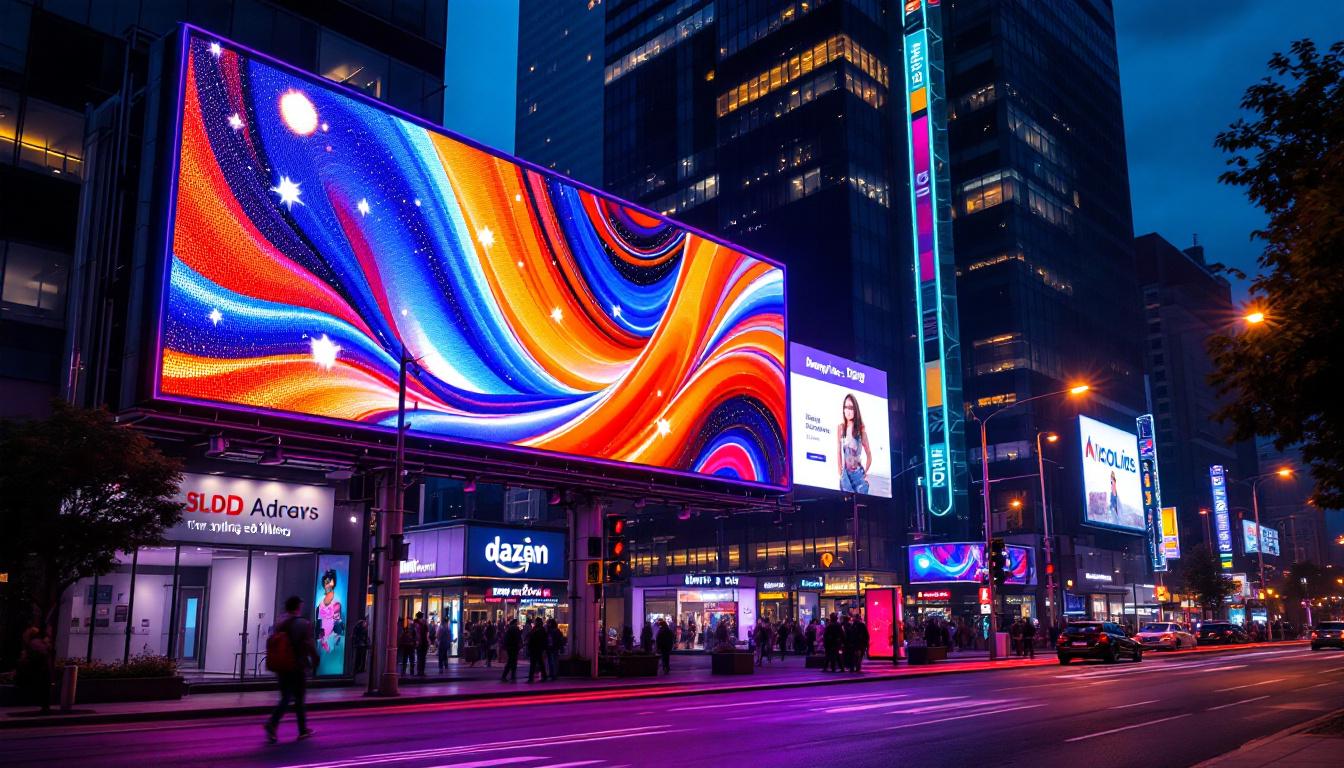
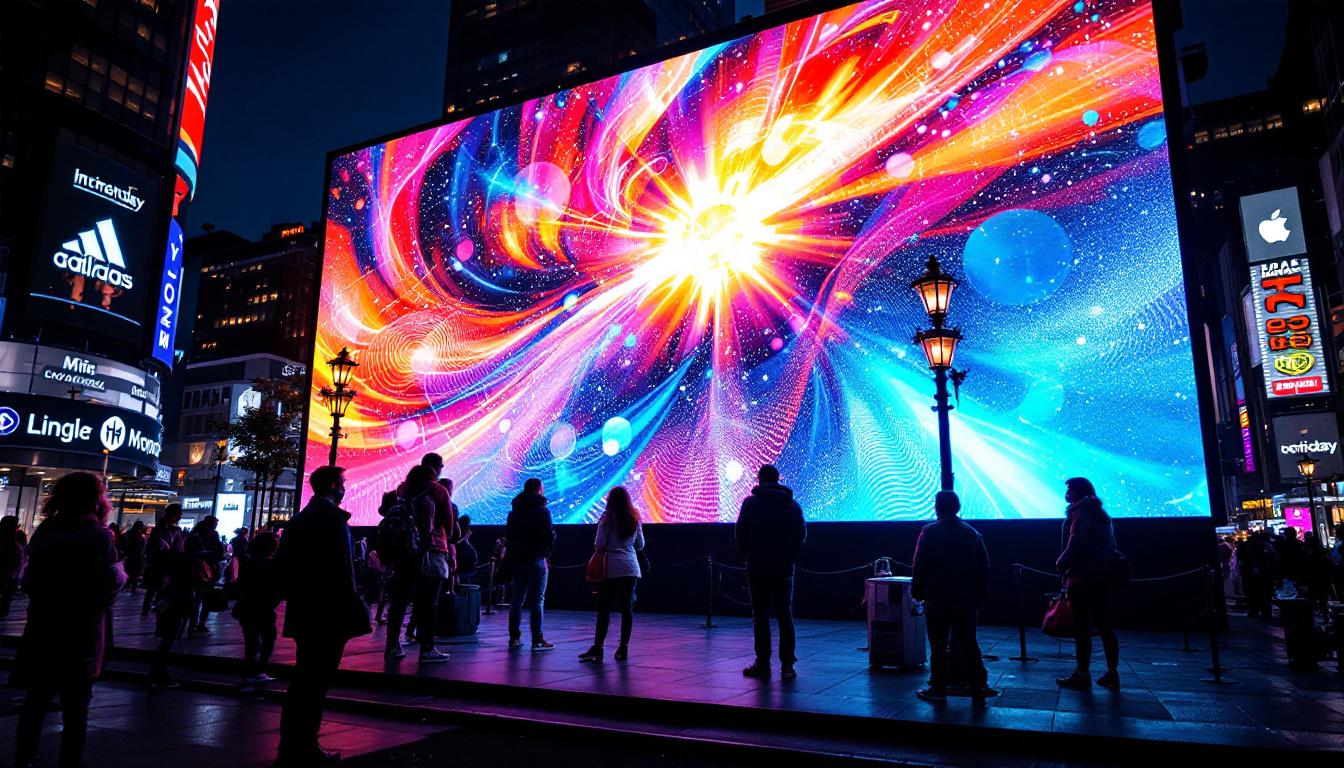
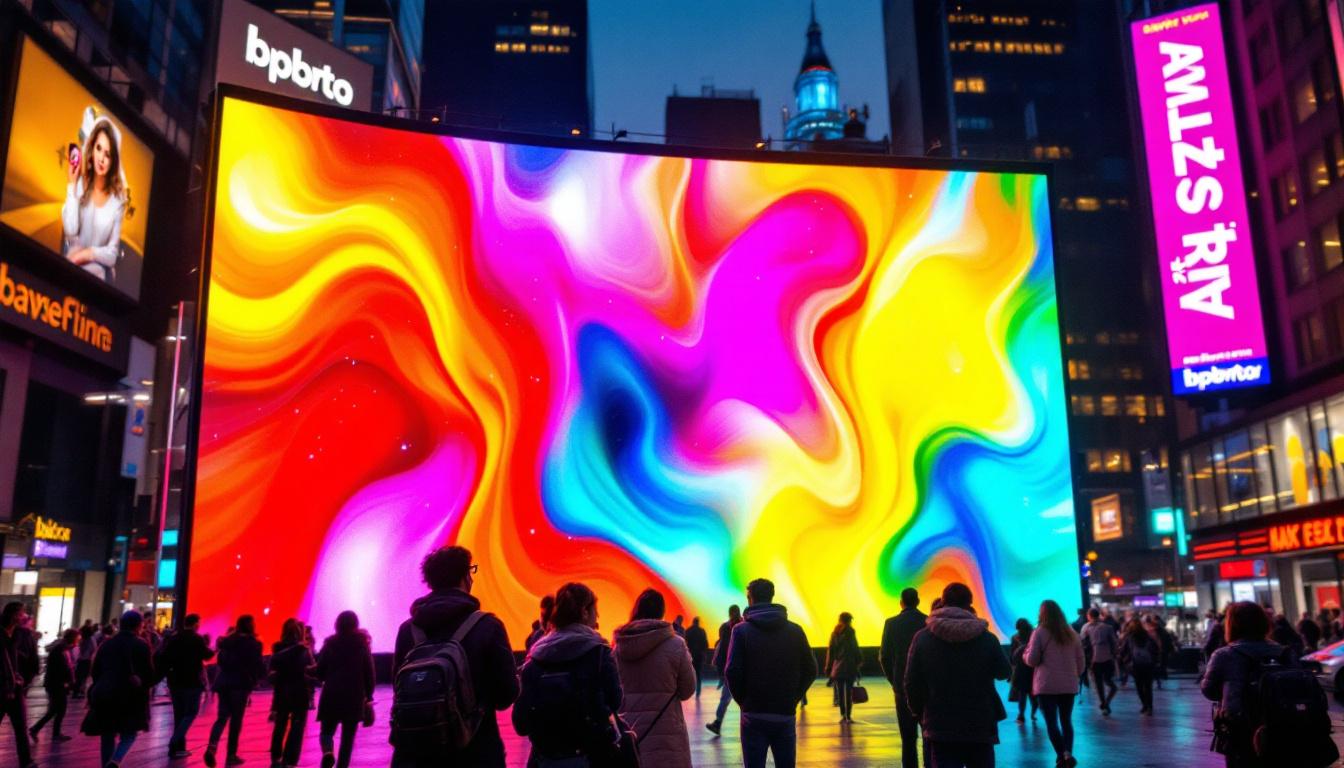
Outdoor LED displays are built to withstand harsh weather conditions and deliver high brightness to combat sunlight glare. These displays often feature robust enclosures with waterproof and dustproof ratings such as IP65 or higher. They are widely used for advertising billboards, public information displays, sports arenas, and transportation signage.
Due to their high brightness and durability, outdoor LED displays provide continuous, reliable operation in diverse environments. Their visibility from long distances makes them ideal for reaching large audiences in urban and roadside settings.
Transparent and Flexible LED Displays
Innovations in LED technology have led to the development of transparent and flexible LED displays. Transparent LED screens allow light to pass through, making them perfect for glass storefronts and architectural applications where maintaining natural light is important. These displays can showcase dynamic content without obstructing the view.
Flexible LED displays, on the other hand, can bend and curve around surfaces, enabling creative installations on irregular shapes and structures. This technology is gaining traction in experiential marketing and entertainment venues, offering unique visual effects that captivate audiences.
Key Considerations When Choosing an LED Display
Resolution and Pixel Pitch
Resolution is a critical factor that determines the clarity and detail of the displayed content. It is influenced by the pixel pitch—the smaller the pitch, the higher the resolution and the closer the optimal viewing distance. For indoor applications where viewers are near, a pixel pitch between 1.2mm and 2.5mm is recommended. For outdoor applications, pitches of 6mm to 20mm are common, balancing resolution with cost-effectiveness.
Understanding the viewing environment and audience distance helps in selecting the appropriate pixel pitch to ensure content is sharp and legible.
Brightness and Contrast Ratio
Brightness is measured in nits and should be matched to the ambient lighting conditions of the installation site. Outdoor displays require high brightness to remain visible in daylight, while indoor displays can operate effectively at lower brightness levels. Contrast ratio, the difference between the darkest black and the brightest white, also impacts image quality and readability.
Choosing a display with a high contrast ratio enhances content depth and makes visuals more engaging, especially for video playback and detailed graphics.
Durability and Maintenance
Professional LED displays must be durable to withstand environmental factors such as temperature fluctuations, moisture, dust, and physical impact. Outdoor displays typically have protective coatings and sealed enclosures to ensure longevity. Additionally, modular designs facilitate easier maintenance and repair by allowing individual panels or LEDs to be replaced without dismantling the entire display.
Considering the maintenance requirements and warranty support from manufacturers is essential for minimizing downtime and ensuring consistent performance.
Control Systems and Connectivity
The control system is the interface between the content source and the LED display. Modern LED displays support various input formats, including HDMI, DVI, and network-based protocols. Advanced control software enables real-time content management, scheduling, and remote diagnostics, which are invaluable for large-scale deployments.
Reliable connectivity options and user-friendly control interfaces simplify operation and allow for dynamic content updates, enhancing the display’s effectiveness as a communication tool.
Future Trends in LED Display Technology
Mini-LED and Micro-LED Innovations
Emerging technologies like Mini-LED and Micro-LED are pushing the boundaries of display performance. Mini-LED uses thousands of tiny LEDs as backlighting units in LCD panels, improving contrast and brightness dramatically. Micro-LED, meanwhile, consists of microscopic LEDs that function as individual pixels, offering superior color accuracy, brightness, and energy efficiency without the need for backlighting.
These advancements promise even thinner, lighter, and more vivid displays, potentially revolutionizing both consumer electronics and professional signage markets.
Integration with IoT and Smart Technologies
As the Internet of Things (IoT) ecosystem expands, LED displays are increasingly integrated with sensors, cameras, and data analytics platforms. This integration enables personalized content delivery, interactive experiences, and real-time responsiveness to environmental changes or audience behavior.
Smart LED displays can enhance advertising effectiveness, improve public safety messaging, and create immersive environments that adapt dynamically to user needs.
Sustainability and Eco-Friendly Designs
Environmental concerns are driving the development of more sustainable LED display solutions. Manufacturers are focusing on reducing power consumption, using recyclable materials, and designing displays that are easier to upgrade rather than replace. These efforts align with global initiatives to minimize electronic waste and carbon footprints.
Choosing eco-friendly LED displays not only benefits the planet but also supports corporate social responsibility goals and can enhance brand reputation.
Conclusion
LED display technology has transformed the way businesses and organizations communicate visually. Its combination of brightness, flexibility, durability, and energy efficiency makes it an ideal choice for a wide range of professional applications. Understanding the technical aspects, advantages, and key considerations of LED displays empowers decision-makers to select the right solution tailored to their specific needs.
As innovations continue to evolve, LED displays will become even more versatile and impactful, shaping the future of digital signage and visual storytelling.
Explore Cutting-Edge LED Display Solutions with LumenMatrix
Ready to elevate your visual communication strategy with the latest in LED display technology? LumenMatrix is at the forefront of innovation, offering a diverse range of LED display solutions tailored to meet your unique needs. From vibrant Indoor LED Wall Displays to dynamic Outdoor LED Wall Displays, and from mobile Vehicle LED Displays to interactive Floor LED Displays, our products are designed to captivate and engage your audience. Discover how our Custom LED Displays and All-in-One LED Display solutions can transform your space and deliver your message with unparalleled clarity. Check out LumenMatrix LED Display Solutions today and join the revolution in digital signage excellence.