In the rapidly evolving world of digital signage and visual communication, LED displays have become a cornerstone technology. From massive outdoor billboards to indoor video walls in corporate lobbies, LED displays offer unparalleled brightness, color accuracy, and flexibility. Among the key components that make these displays function seamlessly is the concept of “wall controll,” a term that might seem technical but is essential for anyone involved in deploying or managing LED walls.
This article dives deep into what wall controll means in the context of LED displays, why it matters, and how it impacts the performance and management of LED video walls. Whether you are a technology integrator, a marketing professional, or simply curious about how these impressive digital canvases work, understanding wall controll will help you appreciate the technology behind the scenes.
Understanding LED Displays and Video Walls
What is an LED Display?
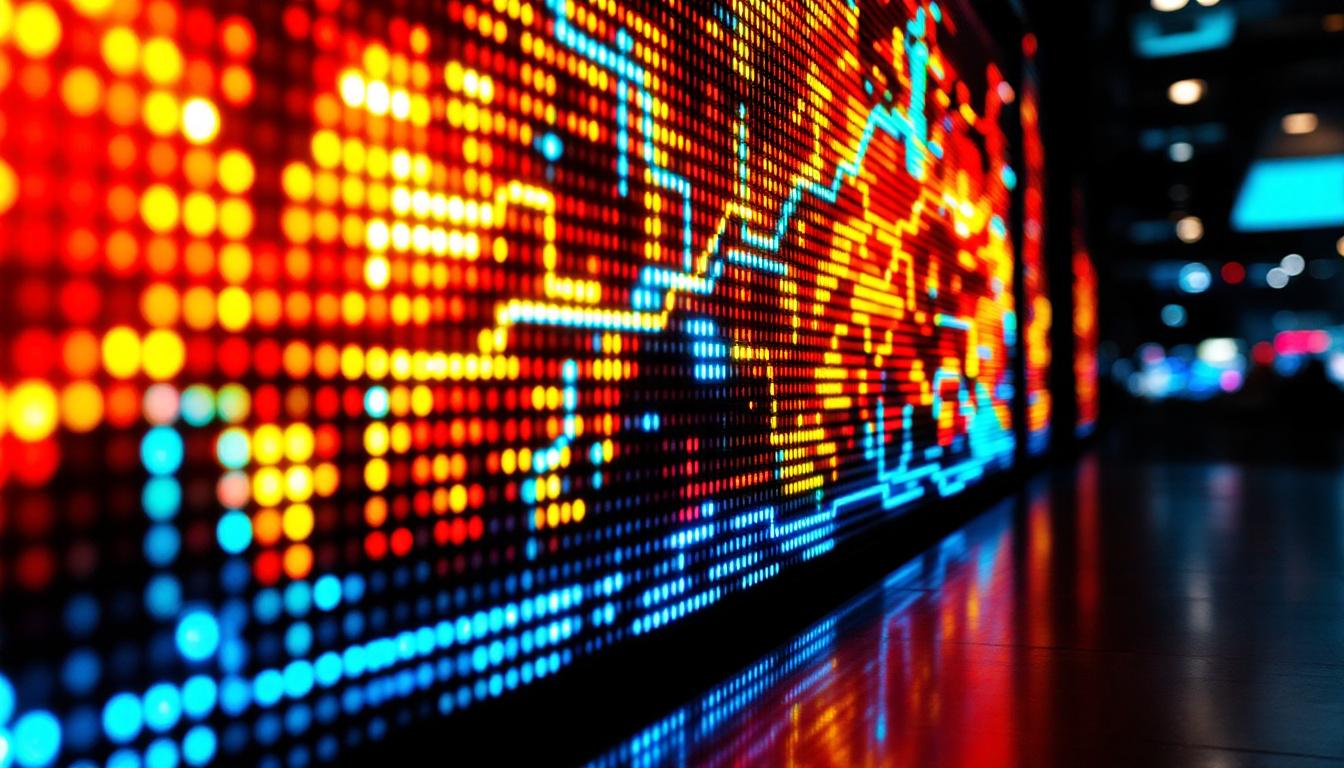
LED, or Light Emitting Diode, displays use tiny diodes that emit light when an electric current passes through them. Unlike traditional LCD or projection systems, LED displays are self-illuminating, meaning each pixel produces its own light. This characteristic enables LED displays to achieve higher brightness levels, better contrast ratios, and vibrant colors, making them ideal for both indoor and outdoor environments.
LED displays come in various forms, including single panels and modular units that can be tiled together to form larger screens known as video walls. The modular nature of LED technology allows for scalable and customizable display sizes, shapes, and resolutions. Additionally, advancements in LED technology have led to the development of flexible and transparent displays, opening up new possibilities for creative applications in architecture and design. These innovations enable designers to integrate displays into unconventional spaces, transforming ordinary surfaces into dynamic visual experiences.
The Rise of Video Walls
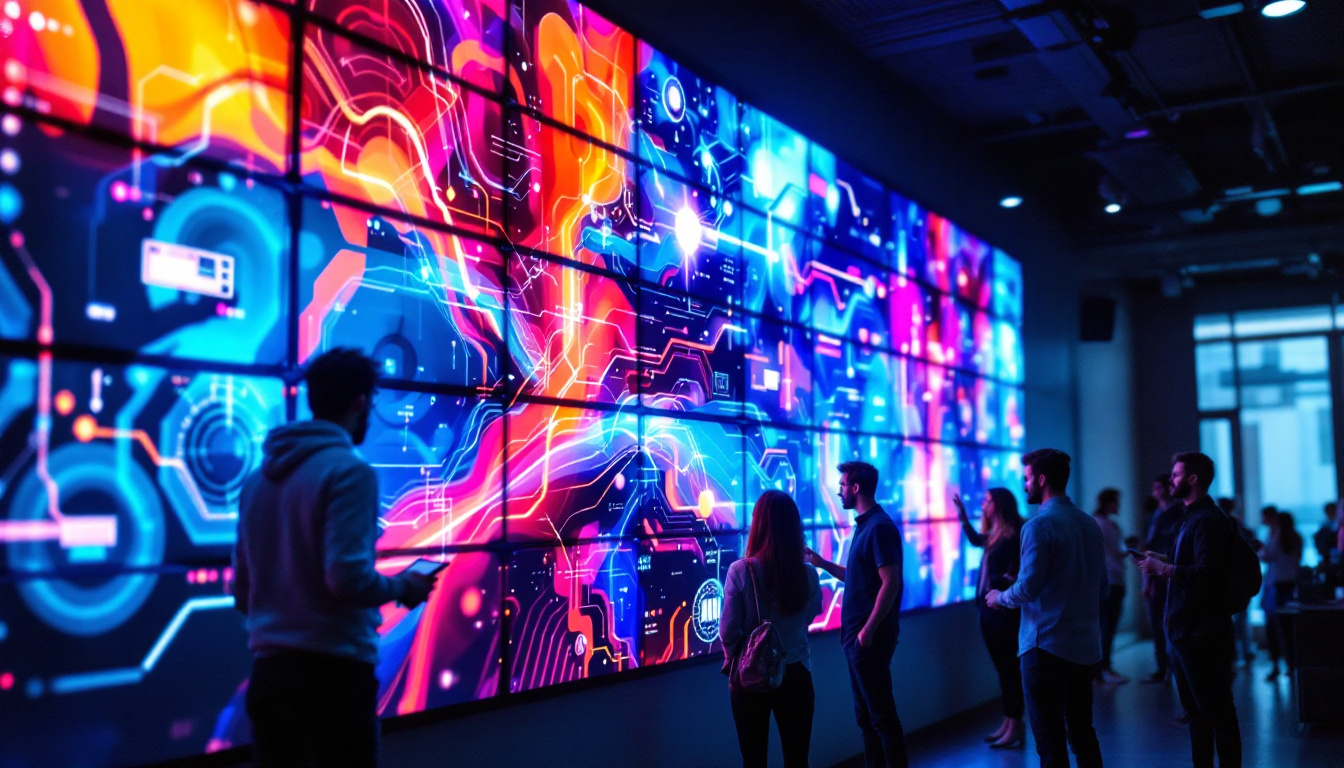
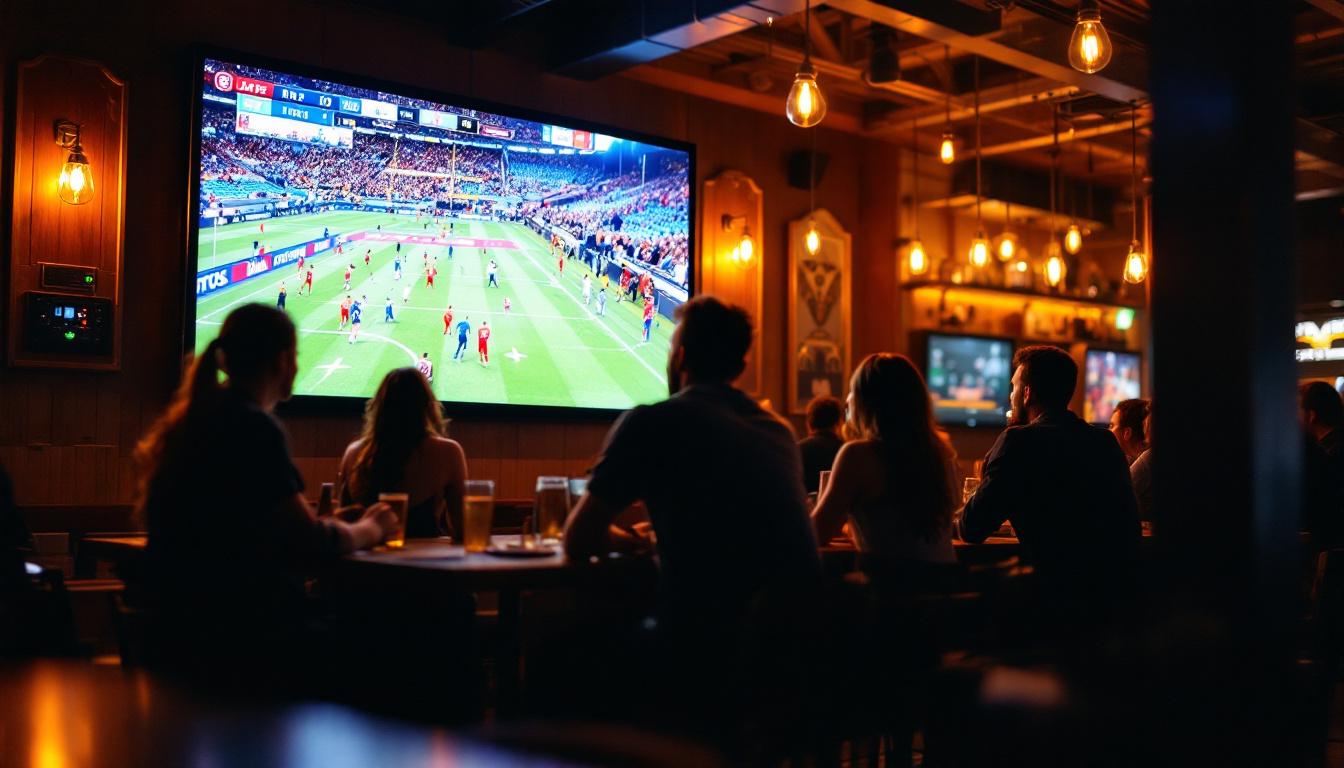
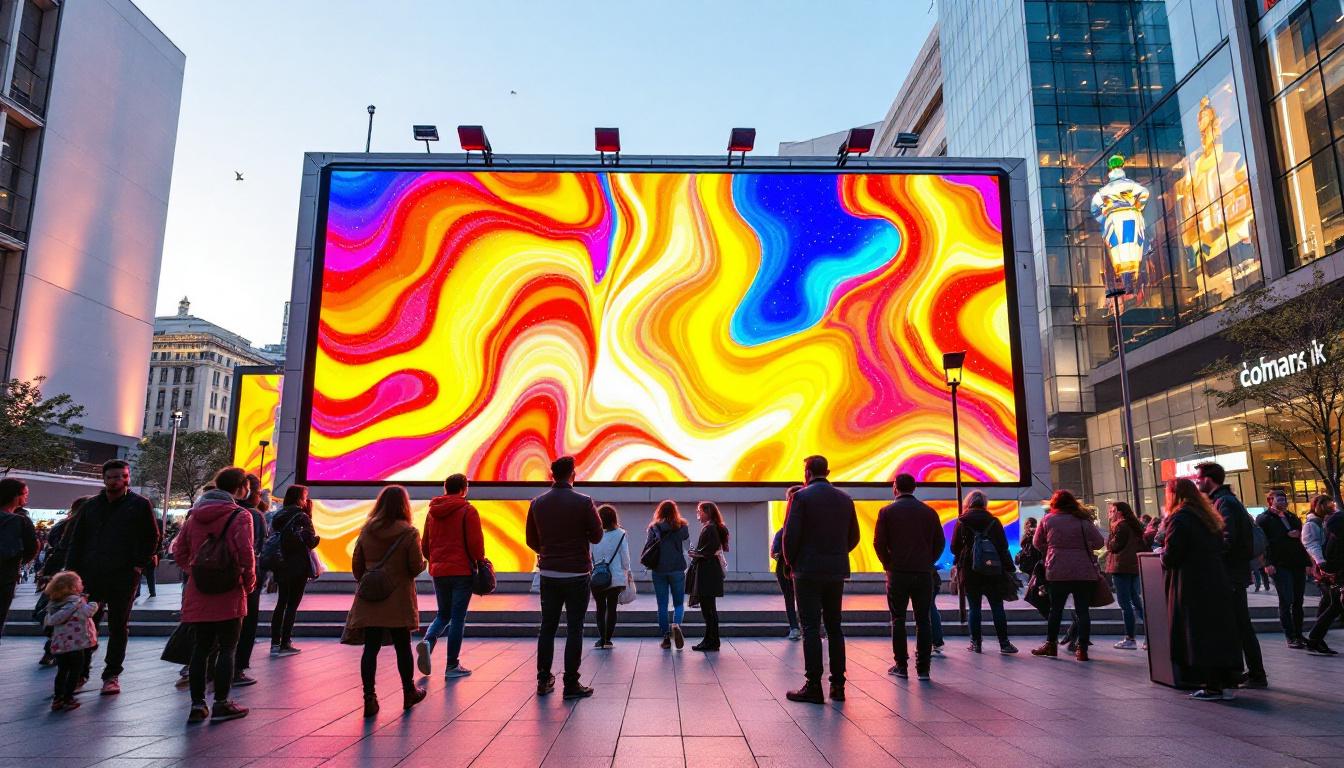
Video walls are large-scale displays composed of multiple LED panels seamlessly joined together to form one continuous screen. These walls are widely used in control rooms, stadiums, retail environments, and public spaces to deliver impactful visual content. The ability to scale up the display size without losing image quality is a significant advantage of LED video walls. Furthermore, the high refresh rates and low latency of LED technology ensure that video walls can display fast-moving content, such as live sports or dynamic advertisements, with stunning clarity and precision.
However, managing a video wall requires more than just assembling panels. Synchronizing content, managing brightness, color calibration, and ensuring uniformity across all modules are critical challenges. This is where wall control technology plays a crucial role. Advanced software solutions allow operators to control multiple video sources, enabling them to create stunning visual presentations that can be tailored for specific audiences. Moreover, with the integration of smart technology, video walls can now be programmed to respond to real-time data, such as social media feeds or live event updates, making them not only a visual spectacle but also an interactive platform that engages viewers in new and exciting ways.
What is Wall Controll in LED Displays?
Definition and Core Functionality
Wall controll refers to the system or technology responsible for managing and controlling the operation of an LED video wall. It encompasses hardware and software components that coordinate the display’s content, color calibration, brightness levels, and other operational parameters across all LED modules.
At its core, wall controll ensures that the video wall operates as a single, cohesive unit rather than a collection of disparate panels. It handles the distribution of video signals, synchronizes frame rates, and manages pixel mapping to deliver a seamless visual experience.
Key Components of Wall Controll Systems
A typical wall controll system includes:
- Controller Hardware: This can be a dedicated video processor or a computer-based system that receives input signals and processes them for output to the LED panels.
- Control Software: Software interfaces allow operators to configure the video wall, adjust settings like brightness and color balance, and manage content playback.
- Signal Distribution: Technologies such as HDMI, SDI, or specialized LED transmission protocols distribute video signals to each panel.
- Calibration Tools: Sensors and software that measure and adjust color and brightness to maintain uniformity across the wall.
Why Wall Controll Matters
Without effective wall controll, an LED video wall may suffer from issues such as color inconsistencies, flickering, misaligned images, or lag in video playback. These problems degrade the viewer’s experience and can undermine the impact of the displayed content.
Moreover, wall controll systems enable remote monitoring and diagnostics, allowing operators to detect and resolve issues proactively. This capability is especially important for large-scale installations where manual inspection of each panel would be impractical.
Technical Aspects of Wall Controll
Signal Processing and Distribution
One of the primary functions of wall controll is to process incoming video signals and distribute them correctly across the LED modules. This involves splitting the input into multiple streams, each corresponding to a specific section of the video wall. The controller ensures that these streams are synchronized so that the entire wall displays a coherent image.
Advanced wall controll systems support multiple input sources simultaneously, enabling features such as picture-in-picture or multi-window displays. This flexibility is invaluable in environments like control rooms or broadcast studios where diverse information needs to be displayed concurrently.
Pixel Mapping and Resolution Management
Each LED module contains thousands of pixels arranged in a grid. The wall controll system maps the incoming video content to these pixels, accounting for the physical layout of the panels. This process, known as pixel mapping, ensures that the image is displayed correctly without distortion or misalignment.
Resolution management is critical because video walls often combine panels with different native resolutions or aspect ratios. Wall controll systems can scale and crop content dynamically to fit the display configuration, maintaining image clarity and proportion.
Color Calibration and Brightness Control
Uniform color and brightness across the entire video wall are essential for a professional appearance. Variations between panels can distract viewers and reduce the effectiveness of the display.
Wall controll systems use calibration tools to measure the color output and brightness of each module. These measurements feed into algorithms that adjust the output to achieve consistency. Some advanced systems employ real-time calibration, continuously monitoring and correcting the display to compensate for environmental changes or panel aging.
Latency and Frame Synchronization
Latency refers to the delay between the input signal and the display output. In video walls, especially those used for live events or interactive applications, minimizing latency is crucial to ensure smooth and timely visuals.
Wall controll systems synchronize the frame rates of all modules to prevent tearing or stuttering. This synchronization is vital when displaying fast-moving content such as sports or live broadcasts.
Applications and Benefits of Effective Wall Controll
Corporate and Retail Environments
In corporate settings, LED video walls are often used in lobbies, conference rooms, and event spaces to showcase branding, presentations, or real-time data. Wall controll systems allow IT teams to manage content remotely, schedule playlists, and ensure the display operates flawlessly during critical events.
Retail environments benefit from dynamic digital signage that can be updated instantly to promote products, sales, or brand messaging. Consistent color and brightness, managed by wall controll, enhance visual appeal and customer engagement.
Broadcast and Control Rooms
Broadcast studios rely on LED video walls for background visuals and live feeds. Precise control over content and synchronization is mandatory to maintain broadcast quality standards.
Control rooms in sectors such as transportation, energy, and security use video walls to monitor multiple data streams simultaneously. Wall controll systems enable operators to customize layouts, zoom in on critical information, and respond quickly to changing situations.
Entertainment and Events
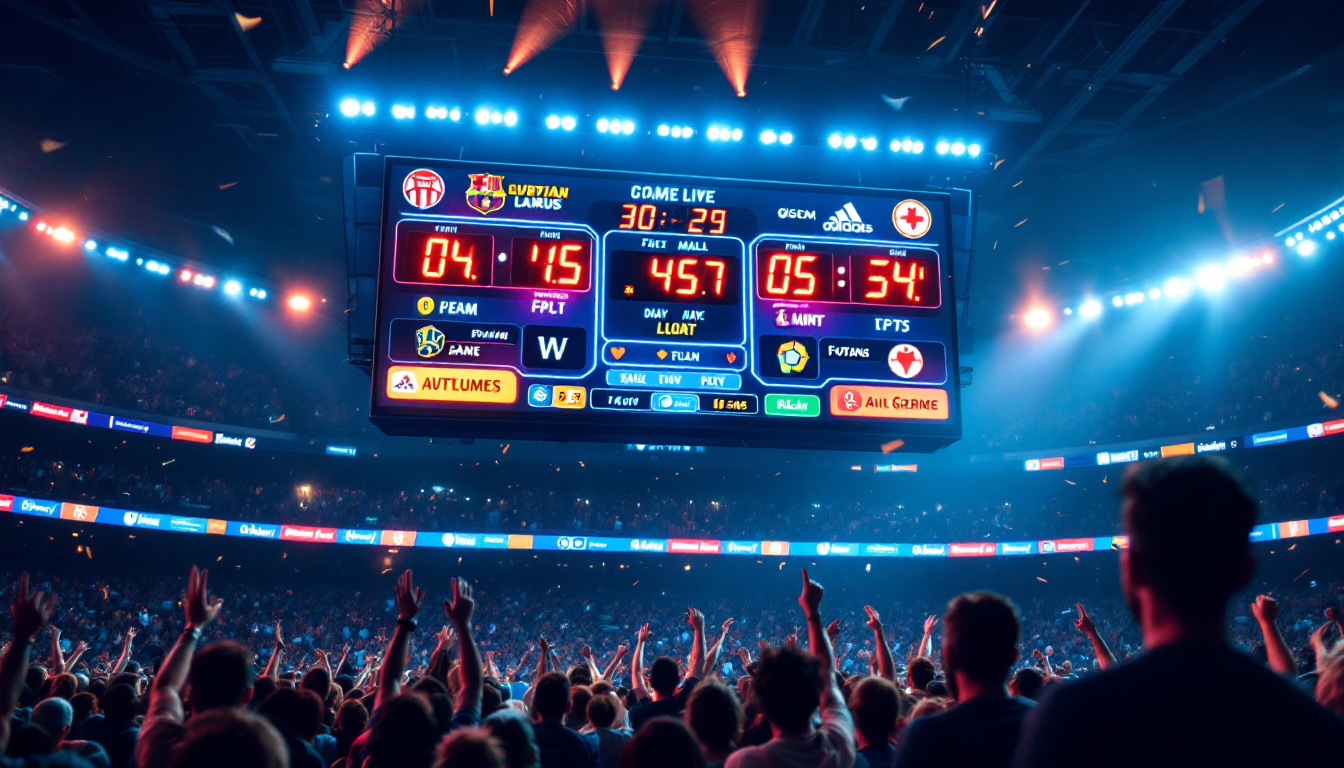
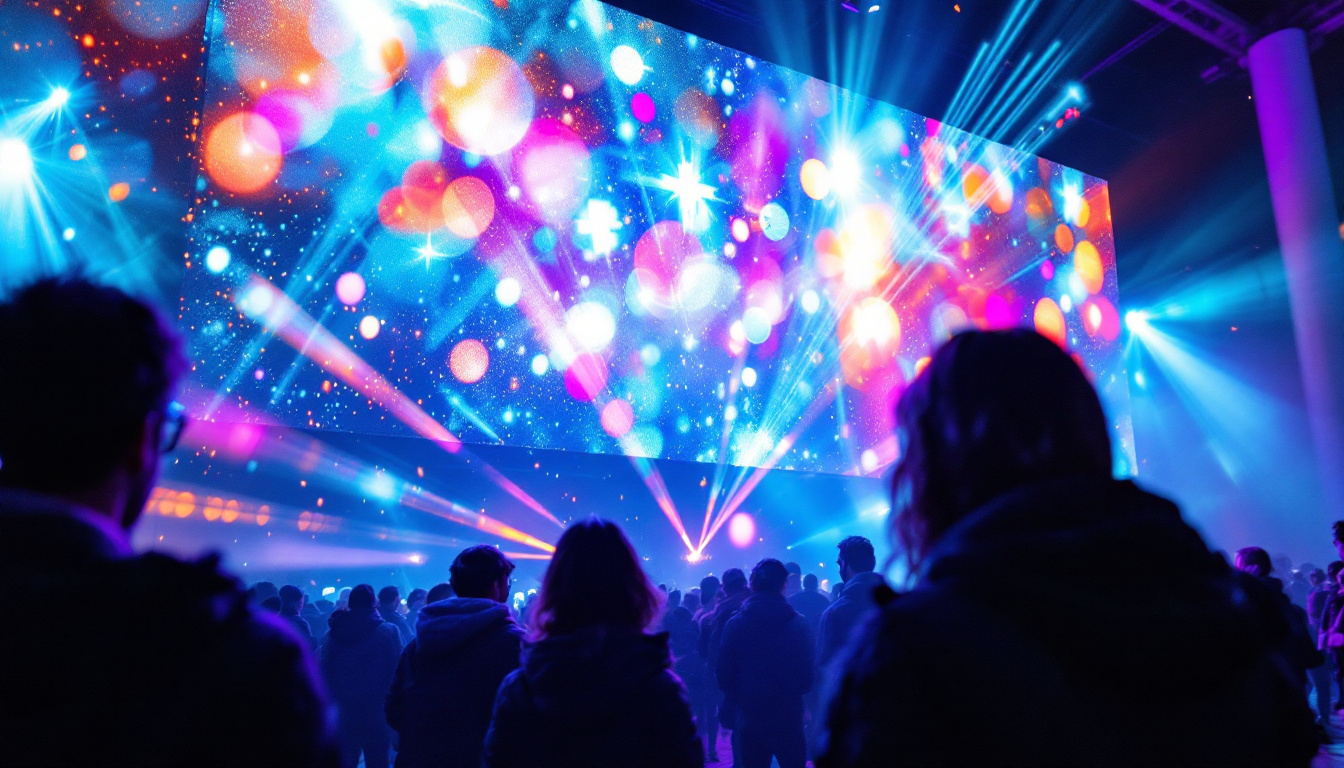
Concerts, sports arenas, and theaters use massive LED walls to create immersive experiences. Wall controll technology ensures that visuals are crisp, vibrant, and perfectly timed with live performances.
The ability to handle multiple inputs and complex video effects allows event producers to deliver captivating shows that engage audiences on a large scale.
Choosing the Right Wall Controll System
Factors to Consider
Selecting an appropriate wall controll system depends on several factors:
- Display Size and Resolution: Larger walls with higher resolutions require more powerful controllers capable of handling increased data throughput.
- Content Complexity: Multi-source inputs, interactive content, and dynamic layouts necessitate advanced control features.
- Installation Environment: Indoor versus outdoor installations may require different hardware specifications, including weatherproofing and brightness control.
- Scalability and Flexibility: Future expansion plans should be considered to ensure the system can grow with your needs.
- Budget and Support: Costs vary widely, and ongoing technical support is critical for maintaining system performance.
Emerging Trends in Wall Controll Technology
Recent advances in wall controll include the integration of artificial intelligence for predictive maintenance and automated calibration. AI-powered systems can detect anomalies before they affect display quality, reducing downtime and maintenance costs.
Cloud-based control platforms are also gaining traction, offering remote access and management from anywhere in the world. This flexibility is particularly beneficial for multi-site deployments and organizations with distributed teams.
Conclusion
Wall controll is an indispensable element of modern LED display technology, enabling video walls to deliver stunning, seamless visuals that captivate audiences across industries. By managing signal distribution, pixel mapping, color calibration, and synchronization, wall controll systems transform a collection of LED panels into a unified digital canvas.
As LED technology continues to advance and applications expand, understanding the role and capabilities of wall controll will help organizations make informed decisions about their digital signage investments. Whether for corporate communications, retail marketing, broadcast production, or live events, effective wall controll ensures that LED video walls perform at their best, delivering impactful and reliable visual experiences.
Discover LumenMatrix’s Advanced LED Display Solutions
Ready to elevate your visual communication with the latest in LED display technology? LumenMatrix offers a comprehensive range of solutions, from Indoor and Outdoor LED Wall Displays to innovative LED Transparent Displays. Embrace the future of digital signage with our Custom LED Displays, All-in-One solutions, and more, designed to captivate your audience and amplify your message. Check out LumenMatrix LED Display Solutions today and transform your space into a dynamic visual experience.