In today’s visually-driven world, display technology plays a pivotal role in how information is communicated, products are marketed, and experiences are delivered. Among the various display technologies available, LED displays have emerged as a dominant force, powering everything from massive outdoor billboards to sleek indoor monitors. But what exactly is an LED display? How does it work, and why has it become the preferred choice for so many applications? This article delves deep into the world of LED displays, explaining their technology, benefits, types, and future trends.
Understanding LED Display Technology
What is an LED Display?
LED stands for Light Emitting Diode, a semiconductor device that emits light when an electric current passes through it. An LED display is a flat panel display that uses an array of these tiny LEDs as pixels to create images and videos. Unlike traditional LCD screens, which rely on backlighting, LED displays produce their own light, resulting in brighter and more vibrant images.
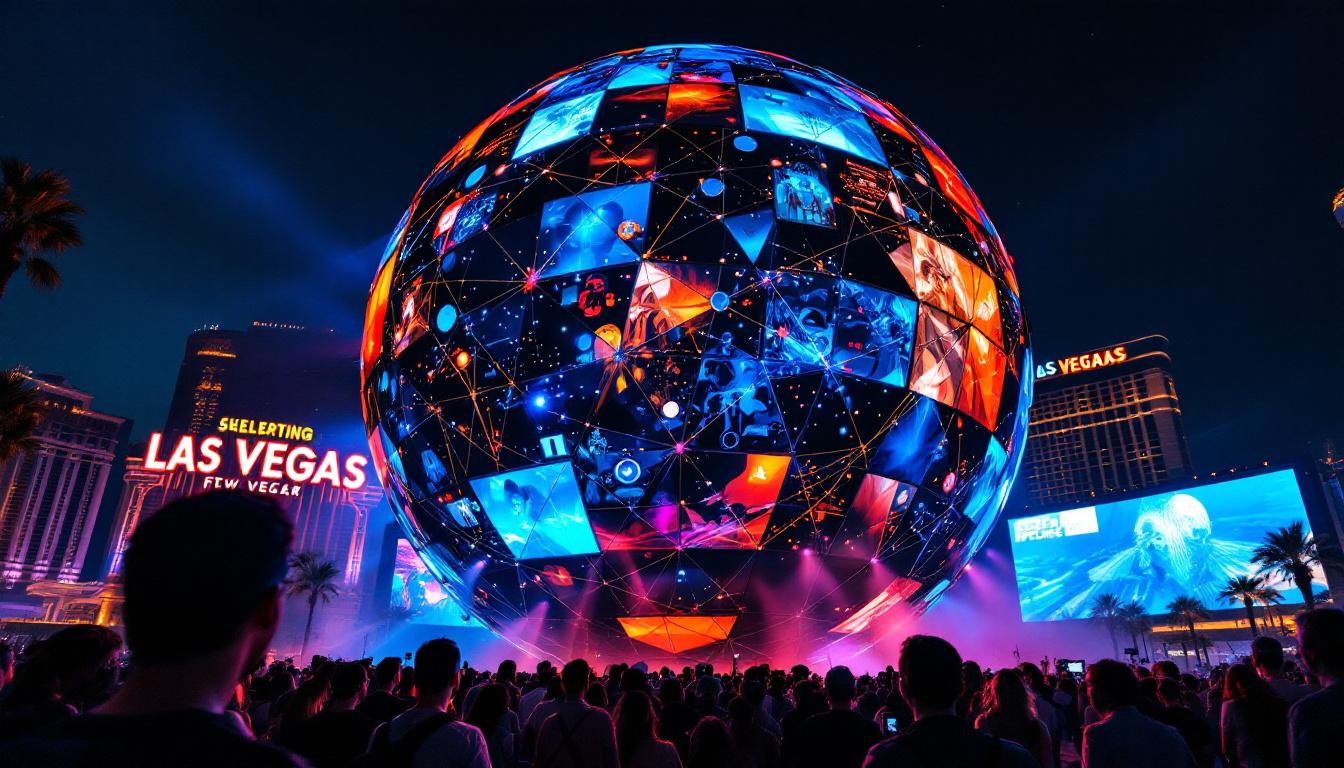
LED displays can vary widely in size and resolution, from small indicator lights and digital watches to massive stadium screens and digital billboards. Their modular design allows for flexible configurations, making them suitable for a broad range of applications. This versatility means that LED displays are not only used in consumer electronics but also in advertising, transportation, and even art installations. The ability to create large, eye-catching displays has revolutionized how information is conveyed in public spaces, enhancing visibility and engagement.
How Do LED Displays Work?
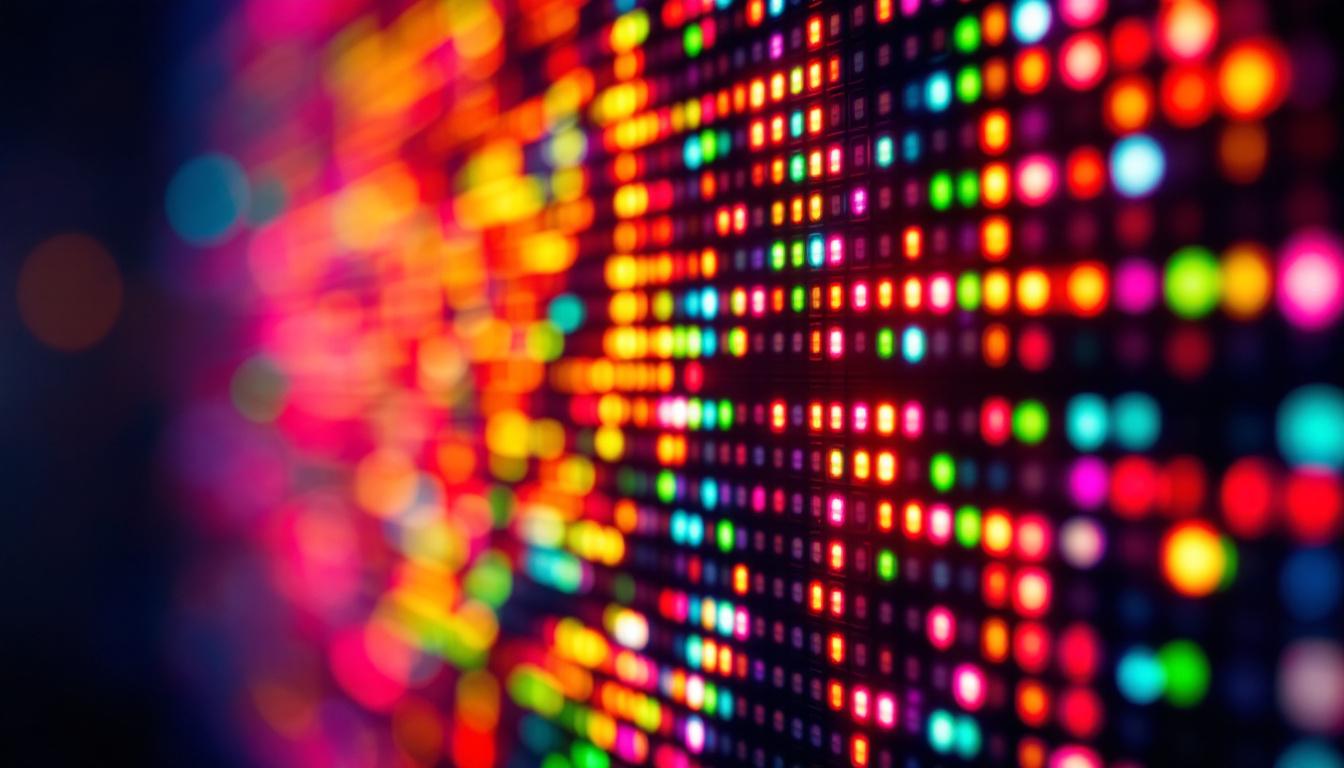
At the core of an LED display is the pixel, which is typically made up of three sub-pixels: red, green, and blue LEDs. By adjusting the intensity of each sub-pixel, the display can produce a full spectrum of colors. This RGB color model is the foundation of all digital color displays. The precision with which these colors can be mixed allows for stunning visual effects, making LED displays ideal for everything from high-definition television broadcasts to intricate digital art.
The LEDs are arranged in a grid, and each pixel’s brightness and color are controlled by a driver circuit. Modern LED displays use surface-mounted device (SMD) technology, where the LEDs are mounted directly onto the circuit board, allowing for higher pixel density and improved image quality. This advancement has led to the development of ultra-high-definition displays, which boast resolutions that can exceed 8K, providing viewers with an incredibly detailed and immersive experience.
Control systems send data to the LEDs to refresh the image many times per second, creating smooth motion and vibrant visuals. The refresh rate, pixel pitch, and resolution are critical factors that determine the display’s clarity and performance. Additionally, advancements in LED technology, such as organic LEDs (OLED) and quantum dot displays, are pushing the boundaries of what is possible, offering deeper blacks and wider color gamuts, further enhancing the viewing experience. As technology continues to evolve, the applications for LED displays are expanding, paving the way for innovations in both design and functionality.
Key Advantages of LED Displays
Brightness and Visibility
One of the most significant advantages of LED displays is their exceptional brightness. LEDs can achieve brightness levels exceeding 5,000 nits, making them easily visible even in direct sunlight. This makes LED displays ideal for outdoor advertising, sports arenas, and public information boards where visibility is paramount.
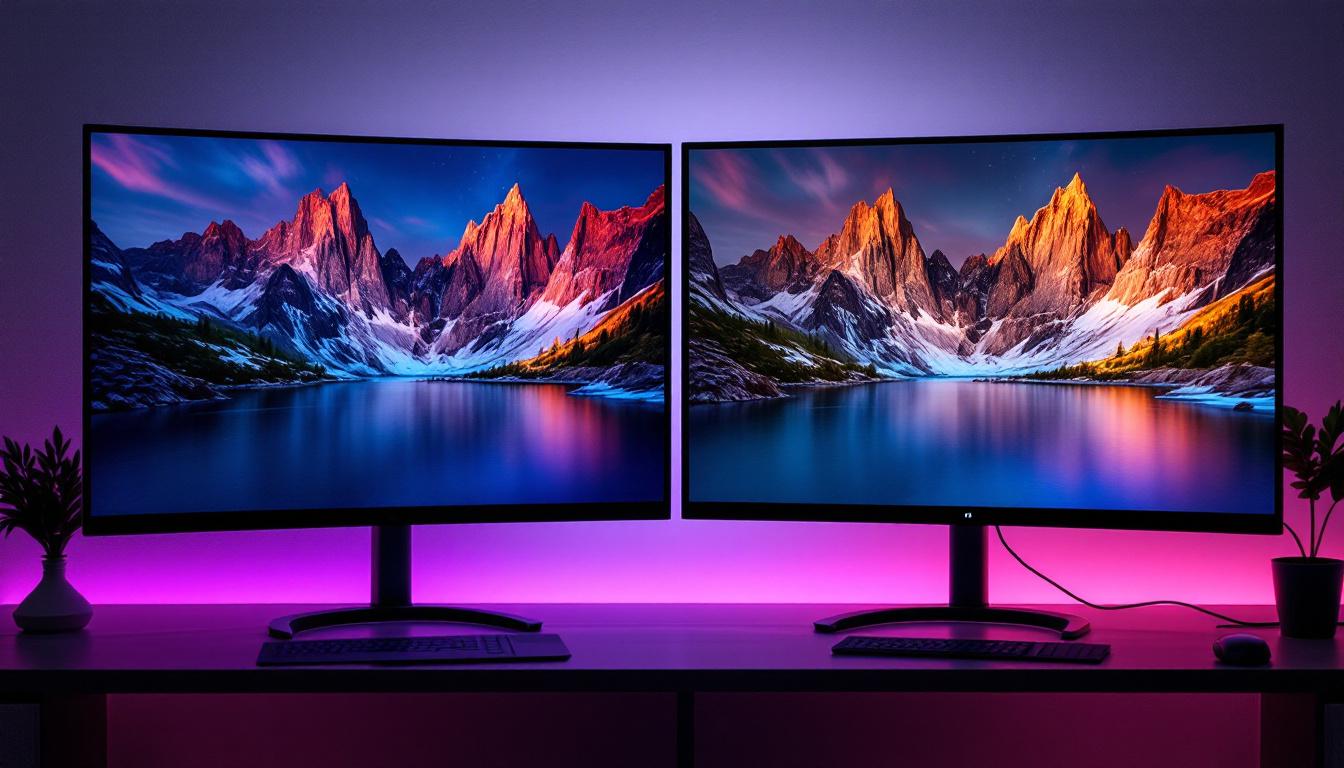
Compared to LCD and OLED displays, LEDs offer superior contrast ratios and color vibrancy, resulting in images that are sharp and eye-catching. This brightness advantage also means LED displays consume less power to achieve the same level of visibility, contributing to energy efficiency.
Durability and Longevity
LED displays are renowned for their durability. The solid-state nature of LEDs means they are resistant to shock, vibration, and extreme weather conditions. This robustness makes them suitable for outdoor installations in harsh environments.
Additionally, LED displays have a long operational lifespan, often rated between 50,000 to 100,000 hours. This longevity reduces maintenance costs and downtime, making them a cost-effective choice for businesses and event organizers.
Flexibility and Scalability
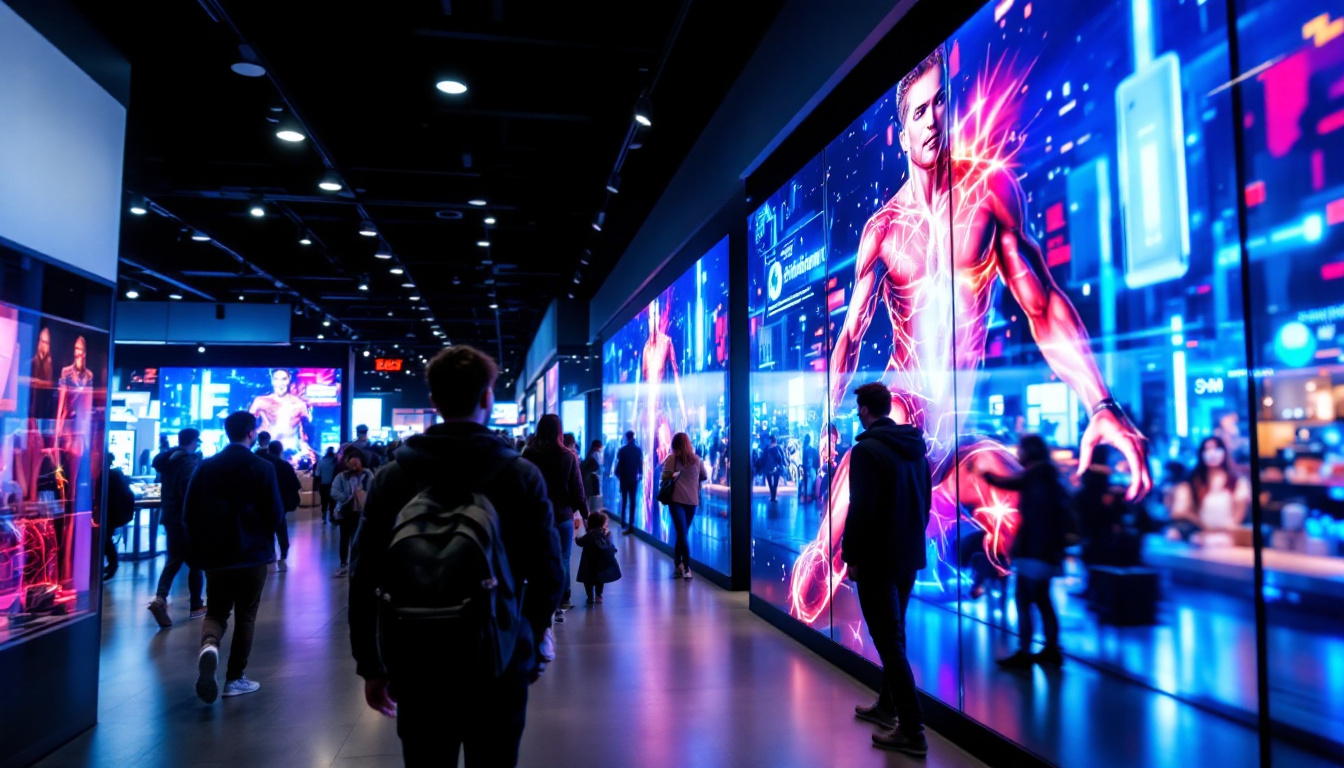
LED displays are highly modular, allowing for custom sizes and shapes. Whether it’s a curved display wrapping around a building facade or a giant video wall in an airport terminal, LED technology can be adapted to fit unique design requirements.
This scalability also extends to resolution and pixel pitch. Pixel pitch refers to the distance between the centers of two adjacent pixels, and it directly affects the display’s resolution and viewing distance. Smaller pixel pitches are used for close-up viewing, such as indoor displays, while larger pitches are suitable for distant viewing, like billboards.
Types of LED Displays
Indoor vs. Outdoor LED Displays
Indoor and outdoor LED displays differ primarily in brightness, pixel pitch, and weatherproofing. Indoor LED displays typically have a smaller pixel pitch, ranging from 0.9mm to 4mm, providing high resolution for close viewing distances. They are designed for controlled environments without exposure to weather elements.
Outdoor LED displays, on the other hand, have larger pixel pitches, often between 4mm and 20mm, to ensure visibility from greater distances. They are built with waterproof and dustproof enclosures to withstand rain, wind, and temperature fluctuations. Additionally, outdoor LEDs have higher brightness levels to combat sunlight glare.
Direct View LED vs. LED-Backlit LCD
Direct view LED displays use LEDs as the actual pixels that emit light and color, offering superior brightness and contrast. These are commonly used in large-scale applications such as stadium screens and outdoor advertising.
In contrast, LED-backlit LCD displays use LEDs only as the backlight source behind an LCD panel. While this improves brightness and energy efficiency compared to traditional fluorescent backlighting, the image quality and viewing angles are generally inferior to direct view LED displays.
Flexible and Transparent LED Displays
Innovations in LED technology have led to the development of flexible and transparent LED displays. Flexible LED panels can bend and curve, enabling creative installations on curved surfaces or irregular shapes. This technology is increasingly popular in retail, exhibitions, and architectural applications.
Transparent LED displays allow light to pass through the screen, making them ideal for glass windows and storefronts. These displays can show dynamic content without obstructing the view, blending advertising with architectural aesthetics.
Applications of LED Displays
Advertising and Digital Signage
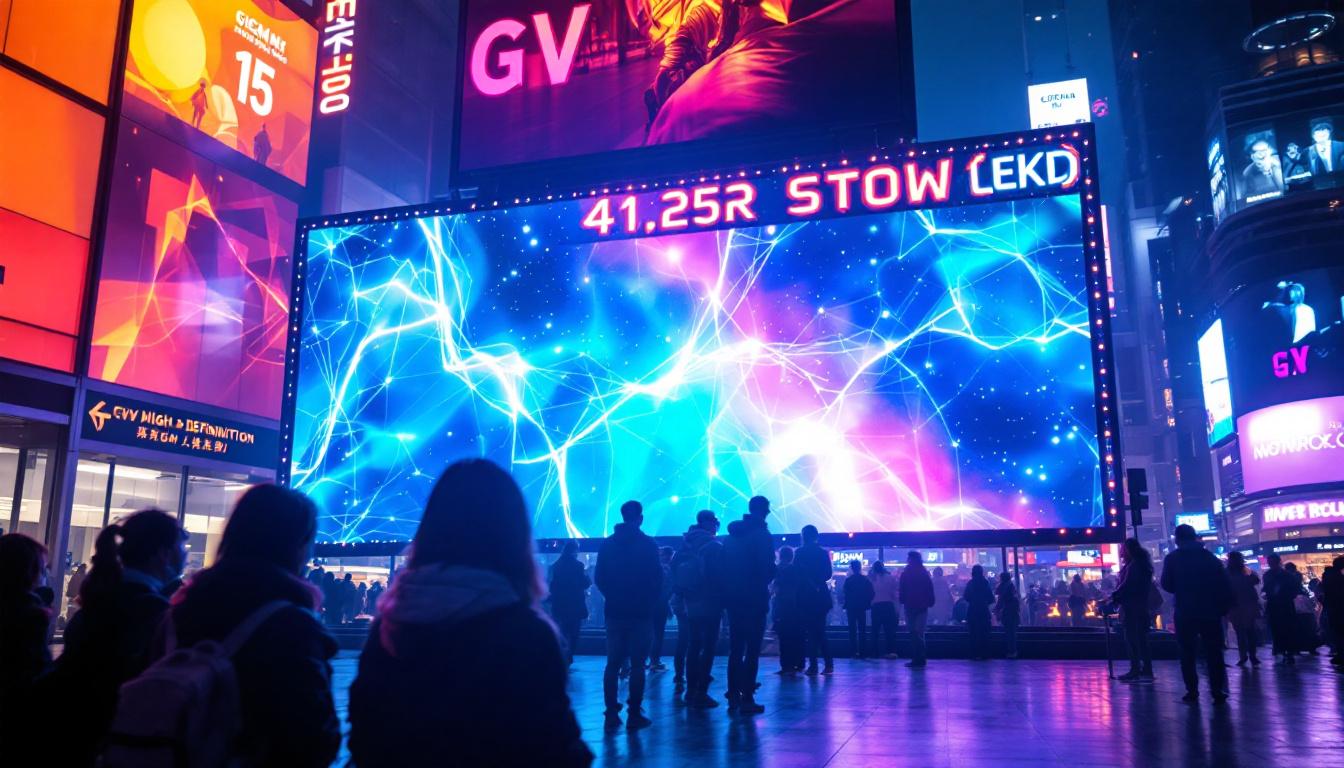
LED displays have revolutionized advertising by enabling dynamic, eye-catching content that can be updated in real time. Digital billboards powered by LED technology dominate urban landscapes, delivering targeted marketing messages to millions of viewers daily.
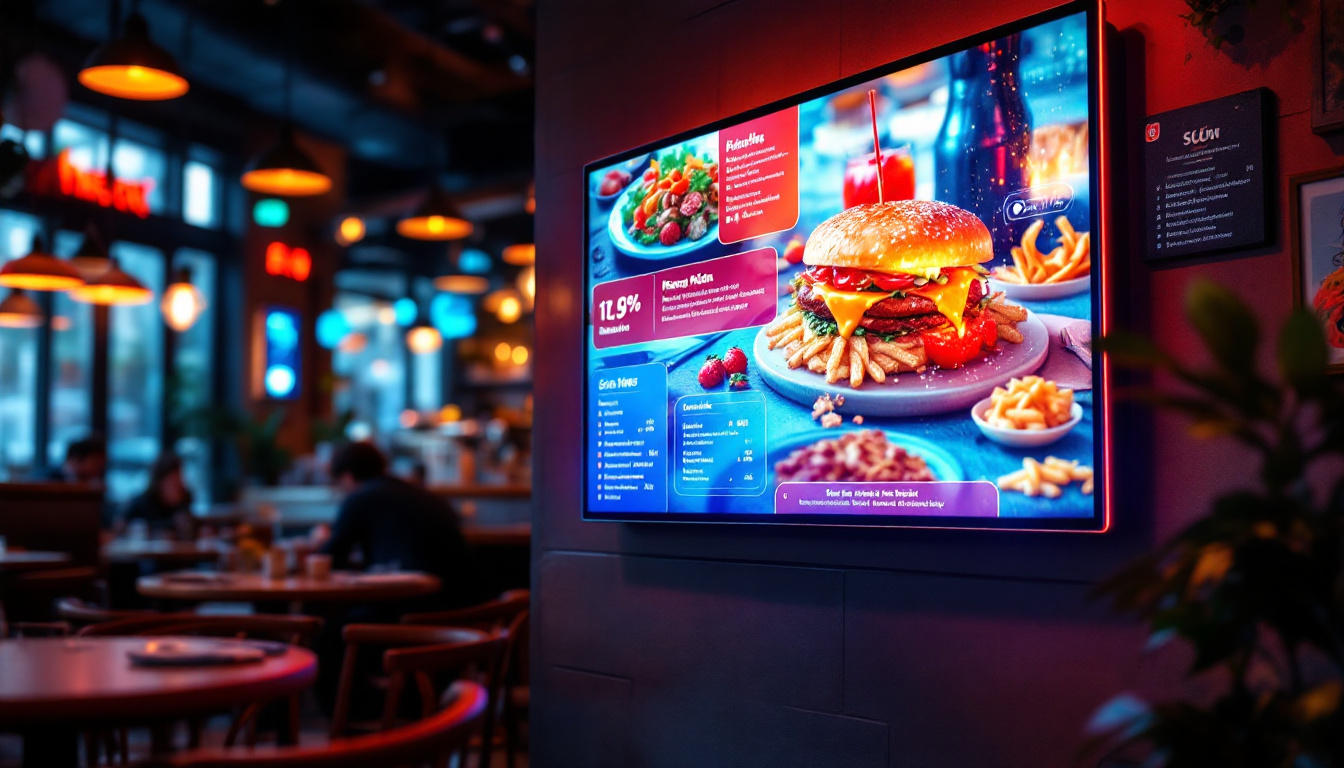
Retailers use LED signage to promote products and sales, while transportation hubs employ LED displays for schedules and announcements. The ability to display video, animations, and interactive content makes LED displays a versatile tool for engagement.
Entertainment and Events
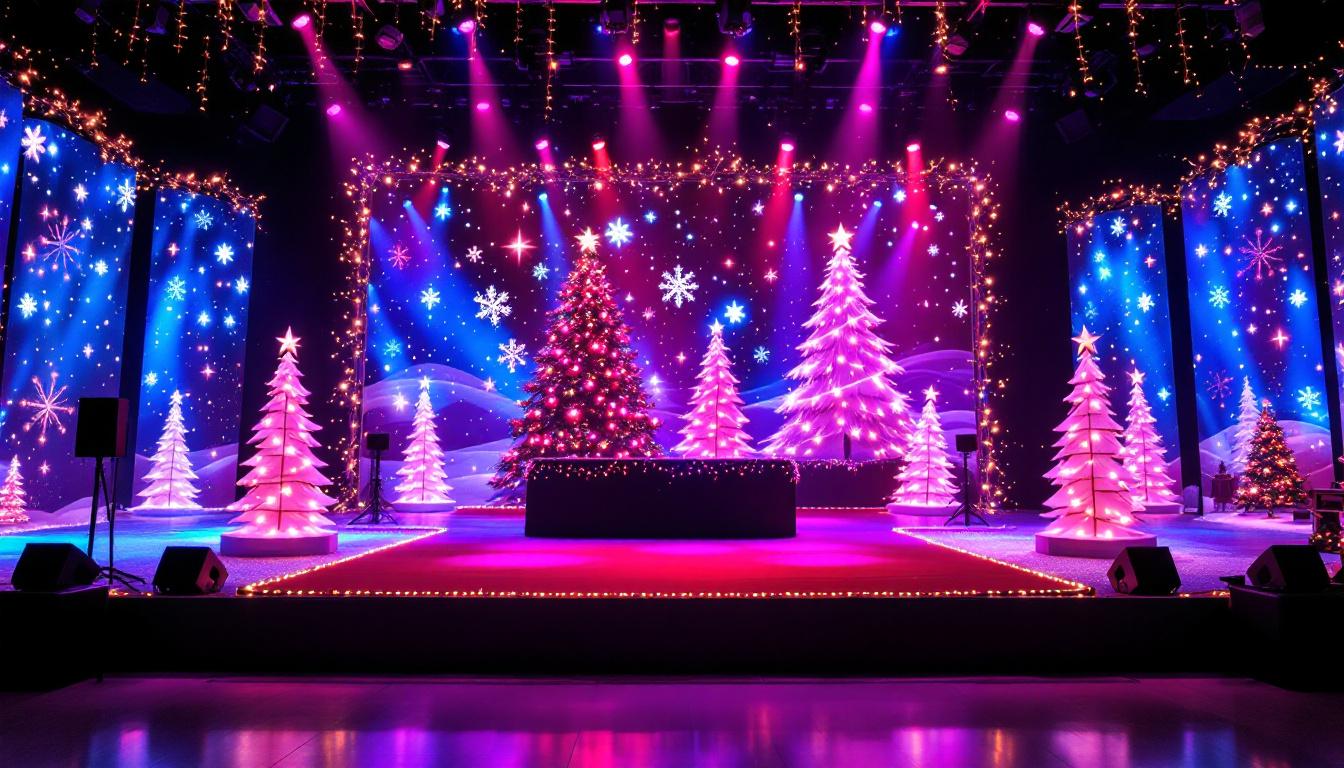
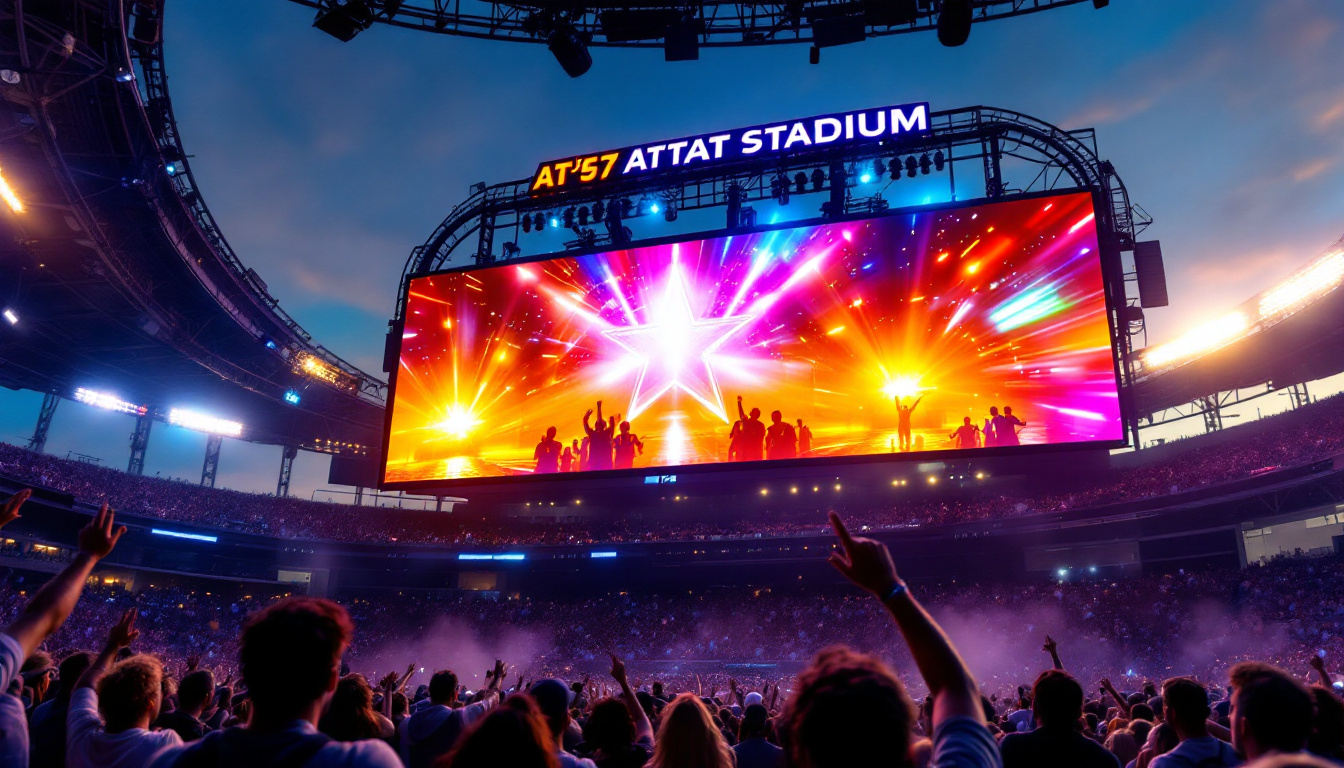
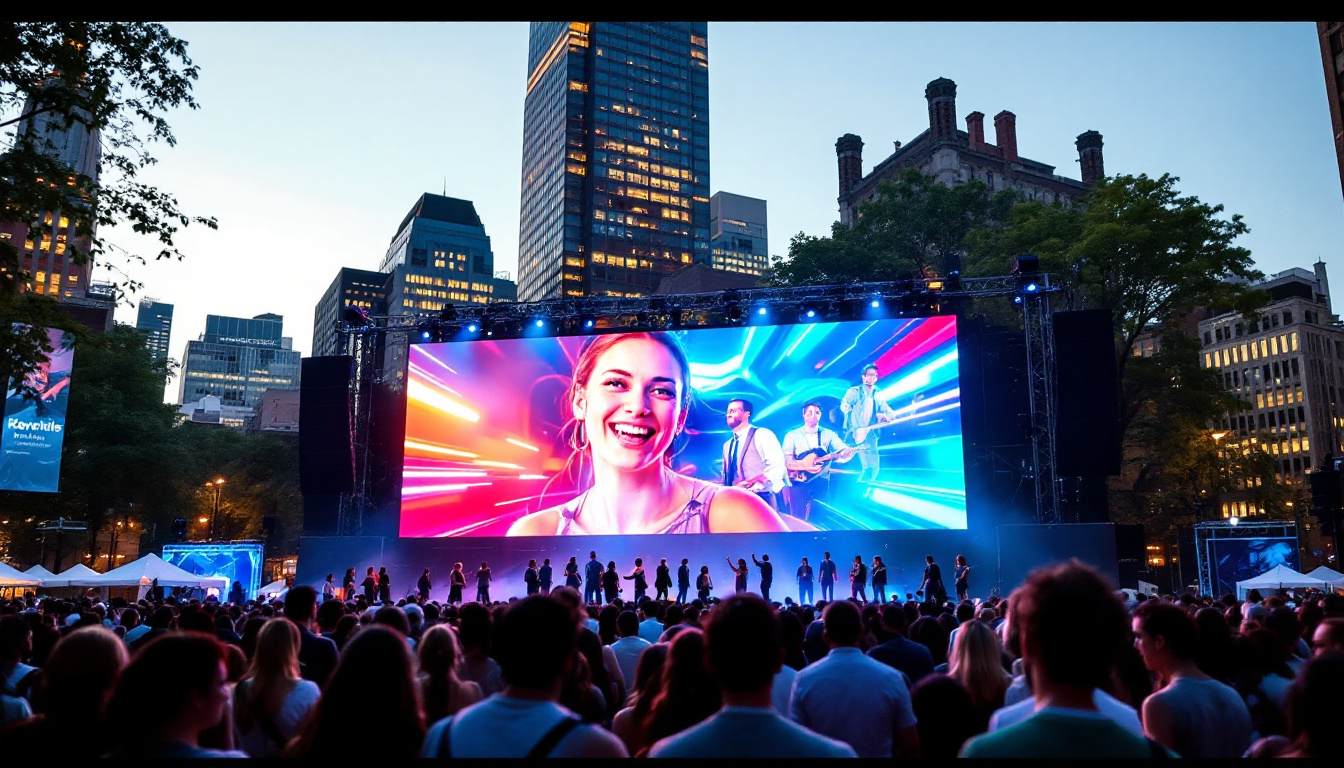
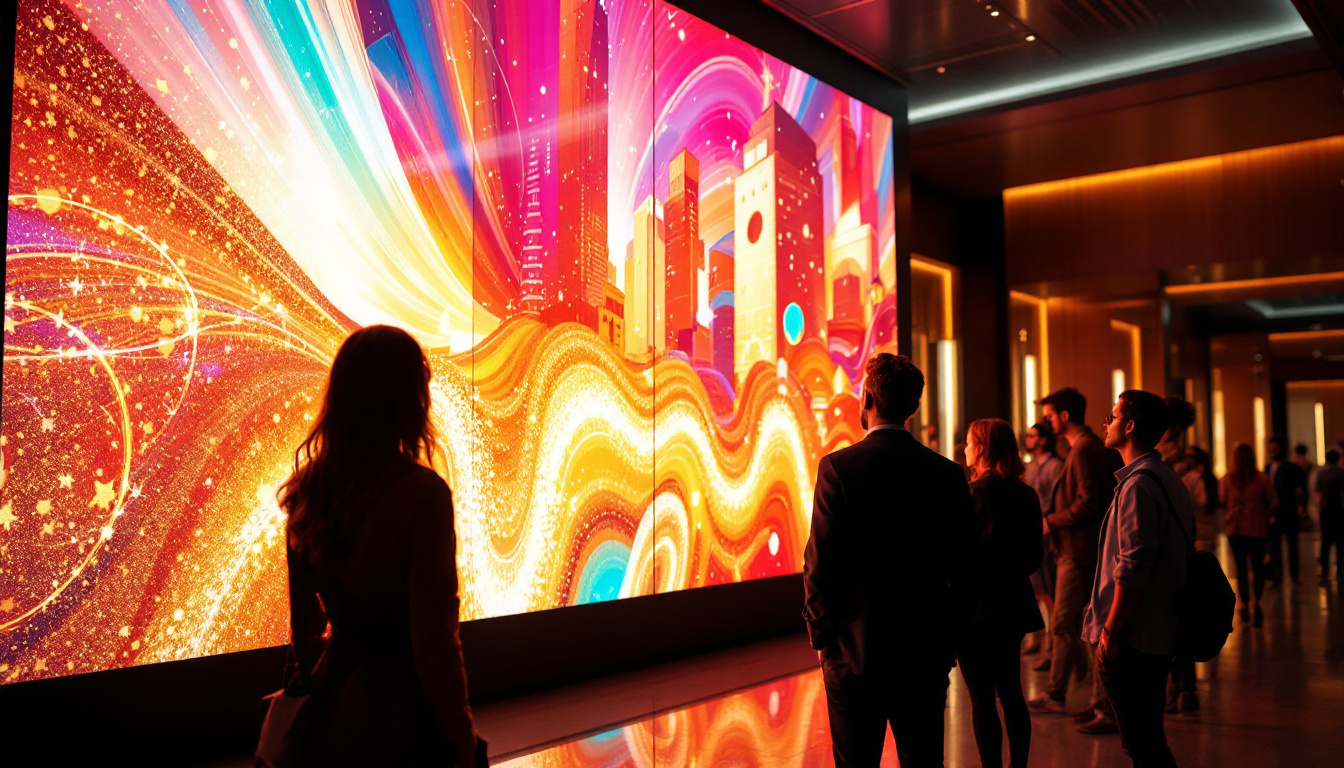
Concerts, sports events, and festivals rely heavily on LED displays to enhance the audience experience. Giant LED screens provide clear views of the action, even in large venues, while LED walls create immersive stage backdrops and visual effects.
The modular nature of LED displays allows event organizers to customize screen sizes and shapes, adapting to different venues and production requirements. The high refresh rates and color accuracy ensure smooth, vibrant visuals that captivate audiences.
Corporate and Control Rooms
In corporate environments, LED video walls are used for presentations, video conferencing, and branding. Their high resolution and brightness make them suitable for boardrooms and lobbies, where professional image quality is essential.
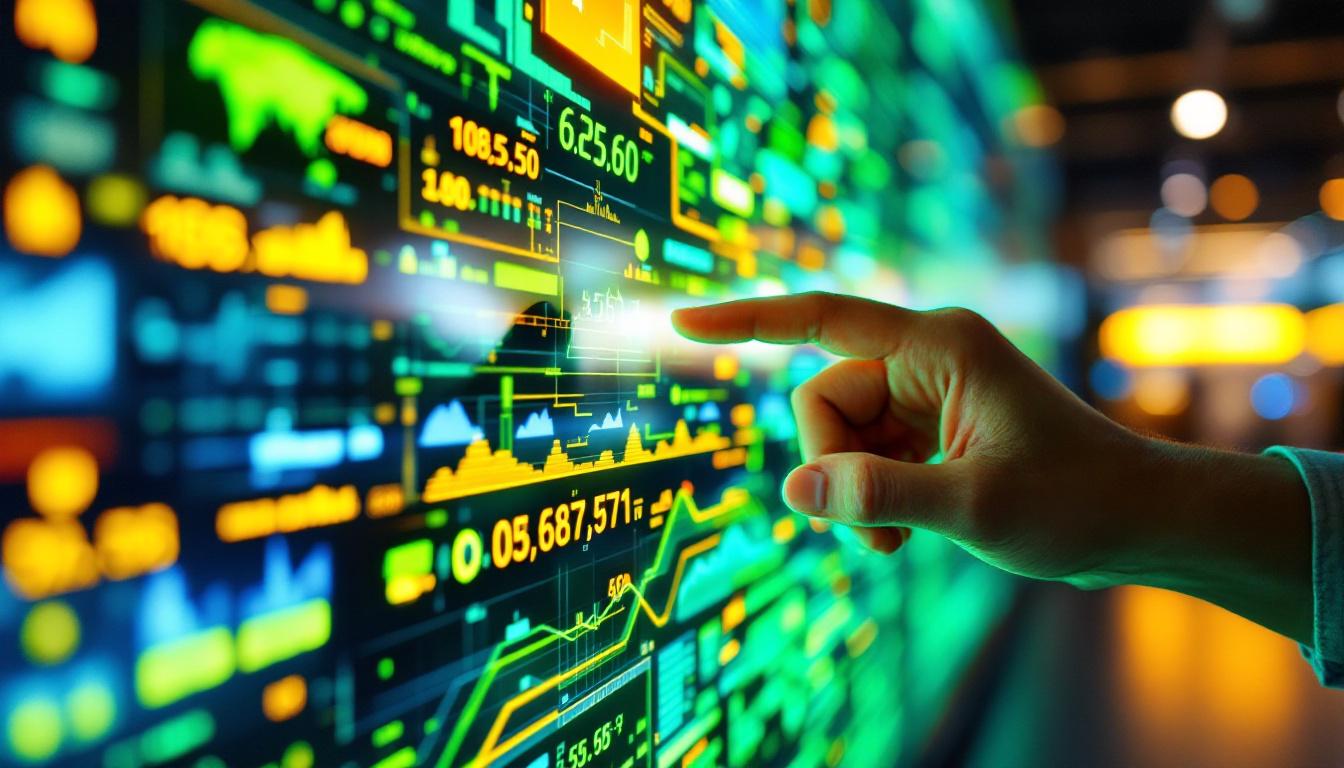
Control rooms in industries such as utilities, transportation, and security use LED displays to monitor operations in real time. The ability to display multiple data sources simultaneously enhances situational awareness and decision-making.
Future Trends in LED Display Technology
Mini-LED and Micro-LED Innovations
Emerging technologies like Mini-LED and Micro-LED are pushing the boundaries of LED display performance. Mini-LEDs use thousands of tiny LEDs as backlighting for LCD panels, offering improved contrast and brightness over traditional LED-backlit LCDs.
Micro-LED technology takes this further by using microscopic LEDs as individual pixels, combining the benefits of OLED’s color accuracy with LED’s brightness and longevity. Although still in early stages of commercialization, Micro-LED displays promise ultra-high resolution, energy efficiency, and flexible form factors.
Integration with Smart Technologies
LED displays are increasingly integrated with IoT (Internet of Things) and AI (Artificial Intelligence) to enable smarter content management and interactivity. For example, smart LED billboards can adjust brightness based on ambient light or display targeted ads based on audience demographics.
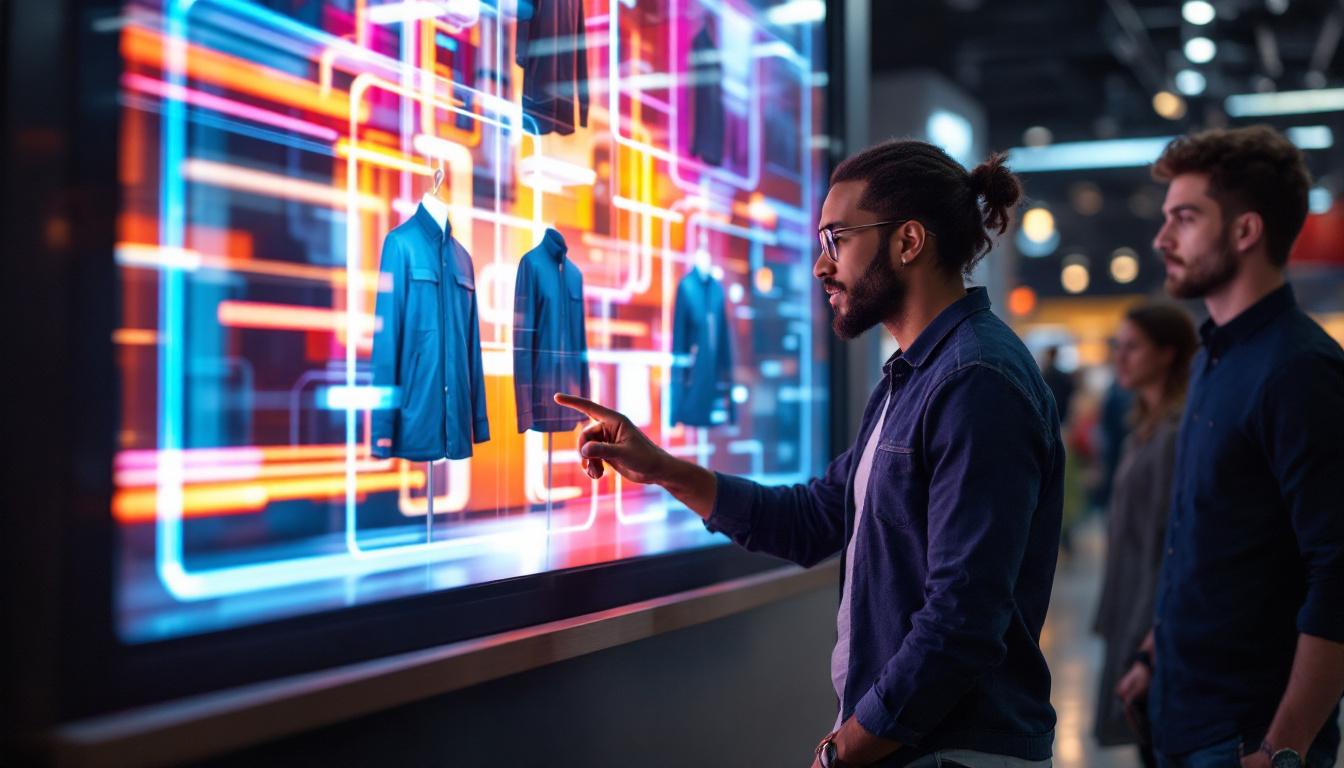
Interactive LED walls equipped with sensors allow users to engage with content through touch or gestures, opening new possibilities for retail, education, and entertainment.
Sustainability and Energy Efficiency
As environmental concerns grow, the LED display industry is focusing on sustainability. Advances in LED chip design and power management are reducing energy consumption without compromising brightness or quality.
Many manufacturers now emphasize recyclable materials and eco-friendly production processes. Additionally, the long lifespan of LED displays contributes to reducing electronic waste compared to other display technologies.
Conclusion: Why LED Displays Matter
LED displays have transformed the way visual content is delivered across industries. Their superior brightness, durability, flexibility, and energy efficiency make them an indispensable tool for communication and entertainment.
Whether it’s a towering digital billboard in Times Square, a dynamic video wall in a corporate headquarters, or an immersive LED backdrop at a music festival, LED technology continues to evolve and expand its impact. Understanding the fundamentals of LED displays empowers businesses, designers, and consumers to make informed decisions and harness the full potential of this vibrant technology.
Discover the Future of Visual Displays with LumenMatrix
Ready to elevate your visual communication with cutting-edge LED technology? LumenMatrix is at the forefront of innovation, offering an extensive range of LED display solutions tailored to your needs. From vibrant Indoor and Outdoor LED Wall Displays to dynamic Vehicle and Sports LED Displays, our products are designed to captivate and engage your audience. Experience the difference with our LED Poster Displays, Floor LED Displays, Custom LED Displays, All-in-One LED Displays, and LED Transparent Displays. Embrace the future of digital signage with LumenMatrix and transform your space into a hub of visual excellence. Check out LumenMatrix LED Display Solutions today and see your vision come to life.