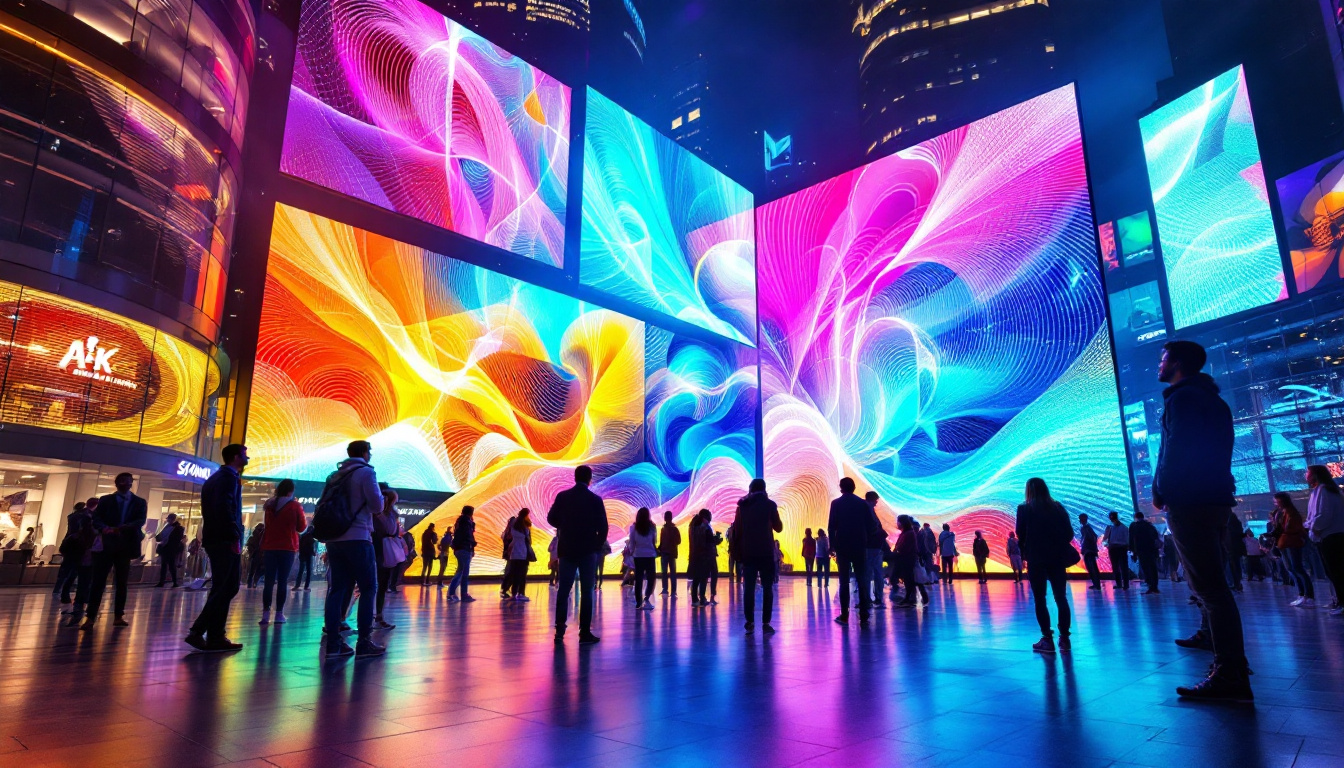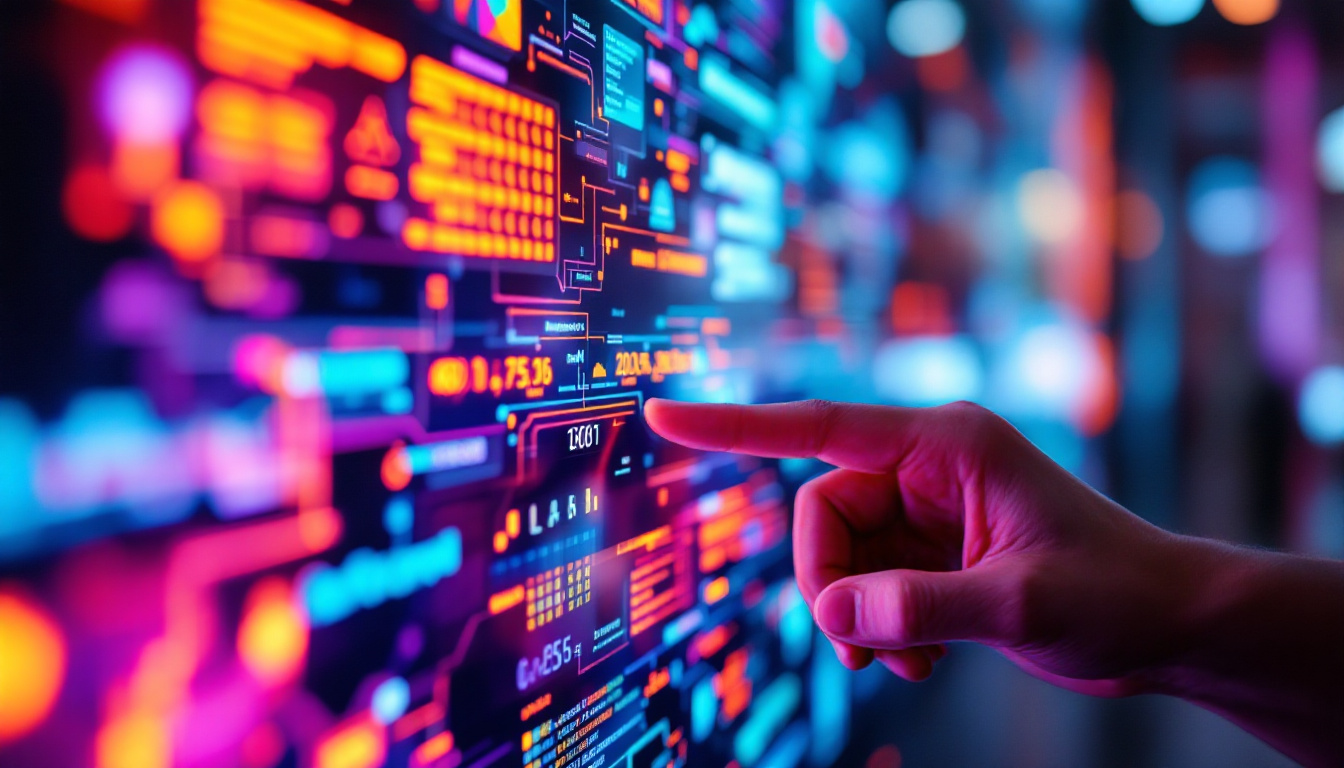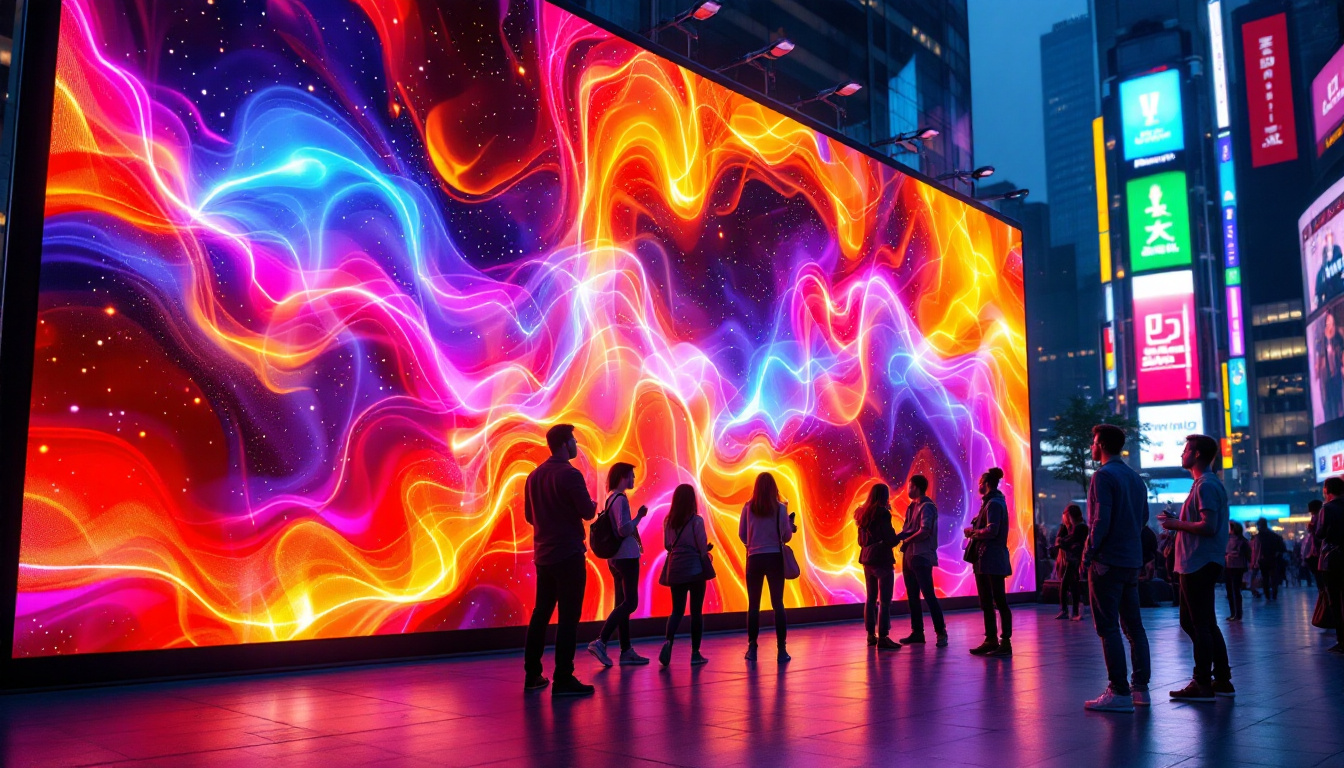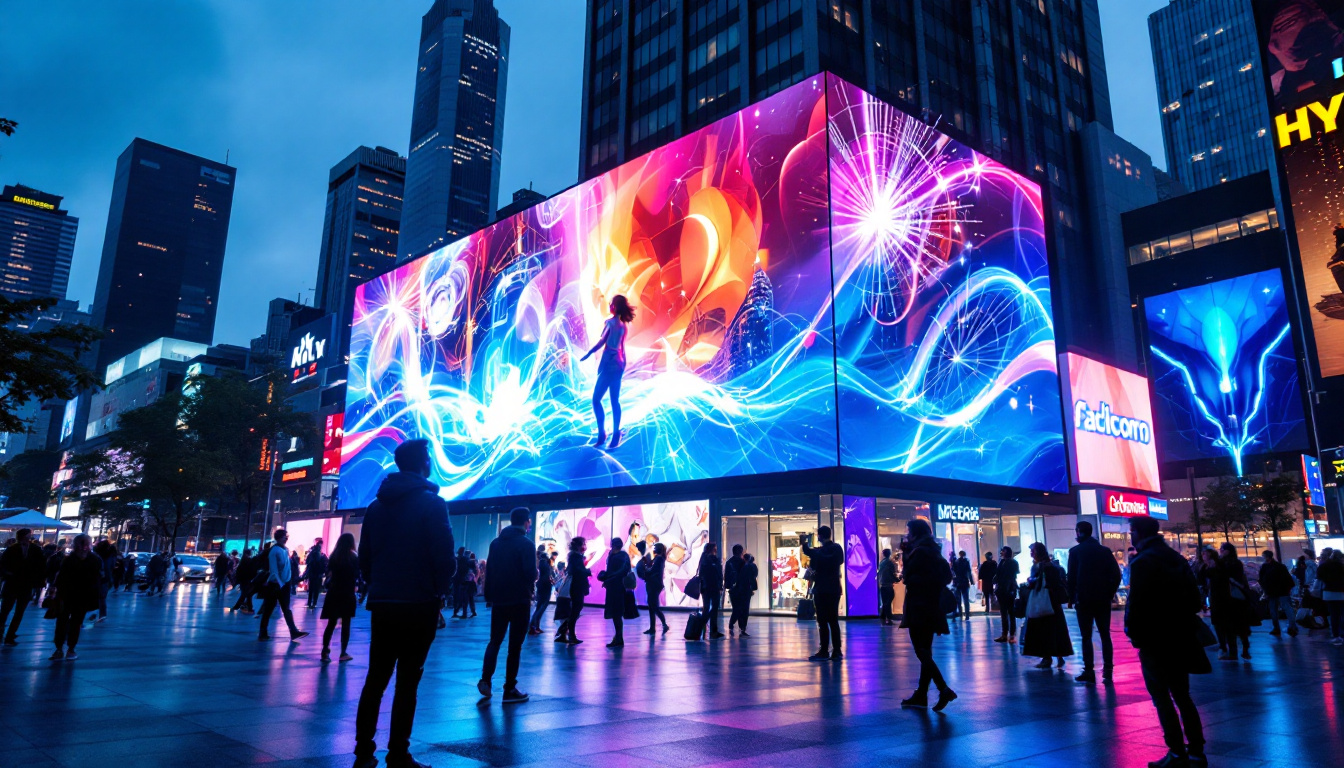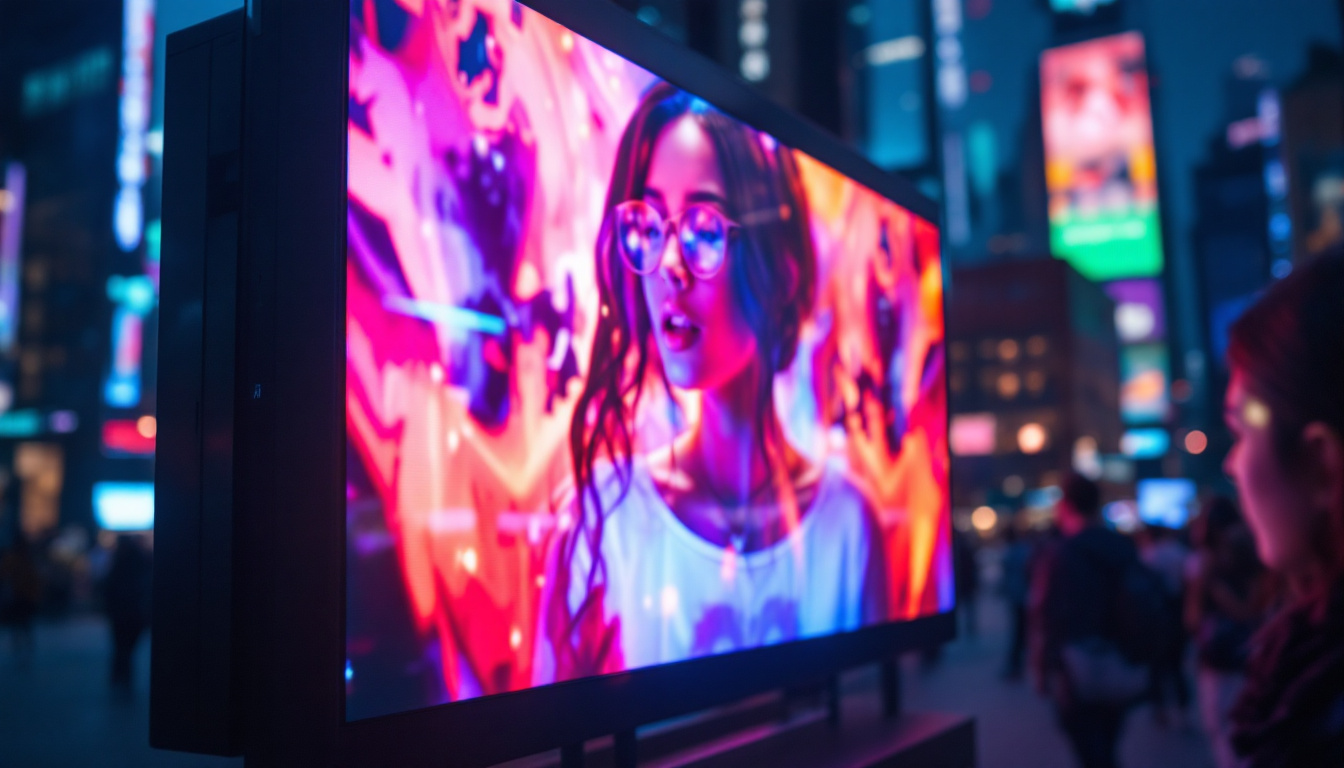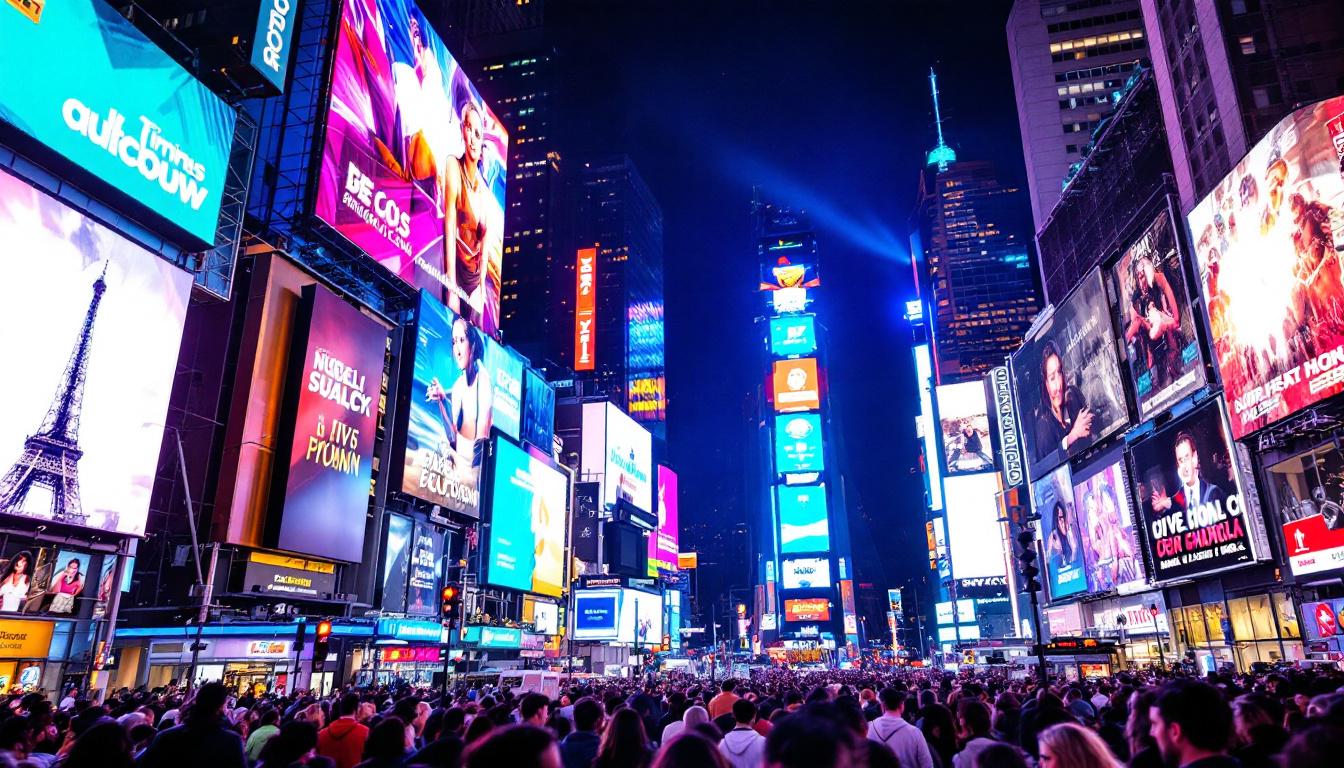
Times Square in New York City is world-renowned for its dazzling array of advertisements, many of which utilize cutting-edge LED display technology. These vibrant, dynamic screens have become iconic symbols of urban advertising, captivating millions of visitors and locals alike. But what exactly makes these LED displays so effective, and how do they work behind the scenes? This article delves into the technology, design, and impact of Times Square’s LED advertisements, offering a comprehensive understanding of one of the most visually stimulating advertising environments on the planet.
The Evolution of Advertising in Times Square
Times Square has been a hub for advertising since the early 20th century, initially dominated by painted billboards and neon signs. The transition to LED displays marked a revolutionary shift, enabling advertisers to present dynamic content that can be changed instantly and animated to attract more attention.
LED technology became prevalent in Times Square during the early 2000s, with companies like Samsung and Philips pioneering large-scale digital billboards. Today, LEDs dominate the landscape, replacing traditional static ads and neon with high-resolution, full-color displays that can broadcast video, interactive content, and real-time updates. This transformation has not only changed the aesthetic of Times Square but has also redefined how brands engage with consumers, creating an immersive experience that draws millions of visitors each year.
From Neon to LED: Why the Change?
Neon signs, while visually striking, are limited in color range, brightness, and flexibility. LEDs offer several advantages:
- Brightness: LEDs can achieve extremely high brightness levels, making them visible even in direct sunlight.
- Energy Efficiency: Compared to neon and incandescent bulbs, LEDs consume significantly less power.
- Durability: LEDs have longer lifespans and are less prone to damage from weather or vibration.
- Flexibility: Content on LED displays can be updated instantly, allowing for dynamic and interactive advertising.
This evolution has allowed advertisers to create more engaging, eye-catching campaigns that can adapt to different times of day, events, or target audiences. Moreover, the integration of technology has paved the way for interactive experiences, where passersby can engage with advertisements through their smartphones or by participating in live polls and contests displayed on the screens. This level of interactivity not only enhances consumer engagement but also provides valuable data for marketers, allowing them to tailor their strategies based on real-time feedback.
Furthermore, the rise of social media has intertwined with the advertising landscape in Times Square. Brands now leverage the power of hashtags and user-generated content, encouraging visitors to share their experiences online. This symbiotic relationship between digital advertising and social media amplifies the reach of campaigns, as stunning visuals and unique experiences can go viral, attracting even more attention to the iconic location. As a result, Times Square has transformed into not just a physical space for advertising but a digital canvas that reflects the ever-evolving nature of consumer culture and technology.
Understanding LED Display Technology
At the core of Times Square’s vibrant advertisements lies LED (Light Emitting Diode) technology. But what exactly is an LED display, and how does it produce such vivid images?
The Basics: What is an LED?
An LED is a semiconductor device that emits light when an electric current passes through it. Unlike traditional bulbs, LEDs do not rely on heating a filament but instead produce light through electroluminescence, making them highly efficient and long-lasting.
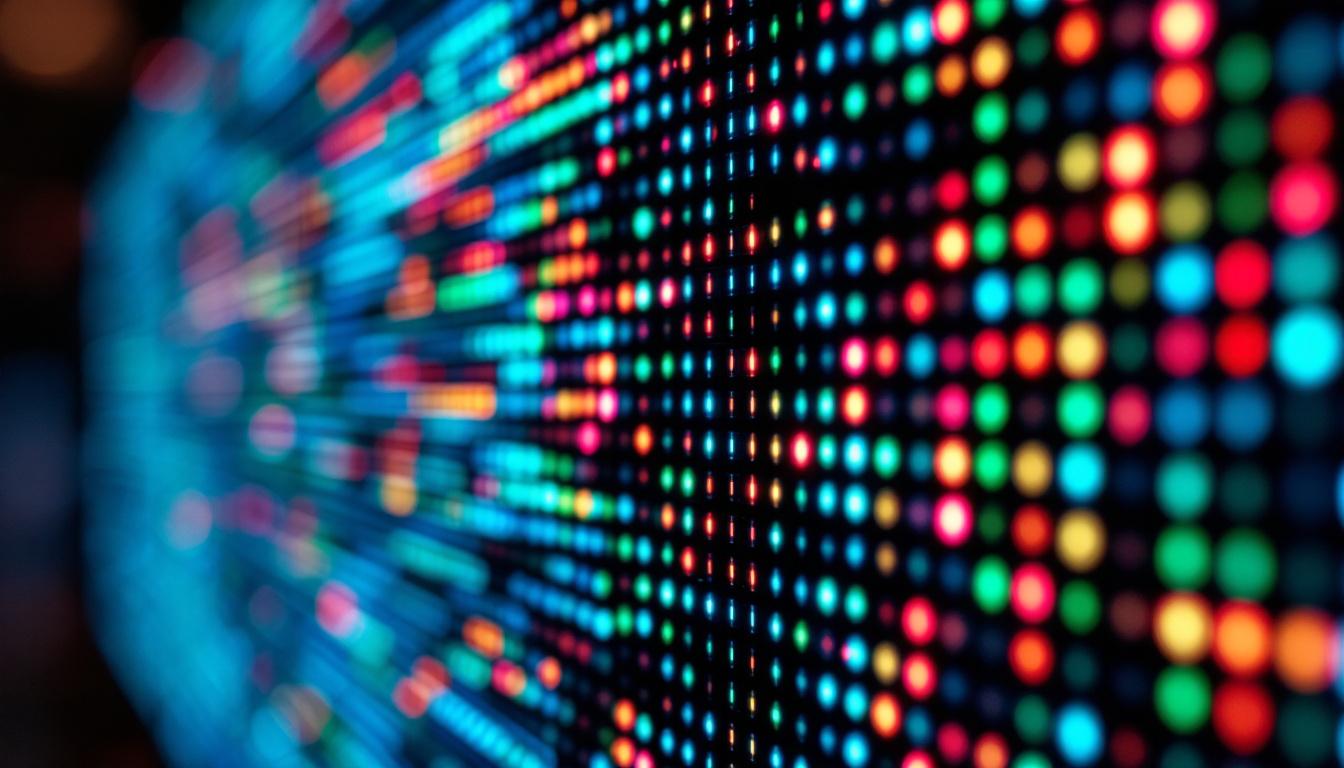
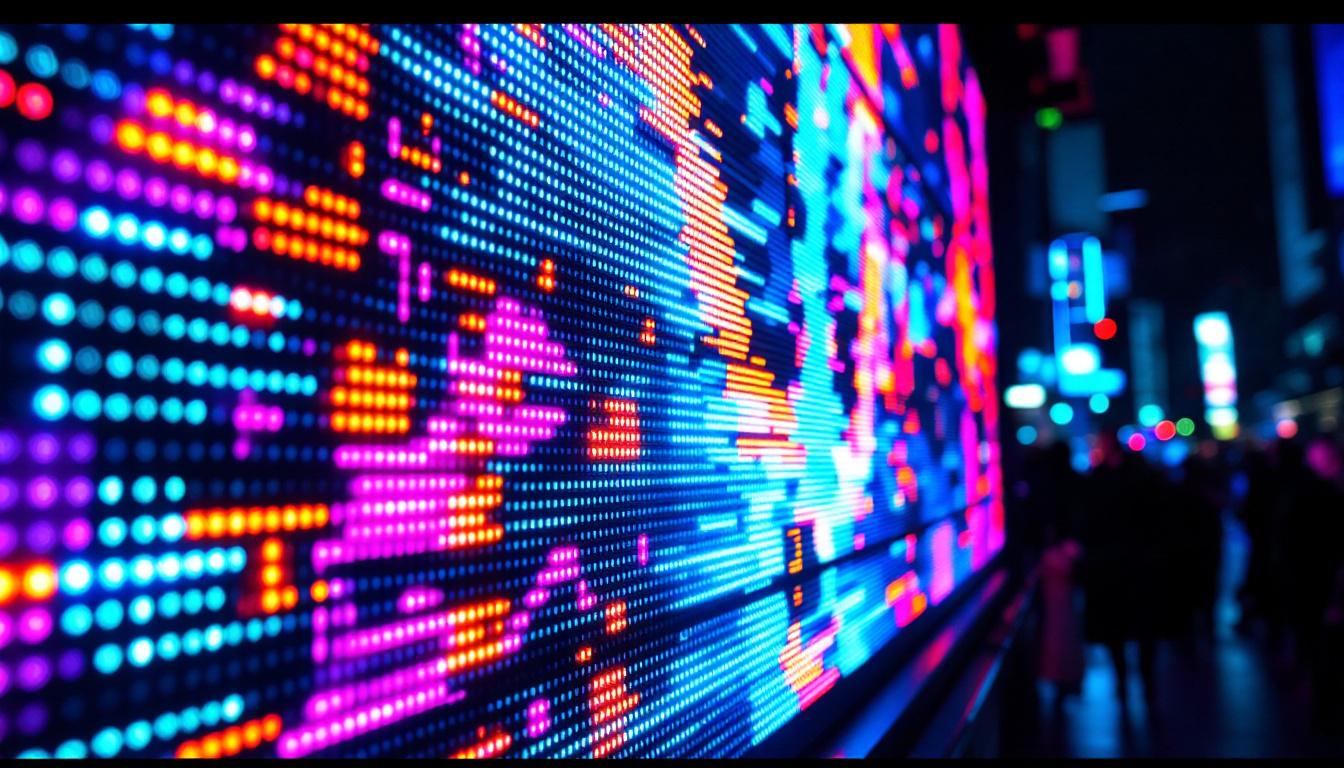
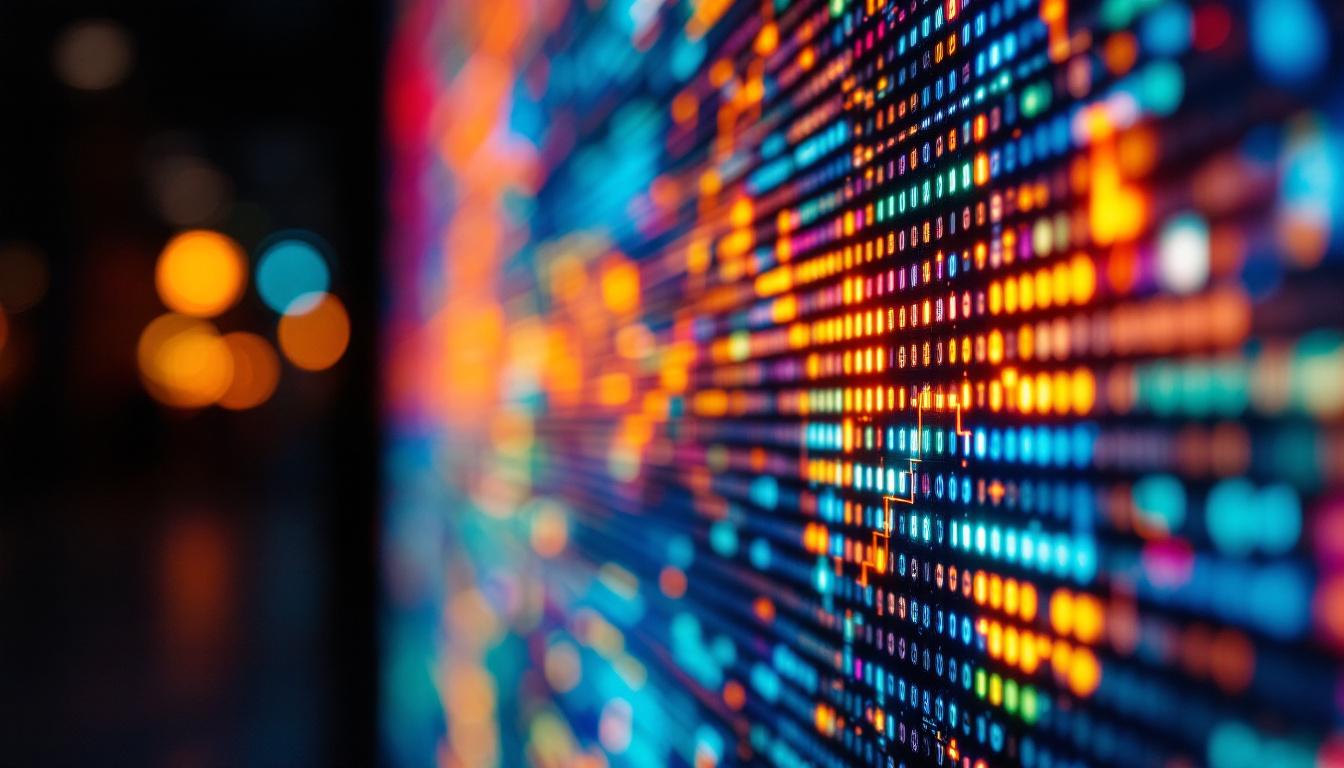
In LED displays, thousands or even millions of these tiny diodes are arranged in a grid or matrix to form pixels. Each pixel typically consists of red, green, and blue LEDs that combine to produce a full spectrum of colors.
Types of LED Displays Used in Times Square
Two primary types of LED displays are commonly used in Times Square advertising:
- Surface-Mounted Device (SMD) LEDs: These are compact LEDs mounted directly onto the display’s circuit board. SMD technology allows for high pixel density and excellent color blending, making it ideal for close viewing distances.
- Through-Hole LEDs: These LEDs are mounted by inserting their leads through holes in the circuit board. They tend to be larger and are often used in displays designed for viewing from greater distances.
Most modern Times Square billboards utilize SMD technology due to the need for crisp, high-resolution images visible from both near and far.
Pixel Pitch and Resolution
Pixel pitch refers to the distance between the centers of two adjacent pixels on an LED display. It is a critical factor in determining the display’s resolution and viewing quality.
A smaller pixel pitch means pixels are closer together, resulting in sharper images and finer detail. Times Square billboards often feature pixel pitches ranging from 4 mm to 10 mm, balancing resolution with the enormous size of the displays.
For example, the massive LED screen on One Times Square has a pixel pitch around 10 mm, which is sufficient for viewers several hundred feet away. Conversely, smaller digital signage closer to pedestrian traffic might use a 4 mm pitch for enhanced clarity.
In addition to pixel pitch, the overall resolution of an LED display is also influenced by its size. Larger displays require a careful consideration of pixel density to ensure that images remain sharp and vibrant, even when viewed from a distance. This is why Times Square’s iconic billboards often feature advanced calibration and technology to maintain consistent brightness and color accuracy across the entire screen, ensuring that every advertisement captures the attention of passersby.
The interplay of pixel pitch and resolution not only affects the visual quality of the advertisements but also plays a crucial role in the viewer’s experience. As people navigate the bustling streets of Times Square, the dynamic and colorful displays create an immersive atmosphere, drawing them into the vibrant world of digital advertising. This captivating environment is a testament to the advancements in LED technology, which continues to evolve and push the boundaries of what is possible in visual communication.
Design and Installation Challenges
Creating and installing LED displays in a bustling urban environment like Times Square involves overcoming numerous technical and logistical challenges.
Structural Considerations
LED billboards in Times Square are often mounted on the facades of skyscrapers or custom-built structures. These installations must comply with strict building codes and withstand harsh weather conditions, including wind, rain, snow, and temperature fluctuations.
Engineers carefully design support frameworks to ensure stability and safety. Additionally, the weight of the LED panels and associated electronics is a crucial factor, requiring robust materials and precise engineering.
Power and Heat Management
LED displays consume significant amounts of electricity, especially the large-scale installations in Times Square. Efficient power management systems are essential to minimize energy consumption while maintaining brightness and performance.
Heat dissipation is another critical aspect. Although LEDs generate less heat than traditional lighting, the sheer number of diodes in a large display can produce substantial warmth. Advanced cooling systems, including heat sinks and ventilation, are integrated to prevent overheating and extend the lifespan of the panels.
Content Management Systems (CMS)
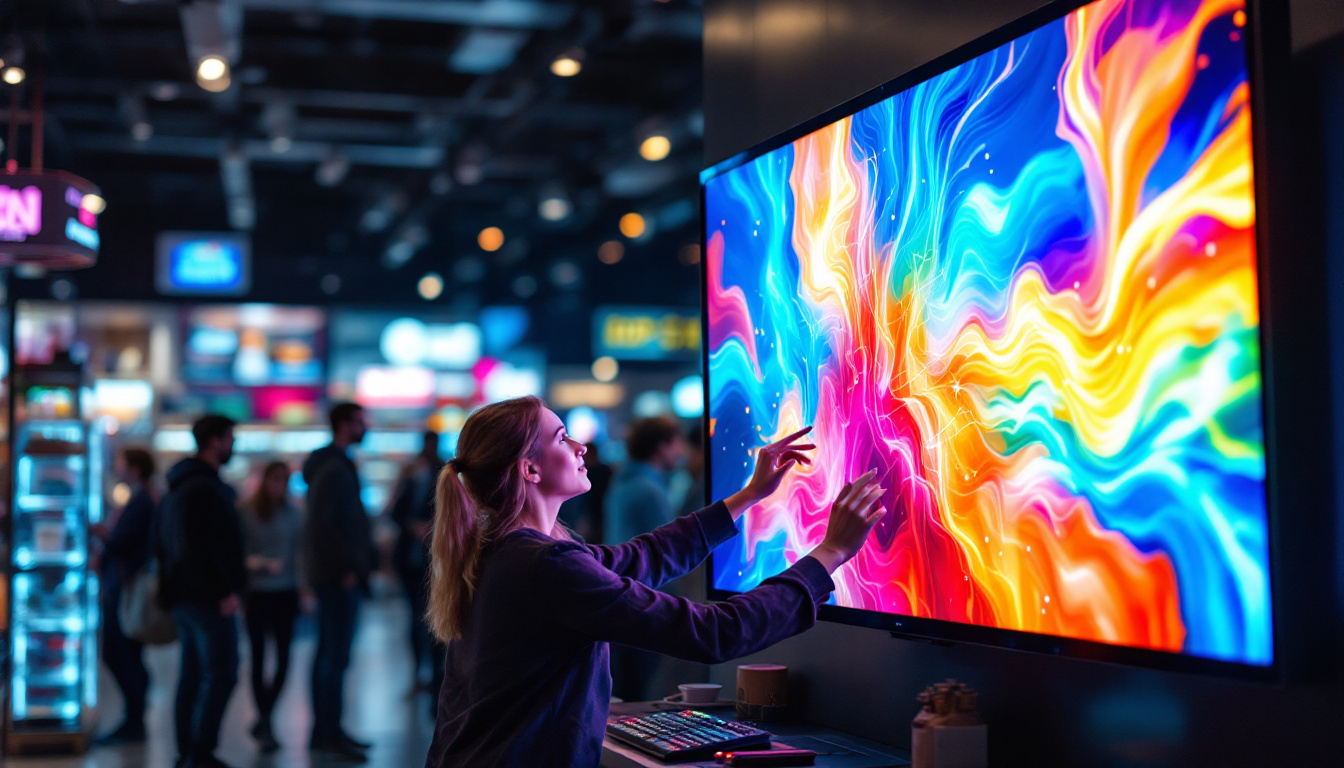
One of the most powerful features of LED displays is their ability to showcase dynamic content. Content management systems allow advertisers to schedule, update, and customize advertisements remotely in real time.
These CMS platforms support a variety of media formats, including video, animations, and live feeds. They also enable synchronization across multiple displays, creating cohesive campaigns that can span several billboards simultaneously.
The Impact of LED Advertising in Times Square
LED advertising in Times Square is more than just eye candy; it plays a significant role in marketing, tourism, and urban culture.
Marketing Effectiveness
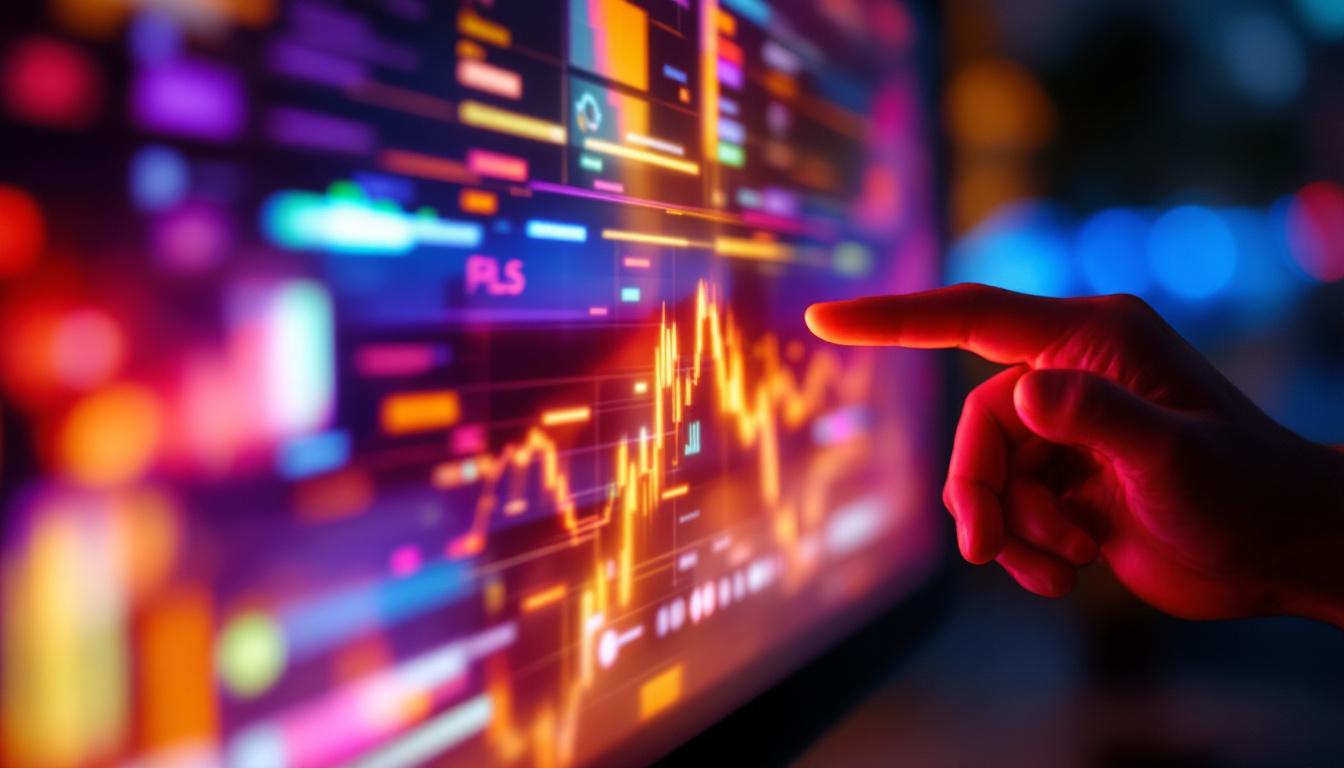
Studies show that digital billboards, especially those using LED technology, have a higher recall rate than traditional static ads. The combination of motion, brightness, and color captures attention more effectively, leading to increased brand awareness and consumer engagement.
For example, a Nielsen study found that digital outdoor advertising can increase message recall by up to 47% compared to static billboards. This makes LED displays a valuable investment for brands aiming to stand out in a crowded marketplace.
Tourism and Cultural Significance
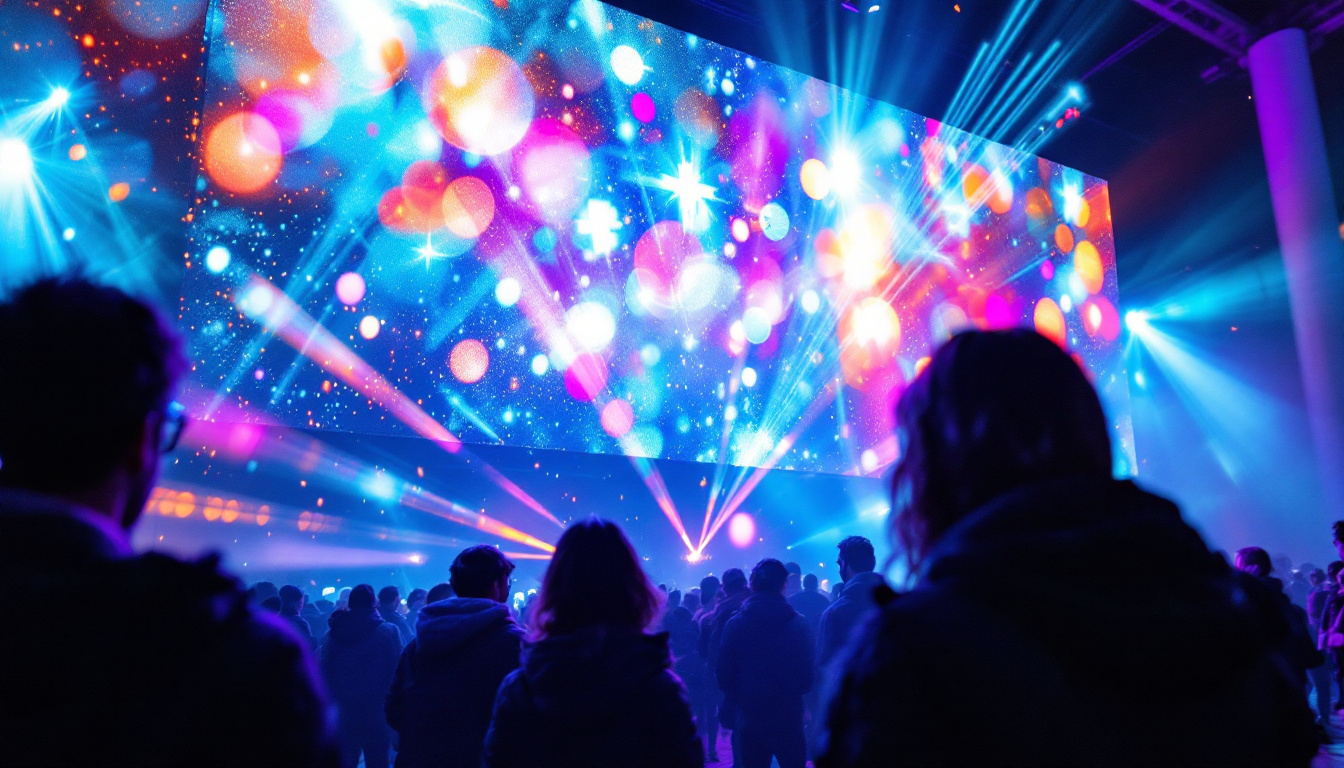
Times Square’s LED displays have become a symbol of New York City’s energy and vibrancy. Tourists flock to the area not only for shopping and entertainment but also to experience the spectacle of illuminated advertisements.
The iconic New Year’s Eve ball drop, surrounded by LED screens broadcasting live events and messages, exemplifies the integration of LED technology into cultural traditions.
Environmental Considerations
While LED technology is more energy-efficient than previous lighting methods, the cumulative power consumption of Times Square’s displays is substantial. Efforts have been made to reduce the environmental footprint through the use of renewable energy sources and energy-saving technologies.
For instance, some billboards incorporate solar panels or utilize smart dimming systems that adjust brightness based on ambient light conditions, reducing unnecessary energy use during nighttime or overcast days.
Future Trends in LED Advertising
The future of LED advertising in Times Square and beyond is poised for exciting developments, driven by advances in technology and changing consumer behaviors.
Higher Resolution and Flexibility
Emerging LED technologies are pushing pixel pitches even lower, enabling ultra-high-definition displays that rival traditional screens in clarity. Flexible and transparent LED panels are also becoming more common, allowing for innovative shapes and installations that blend seamlessly with architecture.
Interactivity and Personalization
Interactive LED displays equipped with sensors and cameras can tailor content based on audience demographics or behavior. This personalization enhances engagement and creates memorable brand experiences.
Integration with Augmented Reality (AR)
Combining LED displays with AR technology offers new possibilities for immersive advertising. Passersby can interact with digital content through their smartphones or AR glasses, bridging the gap between physical and digital marketing.
Conclusion
LED displays have transformed Times Square into a luminous canvas of advertising innovation. Their brightness, flexibility, and dynamic capabilities make them indispensable tools for brands seeking to capture attention in one of the world’s busiest urban centers.
Understanding the technology behind these displays reveals the complexity and ingenuity involved in creating such captivating visual experiences. As LED technology continues to evolve, Times Square will undoubtedly remain at the forefront of digital advertising, illuminating the city and the imaginations of millions worldwide.
Illuminate Your Brand with LumenMatrix
Step into the future of advertising with LumenMatrix, a pioneer in LED display technology that brings your brand to life in the heart of Times Square and beyond. Our extensive range of solutions, from Indoor and Outdoor LED Wall Displays to innovative LED Transparent Displays, is designed to captivate and engage audiences like never before. Whether you’re looking to make a statement with a Custom LED Display or enhance the fan experience with our LED Sports Displays, LumenMatrix is your partner in creating unforgettable visual narratives. Ready to revolutionize your visual communication? Check out LumenMatrix LED Display Solutions and see how we can help your message shine brightly in a crowded marketplace.