In today’s technology-driven world, choosing the right TV screen can be a daunting task. With a plethora of options available, LED displays have emerged as one of the most popular choices for consumers seeking vibrant picture quality, energy efficiency, and sleek designs. This article delves into the world of LED TV screens, explaining the technology behind them, their advantages, and what to consider when purchasing one. Whether you’re upgrading your living room setup or searching for a commercial display, understanding LED displays will help you make an informed decision.
Understanding LED Display Technology
What Does LED Mean?
LED stands for Light Emitting Diode, a semiconductor device that emits light when an electric current passes through it. In the context of TV screens, LED refers to the type of backlighting used in LCD (Liquid Crystal Display) panels. Unlike traditional LCD TVs that use cold cathode fluorescent lamps (CCFL) for backlighting, LED TVs utilize arrays of LEDs to illuminate the screen.
This distinction is important because the backlighting method directly affects the display’s brightness, contrast, and energy consumption. LED backlighting allows for thinner panels, better color accuracy, and improved overall picture quality compared to older LCD technologies. Additionally, the energy efficiency of LED technology means that consumers can enjoy high-quality visuals while reducing their carbon footprint and electricity bills. As a result, LED TVs have become the preferred choice for many households, balancing performance with environmental considerations.
Types of LED Backlighting
There are primarily two types of LED backlighting used in TV screens:
- Edge-lit LED: LEDs are placed along the edges of the screen, and light is distributed across the panel using light guides. This design enables ultra-thin TV profiles but sometimes results in uneven brightness and lower contrast ratios.
- Full-array LED: LEDs are arranged in a grid directly behind the screen. This setup allows for local dimming, where specific zones can be dimmed or brightened independently, enhancing contrast and black levels significantly.
Choosing between these types depends on budget, desired picture quality, and TV size. Full-array LED TVs generally offer superior performance but tend to be more expensive. Furthermore, advancements in technology have led to the emergence of mini-LED and micro-LED options. Mini-LED technology utilizes smaller LEDs, allowing for more precise control over local dimming and improved brightness levels, while micro-LED displays promise even greater color accuracy and contrast by using microscopic LEDs to create individual pixels. These innovations are pushing the boundaries of what is possible in display technology, providing consumers with an ever-expanding array of choices tailored to their viewing preferences.
Advantages of LED TVs Over Other Display Technologies
Energy Efficiency and Longevity
One of the most compelling reasons to choose an LED TV is its energy efficiency. According to the U.S. Department of Energy, LED-backlit TVs consume up to 30% less power than CCFL-backlit LCDs and significantly less than plasma TVs. This efficiency translates into lower electricity bills and a smaller environmental footprint.
Moreover, LEDs have a longer lifespan compared to other light sources. While plasma TVs typically last around 30,000 hours, LED TVs can last upwards of 60,000 hours with minimal degradation in picture quality. This durability makes LED TVs a cost-effective investment over time.
Superior Picture Quality
LED TVs offer enhanced brightness levels and better contrast ratios, which are crucial for an immersive viewing experience. The ability to implement local dimming in full-array LED TVs allows for deeper blacks and more vivid colors, making movies, sports, and games more engaging.
Additionally, modern LED TVs often feature advanced technologies such as HDR (High Dynamic Range), which expands the range of colors and brightness, providing a more lifelike image. According to a 2023 report by DisplayMate, LED TVs with HDR support can deliver up to 1,000 nits of peak brightness, significantly improving picture quality in well-lit rooms.
Design and Versatility
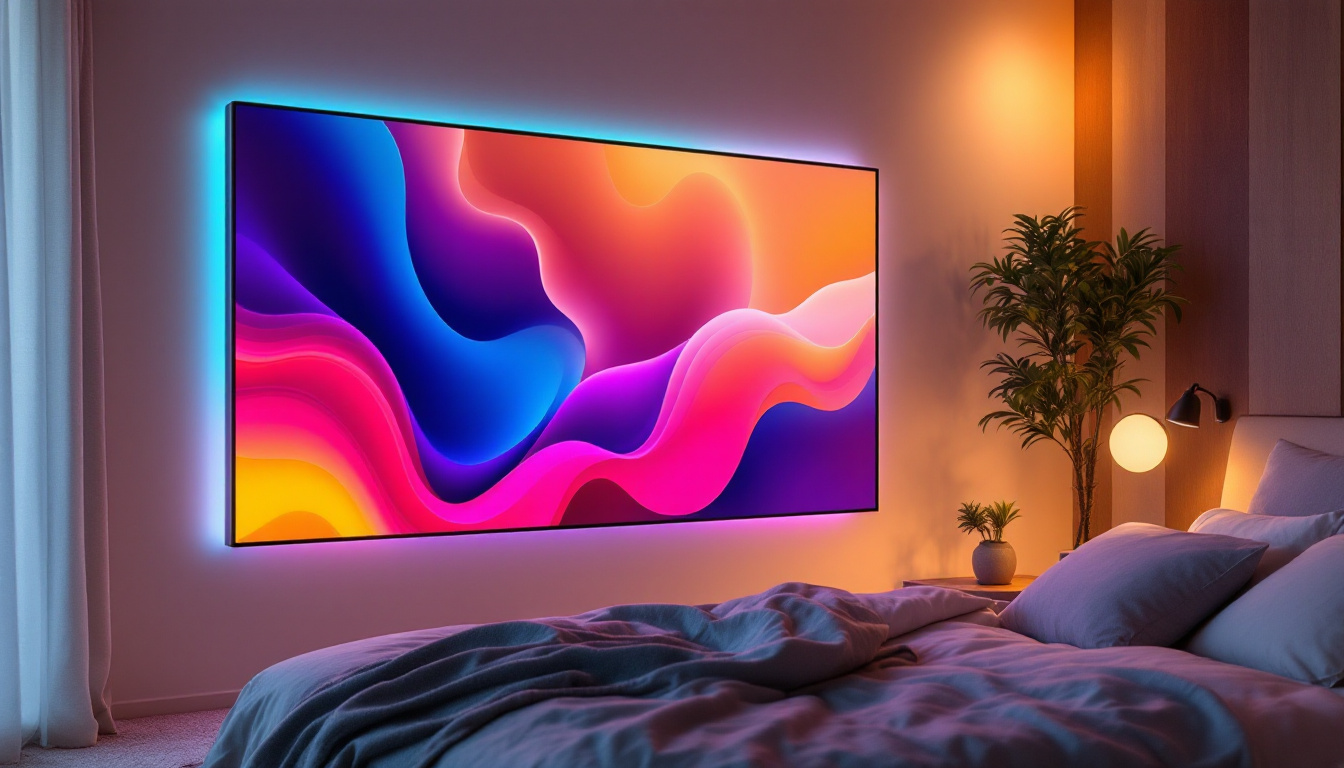
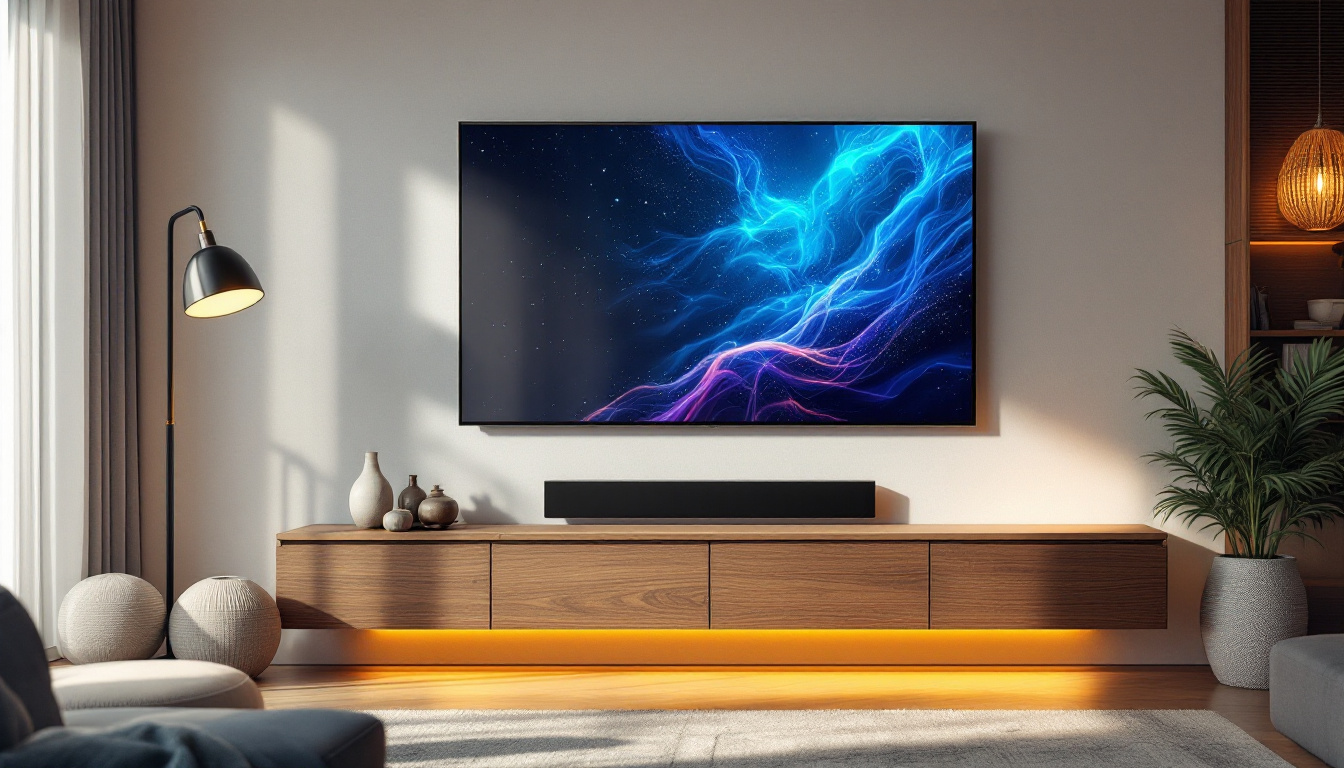
LED technology enables manufacturers to produce ultra-thin and lightweight TVs, which can be easily mounted on walls or integrated into modern home decor. The slim profiles also allow for larger screen sizes without increasing bulk, catering to consumers who desire cinematic experiences at home.
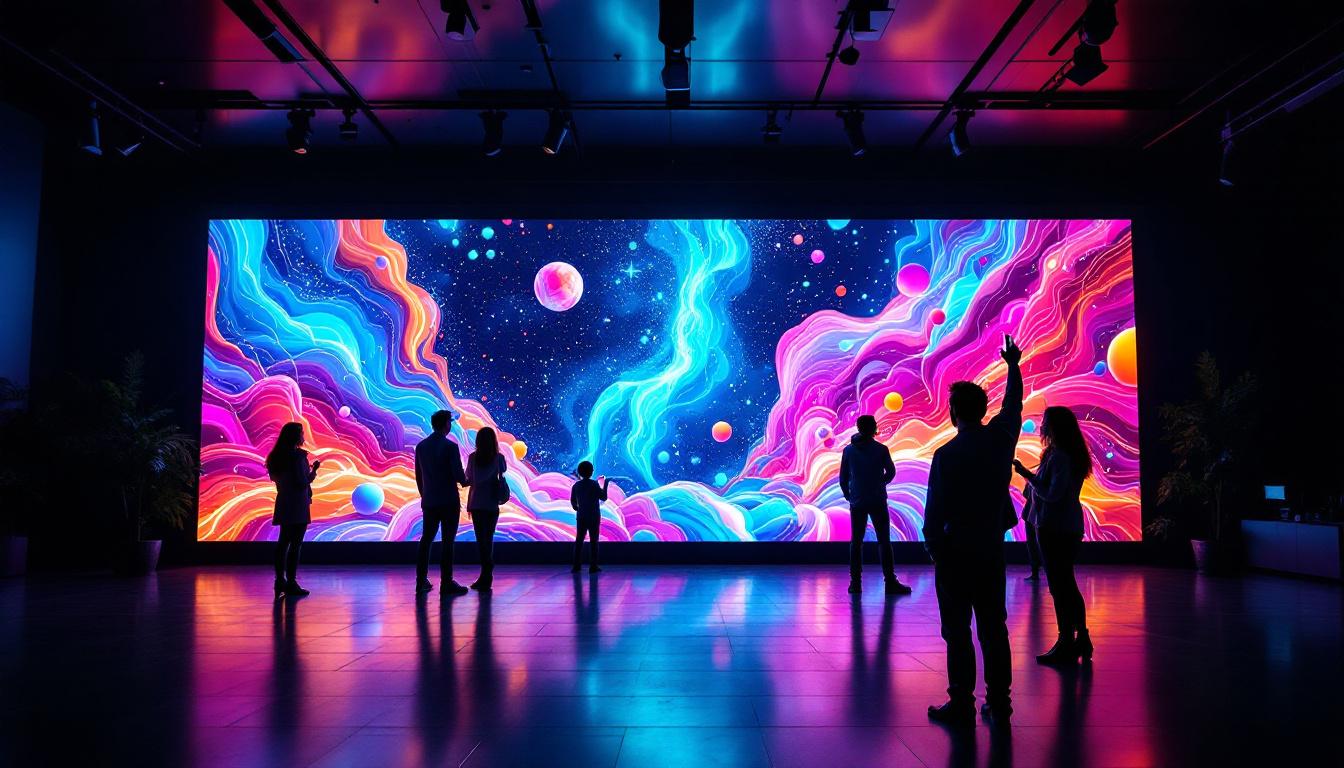
Beyond residential use, LED displays are widely used in commercial settings such as retail stores, airports, and conference rooms due to their brightness and clarity. The versatility of LED screens makes them suitable for both indoor and outdoor applications, with specialized models designed to withstand various environmental conditions.
Key Features to Consider When Buying LED TVs
Screen Size and Resolution
Choosing the right screen size depends on the viewing distance and room size. As a rule of thumb, the ideal viewing distance is approximately 1.5 to 2.5 times the diagonal size of the screen. For example, a 55-inch TV is best viewed from 6.5 to 11 feet away.
Resolution is another critical factor. While Full HD (1080p) TVs are still common, 4K UHD (3840 x 2160 pixels) has become the standard for new LED TVs, offering four times the pixel count and sharper images. For larger screens (above 50 inches), 4K resolution is highly recommended to avoid pixelation.
Refresh Rate and Motion Handling
The refresh rate, measured in Hertz (Hz), indicates how many times the image on the screen is updated per second. Higher refresh rates, such as 120Hz or 240Hz, provide smoother motion, which is particularly beneficial for watching sports, action movies, or gaming.
Many LED TVs also incorporate motion interpolation technologies that create additional frames to reduce motion blur. However, some viewers may find this effect unnatural, so it’s advisable to test the TV’s motion handling capabilities before purchase.
Smart TV Capabilities
Most modern LED TVs come equipped with smart features, allowing access to streaming services, apps, and internet browsing without the need for external devices. Popular platforms include Roku, Android TV, Amazon Fire TV, and proprietary systems from manufacturers like Samsung’s Tizen or LG’s webOS.
When selecting a smart LED TV, consider the user interface, app availability, voice control options, and compatibility with other smart home devices. Regular software updates are also essential to maintain security and functionality.
Connectivity Options
Connectivity is vital for integrating the TV with other devices such as gaming consoles, soundbars, Blu-ray players, and external storage. Look for multiple HDMI ports (preferably HDMI 2.1 for future-proofing), USB ports, optical audio outputs, and Bluetooth support.
Additionally, Wi-Fi and Ethernet ports ensure stable internet connections for streaming and software updates. Some LED TVs also support screen mirroring and casting technologies like Apple AirPlay and Google Chromecast, enhancing versatility.
Current Market Trends and Pricing
Price Ranges and Value for Money
The price of LED TVs varies widely based on size, resolution, brand, and features. As of 2024, entry-level 43-inch Full HD LED TVs can be found for under $300, while premium 65-inch 4K UHD models with advanced features like HDR10+, Dolby Vision, and full-array local dimming can cost upwards of $1,500.
Mid-range options, typically between $600 and $1,000, offer a balanced combination of size, resolution, and smart features suitable for most households. It’s important to weigh the features against your viewing habits and budget to find the best value.
Emerging Technologies in LED Displays
The LED TV market continues to evolve with innovations such as Mini-LED and Micro-LED technologies. Mini-LED uses thousands of tiny LEDs for backlighting, providing even better contrast and brightness control than traditional full-array LEDs. Micro-LED, still in early stages, promises self-emissive pixels like OLED but with higher brightness and longevity.
While these technologies currently come at a premium price, they represent the future of LED displays and are gradually becoming more accessible to consumers.
Tips for Purchasing LED TVs Online and In-Store
Research and Reviews
Before making a purchase, it’s essential to research different models and read expert and user reviews. Websites like Consumer Reports, CNET, and RTINGS provide detailed performance analyses and comparisons that can guide your decision.
Pay attention to common issues such as backlight bleeding, color accuracy, and smart TV interface responsiveness. Reviews also often highlight the reliability and customer service experiences with various brands.
Warranty and Return Policies
Ensure that the TV you purchase comes with a comprehensive warranty covering at least one year. Some manufacturers offer extended warranties or protection plans that can be worthwhile for high-end models.
Check the retailer’s return policy, especially if buying online, to allow for testing the TV in your home environment. Many stores offer a trial period during which you can return or exchange the TV if it doesn’t meet your expectations.
Installation and Calibration
Proper installation and calibration significantly impact the viewing experience. Many retailers offer professional installation services, including wall mounting and cable management.
Calibration involves adjusting brightness, contrast, color temperature, and other settings to suit your room’s lighting conditions. Some TVs come with built-in calibration tools or support for professional calibration services, which can optimize picture quality.
Conclusion
LED TVs have become the cornerstone of modern home entertainment due to their impressive picture quality, energy efficiency, and sleek designs. Understanding the underlying technology, types of LED backlighting, and key features can empower consumers to select the best TV for their needs and budget.
As the market continues to innovate with Mini-LED and Micro-LED technologies, the future promises even more stunning visuals and enhanced durability. Whether purchasing online or in-store, thorough research, attention to specifications, and consideration of personal viewing preferences will ensure a satisfying investment in an LED TV screen.
With this comprehensive guide, navigating the world of LED TV displays becomes clearer, helping you bring the cinematic experience right into your living room.
Discover LumenMatrix’s Advanced LED Displays
Ready to elevate your viewing experience with the latest in LED technology? Look no further than LumenMatrix, a pioneer in crafting immersive visual displays. From vibrant Indoor LED Walls to dynamic Outdoor LED Displays, and from versatile Vehicle LED Displays to sleek LED Poster Displays, LumenMatrix offers a comprehensive range of solutions tailored to your needs. Whether you’re looking to engage fans with LED Sports Displays, dazzle with Floor LED Displays, or customize your message with Custom LED Displays, our mission is to transform your visual communication. Experience the future of display technology and make your message resonate with clarity. Check out LumenMatrix LED Display Solutions today and see the difference for yourself.