In today’s digital age, the way information is presented and consumed has evolved dramatically. Interactive display boards, particularly those utilizing LED technology, have become a cornerstone in various industries—from education and corporate environments to retail and public spaces. This article delves into the world of LED interactive display boards, explaining their technology, benefits, applications, and future trends.
Understanding LED Technology in Interactive Displays
What is an LED Display?
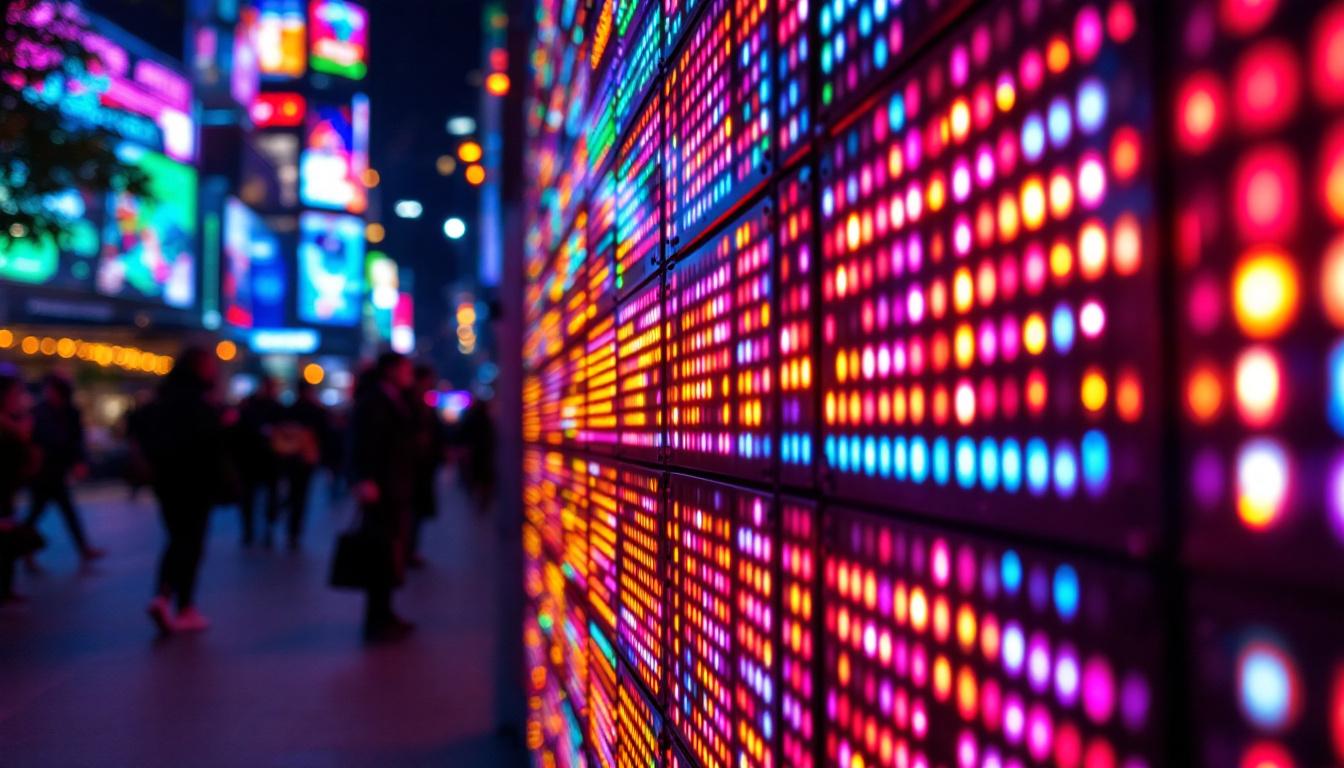
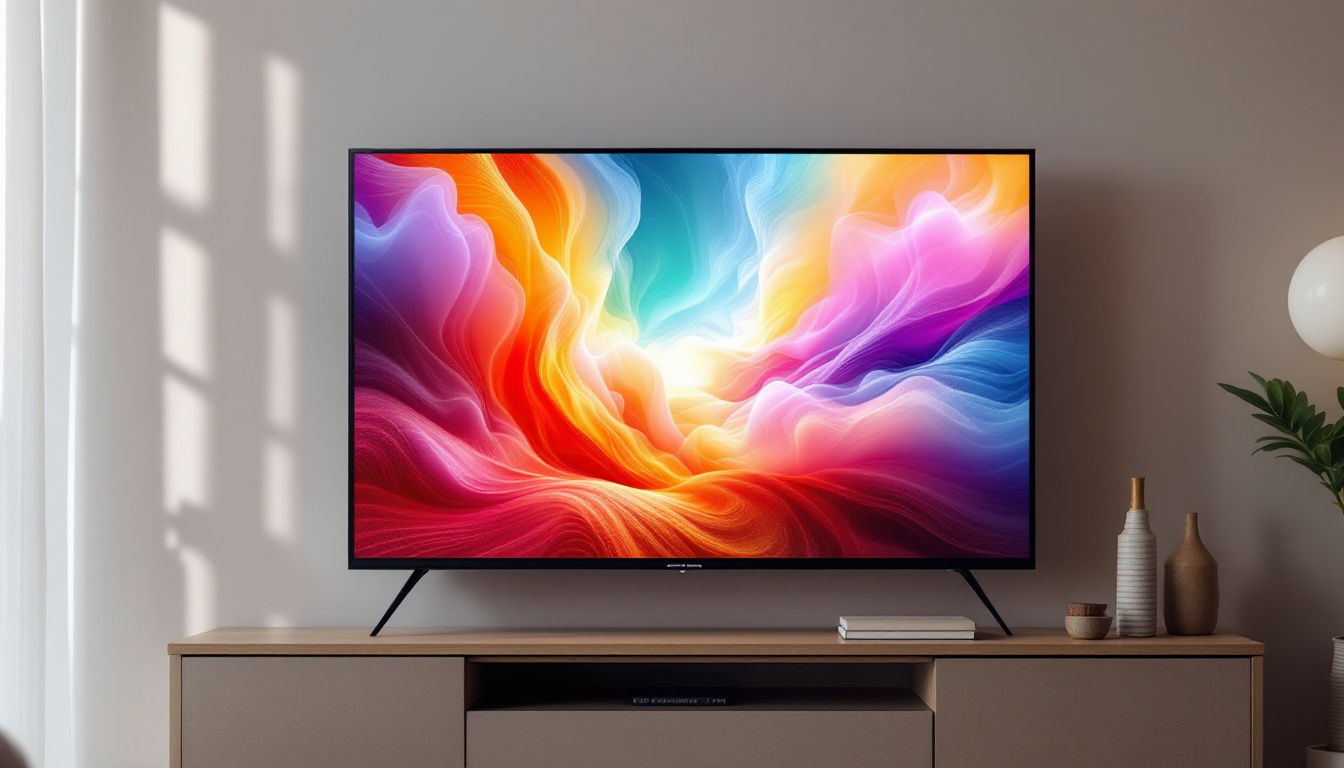
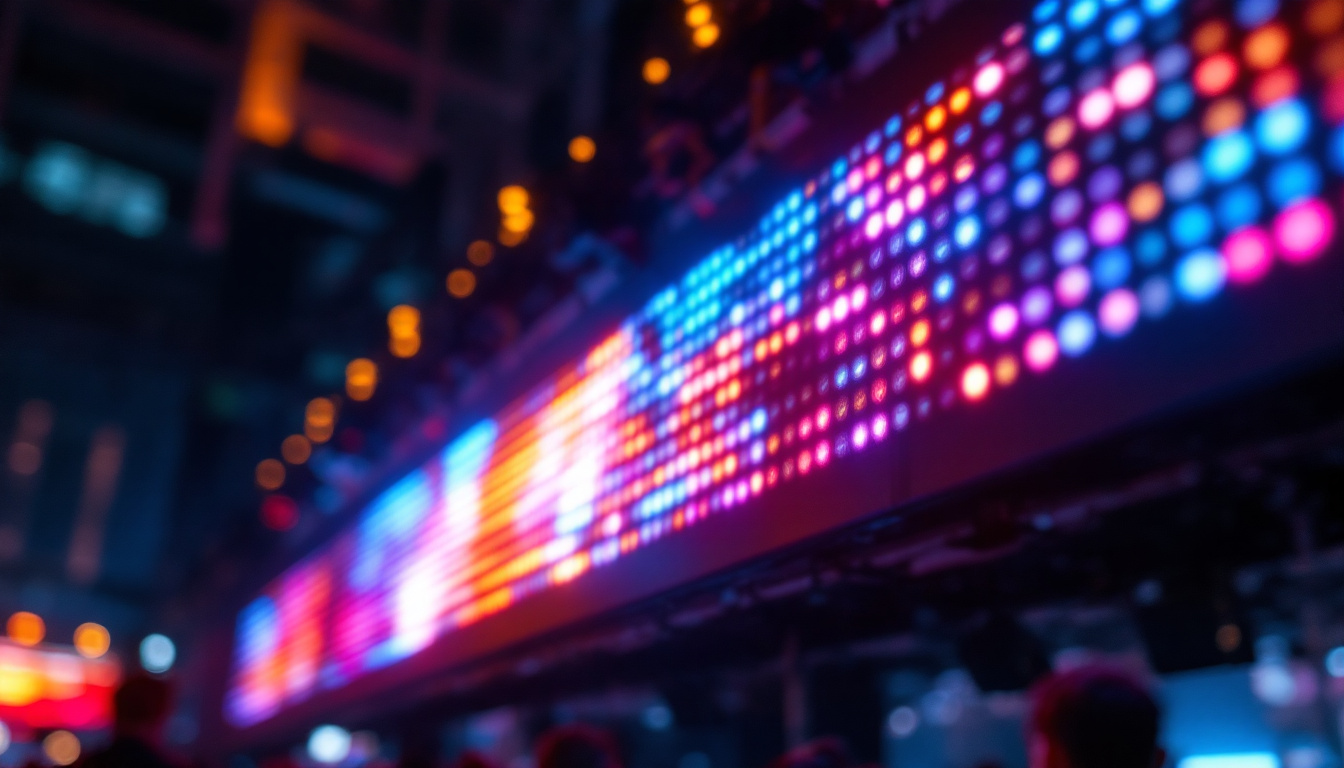
LED stands for Light Emitting Diode, a semiconductor device that emits light when an electric current passes through it. LED displays are screens composed of numerous tiny LEDs arranged in a matrix to form images, videos, or text. Unlike traditional LCD or projection-based screens, LED displays produce their own light, resulting in brighter and more vibrant visuals. This self-illuminating property allows LED displays to achieve higher levels of brightness and contrast, making them suitable for various environments, from dimly lit rooms to bright outdoor settings.
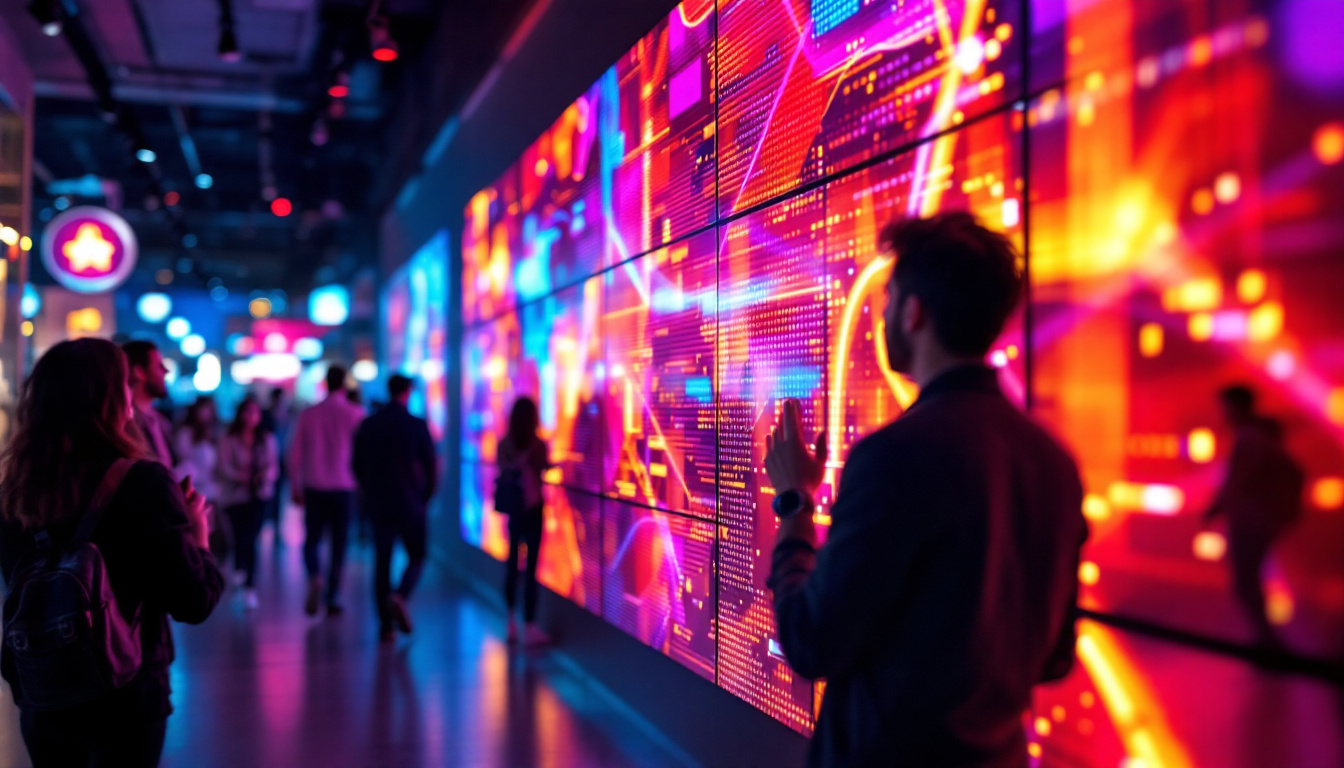
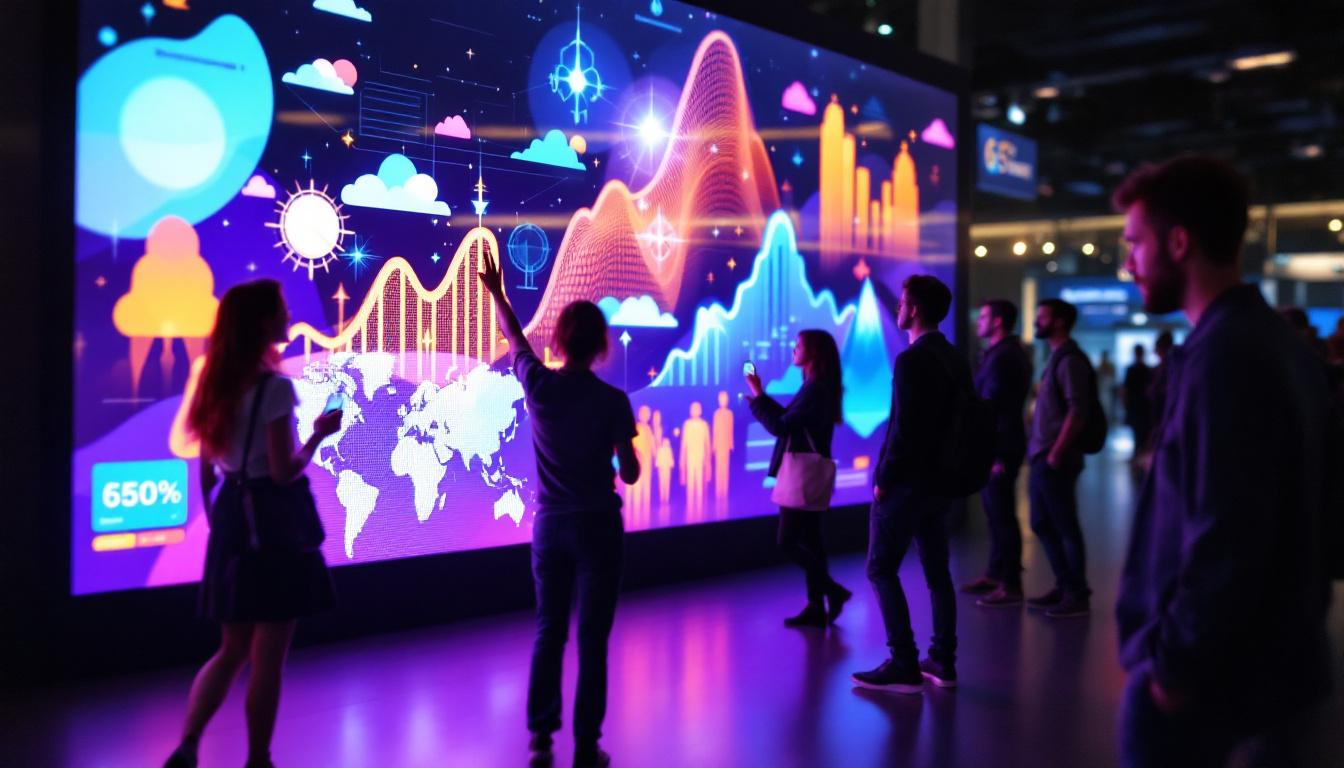
Interactive LED display boards combine this technology with touch-sensitive interfaces, allowing users to engage directly with the content. This interactivity transforms passive viewing into dynamic participation, enhancing communication and collaboration. In educational settings, for instance, these displays can facilitate interactive lessons where students can contribute ideas and solutions in real-time, fostering a more engaging learning atmosphere. Additionally, in corporate environments, they can be used for brainstorming sessions, allowing teams to visualize concepts and strategies collaboratively.
Types of LED Displays Used in Interactive Boards
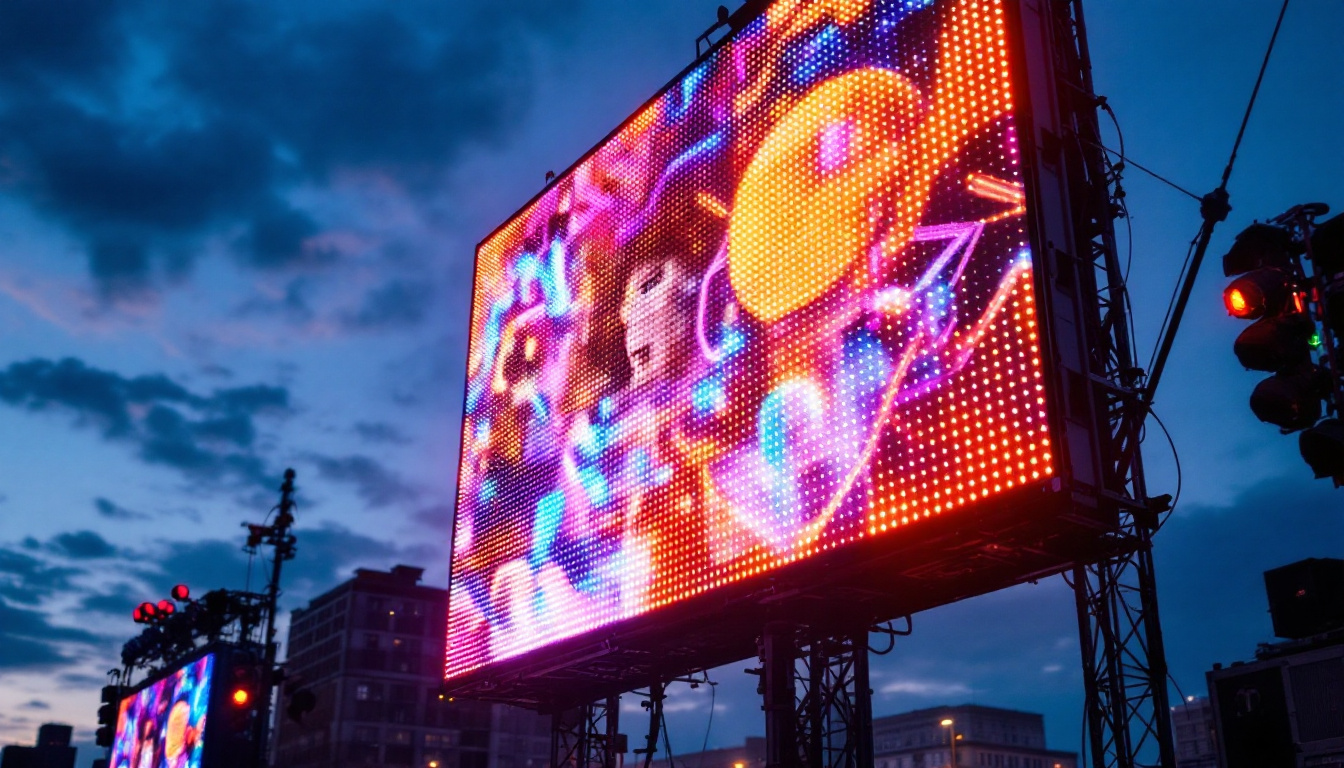
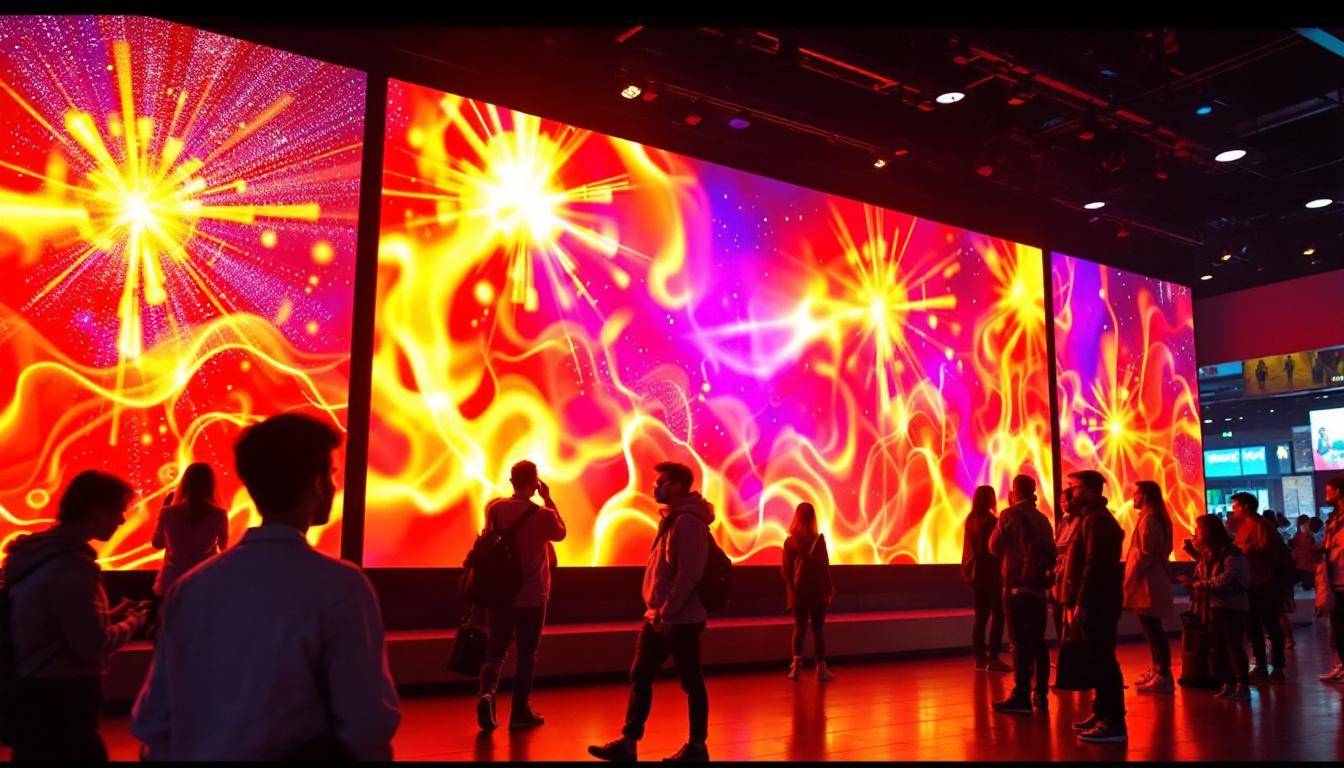
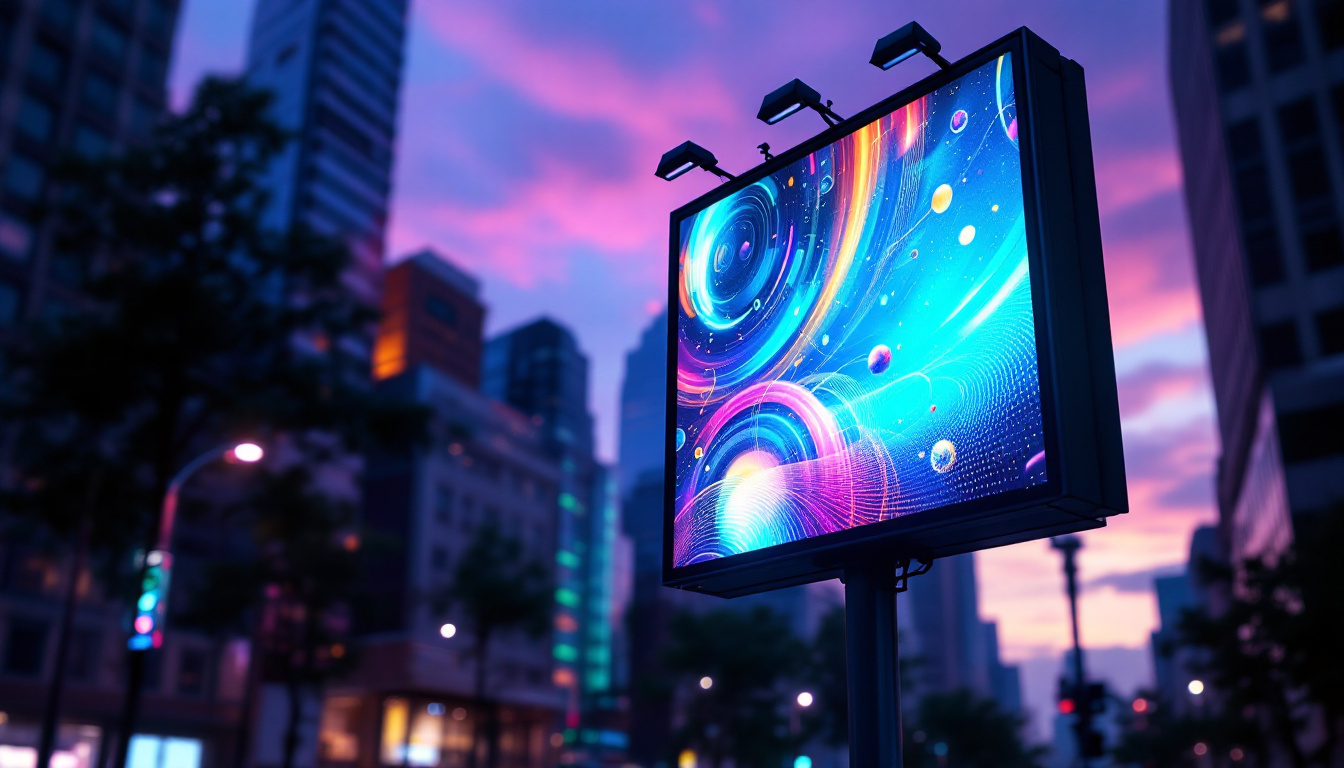
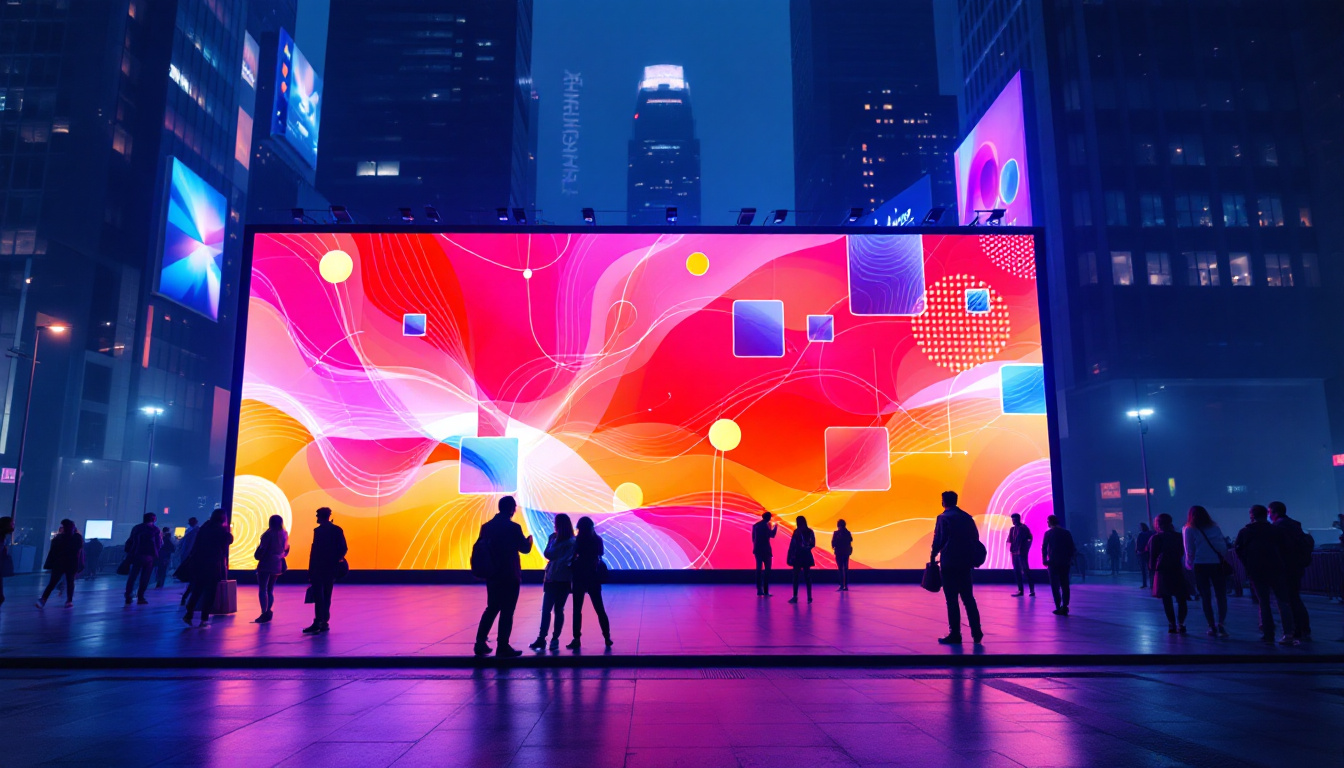
There are primarily two types of LED displays used in interactive boards: direct-view LED and LED-backlit LCD. Direct-view LED displays use individual LEDs for each pixel, offering superior brightness and contrast, making them ideal for large-format and outdoor applications. These displays are often utilized in venues such as stadiums and concert halls, where visibility from great distances is crucial. LED-backlit LCDs, on the other hand, use LEDs as a backlight source for liquid crystal displays, providing energy efficiency and thinner profiles suitable for indoor use. This makes them a popular choice for conference rooms and classrooms, where space and power consumption are important considerations.
Within direct-view LEDs, further distinctions exist between surface-mounted device (SMD) and chip-on-board (COB) technologies. SMD LEDs are widely used for their high resolution and color accuracy, essential for interactive boards that require detailed touch interaction and clear visuals. SMD technology allows for a more compact design, which can be particularly beneficial in environments where screen real estate is limited. Conversely, COB technology offers improved thermal management and durability, making it a reliable choice for installations that demand longevity and resilience against environmental factors. As technology continues to evolve, innovations in LED display manufacturing are likely to enhance their functionality and versatility even further, paving the way for more advanced interactive applications across various industries.
Key Advantages of Interactive LED Display Boards
Enhanced Visual Clarity and Brightness
One of the most significant benefits of LED displays is their exceptional brightness and clarity. LED screens can achieve brightness levels exceeding 1,000 nits, which is substantially higher than traditional LCDs. This makes them highly visible even in well-lit environments or direct sunlight, a crucial factor for interactive boards used in classrooms, conference rooms, or outdoor public spaces.
The high contrast ratio of LEDs also ensures that colors are vivid and blacks are deep, improving readability and reducing eye strain during prolonged use.
Durability and Energy Efficiency
LED technology is known for its longevity and energy efficiency. LED display boards typically have a lifespan of 50,000 to 100,000 hours, far surpassing other display types. This durability reduces maintenance costs and downtime, which is especially important in commercial and educational settings where displays are in constant use.
Moreover, LEDs consume less power compared to traditional lighting and display technologies. This energy efficiency translates into lower operational costs and a smaller environmental footprint, aligning with the growing emphasis on sustainable technology solutions.
Interactive Capabilities and User Engagement
Integrating touch technology with LED displays creates interactive boards that allow multi-touch gestures, handwriting recognition, and real-time collaboration. These features foster engagement by enabling users to manipulate content directly, annotate documents, and participate actively during presentations or lessons.
Studies have shown that interactive displays can improve information retention and participation rates. For example, classrooms equipped with interactive LED boards have reported up to a 30% increase in student engagement compared to traditional teaching methods.
Applications of Interactive LED Display Boards
Education Sector
Interactive LED display boards have revolutionized modern classrooms. They replace traditional whiteboards and projectors by offering a dynamic platform where teachers can present multimedia content, conduct quizzes, and facilitate group activities. The durability and brightness of LED displays ensure usability in various lighting conditions, from bright classrooms to dimmed lecture halls.
Additionally, many interactive LED boards support integration with educational software and cloud platforms, enabling seamless access to digital resources and remote learning capabilities—a feature that became indispensable during the recent global shift to hybrid education models.
Corporate and Business Environments
In the corporate world, interactive LED boards enhance meetings, brainstorming sessions, and presentations. Their large, clear displays and touch interactivity allow teams to collaborate more effectively by sharing ideas, annotating documents in real time, and conducting video conferences with integrated software solutions.
Companies leveraging these technologies report improved meeting efficiency and decision-making speed. The ability to connect multiple devices wirelessly to the display also supports agile workflows, making interactive LED boards a valuable asset in modern offices.
Retail and Advertising
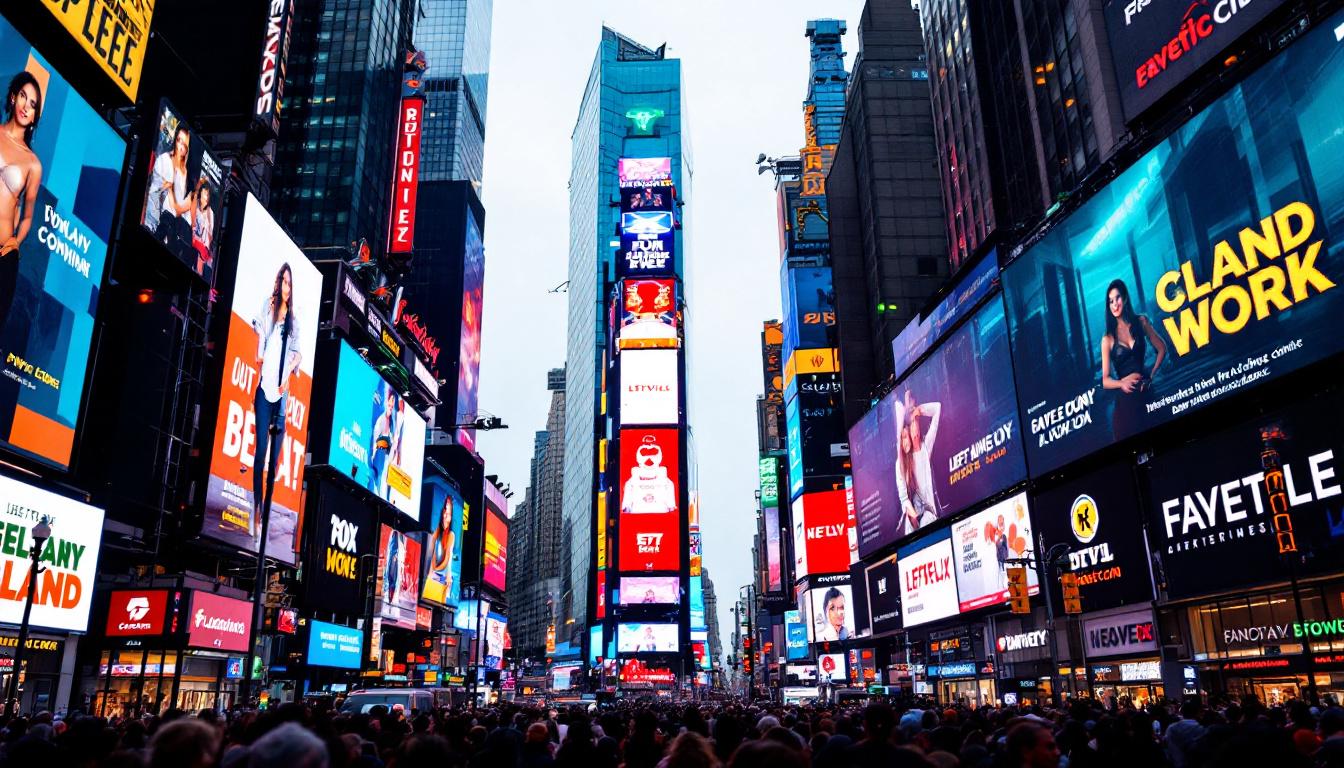
Retailers utilize interactive LED display boards to attract customers and provide immersive shopping experiences. These displays serve as digital signage, showcasing promotions, product information, and interactive catalogs. The high brightness and color saturation of LEDs make advertisements more eye-catching, even in brightly lit storefronts.
Interactive features allow customers to browse products, customize orders, or access additional information without staff assistance, enhancing customer satisfaction and increasing sales opportunities.
Public Spaces and Transportation Hubs
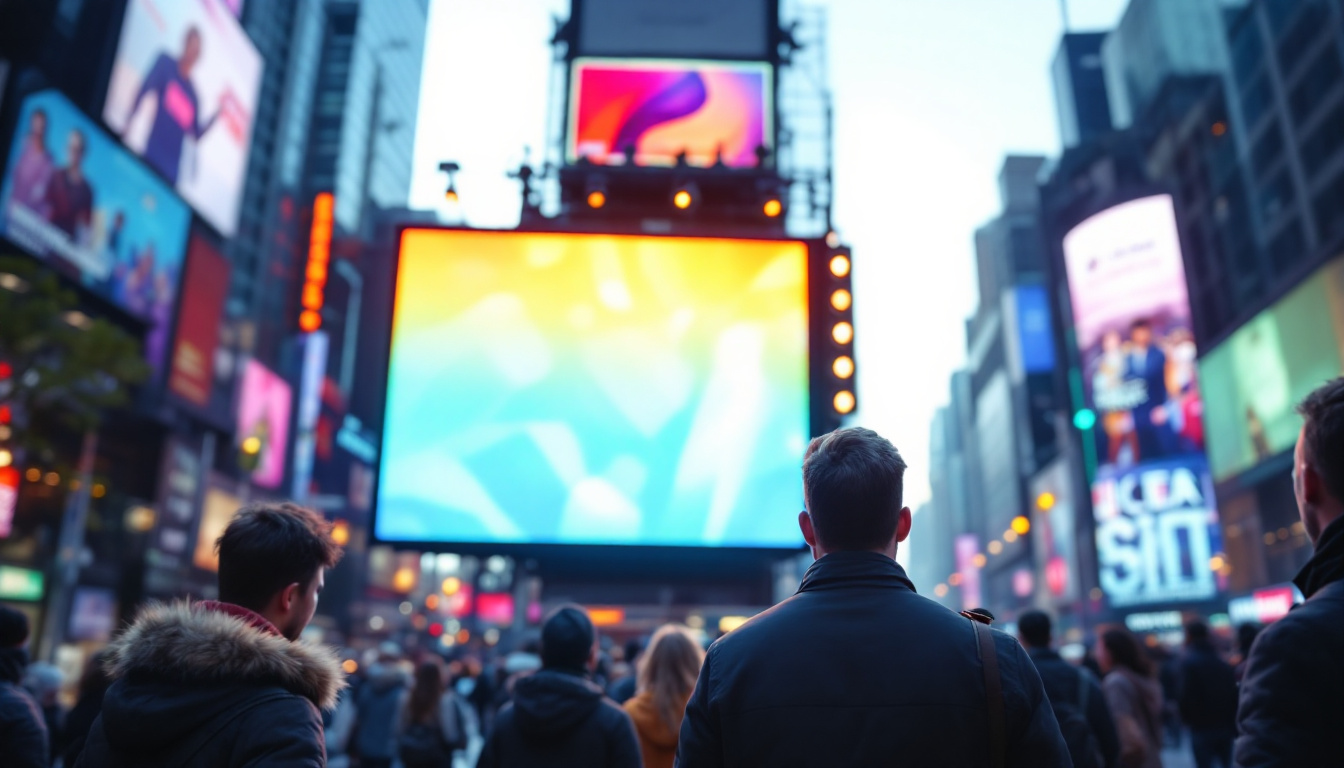
LED interactive boards are increasingly common in airports, train stations, and city centers, where they provide real-time information, wayfinding, and emergency notifications. Their robustness and visibility in various lighting conditions ensure that critical information is accessible to large audiences at all times.
Moreover, touch-enabled displays facilitate self-service kiosks, ticket purchases, and interactive maps, improving user experience and operational efficiency in busy public environments.
Choosing the Right Interactive LED Display Board
Considerations for Size and Resolution
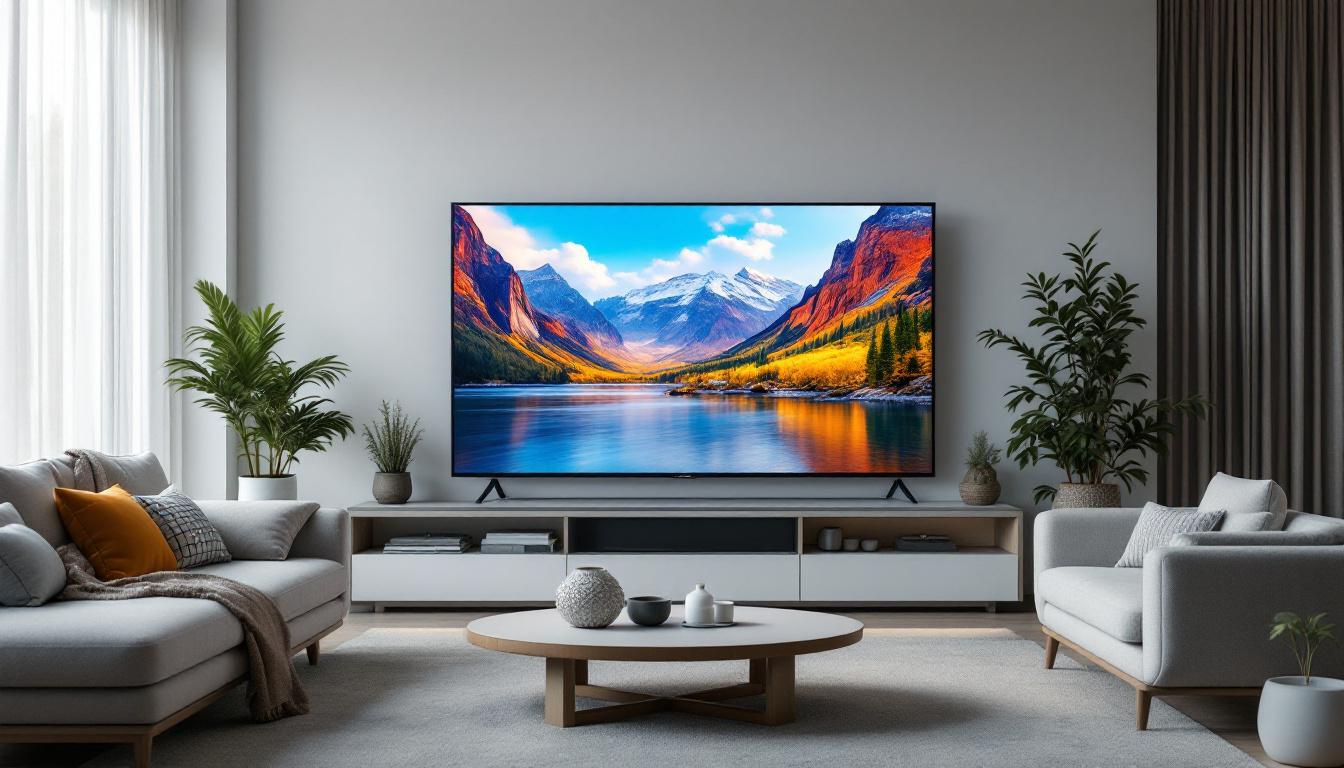
When selecting an interactive LED display board, size and resolution are paramount. The display should be large enough to be visible to the intended audience but also fit the physical space. For classrooms or meeting rooms, screens ranging from 55 to 86 inches are common, while larger venues may require displays exceeding 100 inches.
Resolution affects image clarity and touch precision. A 4K resolution (3840 x 2160 pixels) is ideal for detailed presentations and high-definition content, ensuring that text and graphics remain sharp even on large screens.
Touch Technology and Multi-Touch Support
Interactive LED boards employ various touch technologies, including infrared, capacitive, and optical sensors. Capacitive touchscreens, similar to those in smartphones, offer high accuracy and support multi-touch gestures, enabling multiple users to interact simultaneously.
For collaborative environments, multi-touch capability is essential. It allows teams to work together on the same screen, fostering creativity and engagement.
Connectivity and Software Compatibility
Modern interactive LED boards should offer versatile connectivity options such as HDMI, USB, Wi-Fi, and Bluetooth. Wireless connectivity facilitates easy content sharing from laptops, tablets, and smartphones, streamlining presentations and collaborative work.
Compatibility with popular operating systems and educational or business software enhances the board’s functionality. Features like screen mirroring, annotation tools, and cloud integration are valuable additions that improve user experience.
Future Trends in Interactive LED Display Technology
Advancements in MicroLED and MiniLED
Emerging technologies like MicroLED and MiniLED are poised to revolutionize interactive displays. MicroLEDs offer even higher brightness, better color accuracy, and longer lifespans than traditional LEDs, while MiniLEDs provide improved local dimming and contrast through smaller LED clusters.
These advancements will enable thinner, more energy-efficient interactive boards with superior image quality, expanding their applications and appeal.
Integration of Artificial Intelligence and Gesture Control
Artificial intelligence (AI) is increasingly integrated into interactive display systems to enhance user interaction. AI-powered features such as voice recognition, facial recognition, and predictive content suggestions are becoming standard, making displays more intuitive and personalized.
Gesture control technology is also evolving, allowing users to interact with displays without physical touch. This contactless interaction is particularly relevant in health-conscious environments and can improve accessibility for users with disabilities.
Expansion of Augmented Reality (AR) Capabilities
Augmented reality integration with interactive LED boards is an exciting frontier. By overlaying digital information onto the physical environment, AR can create immersive learning and presentation experiences. For instance, medical students can visualize 3D anatomical models, or architects can showcase building designs in real-world contexts.
As AR technology becomes more affordable and accessible, its combination with interactive LED displays will unlock new possibilities across industries.
Conclusion
Interactive LED display boards represent a significant leap forward in how information is shared and interacted with across various sectors. Their superior brightness, durability, and interactive capabilities make them indispensable tools in education, business, retail, and public spaces.
Understanding the underlying LED technology, the benefits it offers, and the factors to consider when choosing a display board can help organizations make informed decisions that enhance communication and engagement. As technology continues to advance, interactive LED displays will become even more versatile and powerful, shaping the future of digital interaction.
Discover LumenMatrix’s Innovative LED Solutions
Ready to elevate your interactive display capabilities? Explore LumenMatrix’s comprehensive range of cutting-edge LED display modules, designed to bring your visual communication to life. Whether you’re looking to enhance brand visibility, create captivating visual experiences, or simply share your message with greater impact, LumenMatrix has a solution tailored to your needs. From Indoor and Outdoor LED Walls to specialized displays for vehicles, sports, and even customizable options, our mission is to revolutionize your engagement strategy. Check out LumenMatrix LED Display Solutions today and see how we can transform your space with clarity and innovation.