In an era where technology seamlessly blends with everyday life, LED clocks have become a popular choice for wall-mounted timepieces. Their bright displays, energy efficiency, and modern aesthetics make them ideal for homes, offices, and public spaces. But what exactly makes LED clocks tick, and why are they increasingly favored over traditional analog or LCD clocks? This article dives deep into LED wall clocks, exploring their technology, benefits, types, and practical considerations to help you make an informed decision when choosing the perfect LED clock for your space.
Understanding LED Display Technology in Wall Clocks
What Is an LED Display?
LED stands for Light Emitting Diode, a semiconductor device that emits light when an electric current passes through it. Unlike traditional incandescent bulbs, LEDs produce light efficiently with minimal heat generation. In the context of wall clocks, LED displays use arrays of these tiny diodes to form numbers and sometimes other symbols, offering clear and bright visibility even from a distance.
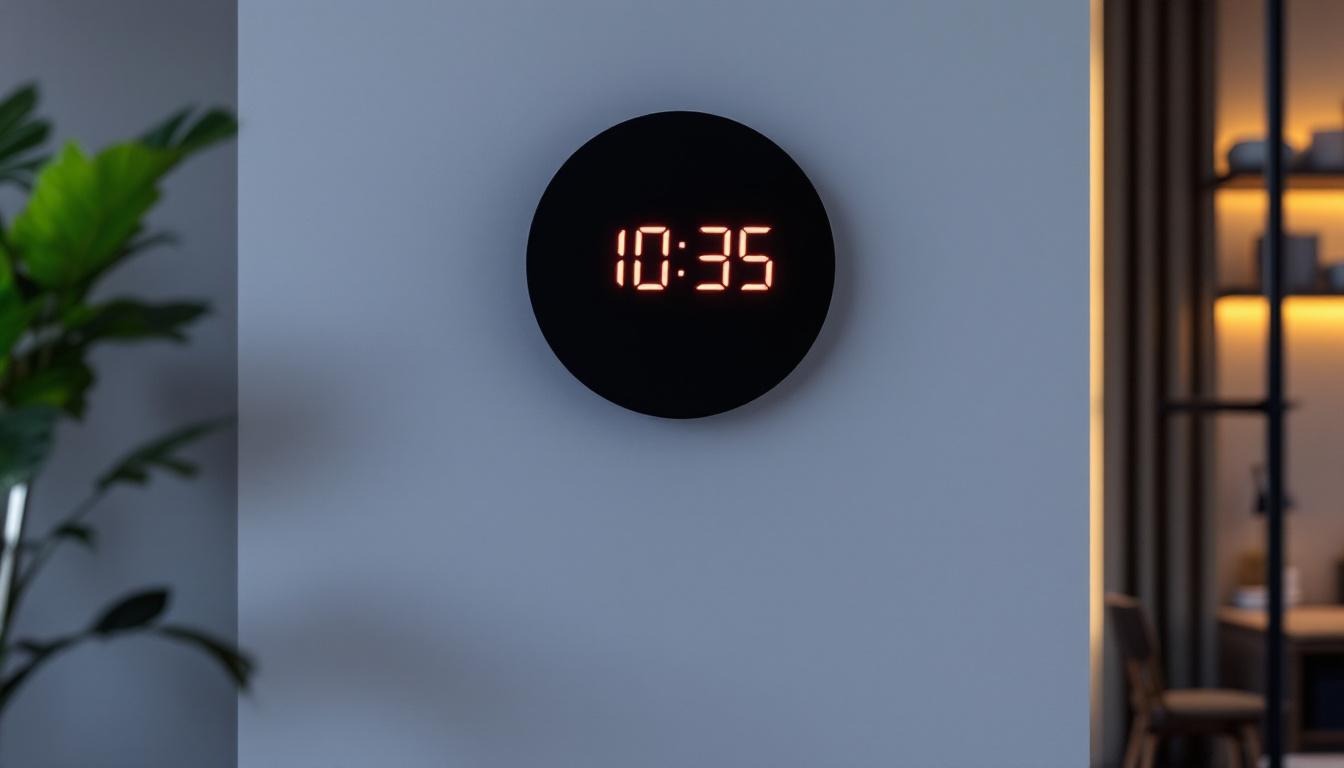
The technology behind LED displays in clocks typically involves segment-based designs, such as the common seven-segment display for digits. Each segment is a small LED bar that can be illuminated individually to form numbers from 0 to 9. More advanced LED clocks might use dot-matrix displays or full-color RGB LEDs to show additional information or decorative effects. The vibrant colors and sharp contrasts provided by LED technology not only enhance readability but also allow for creative designs that can complement various interior styles, from modern minimalist to retro chic.
Moreover, the lifespan of LED lights is significantly longer than that of traditional bulbs, often exceeding 25,000 hours. This durability means that LED wall clocks can serve as reliable timekeepers for years without the need for frequent replacements. Additionally, the energy efficiency of LEDs contributes to lower electricity bills, making them an environmentally friendly choice for consumers who are conscious about their carbon footprint.
How Do LED Wall Clocks Work?
At their core, LED wall clocks combine a timekeeping mechanism with an LED display driver. The timekeeping component is usually a quartz crystal oscillator, which ensures accurate time by vibrating at a consistent frequency. This signal is processed by an integrated circuit that controls the LED segments, lighting up the appropriate sections to display the current time.
Many modern LED clocks incorporate microcontrollers that allow for additional features such as alarms, temperature display, countdown timers, and even synchronization with atomic clocks via radio signals or internet connectivity. This integration makes LED clocks not only visually appealing but also multifunctional devices. Some models even come equipped with smart technology, enabling users to connect them to home automation systems, allowing for voice control and integration with other smart devices. This capability can enhance user experience, providing convenience and a seamless interface with other aspects of daily life.
Furthermore, the programming capabilities of these microcontrollers can allow for customizable settings, such as different time formats (12-hour vs. 24-hour), brightness adjustments based on ambient light, and even the ability to display various time zones. This versatility makes LED wall clocks not just a practical tool for timekeeping but also a personalized accessory that can adapt to the needs and preferences of the user, blending functionality with style in any room setting.
Advantages of LED Wall Clocks Over Traditional Clocks
Enhanced Visibility and Readability
One of the most significant benefits of LED wall clocks is their superior visibility. The bright, often backlit digits are easy to read in various lighting conditions, including complete darkness. This makes LED clocks particularly useful in environments like offices, hospitals, gyms, and public transportation hubs where quick and clear time reading is essential.
Unlike analog clocks, which require interpreting the position of hands, LED clocks provide a direct numerical readout, reducing the cognitive load and making them accessible to children, elderly people, and those with visual impairments.
Energy Efficiency and Longevity
LED technology is renowned for its energy efficiency. LED clocks consume significantly less power than those with incandescent or fluorescent displays, contributing to lower electricity bills and environmental impact. Additionally, LEDs have a long operational life, often exceeding 50,000 hours, which means less frequent replacements and maintenance.
This durability is particularly advantageous for wall clocks placed in hard-to-reach locations, ensuring consistent performance without the hassle of frequent bulb changes.
Modern Aesthetic and Customization
LED wall clocks offer a sleek, contemporary look that complements modern interior design trends. Their minimalist design and vibrant displays can serve as both functional devices and decorative elements. Many models come with customizable features such as adjustable brightness, color options, and display formats (12-hour or 24-hour), allowing users to tailor the clock to their preferences and environment.
Some LED clocks also integrate smart technology, enabling synchronization with smartphones or home automation systems, further enhancing their appeal in tech-savvy households and workplaces.
Types of LED Wall Clocks and Their Applications
Standard Numeric LED Clocks
The most common type of LED wall clock features a straightforward numeric display, usually in a seven-segment format. These clocks show hours and minutes, and sometimes seconds, with bright red, green, or blue LEDs. They are widely used in offices, classrooms, and homes due to their simplicity and reliability.
Standard numeric LED clocks often include additional functions such as date display, temperature readings, or alarm settings, making them versatile tools for everyday use.
Dot-Matrix and Graphic LED Clocks
For those seeking more advanced displays, dot-matrix LED clocks offer greater flexibility. These clocks use a grid of LEDs to form numbers, letters, and symbols, enabling the display of not only time but also messages, animations, or weather information.
Dot-matrix LED clocks are popular in commercial settings like airports, train stations, and conference centers, where dynamic information display is valuable. They also appeal to tech enthusiasts who appreciate the blend of functionality and visual creativity.
Smart LED Wall Clocks
With the rise of the Internet of Things (IoT), smart LED wall clocks have emerged as connected devices that offer more than just timekeeping. These clocks can sync with online time servers to maintain perfect accuracy, adjust automatically for daylight saving time, and integrate with smart home ecosystems such as Amazon Alexa or Google Home.
Smart LED clocks often feature touch controls, voice commands, and customizable alerts, making them ideal for modern homes and offices where convenience and connectivity are priorities.
Choosing the Right LED Wall Clock: Factors to Consider
Display Size and Visibility
The size of the LED display is crucial, especially for wall clocks meant to be viewed from a distance. Larger digits improve readability in bigger rooms or public spaces, while smaller displays are suitable for personal offices or bedrooms. When selecting a clock, consider the viewing distance and ensure the digits are large enough to be read comfortably.
Brightness and Color Options
Brightness control is an important feature to prevent glare or excessive light in dark environments. Many LED clocks offer adjustable brightness settings or ambient light sensors that automatically dim the display at night. Color options can also enhance aesthetics and usability; for example, red LEDs are less disruptive to night vision, while blue or green LEDs may be preferred for stylistic reasons.
Power Source and Installation
LED wall clocks can be powered by batteries, AC adapters, or USB connections. Battery-powered models offer flexibility in placement but require periodic battery changes. Clocks with AC power tend to provide continuous operation without interruption but may need proximity to an outlet. Some models combine both options for convenience.
Installation methods vary from simple wall hooks to integrated mounting brackets. Consider the ease of installation and the clock’s weight when planning placement.
Additional Features and Connectivity
Depending on your needs, additional features might influence your choice. These include alarm functions, temperature and humidity sensors, calendar displays, and synchronization capabilities. For tech enthusiasts, Wi-Fi or Bluetooth connectivity can enable integration with other devices and apps, offering remote control and real-time updates.
Maintaining and Troubleshooting LED Wall Clocks
Routine Maintenance Tips
LED wall clocks generally require minimal maintenance. Regular dusting of the display and casing helps maintain brightness and prevents overheating. If the clock uses batteries, replacing them as recommended ensures uninterrupted operation.
For clocks with adjustable brightness or smart features, periodically checking settings and firmware updates (if applicable) can enhance performance and longevity.
Common Issues and Solutions
Despite their reliability, LED clocks can occasionally experience issues such as dimming displays, incorrect time, or unresponsive controls. Dim displays often indicate low battery power or the need to adjust brightness settings. Incorrect time can result from power interruptions or failure to synchronize with time servers; resetting the clock or reestablishing connections usually resolves this.
Unresponsive controls might be fixed by a simple reset or checking for software updates in smart models. If problems persist, consulting the manufacturer’s support resources or professional repair services is advisable.
The Future of LED Wall Clocks
As LED technology continues to evolve, the future of LED wall clocks looks promising. Innovations such as micro-LEDs and flexible LED displays could lead to thinner, more energy-efficient clocks with customizable shapes and interfaces. Integration with artificial intelligence may enable clocks to adapt their display and functions based on user habits and environmental conditions.
Moreover, as smart home ecosystems expand, LED wall clocks will likely become central hubs for information, seamlessly blending timekeeping with communication, health monitoring, and home automation.
Conclusion
LED clocks for walls represent a perfect fusion of technology, design, and practicality. Their bright, clear displays, energy efficiency, and versatility make them suitable for a wide range of environments and users. Understanding the technology behind LED displays, the types of clocks available, and the factors to consider when purchasing can help individuals and organizations select the ideal timepiece for their needs.
Whether opting for a simple numeric LED clock, a dynamic dot-matrix display, or a fully connected smart device, LED wall clocks offer a reliable and stylish way to keep time visible and accessible throughout the day and night.
Discover LumenMatrix’s Innovative LED Clock Solutions
Ready to elevate your space with the latest in LED display technology? Look no further than LumenMatrix, where innovation meets visual artistry. Our extensive range of LED display solutions, from Indoor and Outdoor LED Wall Displays to Custom and All-in-One LED Displays, is designed to bring your environment to life. Experience the future of timekeeping and visual communication with our LED clocks that blend precision, style, and functionality. Check out LumenMatrix LED Display Solutions today and transform the way you view time.