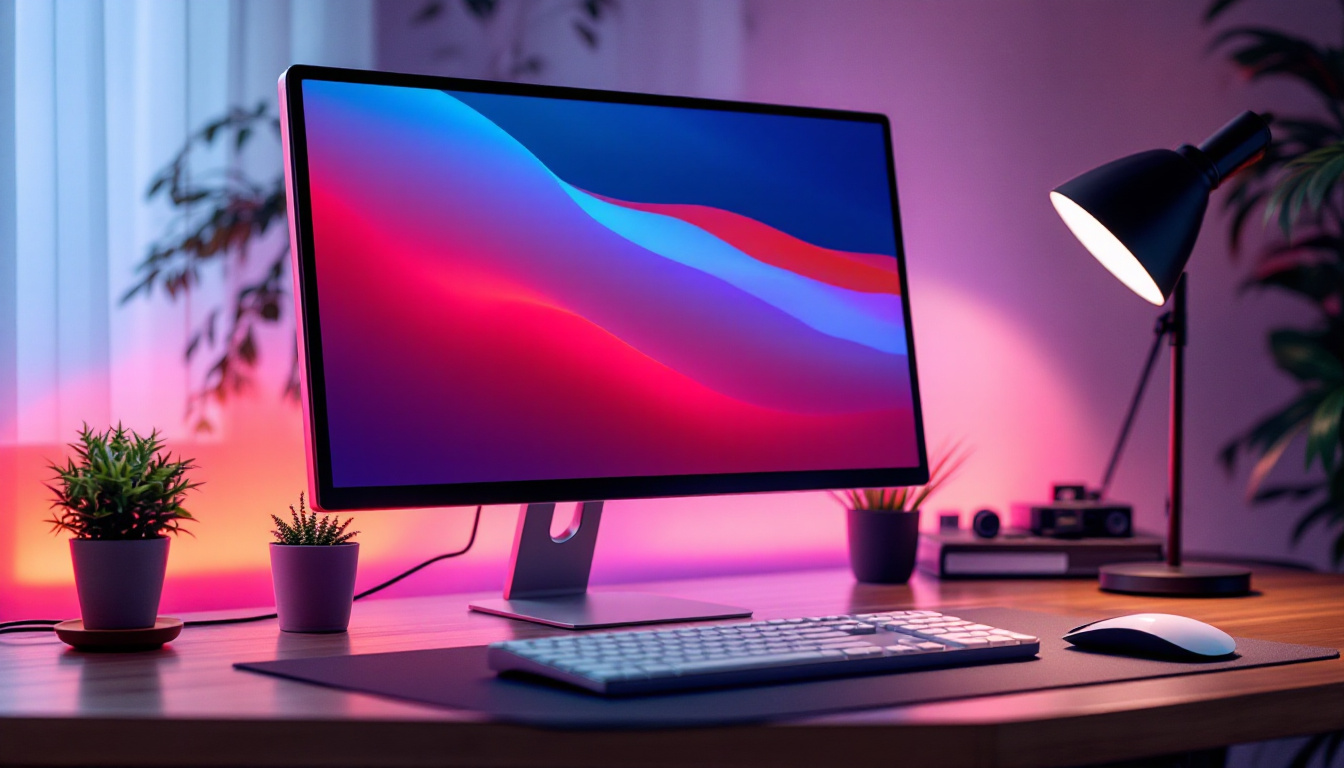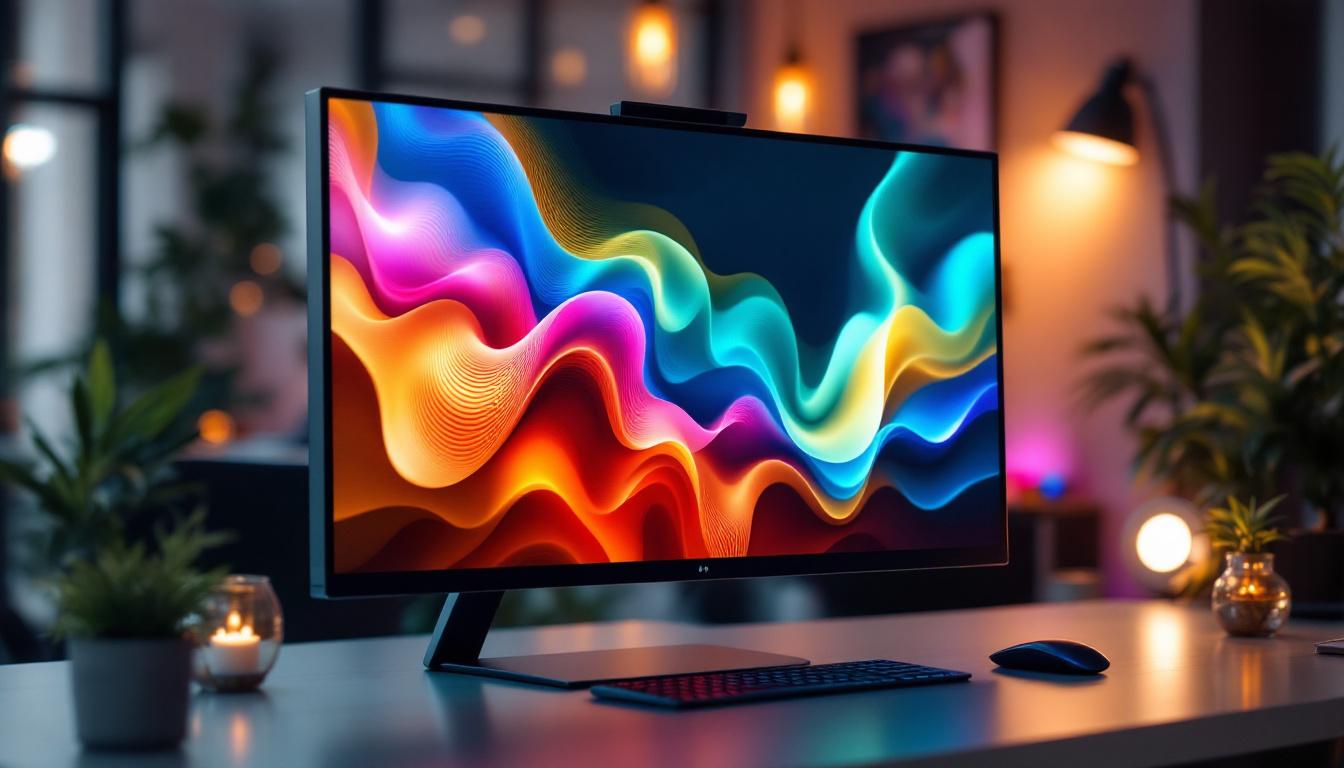
In today’s fast-evolving digital landscape, the demand for sleek, high-performance monitors continues to rise. Among the various display technologies, LED displays have become the gold standard for many users, offering vibrant visuals and energy efficiency in slim, stylish packages. This article delves into the world of slim LED monitors, explaining their technology, benefits, and what makes them a preferred choice for professionals, gamers, and everyday users alike.
Understanding LED Display Technology
What is an LED Display?
LED stands for Light Emitting Diode, a semiconductor device that emits light when an electric current passes through it. In the context of monitors, LED displays use these tiny diodes as a backlighting source for LCD (Liquid Crystal Display) panels. Unlike older CCFL (Cold Cathode Fluorescent Lamp) backlighting, LEDs offer greater efficiency, brightness, and color accuracy.
It’s important to note that most “LED monitors” are actually LCD panels illuminated by LEDs rather than screens made entirely of LEDs. True LED displays, such as OLEDs (Organic LED), operate differently but are less common in mainstream computer monitors due to cost and manufacturing complexity. OLED technology allows each pixel to emit its own light, resulting in deeper blacks and more vibrant colors, making it a favorite among professionals in graphic design and video editing.
Types of LED Backlighting
There are two primary types of LED backlighting used in slim monitors: edge-lit and direct-lit (or full-array). Edge-lit LED monitors position LEDs along the edges of the screen, allowing for thinner designs and lower power consumption. Light is then diffused across the panel to create uniform brightness. This design is particularly advantageous for users who prioritize aesthetics and space-saving, as edge-lit displays can be incredibly sleek and lightweight.
Direct-lit LED monitors have LEDs placed directly behind the screen, which can improve brightness and contrast but usually results in a thicker display. Some high-end models use full-array local dimming, where zones of LEDs can be independently controlled to enhance black levels and dynamic range. This technology is especially beneficial for watching movies or playing video games, as it allows for a more immersive experience by adjusting the brightness in specific areas of the screen based on the content being displayed. Furthermore, advancements in LED technology continue to push the boundaries of display quality, with features like HDR (High Dynamic Range) becoming more prevalent, offering a broader spectrum of colors and improved contrast ratios that appeal to both casual viewers and professionals alike.
Advantages of Slim LED Monitors
Design and Space Efficiency
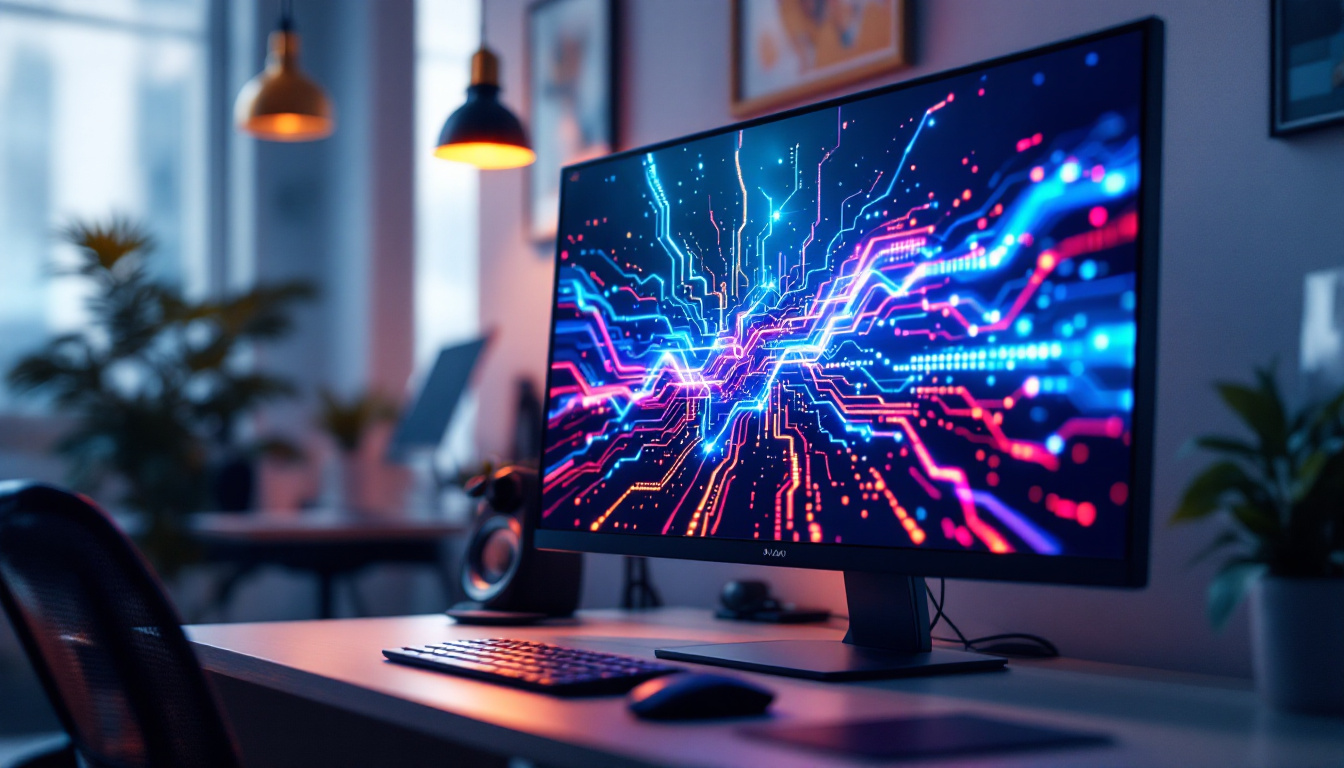
One of the most significant benefits of LED technology is the ability to create ultra-slim monitors without sacrificing screen size or performance. Edge-lit LED backlighting allows manufacturers to reduce the thickness of monitors dramatically, making them ideal for modern workspaces where desk space is at a premium.
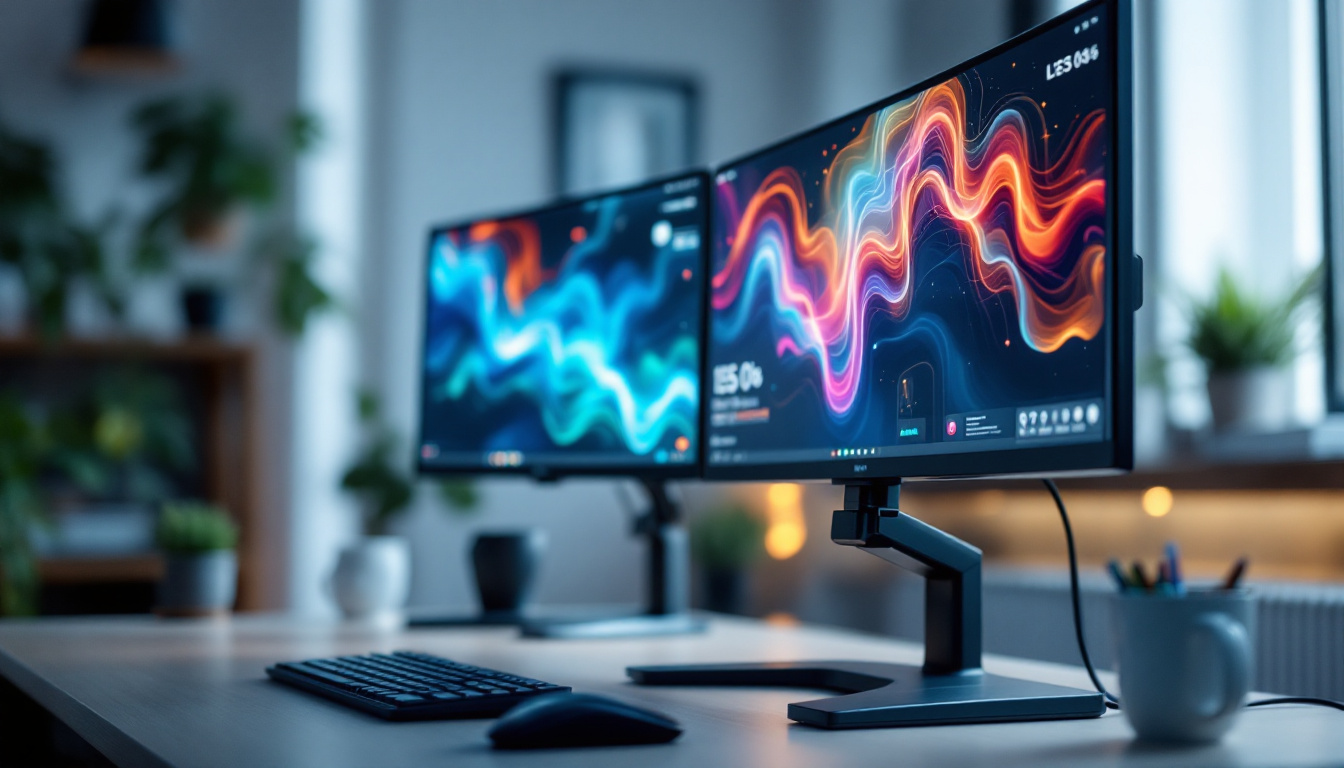
These slim profiles also contribute to a cleaner aesthetic, complementing minimalist setups and multi-monitor configurations. For professionals in creative fields or corporate environments, the sleek design of LED monitors enhances both functionality and visual appeal. Furthermore, their lightweight construction makes them easy to mount on walls or attach to adjustable stands, providing flexibility in how users arrange their workspaces. This adaptability is particularly beneficial in collaborative environments where space must be optimized for team interactions and presentations.
Energy Efficiency and Environmental Impact
LED backlighting is considerably more energy-efficient than older CCFL technology. According to the U.S. Department of Energy, LED-backlit LCD monitors consume up to 30-40% less power than CCFL-backlit counterparts. This reduction not only lowers electricity bills but also decreases the environmental footprint of daily device usage.
Moreover, LEDs have a longer lifespan, often exceeding 50,000 hours, which means fewer replacements and less electronic waste. Many manufacturers now emphasize eco-friendly production methods and recyclable materials, aligning with global sustainability goals. In addition to these benefits, some LED monitors come equipped with features such as automatic brightness adjustment and energy-saving modes, further enhancing their efficiency. As consumers become increasingly conscious of their environmental impact, the demand for energy-efficient devices like slim LED monitors continues to rise, making them a smart choice for both individuals and businesses.
Improved Visual Performance
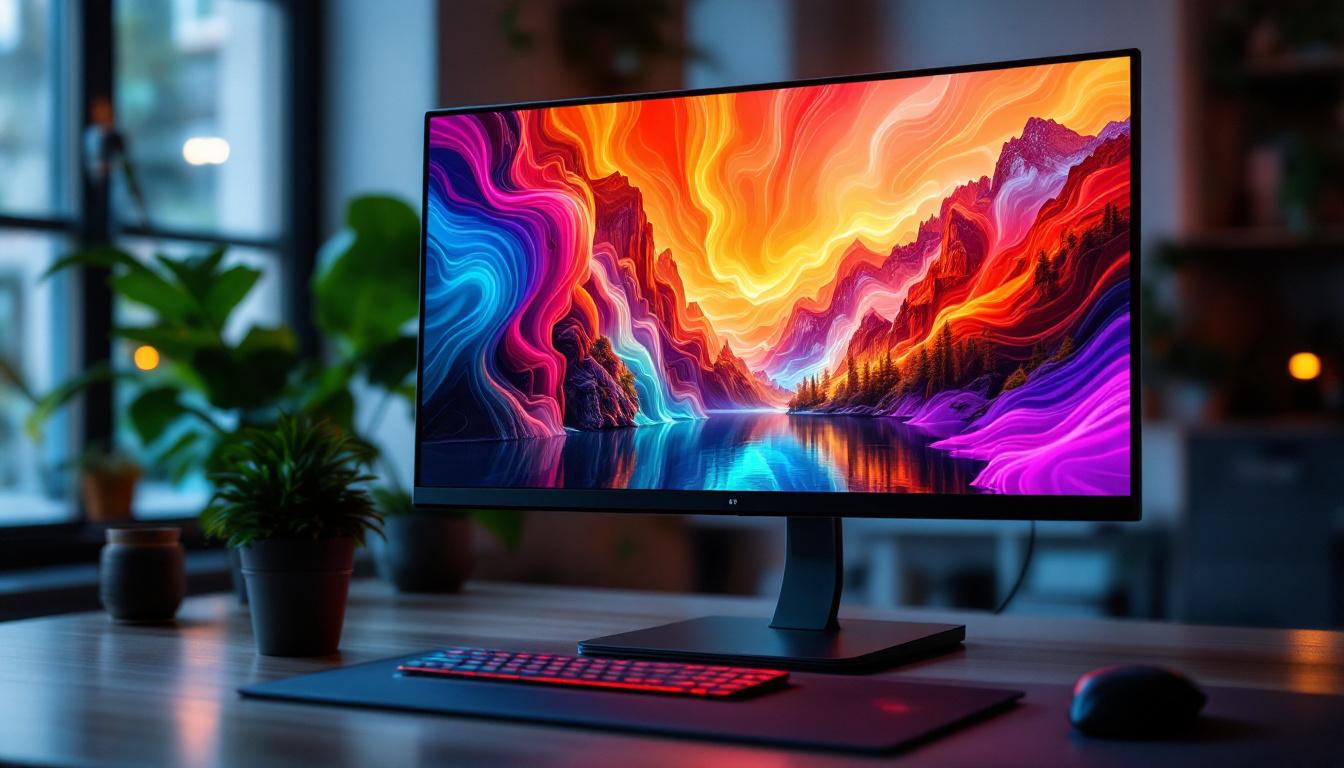
LED monitors typically deliver brighter images with better contrast ratios and more accurate color reproduction. This is crucial for tasks that demand precision, such as photo editing, video production, and gaming. The ability to achieve deeper blacks and vivid colors enhances the overall viewing experience.
Additionally, LED technology supports higher refresh rates and faster response times compared to older LCD technologies, reducing motion blur and screen tearing. Gamers and multimedia enthusiasts benefit greatly from these improvements, enjoying smoother gameplay and sharper visuals. The enhanced visual performance is not just limited to entertainment; it also plays a vital role in professional environments where detailed graphics and color accuracy are essential. For instance, graphic designers rely on the precise color calibration offered by LED monitors to ensure that their work translates accurately across various media. As a result, the investment in a high-quality LED monitor can significantly elevate both personal and professional productivity.
Key Features to Consider When Choosing a Slim LED Monitor
Resolution and Screen Size
Resolution remains one of the most critical factors in monitor selection. Common resolutions include Full HD (1920×1080), Quad HD (2560×1440), and 4K UHD (3840×2160). Higher resolutions provide greater detail and workspace but require more powerful graphics hardware to run smoothly.
Screen size also plays a vital role. Slim LED monitors are available in sizes ranging from 21 inches to over 32 inches. Larger screens offer immersive experiences, especially for gaming and multitasking, but may not suit smaller desks or limited spaces.
Panel Type: IPS vs. VA vs. TN
The panel type influences color accuracy, viewing angles, and response times. In-plane switching (IPS) panels are favored for their excellent color consistency and wide viewing angles, making them ideal for professionals in design and photography.
Vertical alignment (VA) panels offer higher contrast ratios and deeper blacks, suitable for entertainment and general use. Twisted nematic (TN) panels typically provide the fastest response times but suffer from narrower viewing angles and less accurate colors, often preferred by competitive gamers on a budget.
Connectivity and Ergonomics
Modern slim LED monitors come equipped with multiple connectivity options, including HDMI, DisplayPort, USB-C, and sometimes legacy VGA ports. USB-C is particularly valuable for users seeking a single-cable solution that can transmit video, data, and power simultaneously.
Ergonomic features such as adjustable height, tilt, swivel, and pivot enhance user comfort, especially during long hours of use. VESA mount compatibility allows for flexible mounting solutions, freeing up desk space and improving posture.
Applications and Use Cases for Slim LED Monitors
Professional and Creative Work
Graphic designers, video editors, and photographers benefit immensely from the color accuracy and high resolutions offered by slim LED monitors. The ability to display a wide color gamut and consistent brightness ensures that digital content appears as intended across different devices and platforms.
Many professional-grade LED monitors support industry standards such as sRGB, Adobe RGB, and DCI-P3, which are essential for color-critical workflows. Additionally, the slim form factor allows for multi-monitor setups, increasing productivity without overwhelming workspace constraints.
Gaming and Entertainment
Gaming monitors with LED backlighting have evolved to include features like high refresh rates (120Hz, 144Hz, or higher), low input lag, and adaptive sync technologies such as NVIDIA G-SYNC and AMD FreeSync. These enhancements reduce screen tearing and stuttering, providing a smoother and more immersive gaming experience.
For home entertainment, slim LED monitors double as excellent displays for streaming movies and TV shows, thanks to their vibrant colors and sharp image quality. Some models also incorporate HDR (High Dynamic Range) support, which boosts contrast and color depth for more lifelike visuals.
Office and Everyday Use
In office environments, slim LED monitors contribute to a clean and organized workspace. Their energy efficiency helps reduce operational costs, while ergonomic adjustments promote better posture and reduce eye strain.
For everyday users, whether browsing the web, watching videos, or working on documents, LED monitors offer a balanced combination of performance, style, and affordability. The slim design also makes them easier to transport or reposition as needed.
Future Trends in Slim LED Monitor Technology
Mini-LED and Micro-LED Innovations
Emerging technologies like Mini-LED and Micro-LED are pushing the boundaries of LED displays. Mini-LEDs use thousands of tiny LEDs as backlighting, enabling more precise local dimming zones and significantly improving contrast and HDR performance. This technology is already appearing in premium monitors and high-end laptops.
Micro-LED, which involves microscopic LEDs that emit their own light without a separate backlight, promises even greater brightness, color accuracy, and energy efficiency. While still in early stages for consumer monitors, Micro-LED could revolutionize display technology in the coming years.
Flexible and Transparent Displays
Research into flexible LED displays is opening new possibilities for curved, foldable, or rollable monitors that maintain slim profiles without compromising durability. Transparent LED screens are also being explored for innovative applications in augmented reality and smart environments.
These advancements highlight the ongoing evolution of LED technology, ensuring that slim monitors will continue to adapt to changing user needs and design trends.
Conclusion: Why Choose a Slim LED Monitor?
Slim LED monitors represent a harmonious blend of advanced technology, aesthetic appeal, and practical benefits. Their energy efficiency, superior image quality, and sleek design make them an excellent choice for a wide range of users—from creative professionals and gamers to office workers and casual users.
As display technology continues to advance with innovations like Mini-LED and Micro-LED, the future of slim monitors looks brighter than ever. Investing in a slim LED monitor today means enjoying cutting-edge performance and style that will remain relevant in the years to come.
Discover the Future of Visual Display with LumenMatrix
Ready to experience the pinnacle of LED technology in your professional or personal space? LumenMatrix is at the forefront of innovative LED display solutions, offering a wide array of products from Indoor and Outdoor LED Wall Displays to specialized options like Vehicle and Sports LED Displays. Whether you’re looking to captivate your audience with a Custom LED Display or streamline your message with an All-in-One LED Display, LumenMatrix has the cutting-edge technology to transform your visual communication. Don’t just keep up with the future; define it. Check out LumenMatrix LED Display Solutions today and elevate your visual experience.