When shopping for or specifying an LED display, understanding the dimensions is crucial. One common measurement that often comes up is the size of the screen, typically expressed in inches. However, in many technical and manufacturing contexts, dimensions are preferred in millimeters (mm). This article will explore the conversion of 32 inches to millimeters and delve into the significance of this measurement in the realm of LED displays. By the end, readers will have a clear understanding of why precise sizing matters and how it impacts the performance and application of LED screens.
Understanding the Conversion: Inches to Millimeters
Inches and millimeters are both units used to measure length, but they belong to different measurement systems. Inches are part of the Imperial system, commonly used in the United States, while millimeters belong to the Metric system, which is widely adopted internationally, especially in technical fields.
How Many Millimeters Are in 32 Inches?
The conversion factor between inches and millimeters is fixed: 1 inch equals exactly 25.4 millimeters. This precise conversion is internationally recognized and used in engineering, manufacturing, and design.
So, to convert 32 inches to millimeters, the calculation is straightforward:
32 inches × 25.4 mm/inch = 812.8 mm
This means a 32-inch LED display has a diagonal measurement of approximately 812.8 millimeters.
Why Use Millimeters Instead of Inches?
While inches are familiar in everyday use in some countries, millimeters offer greater precision, especially when dealing with smaller components or detailed specifications. For LED displays, where pixel pitch, cabinet dimensions, and mounting tolerances are critical, millimeters provide a more accurate and universally understood measurement.
Manufacturers and engineers prefer millimeters because it reduces ambiguity and aligns with international standards. This ensures consistency across supply chains and facilitates easier communication between designers, fabricators, and installers worldwide.
Moreover, the use of millimeters can significantly enhance the design process in fields such as architecture and product development. For instance, when creating intricate designs or prototypes, even the slightest variation in measurement can lead to substantial discrepancies in the final product. By employing millimeters, designers can achieve a higher level of detail and accuracy, which is essential in competitive markets where precision can be the difference between success and failure.
Additionally, the global nature of many industries today means that professionals often collaborate across borders. Using a common unit of measurement like millimeters helps streamline this collaboration, as it minimizes the risk of conversion errors that can arise from using different systems. This is particularly important in industries such as automotive and aerospace, where safety and performance are paramount, and even minor measurement errors can have serious consequences.
What Does “32 Inches” Mean in LED Displays?
When referring to a “32-inch” LED display, it typically denotes the diagonal length of the screen. This is a standard way of measuring display sizes, whether for TVs, monitors, or LED panels.
Diagonal Measurement vs. Width and Height
The diagonal dimension is the distance from one corner of the screen to the opposite corner. However, the actual width and height of the display will vary based on the aspect ratio, which is the proportional relationship between the width and the height.
For example, most modern LED displays have an aspect ratio of 16:9, meaning the width is 16 units for every 9 units of height. Using the diagonal measurement and aspect ratio, the width and height can be calculated as follows:
- Width (in inches) = (Diagonal) × (16 / √(16² + 9²))
- Height (in inches) = (Diagonal) × (9 / √(16² + 9²))
Applying this to a 32-inch display:
Width = 32 × (16 / 18.36) ≈ 27.9 inches
Height = 32 × (9 / 18.36) ≈ 15.7 inches
Converting these to millimeters:
Width = 27.9 × 25.4 ≈ 708.7 mm
Height = 15.7 × 25.4 ≈ 398.8 mm
Thus, a 32-inch LED display with a 16:9 aspect ratio measures approximately 709 mm wide by 399 mm high.
Importance of Knowing Width and Height
Understanding the width and height of an LED display is essential for installation planning, mounting hardware selection, and space allocation. For example, a retailer planning an in-store digital signage installation must ensure the display fits within the designated area and that the mounting brackets can support the screen’s dimensions.
Additionally, when integrating multiple LED panels to create a larger video wall, precise measurements are necessary to ensure seamless alignment and uniformity.
LED Display Technology: Why Size Matters
LED displays are widely used in various applications, from consumer televisions to large-scale digital billboards. The size of the display influences not only the viewing experience but also technical aspects such as resolution, pixel pitch, and brightness.
Pixel Pitch and Its Relationship to Display Size
Pixel pitch refers to the distance between the centers of two adjacent pixels, usually measured in millimeters. It is a critical factor that determines the resolution and viewing distance of an LED display.
For a fixed screen size, a smaller pixel pitch means more pixels can fit into the display area, resulting in higher resolution and sharper images. Conversely, a larger pixel pitch is suitable for bigger displays intended to be viewed from a distance, where ultra-high resolution is less critical.
For example, a 32-inch LED display designed for desktop use might have a pixel pitch of 0.5 mm or less, delivering crisp images at close range. In contrast, a 32-inch LED module used as part of a larger video wall may have a pixel pitch of 2 mm or more, optimized for viewing from several meters away.
Brightness and Viewing Distance Considerations
LED displays are known for their brightness, which is measured in nits (cd/m²). The size of the display impacts how brightness is perceived and how well the screen performs in different lighting conditions.
Smaller displays like a 32-inch LED screen are often used indoors, where ambient light levels are controlled. This allows for moderate brightness levels, typically between 250 to 500 nits, which are comfortable for close viewing.
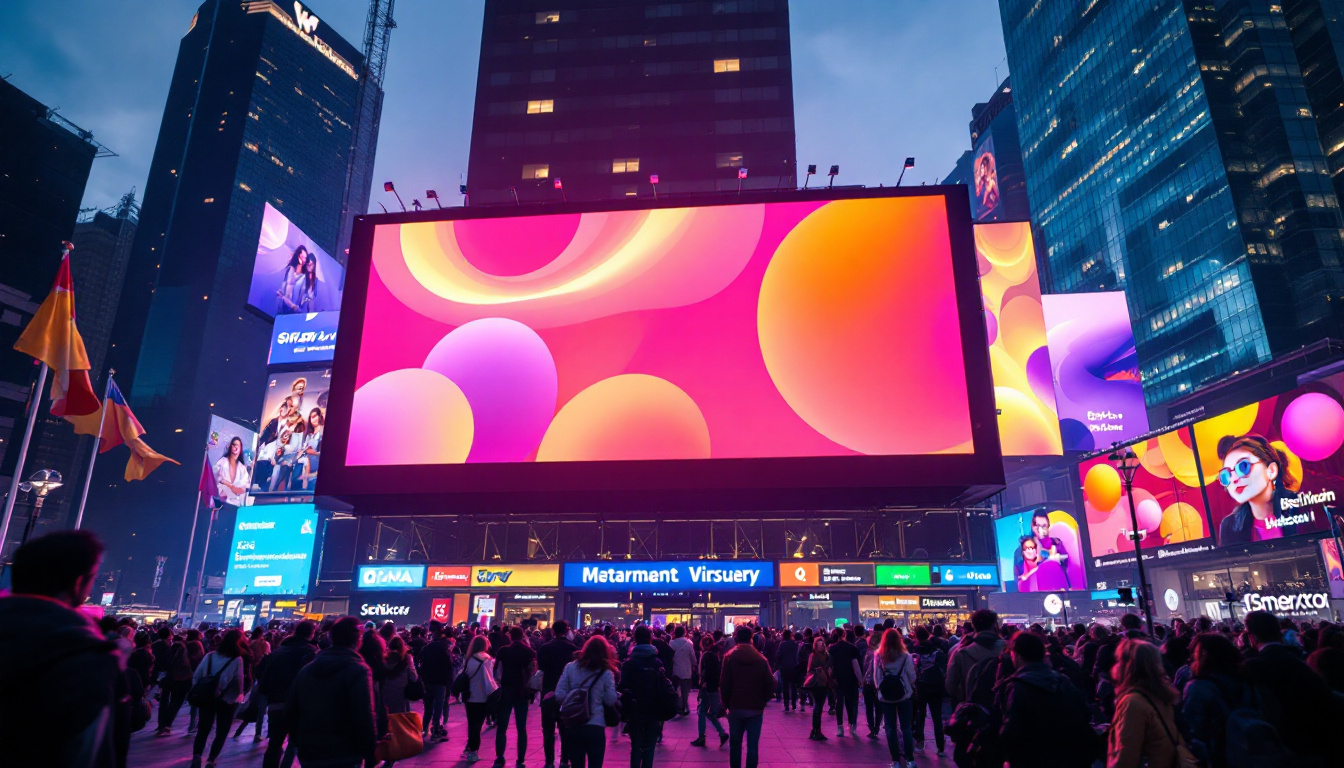
Larger LED displays intended for outdoor use must have much higher brightness levels (often exceeding 5,000 nits) to remain visible in direct sunlight. While the 32-inch size is less common for outdoor signage, understanding the relationship between size and brightness helps in selecting the right display for the environment.
Applications of 32-Inch LED Displays
The 32-inch LED display size strikes a balance between portability and visibility, making it popular across various industries and use cases.
Consumer Electronics
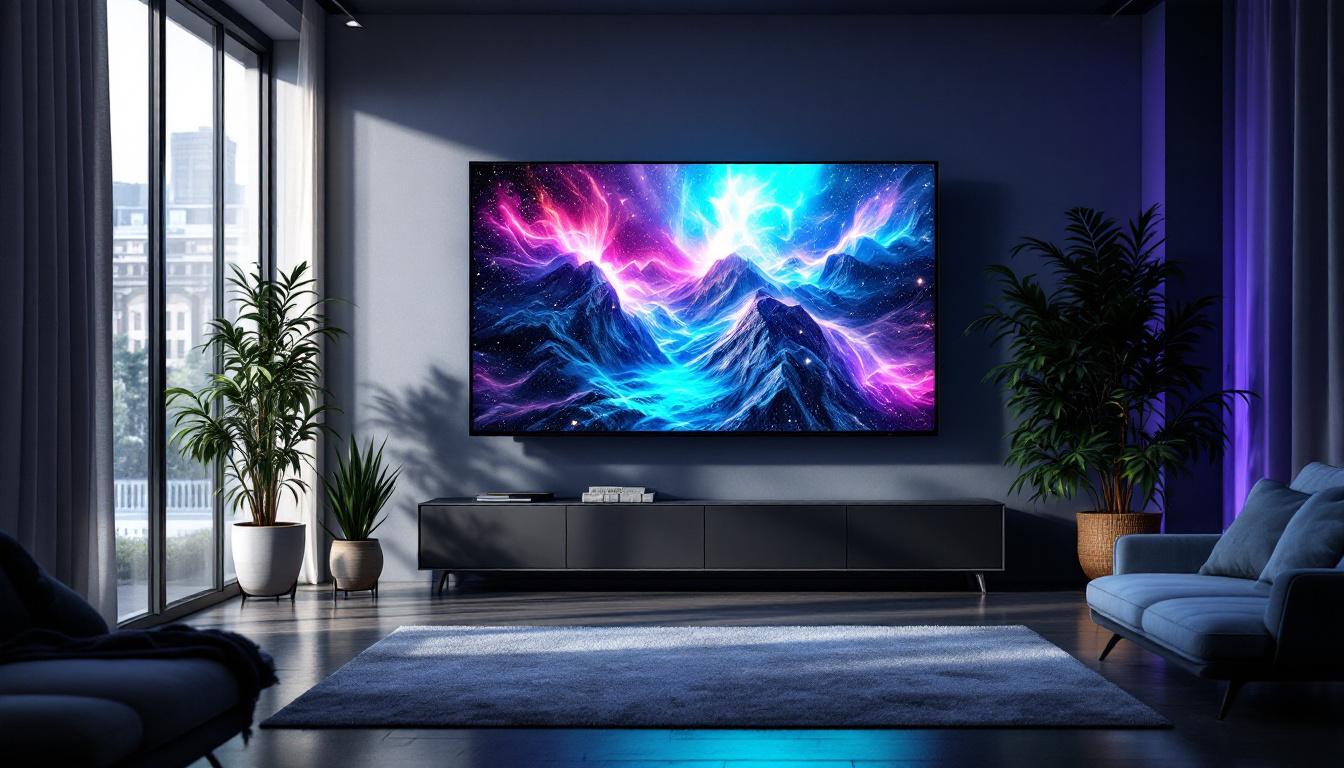
In the consumer market, 32-inch LED TVs and monitors are favored for bedrooms, kitchens, and small living rooms. They offer a good viewing experience without dominating the space or requiring excessive power consumption.
Advancements in LED technology have made these displays more energy-efficient, with better color accuracy and higher refresh rates. For gamers and content creators, 32-inch LED monitors with 4K resolution and HDR support provide an immersive experience at a reasonable price point.
Commercial and Retail Signage
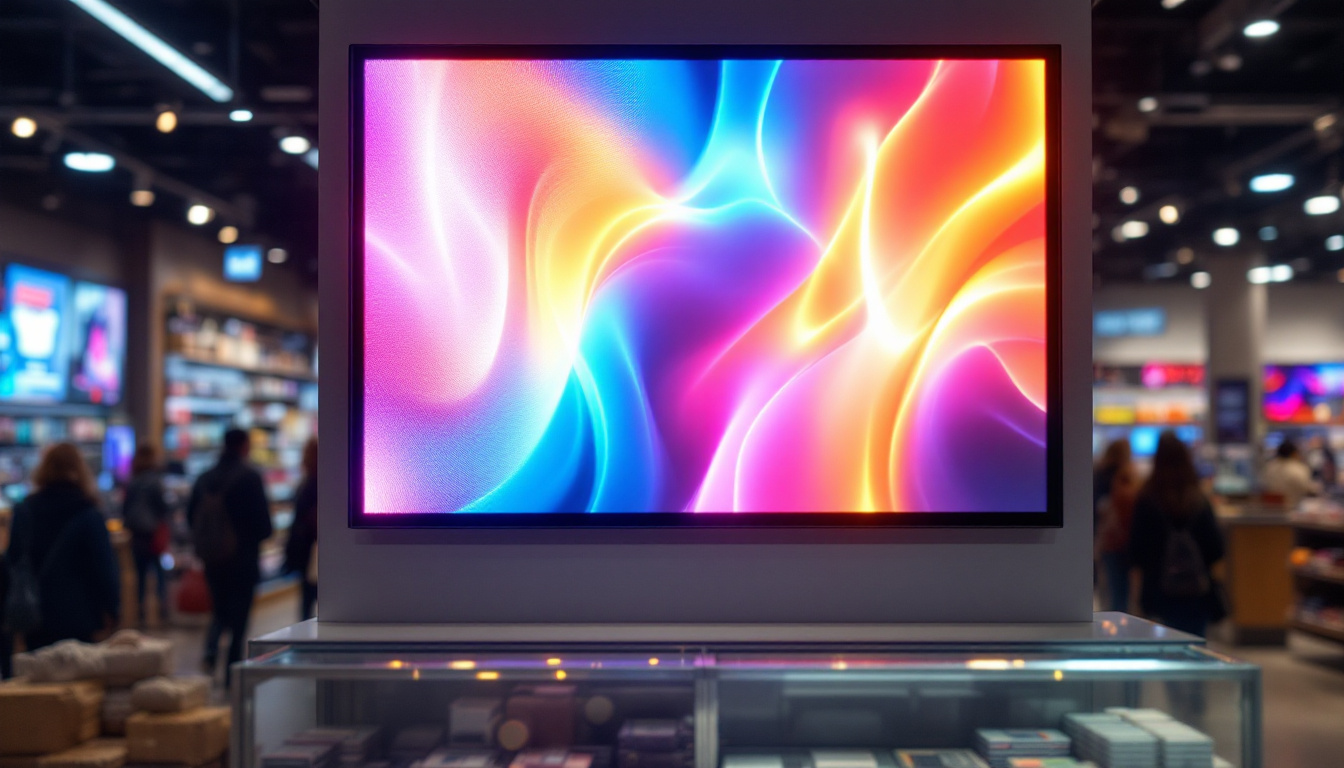
Retailers and businesses use 32-inch LED displays for digital signage, menu boards, and promotional screens. Their manageable size allows them to fit in tight spaces such as checkout counters, kiosks, and reception areas.
These displays are often networked and controlled remotely, enabling dynamic content updates that can increase customer engagement and sales. The clarity and brightness of LED technology ensure messages are visible and attractive even in well-lit environments.
Professional and Industrial Use
In professional settings, 32-inch LED displays serve as control room monitors, medical imaging screens, and conference room displays. Their size is ideal for individual workstations or collaborative environments where multiple screens may be used simultaneously.
Industrial applications benefit from the durability and reliability of LED displays, which can operate continuously with minimal maintenance. The precision of millimeter measurements ensures these displays fit seamlessly into existing equipment setups.
Choosing the Right 32-Inch LED Display
Selecting the appropriate 32-inch LED display involves considering several factors beyond just size and conversion to millimeters.
Resolution and Image Quality
Resolution determines how sharp and detailed the images on the display will be. Common resolutions for 32-inch LED displays include Full HD (1920×1080 pixels) and 4K UHD (3840×2160 pixels). Higher resolutions are preferable for tasks requiring fine detail, such as graphic design or video editing.
Image quality is also influenced by color gamut, contrast ratio, and refresh rate. For instance, a display with a wide color gamut and high contrast ratio will produce more vibrant and lifelike images.
Connectivity and Features
Modern 32-inch LED displays come equipped with various input options such as HDMI, DisplayPort, USB-C, and sometimes legacy ports like VGA. Choosing a display with the right connectivity ensures compatibility with existing devices.
Additional features to consider include built-in speakers, smart TV capabilities, touch screen functionality, and adjustable stands or mounts. These enhance usability and integration into different environments.
Budget and Brand Reliability
Price ranges for 32-inch LED displays vary widely based on specifications and brand reputation. It is important to balance cost with quality to ensure long-term satisfaction.
Brands with a strong track record in LED technology often provide better warranties, customer support, and product longevity. Reading reviews and consulting industry experts can help in making an informed decision.
Conclusion
Converting 32 inches to millimeters—812.8 mm—provides a precise measurement that is essential for understanding and specifying LED displays. Beyond the raw dimensions, the size of a 32-inch LED display influences its resolution, pixel pitch, brightness, and suitability for various applications.
Whether for consumer electronics, commercial signage, or professional use, knowing the exact measurements in millimeters helps ensure compatibility, optimal performance, and a seamless user experience. As LED technology continues to advance, the importance of precise sizing and detailed specifications remains paramount in delivering high-quality visual solutions.
Discover LumenMatrix’s Advanced LED Display Solutions
Ready to experience the pinnacle of LED display technology? LumenMatrix is at the forefront of innovation, offering a diverse range of LED display solutions tailored to meet your unique needs. From captivating Indoor and Outdoor LED Wall Displays to dynamic Vehicle and Sports LED Displays, each product is designed to elevate your visual communication and audience engagement. Explore our cutting-edge LED Poster Displays, interactive Floor LED Displays, and the versatility of Custom and All-in-One LED solutions, including our striking LED Transparent Displays. Embrace the future of digital signage with LumenMatrix and transform your space into a mesmerizing visual experience. Check out LumenMatrix LED Display Solutions today and let your message shine with unparalleled clarity and impact.