The world of LED displays is expanding rapidly, driven by advancements in technology and increasing demand for vibrant, high-resolution screens. Whether it’s a massive outdoor billboard, a stadium screen, or a digital signage display in a retail store, understanding the relationship between millimeters (mm) and pixels is crucial for selecting the right LED display. This article delves into the concept of mm in pixels, explaining how pixel pitch impacts LED display quality, size, and viewing experience.
Understanding Pixel Pitch: The Foundation of LED Display Resolution
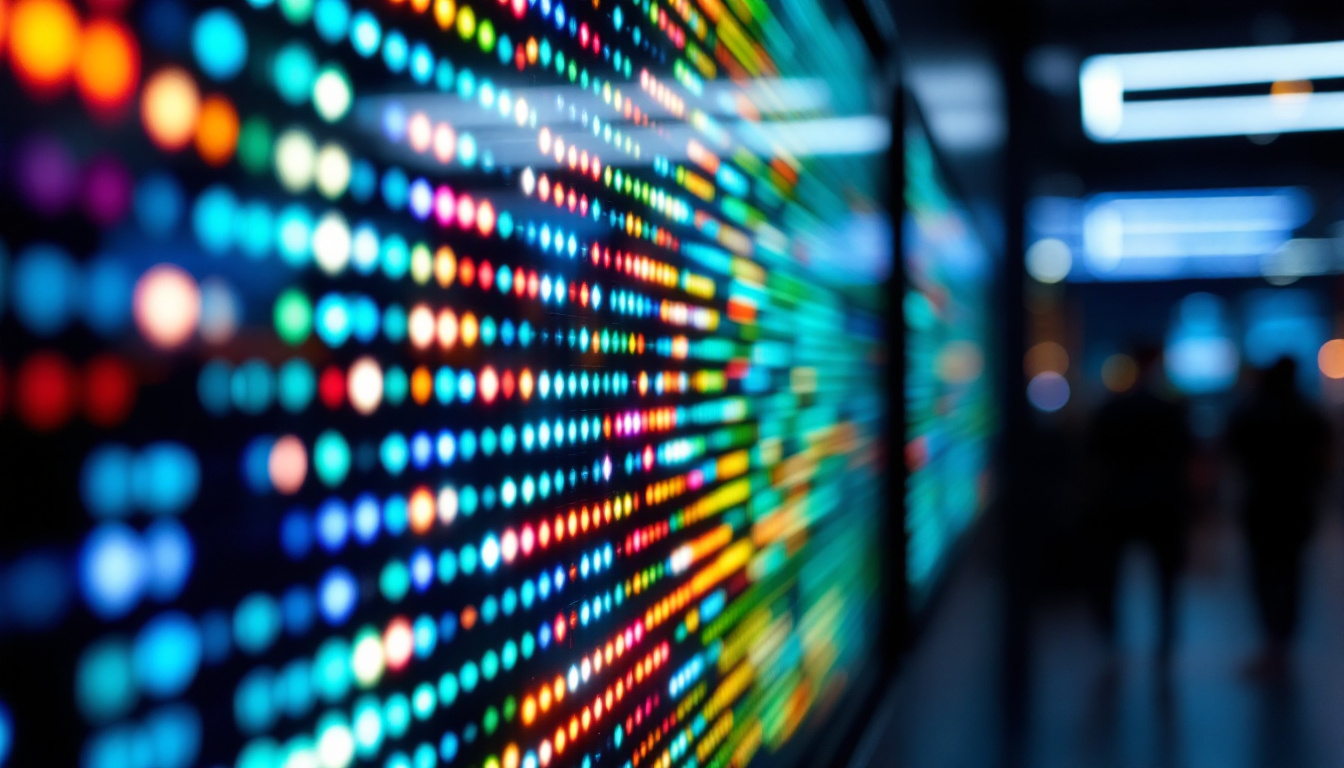
Pixel pitch is a fundamental specification in LED displays, often expressed in millimeters. It refers to the distance from the center of one LED pixel to the center of the adjacent pixel. This measurement directly affects the display’s resolution, image clarity, and optimal viewing distance.
What Does Pixel Pitch Mean in Practical Terms?
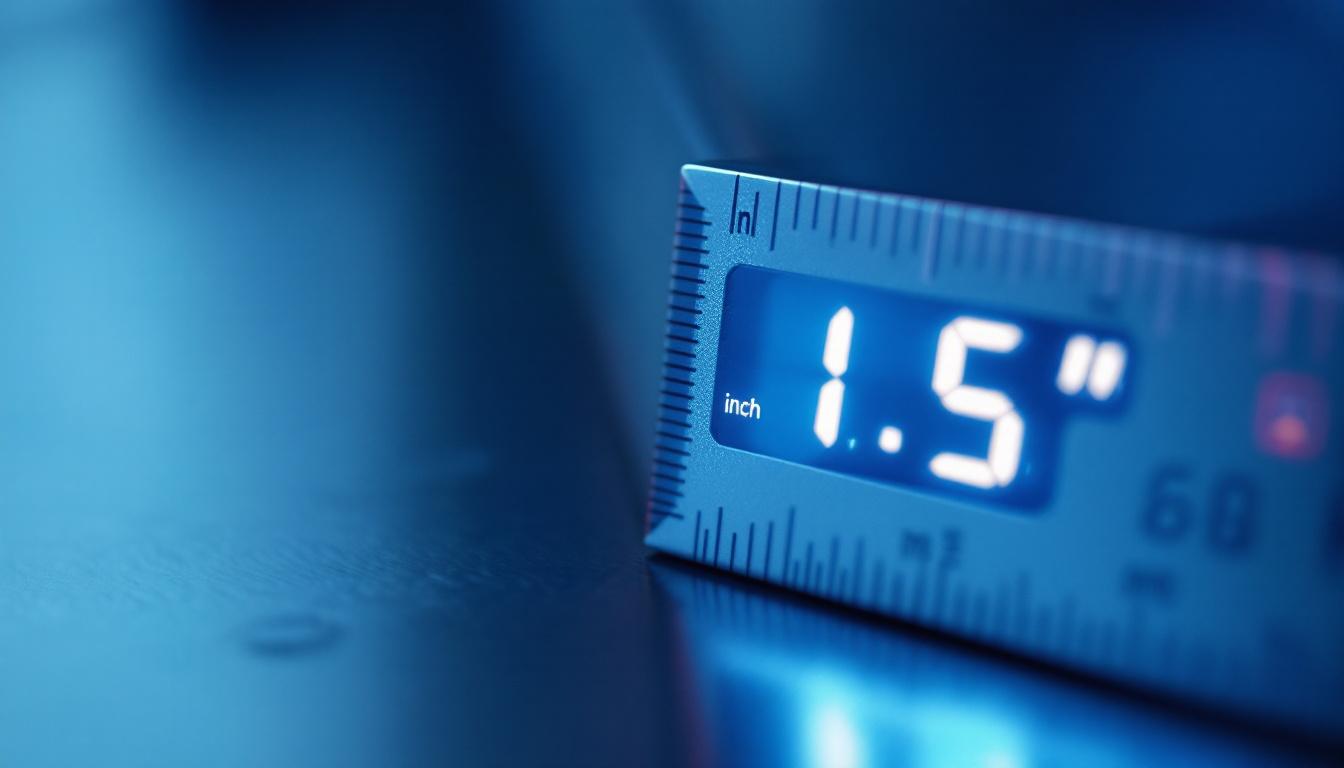
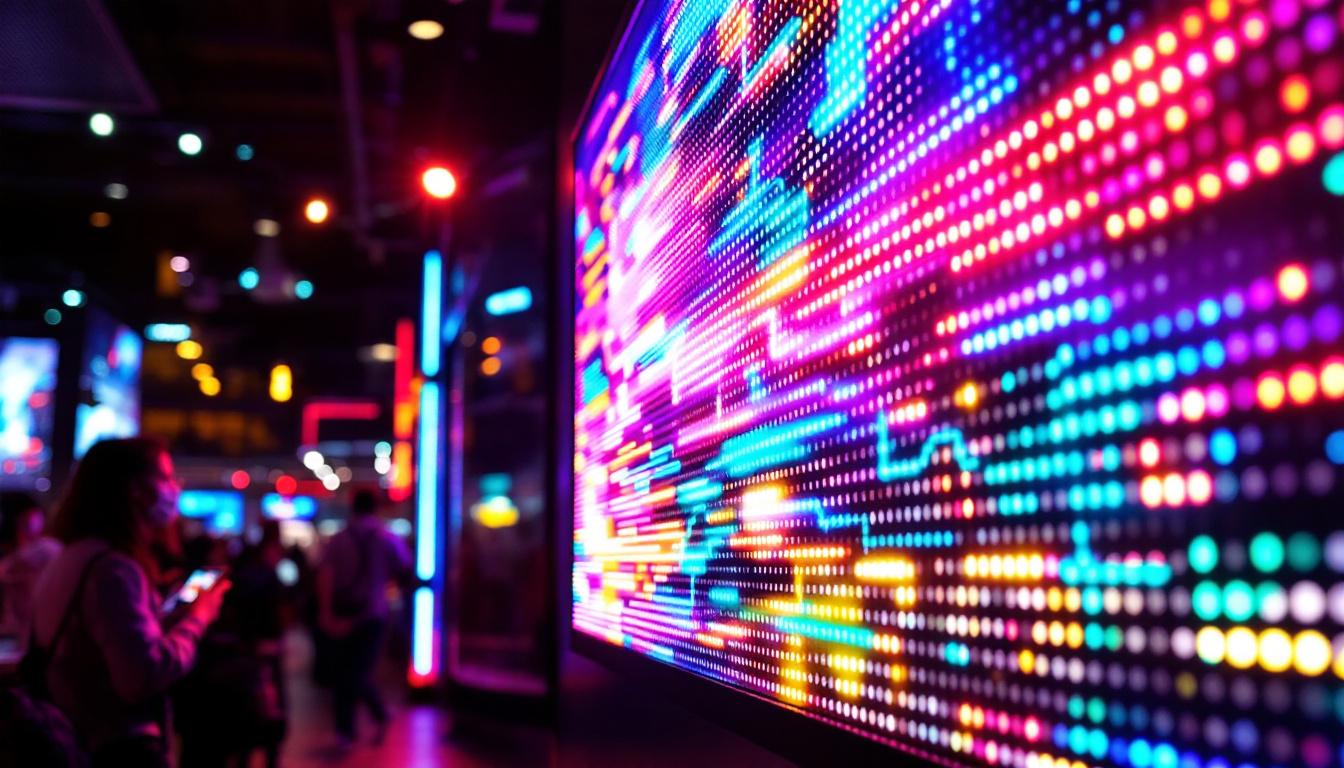
Imagine a grid of tiny LED lights forming an image. The closer these LEDs are to each other, the smaller the pixel pitch, and the higher the resolution of the display. For example, a pixel pitch of 1.5 mm means that each pixel is spaced 1.5 millimeters apart. This tight spacing allows for detailed images even when viewed from close range.
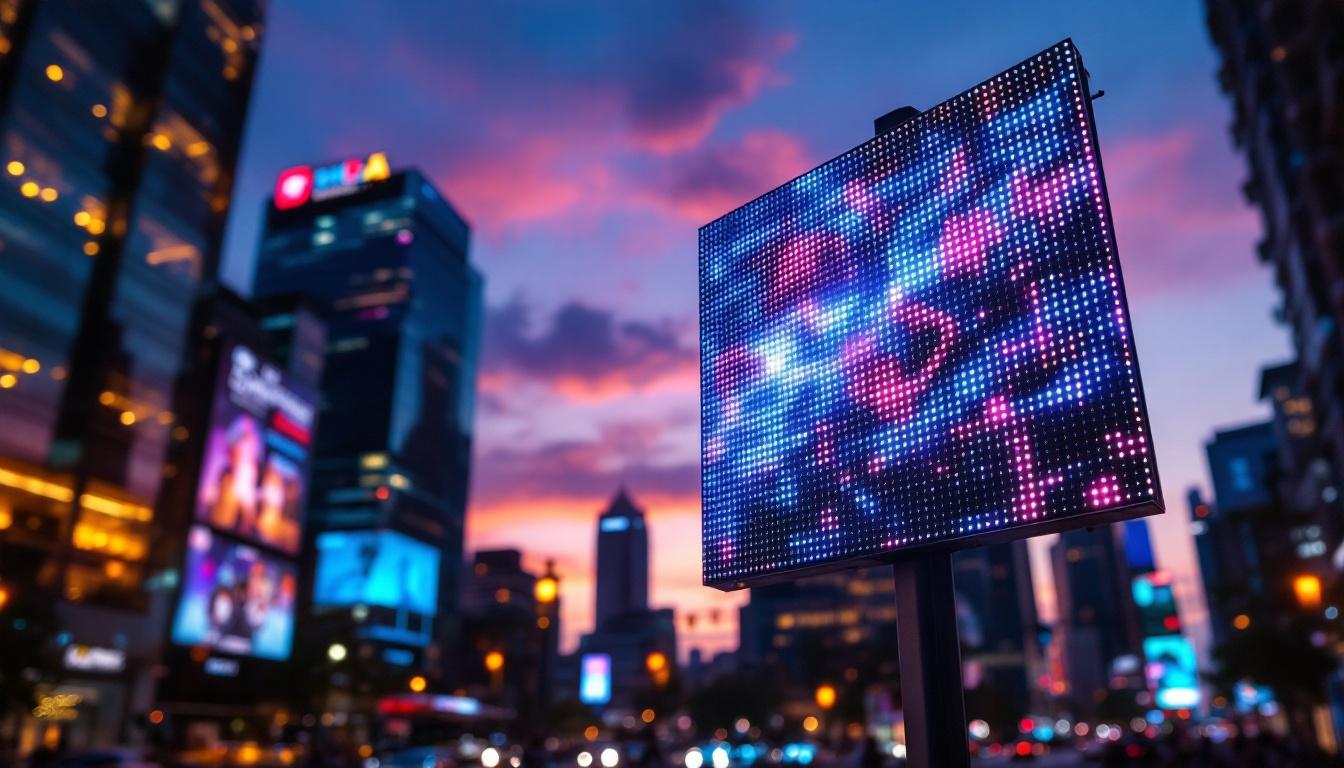
Conversely, a larger pixel pitch, such as 10 mm, means pixels are spaced further apart, resulting in a lower resolution image. Such displays are typically used for large outdoor screens where viewers are far away, and fine detail is less critical. This is particularly advantageous for billboards or sports arenas, where the audience’s distance from the screen can vary greatly. The strategic choice of pixel pitch ensures that the display remains visually appealing and effective, regardless of the viewer’s position.
How Pixel Pitch Translates to Pixels Per Millimeter
To understand mm in pixels, it’s useful to think about how many pixels fit into a millimeter. This can be calculated by taking the reciprocal of the pixel pitch. For example, a 2 mm pixel pitch corresponds to 0.5 pixels per millimeter (1 / 2 mm = 0.5 pixels/mm).
This relationship is essential when designing or selecting an LED display because it helps determine the total pixel count for a given physical size. For instance, a 1-meter wide display with a 2 mm pixel pitch will have approximately 500 pixels across its width (1000 mm / 2 mm = 500 pixels). Additionally, understanding pixel pitch can aid in optimizing the display for specific applications, such as retail environments where high-resolution images can enhance product visibility and attract customers. In contrast, for applications like large-scale events or concerts, a larger pixel pitch may suffice, allowing for a more cost-effective solution while still delivering impactful visuals to a broad audience.
Why Pixel Pitch Matters: Impact on Image Quality and Viewing Distance
Pixel pitch is more than just a technical specification; it directly influences the viewing experience. Choosing the right pixel pitch ensures that images are sharp and colors are vibrant without unnecessary cost or complexity. The pixel pitch, defined as the distance between the centers of two adjacent pixels, plays a crucial role in determining how images are rendered on display screens. A smaller pixel pitch results in a higher pixel density, which translates to finer detail and clarity, making it essential for applications where image quality is paramount.
Optimal Viewing Distance for Different Pixel Pitches
One of the most important considerations when selecting an LED display is the optimal viewing distance. This is the minimum distance from which the human eye can perceive a smooth, detailed image without noticing individual pixels. Understanding this distance helps in making informed decisions about display placement and design, ensuring that viewers enjoy the best possible experience.
A common rule of thumb is that the optimal viewing distance (in meters) is approximately 1.5 to 2 times the pixel pitch (in millimeters). For example, a 3 mm pixel pitch display is best viewed from about 4.5 to 6 meters away. Closer than this, the image may appear pixelated; farther away, the resolution may be unnecessarily high, increasing costs without visible benefit. This relationship emphasizes the importance of context in display usage, as environments with varying light conditions and audience sizes can significantly affect the perceived quality of the visuals.
Applications and Pixel Pitch Selection
Different environments and use cases demand different pixel pitches. Indoor LED displays typically have smaller pixel pitches, ranging from 0.9 mm to 4 mm, to accommodate close viewing distances. Retail stores, conference rooms, and control centers benefit from high-resolution displays with fine pixel pitches. These settings often require detailed graphics and text that can be easily read from close proximity, making the selection of pixel pitch a critical factor in achieving effective communication and engagement.
Outdoor displays, such as billboards or stadium screens, often use pixel pitches between 6 mm and 20 mm. These displays are viewed from tens or hundreds of meters away, where a higher pixel pitch is sufficient and more cost-effective. The durability of outdoor displays also plays a role in pixel pitch selection; they must withstand various weather conditions while maintaining visibility from afar. Additionally, advancements in LED technology have led to the development of hybrid displays that can adapt pixel pitch based on the viewing environment, further enhancing the versatility and application of LED screens across different industries.
Calculating LED Display Resolution Using mm and Pixels
Understanding the relationship between millimeters and pixels allows for precise calculation of LED display resolution, which is crucial for design, budgeting, and installation.
Step-by-Step Resolution Calculation
To calculate the resolution of an LED display, you need two key pieces of information: the physical dimensions of the display (in millimeters) and the pixel pitch (also in millimeters).
- Measure the width and height of the display in millimeters.
- Divide each dimension by the pixel pitch. This gives the number of pixels along each axis.
- Multiply the width pixel count by the height pixel count. This yields the total pixel count of the display.
For example, a display measuring 2000 mm wide by 1000 mm high with a pixel pitch of 4 mm will have:
- Width pixels: 2000 mm / 4 mm = 500 pixels
- Height pixels: 1000 mm / 4 mm = 250 pixels
- Total pixels: 500 × 250 = 125,000 pixels
Implications of Resolution on Content and Performance
Higher resolution displays can render more detailed images and video content, but they also require more powerful processing hardware and higher bandwidth for data transmission. Content creators must consider resolution when producing media to ensure it matches the display’s capabilities.
Moreover, higher pixel densities increase the cost of the display and its maintenance. Therefore, balancing resolution with budget and viewing requirements is essential for an effective LED display solution.
Technological Advances Influencing mm and Pixel Relationships
Recent innovations in LED technology have pushed the boundaries of pixel pitch, enabling finer resolutions and more flexible display options.
MicroLED and MiniLED Technologies
MicroLED technology features extremely small LEDs, allowing pixel pitches below 1 mm. These displays offer exceptional brightness, contrast, and energy efficiency, making them ideal for high-end applications such as augmented reality, medical imaging, and premium digital signage.
MiniLEDs, while larger than MicroLEDs, still offer improved pixel density compared to traditional LEDs. They are increasingly used in consumer electronics like TVs and monitors, where enhanced image quality is desired.
Flexible and Transparent LED Displays
Advances in materials and manufacturing have led to flexible LED displays that can bend and curve, expanding the possibilities for creative installations. These displays often maintain competitive pixel pitches, enabling high-resolution images on unconventional surfaces.
Transparent LED displays, which allow light to pass through, use carefully spaced pixels to balance transparency with image clarity. Understanding mm in pixels is especially important here to optimize both visibility and see-through effects.
Choosing the Right LED Display: Practical Considerations
Selecting an LED display involves more than just pixel pitch and resolution. Other factors such as brightness, color accuracy, durability, and installation environment must be considered.
Brightness and Environmental Conditions
Outdoor displays require high brightness levels, often exceeding 5,000 nits, to remain visible under direct sunlight. Indoor displays typically operate at lower brightness levels but focus more on color accuracy and uniformity.
Pixel pitch indirectly affects brightness because smaller pixels emit less light individually, requiring more LEDs or higher power to achieve the same brightness as larger-pixel displays.
Maintenance and Lifespan
LED displays are long-term investments. Smaller pixel pitches can mean more LEDs per square meter, potentially increasing maintenance complexity and costs. However, modern LED modules are designed for easy replacement and long lifespans, often exceeding 100,000 hours of operation.
Budget and ROI
Cost is a critical factor. Displays with finer pixel pitches are more expensive due to the increased number of LEDs and more sophisticated control electronics. Businesses must weigh the benefits of higher resolution against their budget and the expected return on investment.
Conclusion: Mastering mm in Pixels for Optimal LED Display Selection
Understanding the relationship between millimeters and pixels through the concept of pixel pitch is essential for anyone involved in selecting, designing, or using LED displays. It influences resolution, image quality, viewing distance, and overall performance.
By carefully considering pixel pitch alongside other factors such as brightness, environment, and budget, it is possible to choose an LED display that delivers stunning visuals and meets the specific needs of any application. As LED technology continues to evolve, staying informed about these fundamentals will ensure the best outcomes in this dynamic field.
Discover the Future of Visual Experience with LumenMatrix
Ready to elevate your visual impact? Explore LumenMatrix’s comprehensive range of LED display solutions, crafted for every environment and application. From the immersive Indoor LED Wall Display to the dynamic Outdoor LED Wall Display, and from the mobile flexibility of Vehicle LED Display to the innovative LED Transparent Display, LumenMatrix is at the forefront of transforming spaces with captivating displays. Embrace the power of advanced LED technology and make a lasting impression. Check out LumenMatrix LED Display Solutions today and join the visual revolution.