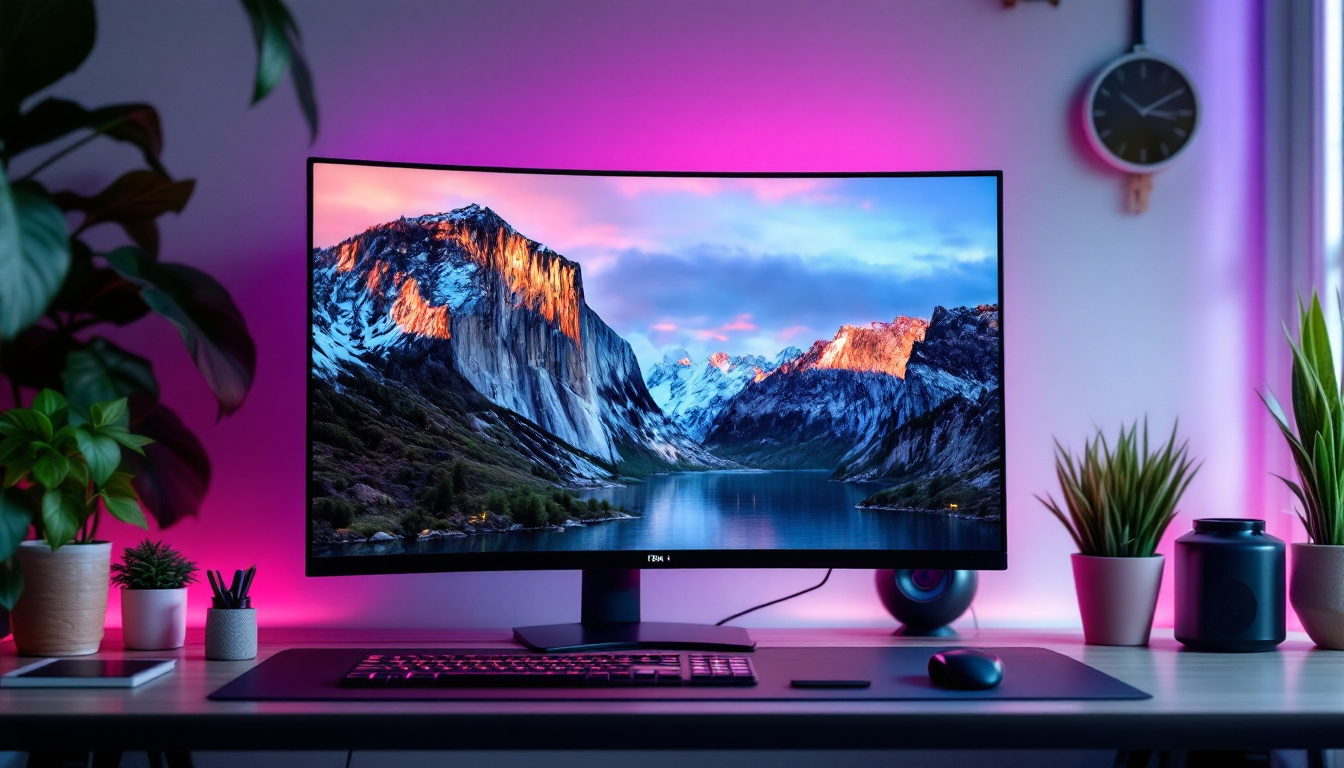
In today’s digital age, monitors are an essential interface between humans and technology. Whether for work, gaming, design, or casual browsing, the quality of a monitor’s display significantly impacts user experience. Among various display technologies, LED displays have become the dominant choice due to their vibrant colors, energy efficiency, and slim profiles. This article delves into the world of LED monitors, explaining what LED displays are, how they work, and why they matter in modern computing.
Understanding LED Display Technology
LED stands for Light Emitting Diode, a semiconductor device that emits light when an electric current passes through it. In the context of monitors, LED refers to the backlighting technology used to illuminate the screen. However, it’s important to clarify that most LED monitors are actually LCD (Liquid Crystal Display) panels that use LEDs as their light source, rather than the older CCFL (Cold Cathode Fluorescent Lamp) backlighting.
This distinction is crucial because the LCD panel itself does not emit light; it manipulates light from the backlight to produce images. The LED backlight provides brighter, more uniform illumination and allows for thinner, lighter monitor designs compared to CCFL backlights.
Types of LED Backlighting
There are primarily two types of LED backlighting used in monitors: edge-lit and full-array (or direct-lit). Edge-lit LED monitors place LEDs along the edges of the screen, and light is spread across the display using light guides. This design allows for very slim monitors but can sometimes lead to uneven brightness or “hot spots.”
Full-array LED backlighting places LEDs directly behind the entire screen area, often in a grid pattern. This setup enables local dimming, where specific zones of LEDs can be dimmed or brightened independently, improving contrast ratios and black levels. Full-array LED monitors tend to be thicker but offer superior picture quality, especially for HDR content.
In addition to these two primary types, there are also variations such as mini-LED and micro-LED technologies. Mini-LED utilizes smaller LEDs to create a more densely packed backlight, allowing for finer control over local dimming zones and enhanced brightness levels. This technology is particularly beneficial for high dynamic range (HDR) content, as it can achieve deeper blacks and brighter highlights, resulting in a more immersive viewing experience. Micro-LED, on the other hand, represents a more revolutionary approach, where each pixel is an individual micro-sized LED. This allows for incredible color accuracy and contrast, as well as the potential for self-emissive displays that eliminate the need for a backlight altogether.
As LED technology continues to evolve, manufacturers are also focusing on energy efficiency and sustainability. Newer LED displays are designed to consume less power while providing higher brightness and better color performance. This not only reduces electricity costs for consumers but also minimizes the environmental impact associated with energy consumption. Furthermore, advancements in recycling processes for LED components are being developed, aiming to reduce electronic waste and promote a more sustainable lifecycle for display technologies.
How LED Displays Produce Images
To understand how LED displays create the images we see, it’s necessary to explore the LCD panel’s role and how it interacts with the LED backlight.
The Role of Liquid Crystals
Liquid crystals are substances that flow like a liquid but have some properties of solid crystals. In an LCD panel, these crystals can be aligned in different ways by applying electric fields, which controls how much light passes through them. Each pixel on the screen consists of three subpixels—red, green, and blue—that combine to produce the full spectrum of colors.
The LED backlight shines light through the liquid crystal layer and color filters. By adjusting the orientation of the crystals, the monitor controls the intensity of light passing through each subpixel, thus creating the desired colors and images. This intricate dance of light and liquid crystals is what allows for the sharp images and vibrant colors that we often take for granted. Additionally, advancements in technology have led to the development of more sophisticated liquid crystal formulations that enhance response times and improve viewing angles, offering a better experience for users.
Advantages of LED Backlighting Over CCFL
LED backlighting offers several advantages compared to the older CCFL technology:
- Energy Efficiency: LEDs consume less power, contributing to lower electricity bills and longer battery life in portable devices.
- Brightness and Color Accuracy: LEDs can achieve higher brightness levels and better color reproduction, enhancing image quality.
- Longer Lifespan: LEDs typically last longer than CCFLs, reducing the need for replacements.
- Thinner Designs: The compact size of LEDs allows manufacturers to produce slimmer and lighter monitors.
Moreover, LED technology has paved the way for innovations such as local dimming, where specific areas of the screen can be dimmed or brightened independently. This feature significantly enhances contrast ratios, making dark scenes appear deeper and more immersive. Additionally, the rapid development of organic LEDs (OLEDs) has emerged as a game-changer in the display industry, offering even richer colors and deeper blacks by eliminating the need for a backlight altogether. As the technology continues to evolve, we can expect even more remarkable advancements in how images are produced and displayed, further blurring the lines between reality and digital imagery.
Key Features and Specifications of LED Monitors
When selecting an LED monitor, several specifications directly impact the viewing experience. Understanding these features helps consumers make informed decisions tailored to their needs.
Resolution and Pixel Density
Resolution refers to the number of pixels displayed on the screen, commonly expressed as width × height (e.g., 1920×1080). Higher resolutions mean more pixels, resulting in sharper images and finer details. Pixel density, measured in pixels per inch (PPI), further refines image clarity, especially on smaller screens.
Modern LED monitors often support Full HD (1920×1080), Quad HD (2560×1440), and even 4K Ultra HD (3840×2160) resolutions. For professionals in graphic design or video editing, higher resolutions provide more workspace and precise visuals.
Refresh Rate and Response Time
The refresh rate, measured in hertz (Hz), indicates how many times the screen updates per second. A higher refresh rate (e.g., 120Hz, 144Hz, or even 240Hz) results in smoother motion, which is particularly important for gaming and fast-paced video content.
Response time, measured in milliseconds (ms), refers to how quickly a pixel can change from one color to another. Lower response times reduce motion blur and ghosting effects. Gamers often seek monitors with response times of 1-5ms for optimal performance.
Color Gamut and HDR Support
Color gamut defines the range of colors a monitor can display. Common standards include sRGB, Adobe RGB, and DCI-P3. Monitors with wider color gamuts can reproduce more vivid and accurate colors, essential for photo and video professionals.
High Dynamic Range (HDR) support enhances contrast and color depth by allowing brighter highlights and deeper shadows. HDR-capable LED monitors deliver a more lifelike and immersive viewing experience, especially for HDR content on streaming platforms and games.
Applications and Benefits of LED Monitors
LED monitors have become ubiquitous across various sectors due to their versatility and performance. Understanding their applications helps highlight why LED technology remains a preferred choice.
Professional Use: Design, Photography, and Video Editing
Professionals in creative fields demand monitors that offer color accuracy, high resolution, and consistent brightness. LED monitors with IPS (In-Plane Switching) panels are popular in these domains because they provide wide viewing angles and excellent color reproduction.
For example, a graphic designer working on branding materials benefits from a monitor that can display colors precisely as they will appear in print or digital media. Similarly, video editors require accurate color grading capabilities to ensure that footage looks consistent across devices.
Gaming and Entertainment
Gamers prioritize refresh rates, response times, and color vibrancy. LED monitors with high refresh rates (144Hz or above) and low response times (1-3ms) reduce input lag and motion blur, providing a competitive edge in fast-paced games.
Additionally, LED monitors with HDR support and wide color gamuts enhance the visual experience in games and movies, making scenes more immersive and realistic.
Everyday Computing and Office Work
For general users, LED monitors offer bright, clear displays that reduce eye strain during extended use. Features like flicker-free technology and blue light filters contribute to healthier viewing habits, especially for those who spend hours in front of screens.
Energy efficiency also plays a role in office environments, where multiple monitors running simultaneously can lead to significant power consumption. LED monitors help reduce operational costs while maintaining productivity.
Future Trends in LED Monitor Technology
The display industry continues to evolve rapidly, with LED technology at the forefront of innovation. Several emerging trends promise to enhance the capabilities and applications of LED monitors further.
Mini-LED and Micro-LED Backlighting
Mini-LED technology uses thousands of tiny LEDs as backlighting, enabling even more precise local dimming and improved contrast ratios. This results in deeper blacks and brighter highlights, approaching the quality of OLED displays but with potentially longer lifespans and less risk of burn-in.
Micro-LED technology takes this a step further by using microscopic LEDs as individual pixels, eliminating the need for LCD layers altogether. While still in development and expensive, Micro-LED promises unparalleled brightness, color accuracy, and energy efficiency.
Higher Refresh Rates and Variable Refresh Technologies
As gaming and multimedia content demand smoother visuals, manufacturers are pushing refresh rates beyond 240Hz. Coupled with technologies like NVIDIA G-Sync and AMD FreeSync, these monitors synchronize refresh rates with graphics cards to eliminate screen tearing and stuttering.
Flexible and Transparent Displays
Innovations in LED technology are enabling flexible and even transparent displays. These advancements could revolutionize monitor designs, allowing screens to bend, fold, or integrate seamlessly into windows and other surfaces.
Conclusion: Why LED Displays Matter
LED displays have transformed the way users interact with digital content by providing brighter, sharper, and more energy-efficient screens. Their widespread adoption across professional, gaming, and everyday applications underscores their versatility and performance advantages.
Understanding the underlying technology—how LED backlighting works with LCD panels, the significance of key specifications, and emerging trends—empowers consumers and professionals to choose monitors that best suit their needs. As LED technology continues to advance, the future promises even more immersive and visually stunning experiences.
Explore the Future of Visuals with LumenMatrix
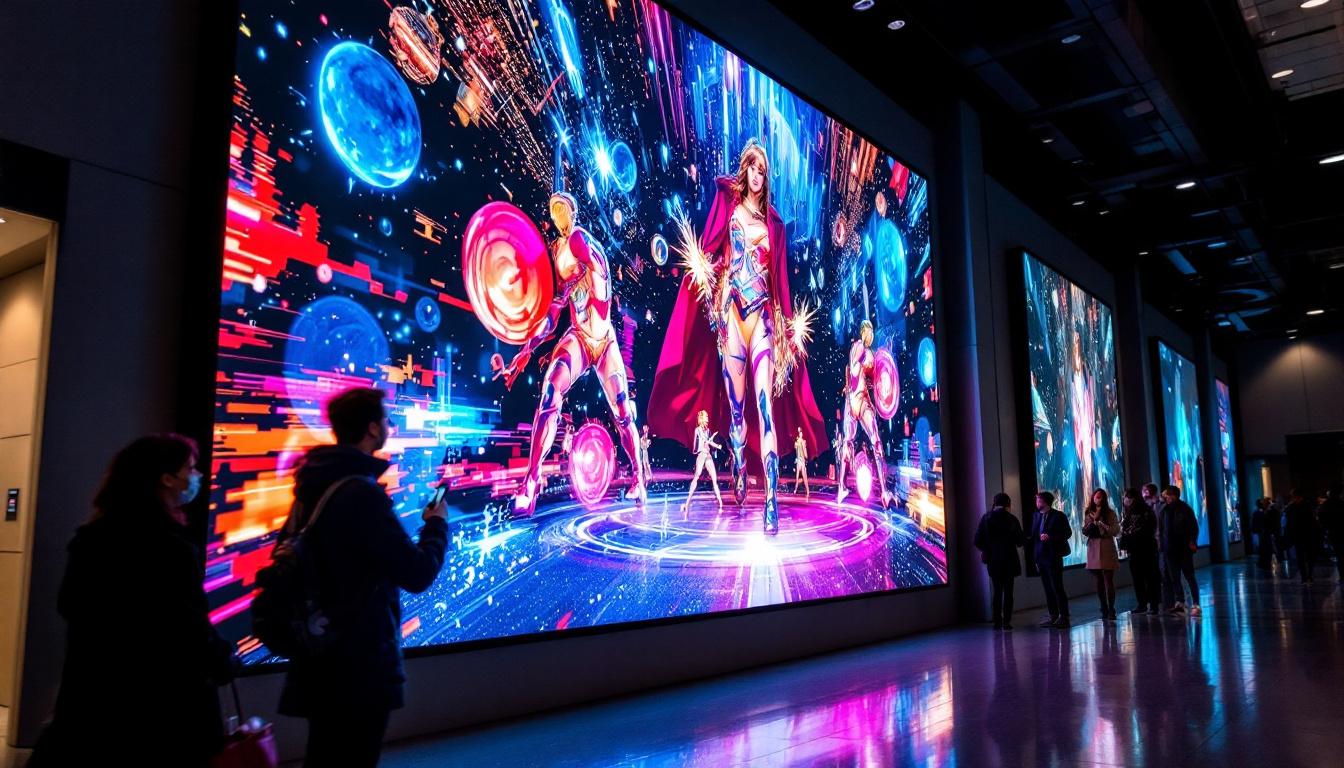
As you’ve seen, LED displays are pivotal in shaping our digital interactions, offering unparalleled brightness, clarity, and efficiency. LumenMatrix stands at the forefront of this transformative technology, providing innovative LED display solutions tailored to a multitude of applications. From captivating Indoor LED Walls to dynamic Outdoor Displays, and from versatile Vehicle LED Displays to stunning Custom and Transparent options, LumenMatrix is dedicated to revolutionizing visual communication. Elevate your brand’s presence and create unforgettable experiences with our cutting-edge displays. Check out LumenMatrix LED Display Solutions today and witness how we bring your vision to life.