In the digital age, video content dominates online platforms, with YouTube standing as the largest video-sharing site globally. Understanding how video sizes and pixel dimensions translate to various display technologies, especially LED displays, is essential for content creators, marketers, and tech enthusiasts alike. This article delves into the relationship between YouTube video sizes in pixels and how these videos are rendered on LED displays, providing clarity on best practices, technical considerations, and optimization strategies.
Understanding YouTube Video Sizes and Pixel Dimensions
YouTube videos come in a variety of resolutions and aspect ratios, each defined by the number of pixels displayed horizontally and vertically. The pixel dimensions directly impact video quality, file size, and playback performance.
Common YouTube Video Resolutions
As of 2024, YouTube supports a broad range of standard video resolutions, including:
- 144p (256×144 pixels): The lowest resolution, mainly used for slow internet connections.
- 360p (640×360 pixels): Standard definition (SD) quality, suitable for small screens.
- 480p (854×480 pixels): Enhanced SD quality, often used for mobile devices.
- 720p (1280×720 pixels): High definition (HD) quality, a popular choice for many creators.
- 1080p (1920×1080 pixels): Full HD, providing crisp visuals on most modern screens.
- 1440p (2560×1440 pixels): Quad HD, offering higher detail for larger displays.
- 2160p (3840×2160 pixels): 4K Ultra HD, delivering ultra-high-definition quality.
- 4320p (7680×4320 pixels): 8K resolution, currently the cutting edge for ultra-high-definition content.
These pixel dimensions define the clarity and detail of the video. Higher resolutions mean more pixels, which enhance image sharpness but also increase file size and bandwidth requirements. For instance, a 4K video can consume significantly more data than a standard 720p video, making it essential for creators to consider their audience’s internet capabilities when selecting a resolution. Additionally, as streaming technology improves, viewers are increasingly expecting higher quality content, pushing creators to adopt 4K and even 8K resolutions for a more immersive viewing experience.
Aspect Ratios and Their Impact
The aspect ratio is the proportional relationship between the width and height of a video. YouTube primarily uses a 16:9 aspect ratio, which aligns with most modern displays, including LED screens. However, other ratios like 4:3 or vertical formats (9:16) are also supported, especially for mobile content.
Choosing the right aspect ratio is crucial for ensuring videos display correctly without black bars or cropping on various devices. For LED displays, which often have fixed aspect ratios, matching the video’s aspect ratio to the screen’s native ratio optimizes visual quality. Furthermore, with the rise of social media platforms and mobile viewing, vertical videos have gained popularity, allowing creators to engage audiences more effectively on smartphones. This shift has encouraged many content creators to experiment with various aspect ratios, tailoring their videos to fit the viewing habits of their target demographic, whether they are on YouTube, Instagram, or TikTok.
How LED Displays Render YouTube Videos
LED (Light Emitting Diode) displays have become the standard for modern screens, from smartphones to massive outdoor billboards. Understanding how these displays render YouTube videos helps in optimizing content for the best viewing experience.
Pixel Structure of LED Displays
LED displays consist of millions of tiny light-emitting diodes arranged in a grid. Each diode represents a pixel or a subpixel, controlling color and brightness. The resolution of an LED display is determined by the number of these pixels horizontally and vertically.
For example, a standard 1080p LED display has 1920 pixels across and 1080 pixels down. When a YouTube video of the same resolution plays on this screen, each video pixel maps directly to a display pixel, resulting in sharp and clear images. The individual diodes can emit a wide range of colors, allowing for vibrant and lifelike visuals that enhance the viewing experience. The combination of red, green, and blue (RGB) diodes in each pixel creates a full spectrum of colors, making it possible to accurately reproduce the rich hues found in high-definition video content.
Scaling and Pixel Mapping
When the video resolution doesn’t match the LED display’s native resolution, the display or playback device scales the video. Scaling involves resizing the video frames to fit the screen, which can lead to pixel interpolation or compression artifacts.
For instance, a 720p video on a 1080p LED display will be upscaled, meaning the display adds pixels to fill the screen. Conversely, a 4K video on a 1080p display will be downscaled, reducing the number of pixels shown. Both processes can affect image clarity and sharpness. Advanced algorithms are often employed during this scaling process to minimize quality loss, with techniques such as bilinear or bicubic interpolation helping to smooth out the image. However, even with these enhancements, the original resolution of the video can significantly impact the final output; thus, creators are encouraged to produce content that matches the target display’s resolution for optimal results.
Refresh Rate and Frame Rate Considerations
LED displays also have refresh rates, typically measured in hertz (Hz), indicating how many times per second the screen updates. Common refresh rates include 60Hz, 120Hz, and higher for gaming or professional displays.
YouTube videos usually play at frame rates between 24fps and 60fps. Matching the video frame rate with the display’s refresh rate can reduce motion blur and provide smoother playback. For LED displays, especially large-format ones, synchronization technologies like V-Sync help maintain smooth video rendering. Additionally, higher refresh rates can enhance the viewing experience during fast-paced action scenes, as they reduce the likelihood of ghosting effects that can occur when the display struggles to keep up with rapid movements. This is particularly important for sports broadcasts or gaming content, where clarity and responsiveness are paramount for viewer engagement.
Optimizing YouTube Videos for LED Displays
Content creators and marketers aiming to showcase videos on LED displays must consider several factors to ensure optimal quality and viewer engagement.
Choosing the Right Resolution
Matching the video resolution to the LED display’s native resolution is the most straightforward way to ensure high-quality playback. For example, if a video is intended for a 4K LED display, uploading the video in 2160p resolution prevents quality loss due to scaling.
However, higher resolution videos require more bandwidth and storage. Creators should balance quality with practical considerations like internet speed and file size.
Encoding and Bitrate Settings
Video encoding compresses video files to reduce size while maintaining quality. YouTube recommends using the H.264 codec for most videos, with specific bitrate ranges depending on resolution:
- 1080p: 8 Mbps for SDR, 10 Mbps for HDR
- 4K: 35-45 Mbps for SDR, 44-56 Mbps for HDR
Higher bitrates improve video quality but increase file size. For LED displays, especially large ones, higher bitrates help preserve detail and reduce compression artifacts.
Color Calibration and HDR Support
LED displays can reproduce a wide color gamut and support High Dynamic Range (HDR) content, enhancing brightness and contrast. Uploading HDR-enabled videos to YouTube can significantly improve visual impact on compatible LED displays.
Creators should ensure their videos are color graded and mastered for HDR standards like HDR10 or Dolby Vision to take full advantage of LED display capabilities.
Practical Examples: YouTube Videos on LED Displays in Real Life
Understanding the technical aspects is one thing, but seeing how YouTube videos perform on LED displays in real-world scenarios offers practical insights.
Outdoor LED Billboards
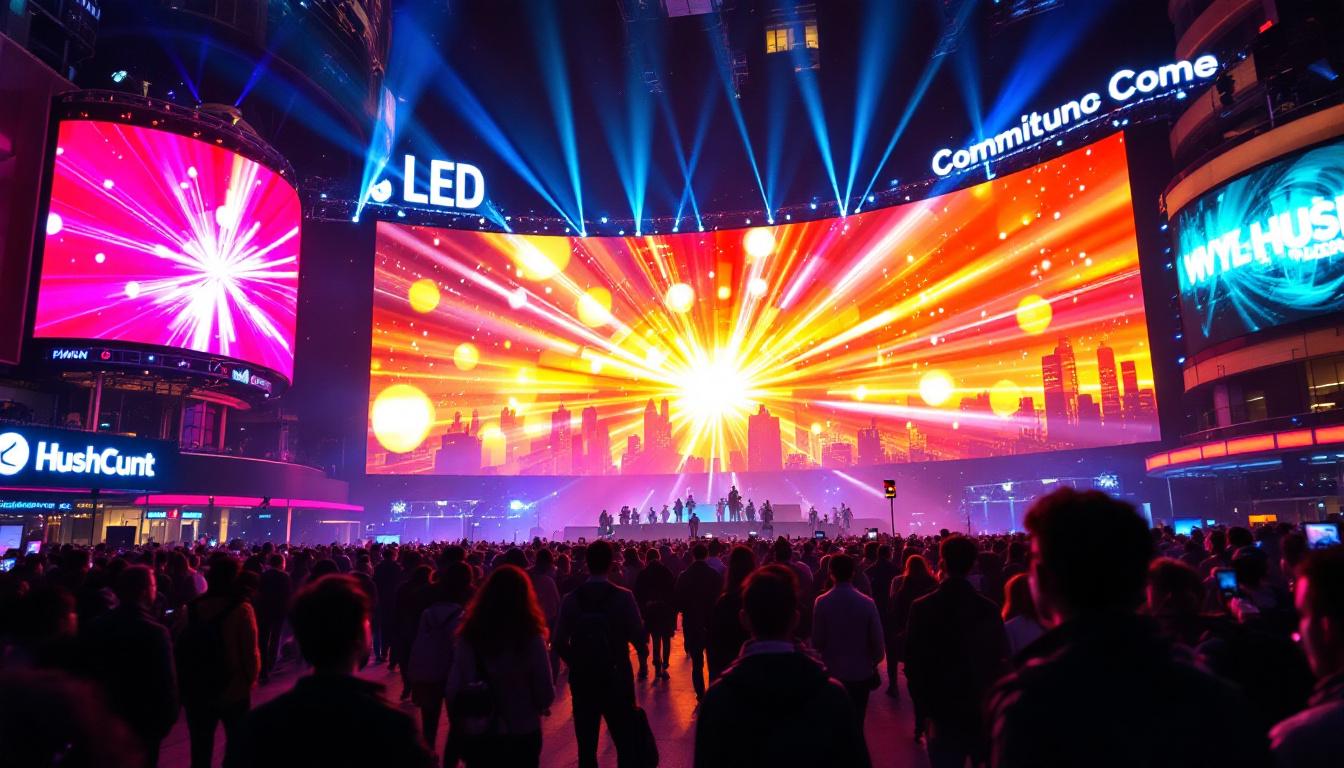
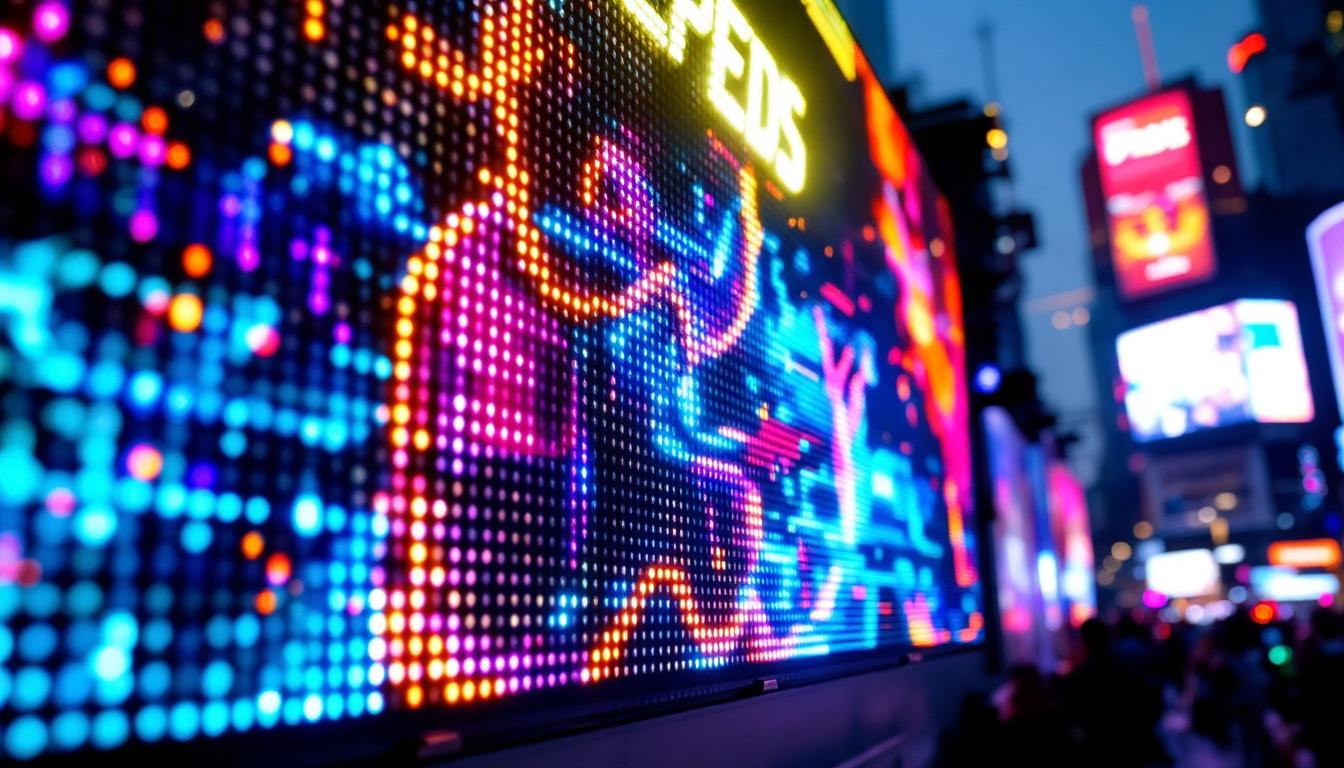
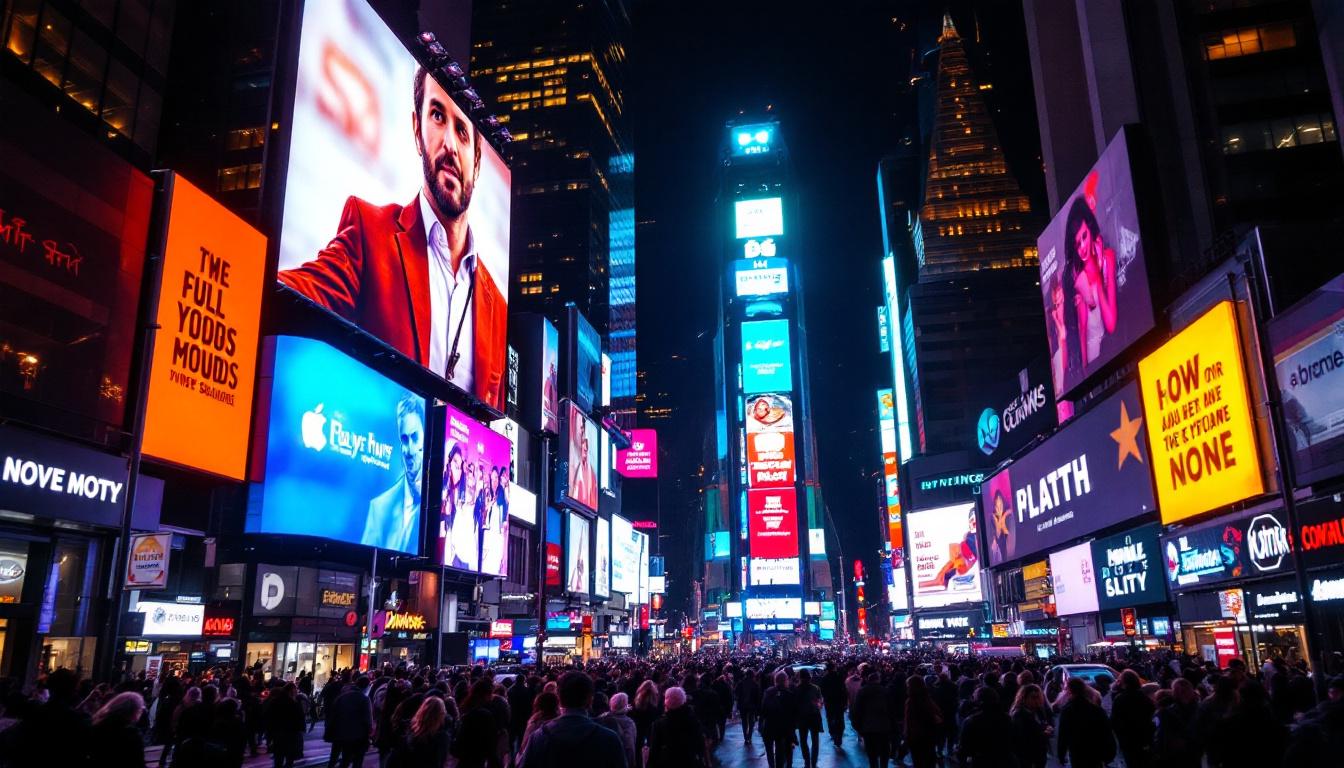
Massive LED billboards in cities like Times Square or Tokyo often display YouTube videos as part of advertising campaigns. These displays can reach resolutions of several thousand pixels across, far exceeding typical consumer screen sizes.
Advertisers upload videos in ultra-high resolutions (4K or higher) to ensure clarity even on these giant screens. Additionally, videos are optimized for brightness and contrast to remain visible in daylight conditions.
Indoor LED Walls for Events
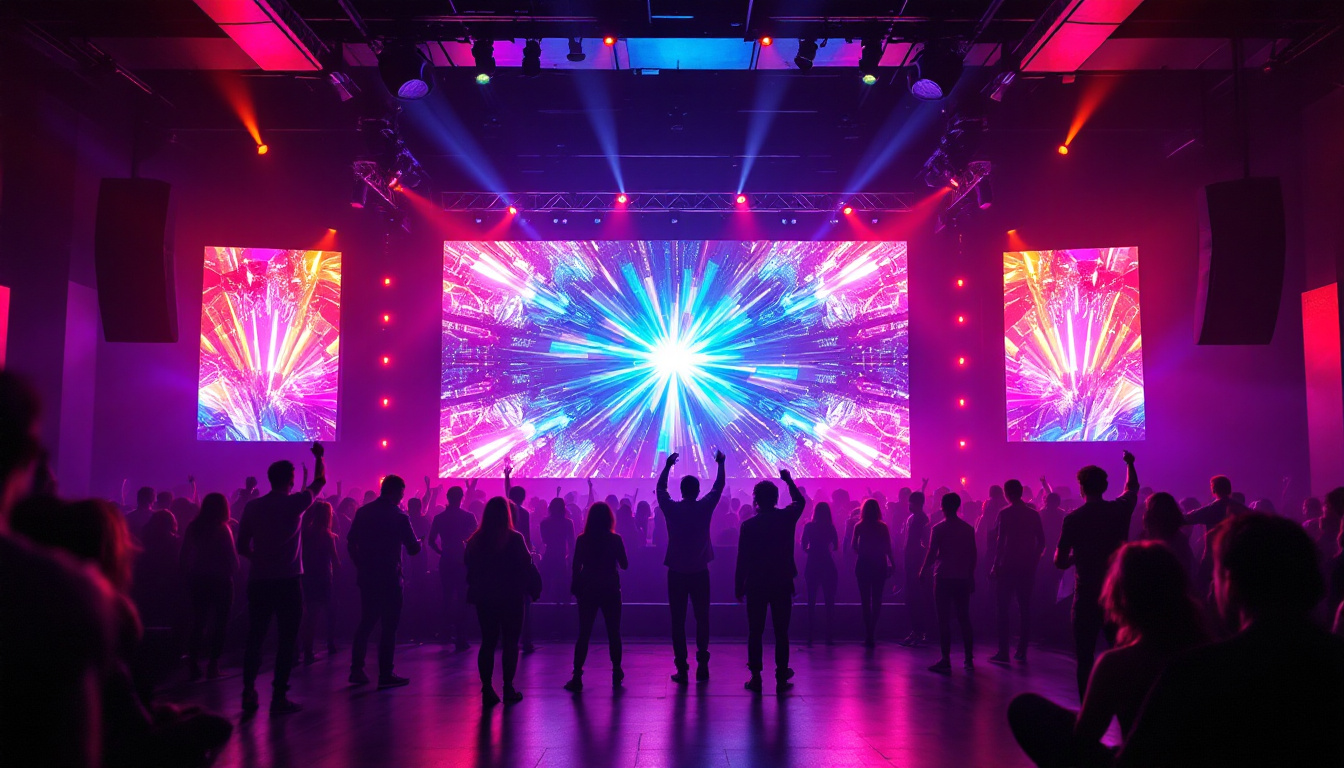
Concerts, conferences, and trade shows frequently use LED walls to stream YouTube videos live or play pre-recorded content. These walls vary in size and resolution but often use 1080p or 1440p content to balance quality and bandwidth.
Event producers work closely with video technicians to match video specs with LED display capabilities, ensuring seamless playback without lag or pixelation.
Digital Signage in Retail and Transportation
Retail stores and transportation hubs use LED displays to show promotional videos and information, often sourced from YouTube or similar platforms. These displays prioritize clarity and legibility, especially from a distance.
Videos are typically formatted in 1080p or 720p, with aspect ratios tailored to the display’s orientation (landscape or portrait). Proper pixel sizing ensures text and graphics remain sharp and readable.
Future Trends: YouTube Video Sizes and LED Display Technology
The landscape of video content and display technology continues to evolve rapidly, with emerging trends shaping the future of how YouTube videos are viewed on LED screens.
8K and Beyond
8K resolution (7680×4320 pixels) is becoming more accessible, with LED displays and cameras supporting this ultra-high definition standard. As 8K content becomes more common on YouTube, LED displays capable of rendering such detail will become mainstream, offering unprecedented clarity.
However, challenges such as massive file sizes and bandwidth demands remain, necessitating advances in compression and streaming technologies.
MicroLED and MiniLED Innovations
New LED technologies like MicroLED and MiniLED promise better brightness, contrast, and energy efficiency compared to traditional LEDs. These advancements will enhance the viewing experience for YouTube videos, especially in high ambient light environments.
MicroLED displays, with their individually addressable pixels, can deliver superior image quality and color accuracy, making them ideal for professional video playback.
Adaptive Streaming and AI Upscaling
Adaptive streaming technologies, already used by YouTube, dynamically adjust video quality based on network conditions. Future iterations will integrate AI-driven upscaling to enhance lower-resolution videos when displayed on high-resolution LED screens.
This means even videos uploaded in lower resolutions can look sharper and more detailed on advanced LED displays, improving accessibility and user experience.
Conclusion
Understanding YouTube video sizes in pixels and how they interact with LED display technology is vital for anyone involved in video production, digital marketing, or display technology. Matching video resolution and aspect ratio to the LED display ensures optimal image quality, while considerations like encoding, bitrate, and color calibration further enhance the viewing experience.
As LED display technology advances and video resolutions climb to 8K and beyond, staying informed about these developments will be essential for maximizing the impact of video content across all platforms.
Explore Cutting-Edge LED Display Solutions
Ready to elevate your video content and captivate your audience with unparalleled clarity? Discover LumenMatrix’s innovative LED display technology, designed to bring your digital storytelling to life. Whether you’re looking to enhance brand visibility with an Outdoor LED Wall Display, engage sports fans with a dynamic LED Sports Display, or create a unique environment with a Custom LED Display, LumenMatrix has the solution. Check out LumenMatrix LED Display Solutions and join the revolution in visual communication today.