In the rapidly evolving world of digital displays, LED technology has become a cornerstone for delivering vibrant visuals across various industries. Among the tools designed to optimize LED display setups, the Texas Multiview Calculator stands out as a critical resource for engineers, designers, and event coordinators alike. This article delves into the intricacies of the Texas Multiview Calculator and explores how it enhances the planning and execution of LED display projects.
Understanding LED Displays: The Foundation
Light Emitting Diode (LED) displays have revolutionized the way visual content is presented in public spaces, advertising, entertainment, and control rooms. Unlike traditional display technologies, LEDs offer superior brightness, energy efficiency, and durability. Their modular design allows for flexible configurations, making them ideal for both indoor and outdoor applications. This adaptability has led to their widespread use in various industries, from retail storefronts showcasing dynamic advertisements to stadiums displaying live sports events, where clarity and vibrancy are paramount.
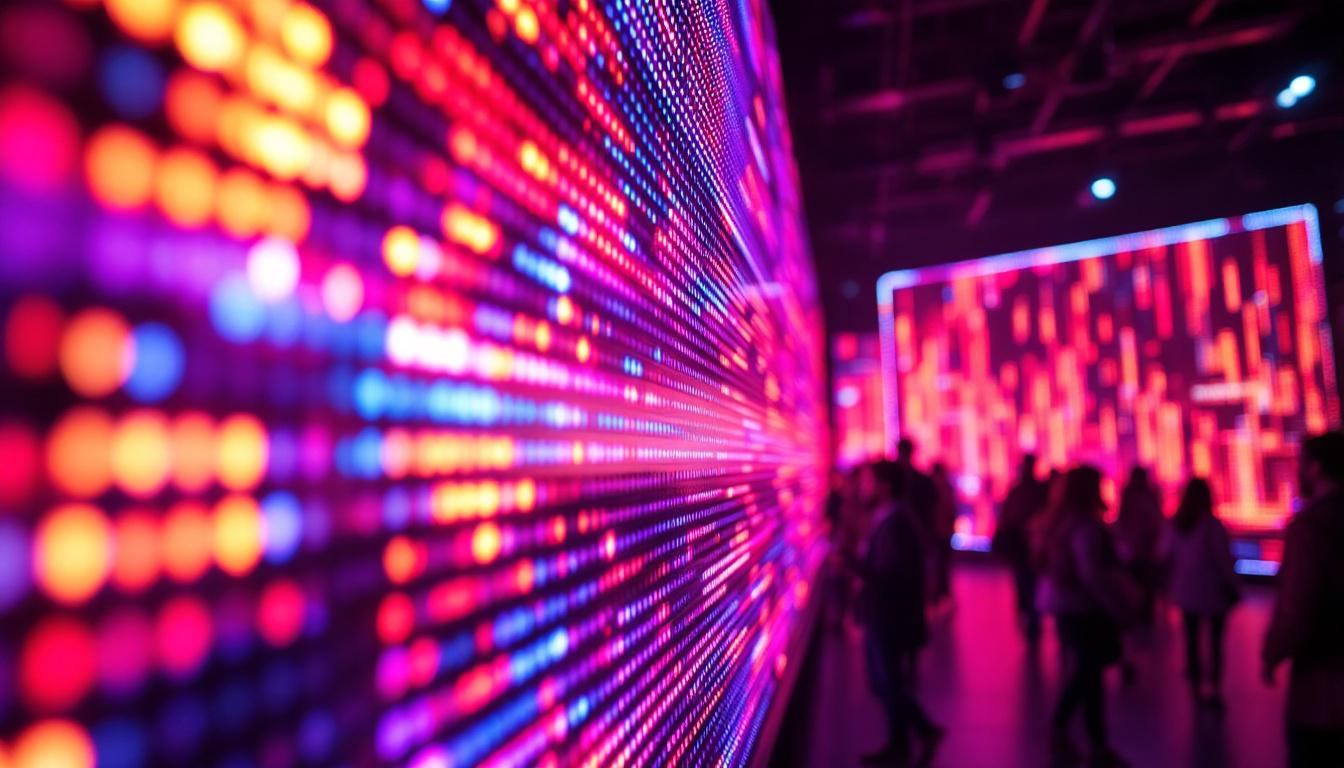
LED displays consist of numerous small modules, each containing multiple LEDs arranged in a grid. The resolution and clarity of the display depend on factors such as pixel pitch, module size, and overall screen dimensions. These variables must be carefully considered during the design phase to ensure the final display meets the intended visual and functional requirements. Furthermore, advancements in technology have led to the development of fine-pitch LED displays, which provide stunning image quality even in close proximity, making them increasingly popular for applications like digital signage in shopping malls and airports.
Key Parameters of LED Displays
Before diving into the Texas Multiview Calculator, it is essential to understand the key parameters that influence LED display performance:
- Pixel Pitch: The distance between the centers of two adjacent pixels, usually measured in millimeters. Smaller pixel pitches yield higher resolution and better image quality, especially at close viewing distances. This is particularly important in environments where viewers are likely to be close to the display, such as in control rooms or during presentations.
- Brightness: Measured in nits (cd/m²), brightness determines the visibility of the display under various lighting conditions. Outdoor displays require higher brightness levels to combat sunlight glare. In contrast, indoor displays can operate effectively at lower brightness levels, which can also help reduce energy consumption.
- Viewing Angle: The maximum angle at which the display can be viewed without significant loss of image quality or color distortion. A wide viewing angle is crucial for applications like concerts or public events, where audiences may be positioned at various angles relative to the screen.
- Refresh Rate: The frequency at which the display updates its image, typically measured in Hertz (Hz). Higher refresh rates reduce flicker and improve motion clarity. This is especially beneficial in fast-paced environments, such as sports broadcasting or gaming, where smooth visuals are essential for an engaging experience.
In addition to these parameters, the technology behind LED displays continues to evolve, with innovations such as organic LEDs (OLEDs) and microLEDs pushing the boundaries of what is possible in display technology. OLEDs, for instance, offer deeper blacks and a wider color gamut, enhancing the overall viewing experience. Meanwhile, microLEDs promise even greater efficiency and scalability, potentially paving the way for larger, more immersive displays that can seamlessly integrate into various environments. As these technologies develop, they will further enhance the versatility and appeal of LED displays across multiple sectors.
The Role of the Texas Multiview Calculator
The Texas Multiview Calculator is a specialized tool designed to assist professionals in configuring LED displays that support multiple video inputs and viewing zones. It simplifies the complex task of managing multiview layouts on a single LED screen, ensuring optimal use of screen real estate and seamless content integration.
Multiview technology enables the simultaneous display of multiple video sources on one screen, which is particularly valuable in control rooms, broadcast environments, and large-scale events. The Texas Multiview Calculator helps users determine the best layout configurations, resolution settings, and scaling options to maximize the effectiveness of multiview displays.
How the Calculator Works
At its core, the Texas Multiview Calculator takes input parameters such as screen size, resolution, number of video sources, and desired layout style. It then calculates the optimal division of the screen into multiple viewing zones, adjusting for factors like aspect ratio and pixel density.
For example, a control room operator may need to monitor four different camera feeds simultaneously on a single LED wall. The calculator can suggest a 2×2 grid layout, ensuring each feed is displayed at the highest possible resolution without distortion. It also accounts for bezel compensation and pixel mapping, which are crucial for maintaining image continuity across modules.
Moreover, the Texas Multiview Calculator is equipped with advanced features that allow users to simulate various scenarios before finalizing their display setup. Users can experiment with different input sources, such as live video feeds, pre-recorded content, or even data visualizations, to see how they would appear in real-time on the LED display. This capability not only aids in planning but also enhances the decision-making process, allowing for adjustments based on specific event requirements or audience engagement strategies.
In addition to its technical prowess, the calculator serves as an educational tool for those new to multiview technology. By providing detailed explanations of each parameter and its impact on the overall display, users can gain a deeper understanding of how to effectively utilize LED technology in various applications. This knowledge is invaluable for event planners, broadcast engineers, and anyone involved in the production of multimedia content, as it empowers them to create visually compelling experiences that captivate their audience.
Applications of the Texas Multiview Calculator in Industry
Multiview LED displays are increasingly prevalent across various sectors, and the Texas Multiview Calculator plays a pivotal role in their deployment. Understanding these applications highlights the tool’s importance and versatility.
Broadcast and Media Production
In television studios and live event productions, multiview displays allow directors and producers to monitor multiple camera angles, graphics, and live feeds simultaneously. The Texas Multiview Calculator ensures that each source is allocated appropriate screen space, preserving image quality and facilitating quick decision-making.
Moreover, as 4K and 8K content become standard, managing high-resolution inputs on a single display requires precise calculations to avoid scaling artifacts. The calculator’s ability to handle complex resolutions and aspect ratios streamlines this process.
Control Rooms and Security Monitoring
Control rooms for utilities, transportation, and emergency services rely on multiview LED walls to provide comprehensive situational awareness. Operators must view multiple data streams, including video surveillance, system status, and mapping information, simultaneously.
The Texas Multiview Calculator assists in designing these walls to ensure critical information is visible and legible. By optimizing layout and resolution, the calculator helps reduce operator fatigue and enhances response efficiency.
Corporate and Event Spaces
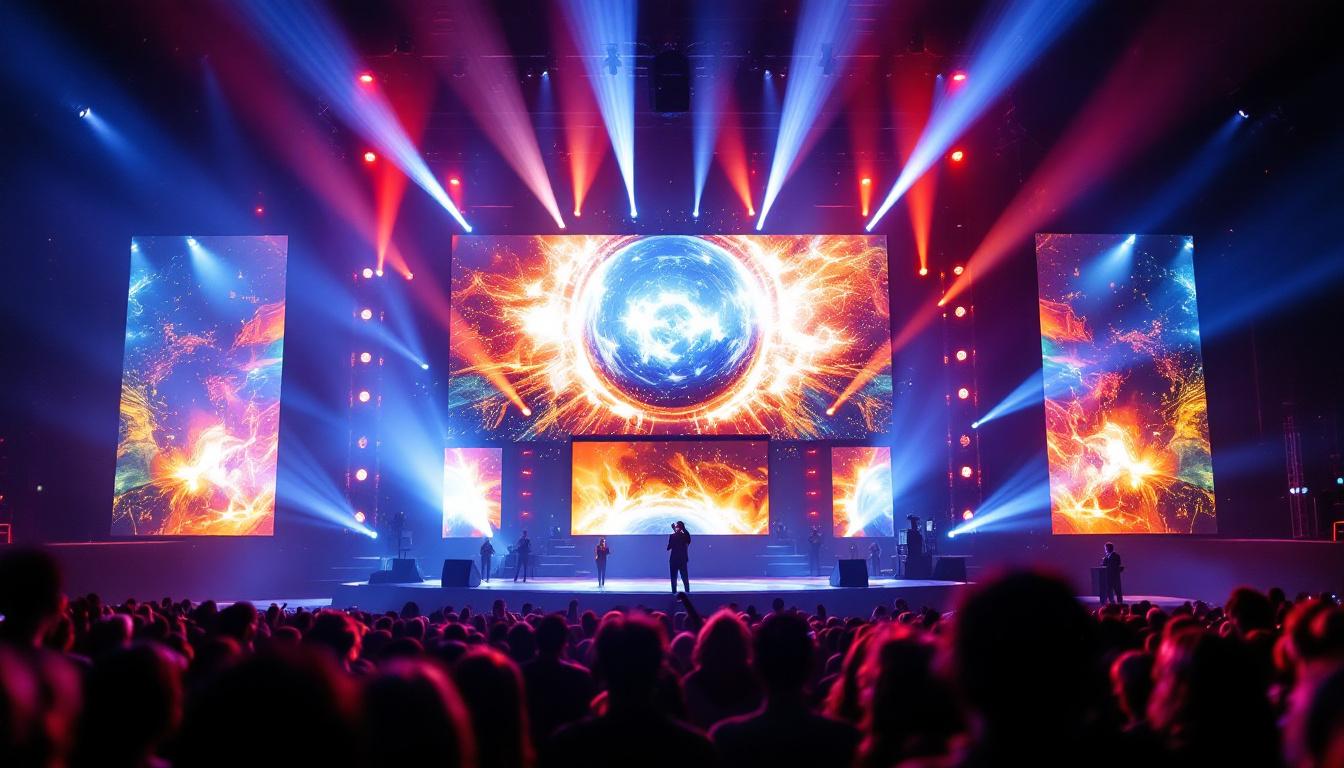
Corporate lobbies, conference centers, and event venues often use multiview LED displays for presentations, advertisements, and live feeds. The flexibility offered by the Texas Multiview Calculator enables designers to customize content arrangements that engage audiences and maximize impact.
For instance, during a product launch event, the calculator can help create a dynamic display that simultaneously showcases product videos, social media streams, and live speaker feeds without compromising clarity.
Technical Considerations When Using the Texas Multiview Calculator
While the Texas Multiview Calculator simplifies many aspects of LED display configuration, users must be aware of several technical considerations to achieve the best results.
Resolution and Scaling Challenges
One common challenge is managing the resolution mismatch between input sources and the LED display. The calculator helps by suggesting scaling options, but users must ensure that scaling does not introduce blurriness or latency. High-quality scaling hardware or software is often required to maintain image fidelity.
Latency and Synchronization
In multiview setups, synchronizing multiple video feeds is crucial to avoid delays or frame misalignment. The calculator can assist in planning the layout, but the underlying hardware and network infrastructure must support low-latency transmission and processing.
Bezel Compensation and Pixel Mapping
LED displays are composed of multiple modules with physical bezels that can interrupt the visual flow. The Texas Multiview Calculator incorporates bezel compensation to adjust content placement, ensuring a seamless viewing experience. Accurate pixel mapping is also essential to align content correctly across modules.
Future Trends and Enhancements in Multiview LED Technology
The landscape of LED display technology is continuously advancing, and tools like the Texas Multiview Calculator are evolving to meet new demands.
Integration with AI and Automation
Emerging trends include integrating artificial intelligence to automate layout optimization based on content type and viewer preferences. This could enable dynamic multiview configurations that adapt in real-time, enhancing user engagement and operational efficiency.
Higher Resolution and HDR Support
As 8K displays and High Dynamic Range (HDR) content become more accessible, multiview calculators will need to handle increasingly complex data streams. Enhanced algorithms will be required to maintain performance without compromising image quality.
Cloud-Based Multiview Management
Cloud computing offers opportunities for remote management and configuration of multiview LED displays. Future versions of the Texas Multiview Calculator may incorporate cloud connectivity, allowing users to design and adjust layouts from anywhere, facilitating collaboration and rapid deployment.
Conclusion
The Texas Multiview Calculator is an indispensable tool for anyone involved in the design and operation of multiview LED displays. By providing precise calculations and layout recommendations, it enables users to maximize the potential of their LED walls, ensuring clear, vibrant, and organized visual presentations.
As LED technology continues to advance, the importance of such calculators will only grow, helping professionals navigate the complexities of high-resolution, multi-source displays. Whether in broadcast studios, control rooms, or event venues, the Texas Multiview Calculator bridges the gap between technical specifications and practical application, making it a vital component in the future of digital display technology.
Discover LumenMatrix’s Advanced LED Display Solutions
Ready to elevate your visual presentations with the latest in LED display technology? LumenMatrix is at the forefront of innovation, offering a wide range of LED display solutions tailored to your needs. From vibrant Indoor and Outdoor LED Wall Displays to dynamic Vehicle and Sports LED Displays, our products are designed to captivate your audience and amplify your message. Experience the future of visual communication with LumenMatrix’s Custom, All-in-One, and Transparent LED Displays. Check out LumenMatrix LED Display Solutions today and transform your space into a hub of engagement and impact.