In the evolving world of lighting technology, LED tube lights have become a staple for both indoor and outdoor applications. Their efficiency, longevity, and versatility make them a preferred choice for illuminating spaces ranging from residential gardens to commercial billboards. When it comes to outdoor LED displays, understanding the role and functionality of LED tube lights is essential for anyone looking to invest in durable, high-performance lighting solutions.
Understanding LED Tube Lights and Their Outdoor Applications
What Are LED Tube Lights?
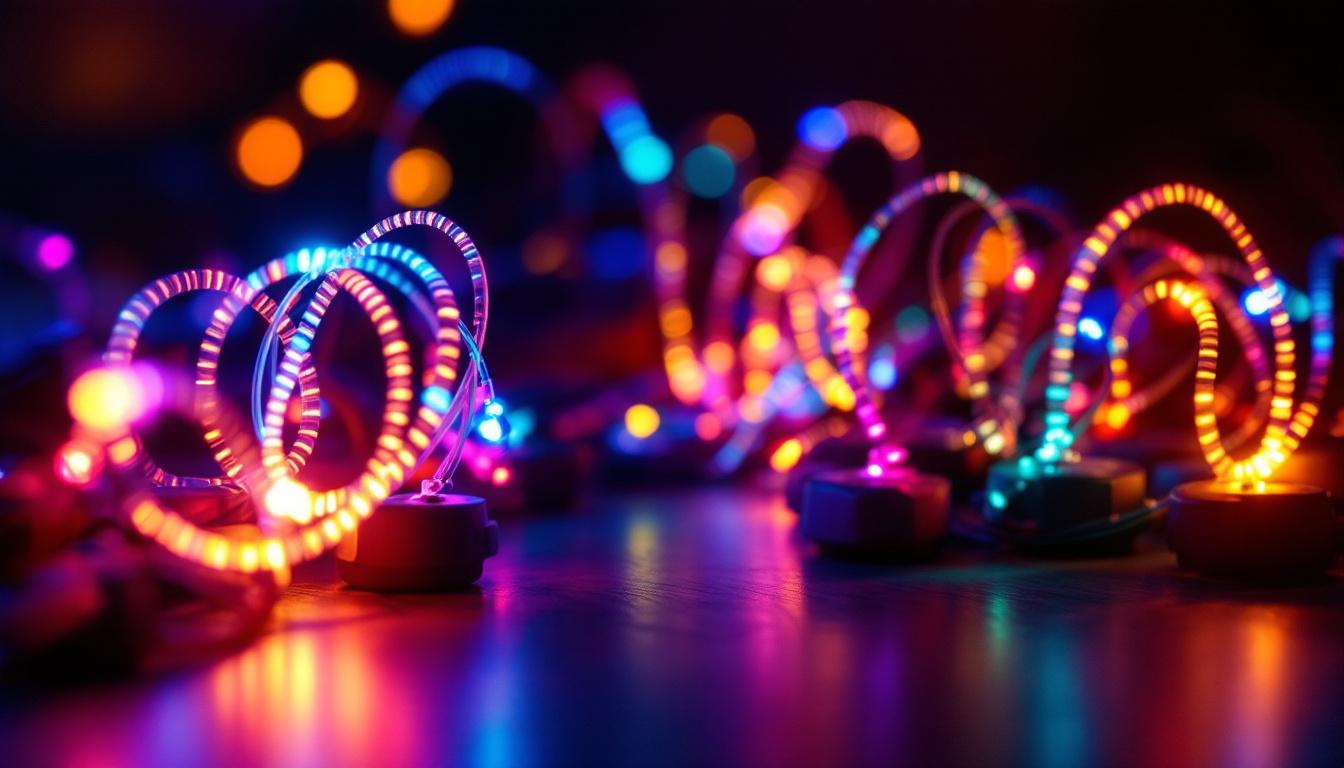
LED tube lights are lighting fixtures that use light-emitting diodes (LEDs) arranged in a tubular shape to provide illumination. Unlike traditional fluorescent tubes, LED tubes consume less power, have a longer lifespan, and emit less heat. These characteristics make them ideal for various lighting needs, especially in outdoor environments where durability and energy efficiency are critical.
Typically, LED tube lights come in standard sizes such as T8 and T5, which correspond to their diameter in eighths of an inch. The T8 LED tube is the most common and widely used variant, often replacing fluorescent tubes in commercial and industrial settings. Their compatibility with existing fixtures allows for easy retrofitting, reducing installation costs and waste. Additionally, LED tube lights are available in a range of color temperatures, from warm white to cool daylight, enabling users to create the desired ambiance for any environment. This versatility makes them suitable not only for functional lighting but also for enhancing aesthetic appeal in various outdoor applications.
Why Use LED Tube Lights Outdoors?
Outdoor lighting demands fixtures that can withstand harsh weather conditions, temperature fluctuations, and exposure to moisture. LED tube lights designed for outdoor use are built with robust materials and often feature waterproof or weather-resistant casings, typically rated with an IP65 or higher certification. This ensures they remain functional and safe even in rain, snow, or dusty environments.
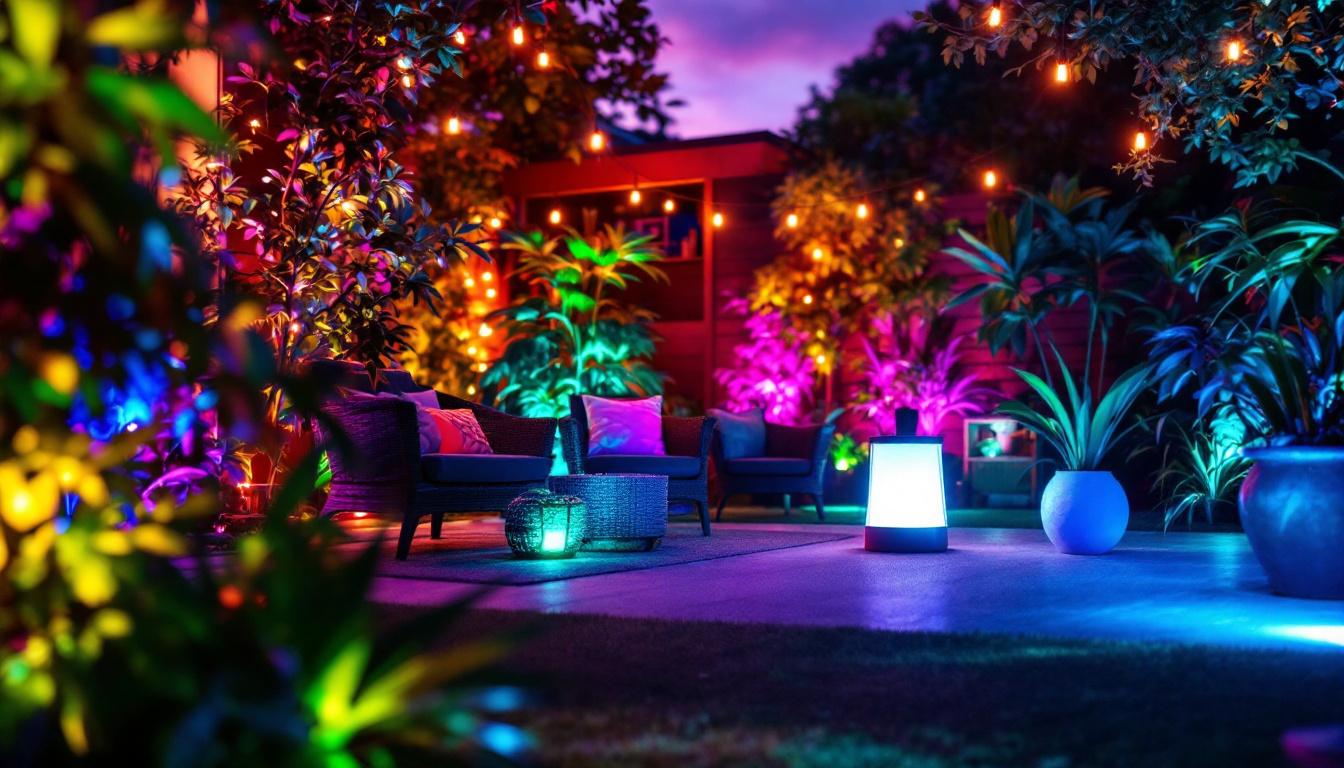
Moreover, LED tube lights provide bright, uniform illumination that enhances visibility and safety in outdoor spaces. Whether lighting pathways, parking lots, building exteriors, or outdoor advertising displays, these lights offer consistent performance with minimal maintenance. Their energy efficiency also translates to significant cost savings, especially for large-scale installations. In addition, many LED tube lights come equipped with advanced features such as motion sensors and dimming capabilities, allowing for greater control over lighting levels and further reducing energy consumption. This adaptability not only contributes to sustainability but also enhances security by ensuring that areas are well-lit when needed, deterring potential intruders and providing a safer environment for pedestrians and vehicles alike.
The Role of LED Tube Lights in Outdoor LED Displays
What Is an LED Display?
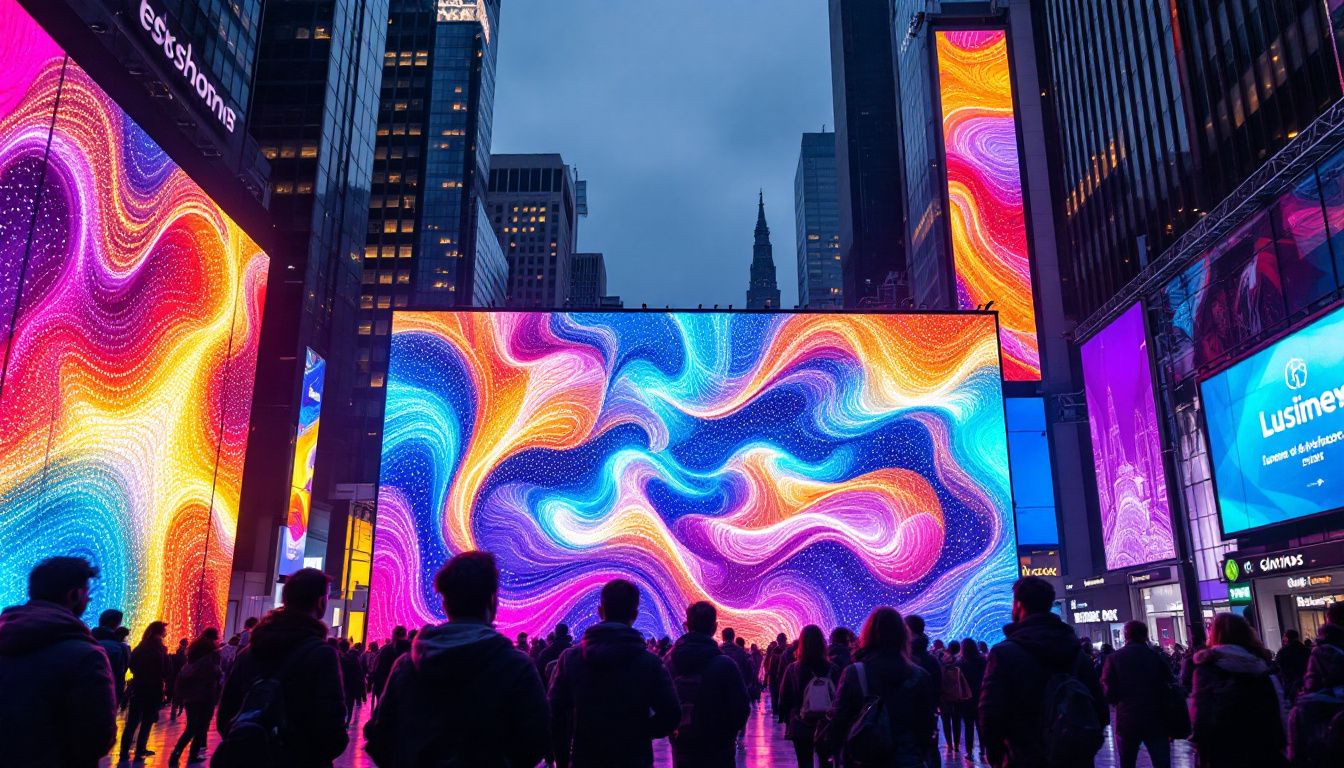
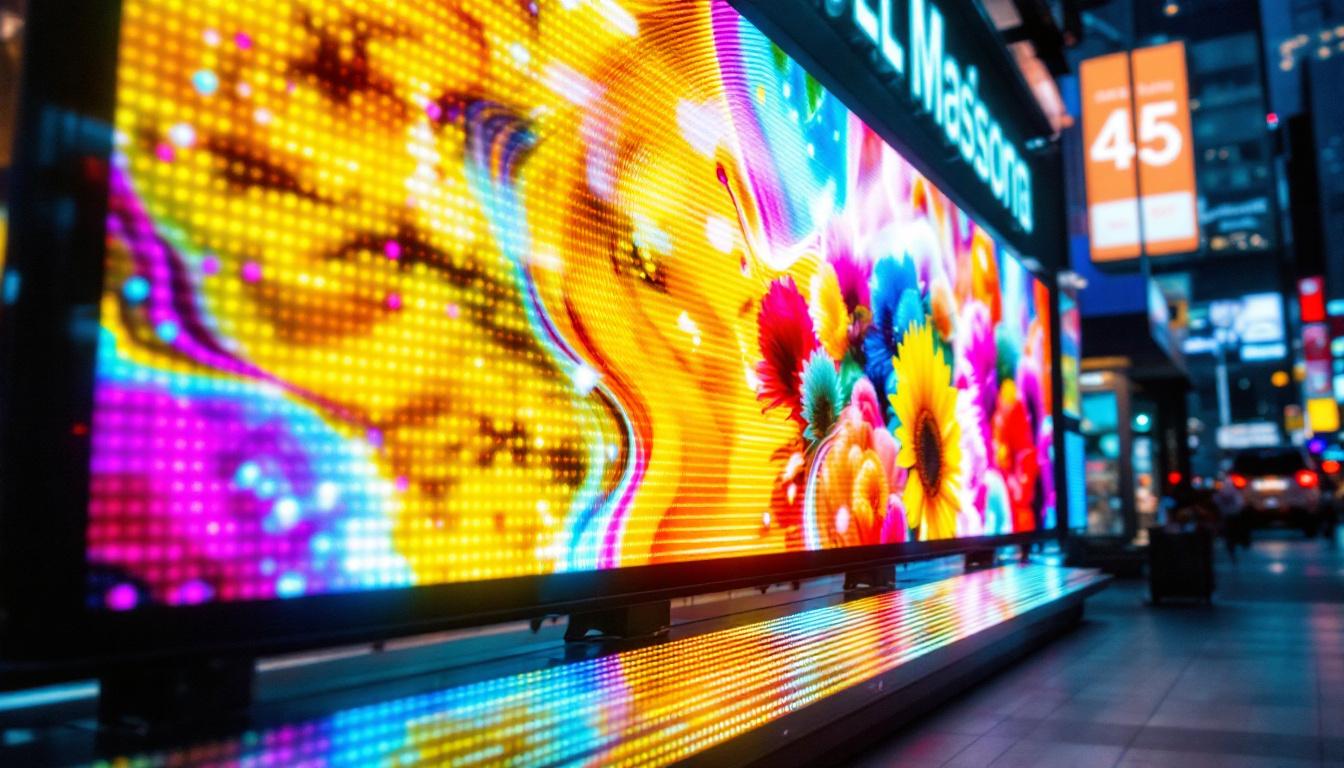
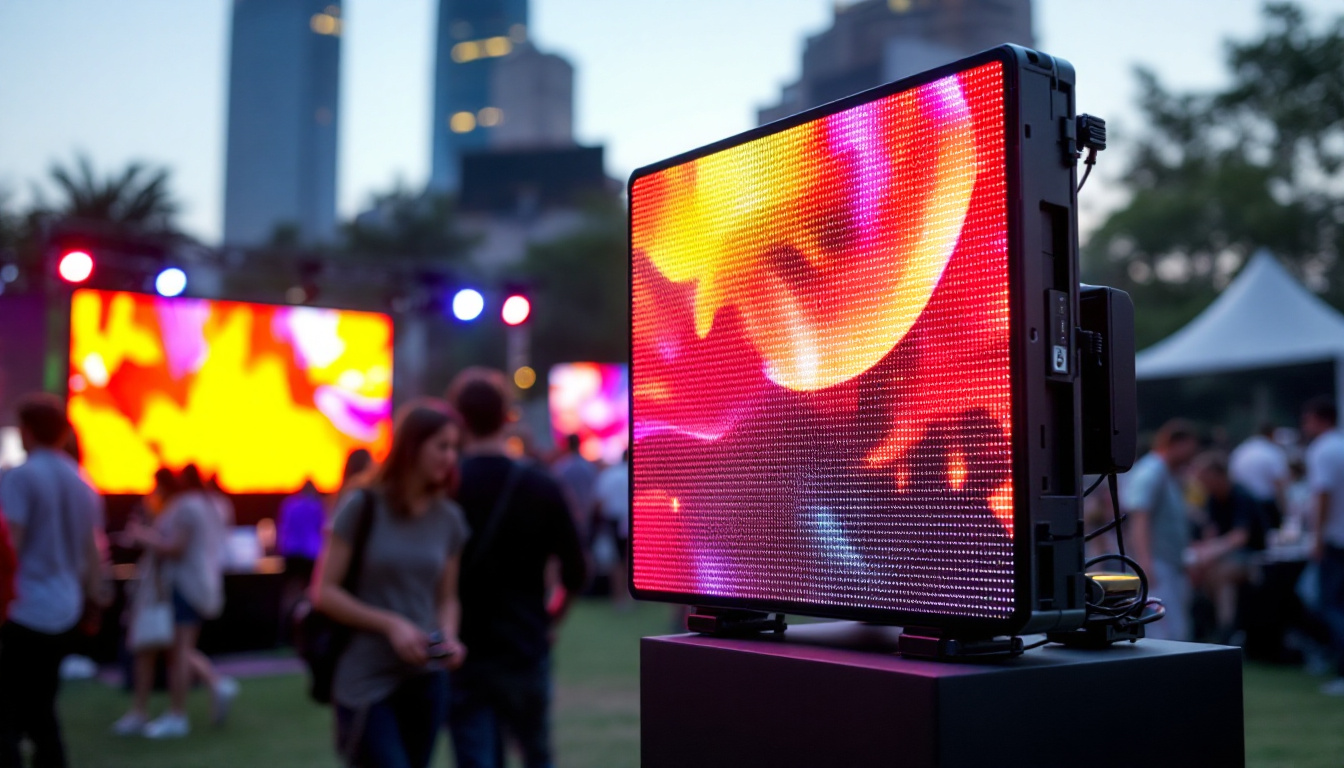
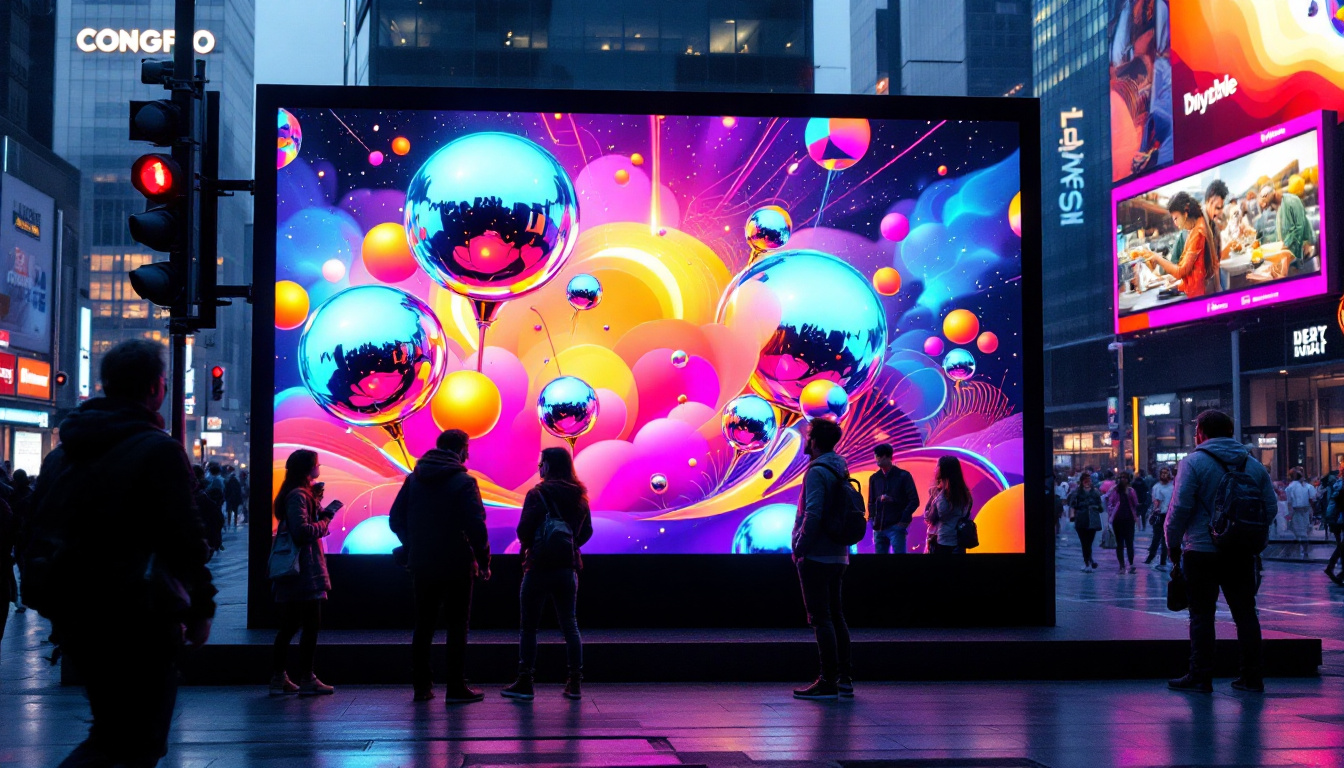
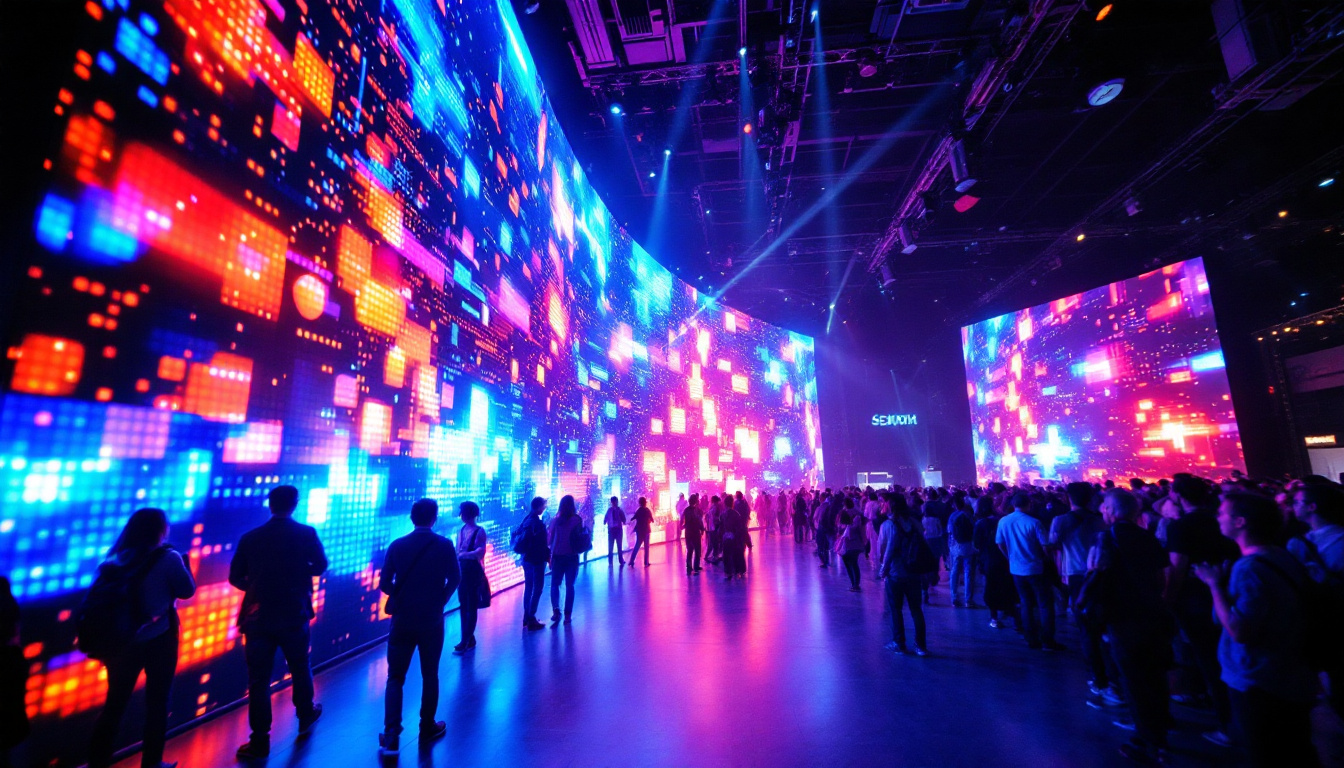
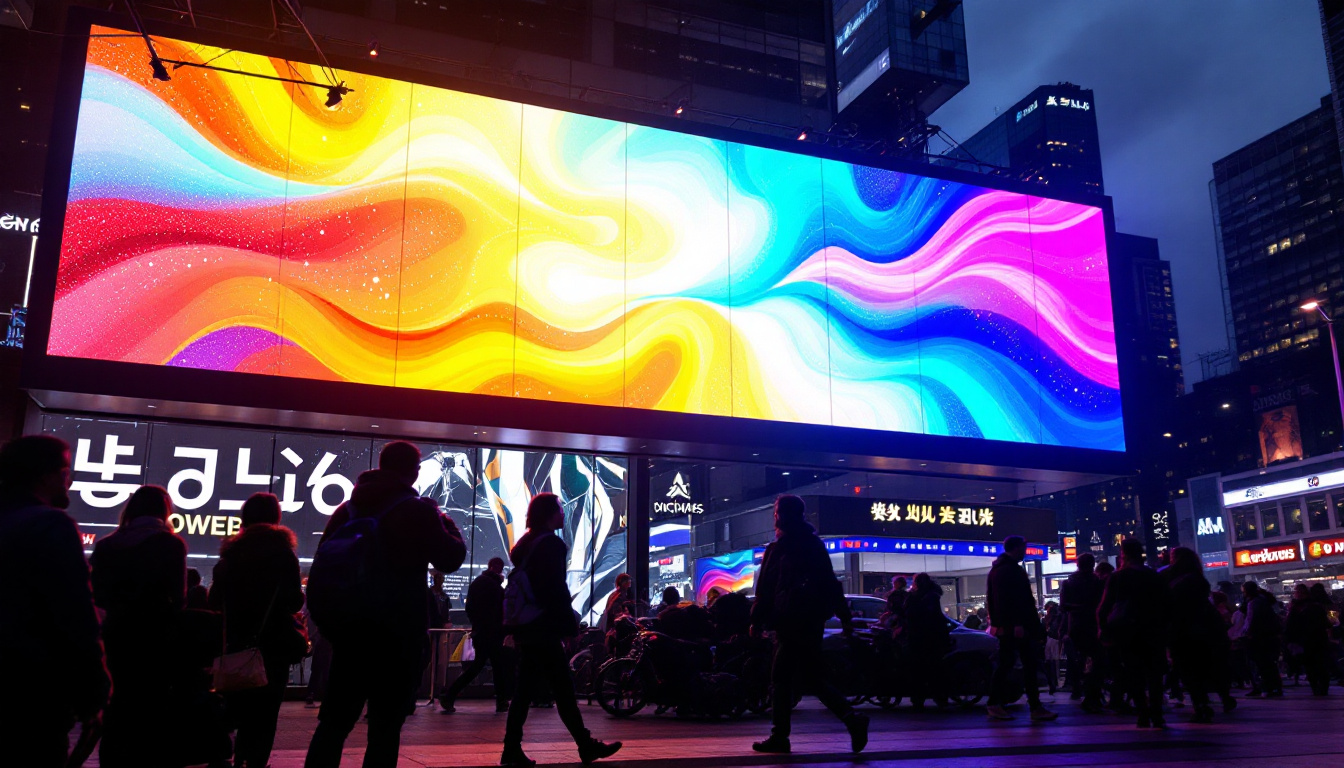
An LED display is a flat panel or screen that uses light-emitting diodes to present images, videos, or information. These displays are commonly found in advertising billboards, stadium screens, traffic signs, and public information boards. The technology behind LED displays involves thousands of tiny LEDs arranged in a matrix to create dynamic, high-resolution visuals that are visible even in direct sunlight.
Outdoor LED displays must be exceptionally bright and durable to perform well in varying environmental conditions. This is where LED tube lights come into play, either as part of the display’s backlighting system or as supplementary lighting to enhance visibility around the display.
How LED Tube Lights Enhance Outdoor LED Displays
While the primary source of light in an LED display is the individual LEDs that form the image, LED tube lights are often used to illuminate the surrounding area or the structure housing the display. For example, LED tube lights can light up the frame or signage area, making the display more prominent and attractive during nighttime or low-light conditions.
In some cases, LED tube lights are integrated into the display’s design to provide uniform backlighting, improving contrast and color vibrancy. This integration ensures that the displayed content remains clear and eye-catching regardless of ambient lighting conditions. Additionally, LED tube lights contribute to energy savings and reduce heat generation, which is critical for maintaining the longevity of outdoor electronic displays.
Moreover, the use of LED tube lights can significantly enhance the overall aesthetic appeal of outdoor LED displays. By strategically placing these lights, designers can create a halo effect around the display, drawing the attention of passersby and enhancing the visual experience. This is particularly important in urban environments where competition for attention is fierce, and businesses need to stand out. The versatility of LED tube lights allows for various color temperatures and brightness levels, enabling custom lighting solutions that can match the branding or theme of the displayed content.
Furthermore, LED tube lights are not just limited to enhancing visibility; they can also play a role in safety and security. By illuminating the area around the display, they help prevent accidents and ensure that viewers can safely navigate their surroundings. This is especially crucial for displays located near busy roads or pedestrian pathways. Additionally, well-lit displays can deter vandalism and other security issues, providing an added layer of protection for valuable advertising assets. As technology continues to evolve, the integration of smart lighting systems with LED tube lights could further enhance their functionality, allowing for dynamic adjustments based on environmental conditions or viewer engagement.
Key Features to Consider for Outdoor LED Tube Lights
Brightness and Color Temperature
Brightness is measured in lumens and is a crucial factor for outdoor lighting. LED tube lights used outdoors typically range from 1,200 to 3,000 lumens depending on the application. For outdoor LED displays, higher brightness levels ensure visibility from a distance and under direct sunlight.
Color temperature, measured in Kelvins (K), affects the ambiance and readability of the display. Cooler temperatures (5000K to 6500K) produce a bright white or daylight effect, which is ideal for outdoor environments where clarity is paramount. Warmer temperatures (2700K to 3500K) are less common for outdoor displays but may be used for decorative lighting around the display area.
Durability and Weather Resistance
Outdoor LED tube lights must be resistant to water, dust, and temperature extremes. The Ingress Protection (IP) rating system helps identify the level of protection a light fixture offers. For outdoor use, an IP65 rating or higher is recommended, indicating the fixture is dust-tight and protected against water jets.
Materials such as polycarbonate or tempered glass are commonly used for the tube cover to prevent damage from impacts and UV exposure. Additionally, corrosion-resistant coatings on the metal parts ensure longevity in humid or salty environments, such as coastal areas.
Energy Efficiency and Lifespan
One of the most significant advantages of LED tube lights is their energy efficiency. They consume up to 60% less electricity compared to fluorescent tubes, which translates into lower operational costs for outdoor displays that often run for extended hours.
The lifespan of LED tube lights typically ranges from 30,000 to 50,000 hours, depending on the quality and usage conditions. This extended lifespan reduces the frequency of replacements, minimizing maintenance efforts and downtime for outdoor LED displays.
Installation and Maintenance Tips for Outdoor LED Tube Lights
Proper Installation Practices
Installing LED tube lights outdoors requires careful consideration of mounting locations, electrical connections, and environmental protection. It is essential to use weatherproof connectors and ensure that all wiring is sealed against moisture ingress.
Mounting the tubes securely prevents damage from wind or accidental impacts. Additionally, positioning the lights to avoid glare or direct exposure to viewers’ eyes enhances comfort and safety. For LED displays, integrating the tube lights in a way that complements the display’s content without causing distractions is crucial.
Routine Maintenance and Troubleshooting
Although LED tube lights are low-maintenance, regular inspections help identify issues such as dirt accumulation, moisture ingress, or electrical faults early. Cleaning the tubes with a soft cloth and mild detergent maintains brightness and prevents damage from grime or salt deposits.
In case of flickering or dimming, checking the power supply and connections is the first step. Using compatible LED drivers and avoiding overvoltage conditions prolongs the life of the tubes. For large-scale outdoor LED displays, having a maintenance schedule and quick access to replacement parts ensures uninterrupted operation.
Future Trends in Outdoor LED Lighting and Displays
Smart LED Tube Lights and IoT Integration
The integration of smart technology into LED tube lights is transforming outdoor lighting. Smart LED tubes can be controlled remotely via mobile apps or centralized systems, allowing for dynamic adjustments in brightness, color temperature, and scheduling. This flexibility enhances energy savings and adapts lighting to changing conditions or events.
Internet of Things (IoT) connectivity enables outdoor LED displays to interact with environmental sensors, adjusting lighting based on ambient light levels or weather conditions. This responsiveness not only improves user experience but also extends the lifespan of the lighting system by preventing unnecessary energy consumption.
Advancements in LED Display Technology
Outdoor LED displays continue to evolve with higher resolution panels, improved color accuracy, and enhanced durability. Innovations such as microLED and miniLED technologies promise even brighter and more energy-efficient displays with finer pixel pitches, enabling stunning visuals at closer viewing distances.
Moreover, flexible and transparent LED tube lights are emerging, allowing for creative architectural lighting solutions that blend seamlessly with outdoor displays. These advancements expand the possibilities for outdoor advertising, public art, and information dissemination.
Conclusion
LED tube lights play a vital role in outdoor lighting and LED display applications. Their energy efficiency, durability, and adaptability make them an excellent choice for enhancing visibility and aesthetics in outdoor environments. Understanding the technical aspects, installation requirements, and emerging trends helps businesses and property owners make informed decisions when selecting LED tube lights for outdoor LED displays.
As LED technology continues to advance, outdoor lighting and display solutions will become more efficient, intelligent, and visually impressive, offering new opportunities for communication and design in public and commercial spaces.
Illuminate Your Space with LumenMatrix
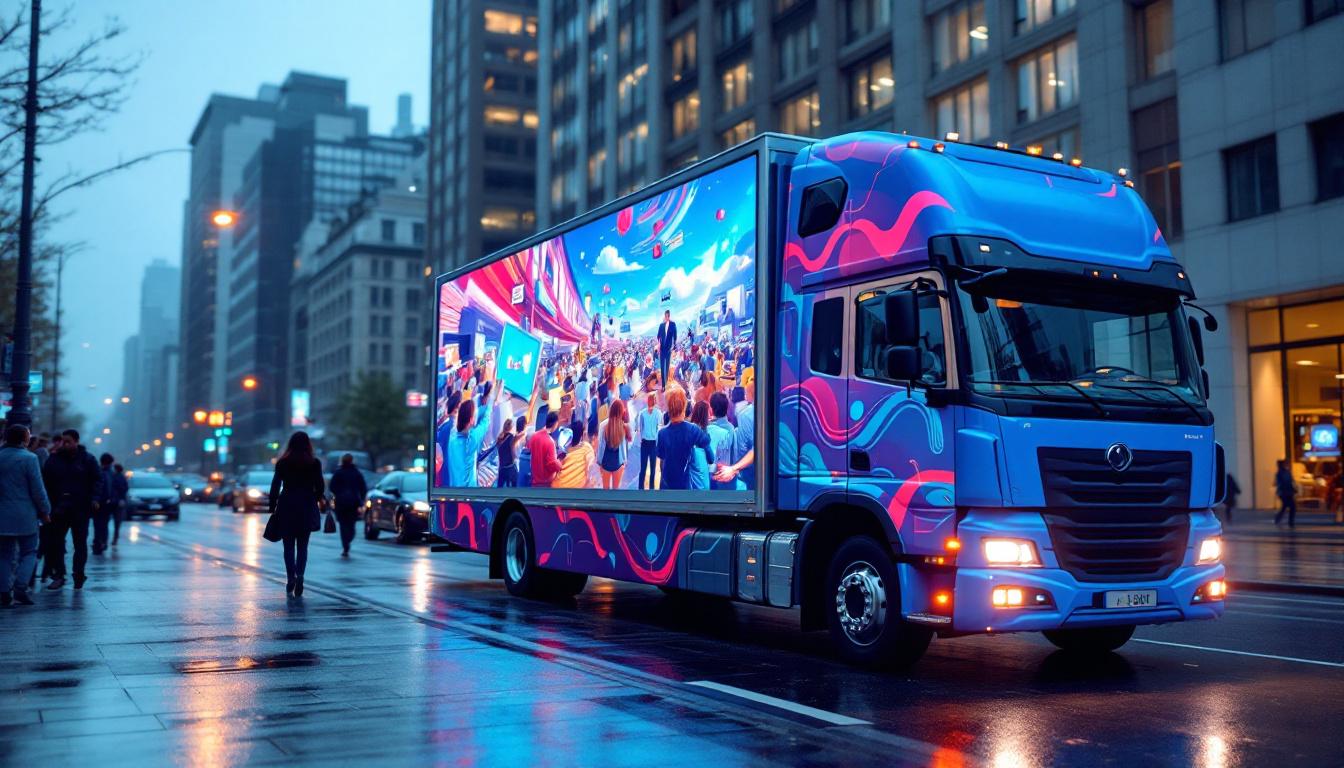
Ready to elevate your outdoor space with unparalleled LED display technology? LumenMatrix is at the forefront of innovation, offering a wide array of LED display solutions that transform any environment into a dynamic visual experience. From captivating Outdoor LED Wall Displays to versatile Vehicle LED Displays and beyond, our mission is to revolutionize your visual communication. Engage and captivate your audience with clarity and impact. Check out LumenMatrix LED Display Solutions today and light up your world with creativity and precision.