Used Flat Screen TV: LED Display Explained
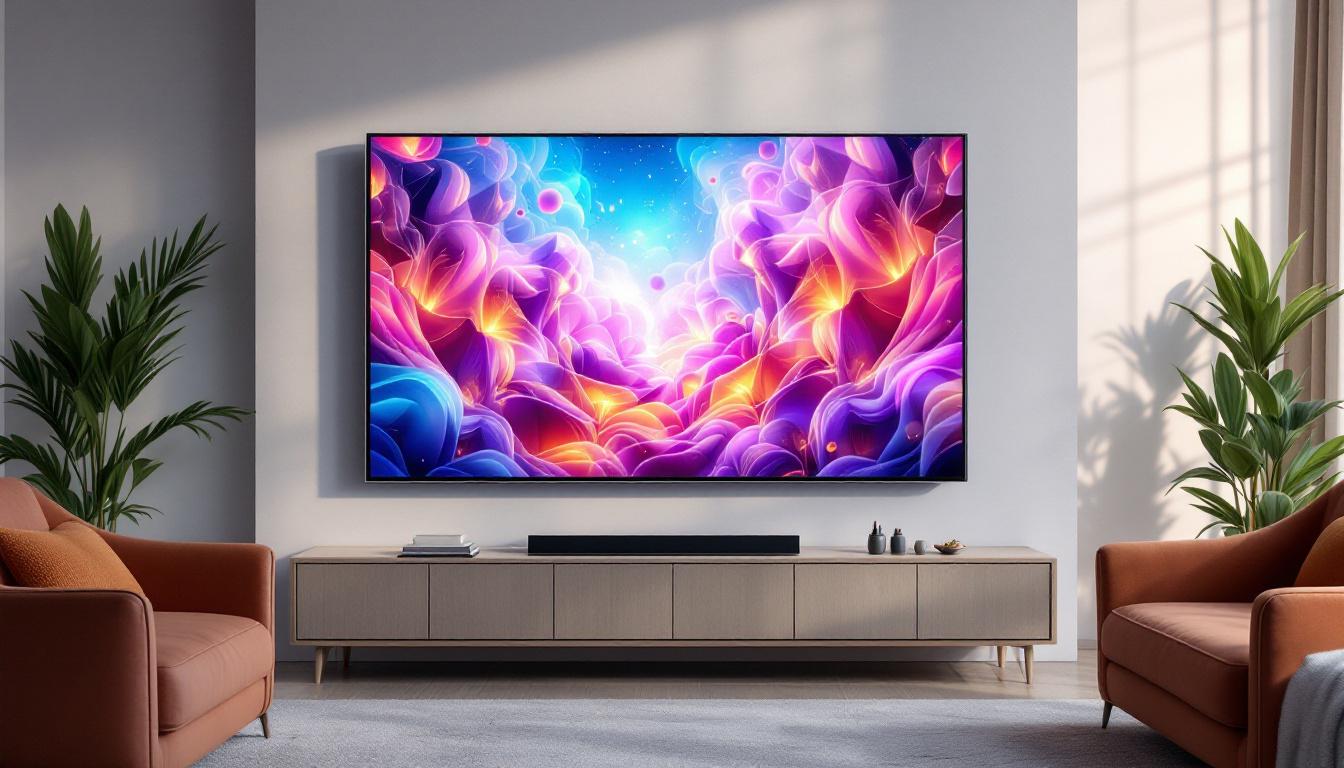
Flat screen TVs have become a staple in modern households, offering sleek designs and impressive picture quality. Among these, LED TVs stand out as one of the most popular choices, especially in the used electronics market. Understanding how LED displays work and what to look for when purchasing a used flat screen TV can help buyers make informed decisions and enjoy the best viewing experience possible.
Understanding LED Display Technology
What is an LED TV?
LED TVs are essentially LCD (Liquid Crystal Display) TVs that use Light Emitting Diodes (LEDs) as their backlight source. Unlike traditional LCD TVs that rely on cold cathode fluorescent lamps (CCFLs) for backlighting, LED TVs use LEDs to illuminate the screen. This technological shift has brought several advantages, including thinner designs, better energy efficiency, and improved picture quality.
LED backlighting can be implemented in two primary ways: edge-lit and full-array. Edge-lit LED TVs place LEDs along the edges of the screen, allowing for thinner panels but sometimes compromising uniformity of brightness. Full-array LED TVs have LEDs distributed evenly behind the entire screen, which enables more precise local dimming and better contrast ratios.
Types of LED Displays
When exploring used flat screen TVs, it’s important to recognize the different types of LED displays available:
- Edge-Lit LED: LEDs are positioned around the edges of the screen. This design allows for slimmer TVs but may result in uneven brightness or “clouding” in some scenes.
- Full-Array LED: LEDs are spread across the entire back panel, offering more uniform brightness and better contrast through local dimming zones.
- Mini-LED: A more recent advancement where thousands of tiny LEDs provide even finer control over brightness and contrast, approaching OLED quality.
- QLED: Quantum Dot LED TVs use a quantum dot layer to enhance color accuracy and brightness, often combined with full-array LED backlighting.
Understanding these distinctions helps buyers evaluate the quality and performance of used LED TVs, as older models may not have the latest backlighting innovations.
Advantages of Buying a Used LED Flat Screen TV
Cost-Effectiveness
One of the most compelling reasons to purchase a used LED TV is cost savings. Brand new LED TVs, especially models with advanced features like 4K resolution, HDR, or smart capabilities, can be quite expensive. Used models often offer similar picture quality and features at a fraction of the price.
For example, a brand-new 55-inch 4K LED TV from a reputable brand may retail for $500 to $700 or more, whereas a used equivalent might be found for $250 to $400, depending on condition and model year. This makes used LED TVs an attractive option for budget-conscious consumers or those seeking a secondary TV for bedrooms or guest rooms.
Environmental Benefits
Purchasing used electronics supports sustainability efforts by extending the lifespan of devices and reducing electronic waste. The global e-waste problem is significant, with the United Nations estimating that over 50 million metric tons of e-waste are generated annually worldwide. By opting for a used LED TV, consumers contribute to lowering demand for new production and help mitigate environmental impact.
Access to Higher-End Models
Buying used can also provide access to higher-end models that might be out of reach when new. Premium LED TVs with features like local dimming, wide color gamut, and superior build quality often depreciate quickly, making them more affordable on the secondary market. Savvy buyers can find excellent deals on well-maintained TVs that offer superior performance compared to entry-level new models.
Key Features to Evaluate When Buying a Used LED TV
Screen Condition and Display Quality
The screen is the most critical component of any TV, and its condition directly affects viewing experience. When inspecting a used LED TV, look for dead pixels, discoloration, or uneven brightness. These issues can be subtle but become noticeable during darker scenes or when displaying solid colors.
Testing the TV with various content types—such as movies, sports, and video games—can help reveal any display inconsistencies. If possible, bring a USB drive with test patterns or use streaming apps to evaluate color accuracy, contrast, and motion handling.
Backlight Uniformity and Brightness
Backlight performance is essential for picture quality. Edge-lit models may exhibit “flashlighting” or clouding, where bright spots appear near the edges. Full-array models typically provide more uniform brightness and better contrast, especially with local dimming enabled.
Brightness levels are also important, particularly for HDR content. While older used LED TVs may not achieve the peak brightness of newer models, they should still deliver a vibrant image in typical viewing environments.
Connectivity and Smart Features
Modern TVs often come equipped with multiple HDMI ports, USB inputs, and wireless connectivity options like Wi-Fi and Bluetooth. When buying used, verify that all ports are functional and compatible with your devices, such as gaming consoles, streaming boxes, or soundbars.
Smart TVs include built-in apps and streaming services, but older models may have outdated software or limited app support. Consider whether you need a smart TV or if an external streaming device would be a better solution for your setup.
Sound Quality
While picture quality tends to be the focus, sound quality is equally important for an immersive experience. Many flat screen TVs have thin speakers that may lack bass or clarity. Test the TV’s audio during your evaluation, and consider whether you might want to invest in external speakers or a soundbar for enhanced sound performance.
Physical Condition and Warranty
Inspect the TV’s physical condition, including the frame, stand, and screen surface. Scratches, dents, or loose components can indicate rough handling or potential internal damage. Also, inquire about any remaining manufacturer warranty or if the seller offers a return policy or limited guarantee.
Common Issues to Watch Out For in Used LED TVs
Screen Burn-In and Image Retention
Although burn-in is more commonly associated with OLED displays, LED TVs can suffer from image retention, where static images leave a temporary ghost-like imprint on the screen. This usually fades over time but can be annoying if persistent.
Check for any signs of image retention by displaying various content and observing if any static logos or menus leave marks. Avoid TVs that show severe or permanent burn-in effects.
Backlight Failure
Backlight issues can manifest as dimming, flickering, or complete loss of illumination in certain screen areas. These problems often require costly repairs or replacement of the LED strips or drivers.
Test the TV at different brightness levels and during various scenes to detect backlight inconsistencies. Sellers should disclose any known backlight problems.
Software and Firmware Limitations
Older smart LED TVs may no longer receive firmware updates, leading to security vulnerabilities or app compatibility issues. Some streaming services might not function properly on outdated platforms.
Consider whether the TV’s software meets your needs or if you plan to use an external streaming device to bypass these limitations.
Tips for Buying a Used LED Flat Screen TV
Research the Model and Market Value
Before purchasing, research the specific TV model to understand its original features, release date, and typical market price. Websites like CNET, RTINGS, and consumer forums provide detailed reviews and performance benchmarks.
Knowing the average price range helps you avoid overpaying and assess whether the seller’s asking price is fair given the TV’s condition and age.
Test the TV Thoroughly
If possible, arrange to see the TV in person and perform a comprehensive test. Check picture quality, sound, connectivity, and physical condition. Ask the seller about the TV’s history, including usage patterns and any repairs.
Consider the Purchase Source
Buying from reputable sources such as certified refurbishers, electronics stores with return policies, or trusted online marketplaces can reduce the risk of scams or defective products. Private sales may offer lower prices but require more caution and due diligence.
Negotiate Based on Condition and Features
Use any imperfections or missing features as leverage to negotiate a better price. Sellers are often willing to lower the price if you point out issues like cosmetic damage or outdated software.
The Future of LED TVs and What It Means for Buyers
LED TV technology continues to evolve rapidly. Innovations like Mini-LED and Micro-LED promise even better contrast, brightness, and energy efficiency. Quantum Dot technology enhances color performance, narrowing the gap between LED and OLED displays.
For buyers considering used LED TVs, this means older models may lack some of the latest advancements but can still offer excellent value. As newer technologies become mainstream, prices for previous-generation LED TVs are likely to decline, creating more opportunities for budget-conscious consumers.
Additionally, the increasing availability of affordable external streaming devices and sound systems allows users to upgrade their entertainment setups incrementally, making used LED TVs a practical and flexible choice.
Conclusion
Used flat screen LED TVs represent a smart option for those seeking quality displays at reduced prices. Understanding the technology behind LED displays, recognizing key features, and knowing what to inspect can help buyers avoid common pitfalls and find a TV that delivers satisfying performance.
By carefully evaluating screen condition, backlight quality, connectivity, and overall functionality, consumers can confidently navigate the used TV market. Coupled with environmental benefits and access to higher-end models, buying a used LED TV is a practical choice for many households.
As LED technology advances, the secondary market will continue to offer diverse options, making it easier than ever to enjoy high-quality home entertainment without breaking the bank.
Explore Cutting-Edge LED Displays with LumenMatrix
If you’re inspired by the advancements in LED technology and considering an upgrade for your home or business, LumenMatrix offers a wide array of innovative LED display solutions. From captivating Indoor LED Wall Displays to dynamic Outdoor LED Wall Displays, and even specialized options like Vehicle LED Displays and LED Sports Displays, LumenMatrix is at the forefront of enhancing visual communication. Experience how our Custom LED Displays, All-in-One LED Displays, and LED Transparent Displays can transform your space and engage your audience. Check out LumenMatrix LED Display Solutions today and take the first step towards a brighter, more impactful display experience.